Well, this is definitely not what I was expecting!
Pablo Escobar, cocaine, and the terror the two caused is what most people my age think of when they hear Medellín. But today the city is a massive, forward-thinking urban center with eyes toward the future. I was very surprised – and impressed!
Medellín is truly innovative in how it approaches community development, and was named the world’s most innovative city by Forbes in 2013. It partners with communities to identify areas of need (rather than a central government office dictating its priorities to citizens). Wikipedia has a decent short summary of the city’s development program that’s worth reading.
Escobar
Since we only had 1 day in the city, I hired a private guide to show us the highlights and teach us about the city. First stop: a bit of history. At the site of one of Pablo Escobar’s former properties is a memorial to those who lost their lives in his reign of terror. It is a very well-done memorial. In the long, stone monument, one side has a timeline with events attributed to Escobar – the method of murder, date, location, and number killed.
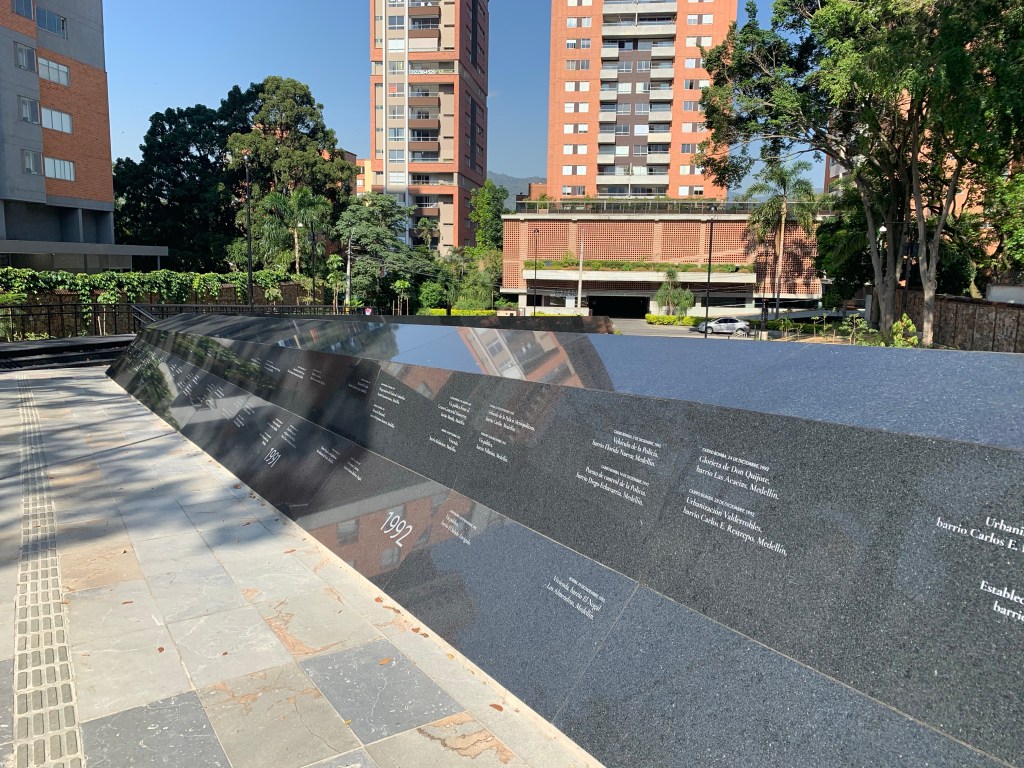
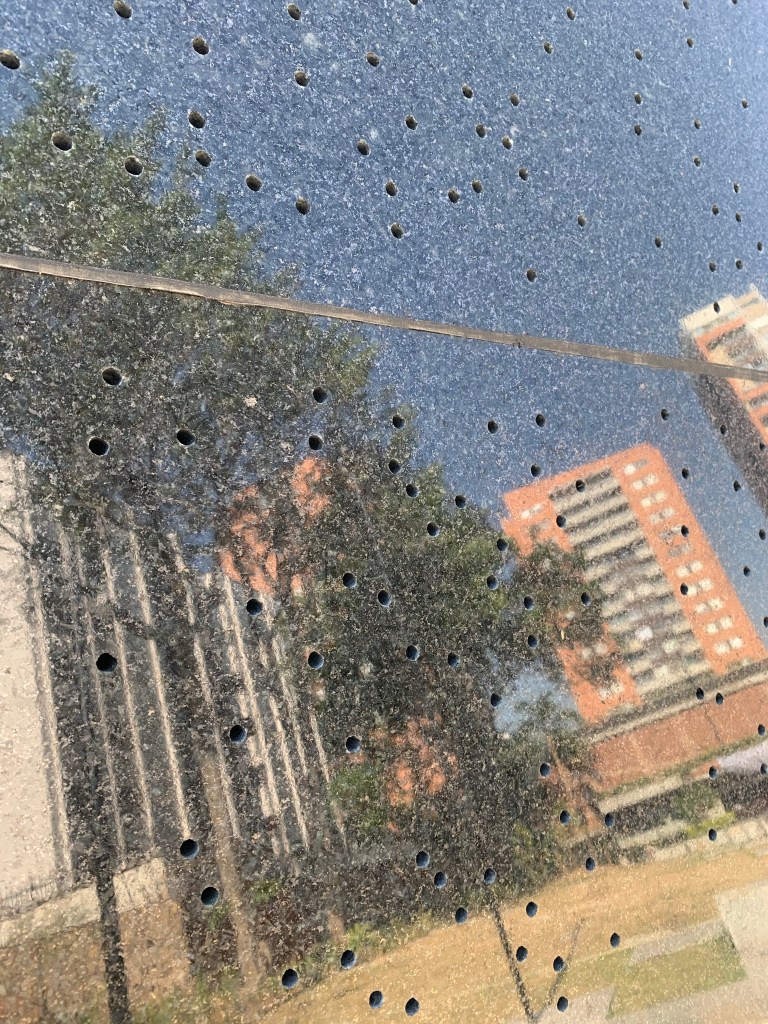
The other side is a simple, black granite slab with thousands of small holes drilled in to it. Some are filled with flowers in memory of those who lost their lives at his hands. Each represent one human life lost. I never would’ve guessed how impactful something so simple could be, but it certainly managed to convey the message in a manner that didn’t require translation.
Downtown
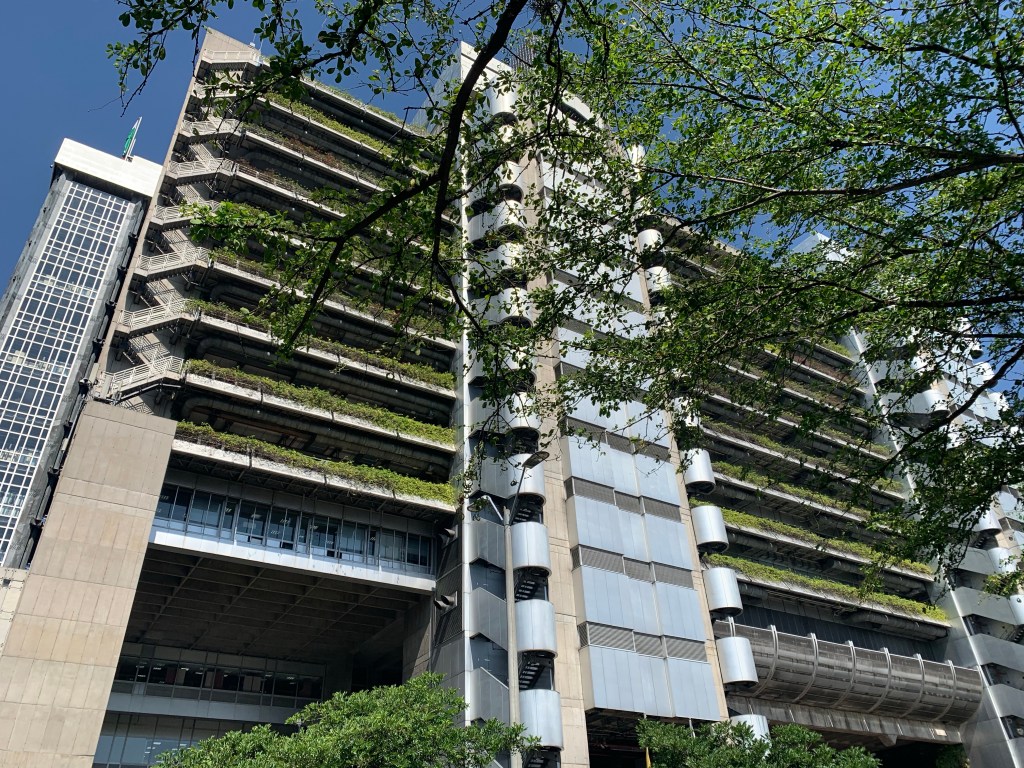
Next up was a tour of Medellín’s downtown. First we went to the EPM building. This is a fascinating organization. They serve as a public electricity and water utility for city residents, but also is involved in many other municipal programs, including street cleaning, river cleanup, and trash collection. The building is energy efficient and features quite a few “living walls” of lush greenery, as well as a public bamboo garden across the street.
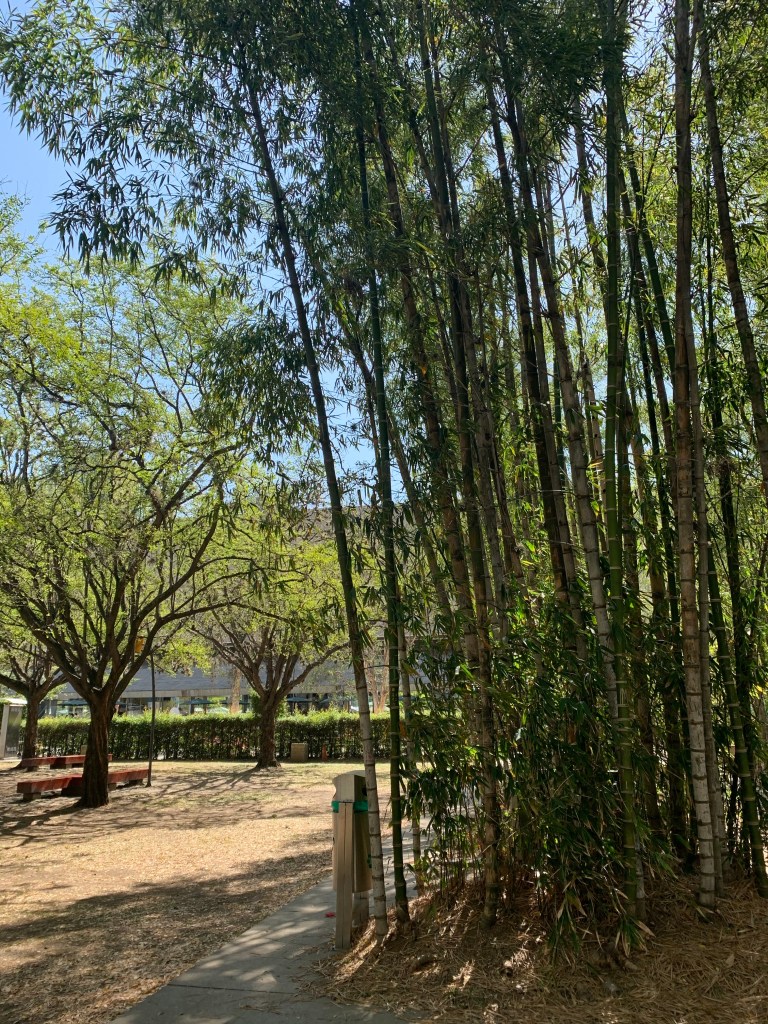
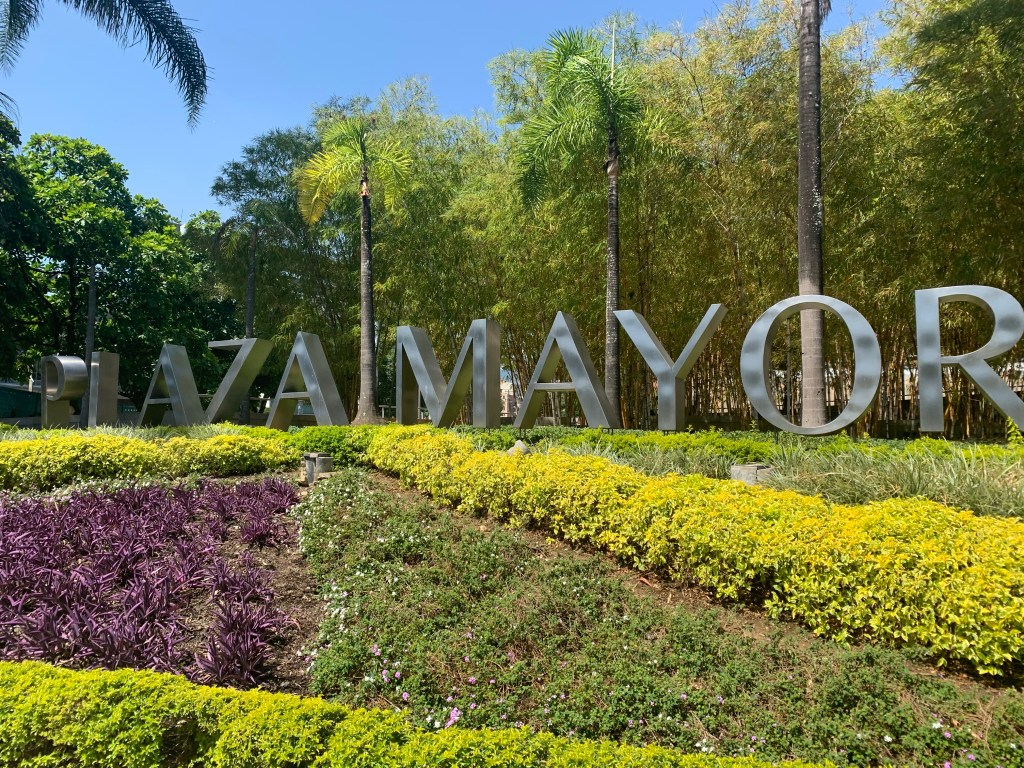
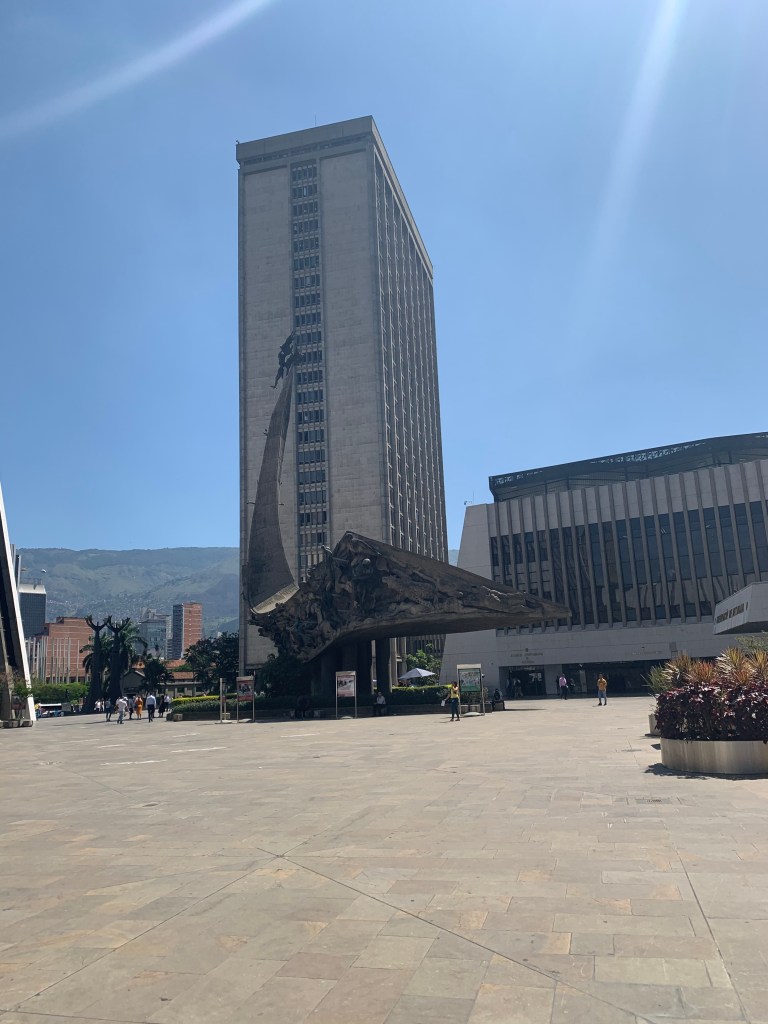
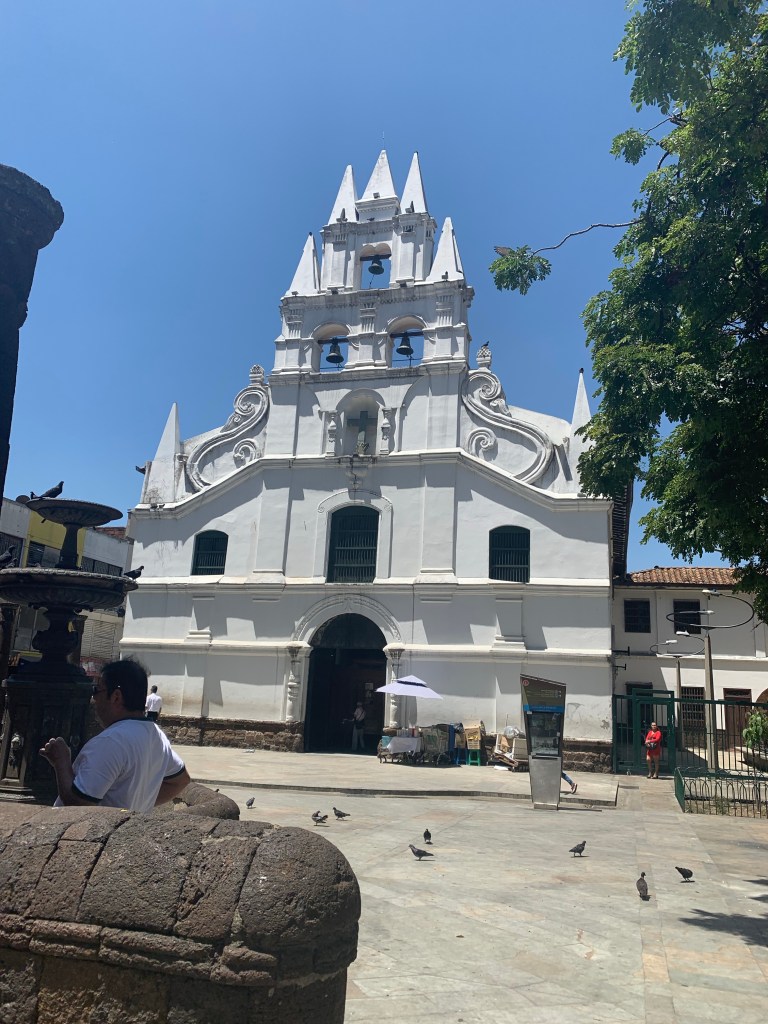
We then strolled through downtown. Everywhere there are green spaces, public squares, parks, shade trees, and public art. The city is fundamentally pleasing to look at in a way I’ve never seen in other metropolitan areas.
Pájaros
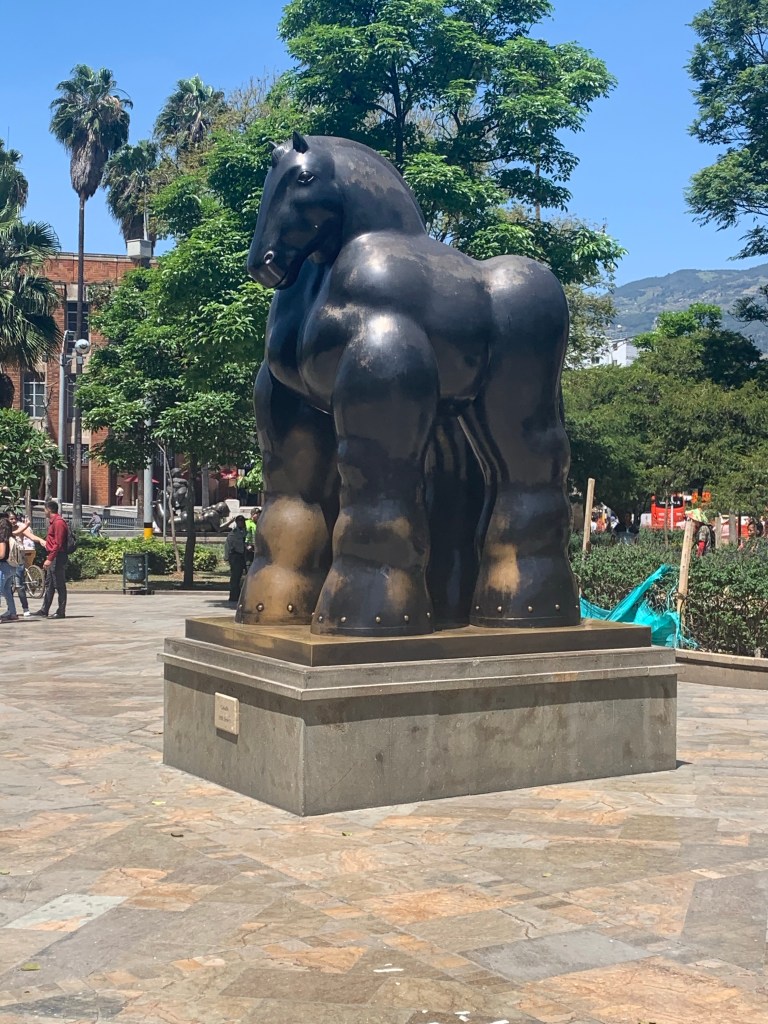
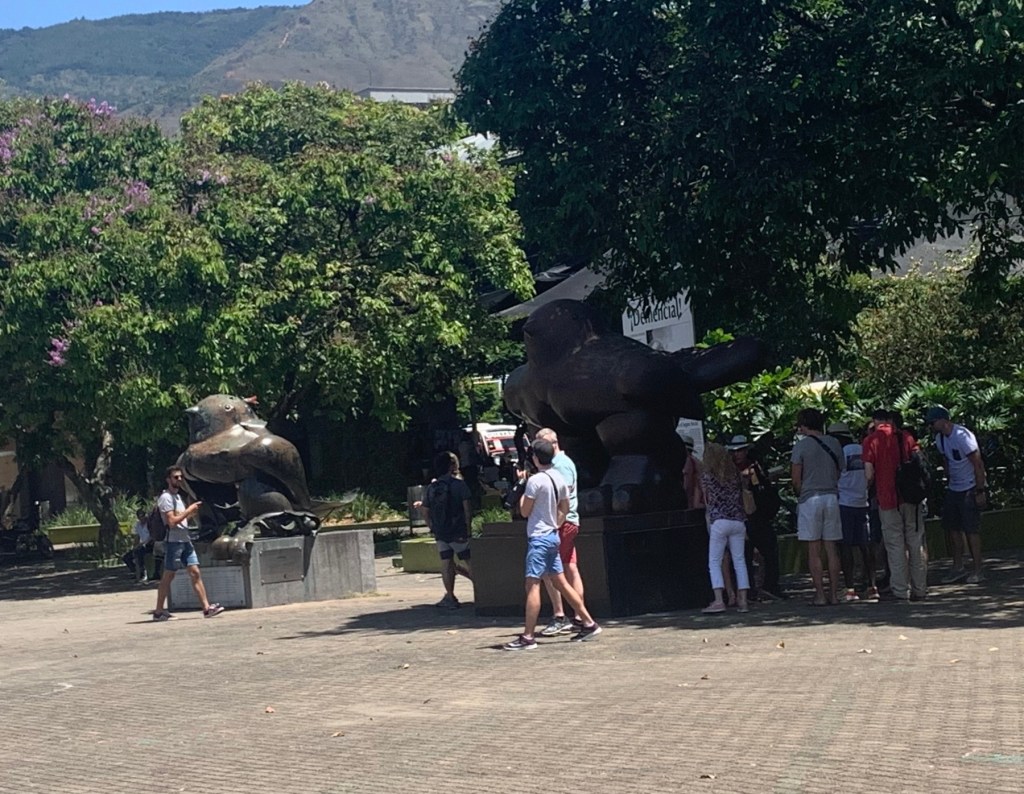
Fernando Botero, a Medellín artist, creates fabulous statues and paintings of adorably chubby characters – human and animal. In Plaza San Antonio, you can find a statue of a pigeon. Cute!
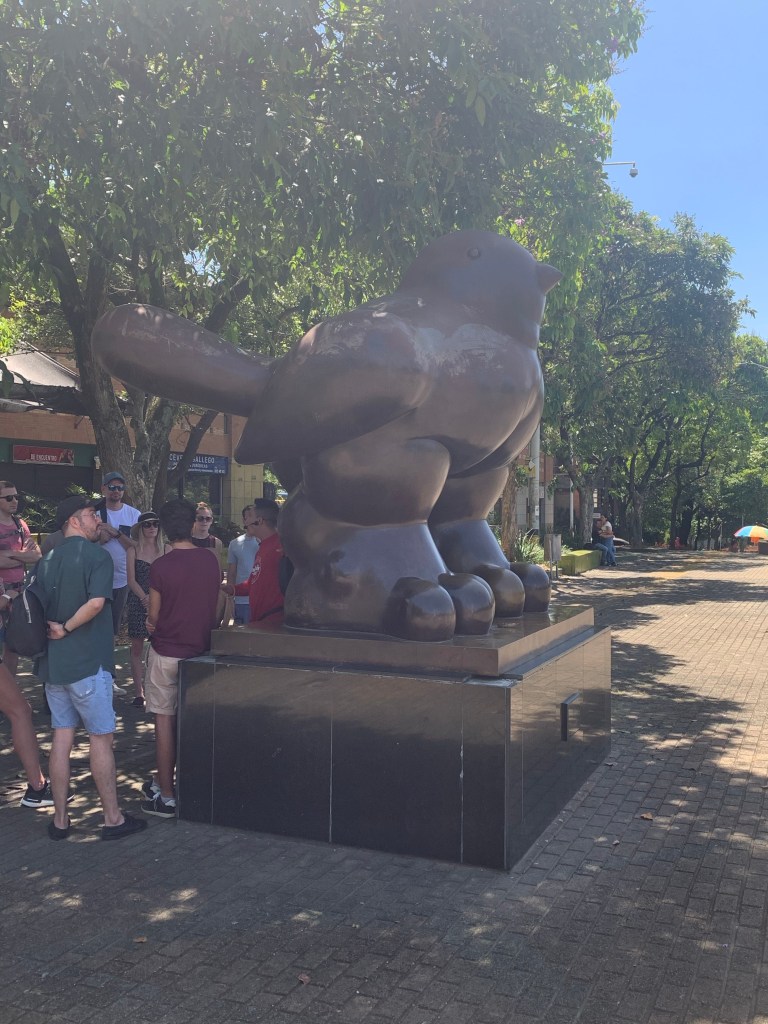
Next to this guy is another, but one with a tragic story. In 1995, terrorists placed explosives at the statue’s feet, blowing it apart and killing 30 innocent people – including several children – attending a concert.
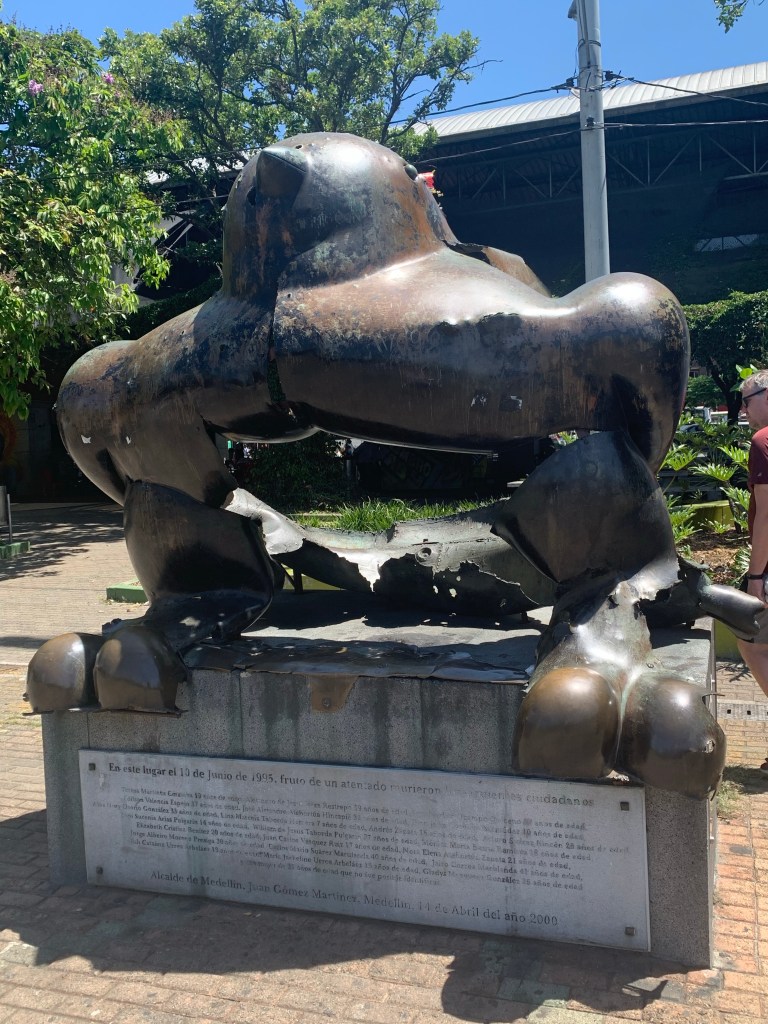
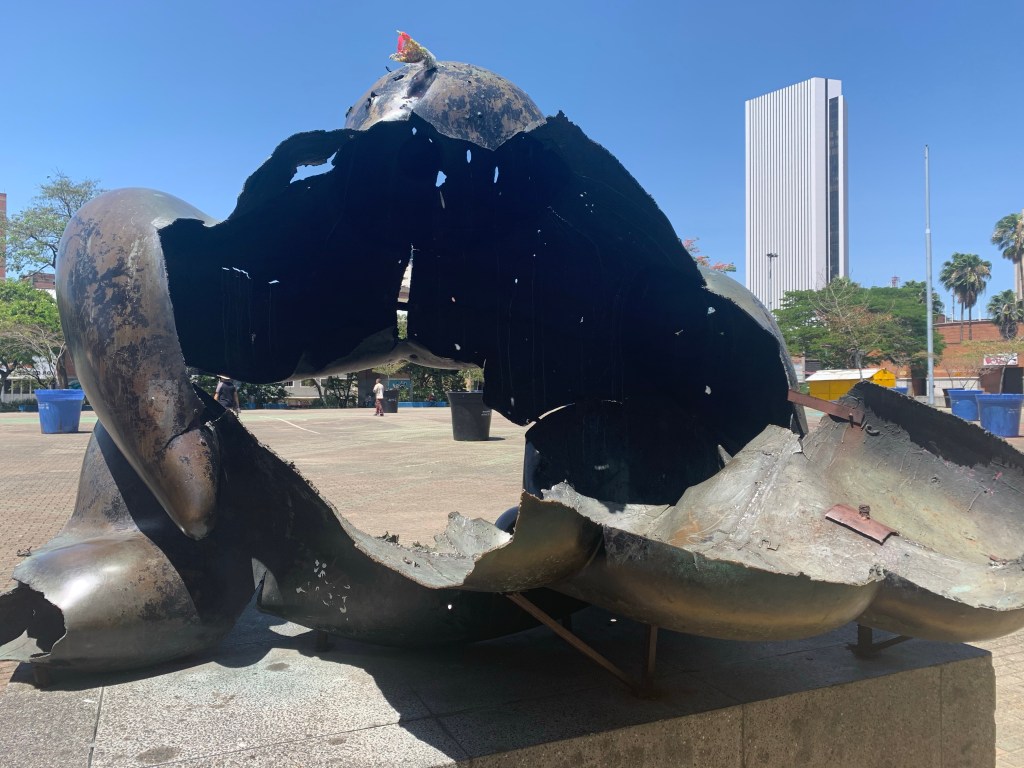
The artist donated the 2nd bird to the city, naming them Birds of Peace, as a reminder of the tragic event and as a symbol for peace.
Pollo
I don’t eat meat, but when traveling it sometimes requires me to soften my dietary restrictions or face a day of packaged food and potatoes. Colombia seems to consider vegetarianism as a fictitious concept because it was nearly impossible to find anything vegetarian, so when we found ourselves at a lunch restaurant that has exactly one thing on the menu – pollo (chicken) – I don’t have a lot of choice.
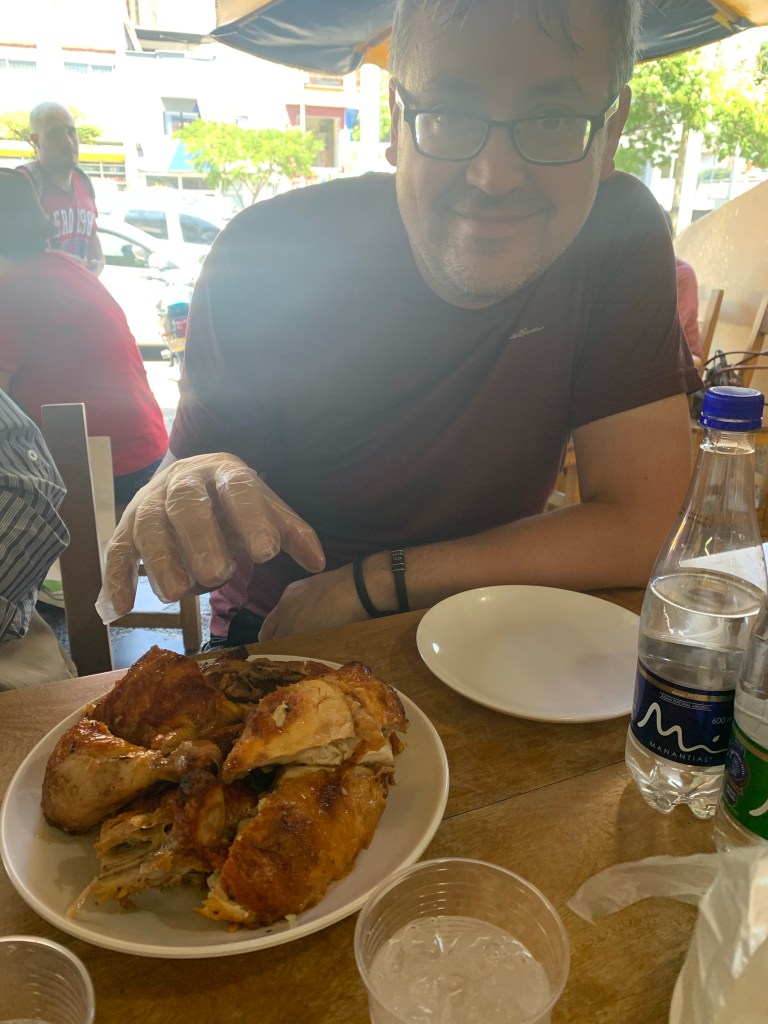
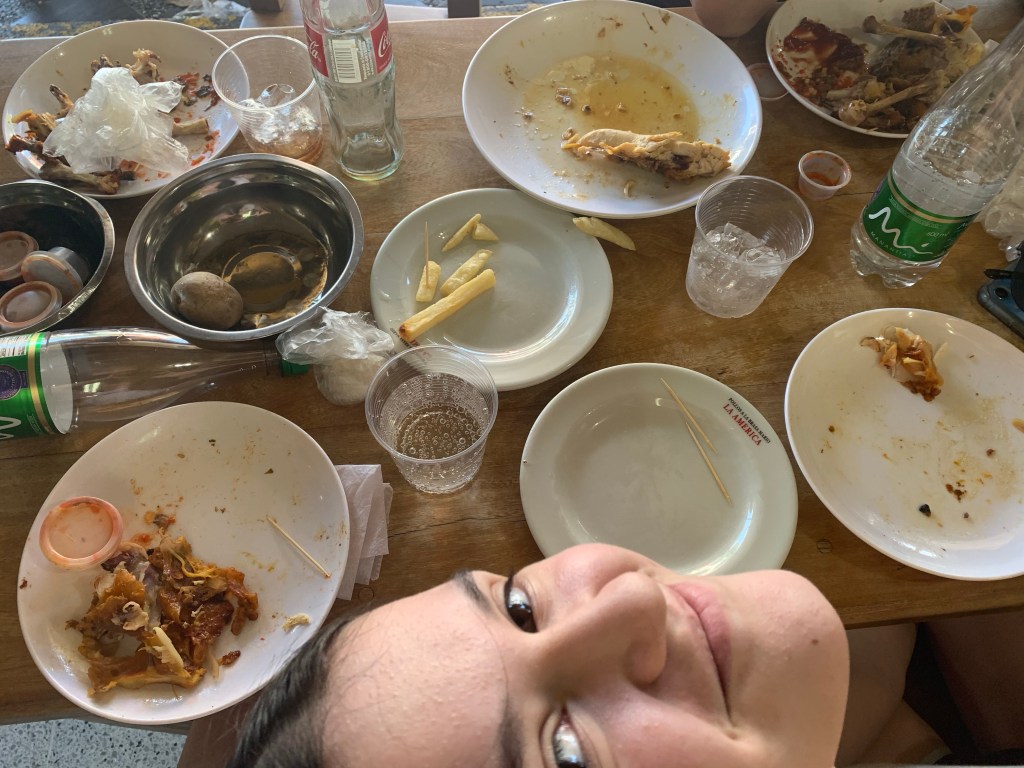
I’ve never liked chicken. It’s pretty much always dry or bland. Except for this – it was moist, tasty, tender, and fabulous! If chicken always tasted like this I would eat it more often. (And since I generally hate chickens as animals, I don’t have much trouble seeing them on a plate).
Cable car
What this city has done with public transportation in 25 years is simply amazing…Boston really should be ashamed.
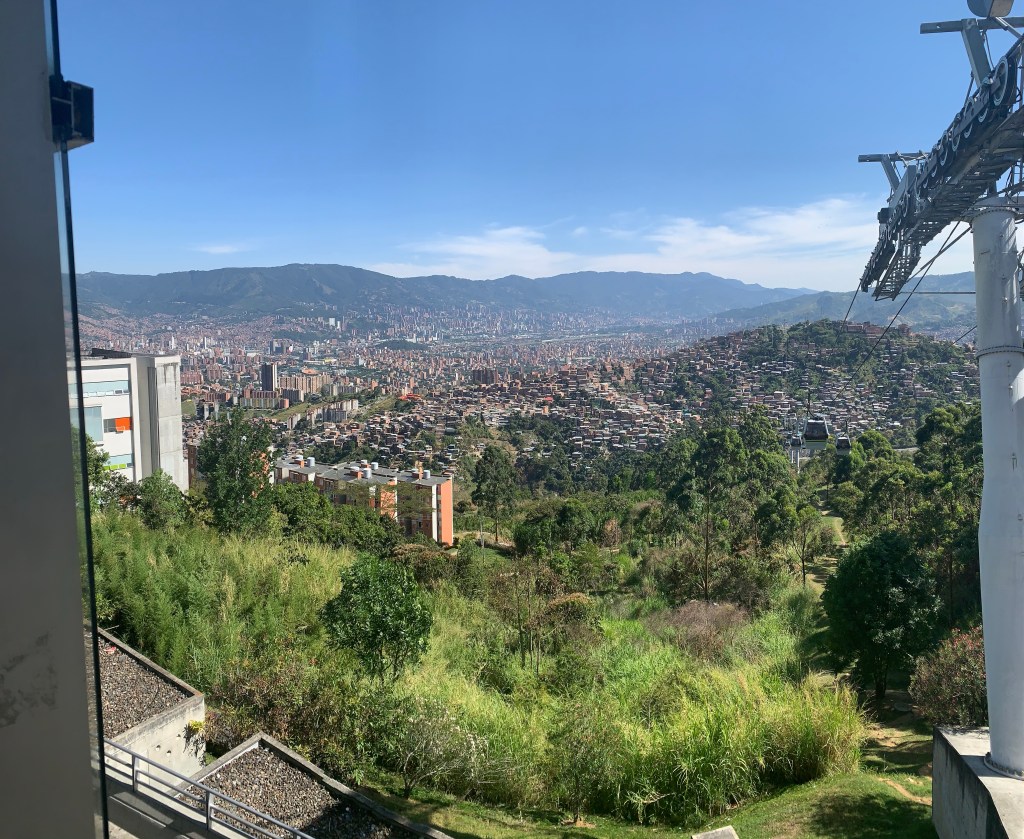
Medellín sits in a valley surrounded by 7 (or was that 8?) mountains. Many of the city’s comunas are located on the hillsides, some of which are incredibly steep, and were historically where the lowest income residents lived. Of course, that type of geographical segregation means that those who would most benefit from the jobs typically found in the city center are those with the least ready access to the city center.
In the mid-1990s, Medellín began investing in public transportation, beginning with the Metro, a rail line that is connected to numerous bus lines. Then, in 2004, the city opened the cable car – a new part of the Metro system that connects the existing bus and rail lines to some of the comunas and informal housing areas in the steepest parts of the city and on the other side of the mountain.
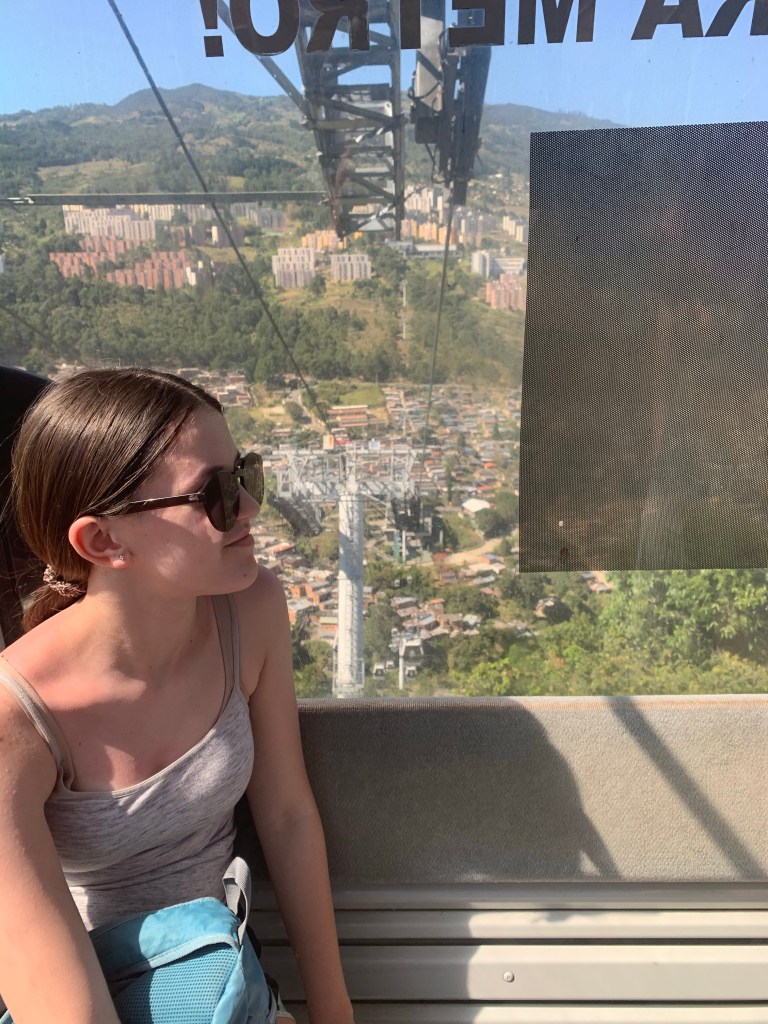
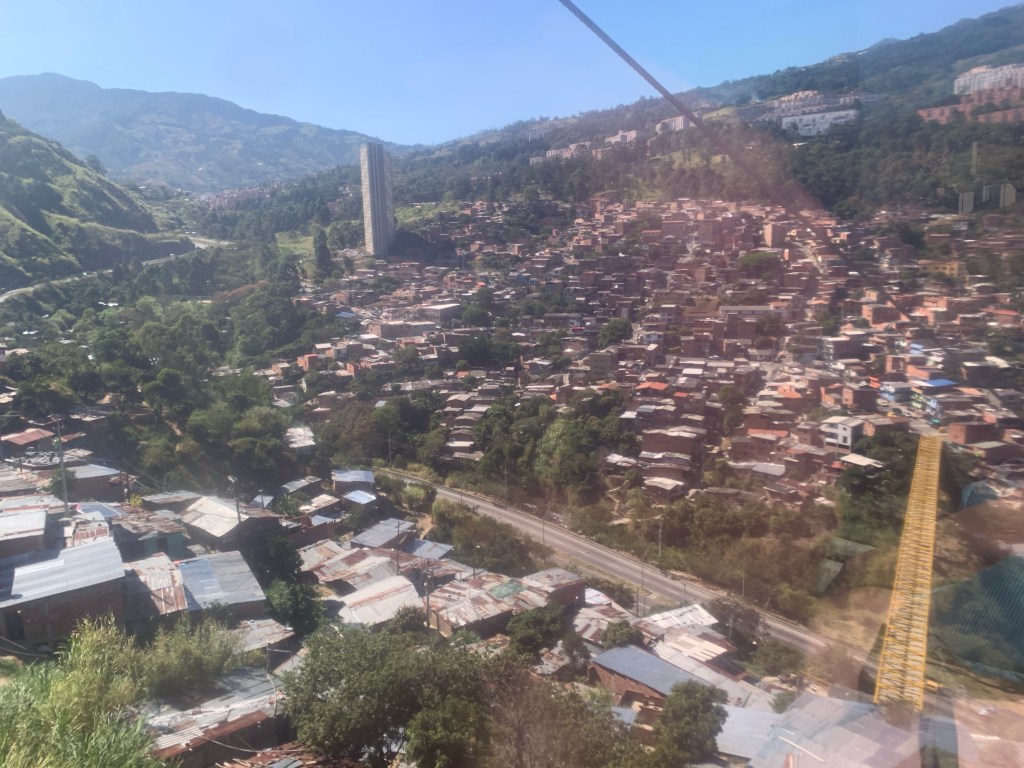
There are 5 stops on the cable car system, so it covers a substantial distance. On the way back down, we rode with 2 residents who told us about how much better their lives are with the cable car. Now, when the system is taken down because of storms or for maintenance, they marvel at how they managed life before. They also talked about how much safer their communities have gotten over the past few decades – they never saw gringo tourists in the old days, but now…! 🙂

 Vacation Days