On the day 6 agenda were glaciers. A substantial percentage (8%) of Iceland’s land is covered by the massive Vatnajökull, and the numerous glacial tongues mark the landscape as we started out on the day’s drive.
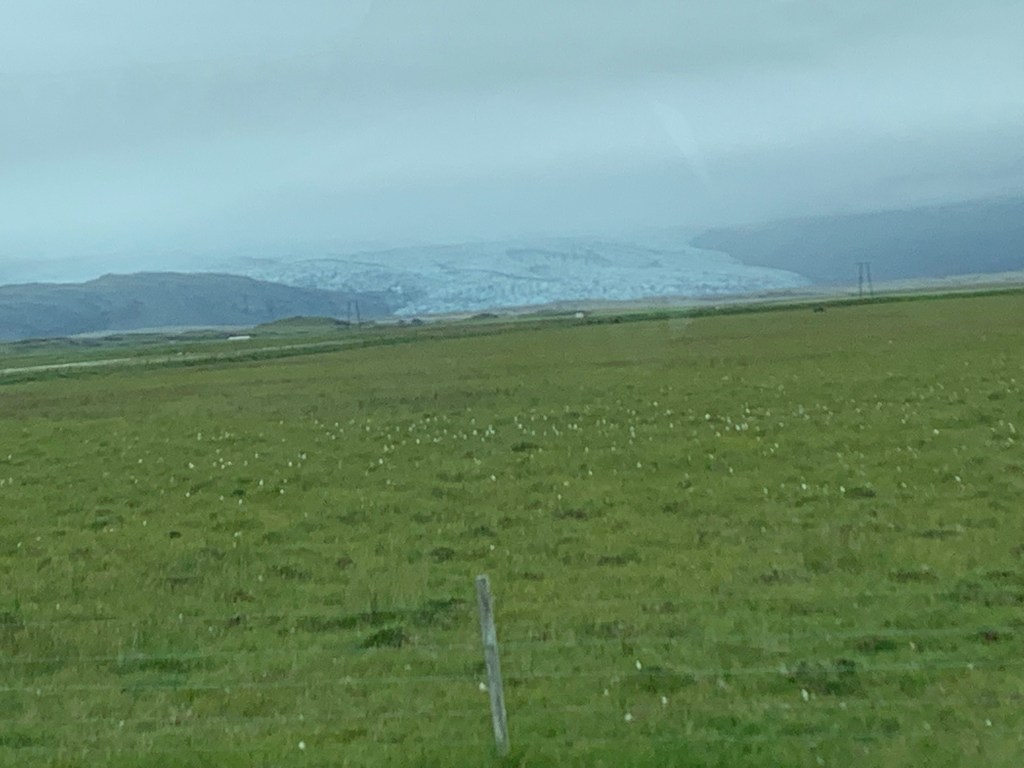
We had a 12:30 booking, so we started off at Jökulsárlón, a glacial bay where icebergs often break off and float in the lagoon before making their way out to sea. It’s breathtakingly beautiful.
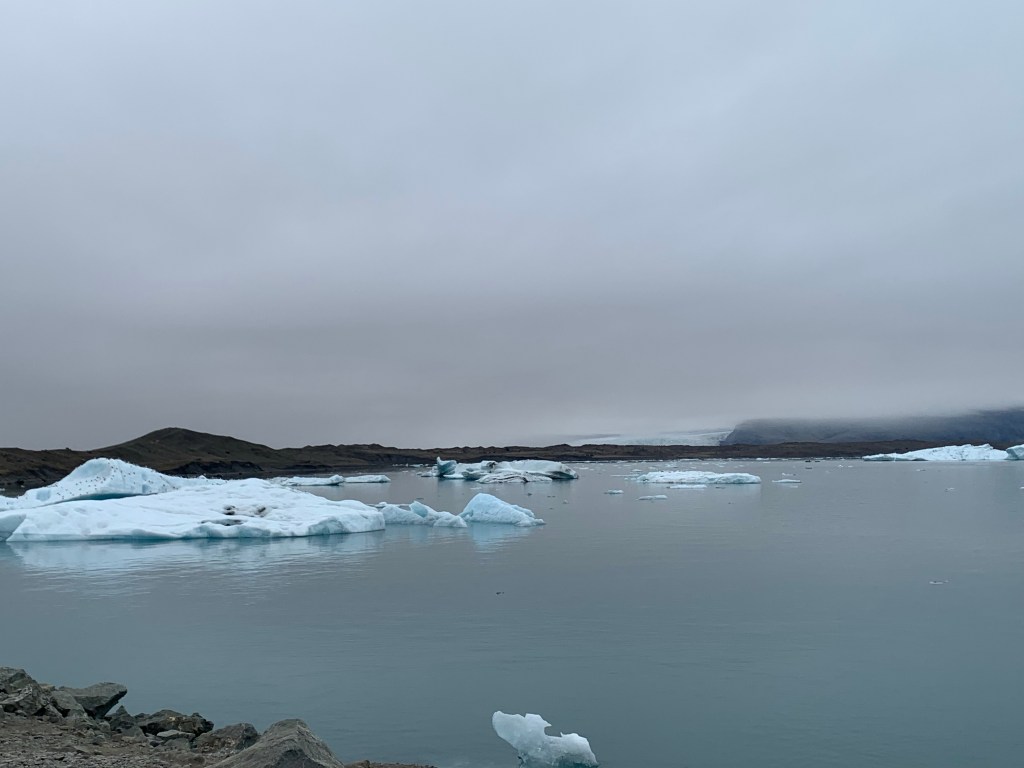
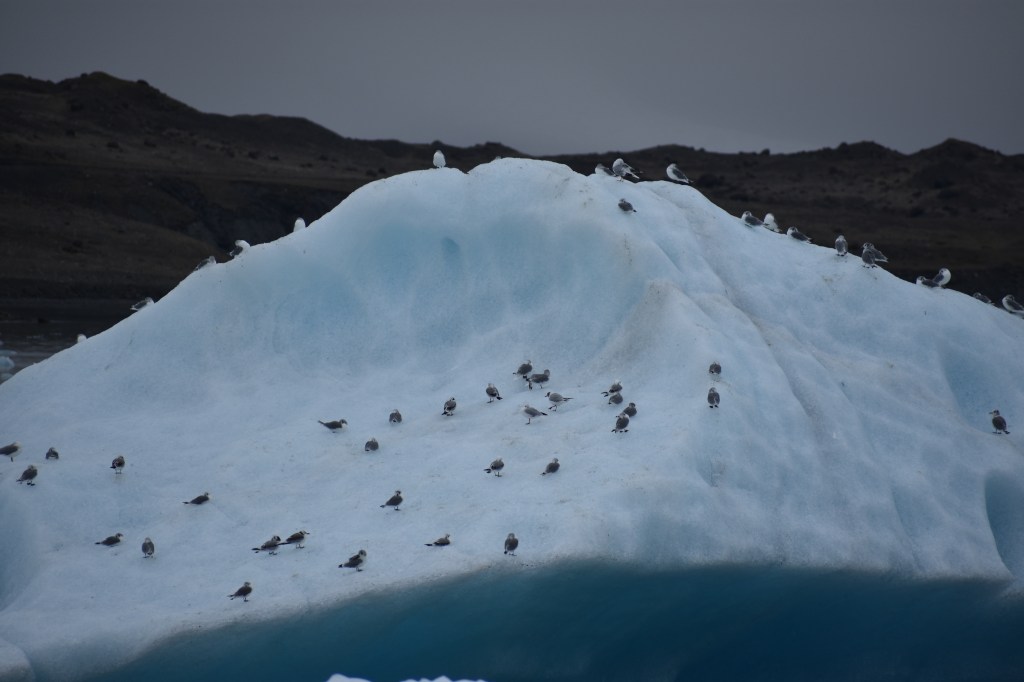
The icebergs meander around in the bay for days to weeks, slowly melting. The 10% that’s above the water line is exposed to sunlight and so it slowly melts. Eventually, the iceberg becomes so unbalanced that it flips, exposing the previously submerged portion and the process repeats itself. As the icebergs shrink, they begin to move toward the bay outlet and are carried eventually out to sea by the ocean tide that enters the bay twice each day.
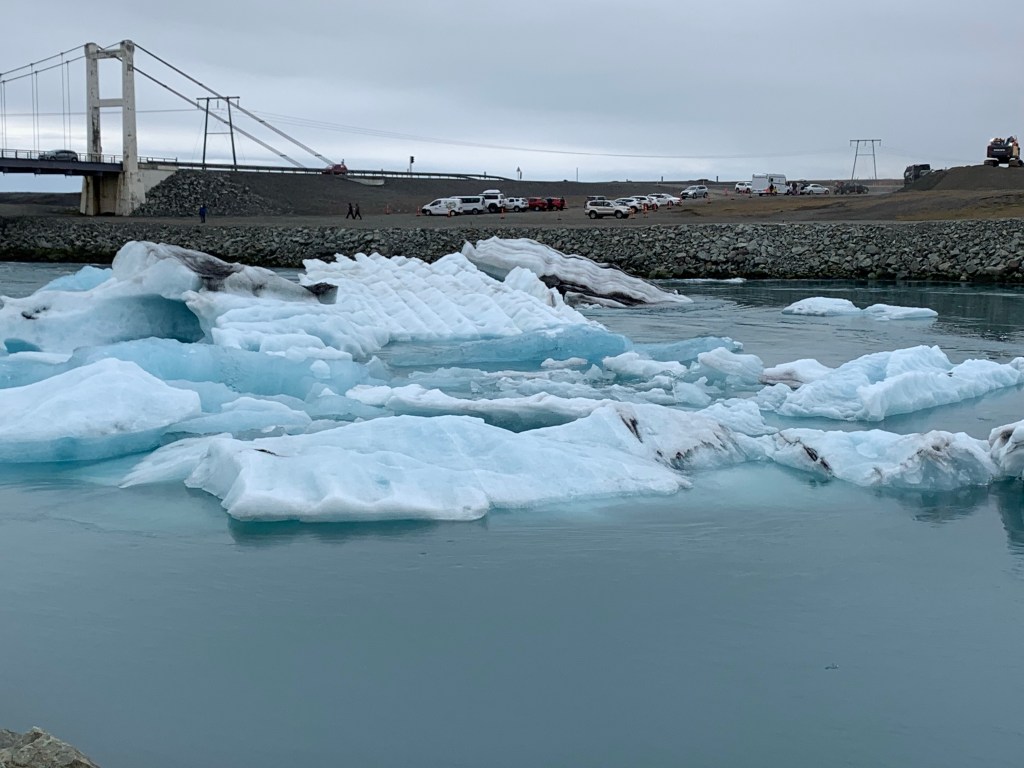
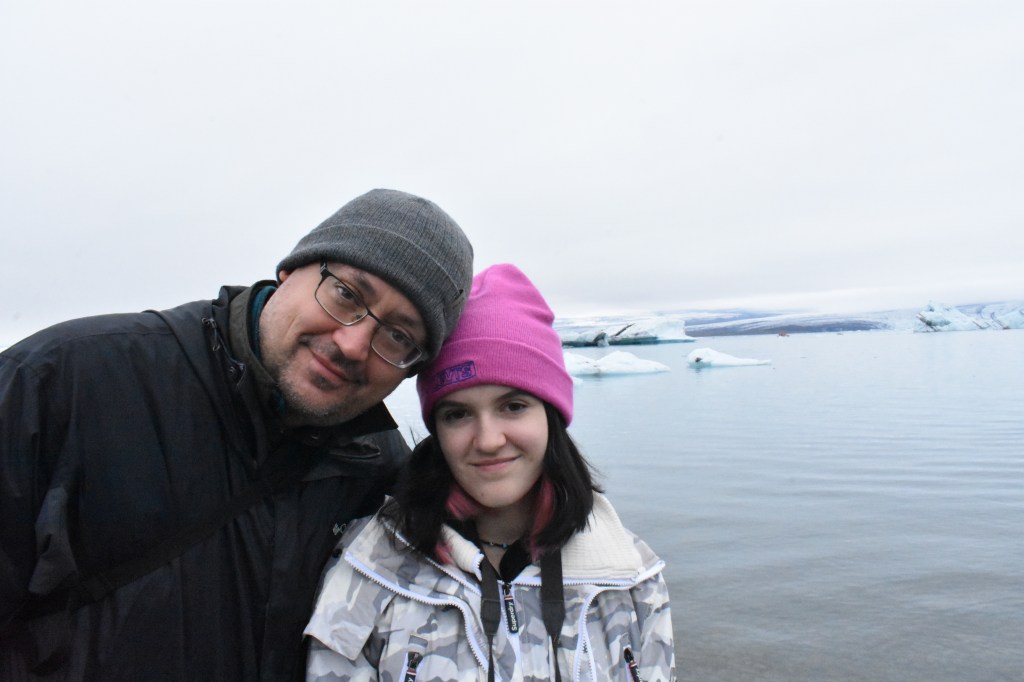
I booked us on a 12:30 zodiac boat tour of neighboring Fjallsárlón. I had wanted to do a kayak tour of Jökulsárlón but couldn’t get a booking, so this was the next best option. In hindsight, it was a much better option! Jökulsárlón is a major tourist destination and so the bay is crowded with zodiacs, kayaks, and worst of all – amphibious vehicles. The bay is crowded and noisy, which certainly detracts from the tranquility that one might wish for in such a gorgeous place.
Fjallsárlón is a smaller bay (about 1/3 of the size of Jökulsárlón), but the glacial tongue is easily visible even from land. As soon as we got there I realized that the smaller, more intimate bay was going to be more enjoyable than the hectic one.
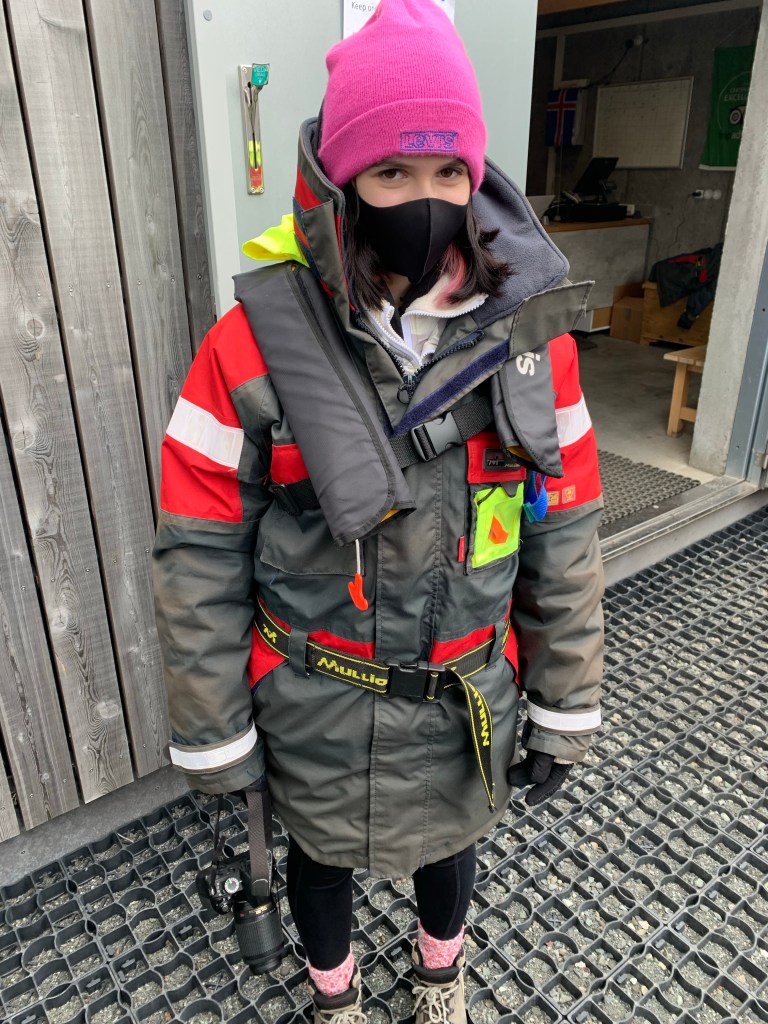
We geared up again in a comical amount of warm/waterproof gear and emergency life vests and then walked over the hill to our boats.
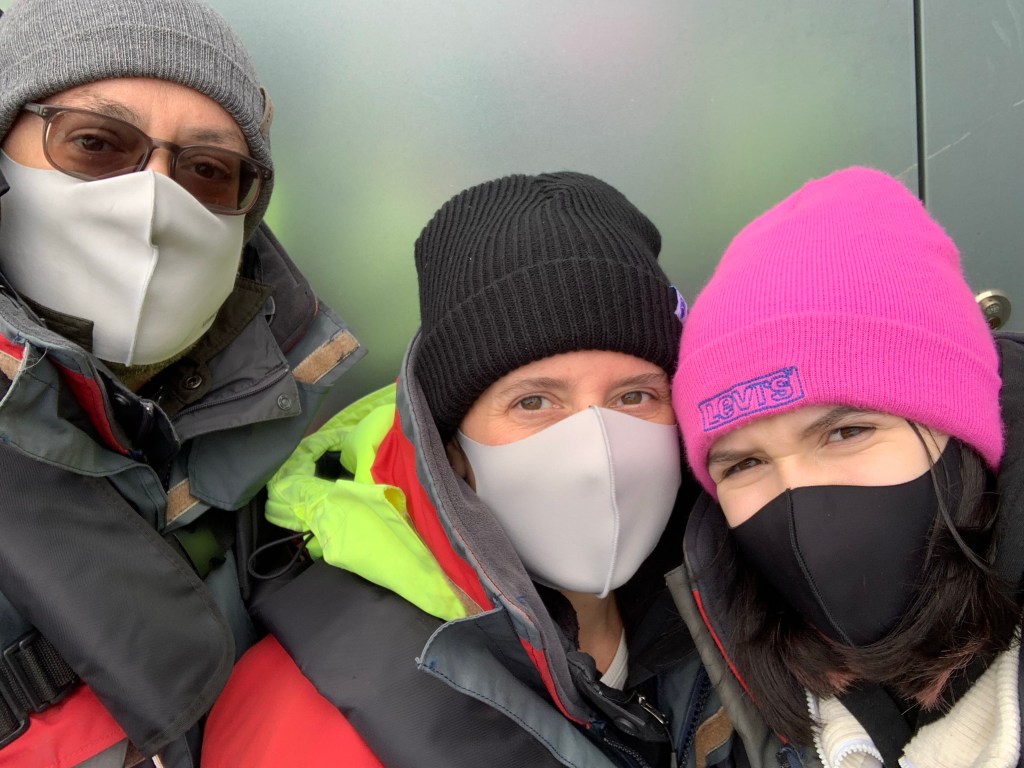
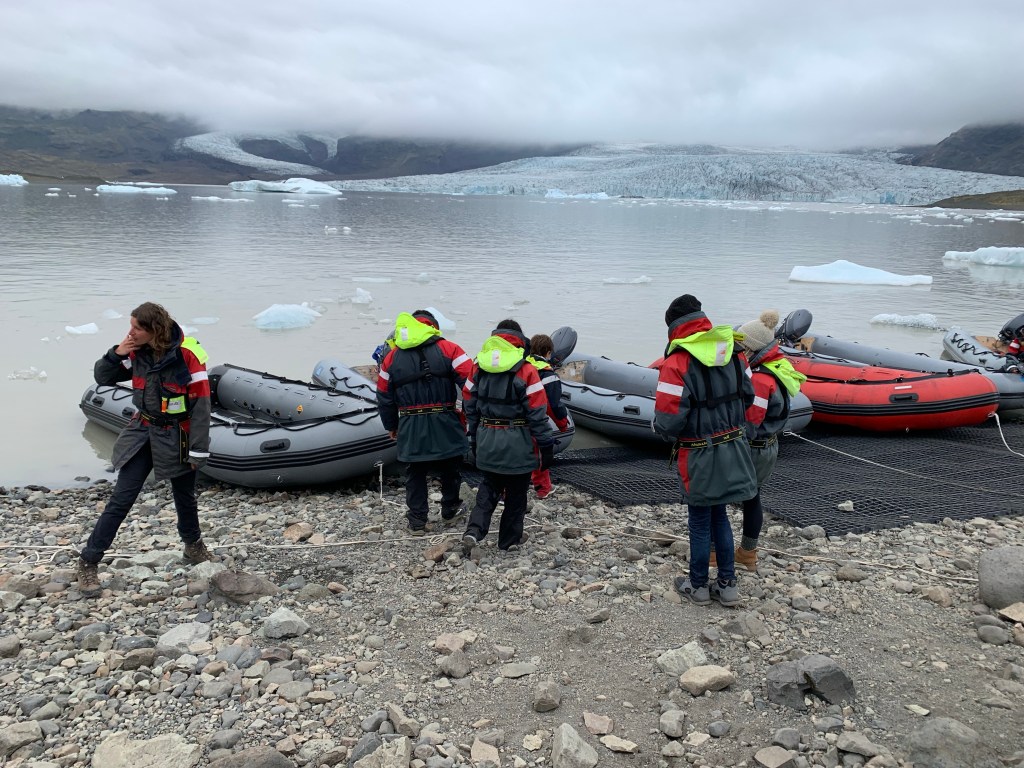
Once in the lagoon, the guide spent as much time as possible with the engines off or quiet so we could enjoy the tranquility. She explained the colors (blue comes from dense ice which reflects blue light waves), the process by which glaciers flow (like rivers, faster in the middle than the edges), and the impact of climate change (all bad).
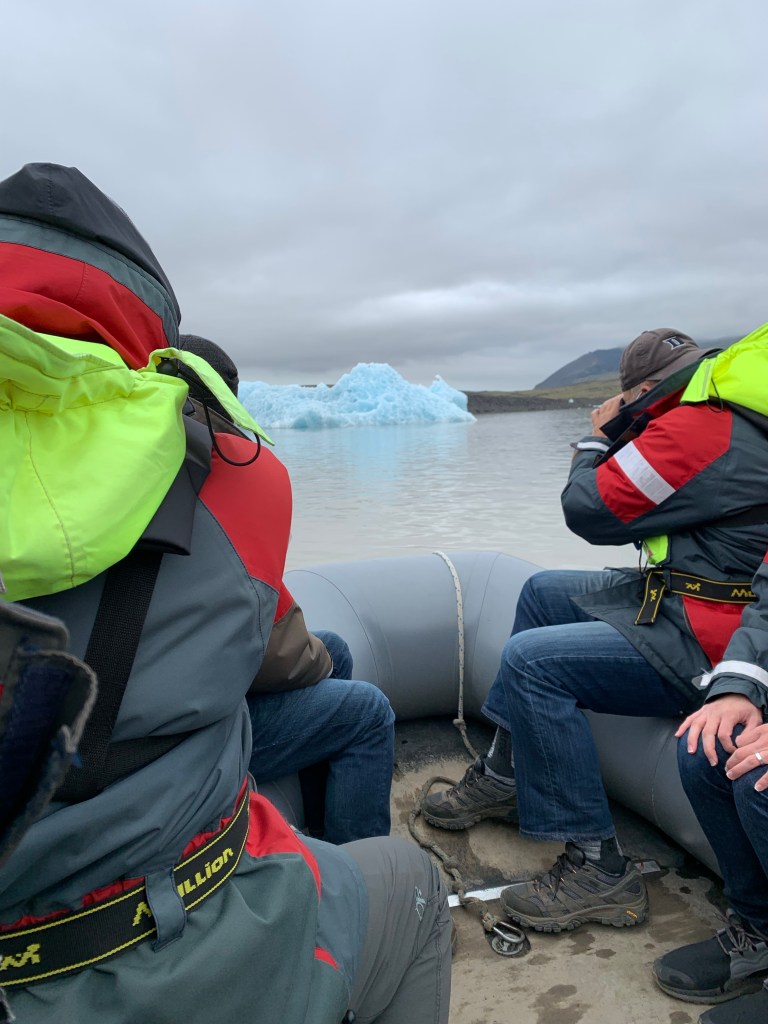
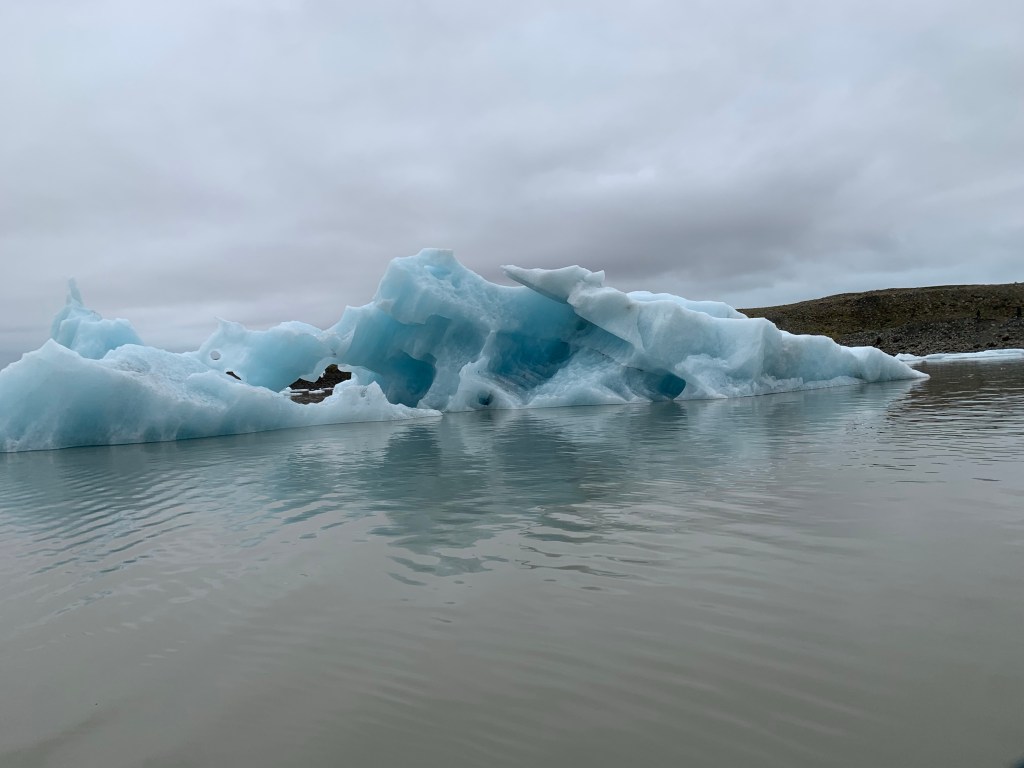
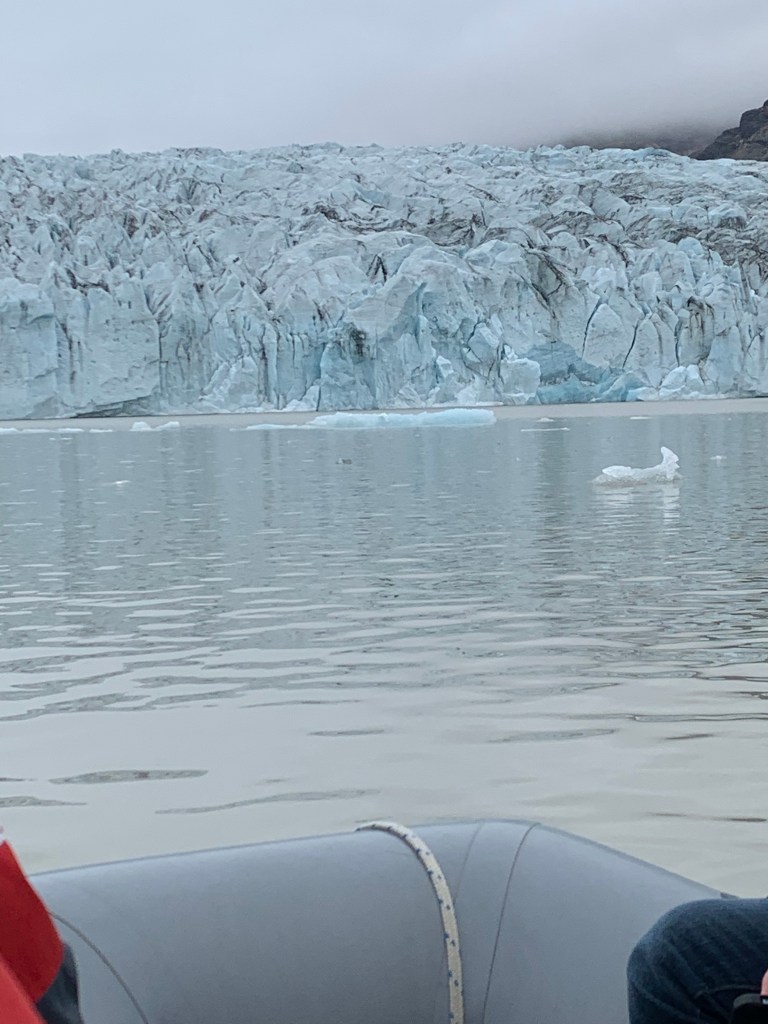
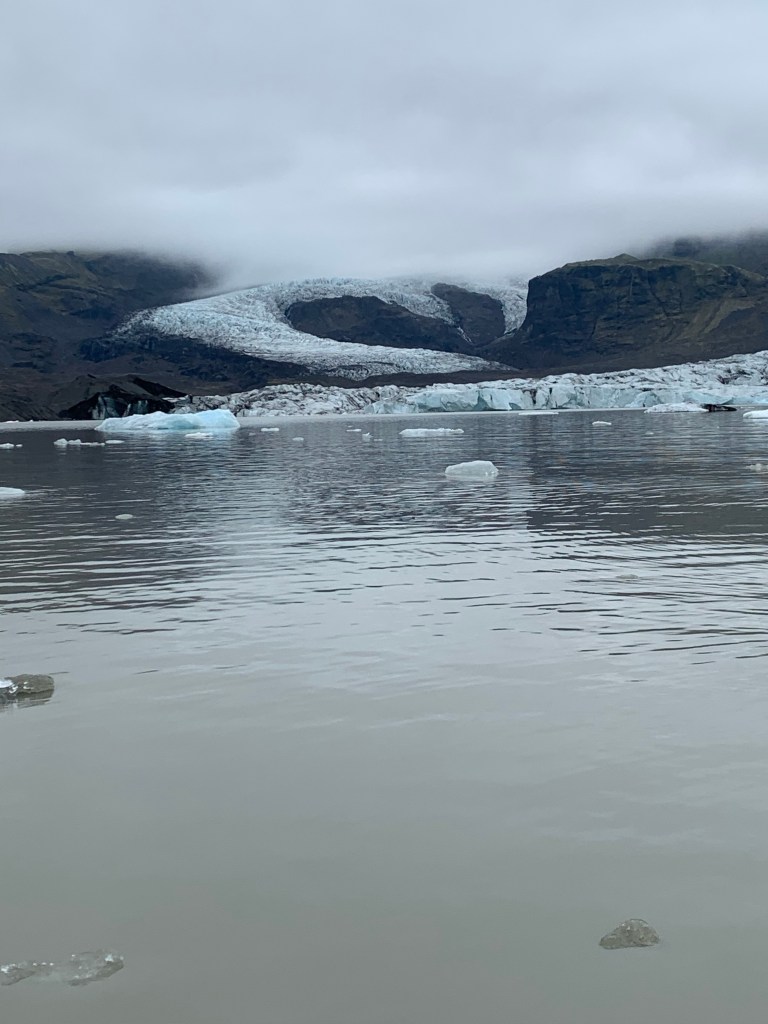
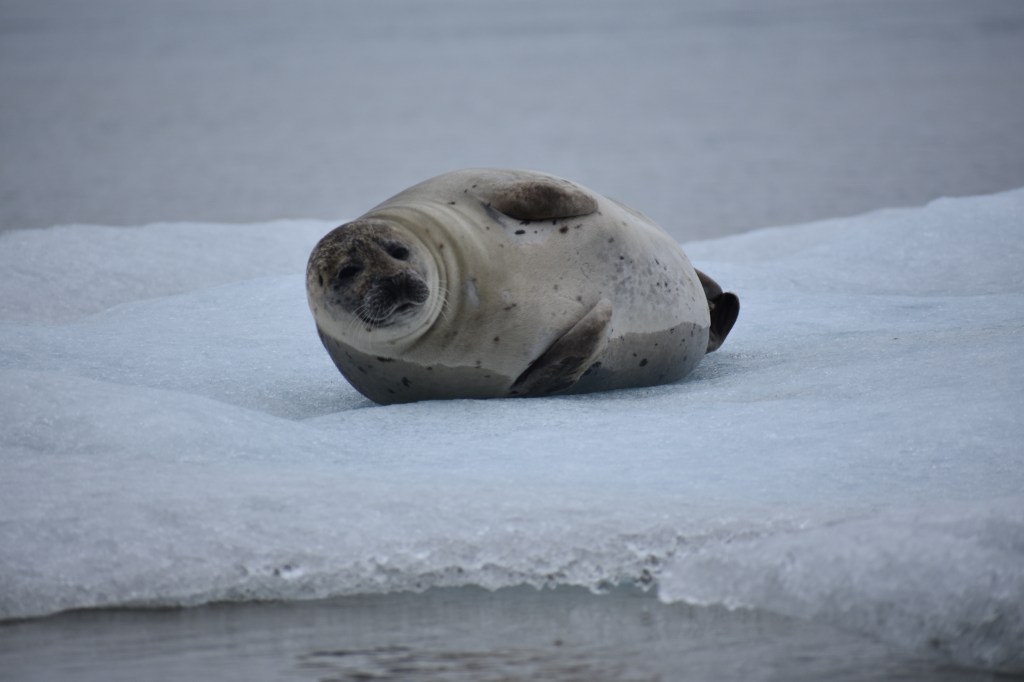
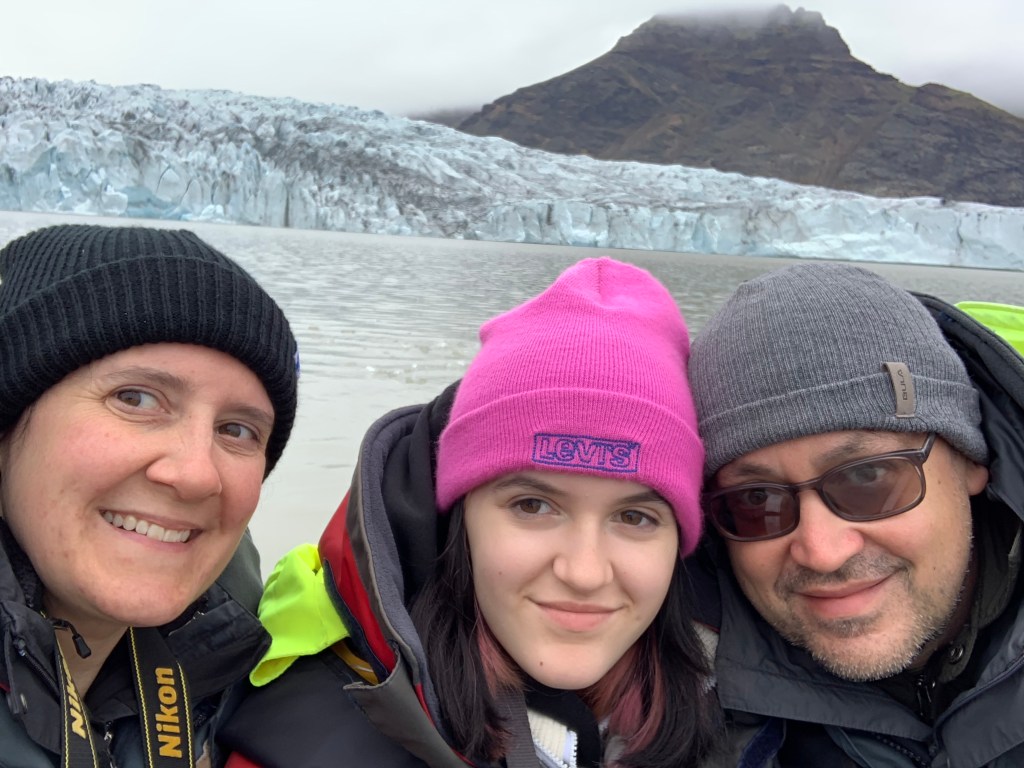
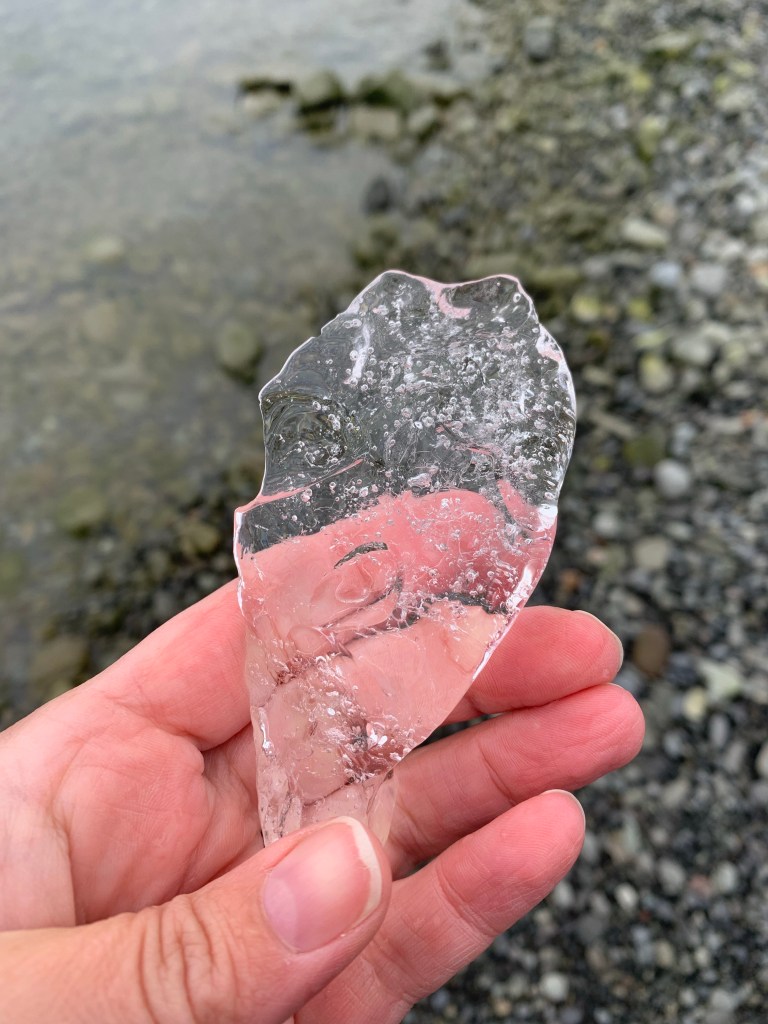
After a fabulous 45 minutes in the bay, we were back on land. Our last major goal for the day was to visit Diamond Beach – a black sand beach where the glaciers finally meet the sea. Words really can’t describe the feeling when first seeing this as this is truly unlike anything I’ve ever seen before.
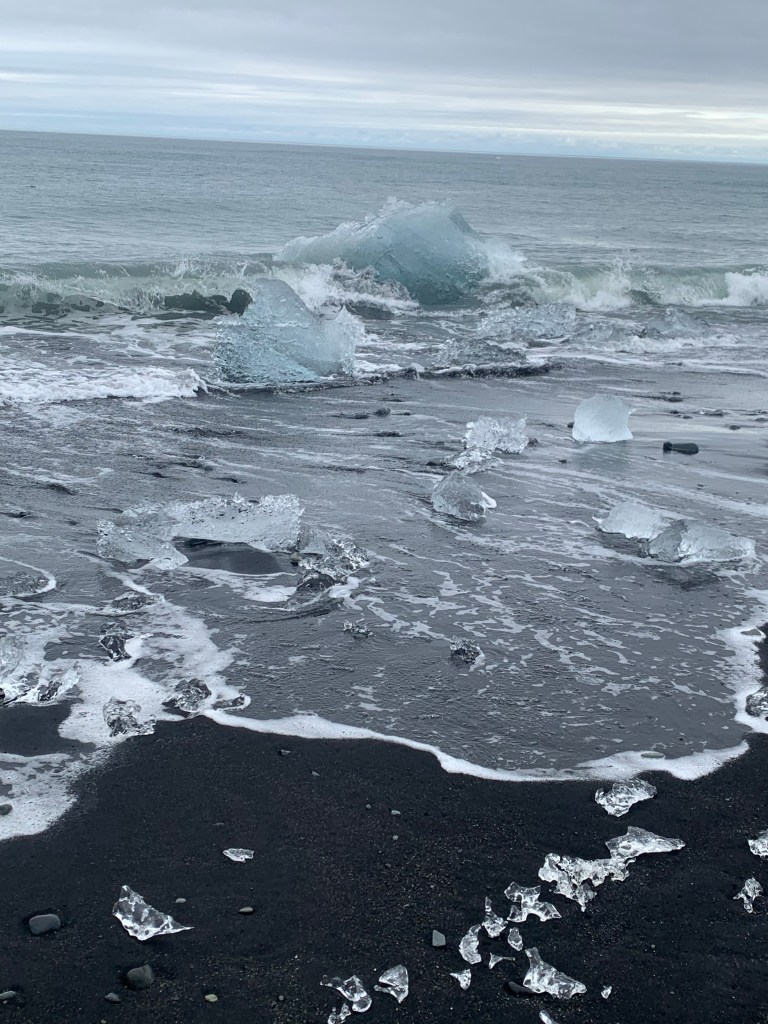
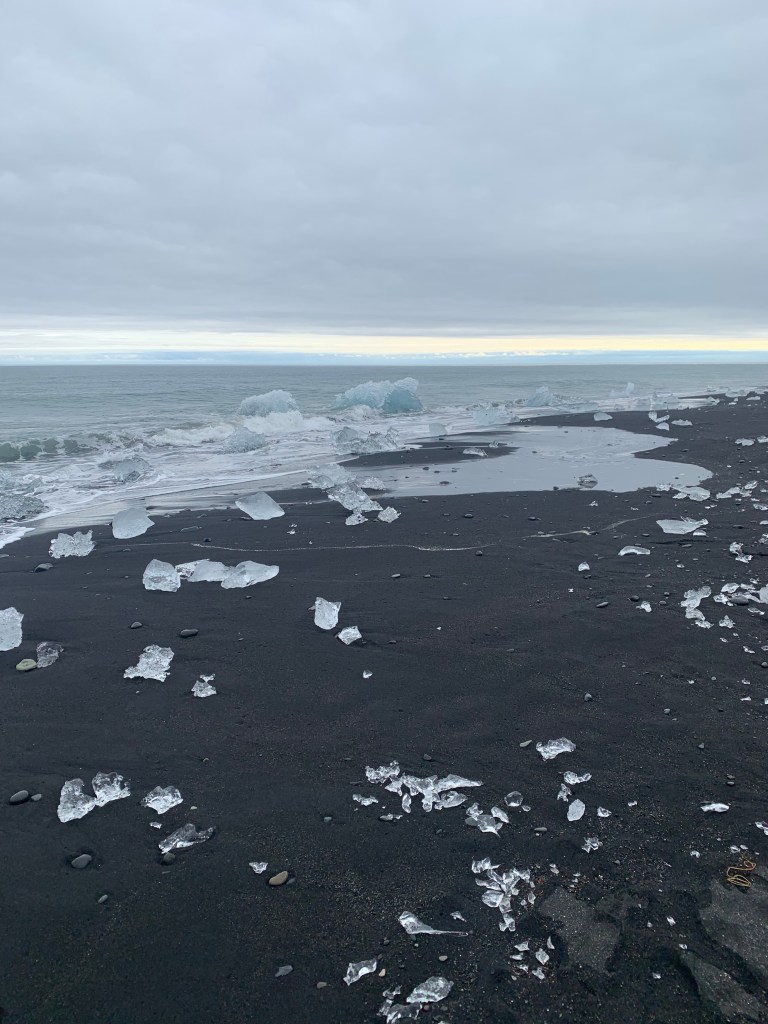
We had a waterfall and some basalt columns on the agenda, but we were pretty frozen through and through. Temps by the glacier were only in the high 40s/low 50s, and we were not yet used to that. In the end, we mostly skipped the rest of the agenda as there wasn’t much more to see that would top the lagoon and icebergs on the beach.
We grabbed some beer and candy for dessert, then made it to Vík for camp. The wind is intense and rocked the van non-stop, so hunkering down for the night seemed like the best possible option.

 Vacation Days