Anna-Sophia (and Luke) really wanted to go to the DMZ while we are on the Korean peninsula. I’m not sure how I feel about this excursion, but I am going along with it. After all, it is not really that much crazier than other things we’e done on vacation…Great White Shark cage diving off the coast of South Africa, zip lining over massive ravines in Costa Rica, and sleeping in tents with wild hyena and elephants in Botswana. Of course, as I write this, we have gotten an alert on our phones (like the amber alerts back home) about North Korea dropping another garbage-laden balloon onto South Korean land, so there’s that…
After a 6:30am pick-up, we set off for Imjingak Pyeonghoa-Nuri Park. It is designed to be a reflective place for those who left the North during the war, but it has taken on the atmosphere of an amusement park with rides, busses, and an endless parade of tour groups passing through. Our tour guide did her best to keep us focused on the importance of the area, and we did learn a lot about the history of Korea along the way.
Speaking of, it is downright embarrassing how little I knew about Korea’s history. Anna-Sophia and I had solid New England educations, which means we can tell you more than you would ever want to know about the Revolutionary War, but our history education basically stops at the Cvil War. Maybe there was a little WWI and WWII (if so, it was quite minimal), but I am confident we never got to the Korean or Vietnam wars. I was learning a lot of history for the first time on this tour.
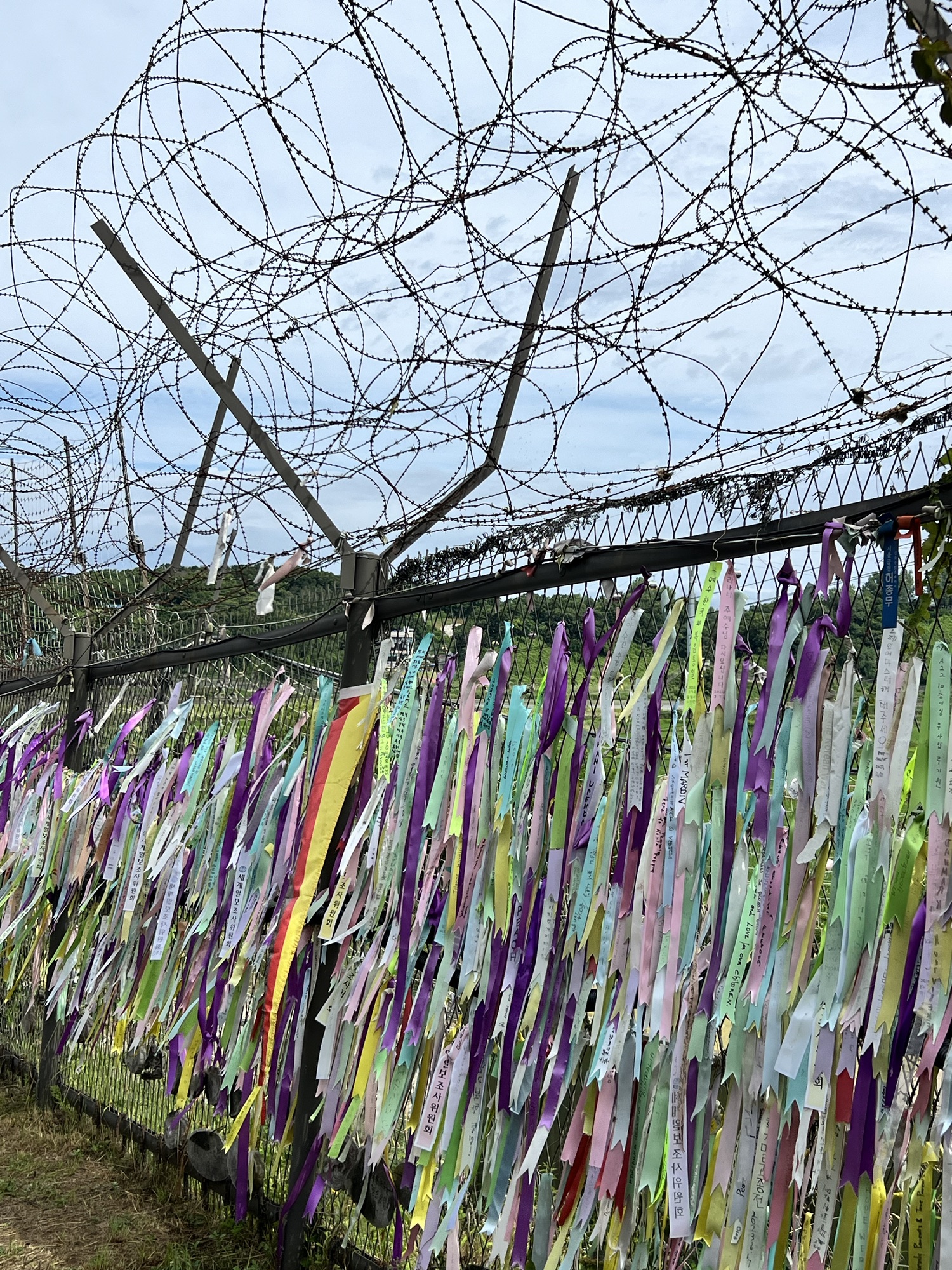
Back to the park. There were several memorials here, as well as historical markers.
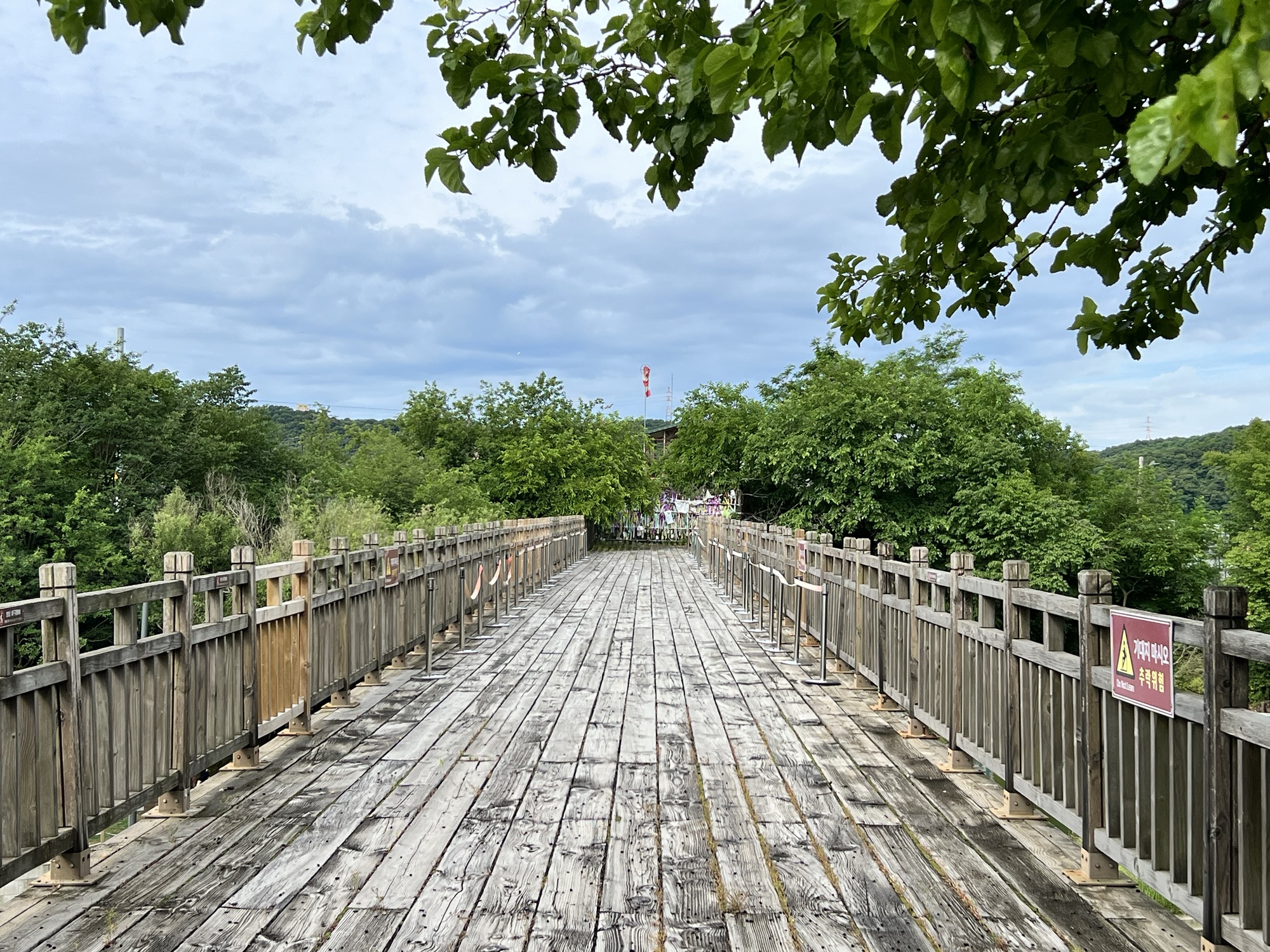
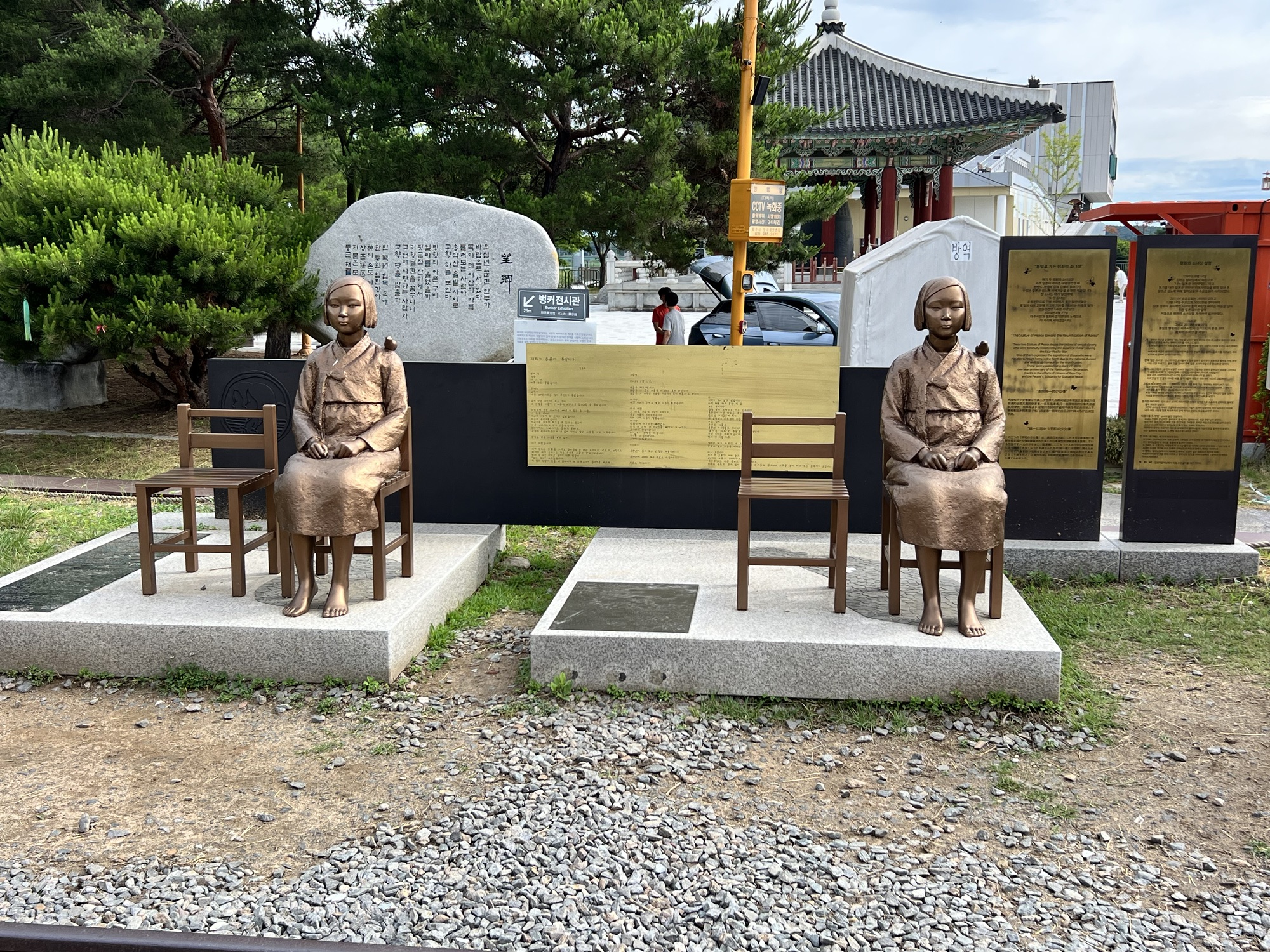
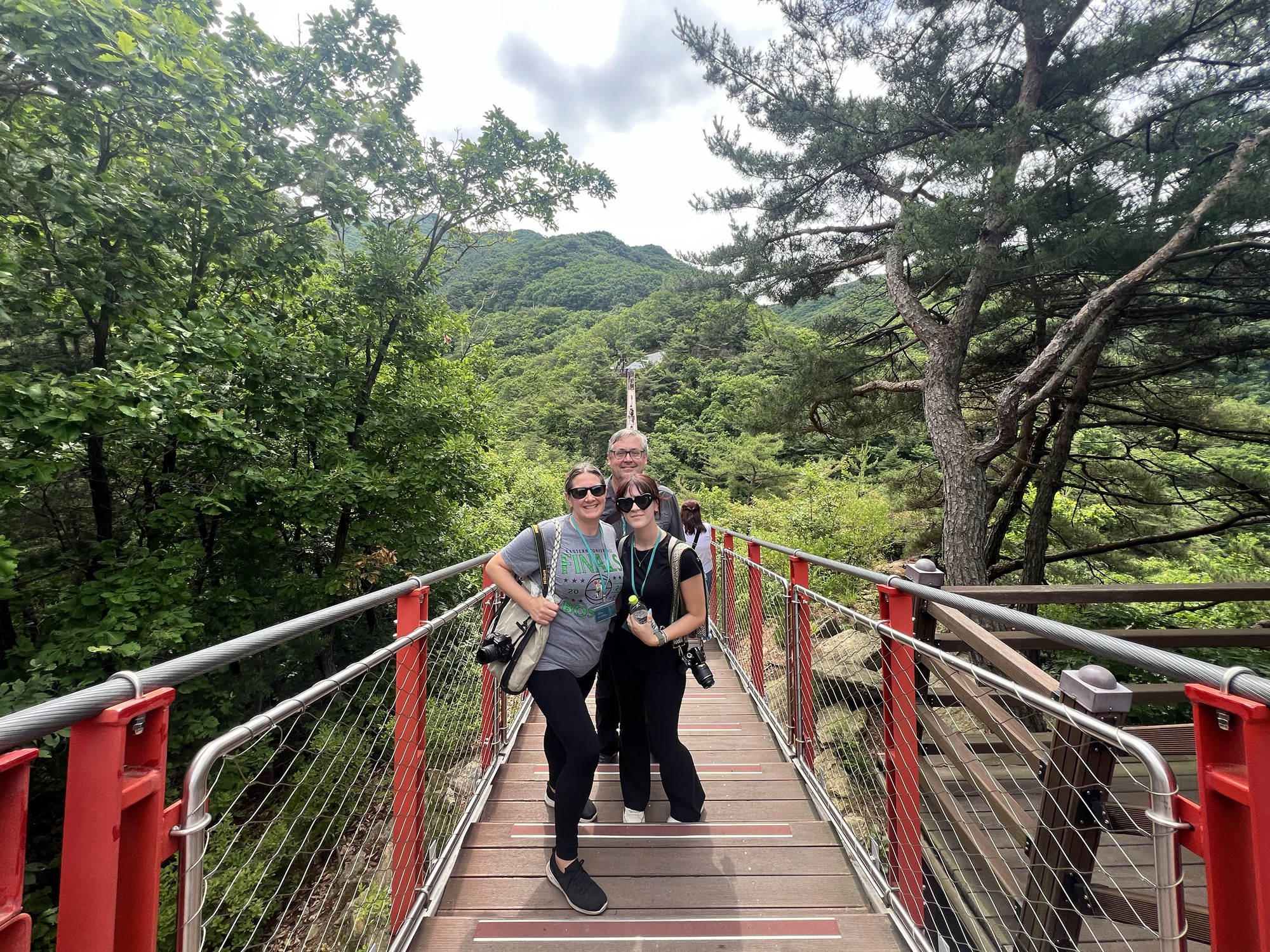
Getting into the DMZ itself is a bit of a lottery system, thus our early morning start. Our guide did manage to get entrance tickets for us, but not until 12:30 so we scrambled the day and set off for the Gamaksan Chulleong Bridge. This is a substantial suspension bridge, measuring over 200 meters long. I’m to a huge fan of heights or of bridges where I can see movement, but I did manage to make it across!
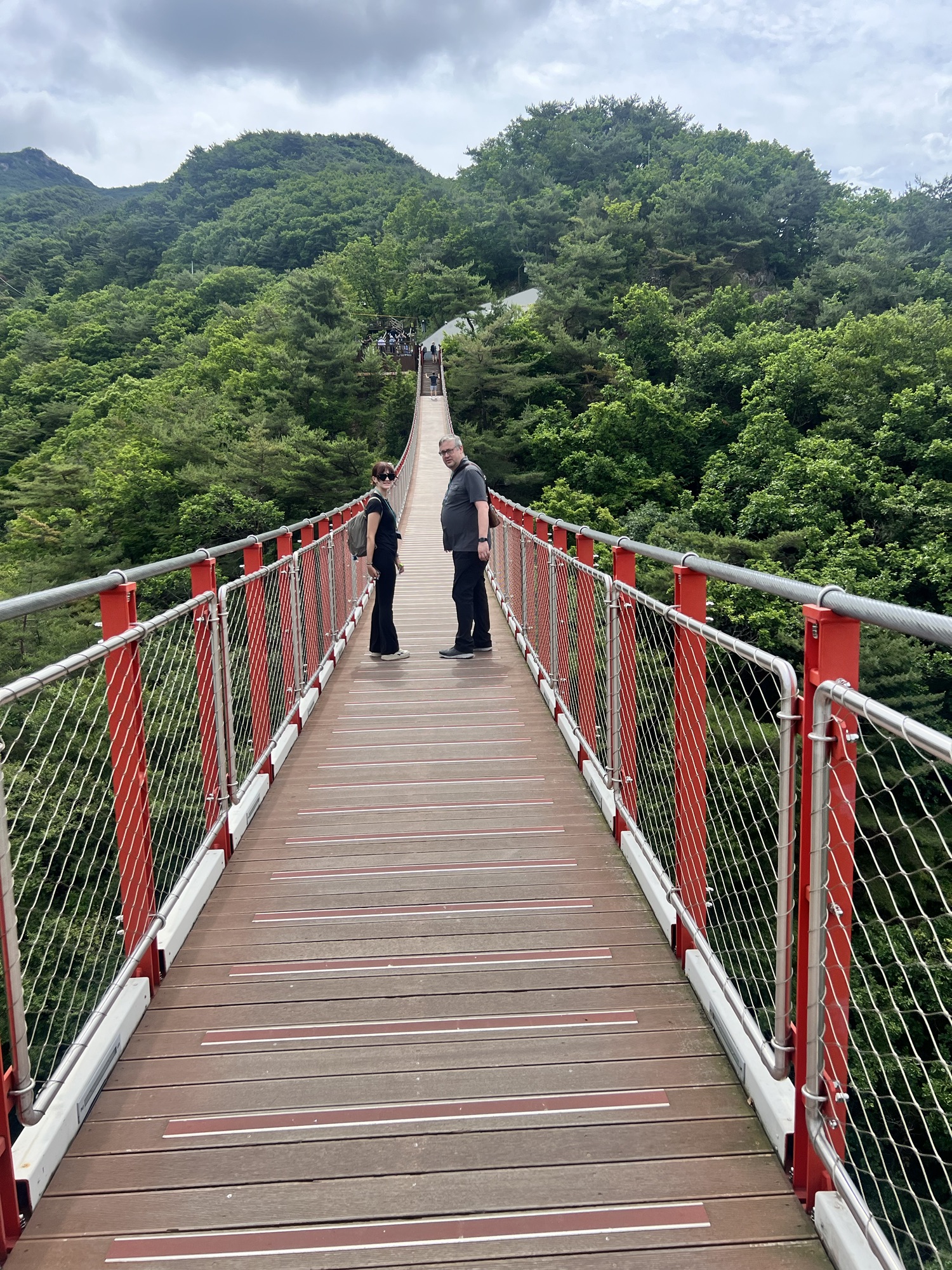
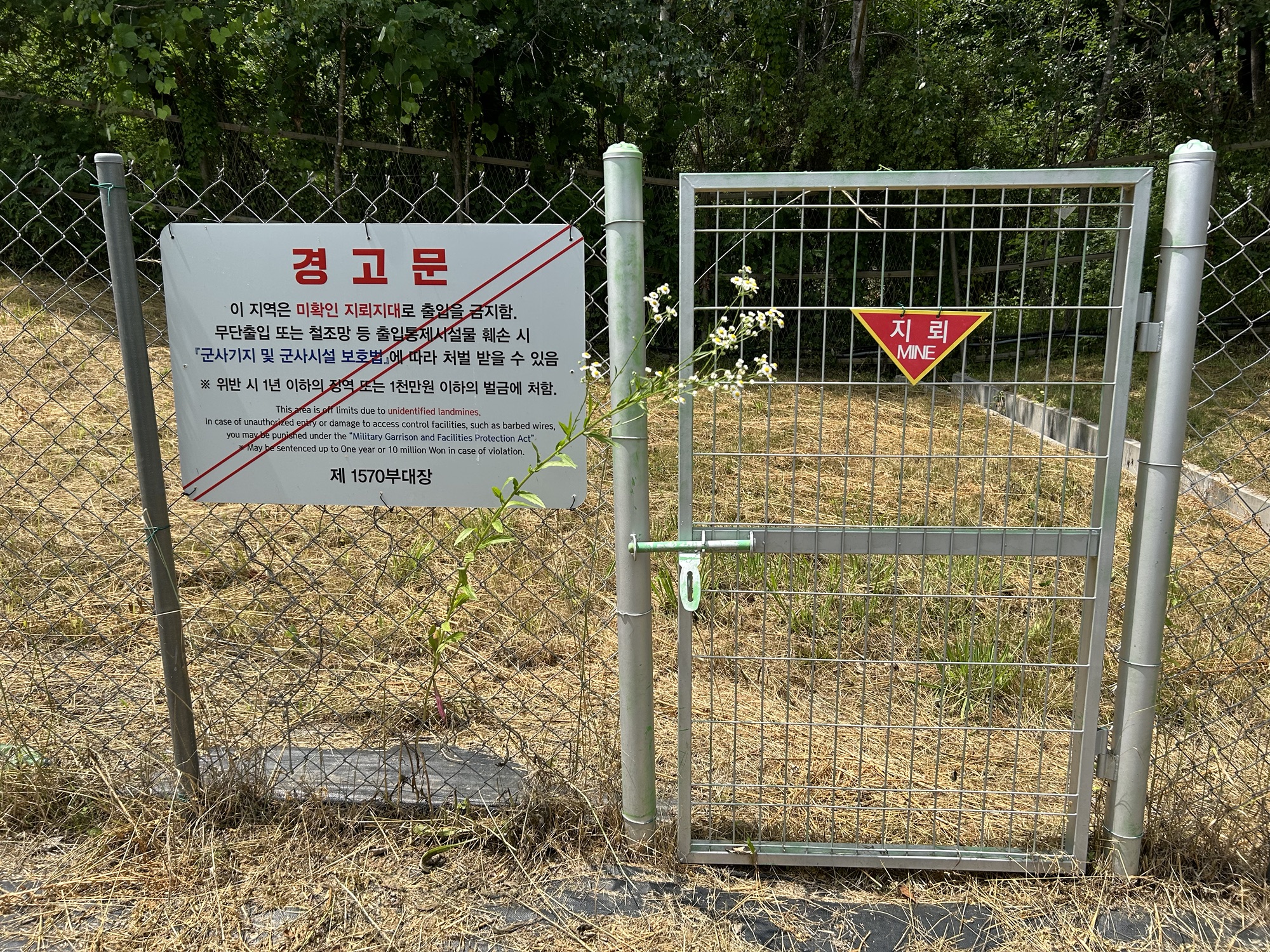
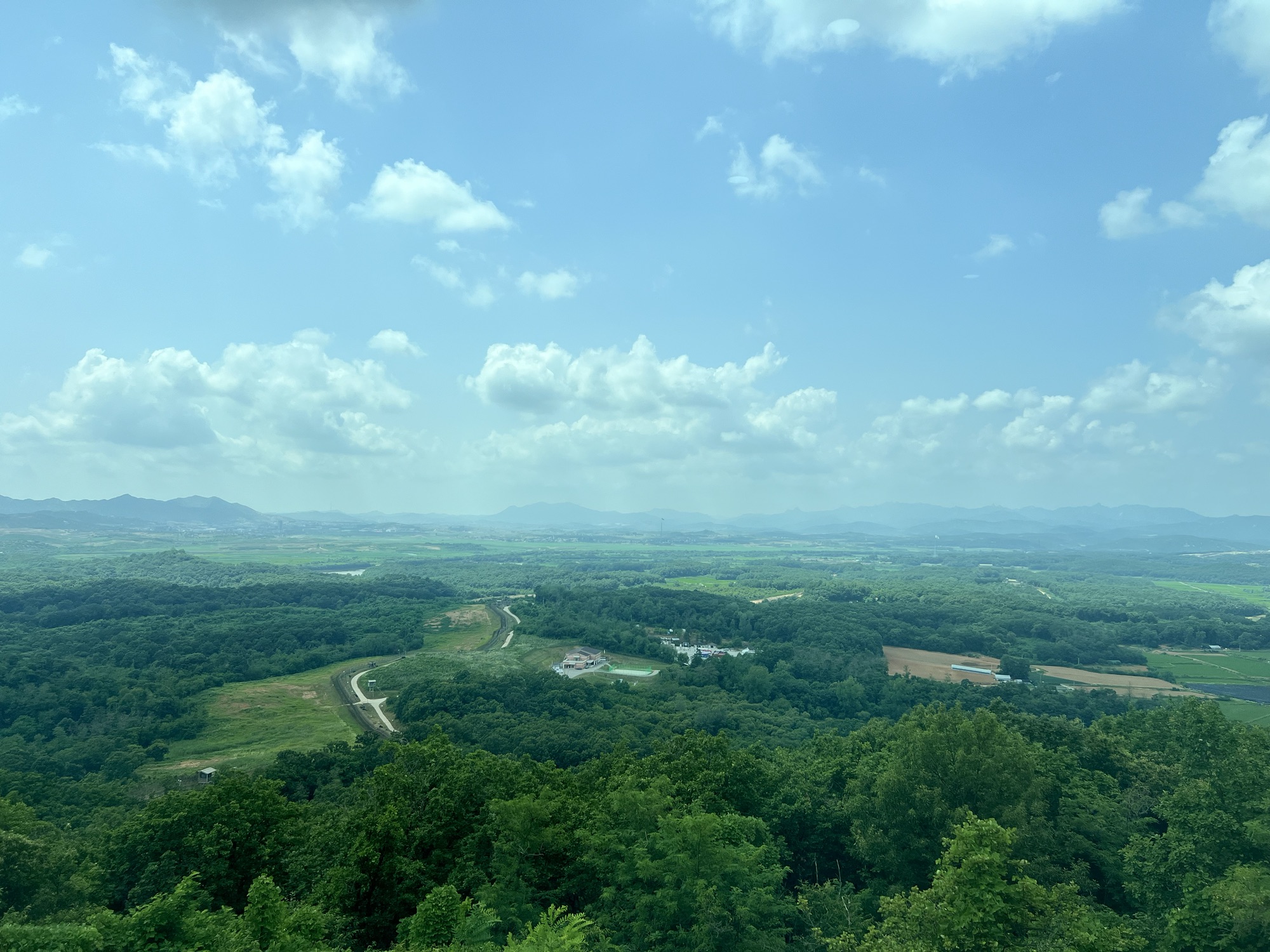
After exploring the bridge area, we went back to the park for lunch before joining a few other small groups on a larger bus to enter the greater DMZ area. The DMZ is technically a 2km zone on each side of the actual border (on which is the “blue house” or the Joint Security Area (JSA), which has been off-limits since 2023. Next to the DMZ is a Civilian Control Line (CCL) where South Korean military checks ID and ensures that everybody entering the area has a purpose for being there. This area is marked by barbed wire because land mines from the Korean War are all around the area.
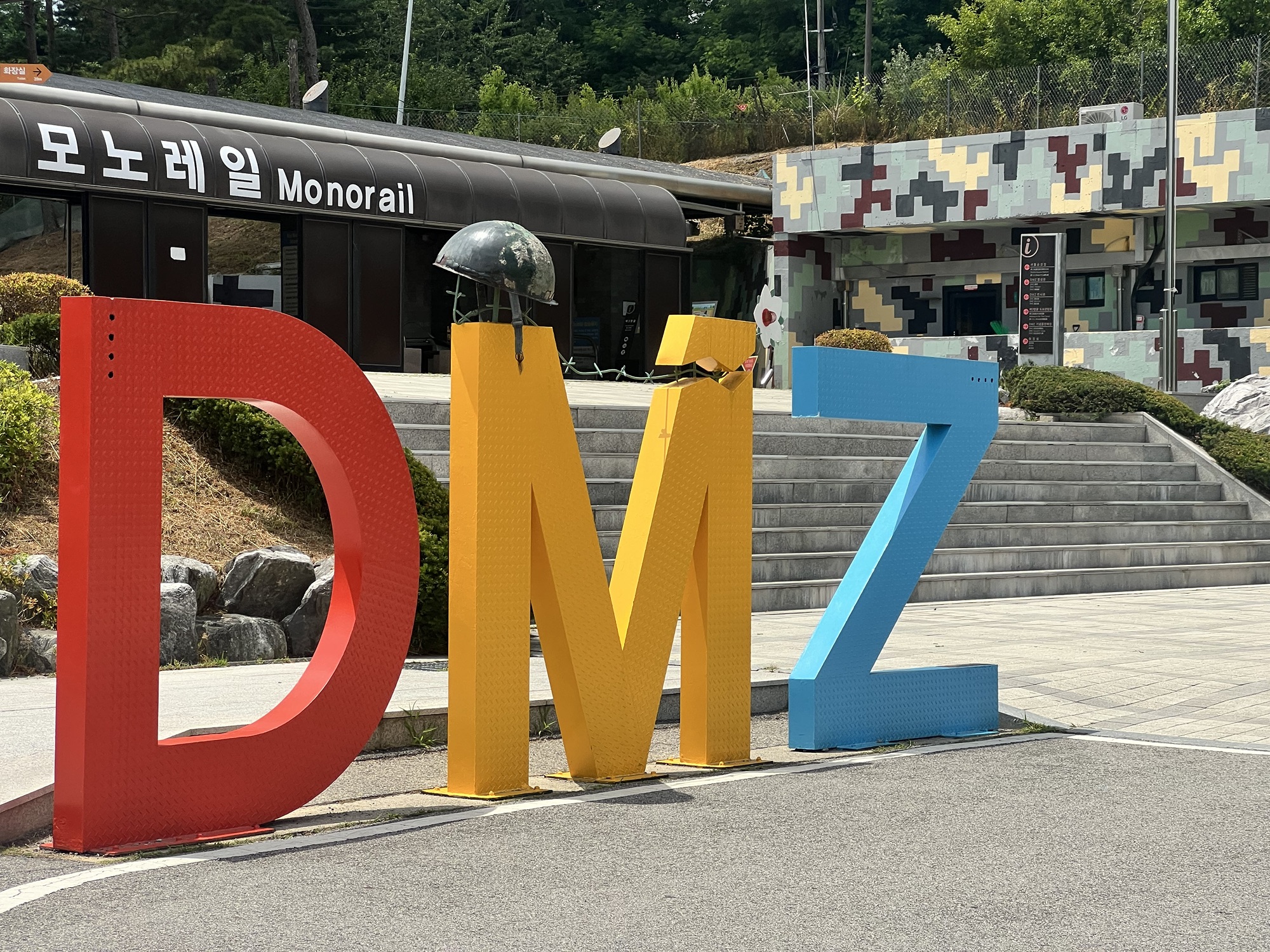
We started off at the DMZ theater and exhibition hall before entering the third Infiltration tunnel. North Korea claims at the South built this tunnel across the DMZ, but the slope of the tunnel and the angle of the dynamite blasts make that excuse seem rather weak. There have bee 4 tunnels discovered, and this is one of the longer ones at 1635 meters long.
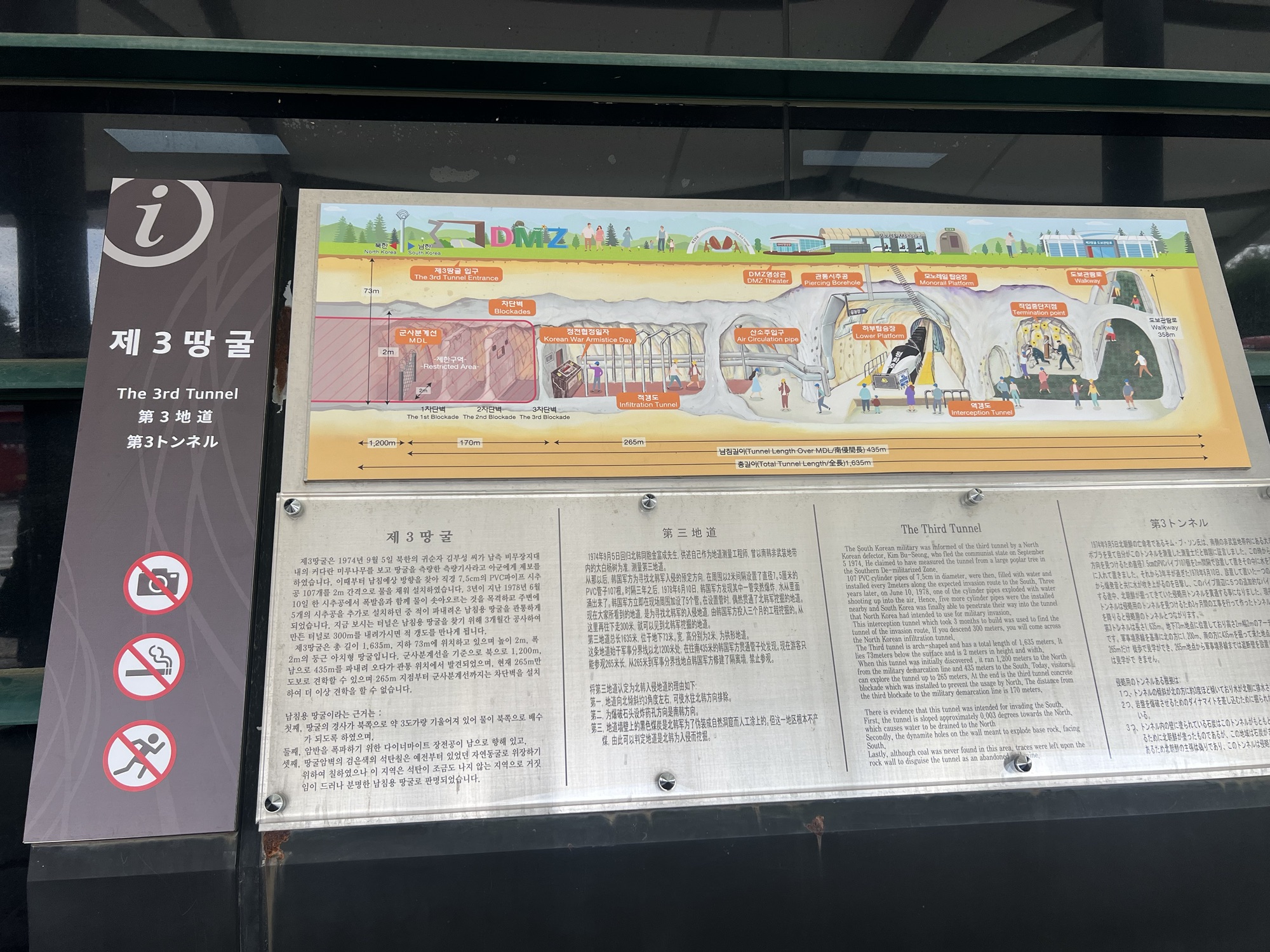
No cameras or phones are allowed into the tunnel, which is probably just as well because photos couldn’t capture the feeling of the damp, cramped tunnel all that well. It’s 2 meters wide by 2 meters tall on average, but once you add in all of the reinforcing steel that the South has added to ensure safety, it is much smaller. Anna-Sophia and I had to crouch down a bit, and Luke had to bend in half. He went down a bit and then turned back, while Anna-Sophia and I did a quick march pace all the way down and back. There are 3 barrier walls built by the South to ensure that the North can’t use the tunnels, and those walls are only 170 meters from the actual border, which was plenty close for me.
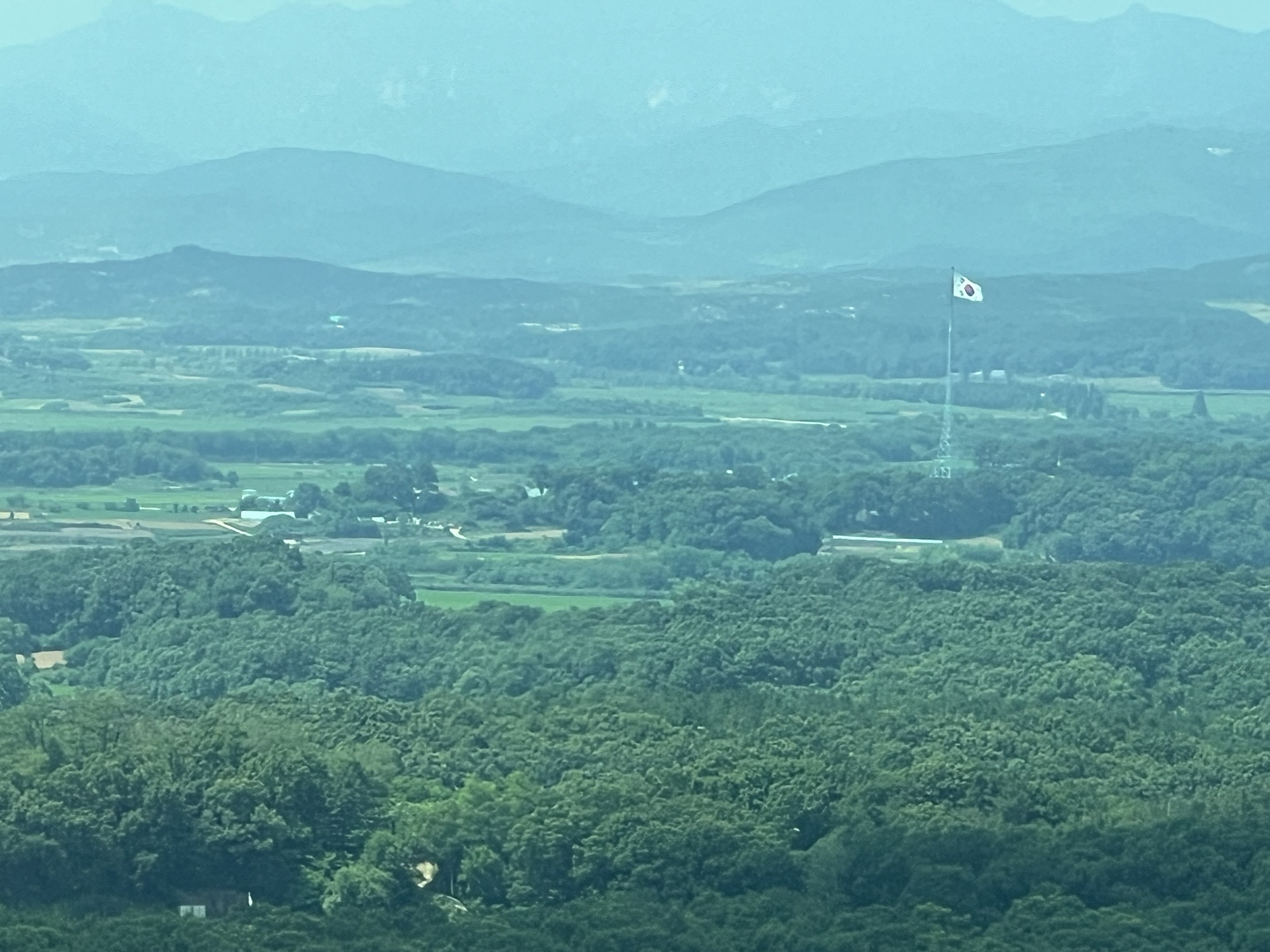
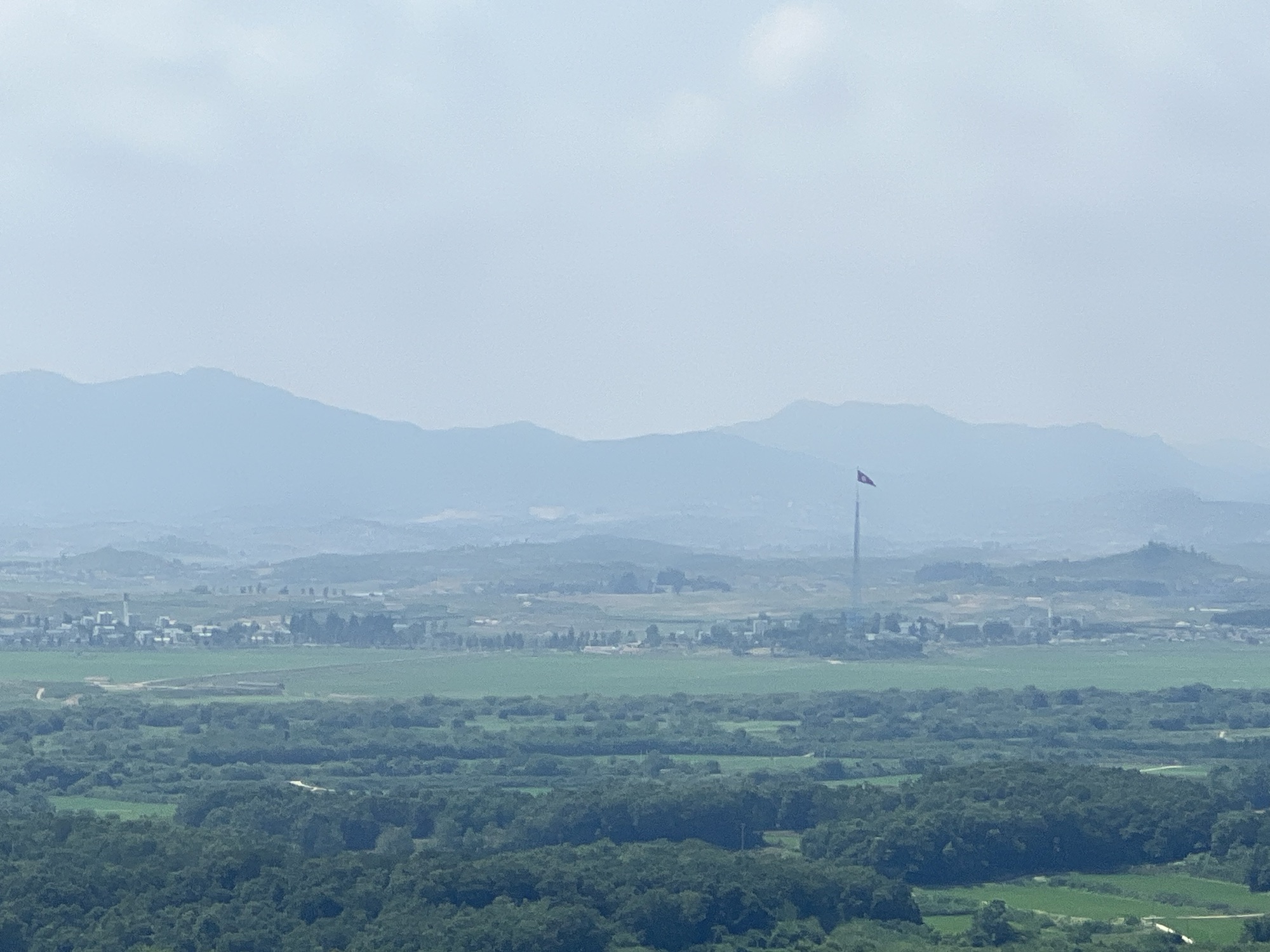
Inside the Civilian Control Line, South Korea has a “peace village” called Daesong-dong, which is where the Dora Observatory is located. From the observatory, you can see the entire DMZ, including the river and North Korea’s propaganda village (Kijong-dong) just across the border. The north’s village is almost completely fake. The buildings have multiple stories and electric lights (few North Koreans’ have consistent access to electricity), but there’s no glass in the windows, no furnishings in the rooms, and no people who actually live there.
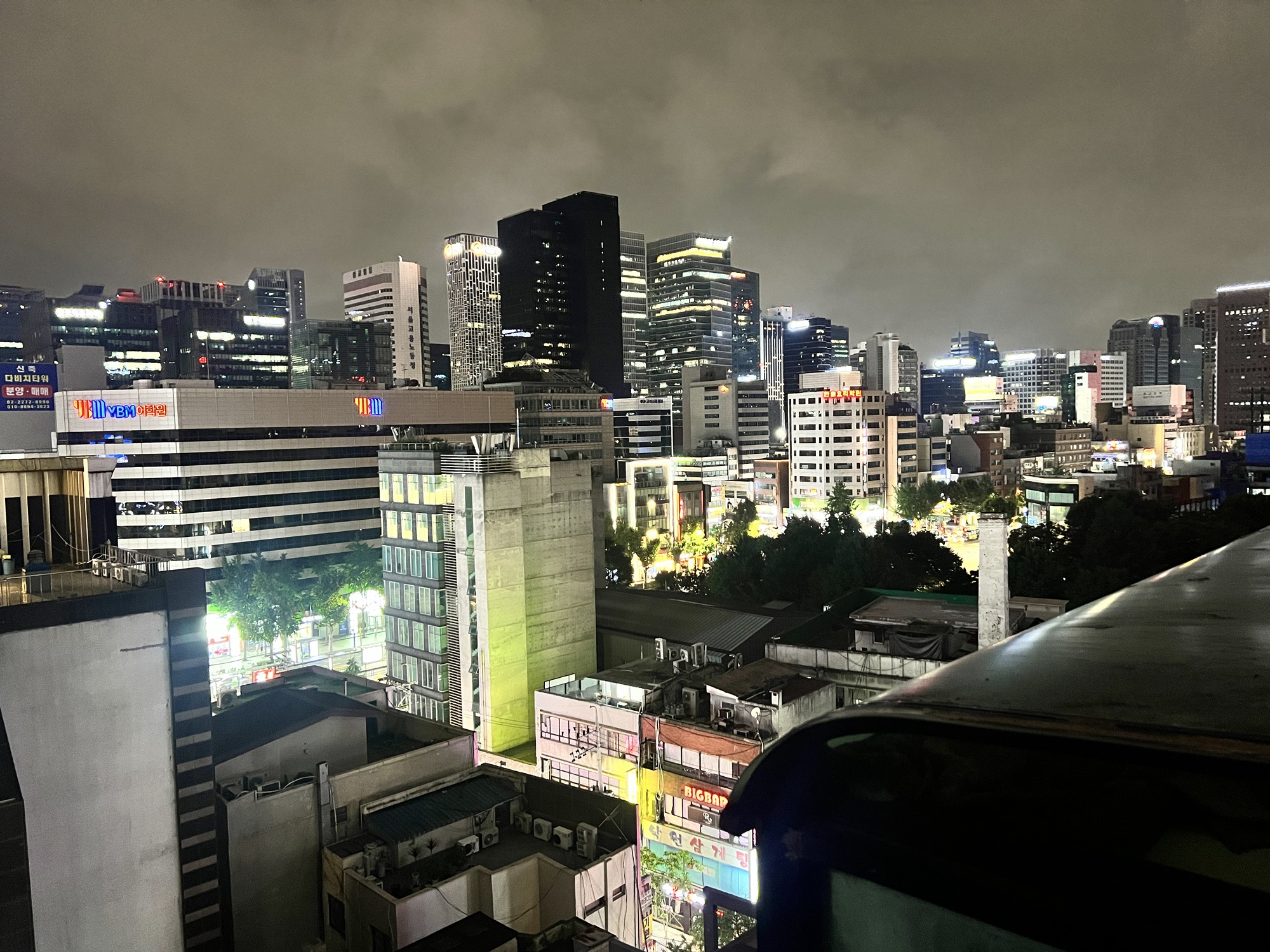
We were all reflective (and drowsy) on the bus ride back to Seoul. We strolled around the shopping areas for a bit when the bus let us off, and then headed back toward our hotel. After another excellent dinner at the vegan restaurant, we enjoyed the rooftop deck before heading off to sleep for the last time in Korea.

 Vacation Days