Aurora borealis chasing

We stayed up Friday night until about midnight, but were disappointed by increasing cloud cover, although there were some great views of the stars and the Milky Way early in the evening.
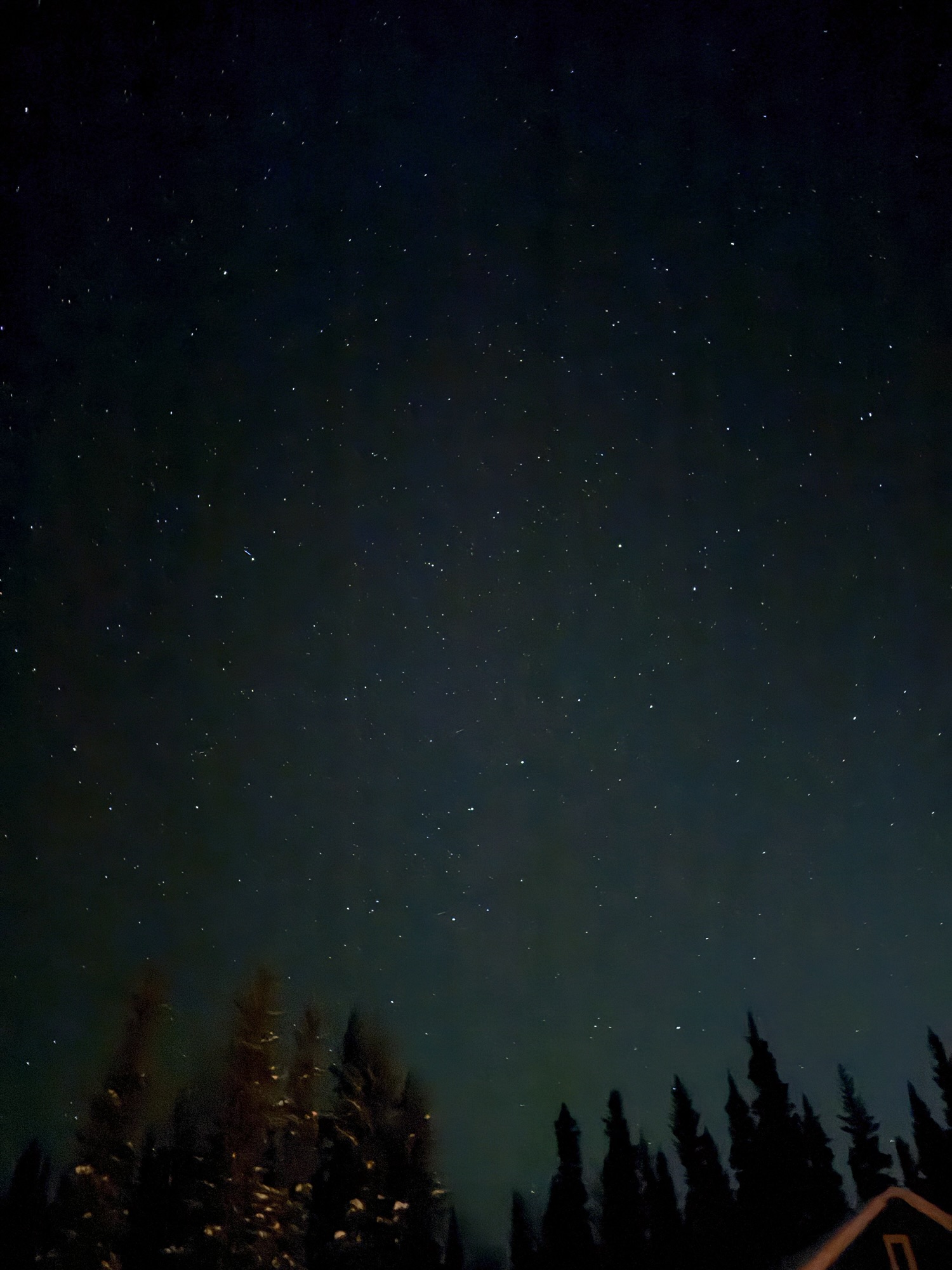
Given the impending snow Saturday (8” predicted, although Alaskans are entirely unfazed by this), I did not have high hopes of seeing the aurora from where we were. If I was going to check this item off my life bucket list, I was going to have to double-down and pay for a guided aurora chasing tour. I did my research, then booked with Fairbanks Aurora Tours. I will not disclose how much I paid, but let’s just say it wasn’t cheap, so I was rather anxious about whether it would deliver or not.

Given the snow, the semi-remote location of our lodging, and the fact that the tour ends between 3:00 and 4:00 in the morning, I decided to forfeit my last night at the lodge and book a hotel in the city. There’s simply no way I could drive safely 45 minutes in the snow and the dark at 4:00am. One perk of age is knowing – and accepting – your limits (another perk is being able to afford another hotel room).

We left the lodge and headed to town, checked in to the 2nd hotel, then dawdled about until we got picked up at 9:15. Our guide, Aaron, was spectacular. He spent the first half hour of the drive talking about what the forecasts said (clearing to the north) and why he didn’t believe it and was taking us 100 miles to the southwest. He then walked us through the mechanics of the aurora and explained why aurora predictions online are so awful.

Aaron also seemed to know everything about every model of camera ever made. He walked us all through what settings we needed to have on our cameras to get the best photos. He also explained why those settings mattered and the effect the changes would have on our pictures.

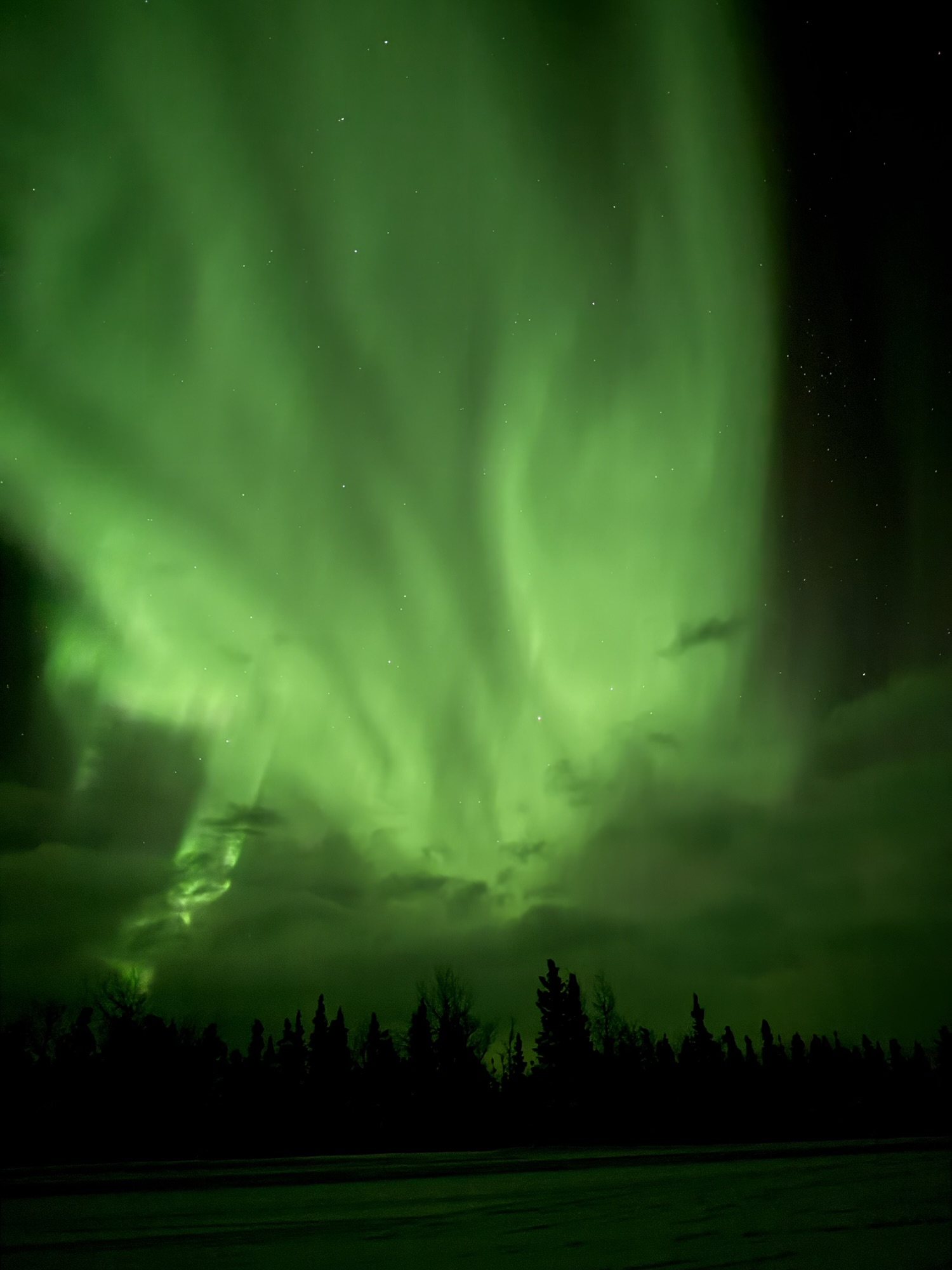
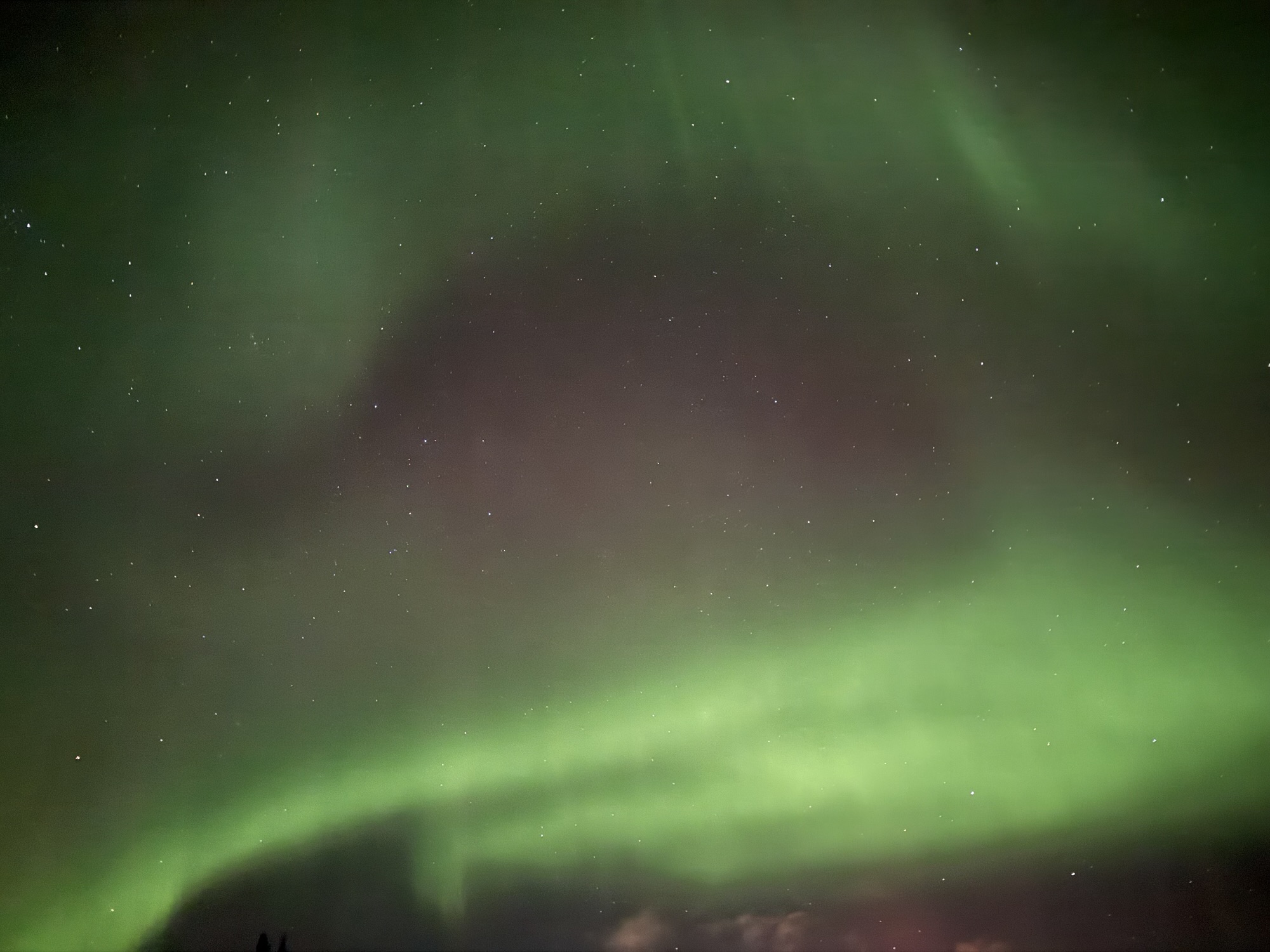
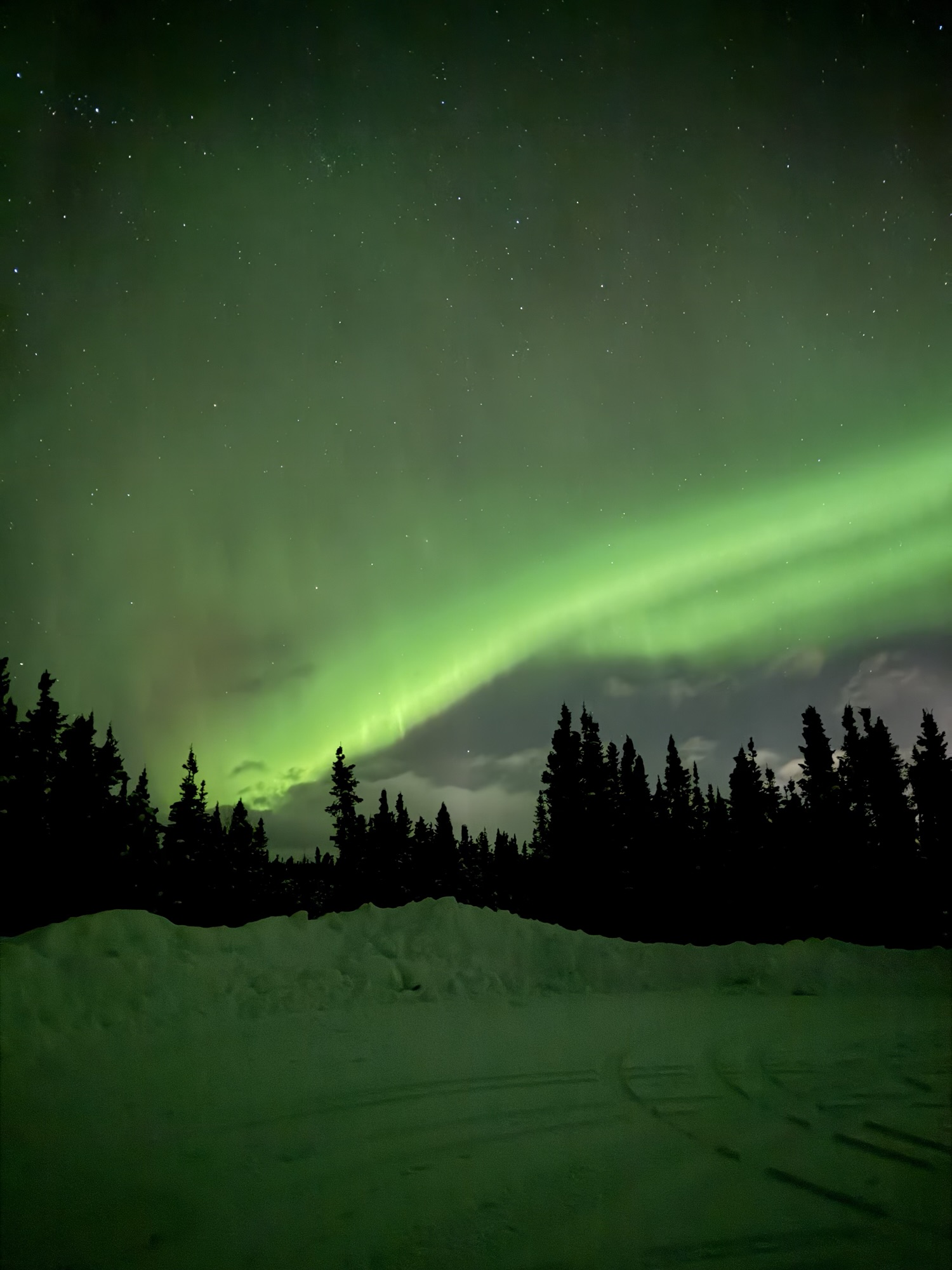
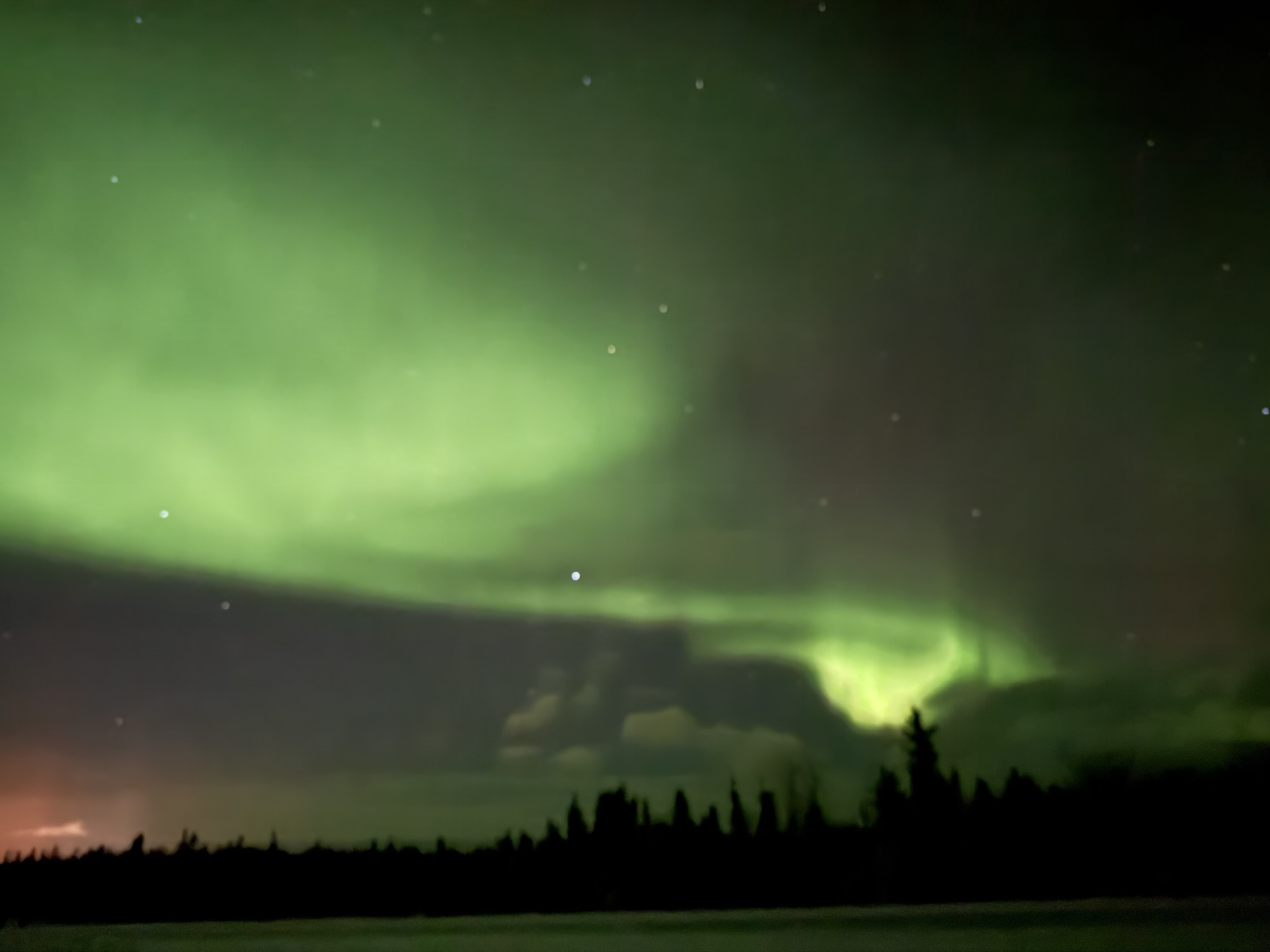
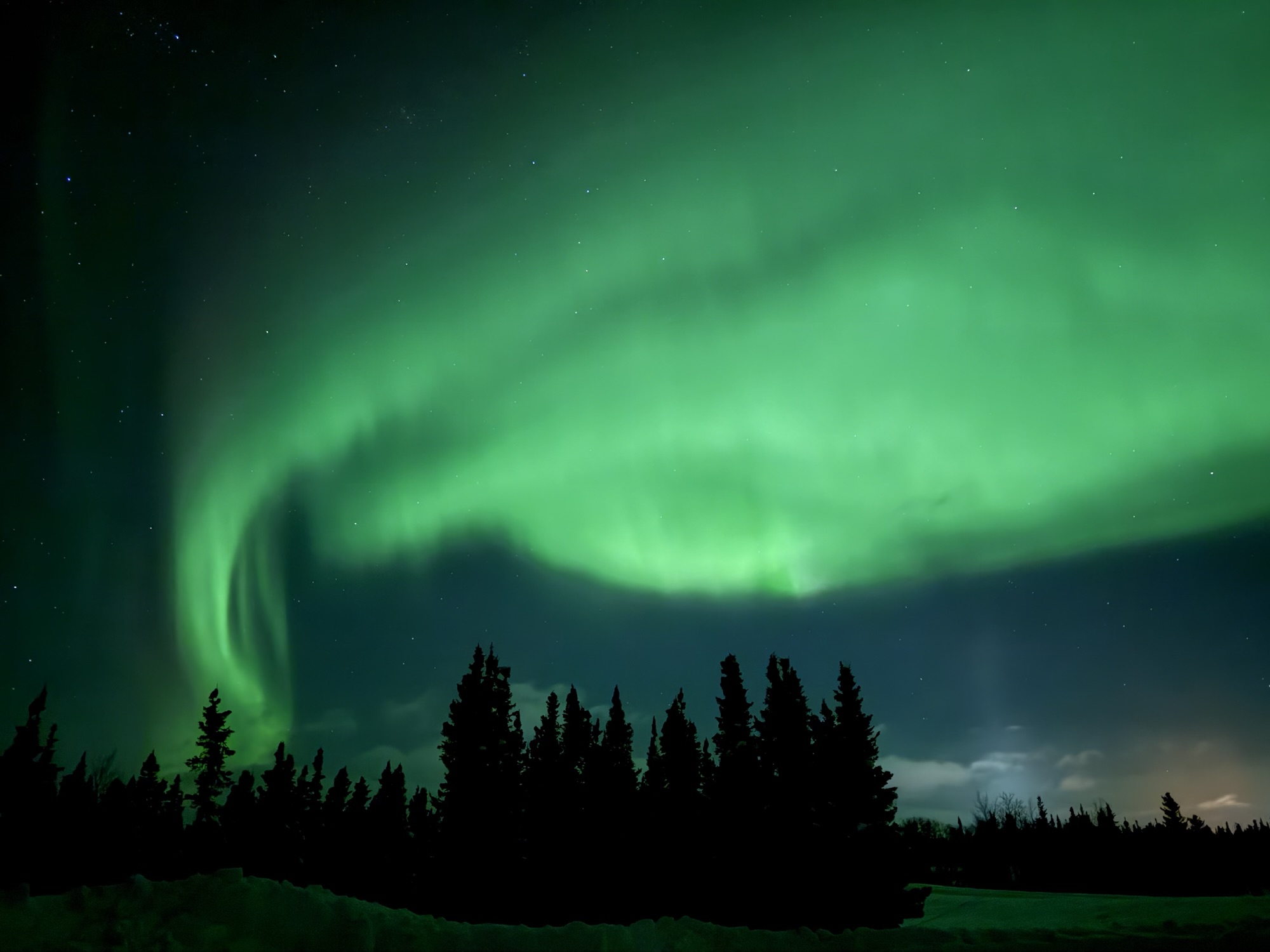
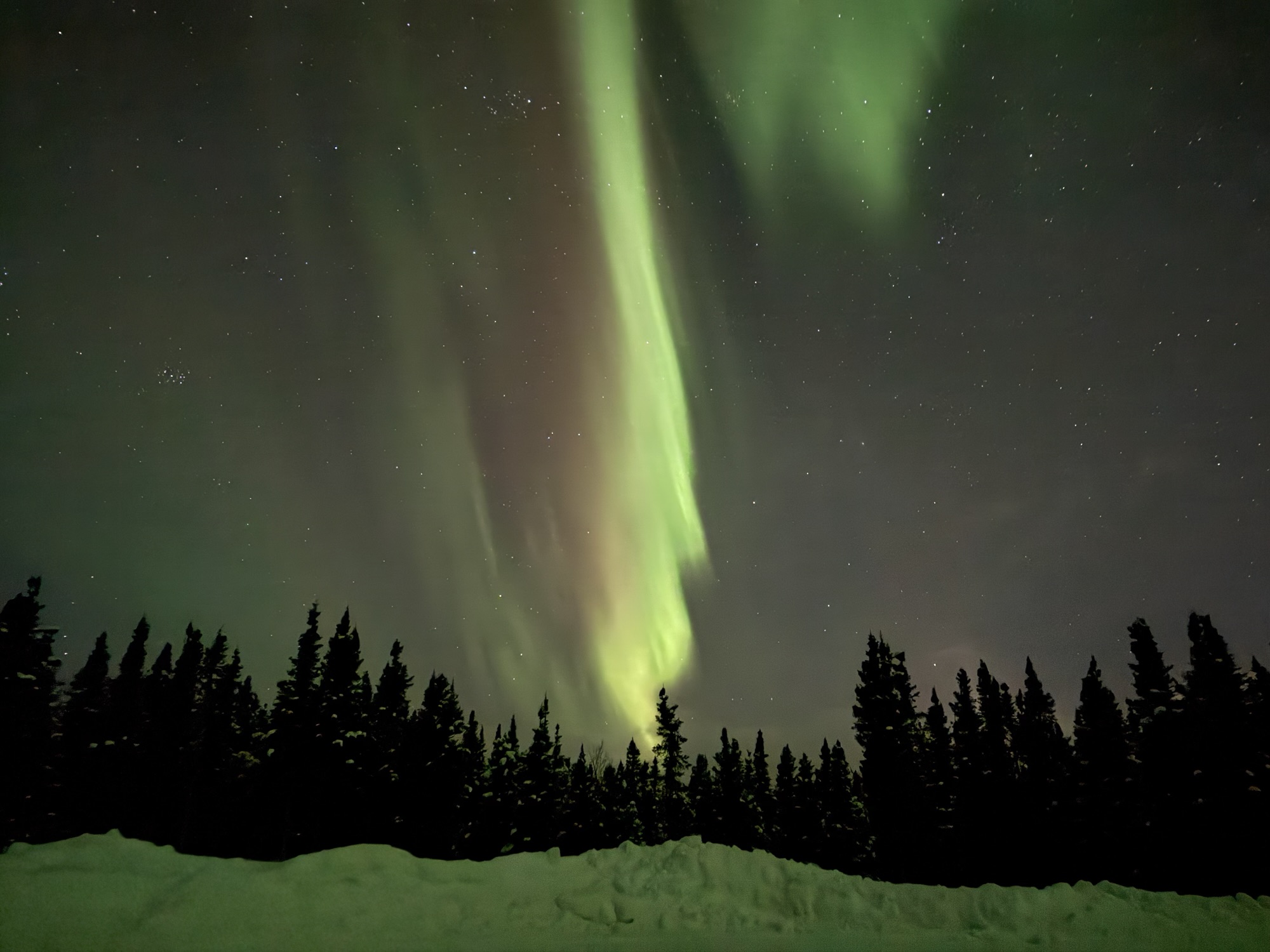
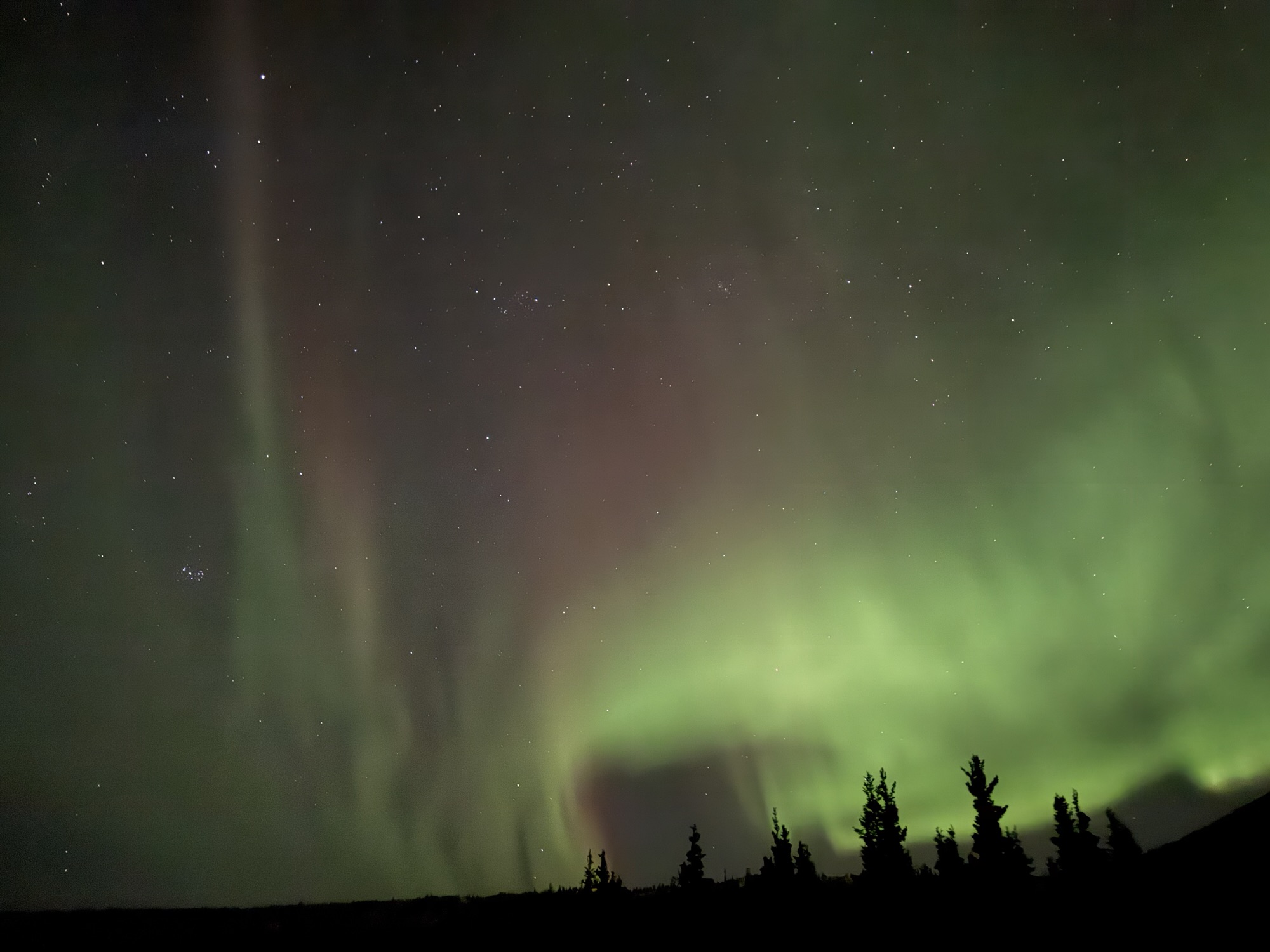
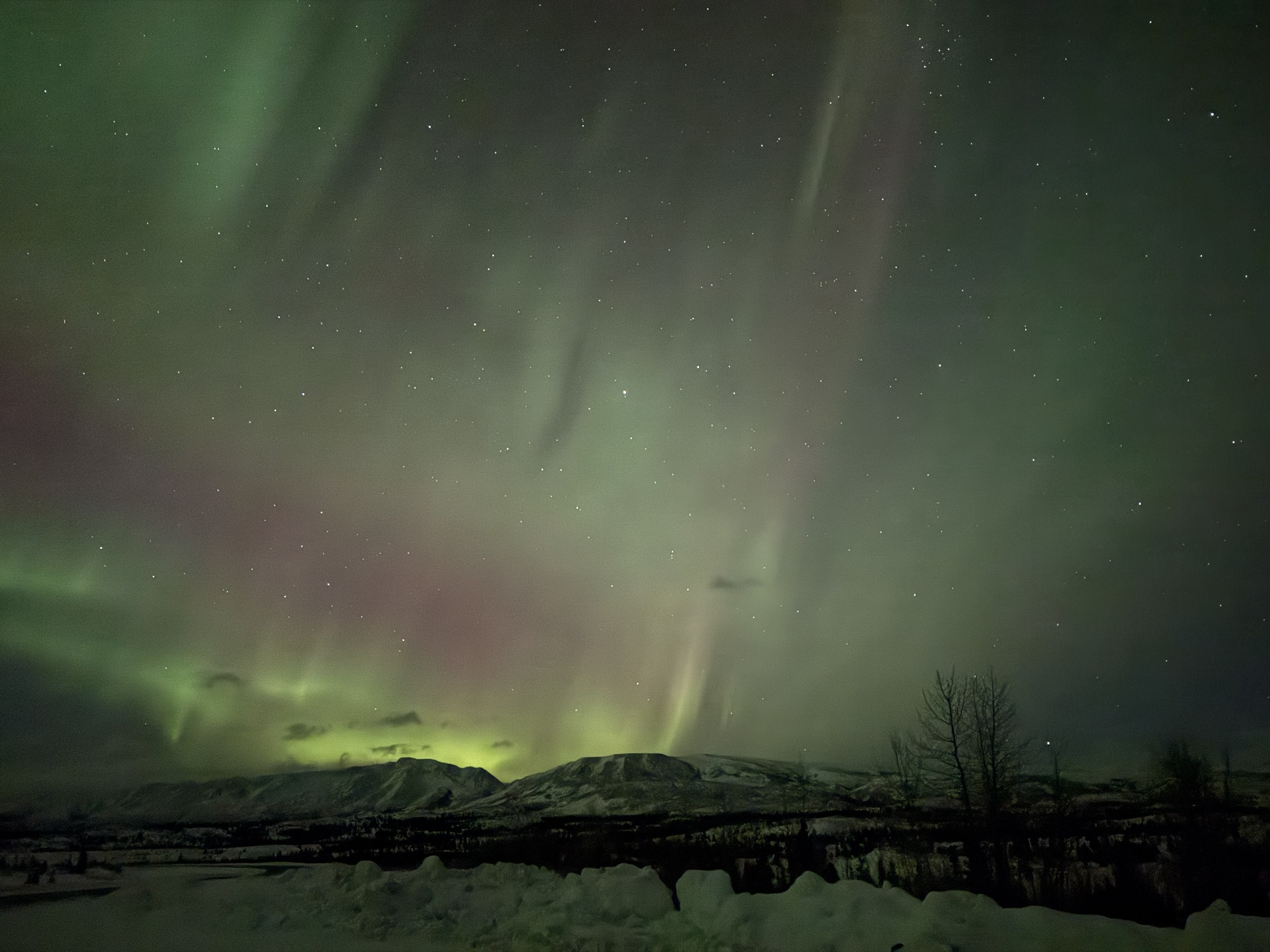
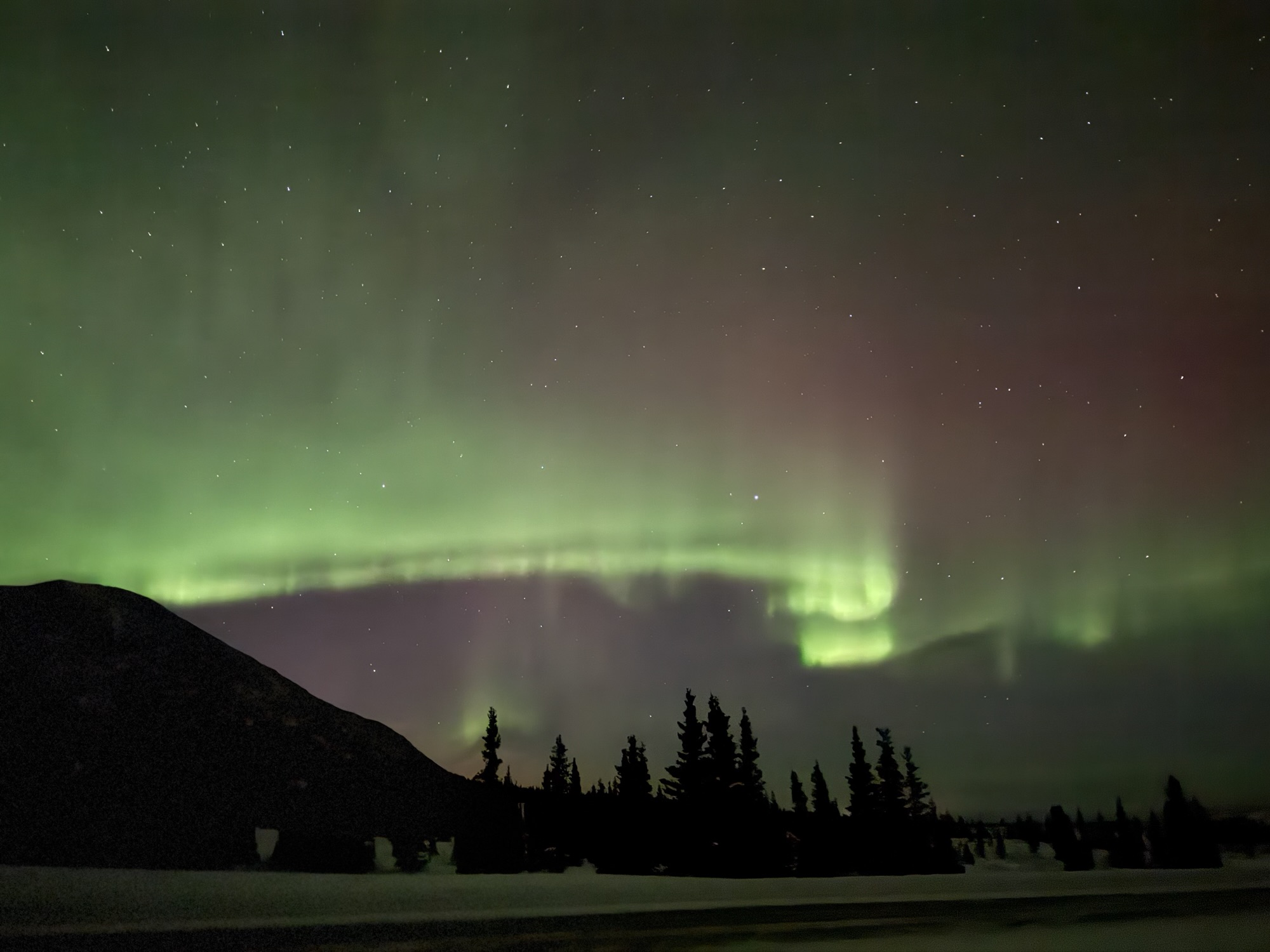
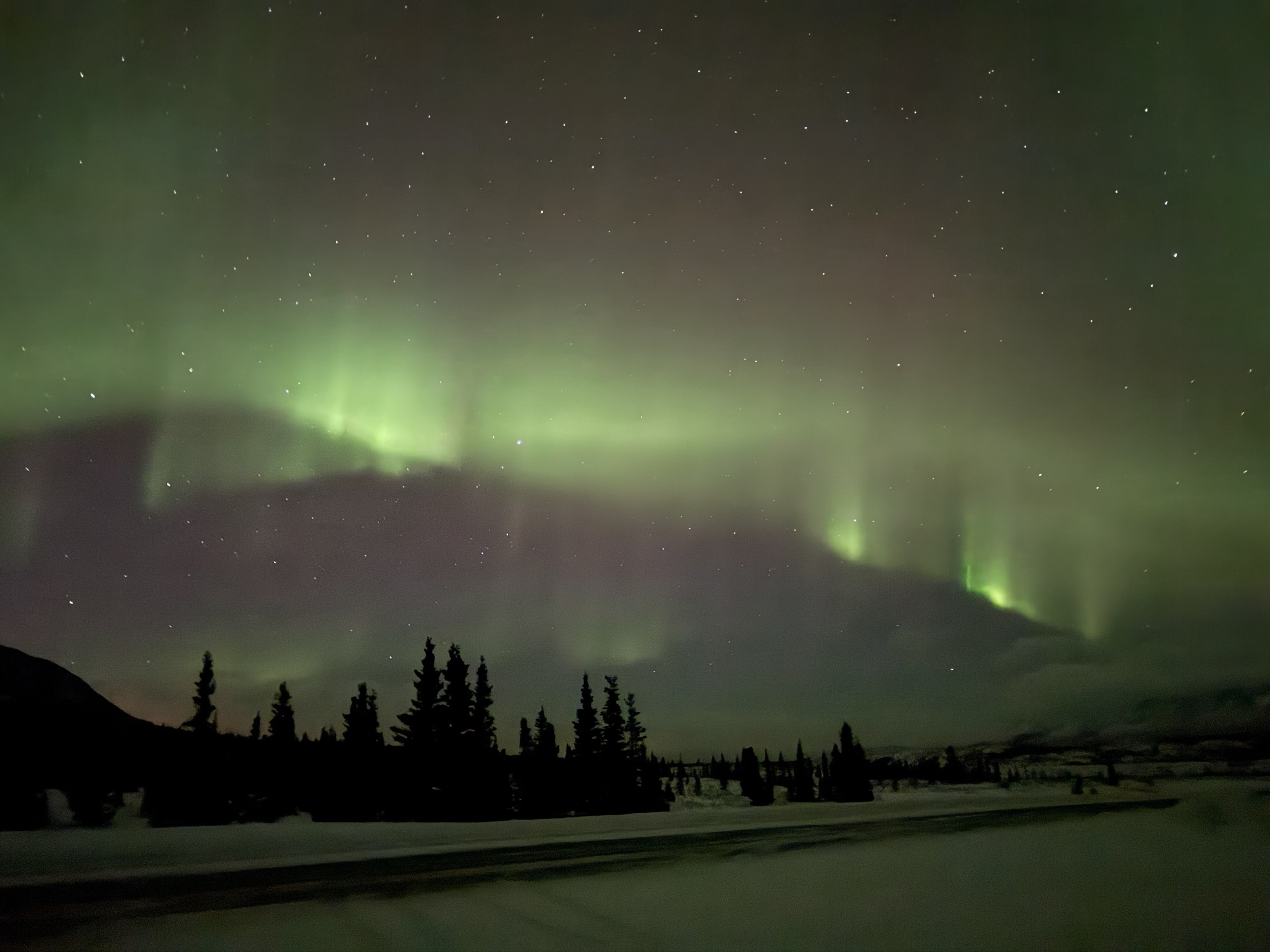
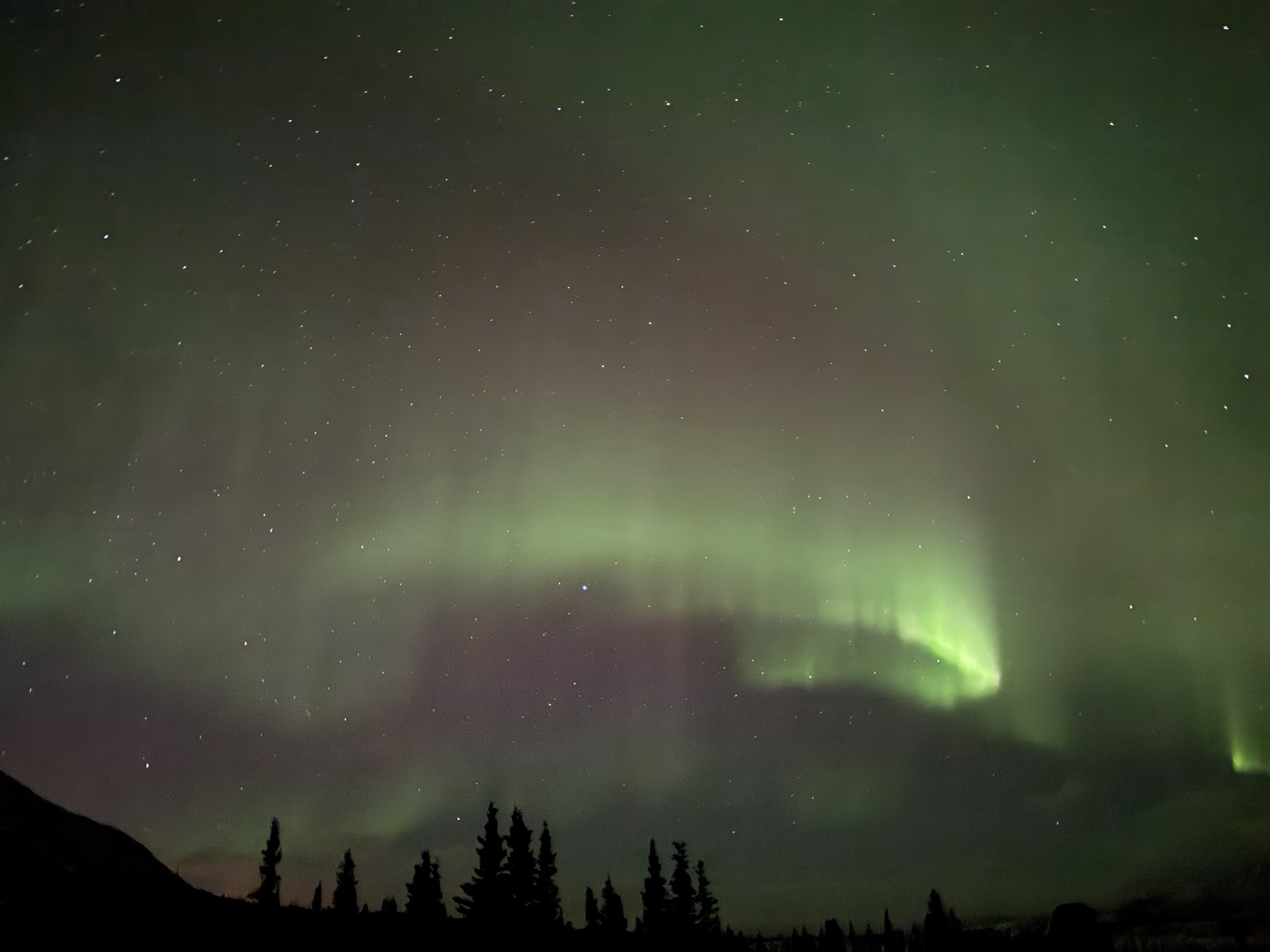
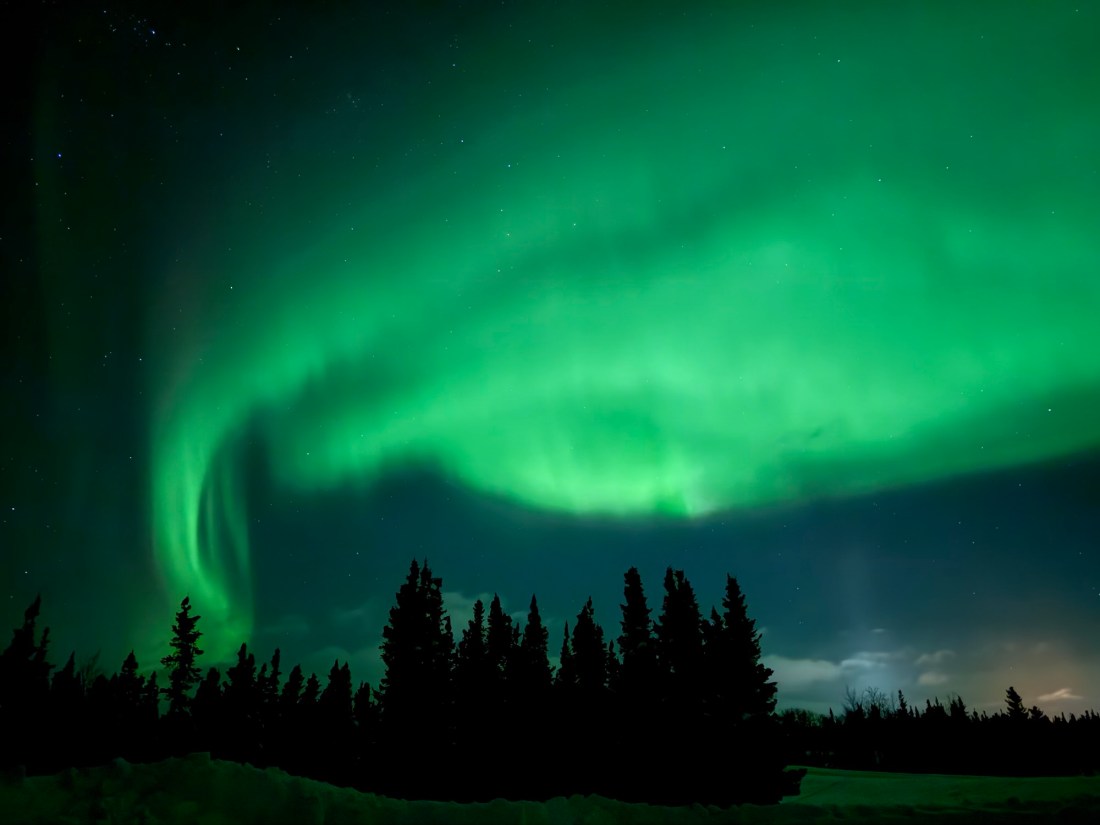
Rather suddenly, he noted that there was some aurora visible from his window, and a minute later we were pulling over and being herded out of the van. Because the van windows were fogged over, I couldn’t see anything until I stepped out. Then I looked up and gasped.
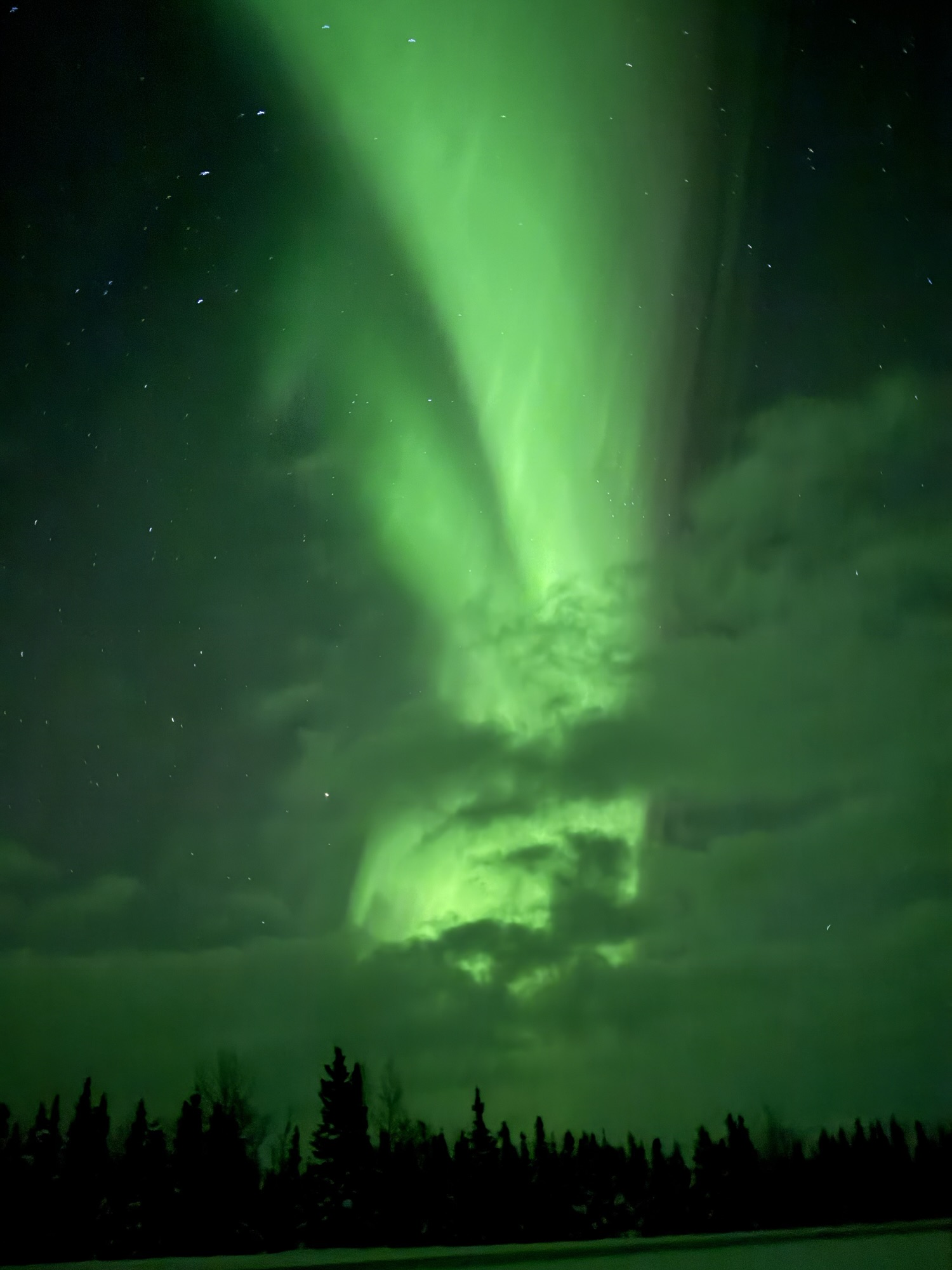
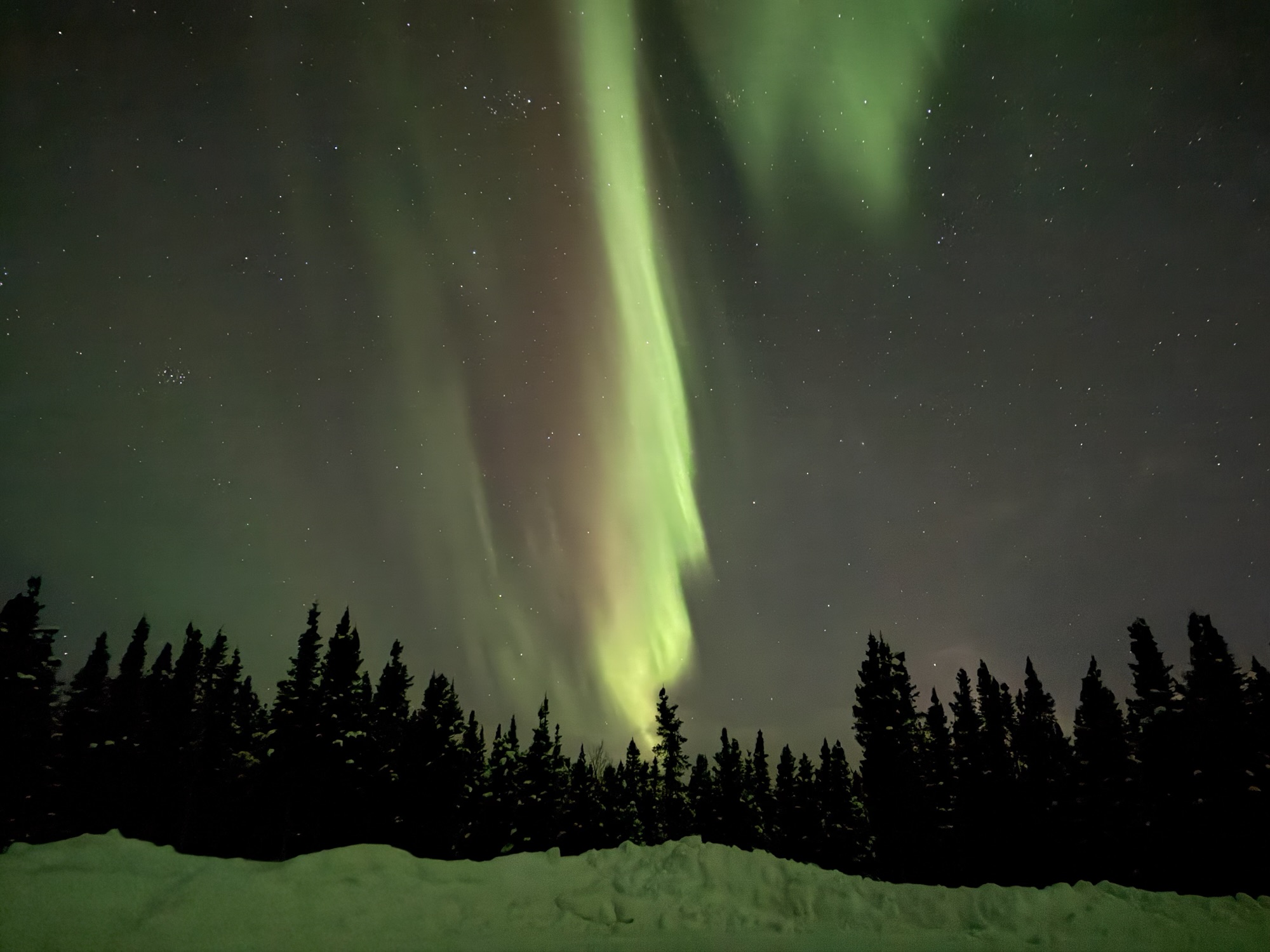
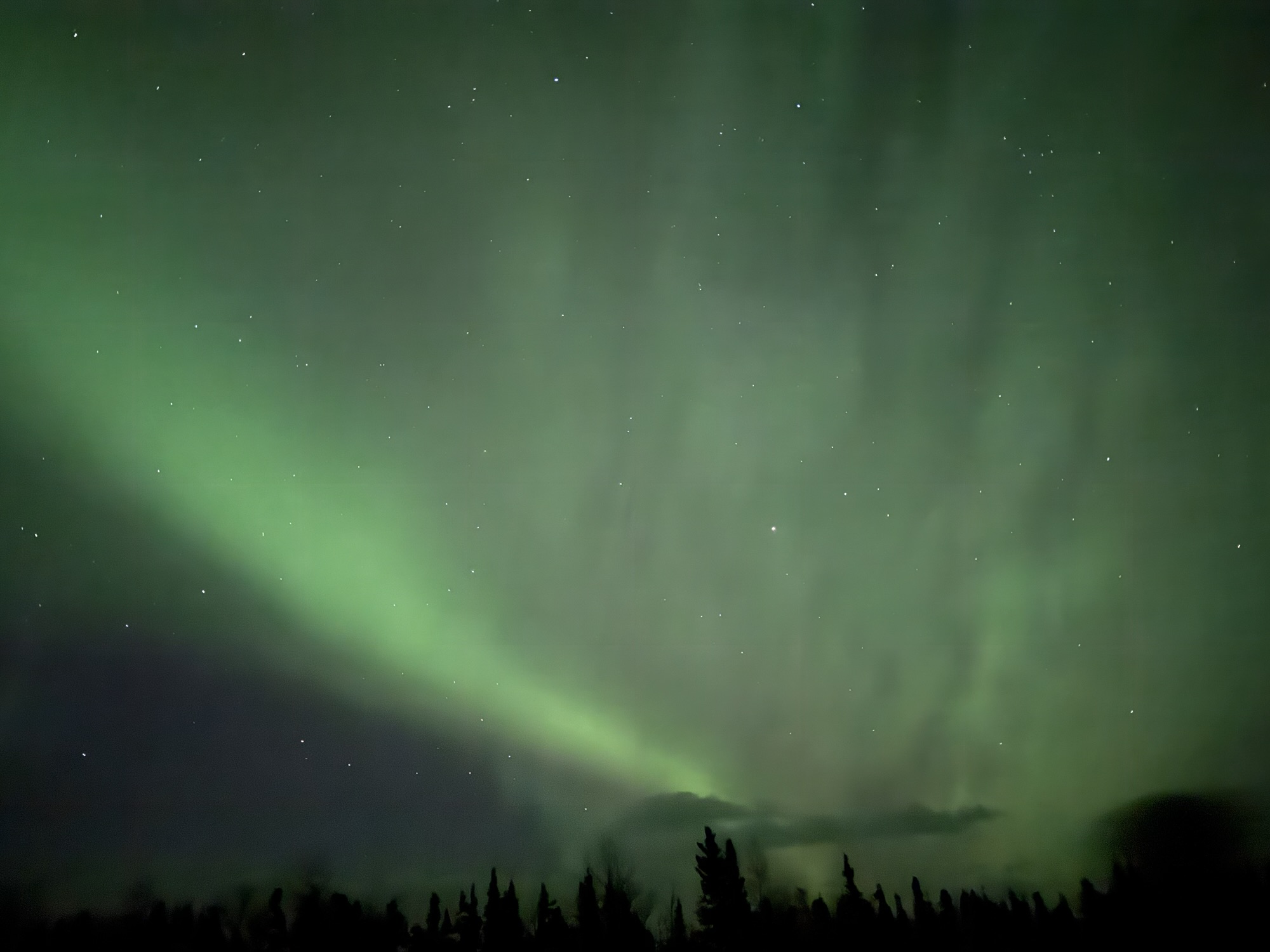
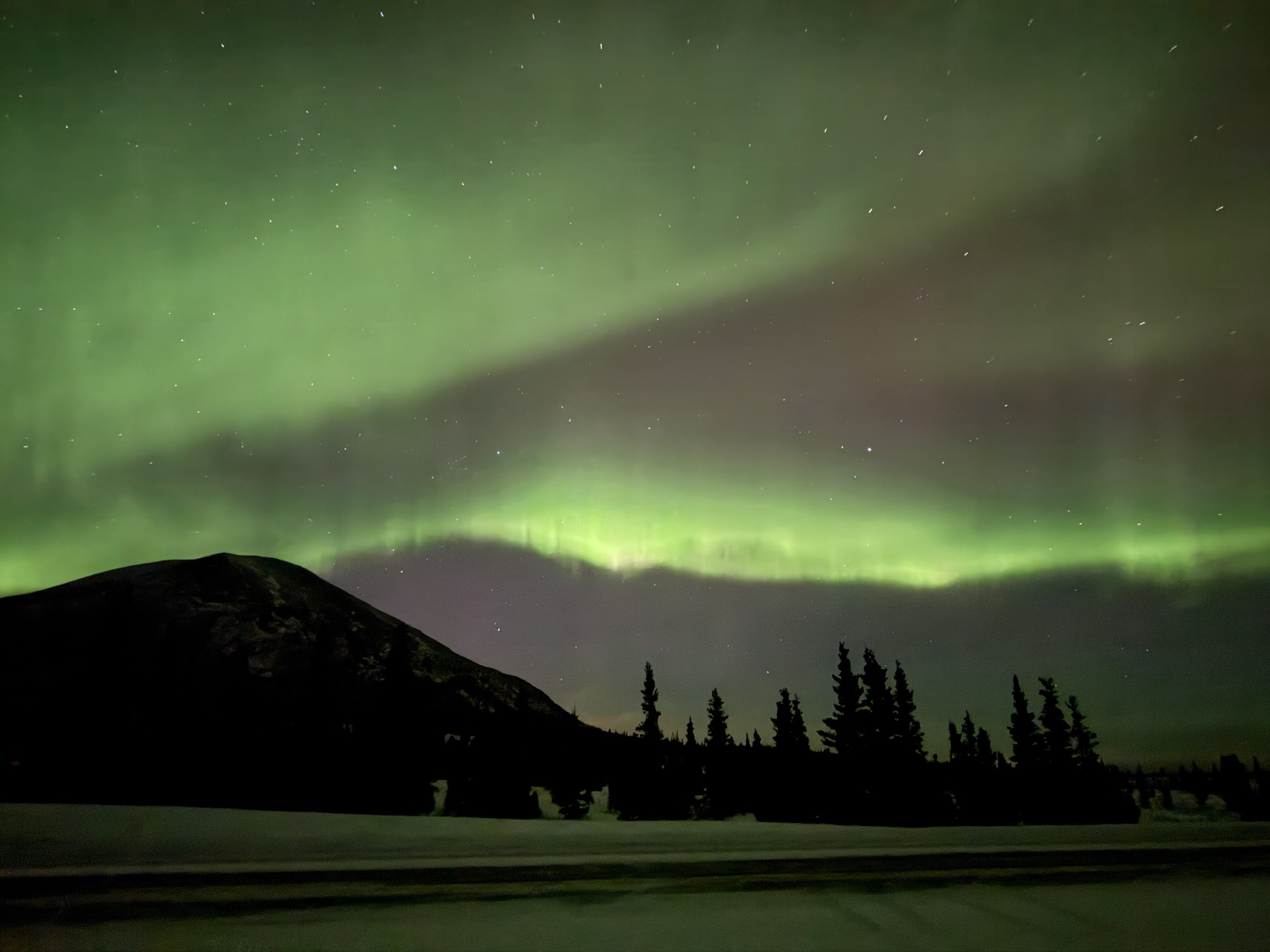
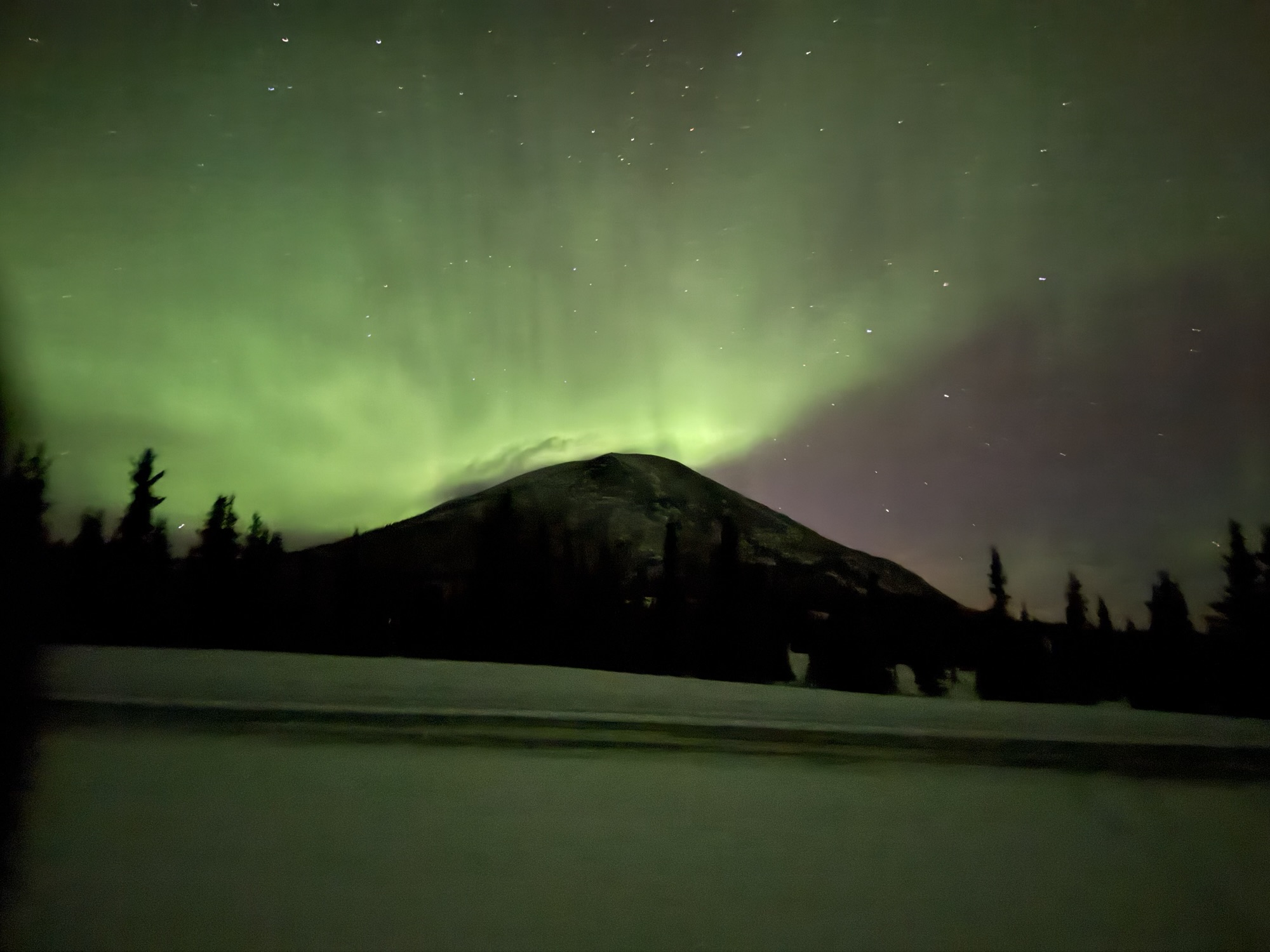
iPhones capture the colors decently (although the real camera images are still significantly more vibrant). What isn’t possible to capture is the motion – colors fading in and out, almost imperceptibly, and the lights pulsing and bending. Still photos also can’t capture the awe-inspiring sensation of witnessing this phenomenon. Once in a while, the earth does something that simply feels magical or otherworldly. Volcanic eruptions, for example, or a magnificent rainbow after a rainstorm. This is another one of those moments where you realize that we simply don’t have the ability to capture some things in words.

We moved a bit further up the road to another spot, and despite just seeing the aurora only minutes before, we were again mesmerized. The aurora is never the same twice, and that’s notably evident.
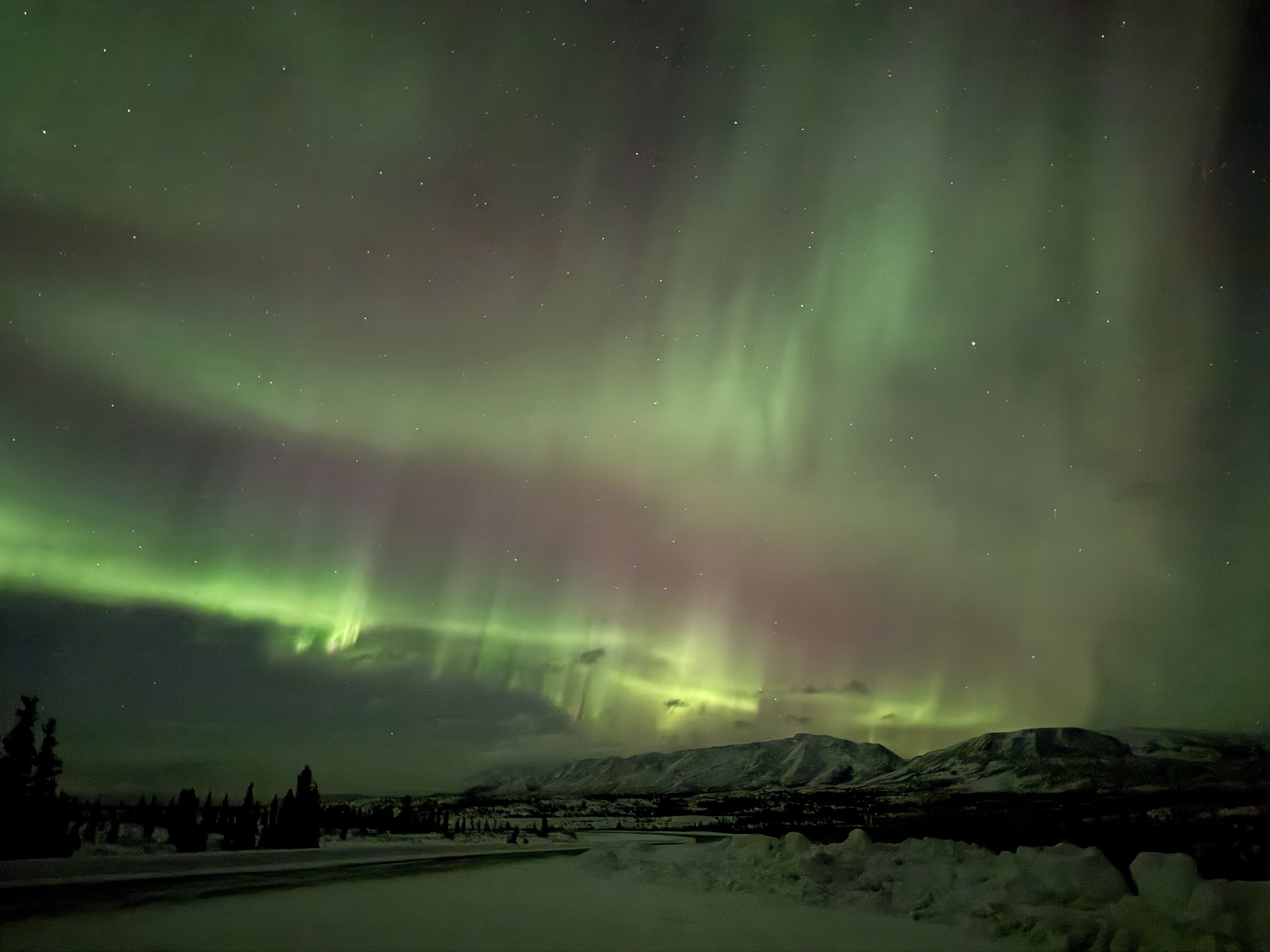
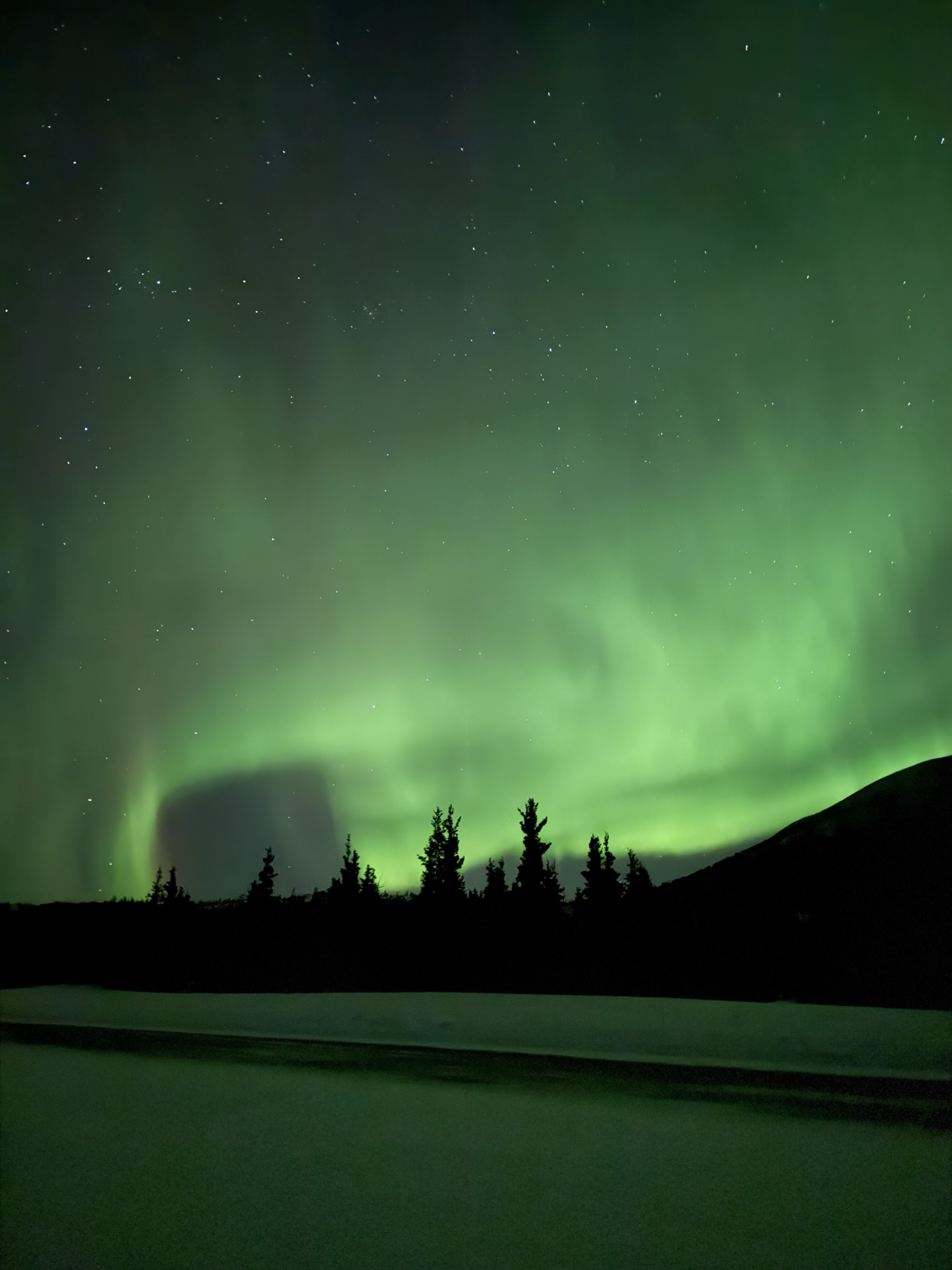
At this point, we had to head back to get everybody dropped off before 5am. I’ve seen 5am many times as a wake up time, but I don’t think I’ve ever seen it as a bedtime. We got back, dragged out exhausted husks into bed, and slept the best sleep.

After waking up at 11am (!) we set off for pedicures and then a tour of the Museum of the North at the University of Alaska Fairbanks campus. It was a nice museum, covering culture, history, flora and fauna. There was a video about the aurora that was interesting and I learned that the aurora borealis and the aurora astralis are actually two ends of the exact same phenomenon so they look the same if photographed at the same instant. Cool!

After returning the car, we hung out at the Pike hotel until heading to the airport. Despite the snowy day, the aurora seemed to want to wish us well on our journey and it made one quick appearance over the city of Fairbanks.
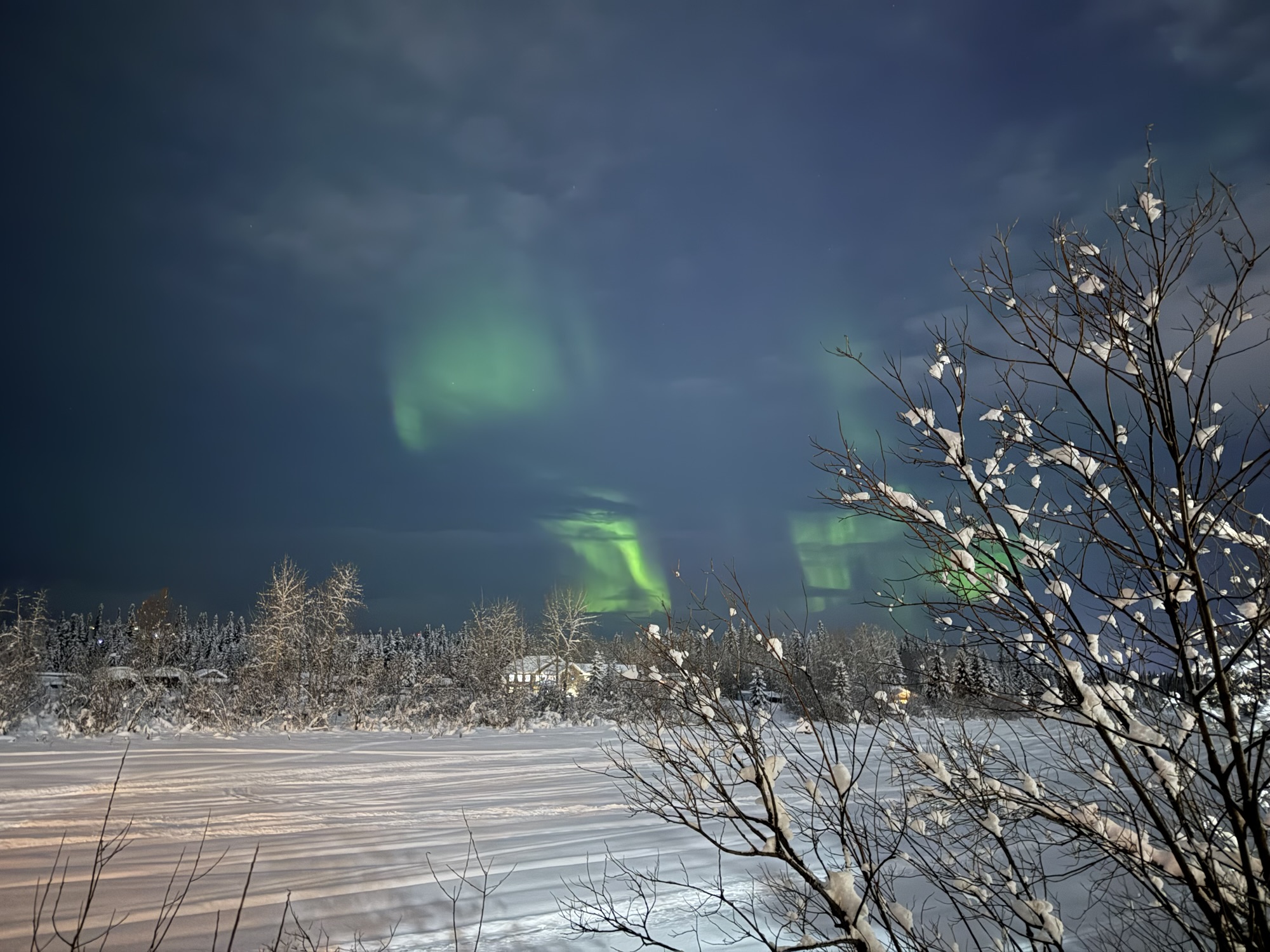
This was a quick trip, and honestly, about the right amount of time unless we wanted to do longer day or overnight trips. The people are friendly, the climate is awful, and the skies are magical. This was a trip that was worth the travel, and one I’ll never forget.
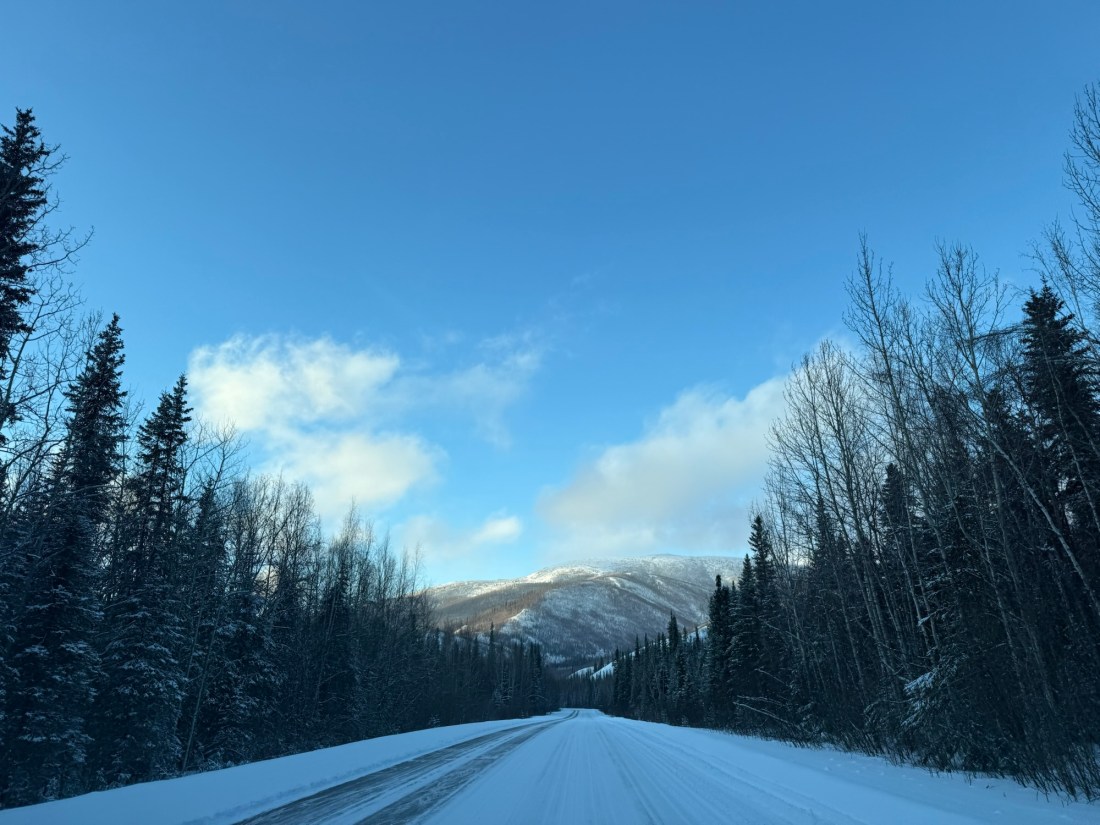
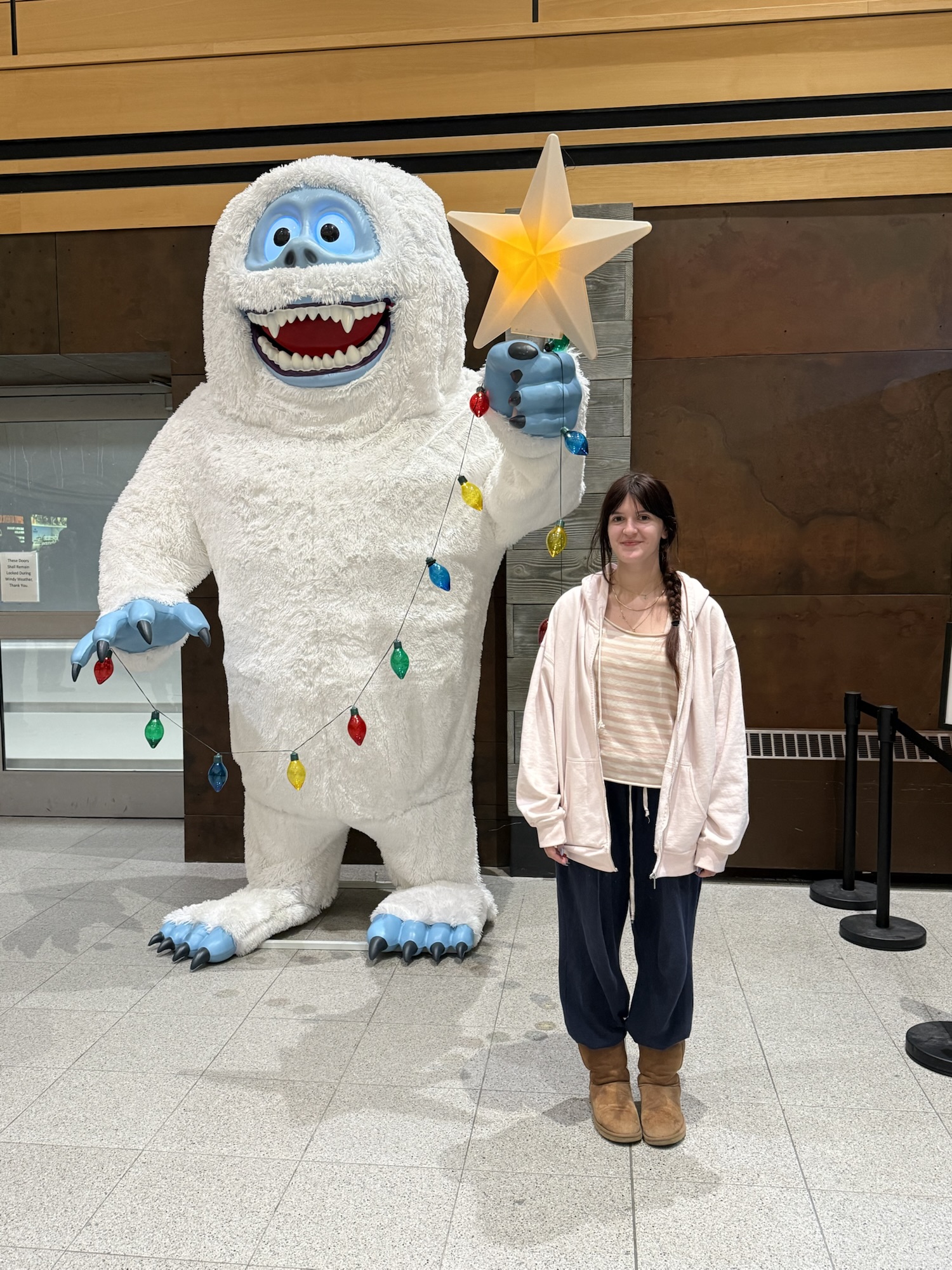
Winter wonderland

A few weeks ago, the weather in Fairbanks was hovering in the -30 degree range. I can’t honestly fathom what that feels like, although I’m certainly confident that I would not like it. During our time here, it’s been a more tolerable temperature, ranging from -10 overnight to almost 10 during the day.

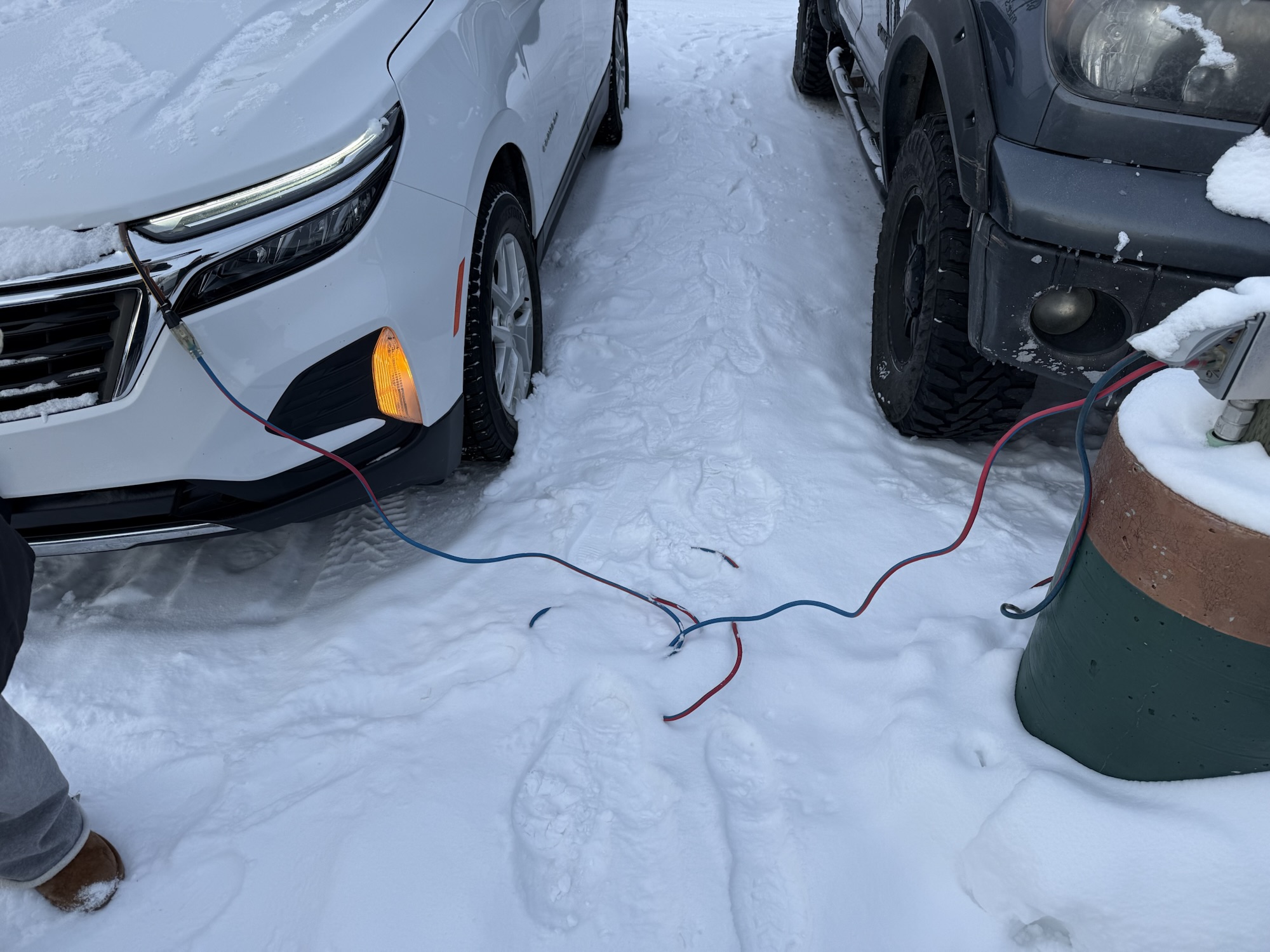
We collected our luggage and got the shuttle to the hotel. The lights were ever so slightly visible on the ride, but I was so exhausted I couldn’t see straight, let alone appreciate subtle light changes in the sky. After a solid night of sleep at Pike’s Waterfront Lodge, we got our car and learned when & how to plug it in so the oil doesn’t freeze.

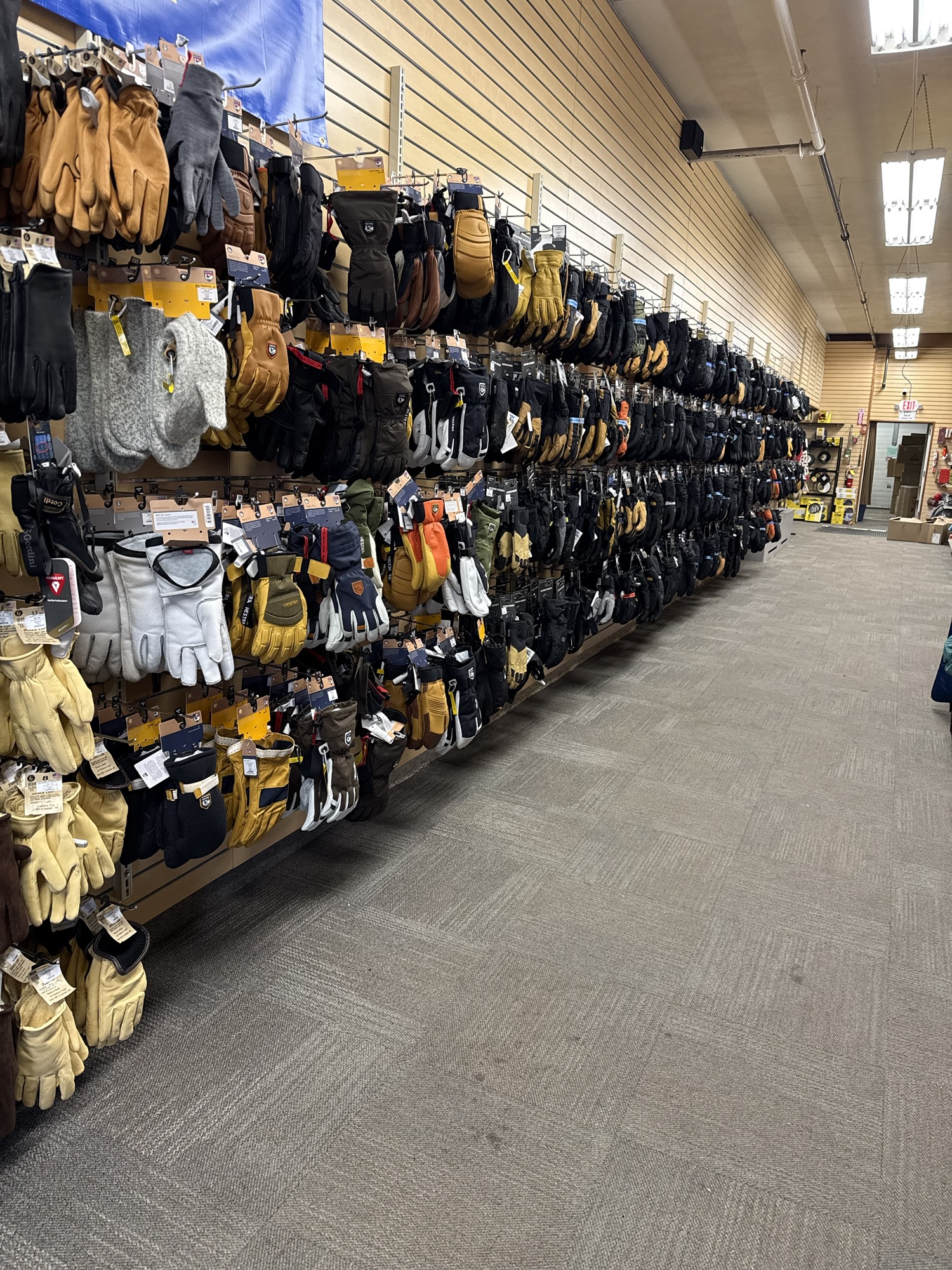
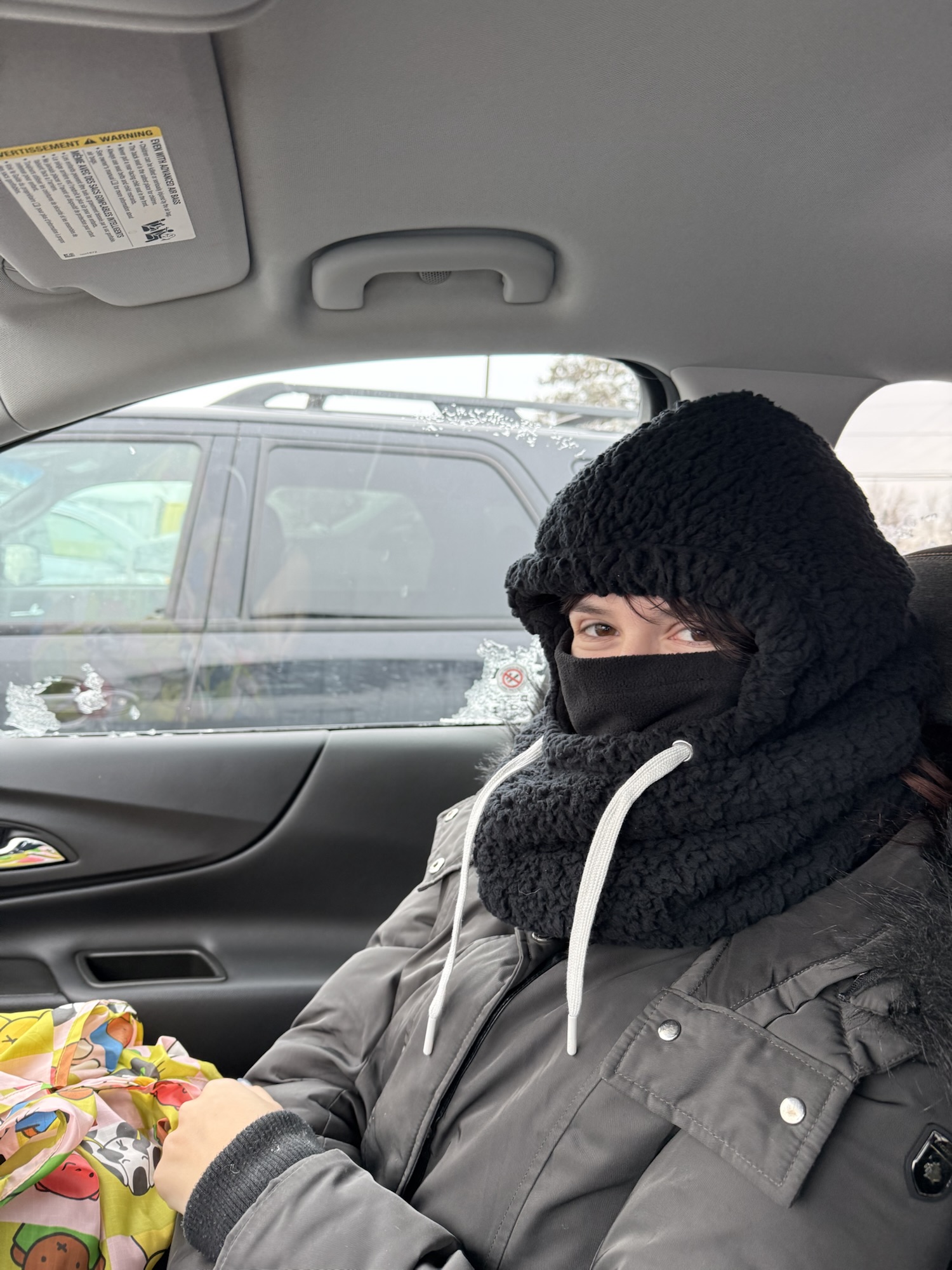
Since the dog ate my last good pair of mittens, we went to a local outdoor gear outfitter. I figured if anyplace would have warm mittens it would be here, and I was not disappointed! Kiddo got a snood and I have to admit, it’s pretty awesome.

One of TWO mitten/glove aisles
Kid in her snood

A stop at Walmart for groceries and we were off to Northern Sky Lodge, about 45 minutes west of town. Roads around here are not salted. In hindsight, that makes sense, but it surprised me in the moment. Salt melts snow, but at some point, it will get cold enough here that the melted snow would then freeze to solid ice which would be treacherous. Also, the snow here almost feels fake. It’s super light and fluffy and blows all over the place. So, they plow a lot of it away, but the roads still are snowy and can be icy. Taking turns is not for snow-driving novices, and more than one car skidded right through stop lights. I see now why many visitors do not rent cars. Thankfully, I grew up driving in bad weather and am comfortable driving slowly and cautiously in such conditions.

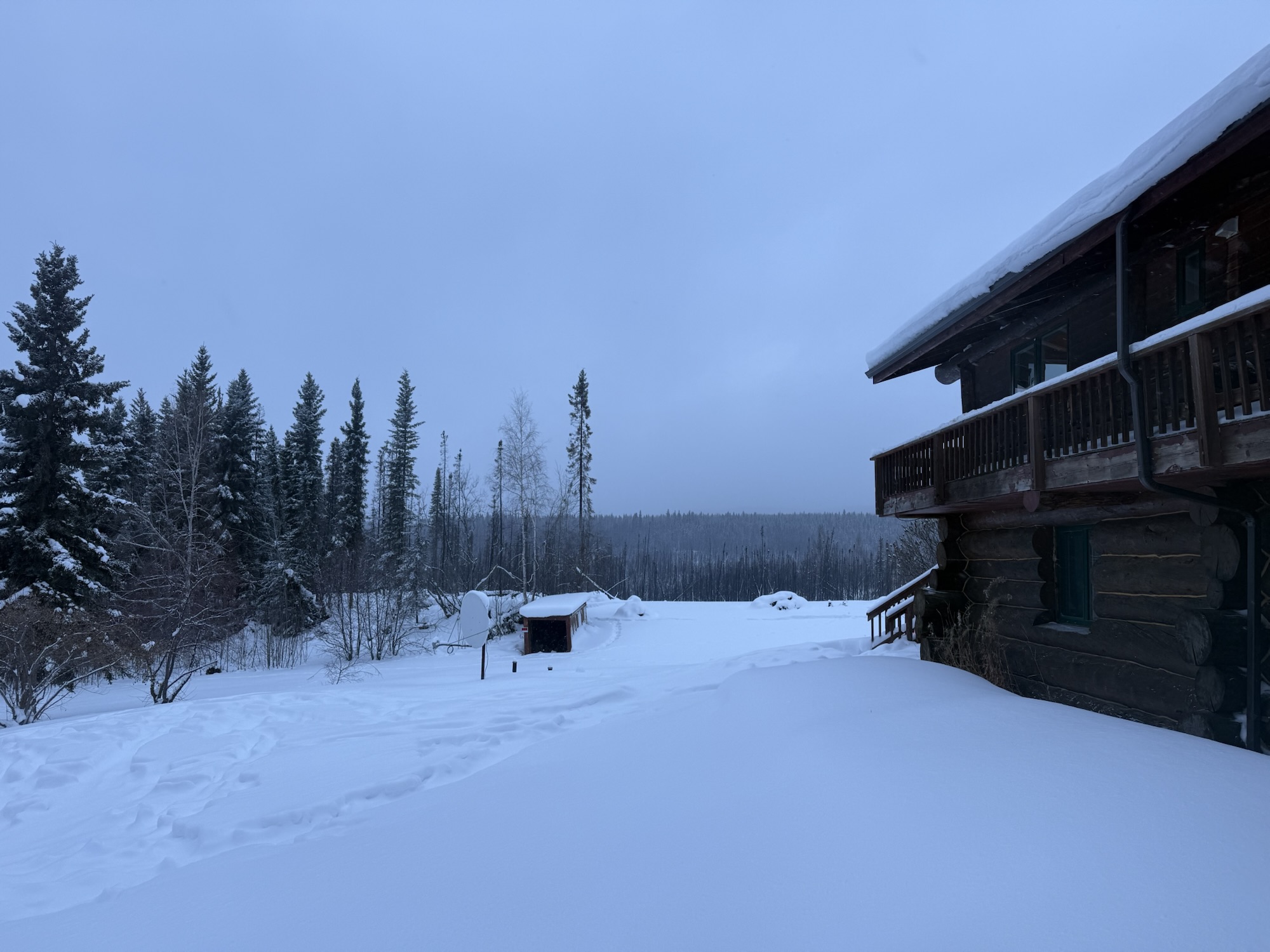
Our lodge

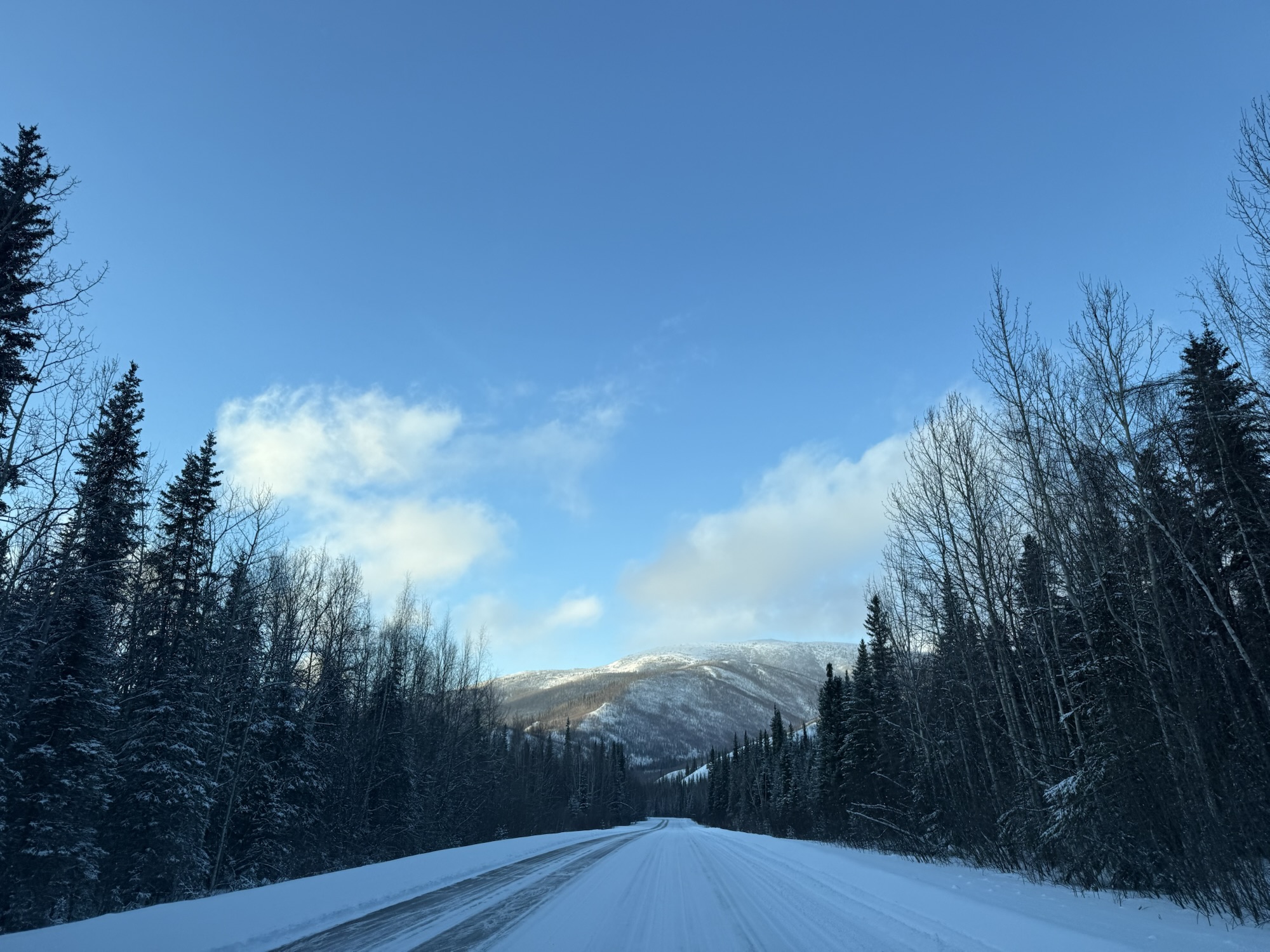
Friday we decided to make the 2-hour trek over to Chena for the hot springs. On a map, it looked close, but Alaska is so vast that everything is actually super far apart. It was thankfully a nice day and the driving was easy.

Drive to Chena

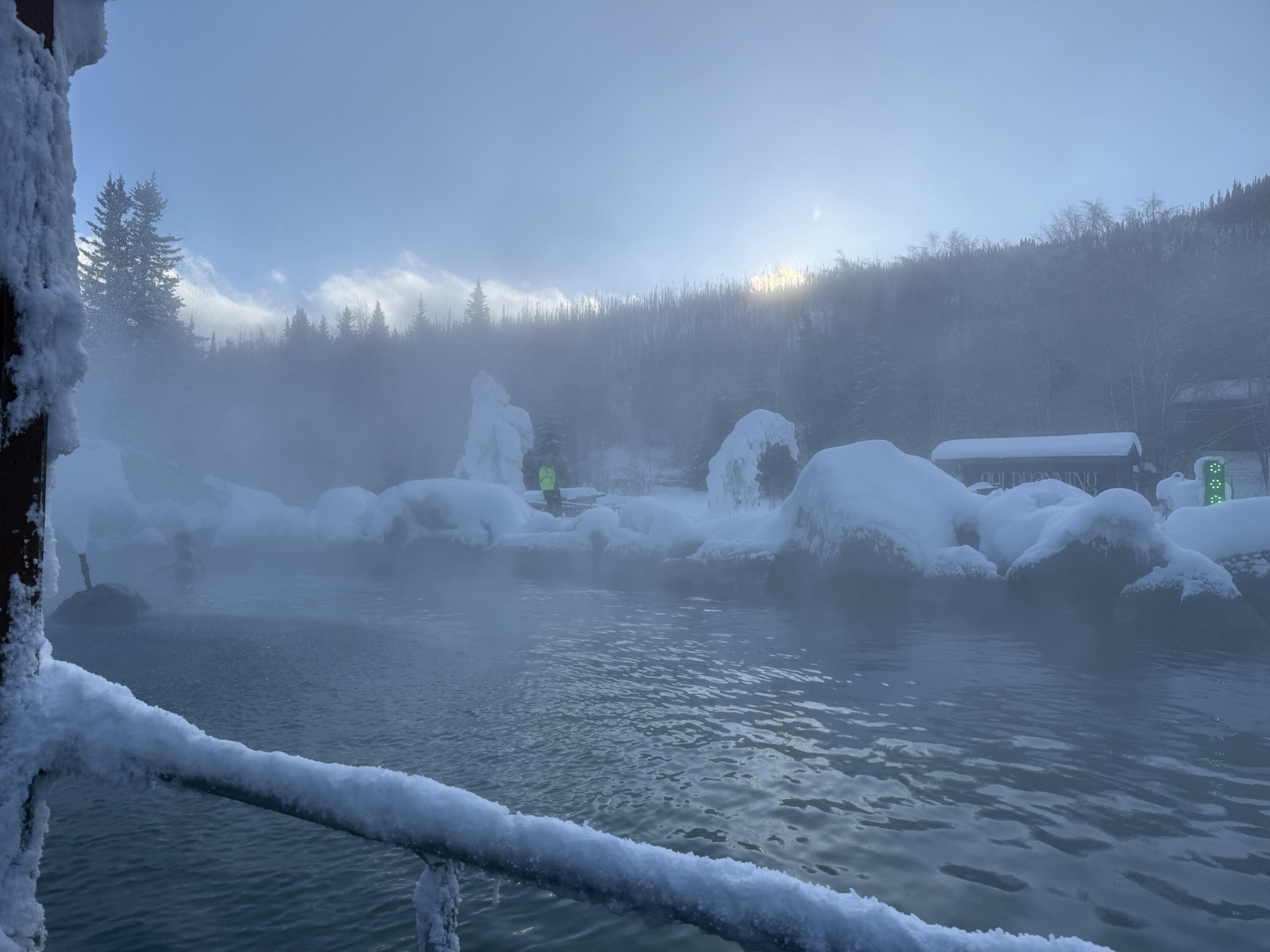
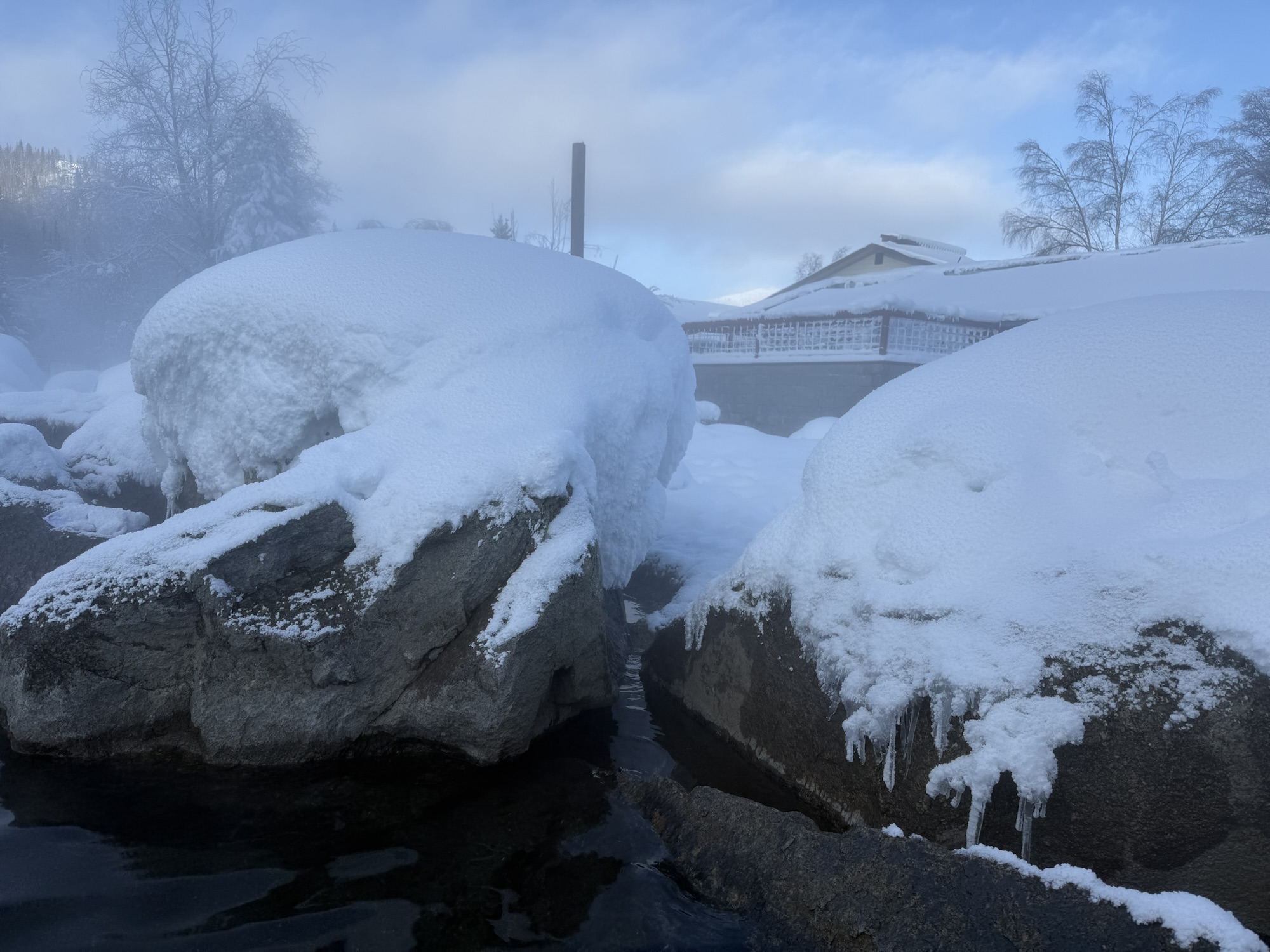
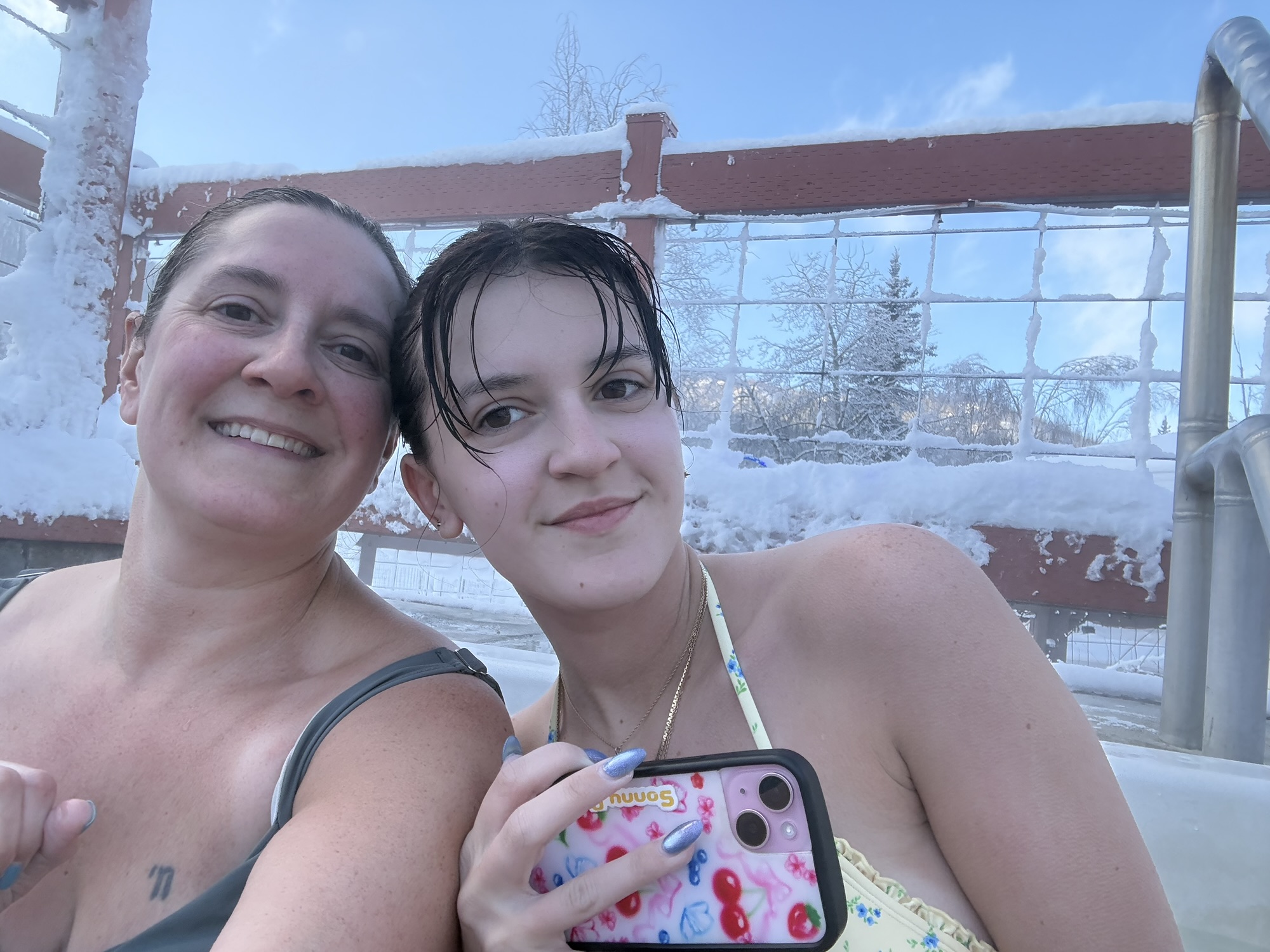
Chena hot springs had mixed reviews so I was wary of what we’d find. I have to say, some people have unreasonable expectations. Many complained that the rocks were slimy. It is a NATURAL HOT SPRING, so yes, there will be some natural algae. I found it to be perfectly nice. The water was about 102-106 and was crystal clear. The walkway to the spring was covered so we didn’t freeze to death getting in and out, and there was also an outdoor hot tub and an indoor pool and 2 more hot tubs. We enjoyed watching the steam cling to our hair and then turn to ice. A very nice $20 afternoon!

We had an exorbitantly priced lunch at the resort restaurant before heading back to the lodge to try to wait for the aurora to show up.

I should really talk to my travel agent

I was in Chicago over the weekend and flew home Monday, only to come home, unpack, repack, and then leave on Tuesday for New York and then today (Wednesday) for Fairbanks, Alaska. Then I’m away again the following weekend, then Luke is away. It’s a lot. Why I booked things this way, I cannot say.

Yet as I wrote that, I left the Delta lounge and got to the gate to then be offered an upgrade to first class. So my travel agent does some things right!

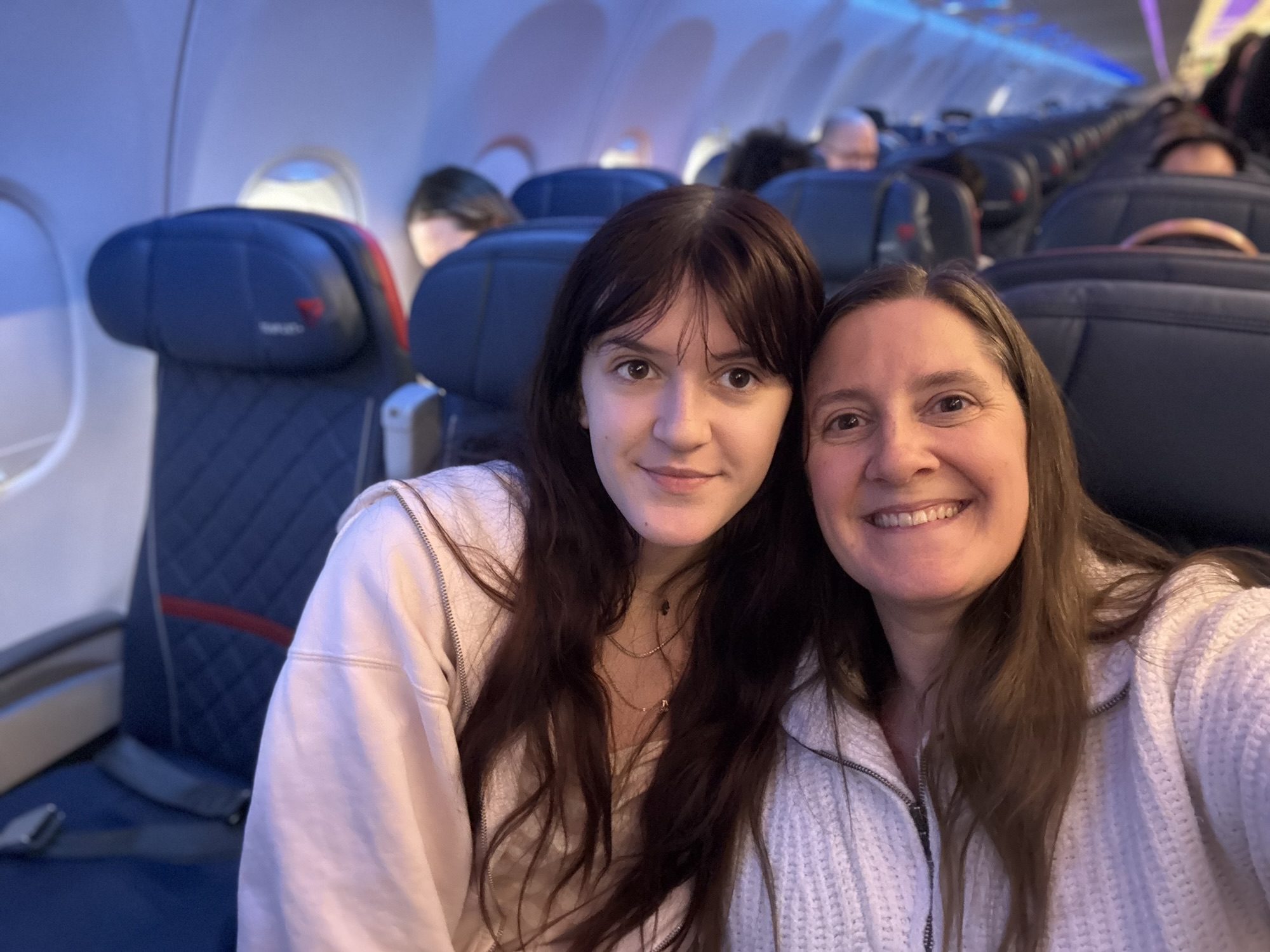
Me and kiddo, on the flight to Seattle before I ditched her for the first class upgrade

So why are we heading to Alaska in February? It’s not like we haven’t had more than our fair share of Arctic weather this winter in New England! It’s not actually the weather I’m eager to experience, but the aurora borealis. Alaska has a significant solar activity “window” and that activity is cyclical. Roughly every 25 years, activity over the Alaskan window is especially vigorous, and that was last year. So this winter is a shoulder winter and still very active.

I’ve been to Iceland half a dozen times and Svalbard inside the Arctic circle, but I’ve never seen the northern lights. I am desperately hoping that this trip will remedy that shortcoming.

Otherwise, I need to have some serious words with my travel agent.

Moving all around

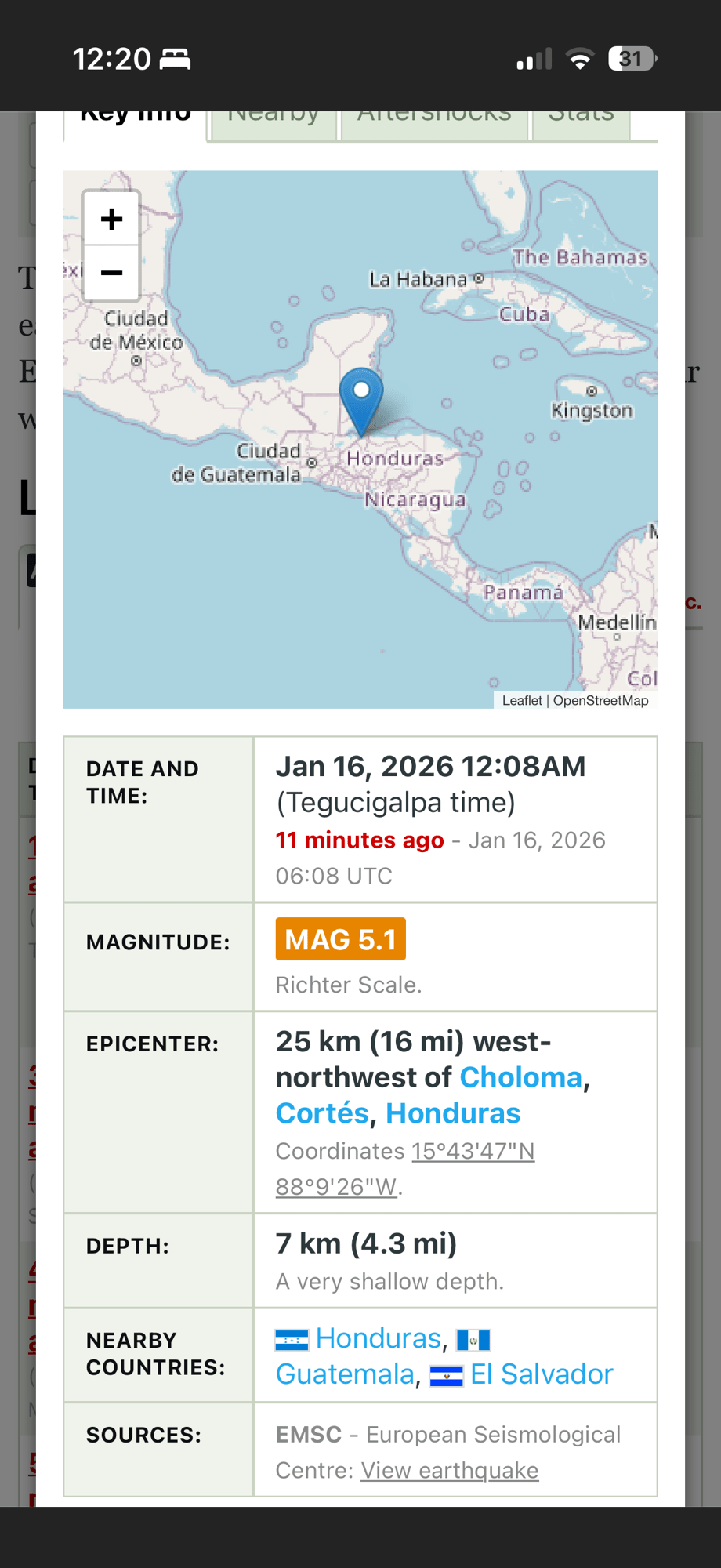
Ali was leaving Friday, and kiddo and I were headed to the jungle of Pico Bonito. After our fabulous fast food dinner, we went to our rooms to pack and sleep. I was reading in bed, and shortly after midnight, I felt an earthquake. I’ve been in several earthquakes before, so I had no doubt what was happening. After a few minutes, it popped up online.

Needless to say, I had another restless night. There were half a dozen aftershocks, and while I didn’t realize that was what woke me at the time, my awake times aligned with the aftershock times. I’m very grateful it was not a major earthquake, because while I don’t typically feel in peril here, disaster response definitely feels outside the scope of what I want to experience! Thankfully, this wasn’t too severe and there didn’t appear to be any major damage.

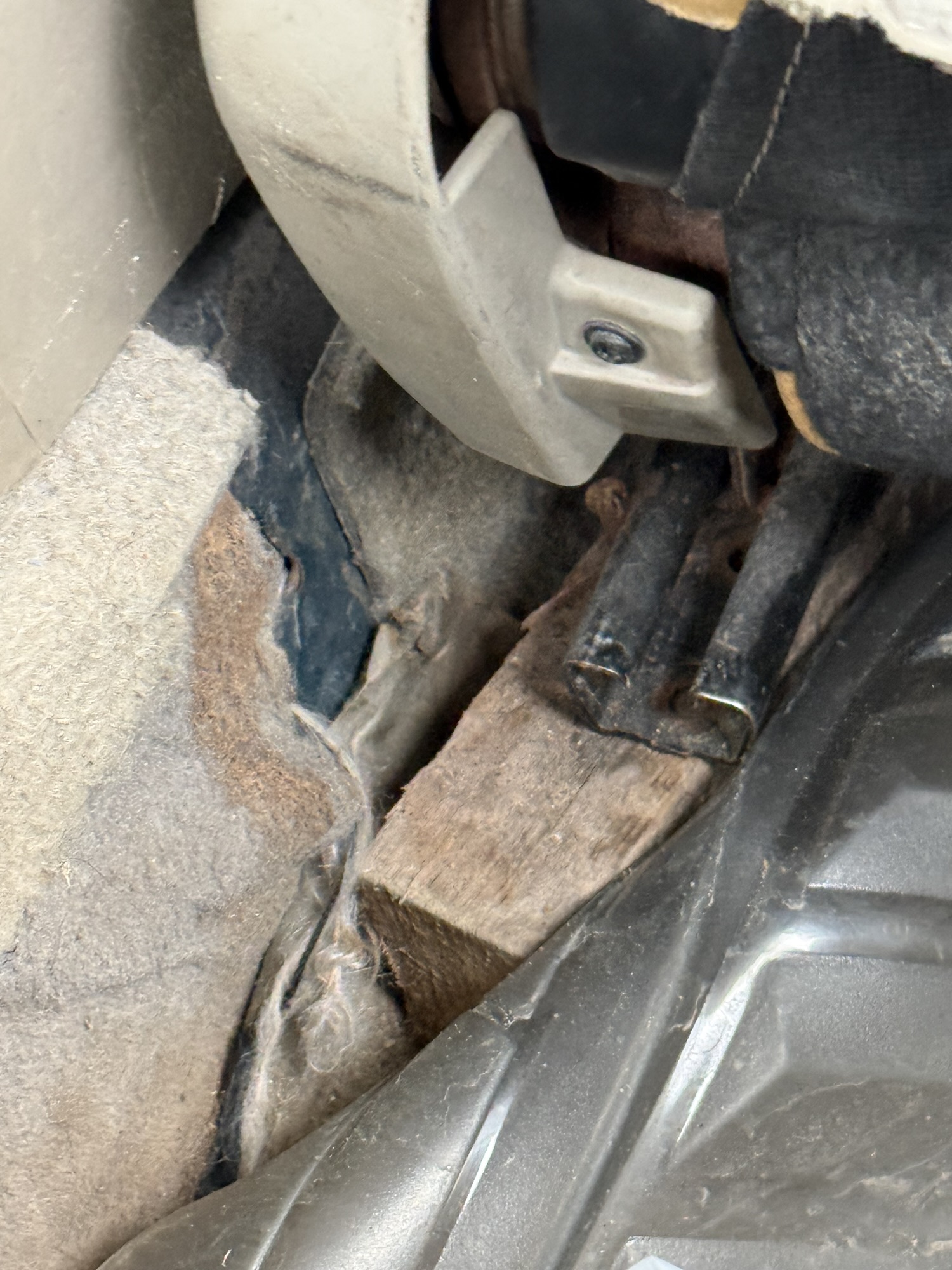
We got picked up at 9:20 for our drive to Pico Bonito. Our taxi literally had a bungee cord holding the trunk closed. There were no seatbelts, the seat in front of me lost all of its bolts and sat on blocks of wood, and there was a notable draft on my backside. Anna-Sophia and I debated the likelihood of making it there in one piece. 🙂

Third world travels

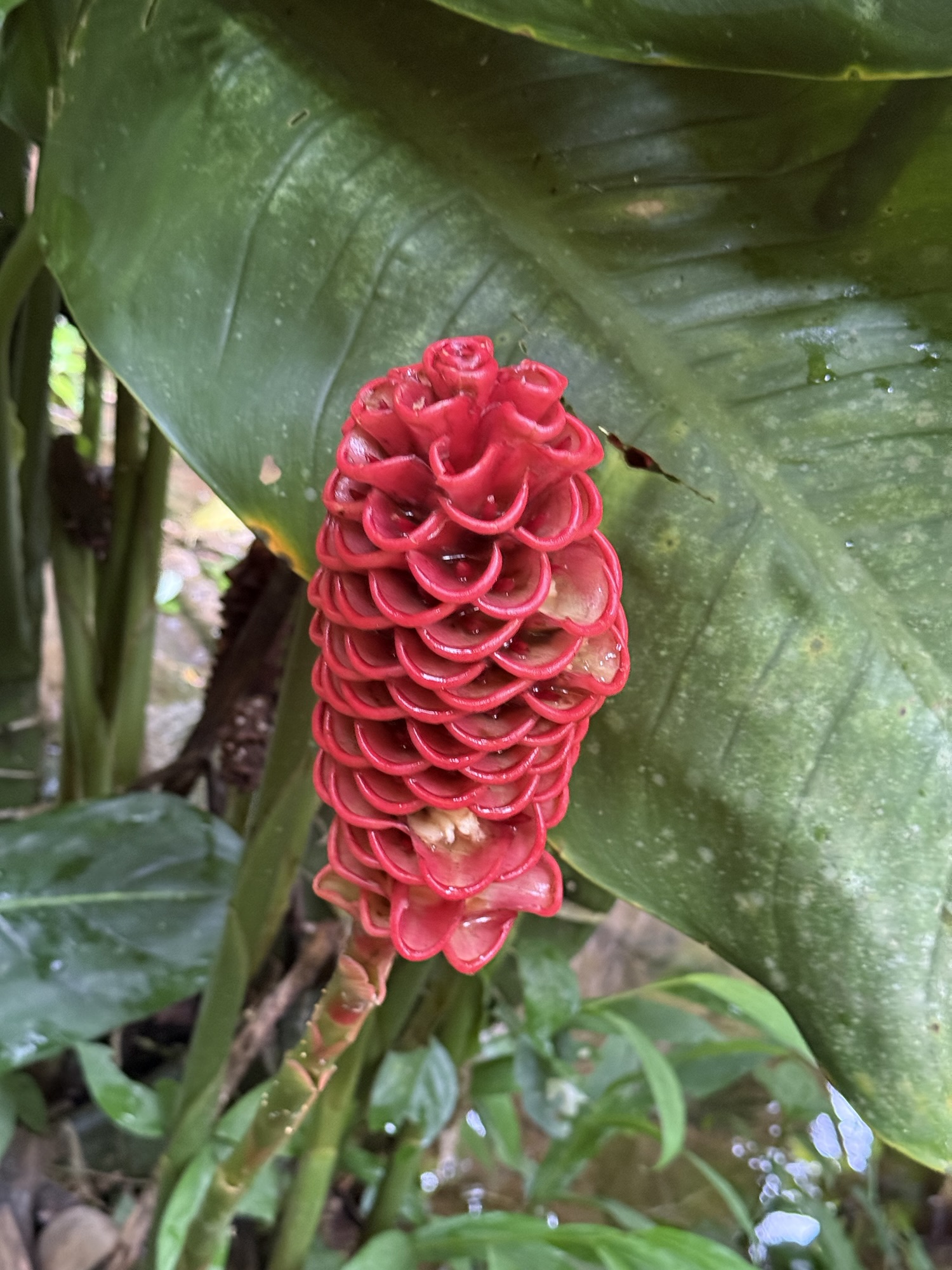
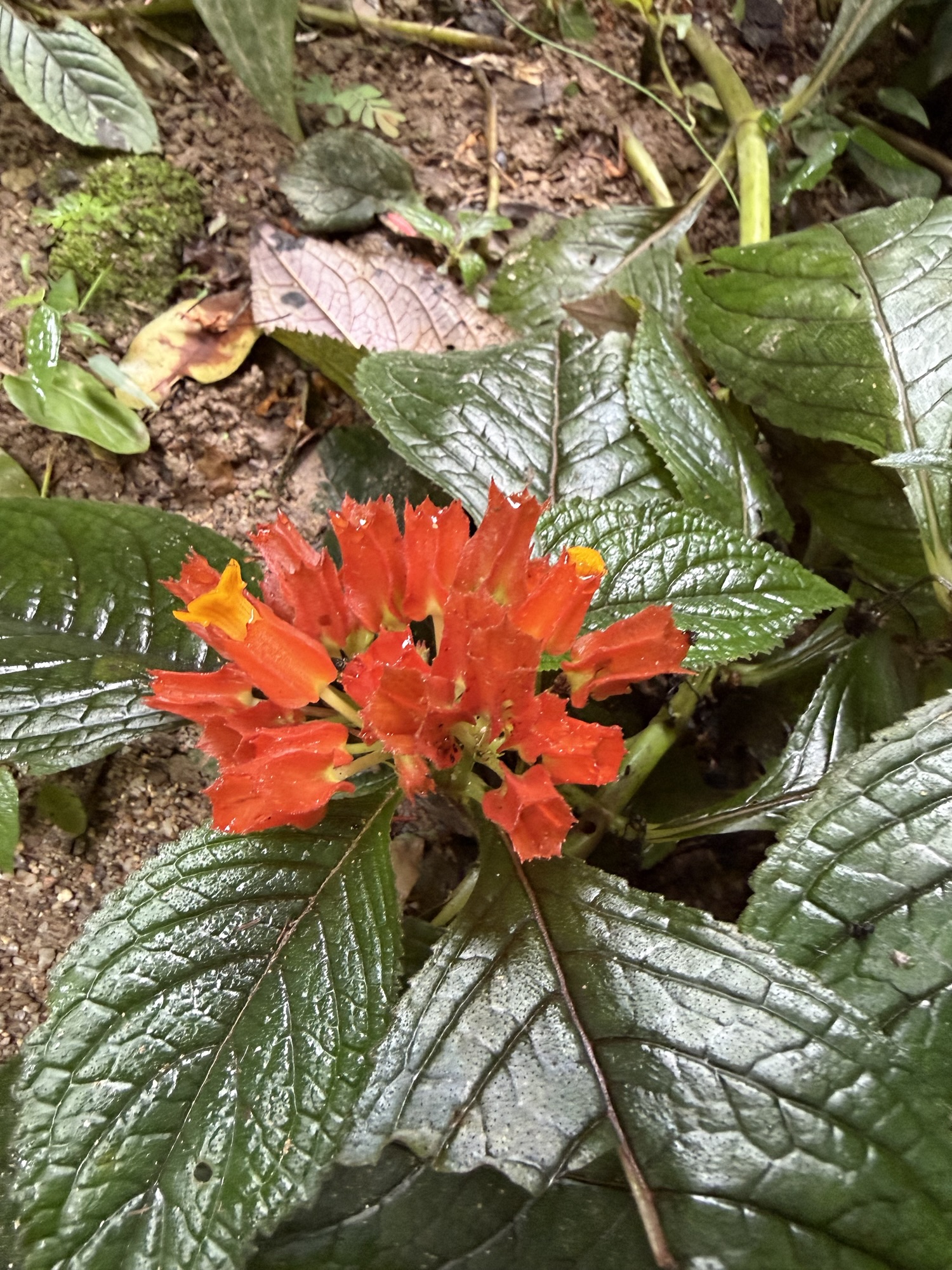
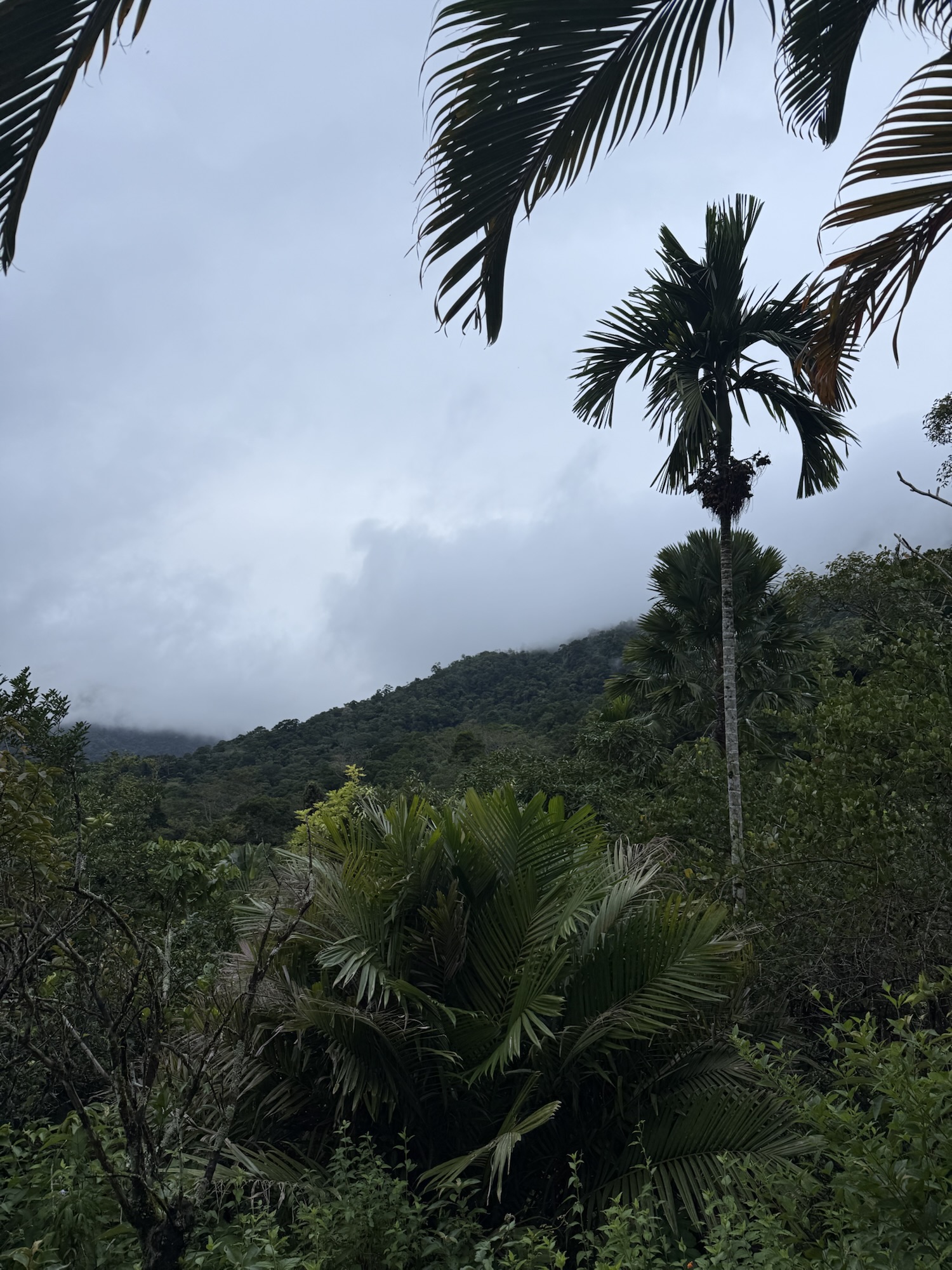
By some miracle, we skidded our way in to La Ceiba (fast braking + bald tires = a whole lot of fishtailing) where we switched to another car for the final half hour up into the jungle. Our lodge, the Omega Eco Lodge, is like out of a picture book. After a small lunch, we walked around a bit and took a short hike.

It was kind of rainy and damp, so we put our feet in the pool with some fish (free pedicure!), enjoyed the hammocks, and debated what to do on Saturday.

By 8:30, I couldn’t keep my eyes open so we climbed into bed. I was asleep in about 3 minutes and I slept like a baby with the sounds of the insects and babbling water.

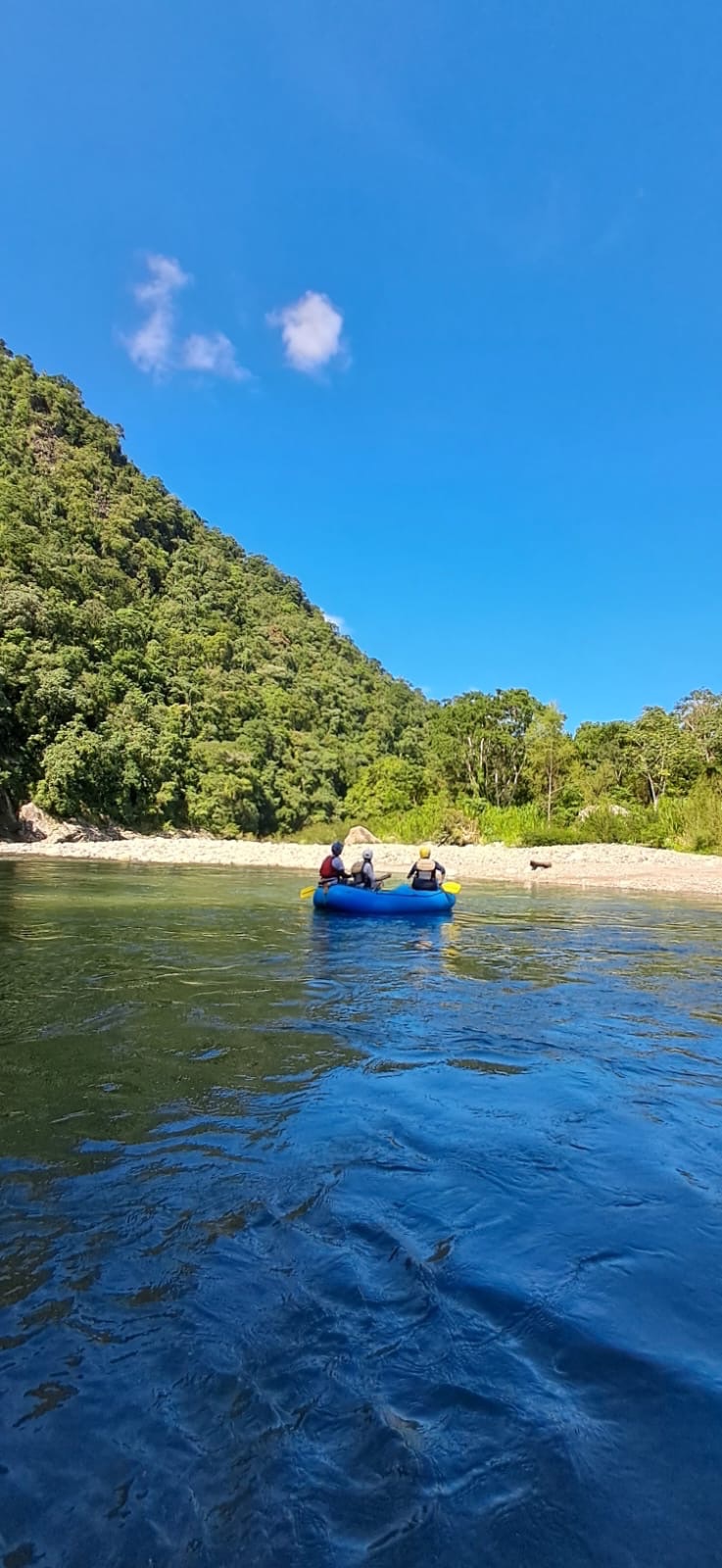
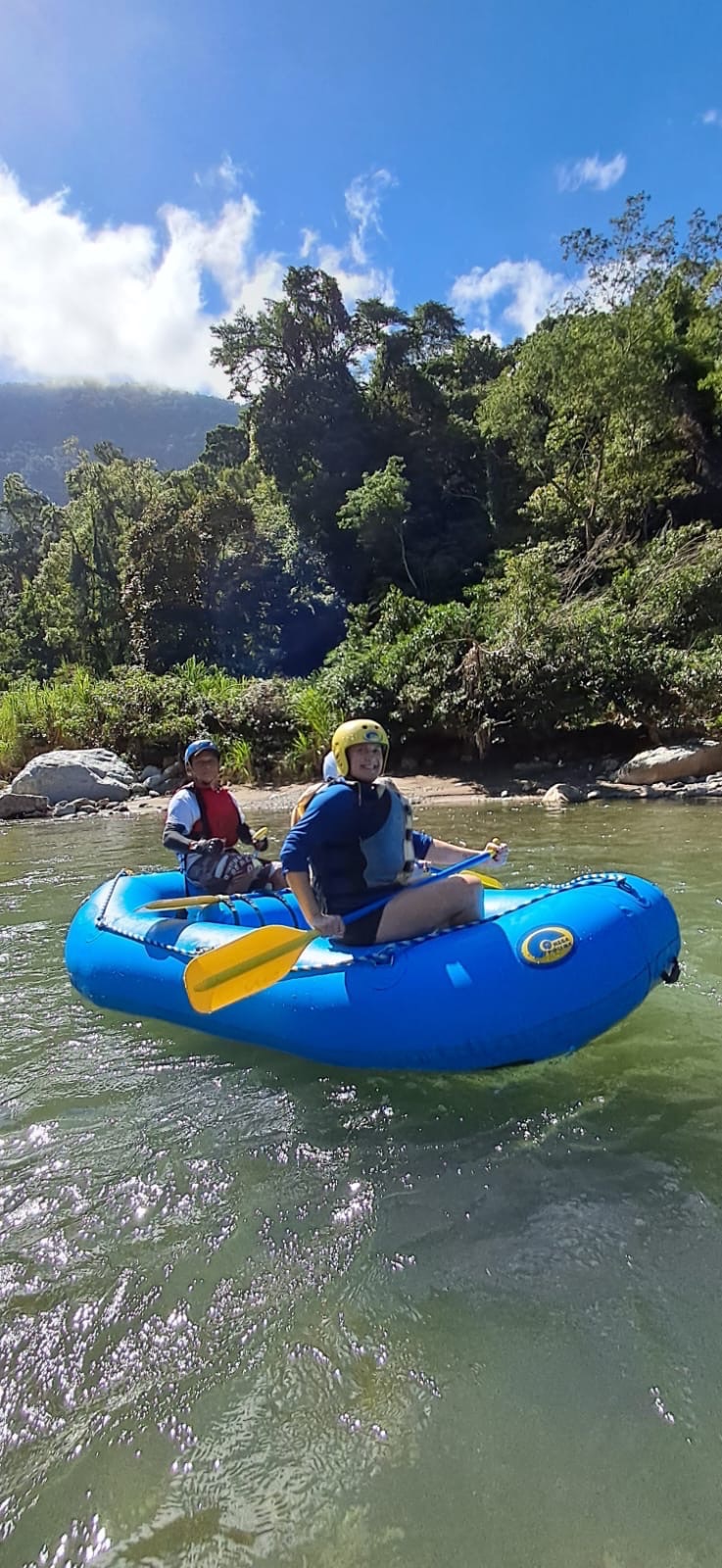
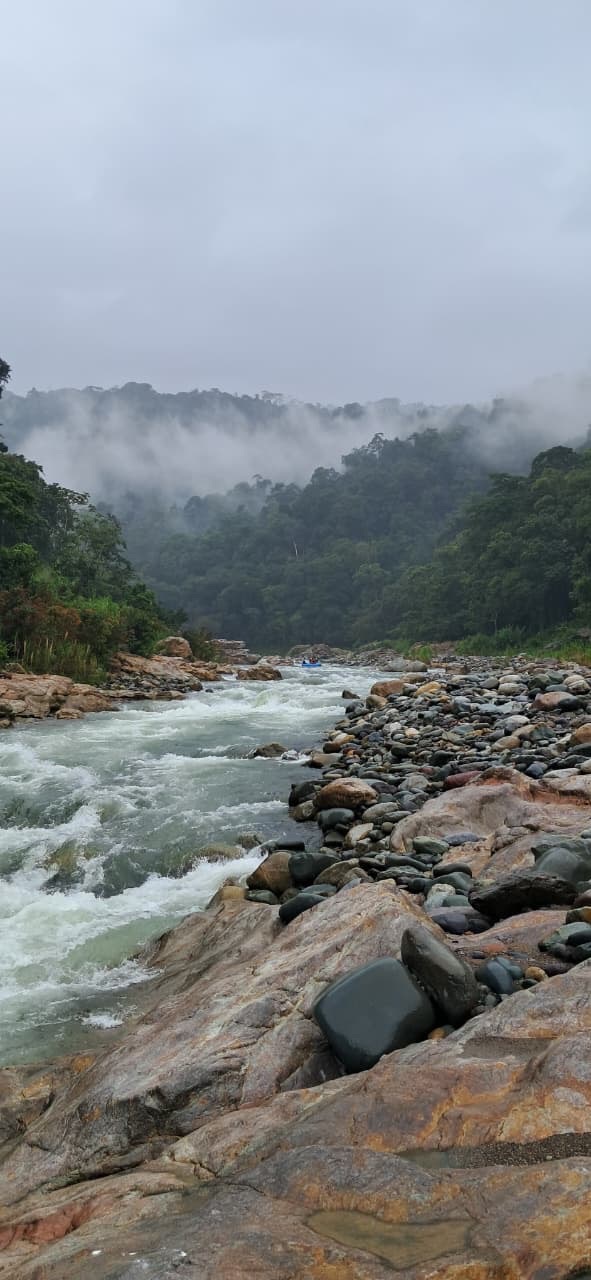
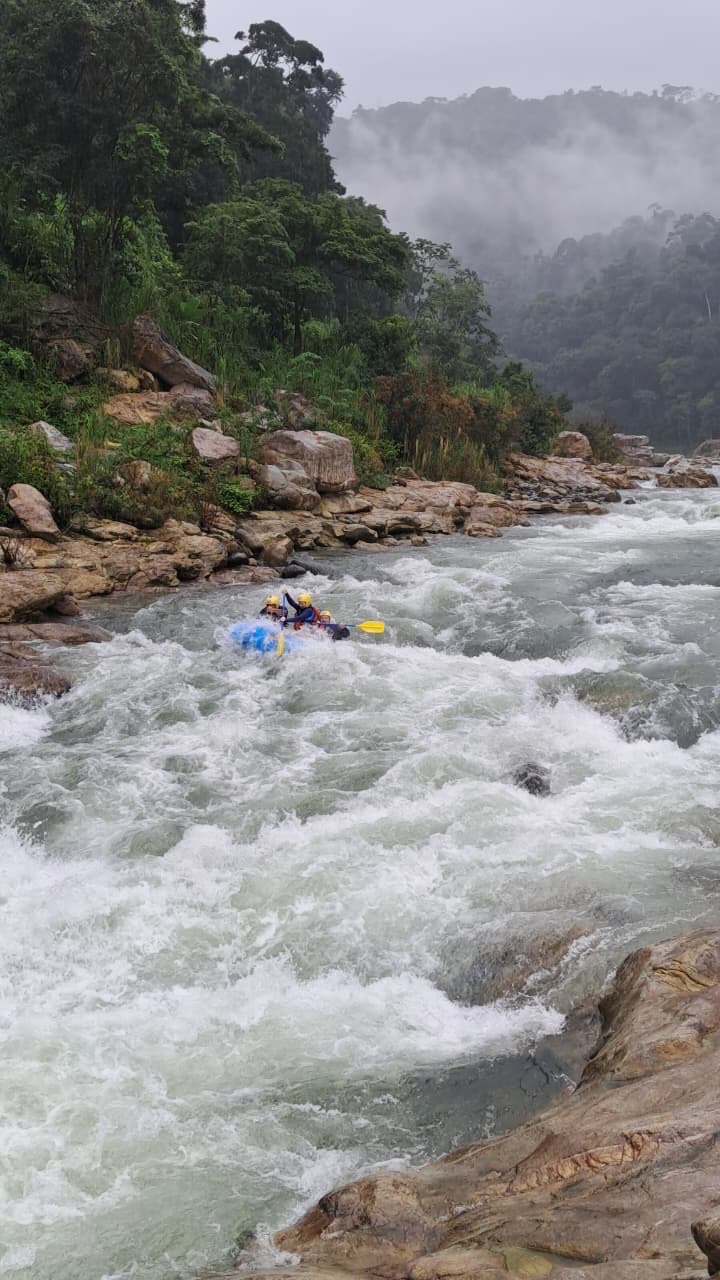
Nervous as I was about it, we had signed up for white-water rafting on the Rio Cangrejal in the morning so after breakfast, we got fitted with life jackets and we-mean-business-helmets before walking down to the river. We had a serious safety briefing, then got in the river and practiced what we learned (forward, backstroke, get down, get up, and how to gracefully respond if you fall out or we tip). Then we were off!

We started with a lazy river, then move into class I, II, and eventually III rapids. It’s definitely ominous when you can hear the rapids but can’t see them, but we navigated it all successfully and had a total blast!

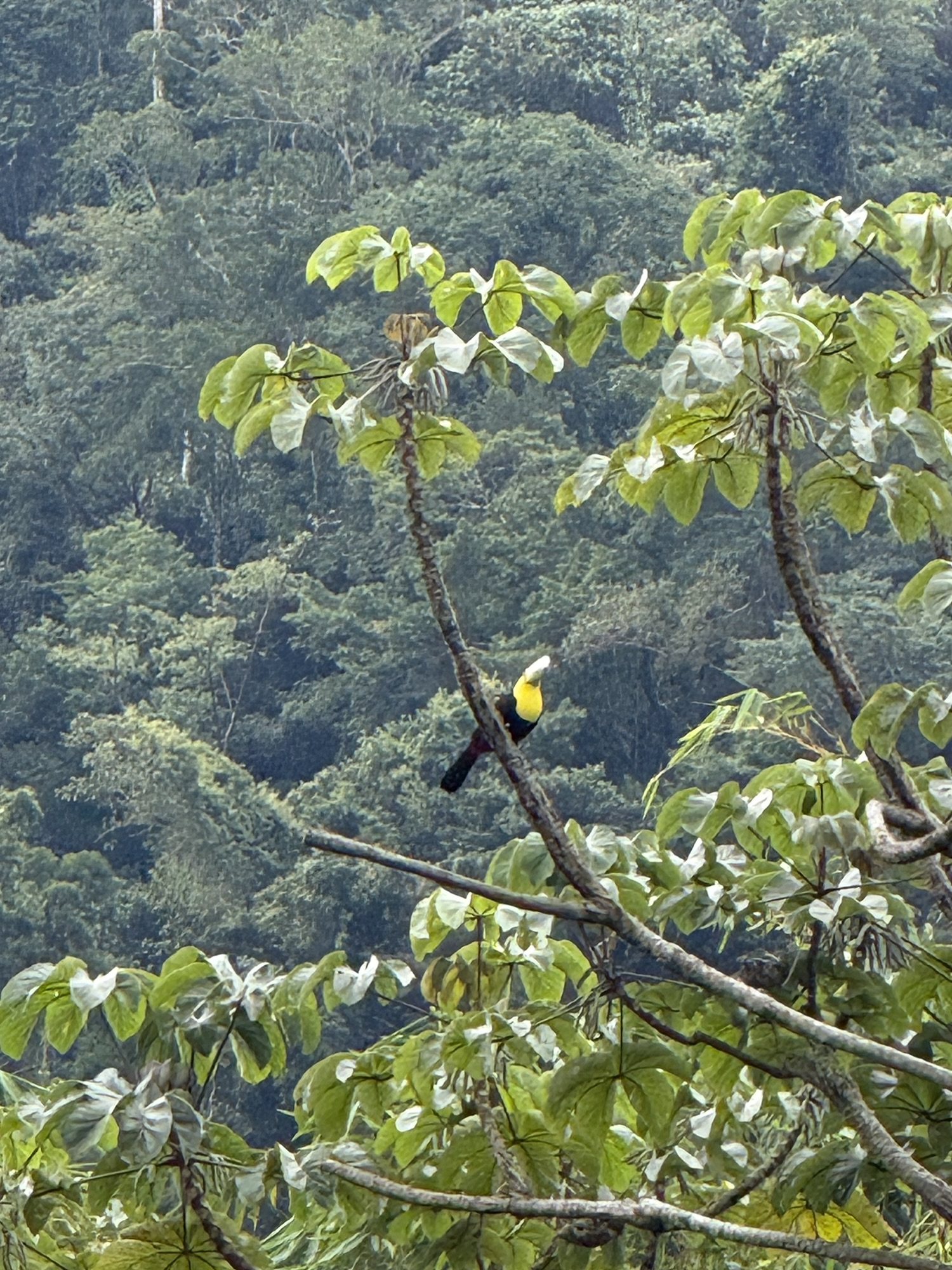
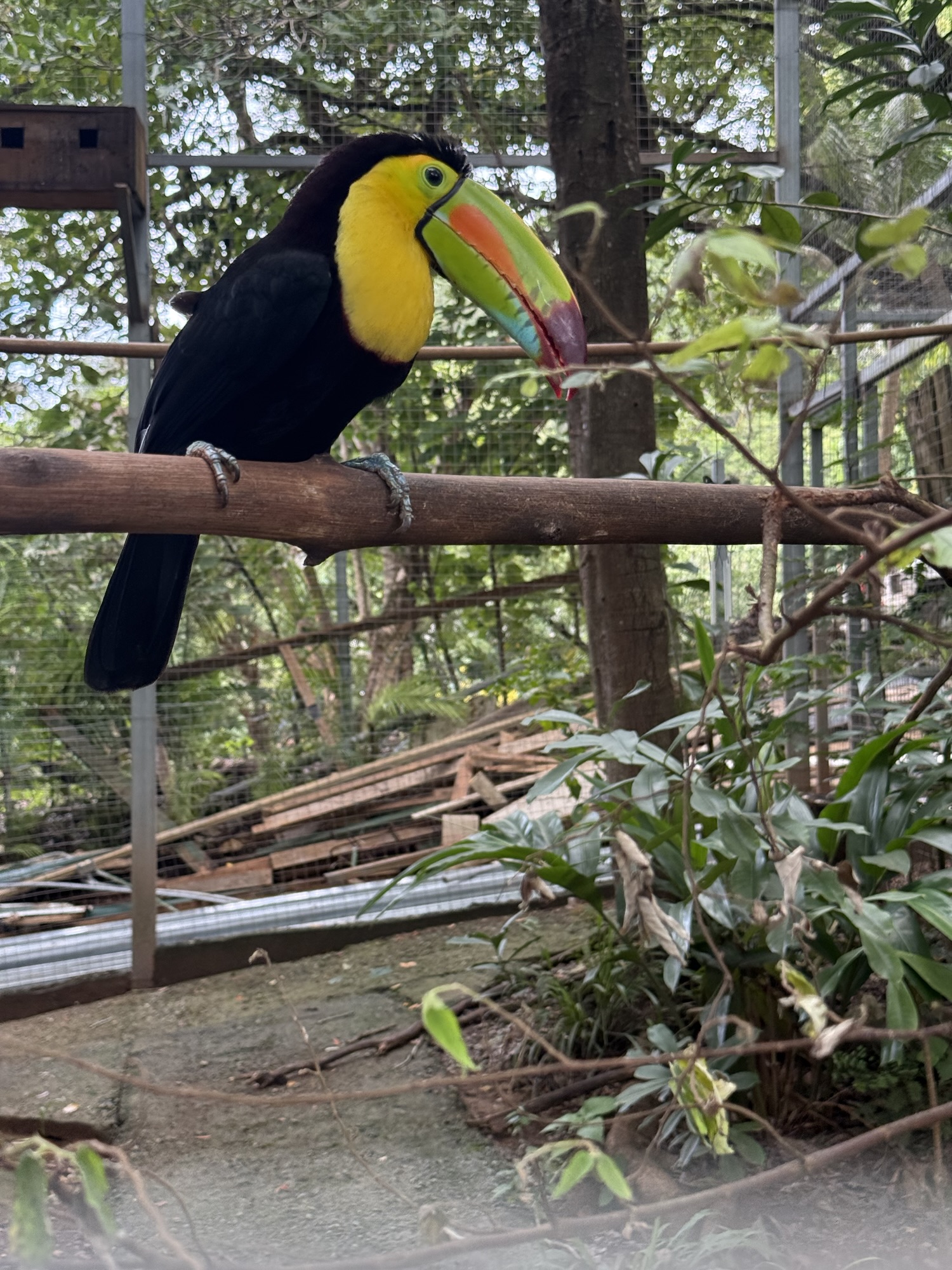
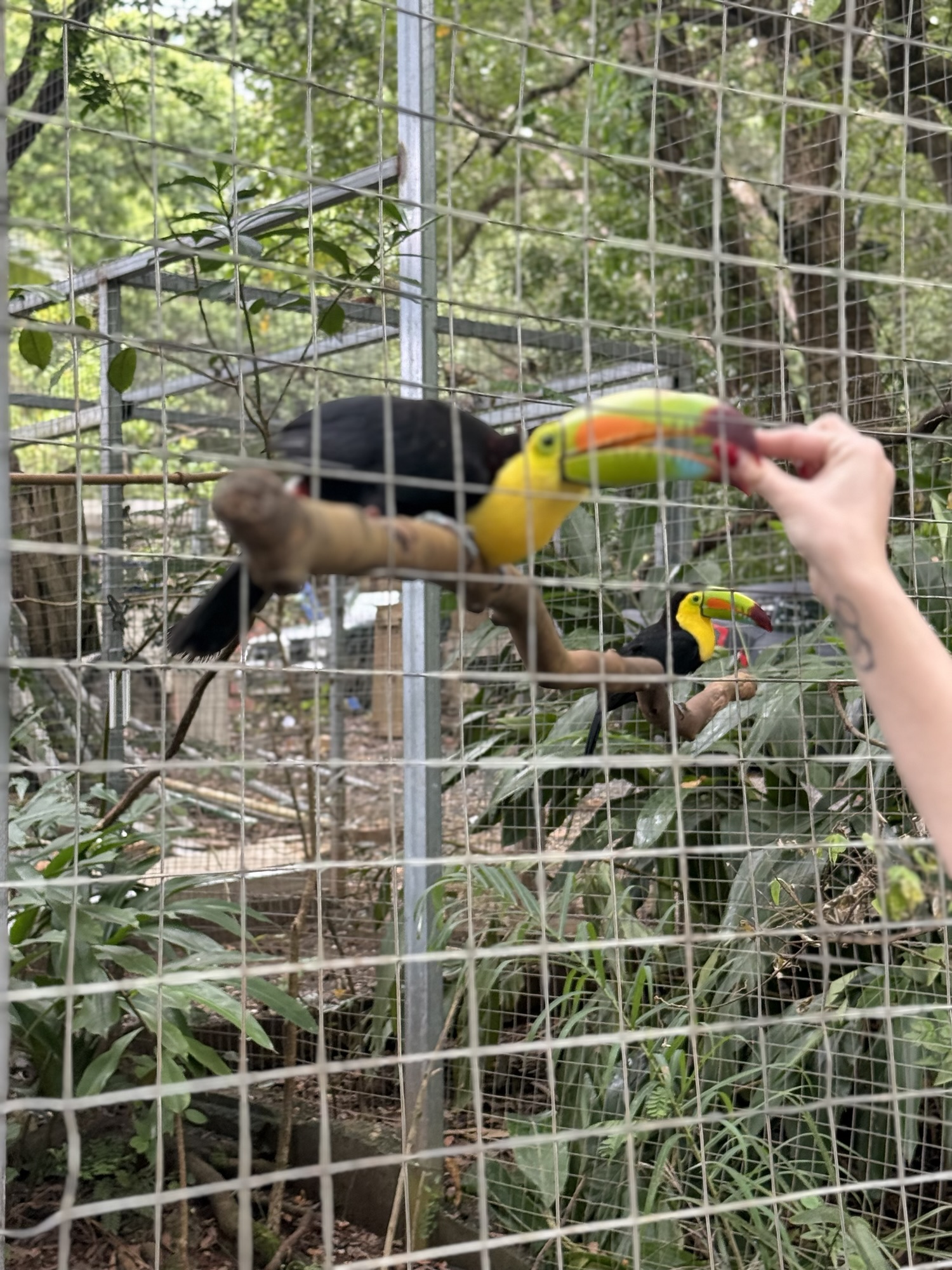
Toucan!

Ruins

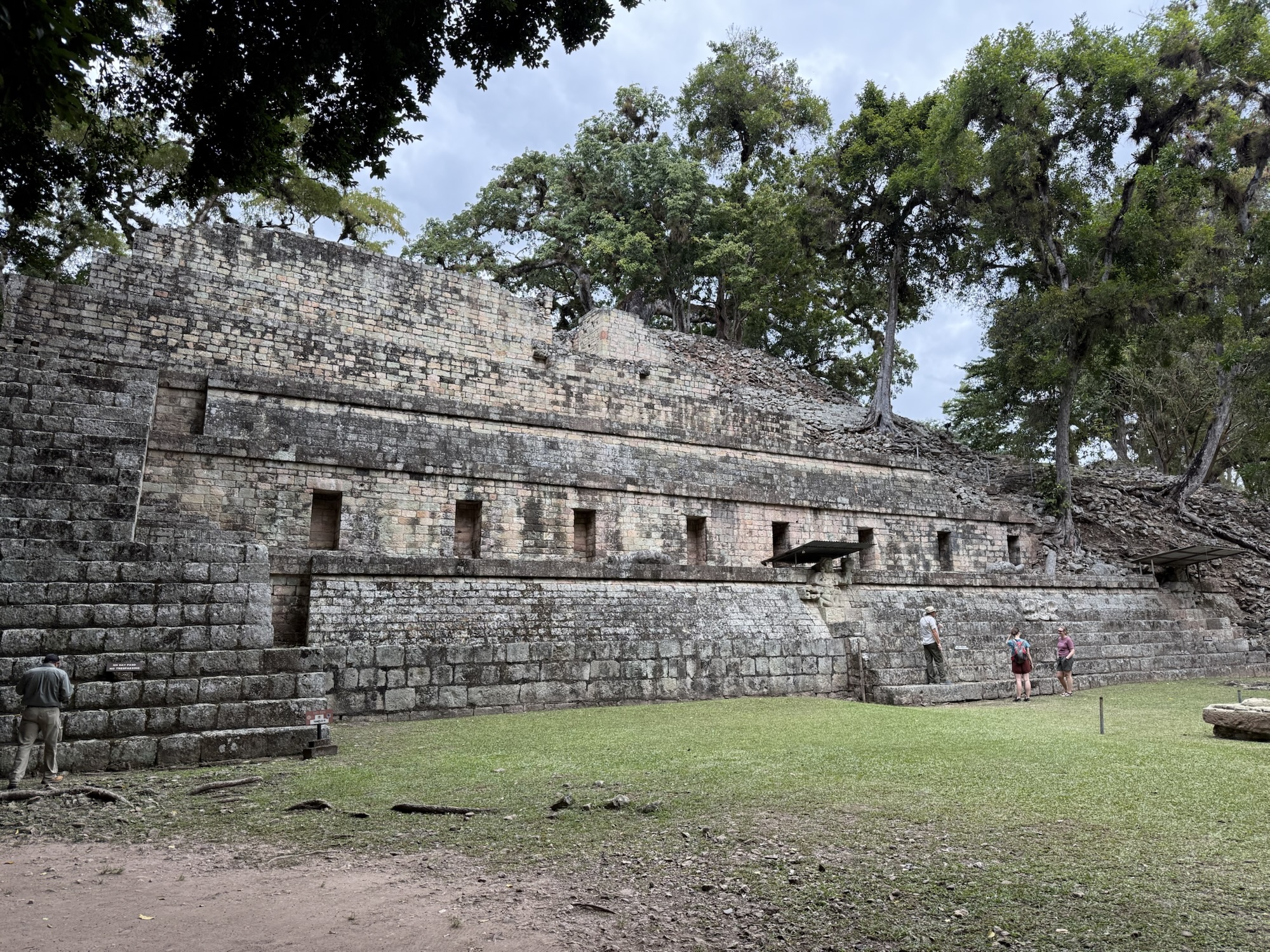
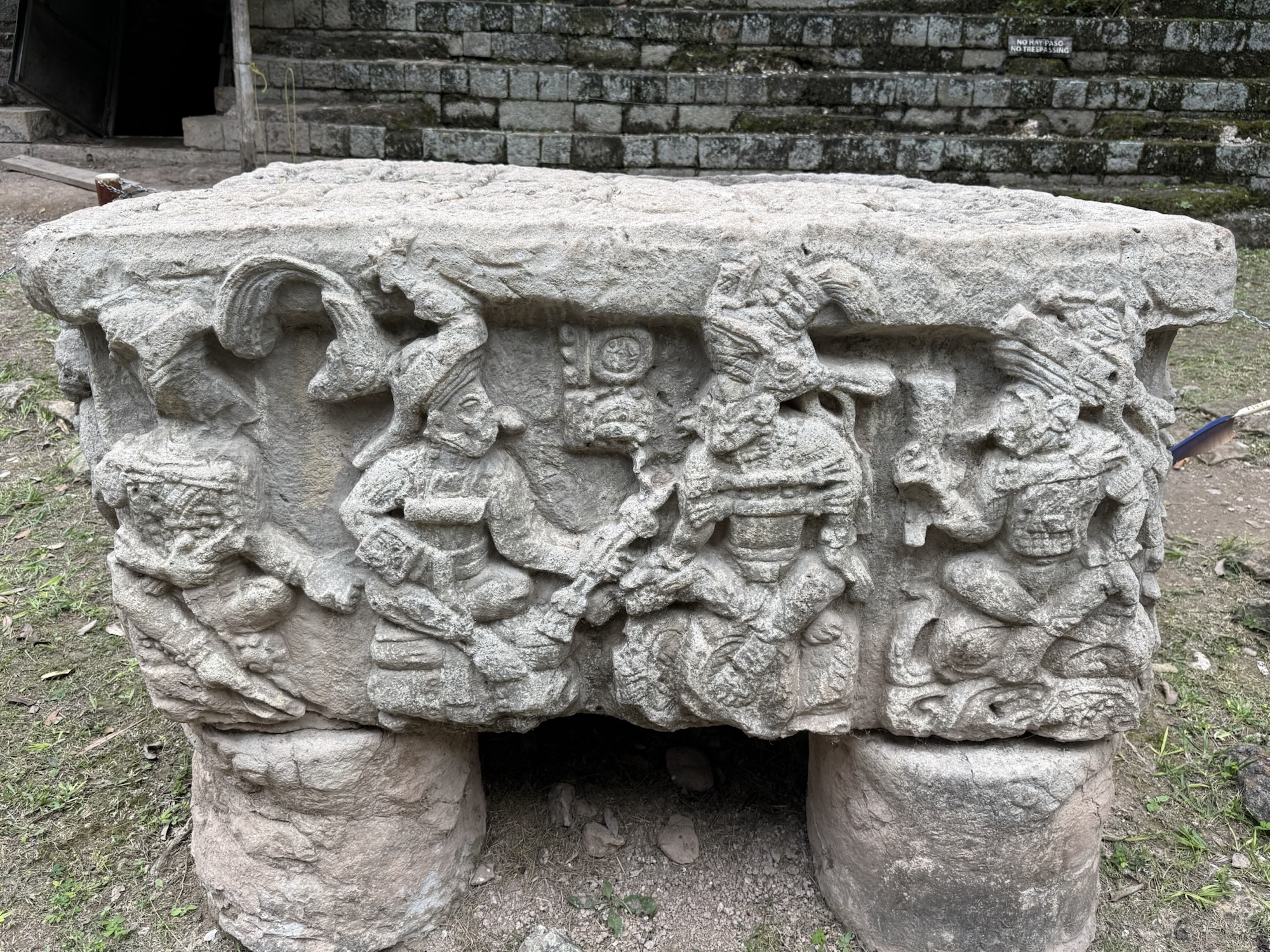
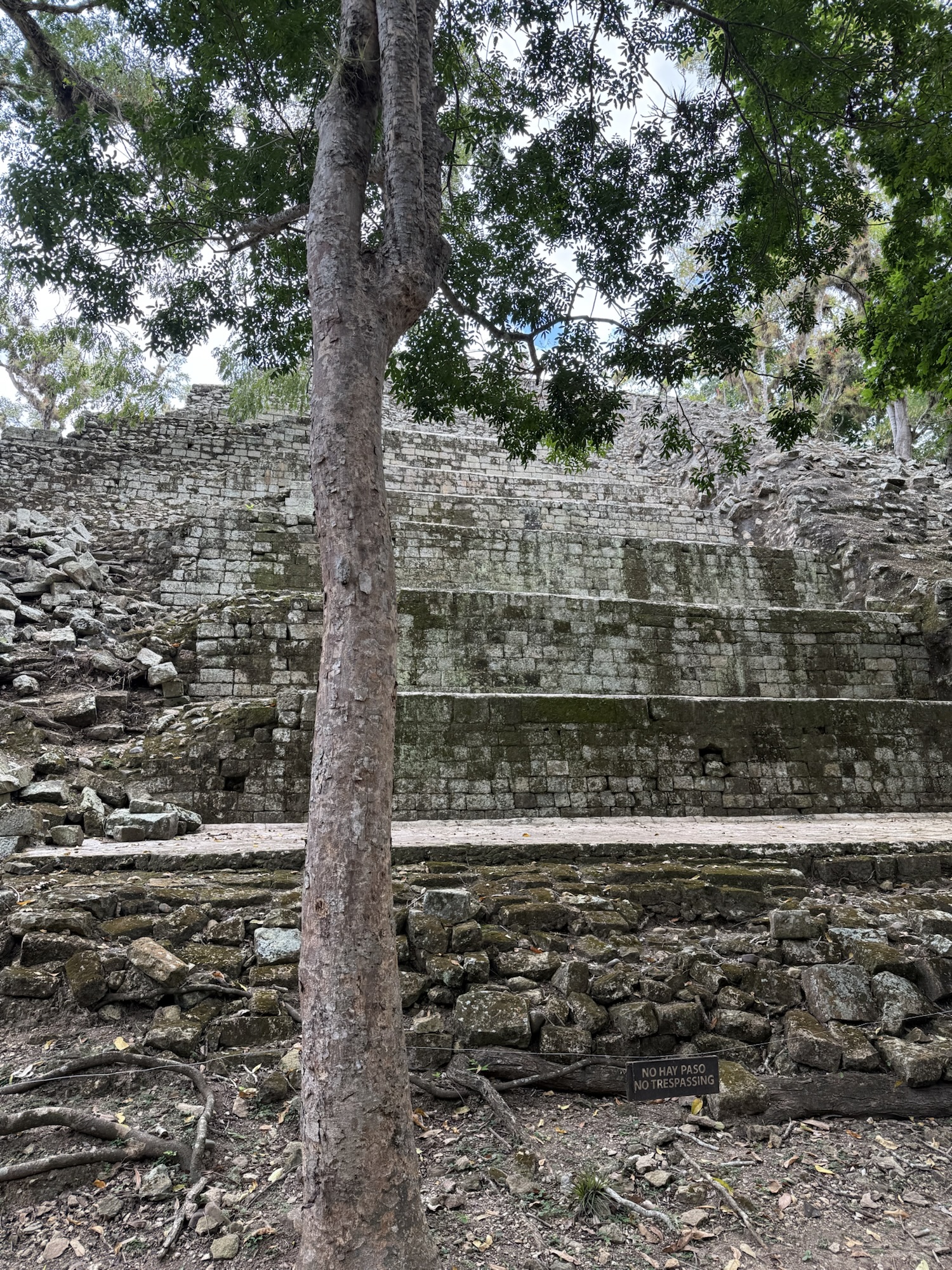
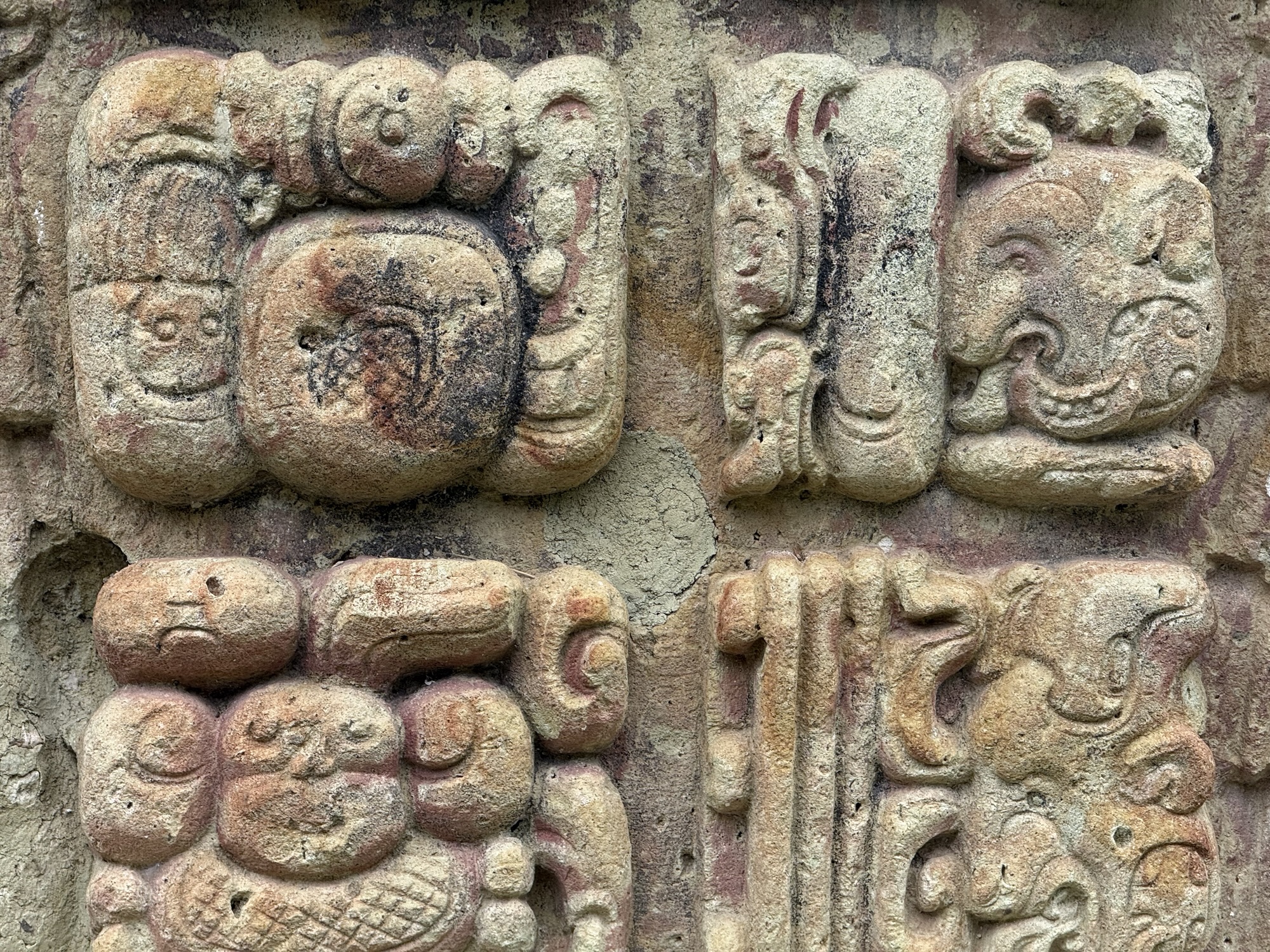
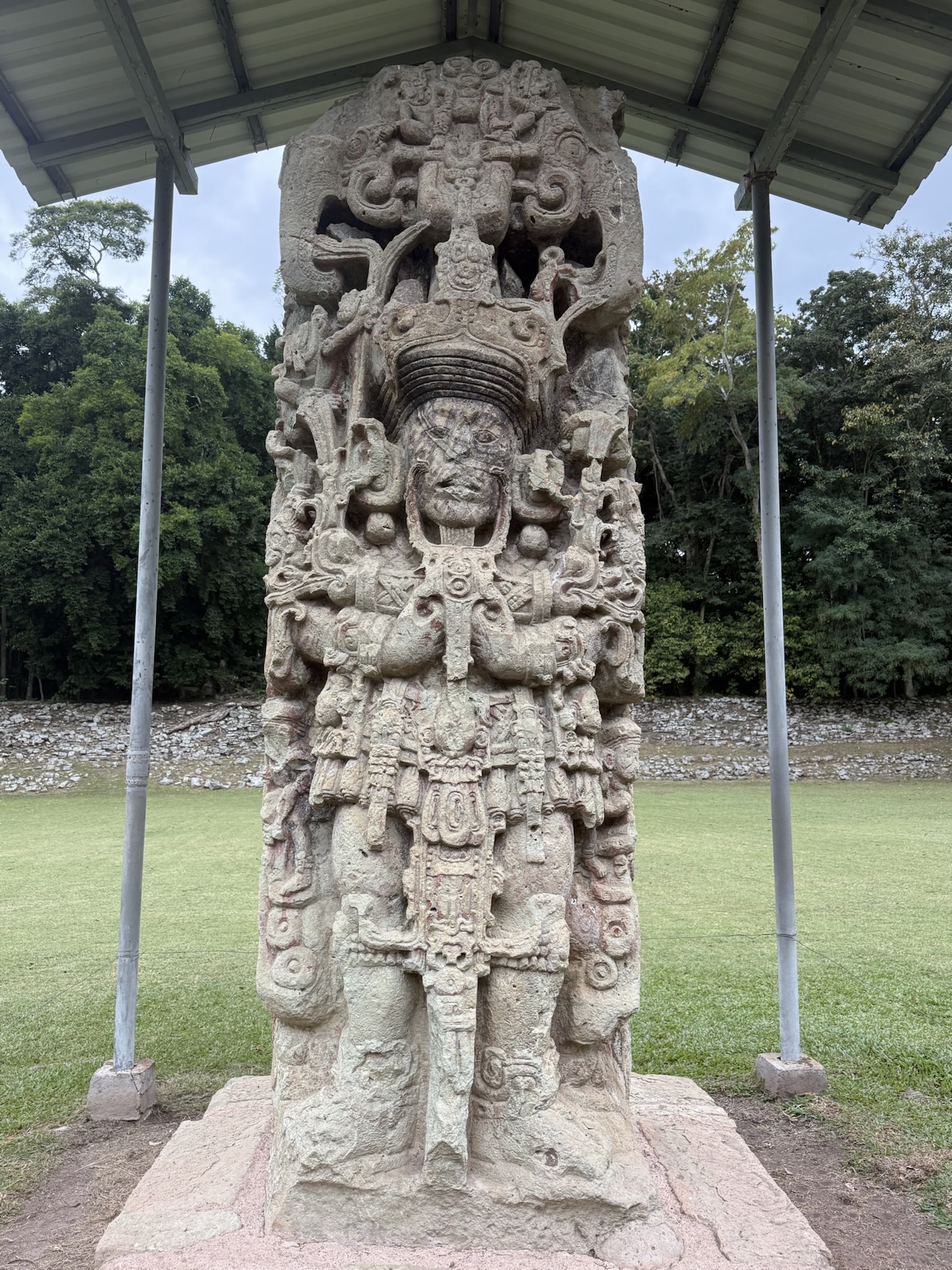
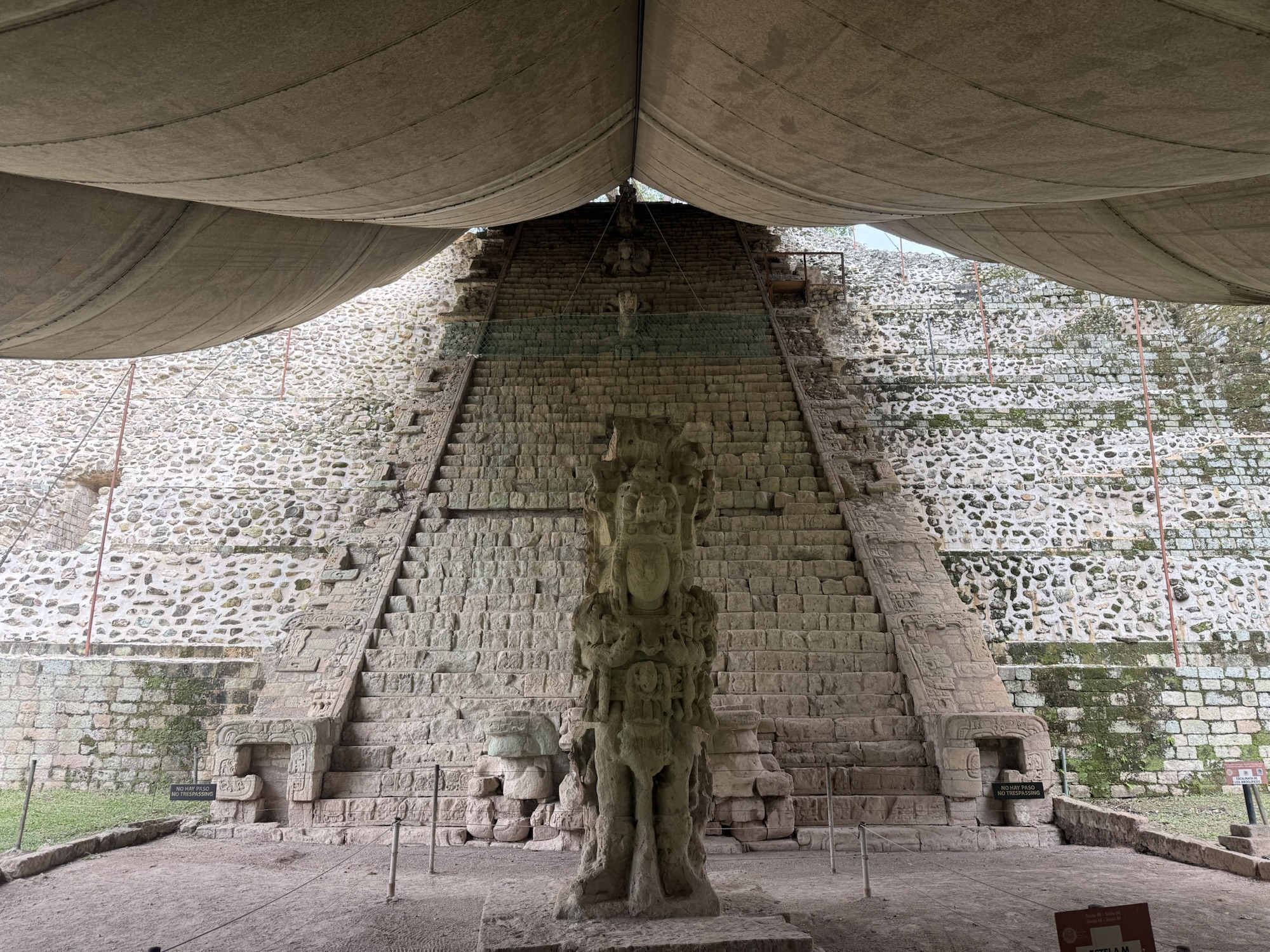
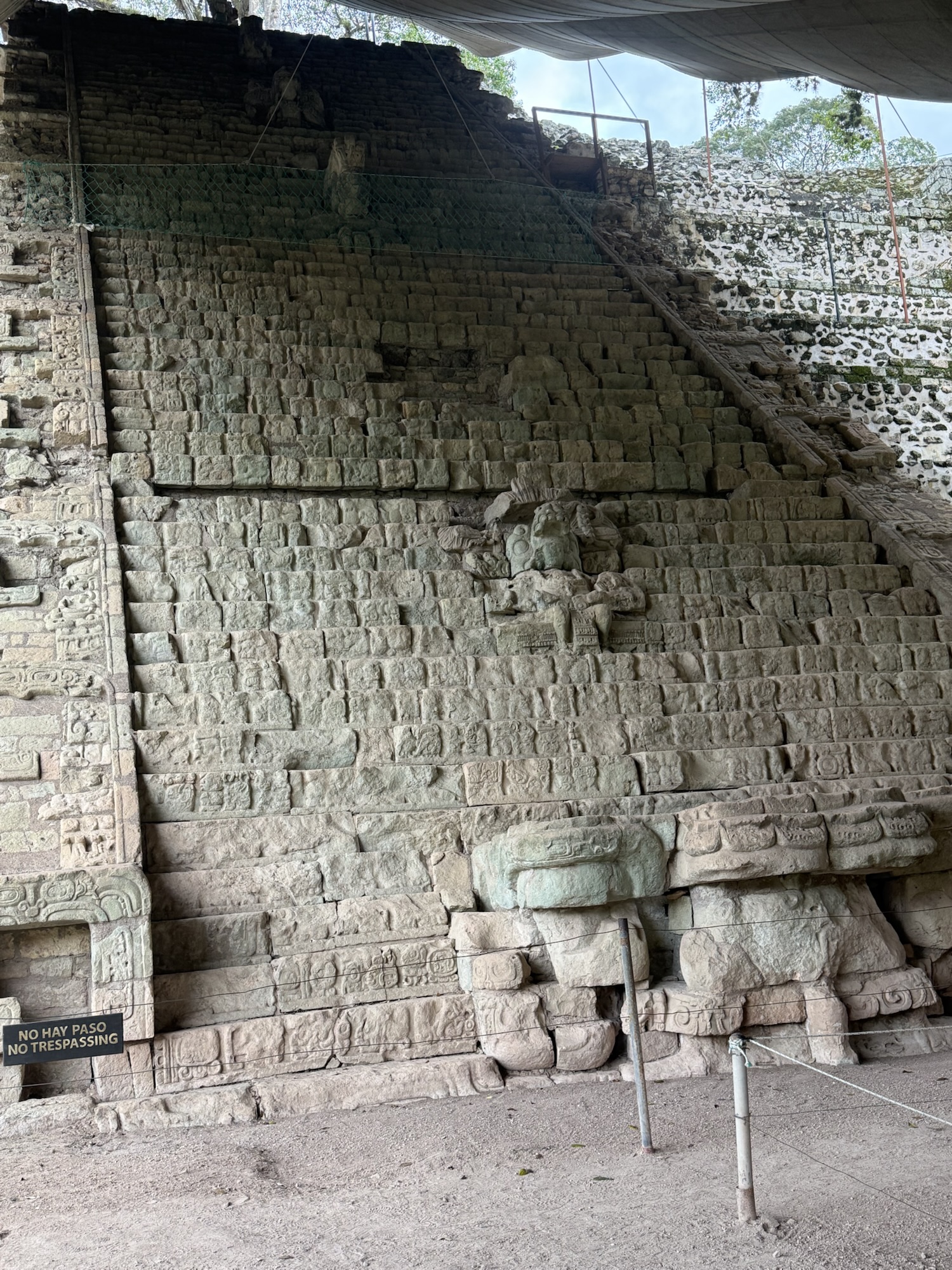
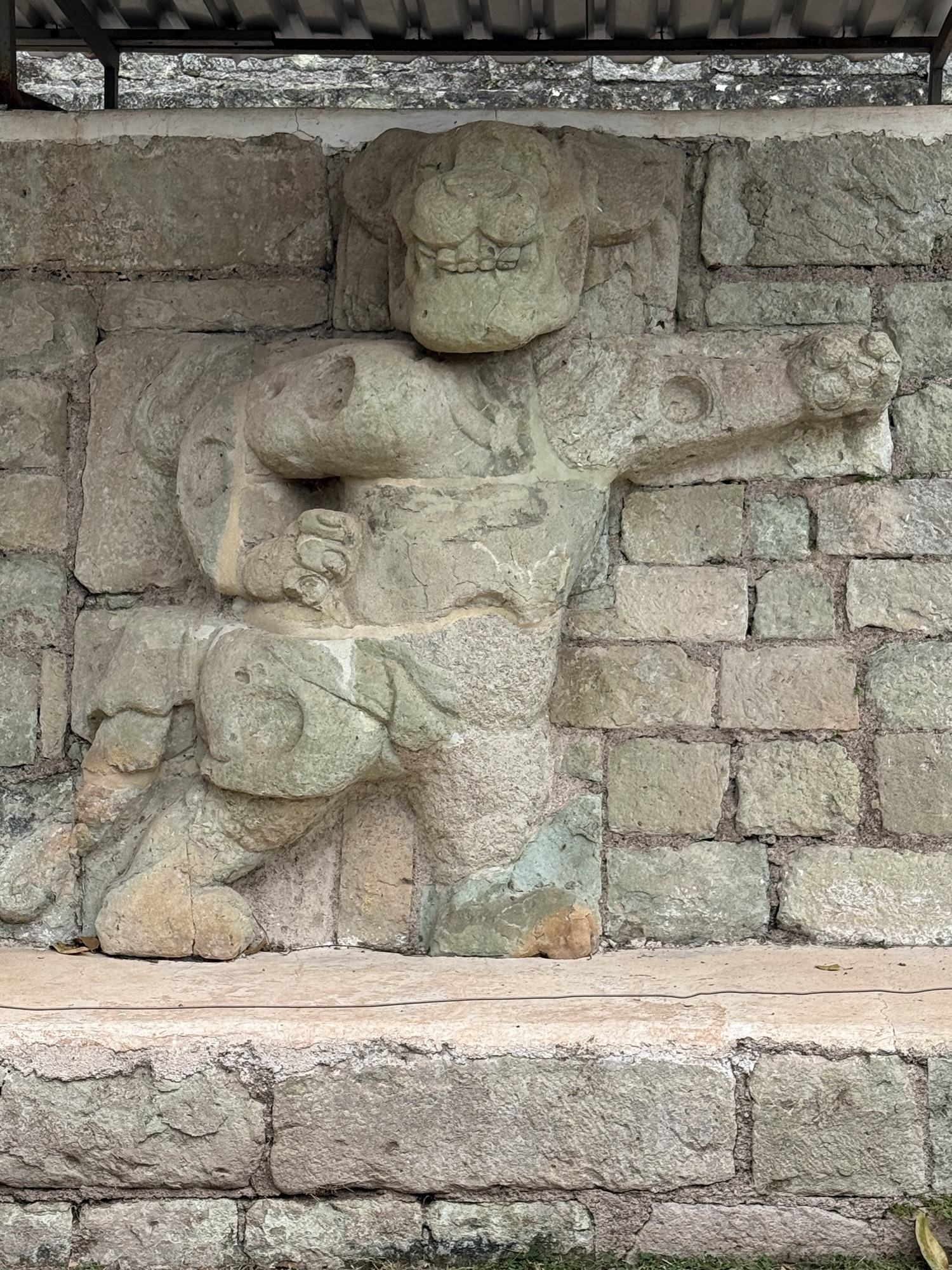
Thursday was Copán day. The ruins of Copán are part of the legacy left by the Mayans, along with other great sites like Chichen Itza in Mexico and smaller sites like Altun Ha in Belize. Because of the somewhat remote location in Western Honduras, just shy of the Guatemalan border, this site receives many fewer tourists than the others. Also, Honduras just gets fewer tourists across the board.

Sidebar: I fully acknowledge that Honduras has more than its fair share of murders and kidnappings. So does Chicago, New Orleans, and plenty of other cities. In my extremely limited experience here, I think it is truly manageable risk. Don’t go out alone or at night. Don’t go to areas you don’t know. Stay in reputable hotels and inns and follow the guidance of the locals. The vast majority of people here are friendly and welcoming. A few rotten ones ruin it for the rest. I’ve found Hondurans to be incredibly friendly and polite. They are welcoming and happy to share their country with us.

Back to our regularly scheduled programming. We had a 5:10 pick up scheduled, which means my sleep was very poor (I always worry I won’t wake up, so my body wakes me up in a panic every half hour). Karim, our driver/guide, was the only person I found who would do a day trip from San Pedro Sula to Copán, so my expectations were low. Our actual experience was fabulous.

We drove for 2.5 hours, then had breakfast. Baleadas are the traditional food, and I’m happy to oblige! It’s a large, fresh tortilla, filled with refried beans, scrambled egg, queso fresco, and some sour cream. Add a little hot sauce or avocado (aguacate) and it’s heavenly! Also, the coffee here is some of the best I’ve ever had. Rich without being bitter.

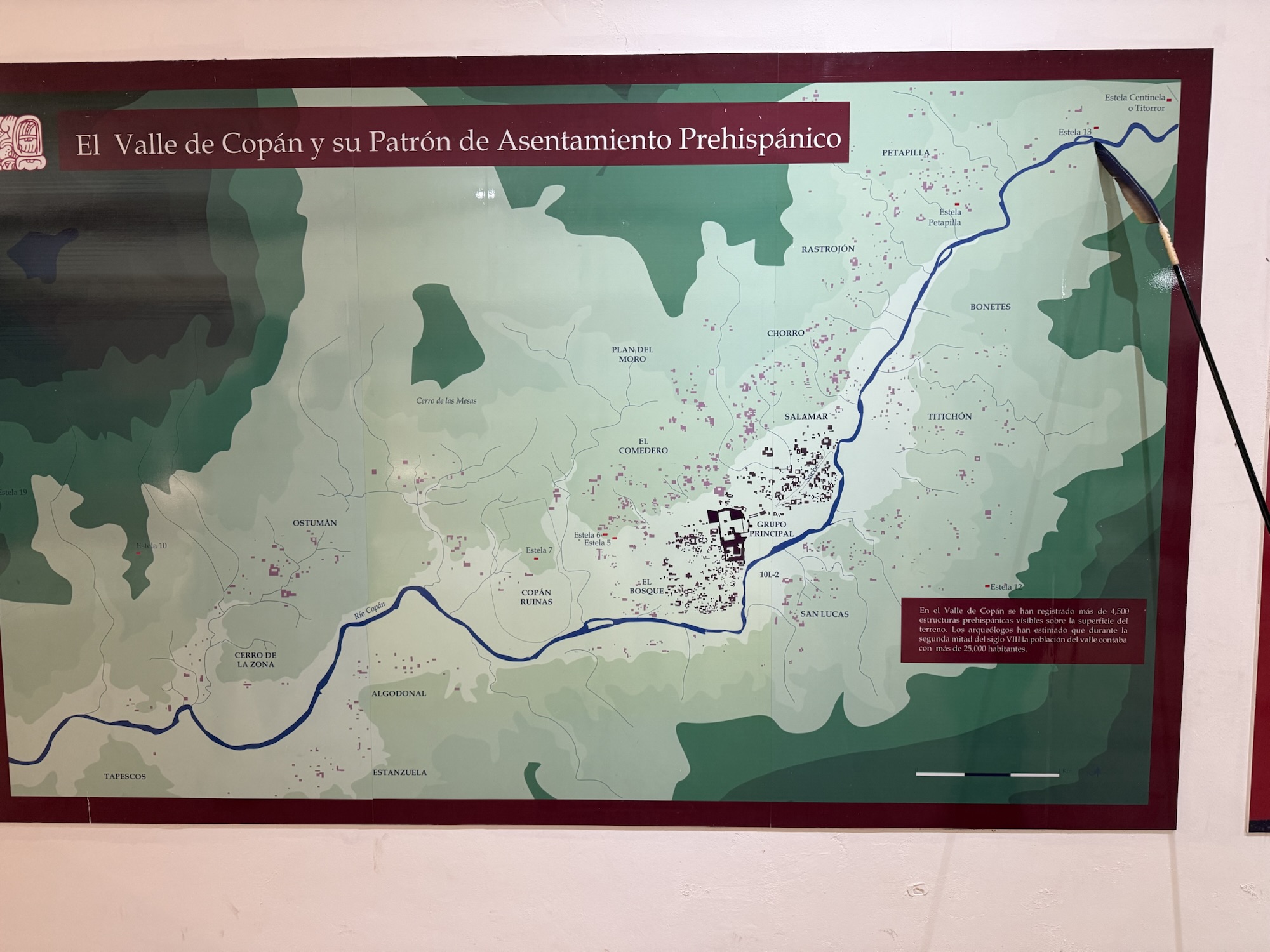
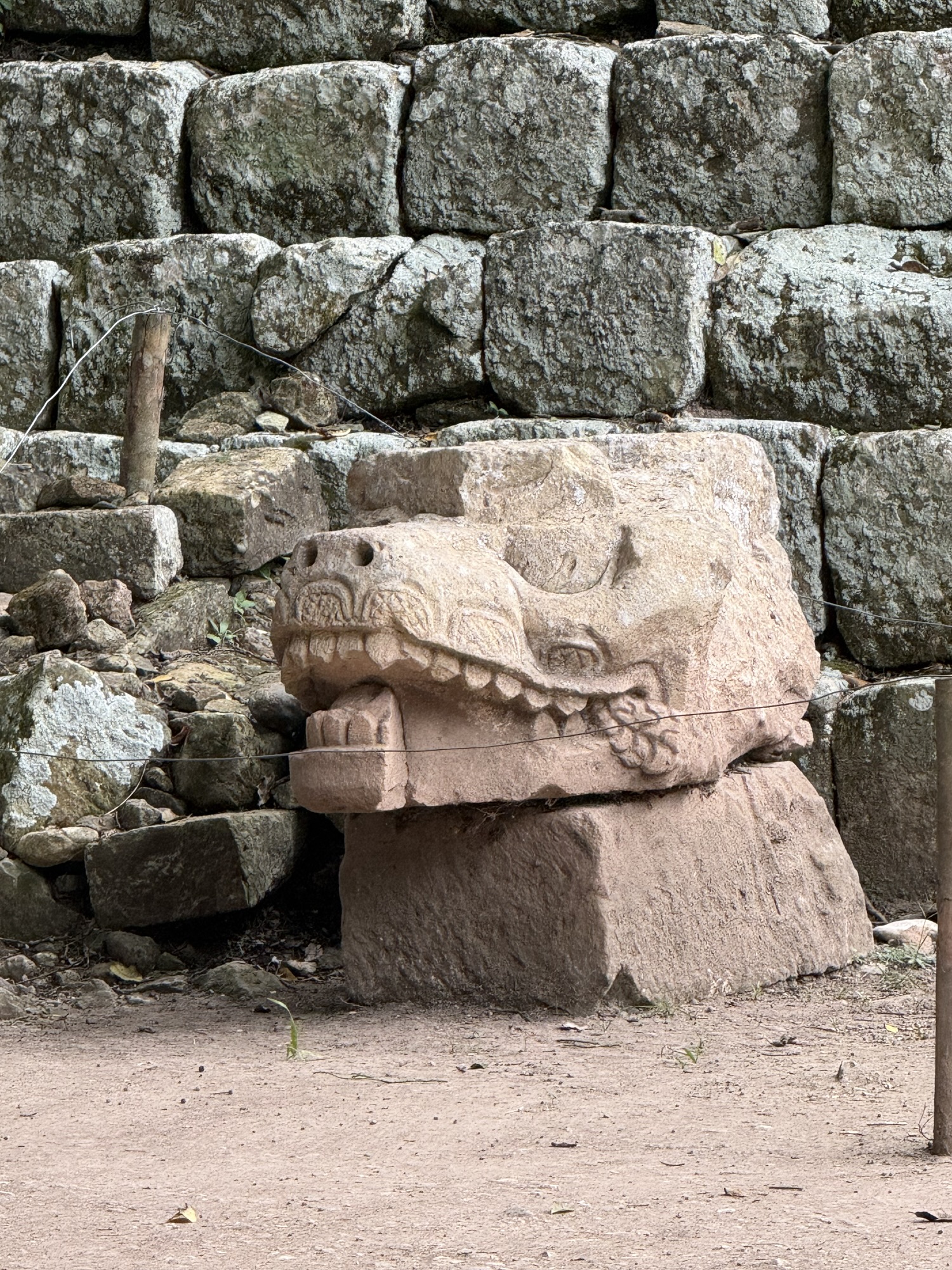
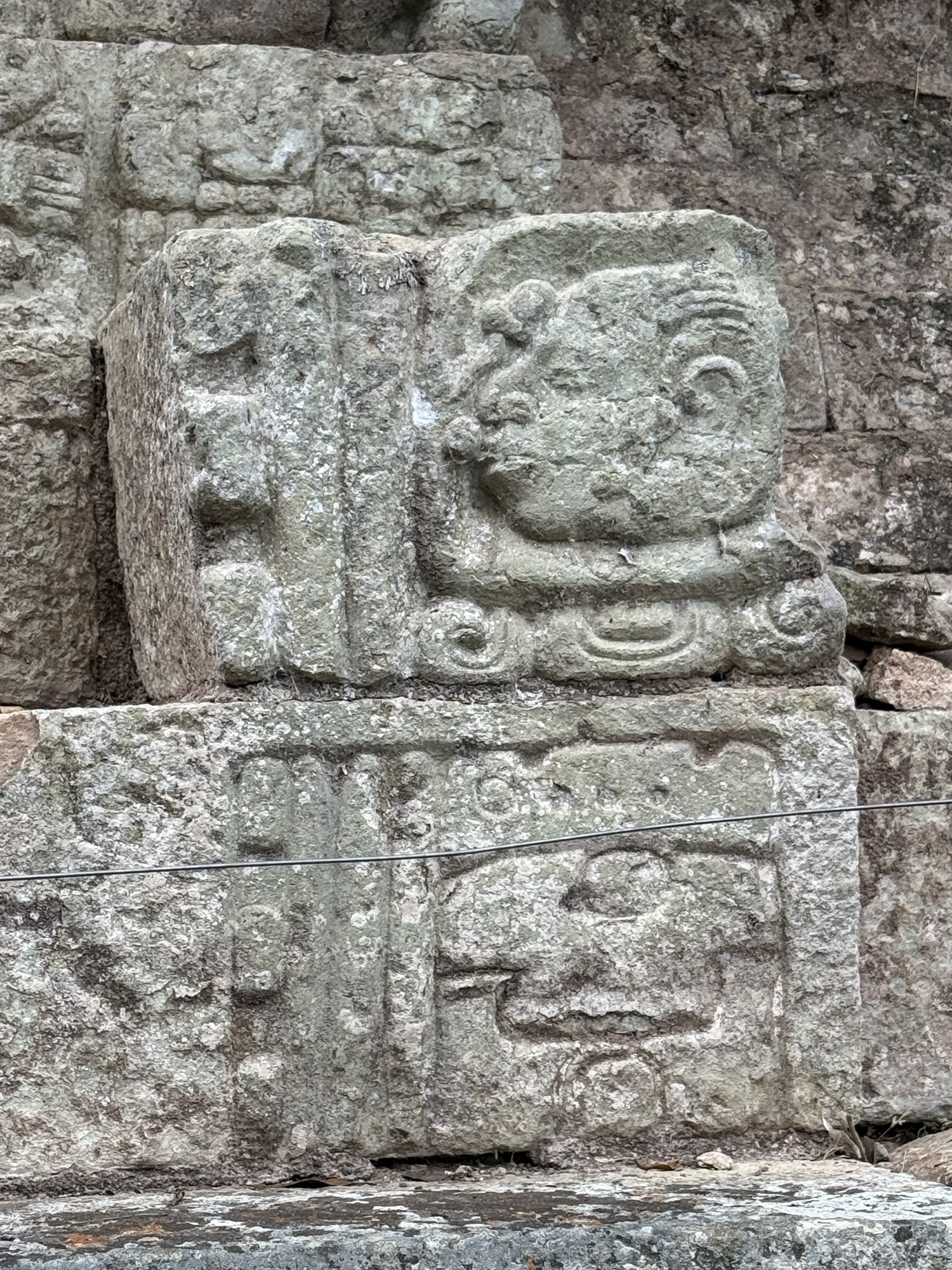
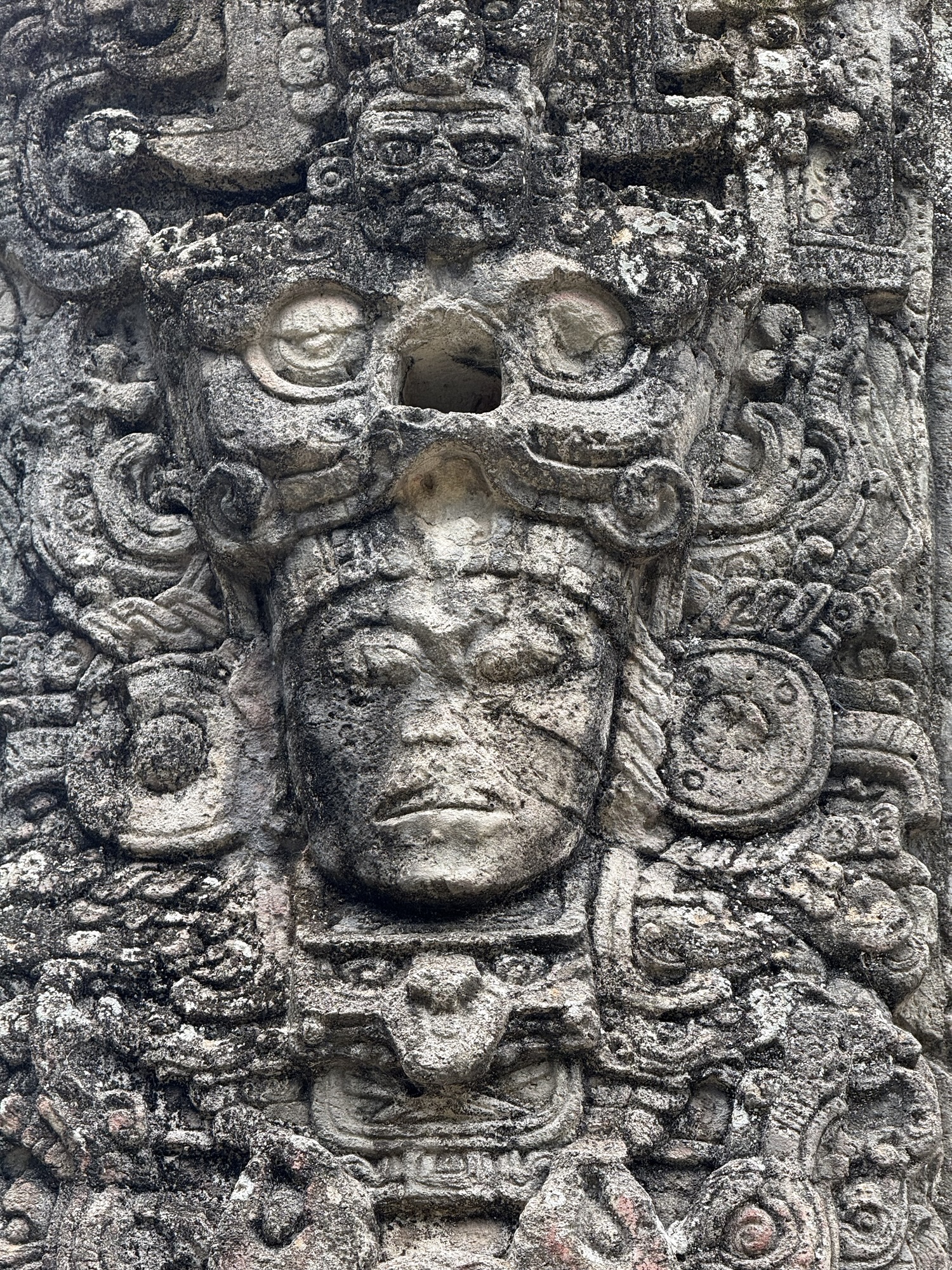
After paying our entrance fees and collecting our guide, we set off exploring the compound. Ancient Mayans lived all over the valley, so we concentrated our visit on the one small site in the middle of the map.

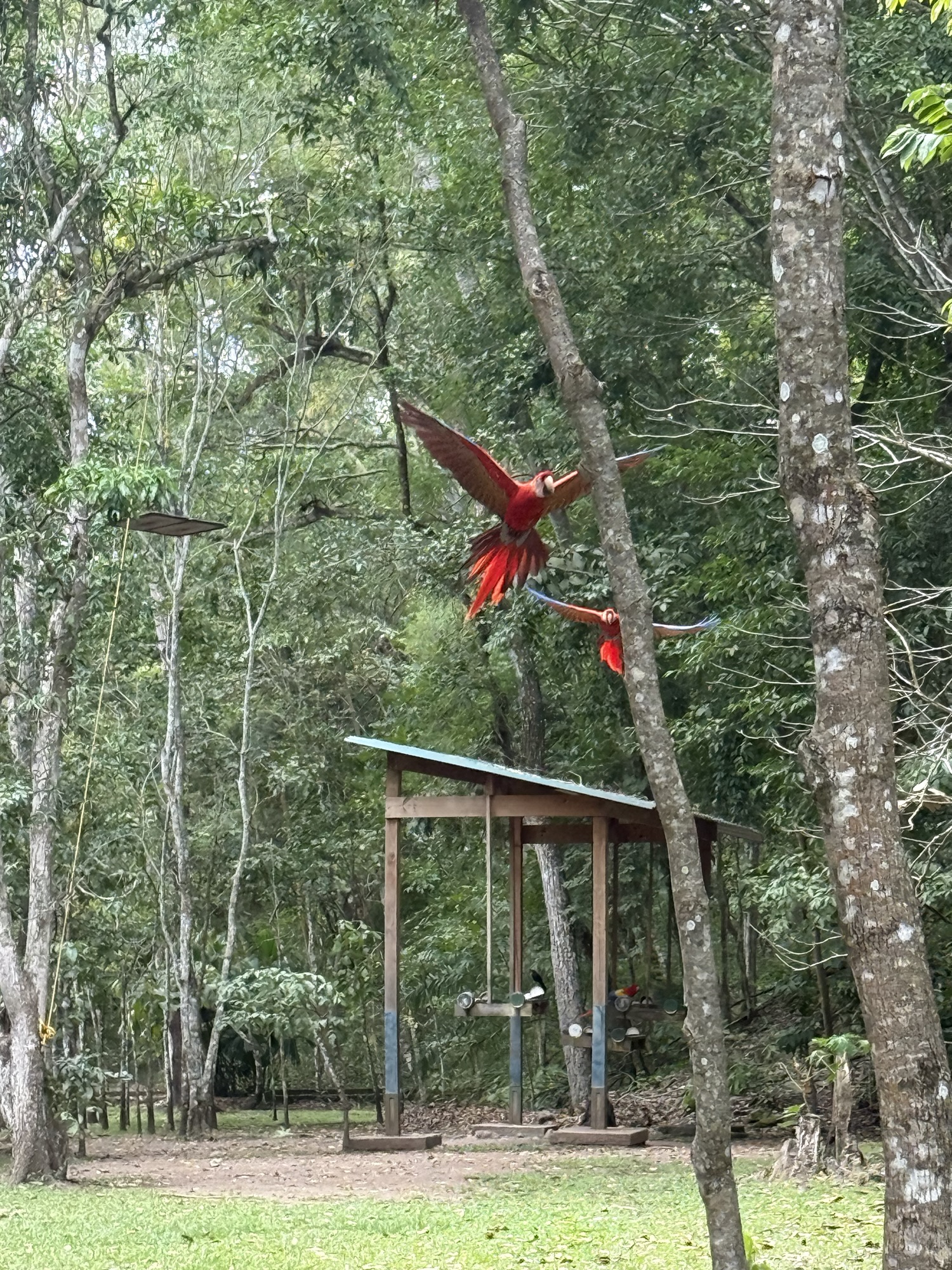
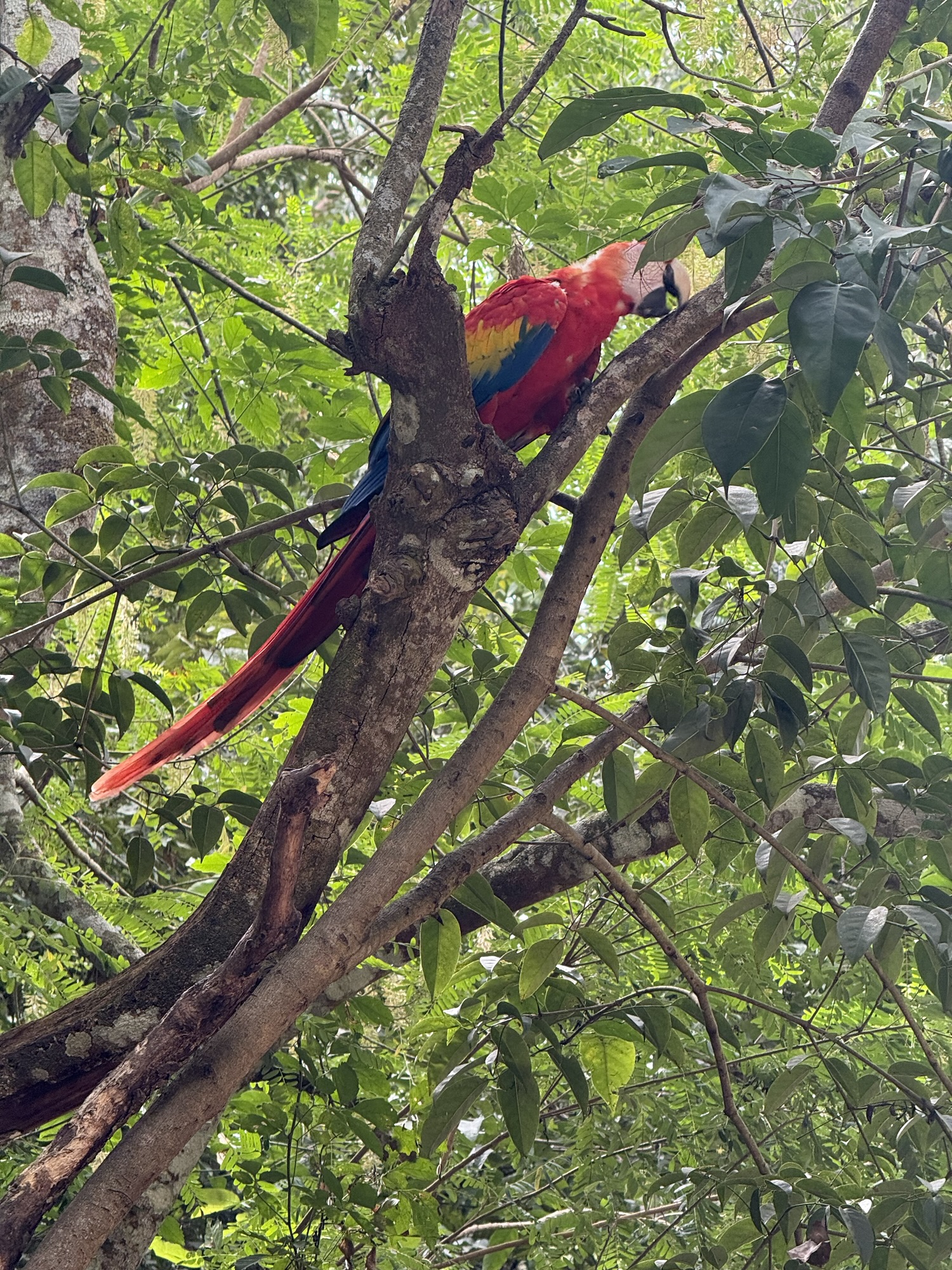
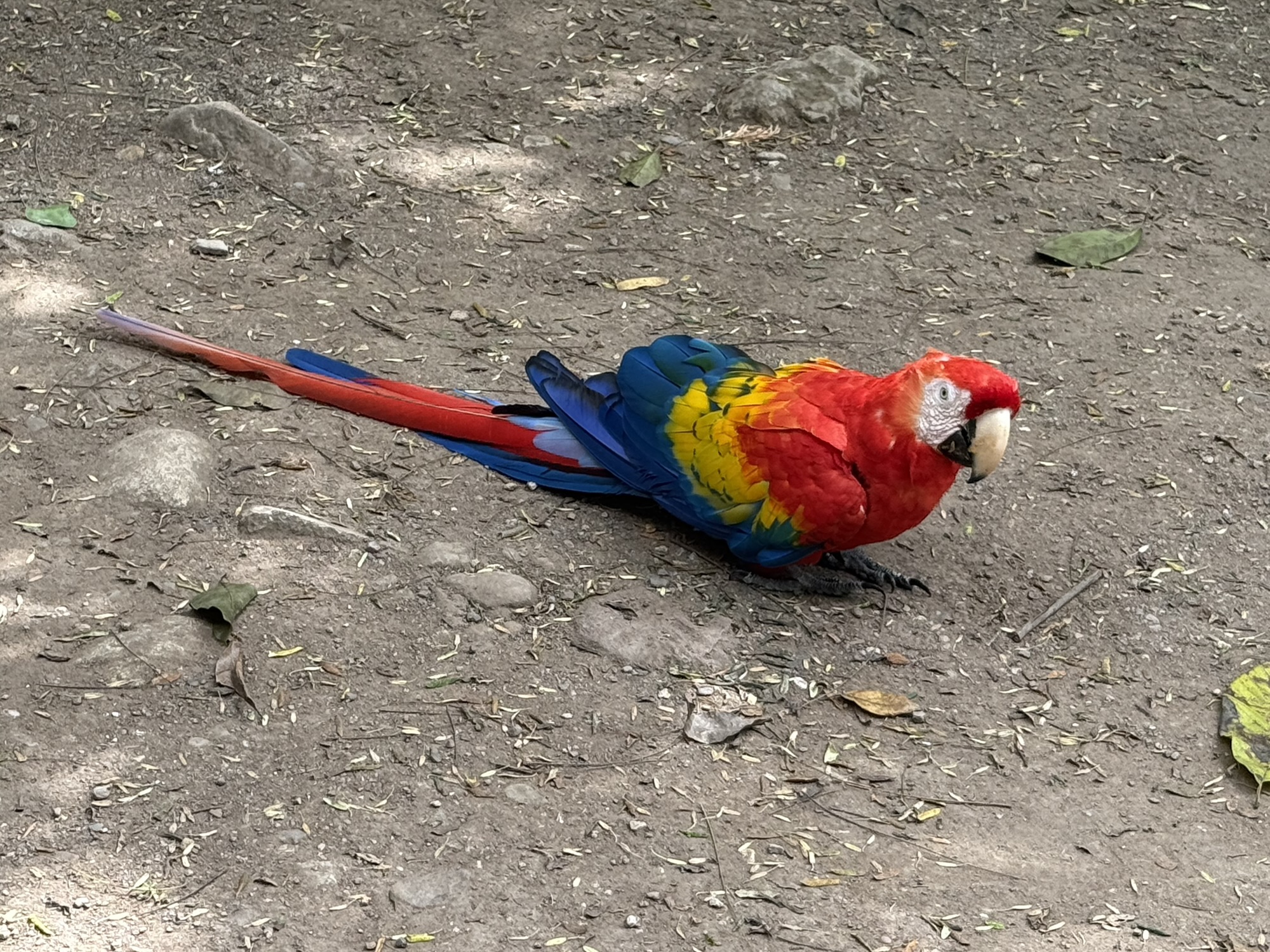
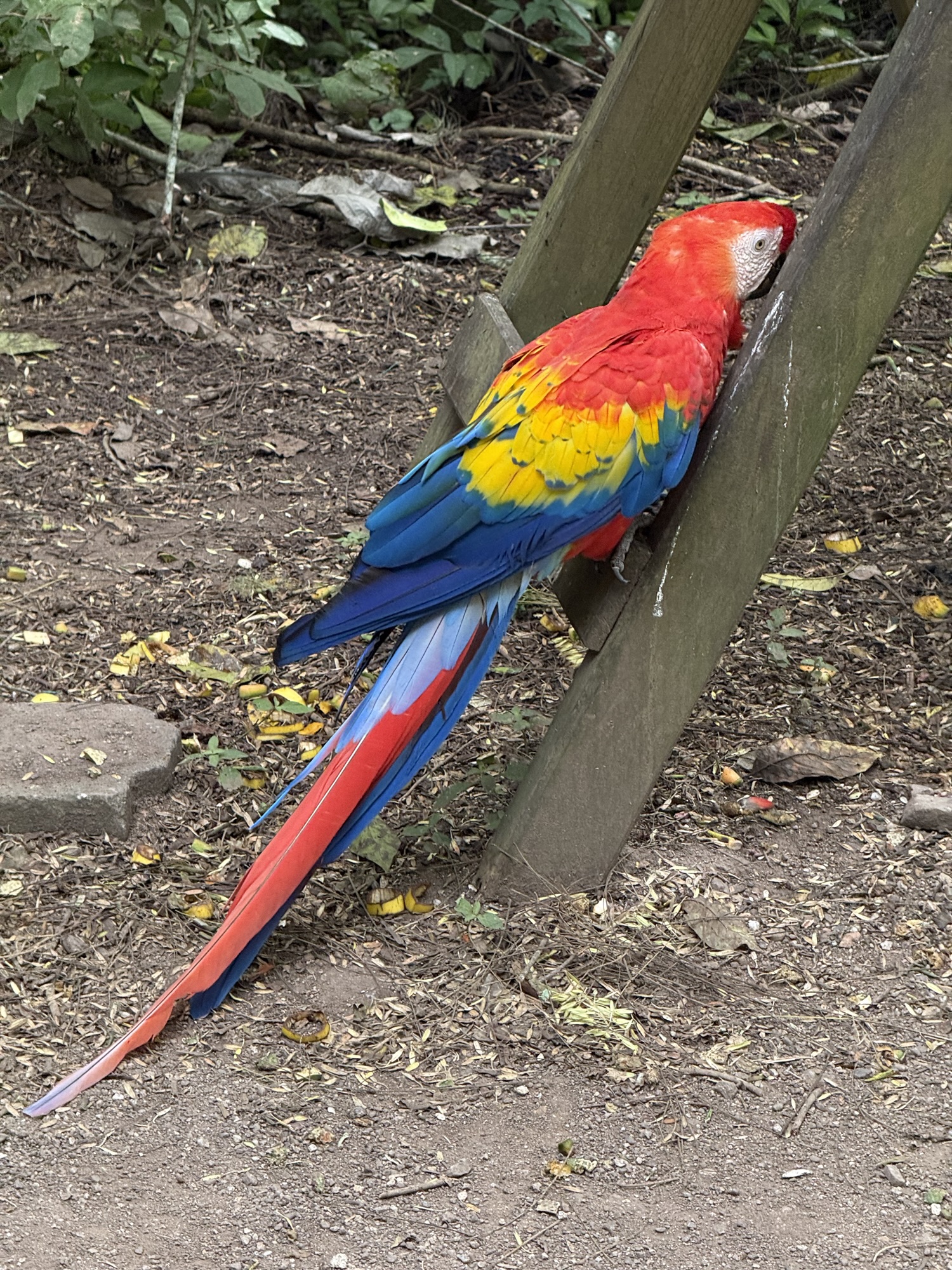
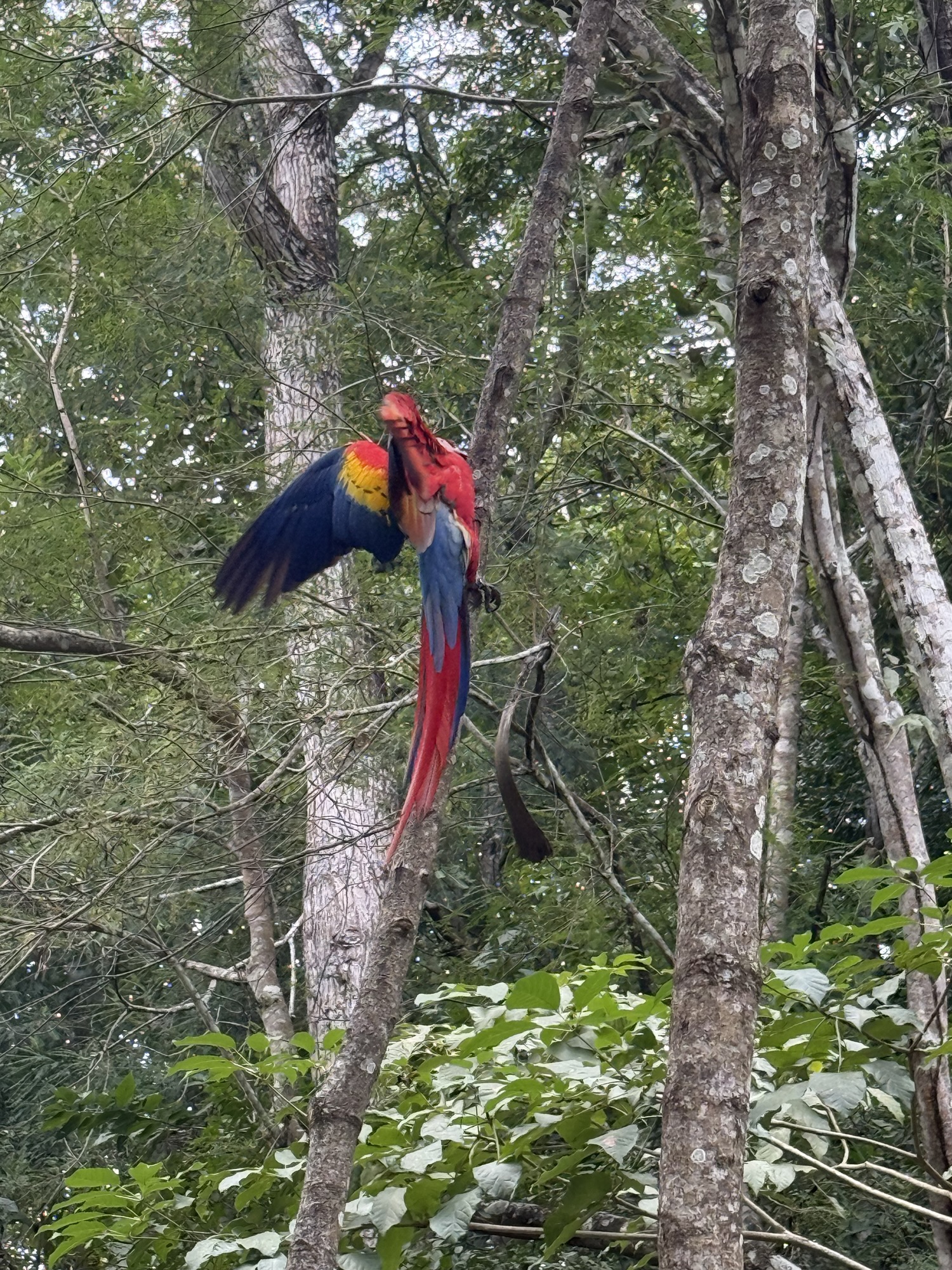
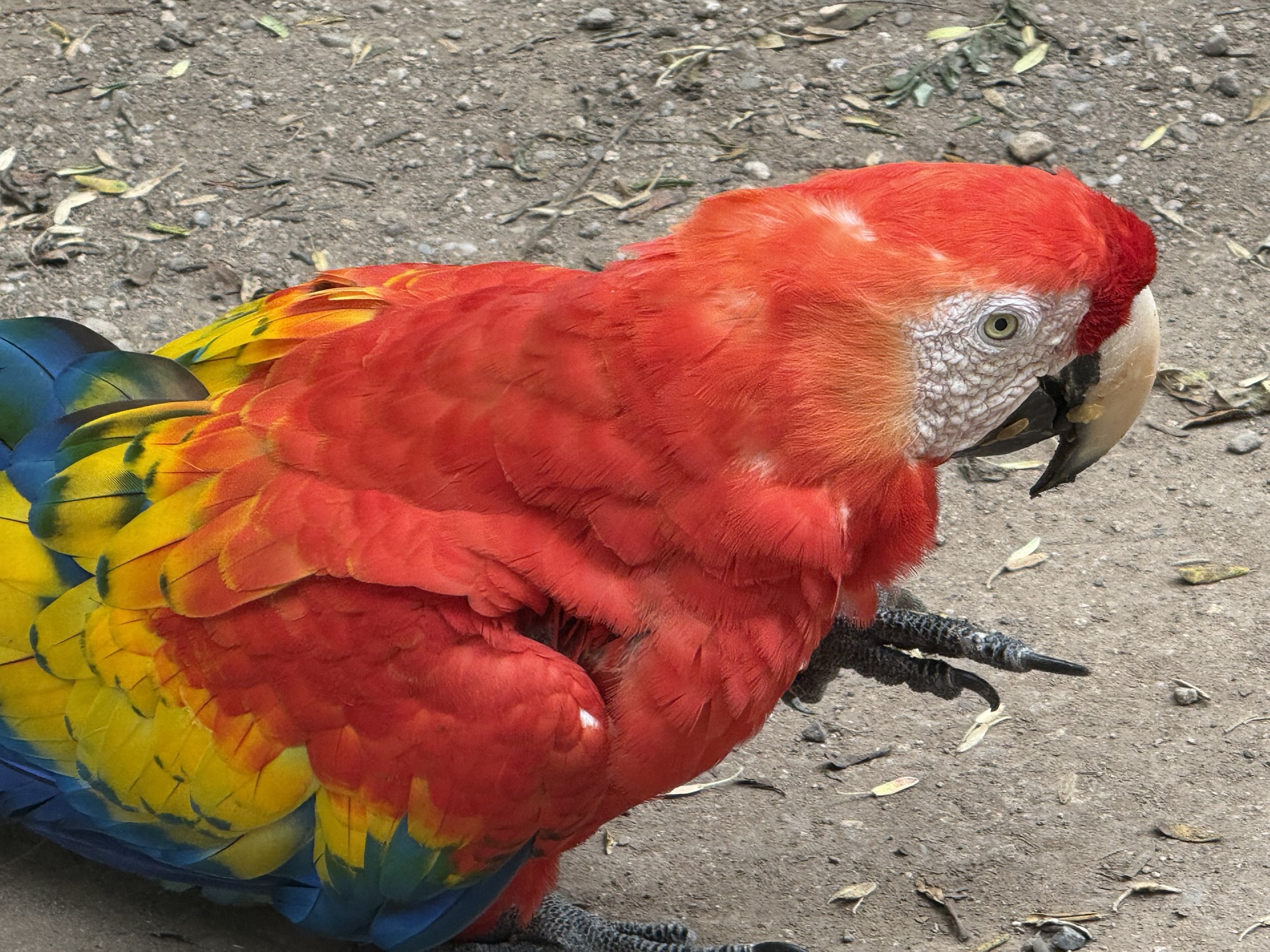
The first thing we noticed is that there’s nobody selling you anything, so it is more peaceful. There are also maybe 50 other people here in total, so you have much of the place to yourself. And, there are macaws everywhere!

Our guide was fabulous, so we were saddened to hear that she isn’t paid for her work. The national government supplies a very minuscule amount of funding for operating the site, but that’s it. Outside organizations have made deals with the national government for excavation and study, but the deal almost always include the right for the outside organization to pillage and remove artifacts from the site. One of the most important carvings from here is in the Peabody-Essex Museum in Mass thanks to Harvard.

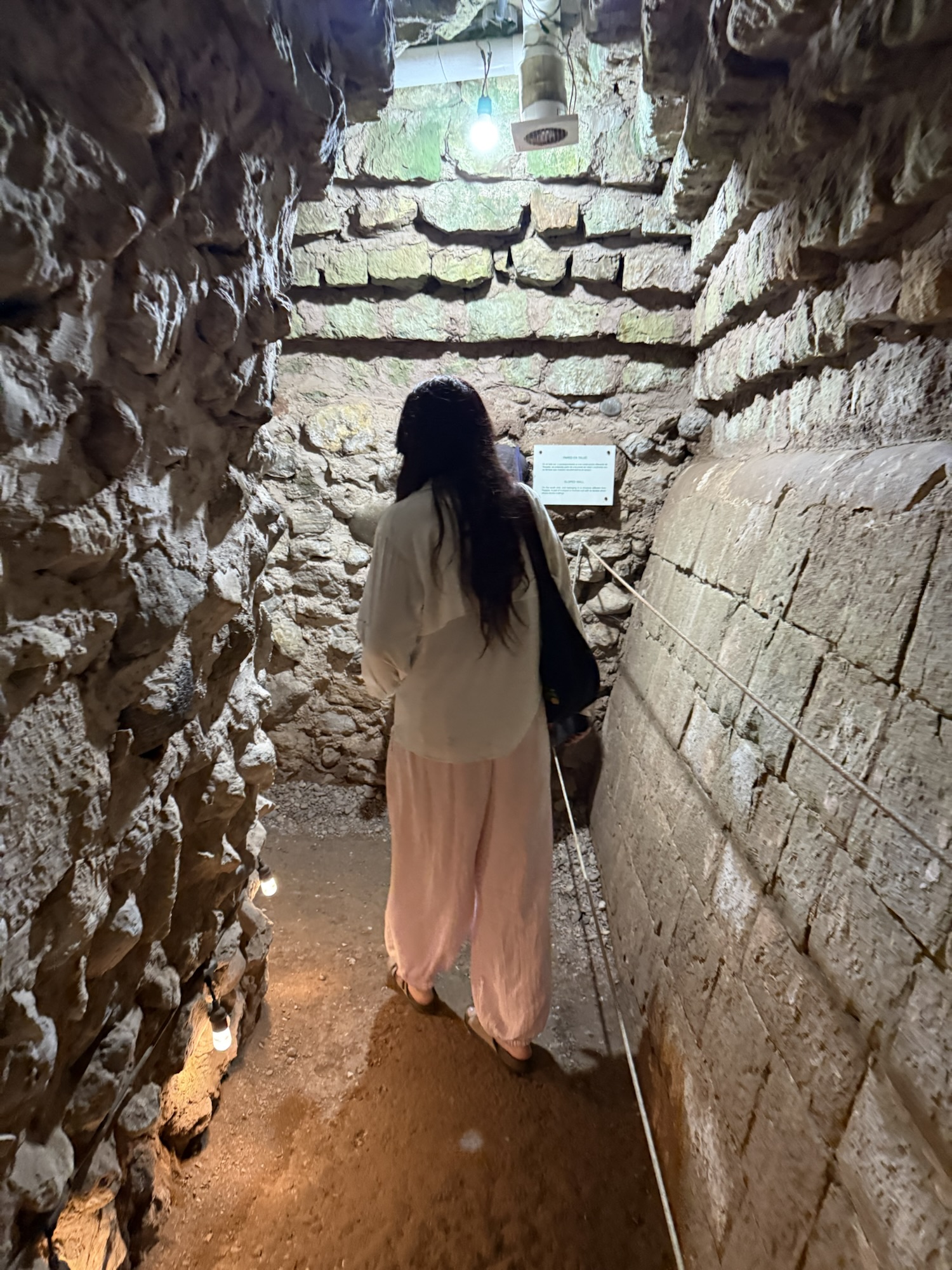
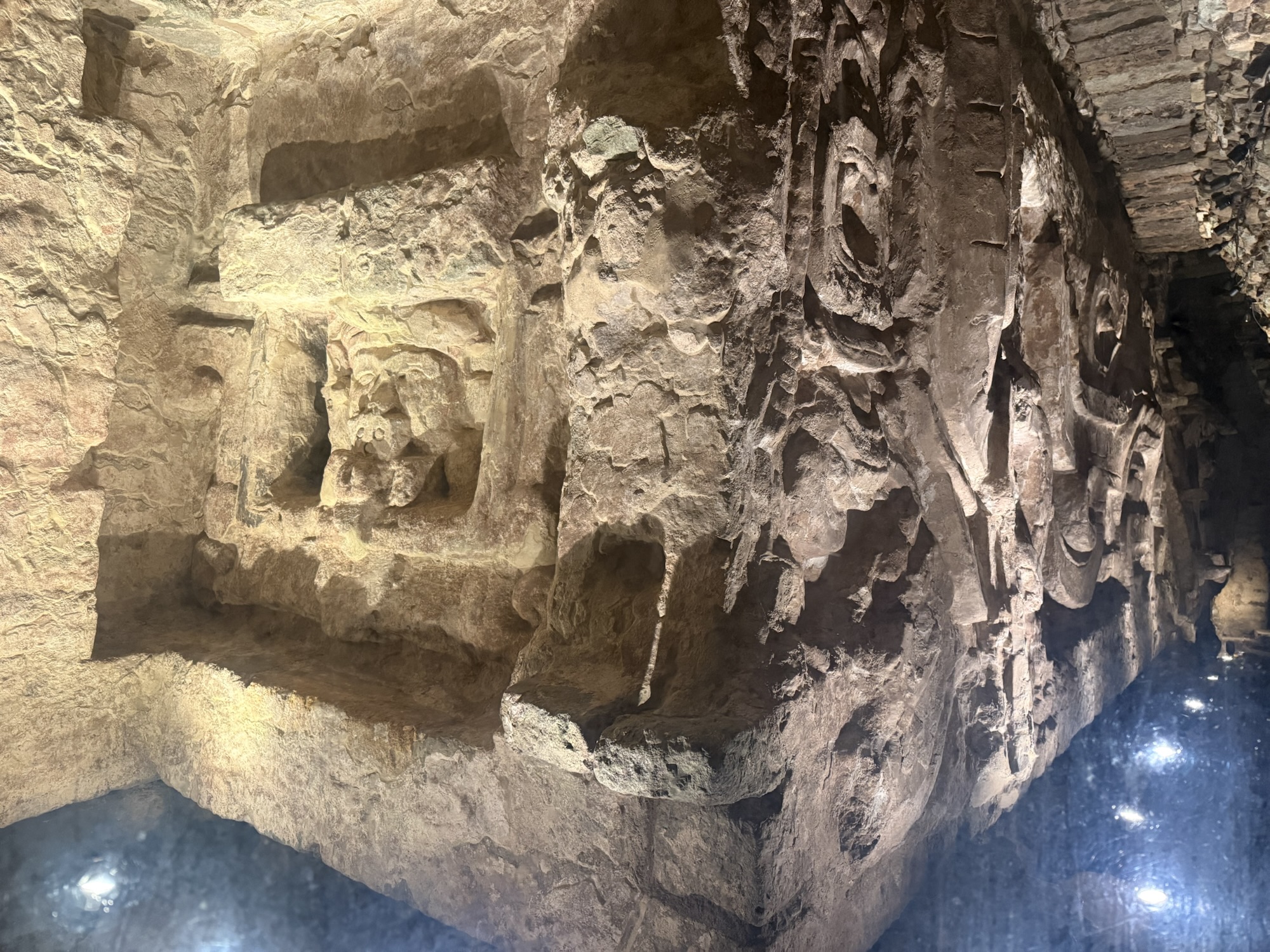
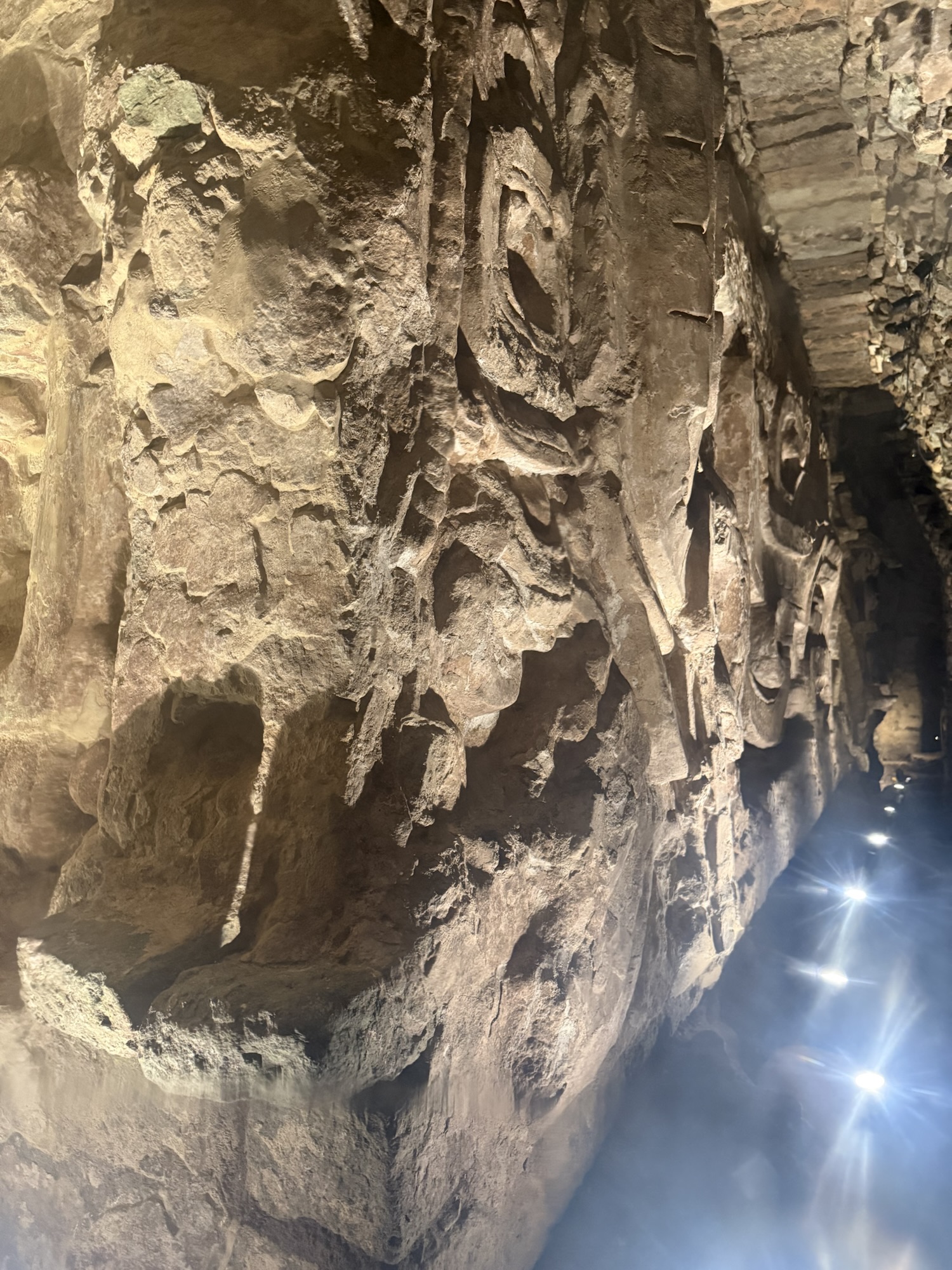
We went underground into some excavation tunnels to see the layers buried beneath the current ground level. These sites were built in layers, with sometimes half of the monument below ground!

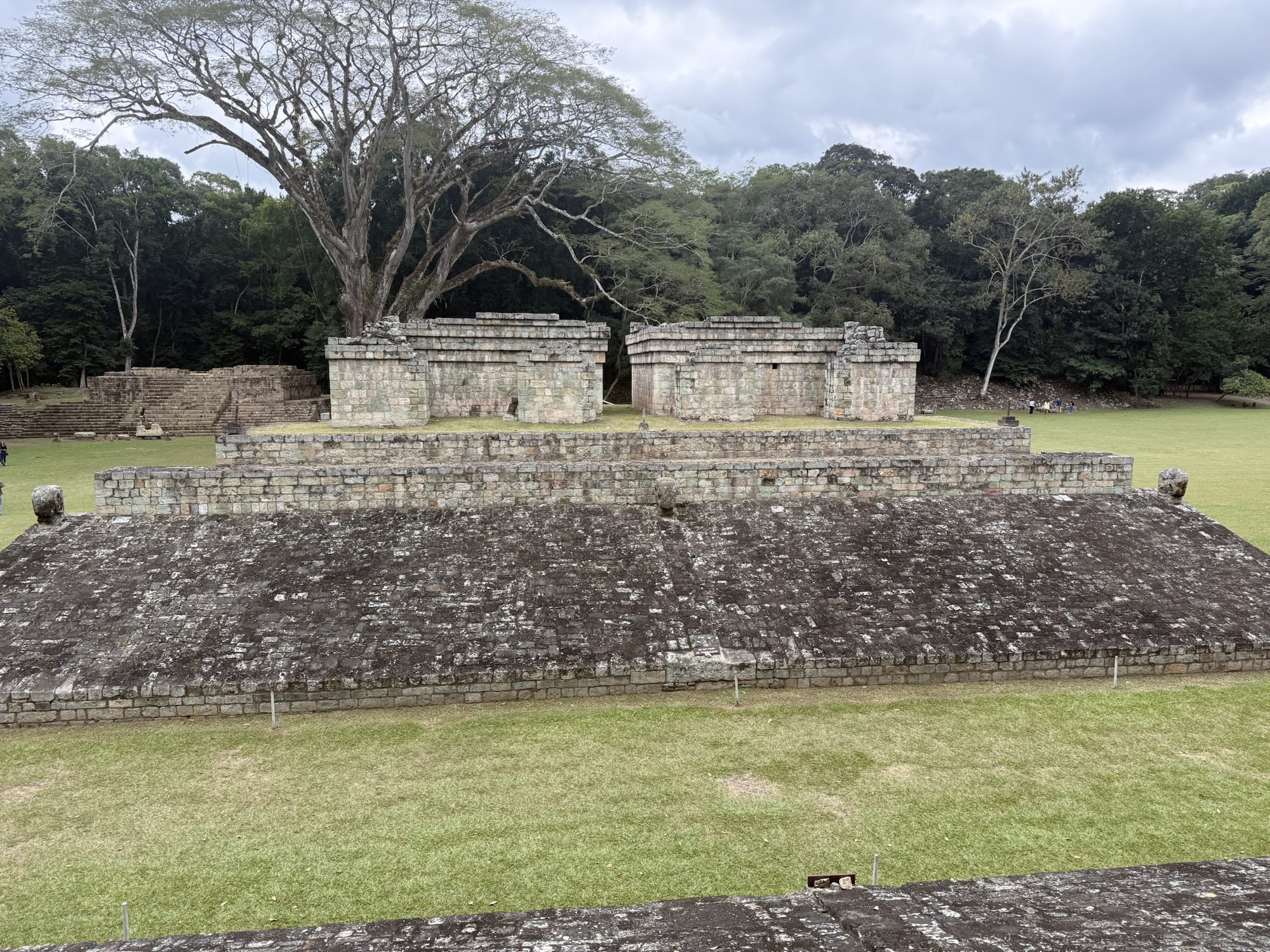
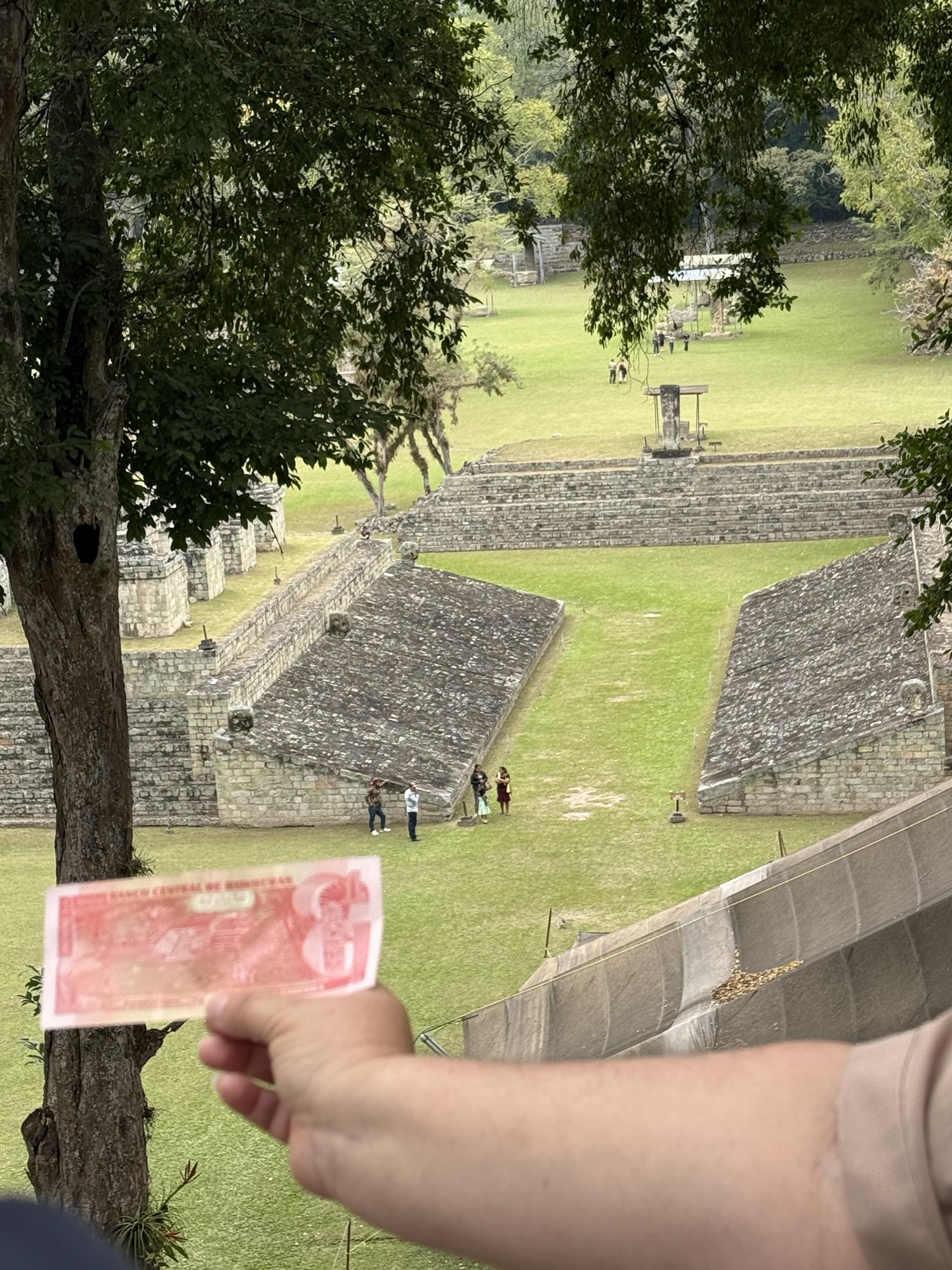
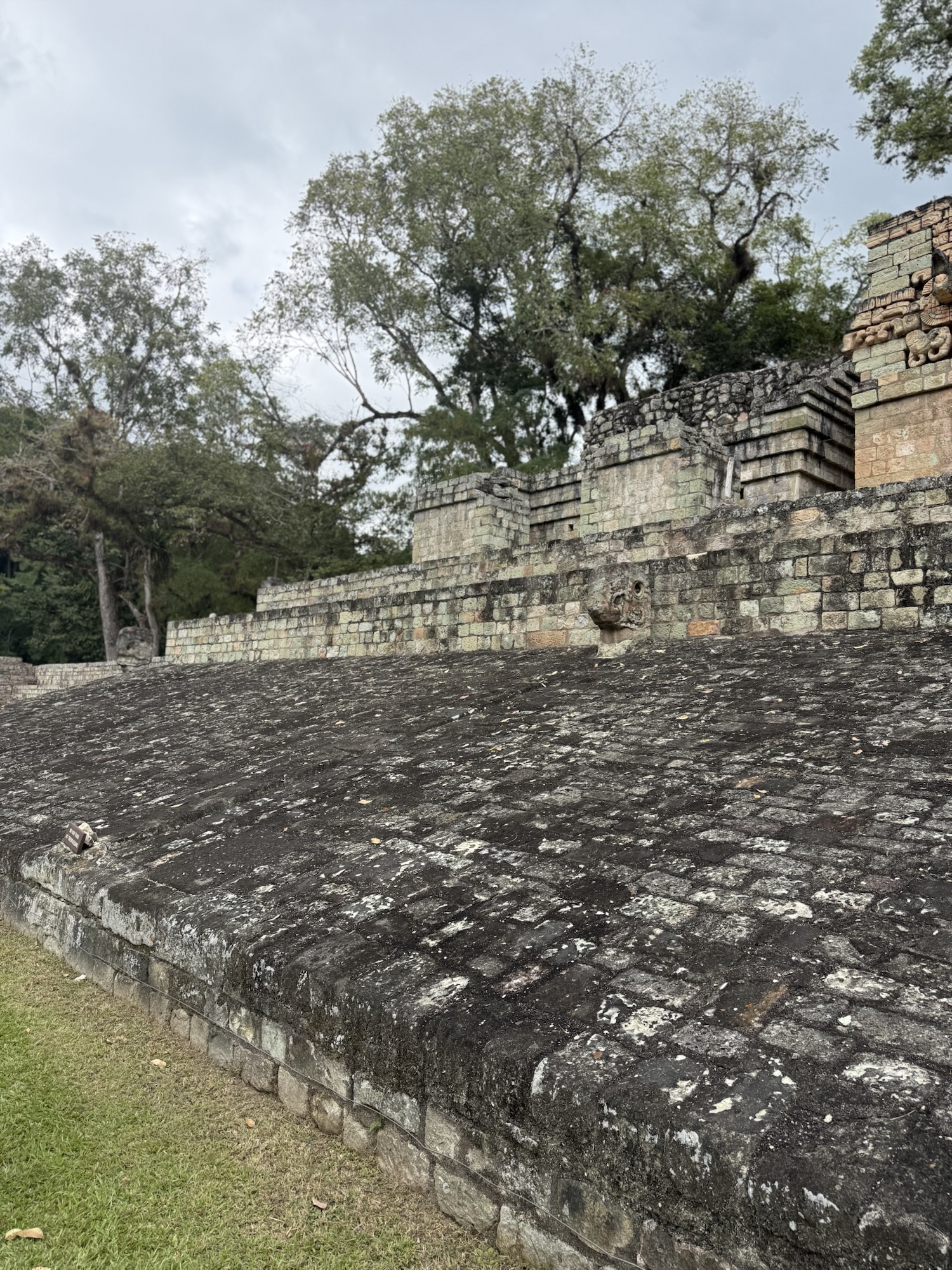
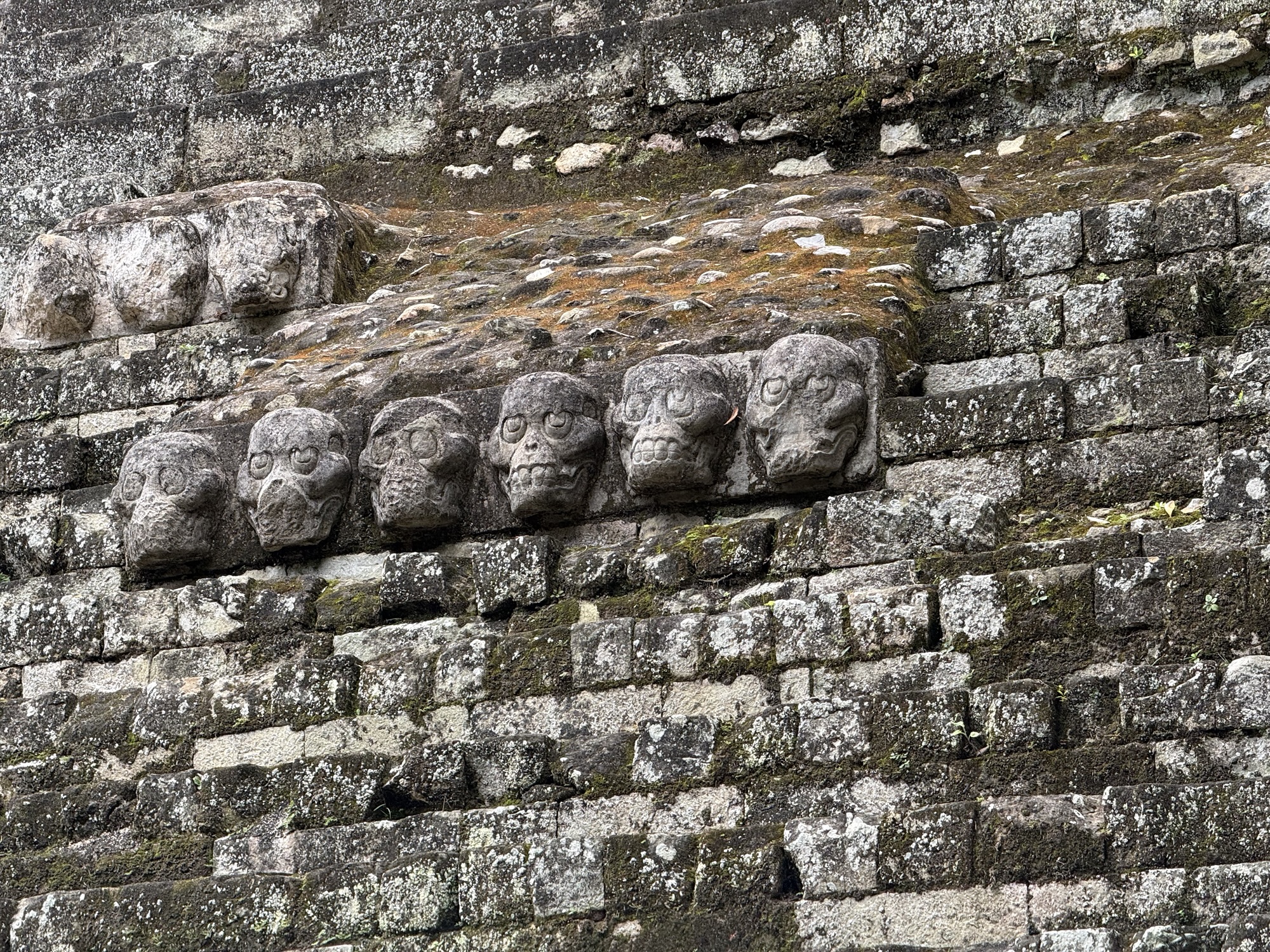
Like other Mayan sites, there is a ball court here. Captains of winning teams were beheaded as offerings to the gods.

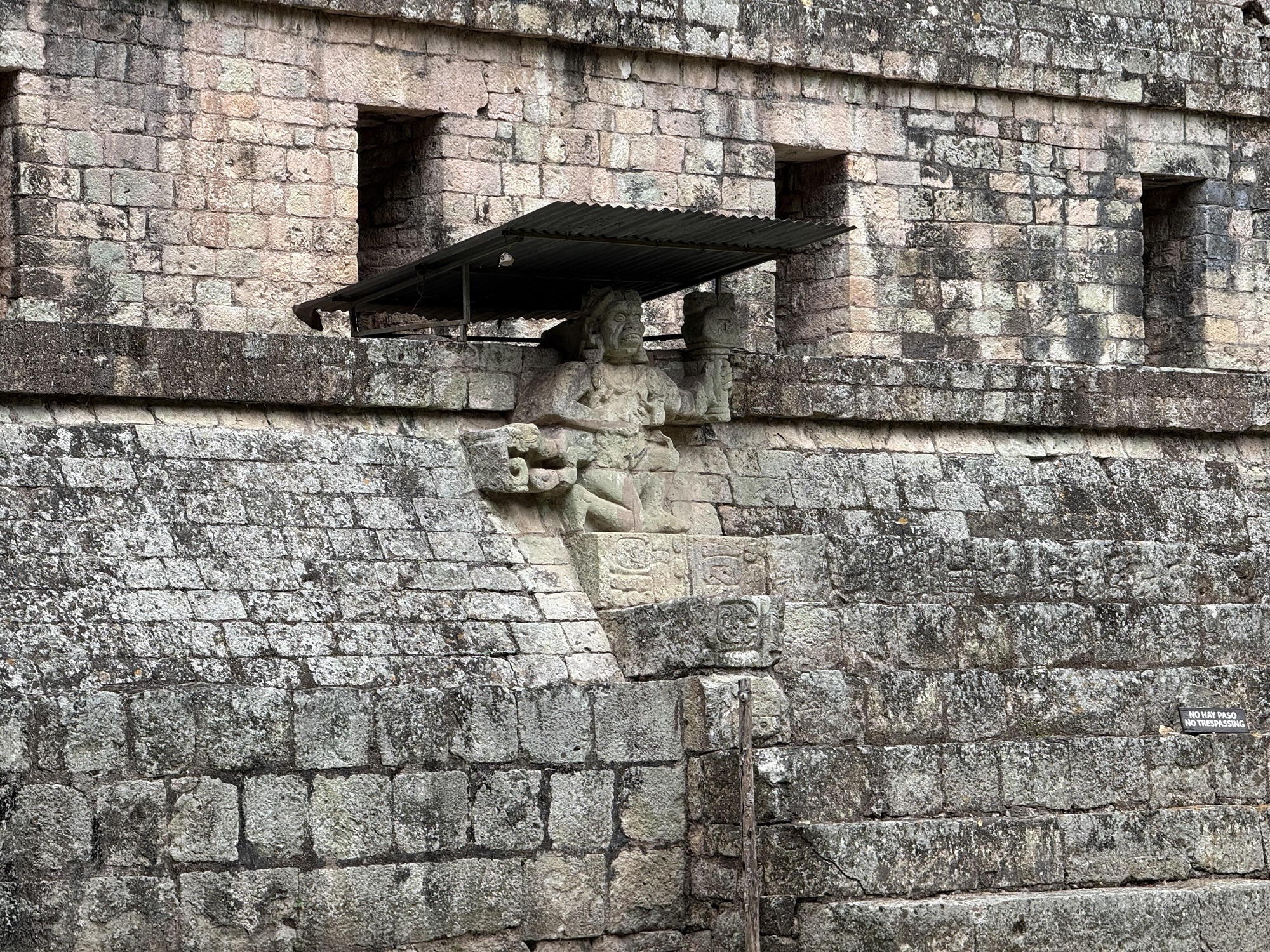
The ball court is the image on the 1 lempira bill

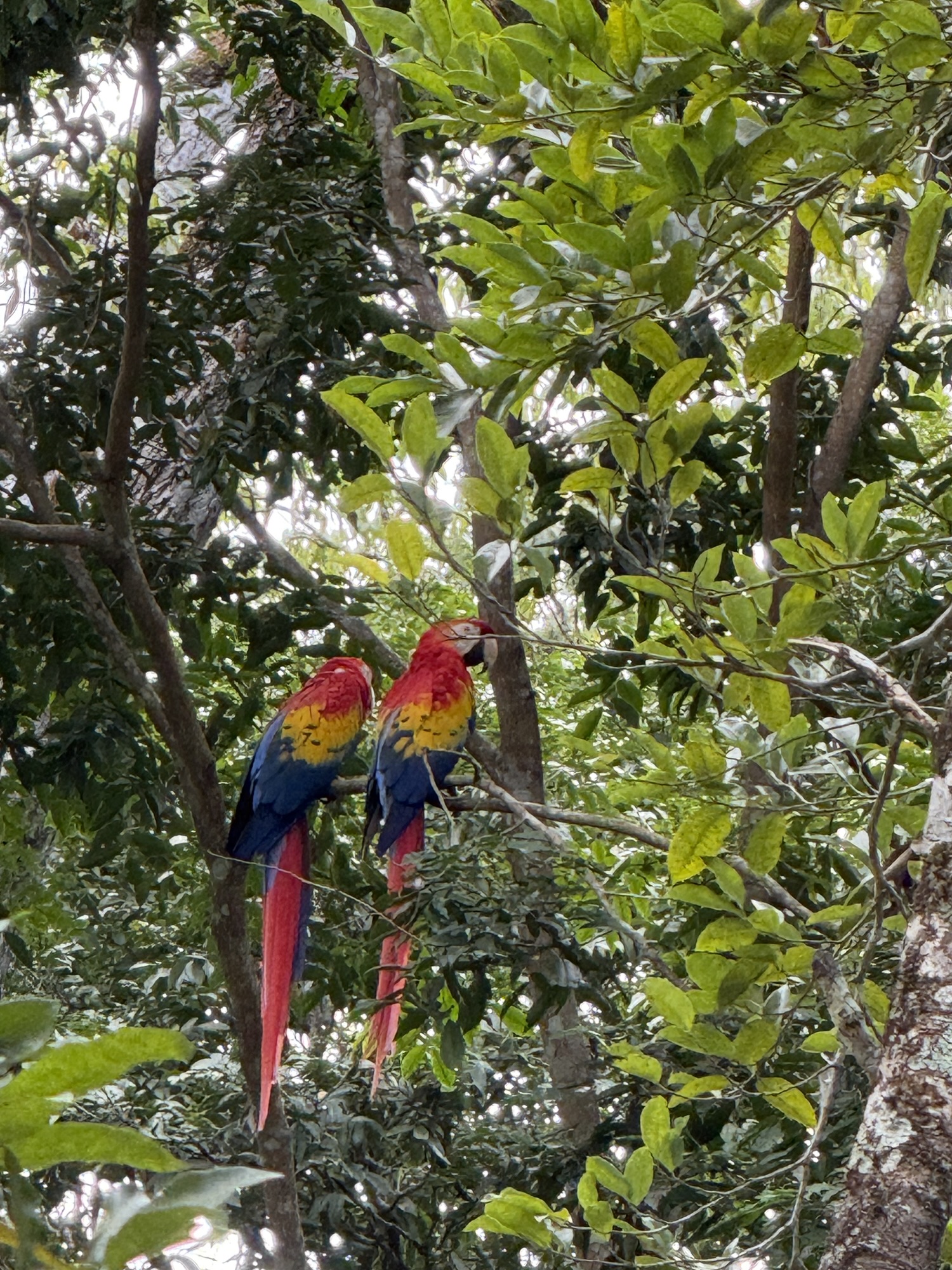
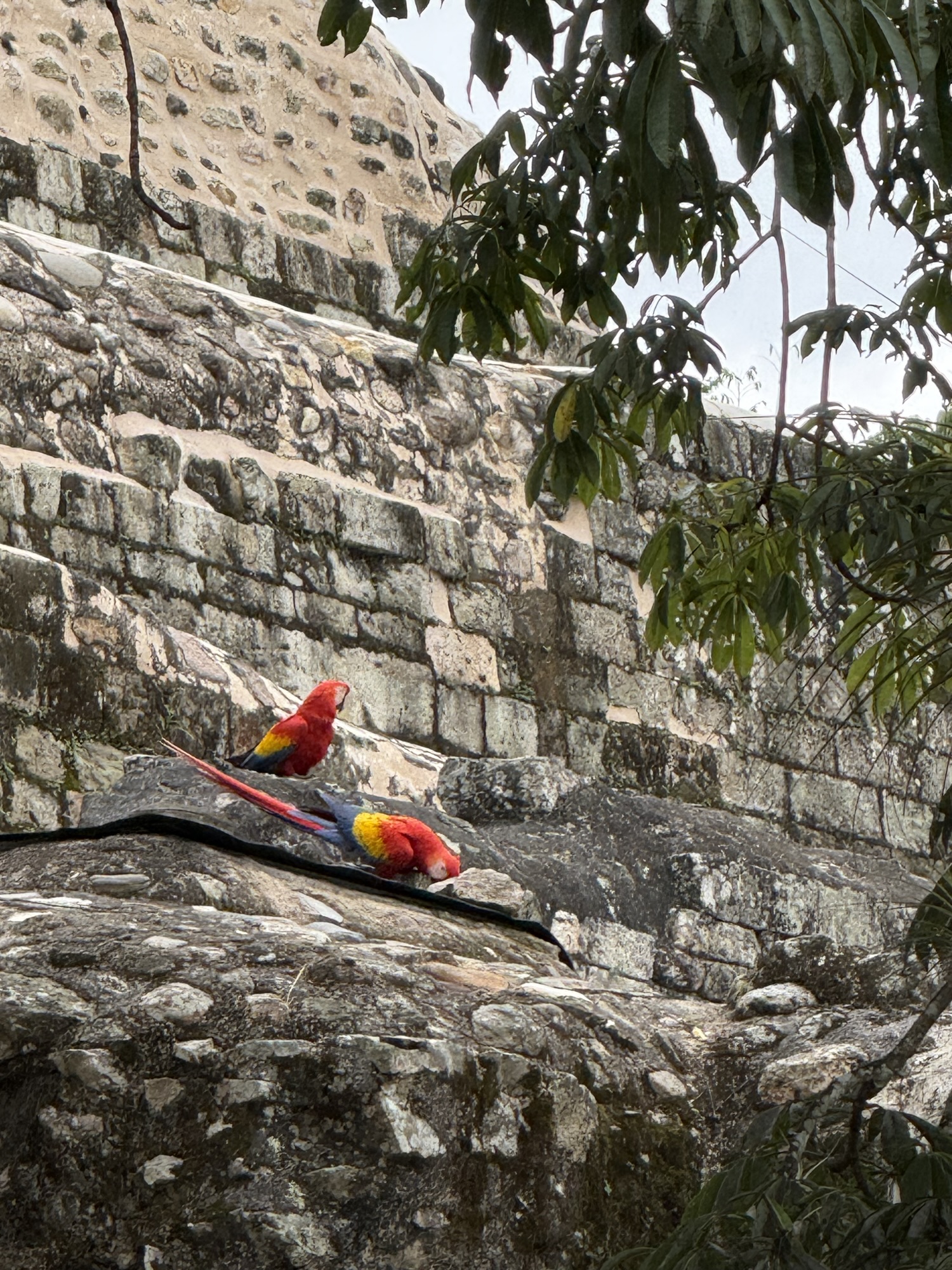
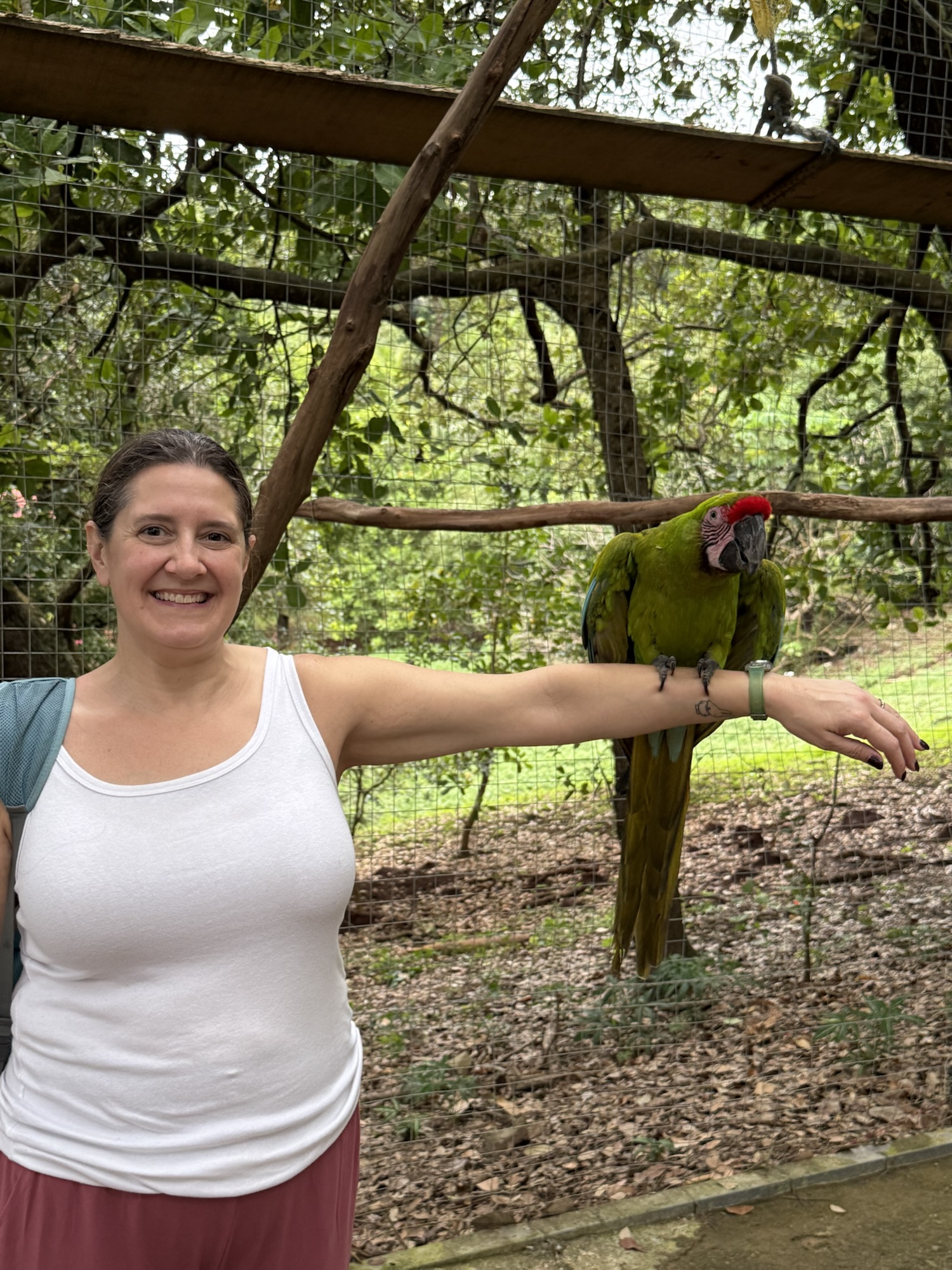
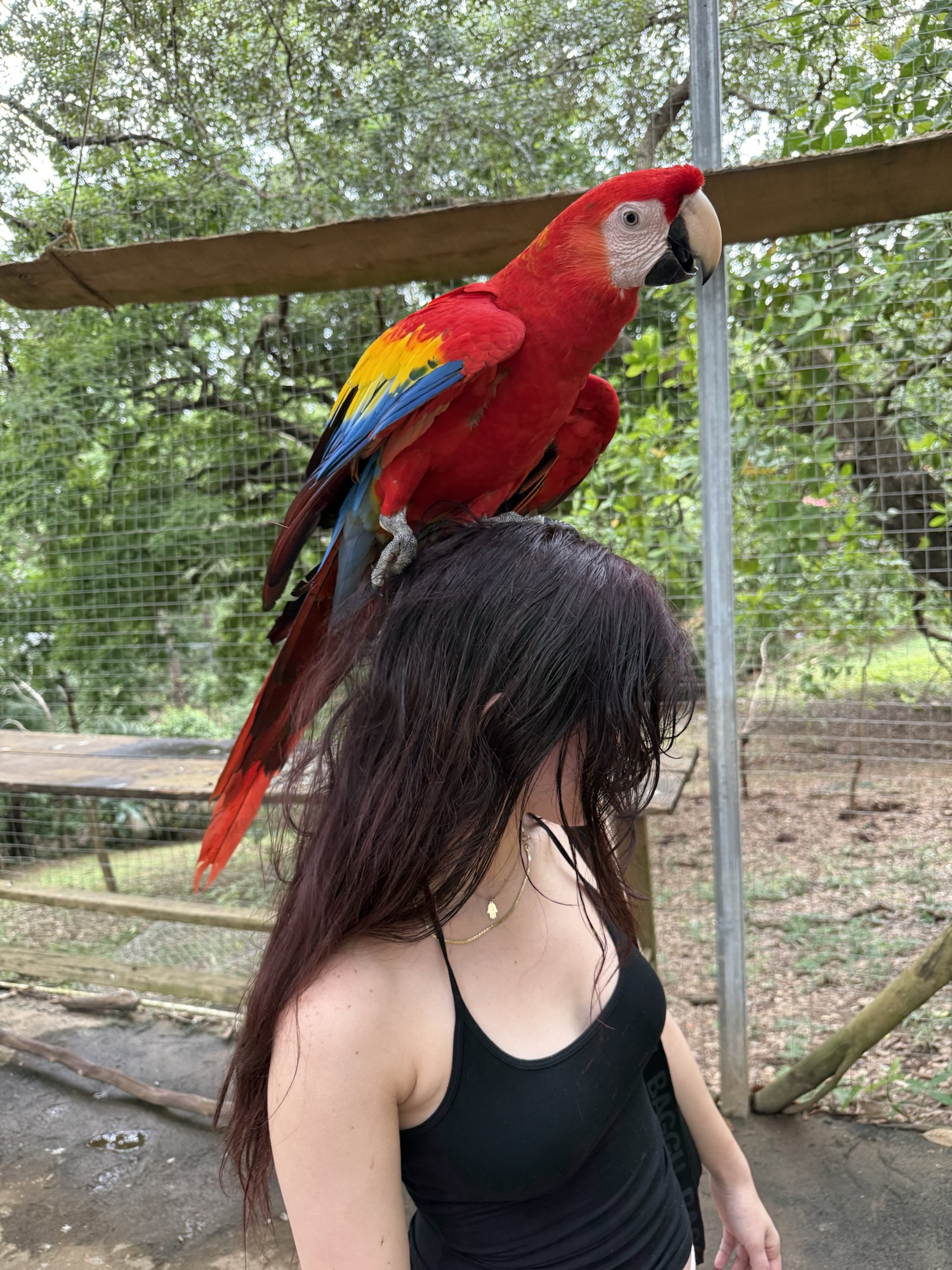
Macaws are the national bird of Honduras, and there are many at the ruins because it is a protected site. They are stunning, striking birds.

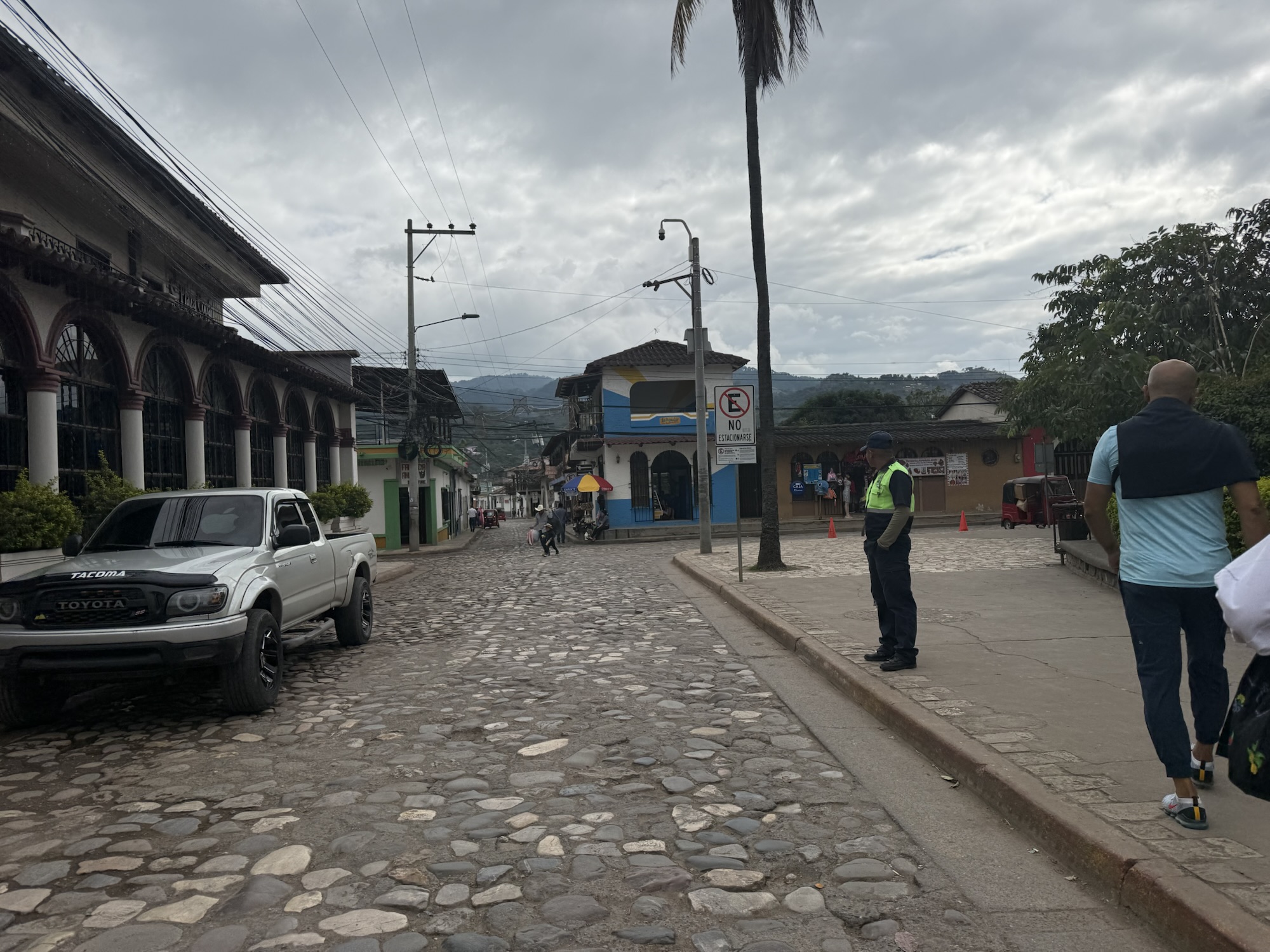
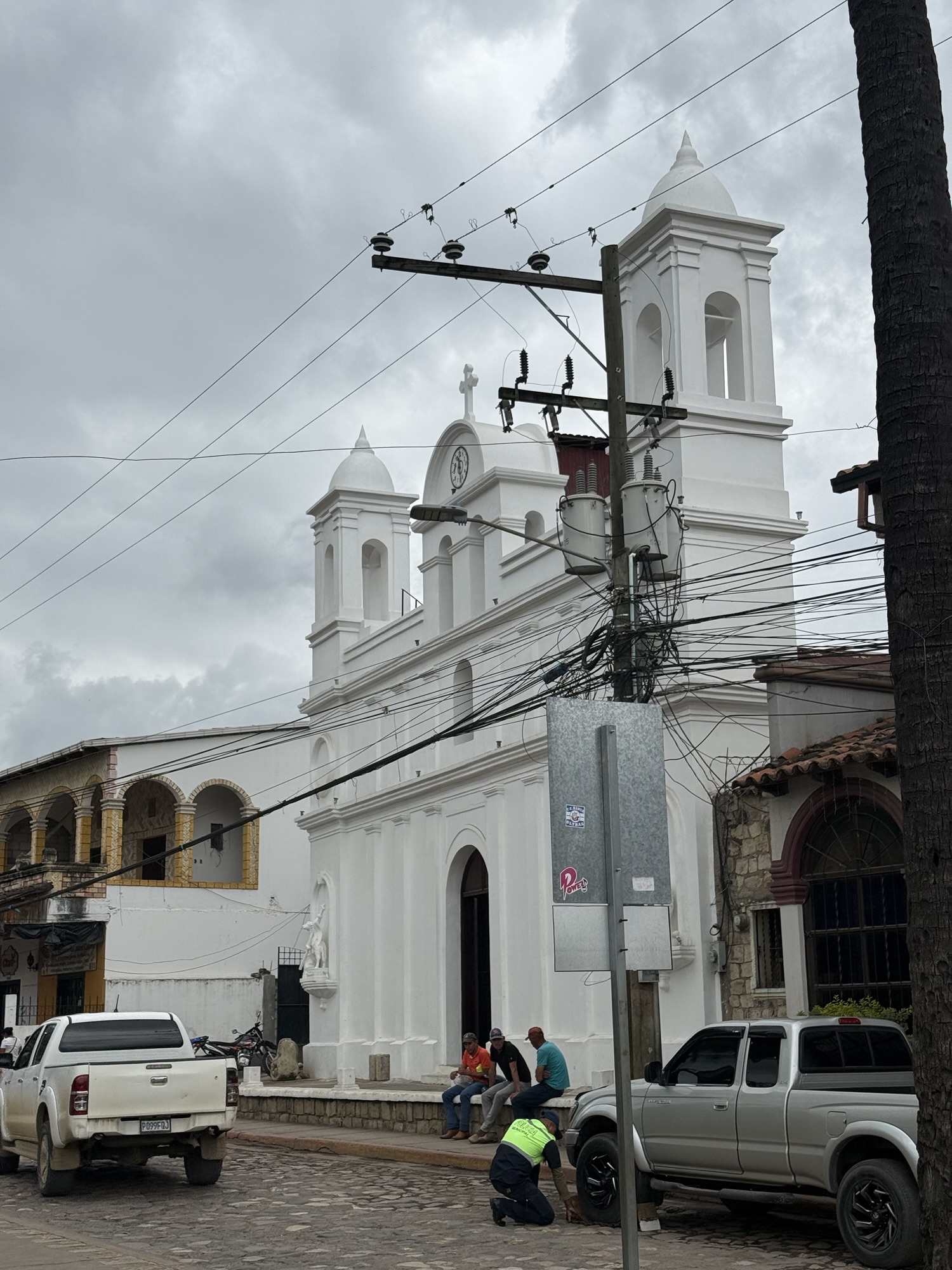
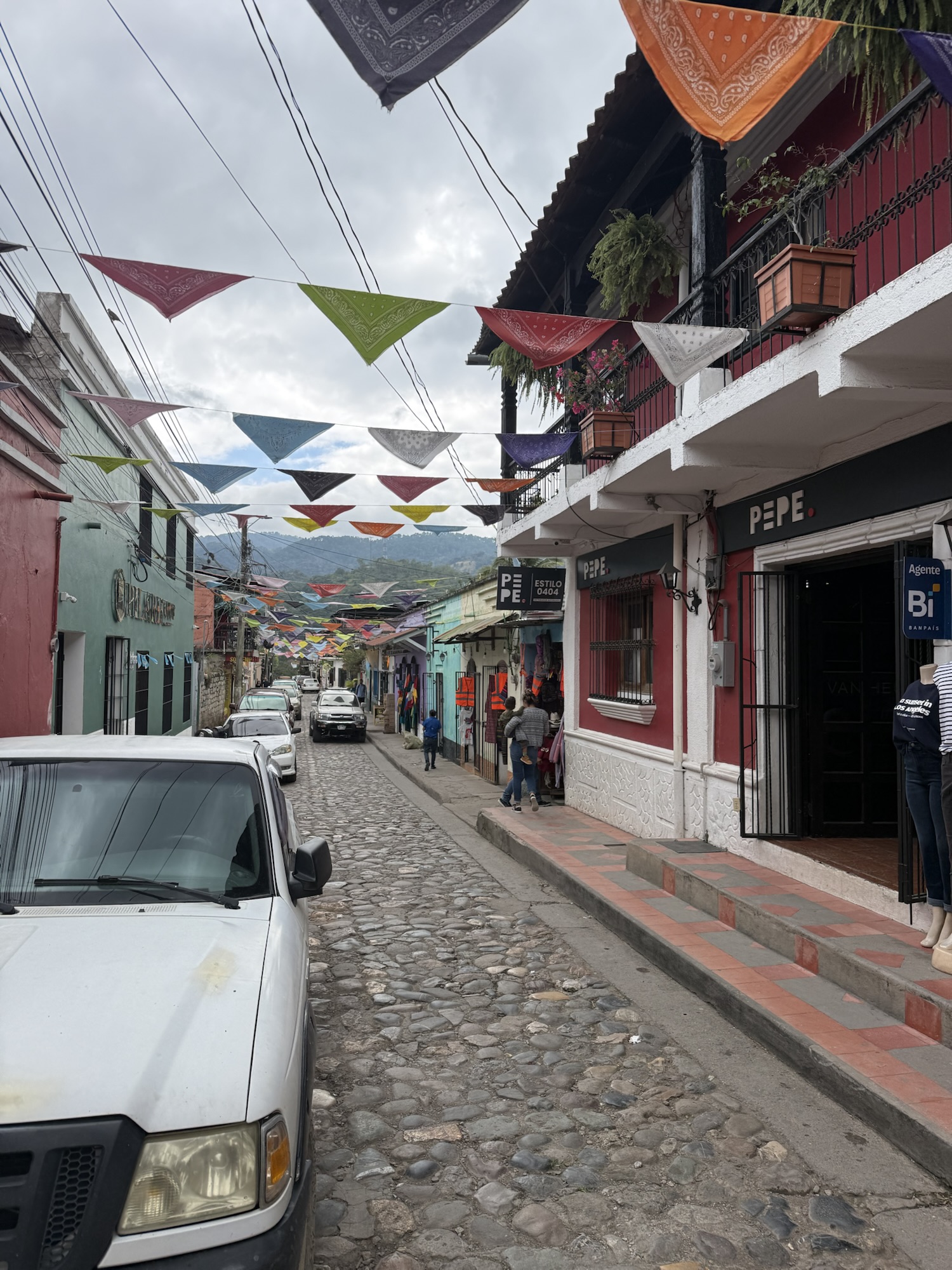
We strolled into town after to look for souvenirs and get some lunch. Copán reminds me a lot of Salento in Colombia (but much smaller) or parts of Bogóta with a strong colonial vibe. It was very cute!

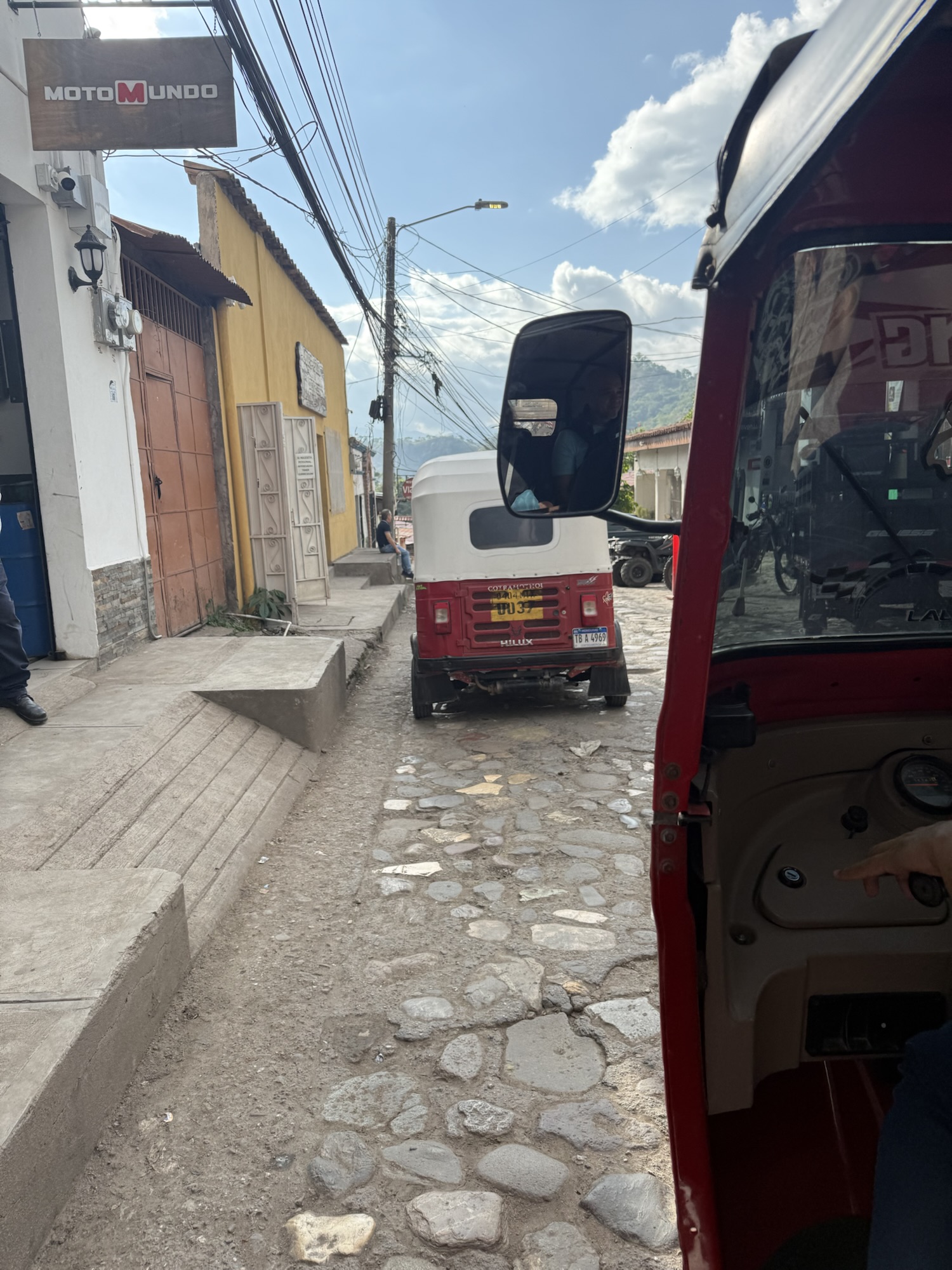
We took a tuktuk up to a chocolate and tea shop, then hit the road home.

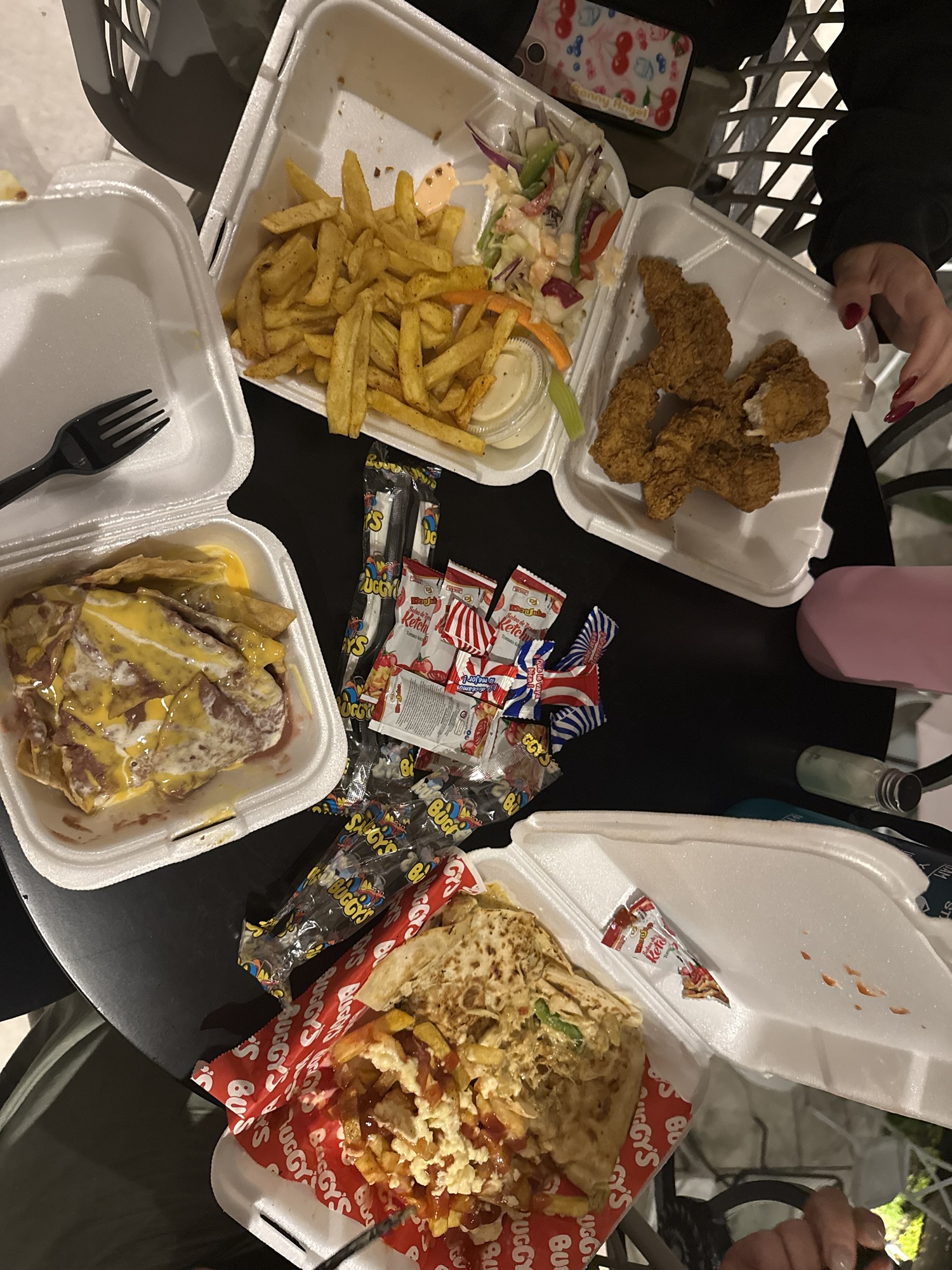
Our drive back was also long (4.5 hours), so we were hungry but also too tired to go out to eat so we tried our hand at San Pedro Sula’s version of DoorDash, called PedidosYa. It was fast food, but I managed to order it all in Spanish and we got what we wanted, so that’s a win!

Driving hours across a country yields a very good look at local communities. There is certainly no question that this is a “third world” nation given the state of housing, cars, education, etc., yet it feels optimistic. Hondurans are proud people, and they want to strive for something better.

Enjoying our time in the sun

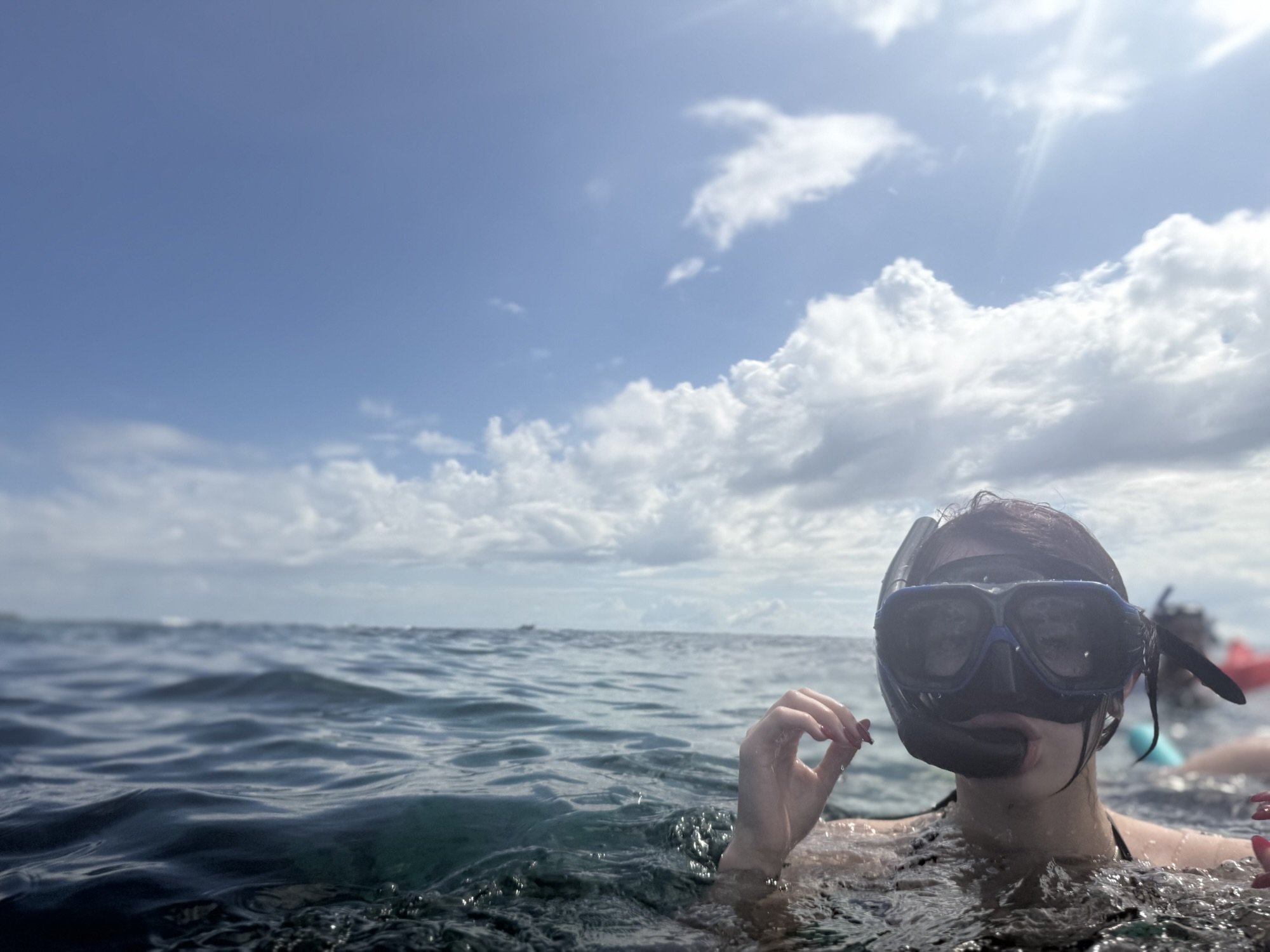
Tuesday was our snorkeling day. For a non-swimmer, I really enjoy snorkeling. There’s something amazing about putting your face down in the water and seeing a world that’s always there, but always hidden. Like pulling back stage curtains to see all of the frenzy behind stage.

We got picked up, sized for fins, and then we headed out.

Ali’s never been snorkeling before. Thankfully, we got to remedy this, and in one of the more spectacularly populated reefs.

Kiddo in her best look

We snorkeled for about half an hour, drifting along with the current. This area had a number of very steep underwater drop-offs, providing ample opportunity for us all to reflect on just how much ocean there is out there (and how many things in it can kill or sting us if we allow…looking at you, jellyfish).

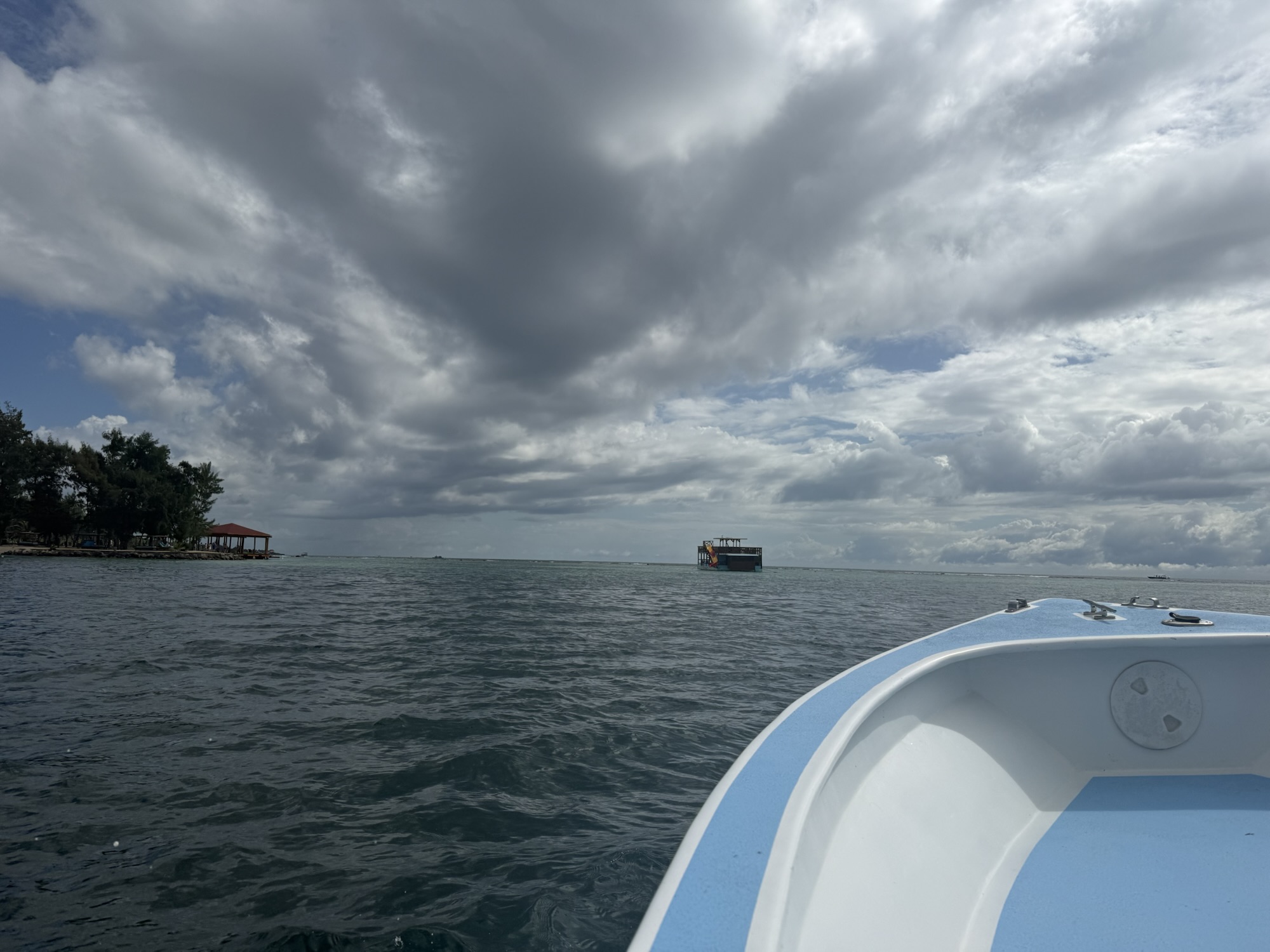
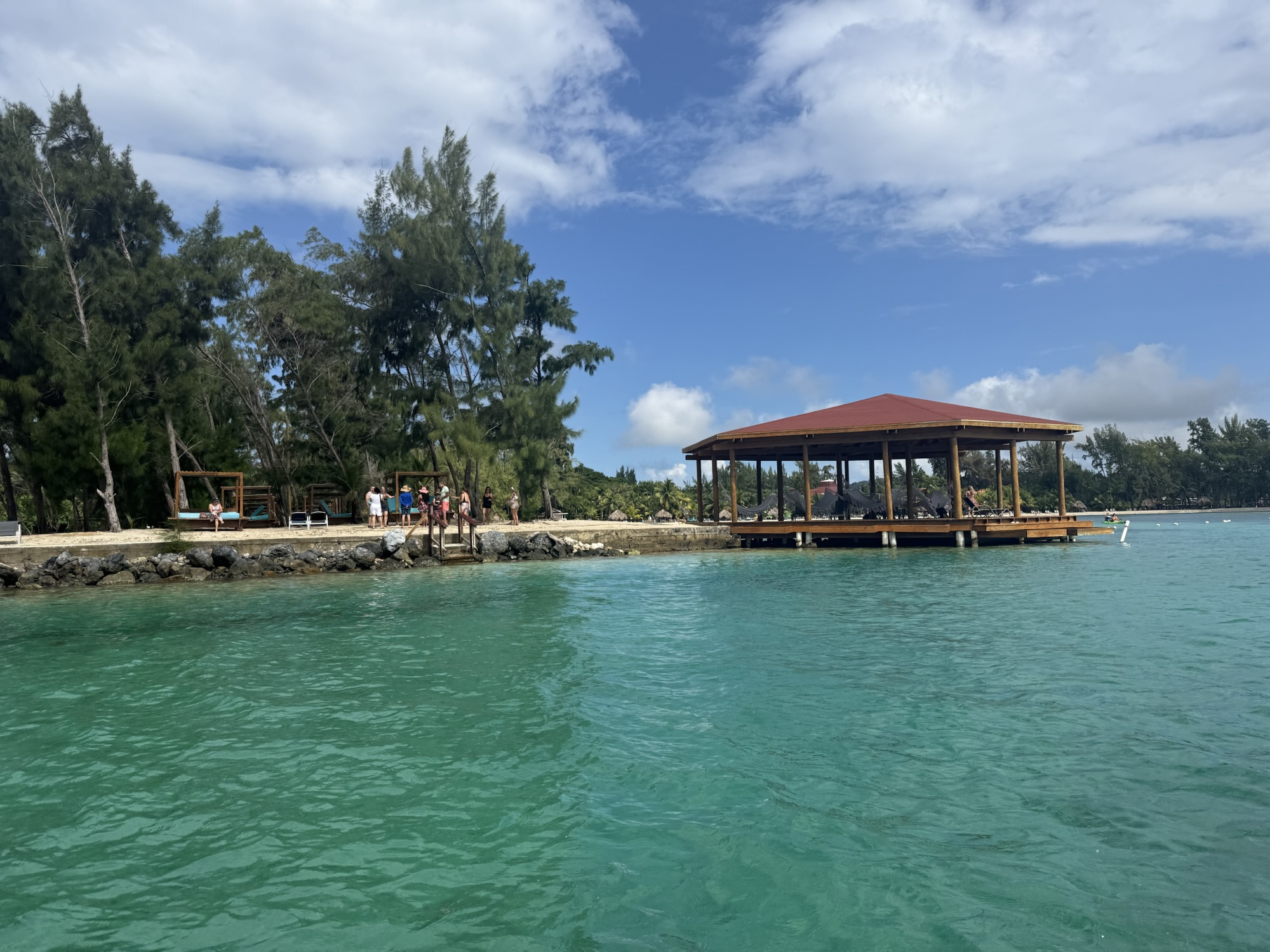
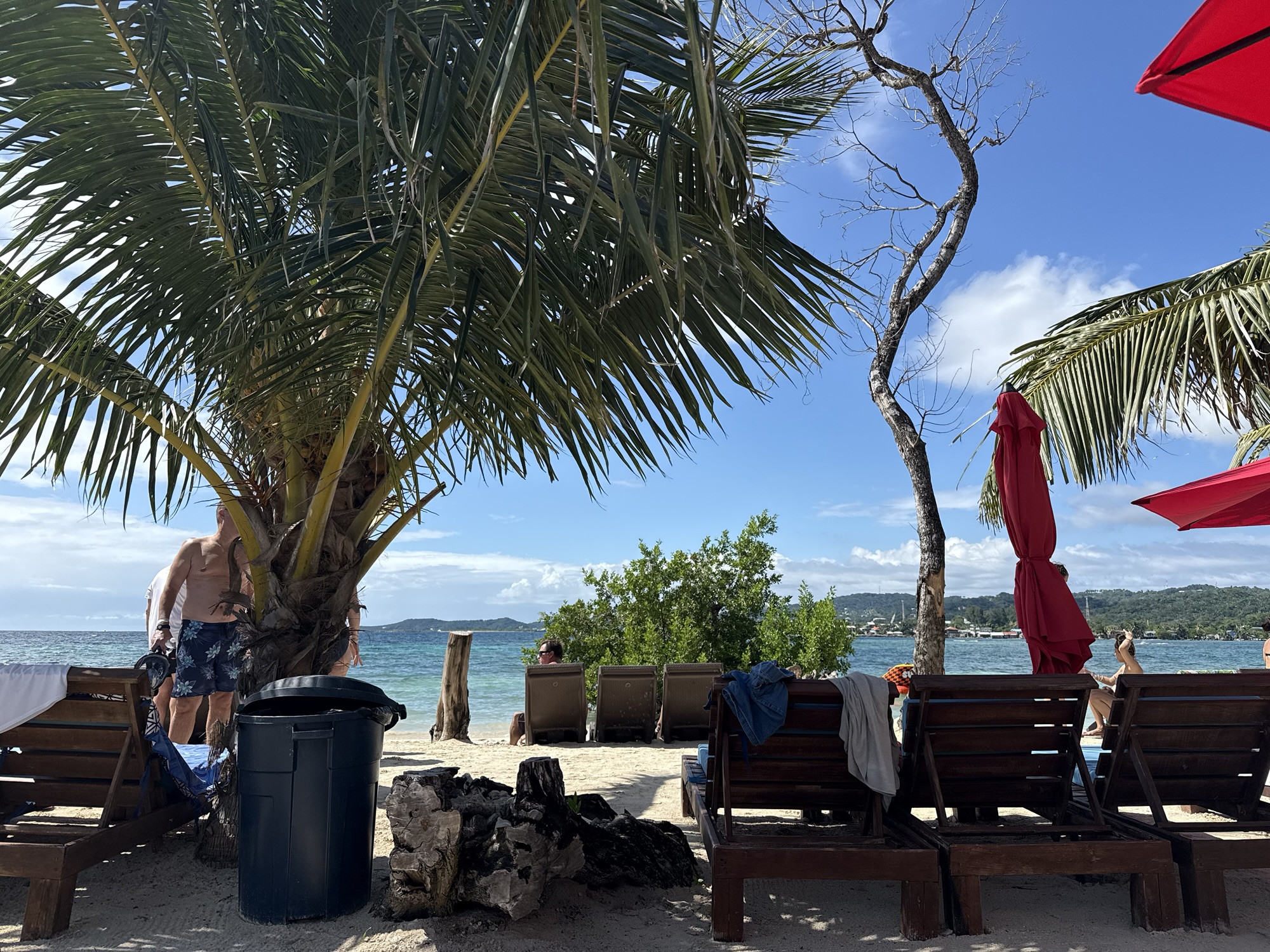
We then got dropped off at Brady’s Cay, a TINY little island off the coast of Roatán. This has been set up with beach chairs facing the aqua water, a kitchen and bar, bathrooms, and a beach volleyball court.

We were supposed to stay for an hour, but after only 20 minutes, the guide said we were leaving for the next snorkel spot. He must’ve been able to tell that we weee comfortable because he said we could stay on the cay if we wanted and he could come back for us after taking the other couple to the other snorkel spots. We accepted that offer and spent another 90 minutes enjoying the beach and brilliantly sunny day.

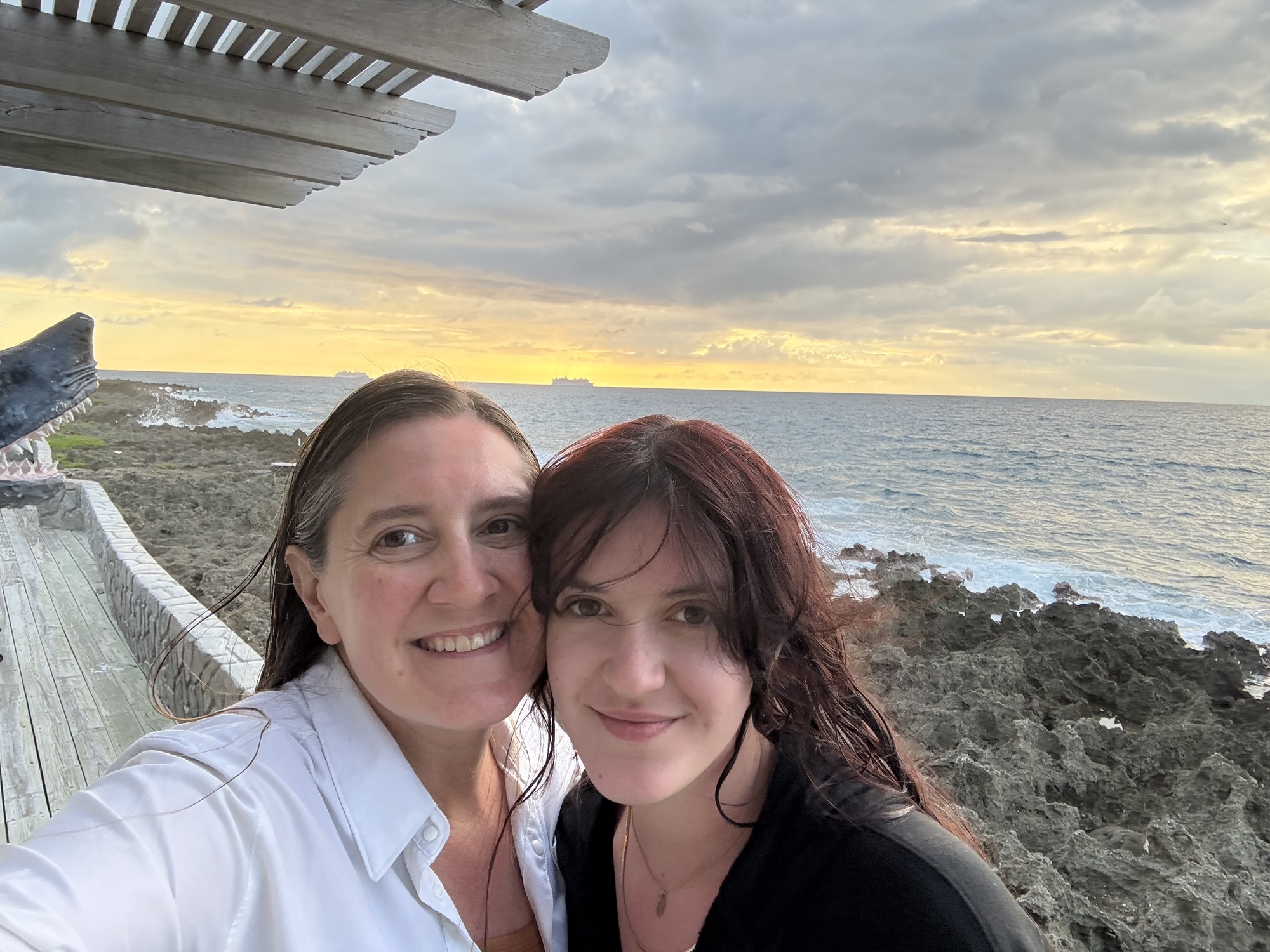
Back at the hotel, we showered and enjoyed the sunset (as we all realized that perhaps we should’ve reapplied sunscreen after snorkeling).

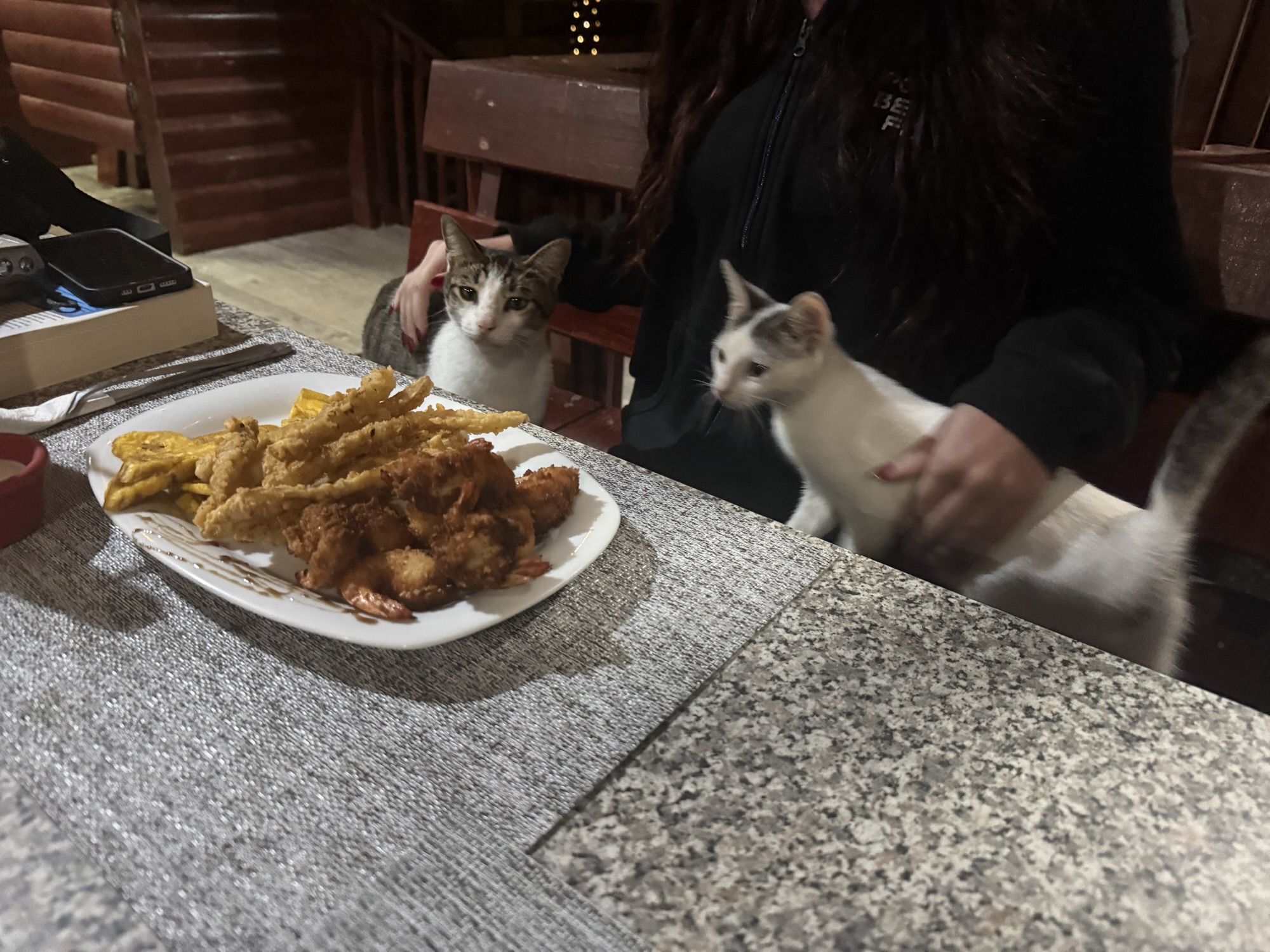
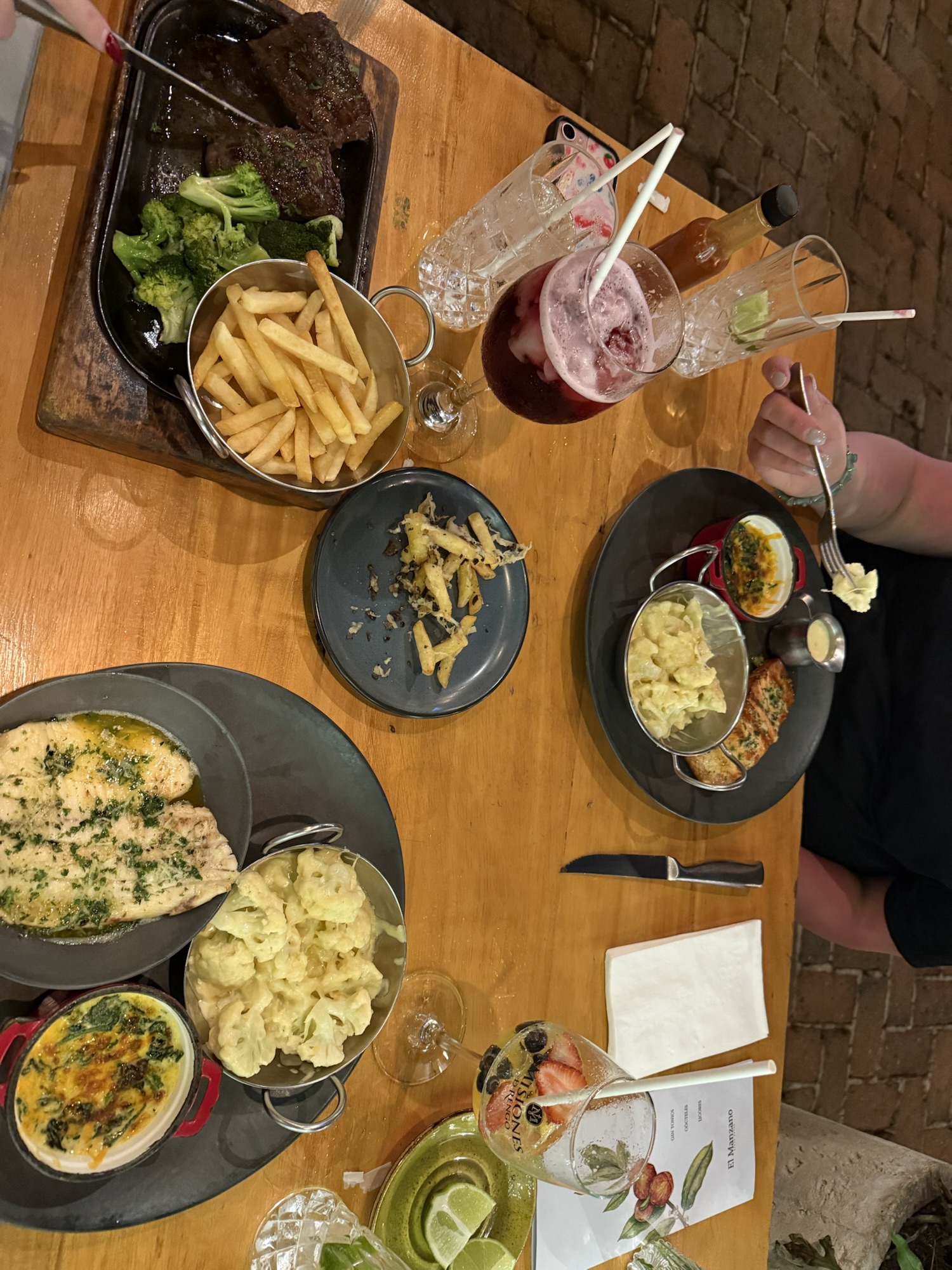
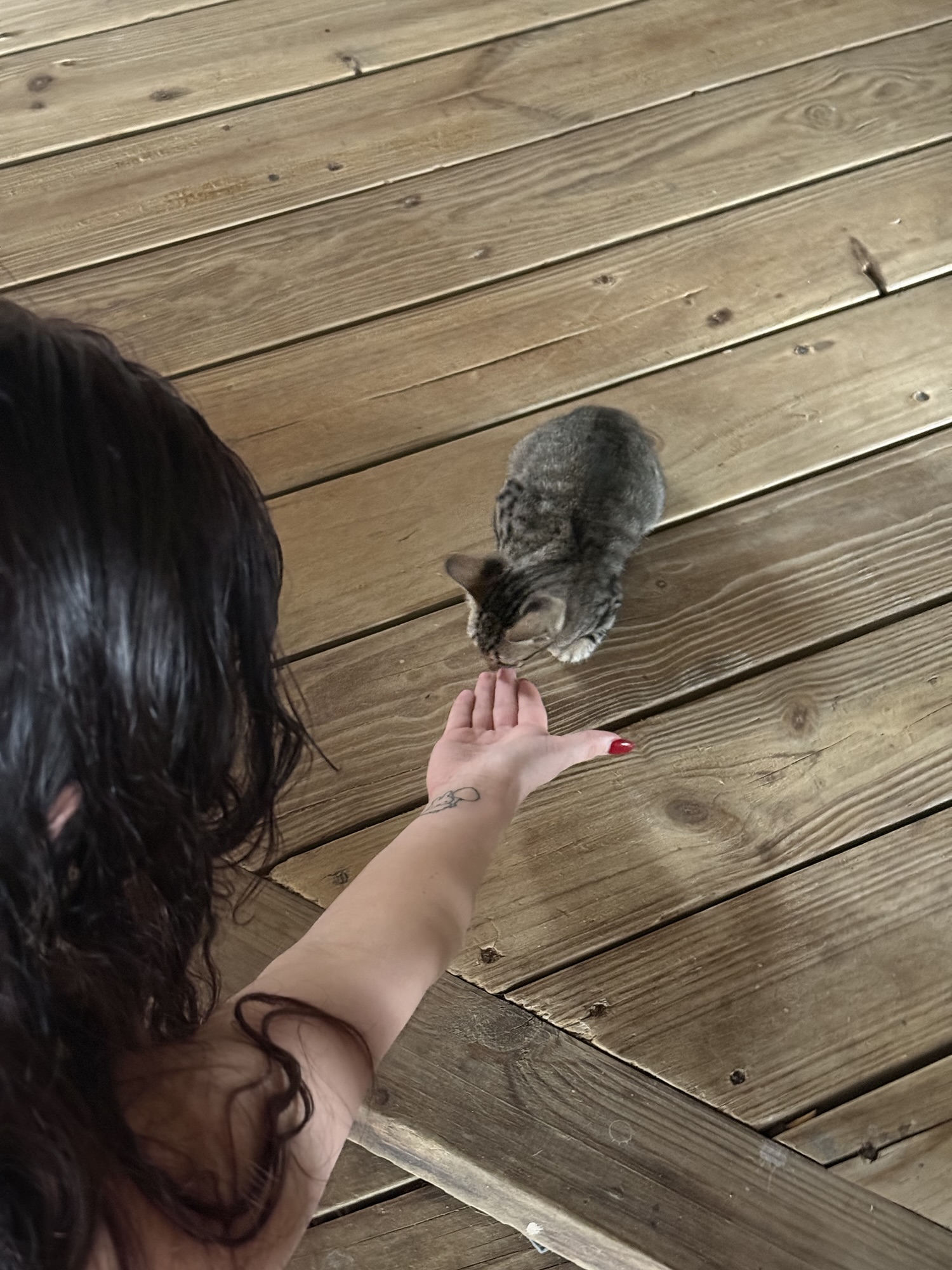
We had dinner at the hotel (food was just as good as everywhere else). Anna-Sophia was marked as a good target by the kittens, and she struggled to eat as they kept trying to grab her food. She managed it well and only lost one fry in the end, but it was pretty hilarious to watch!

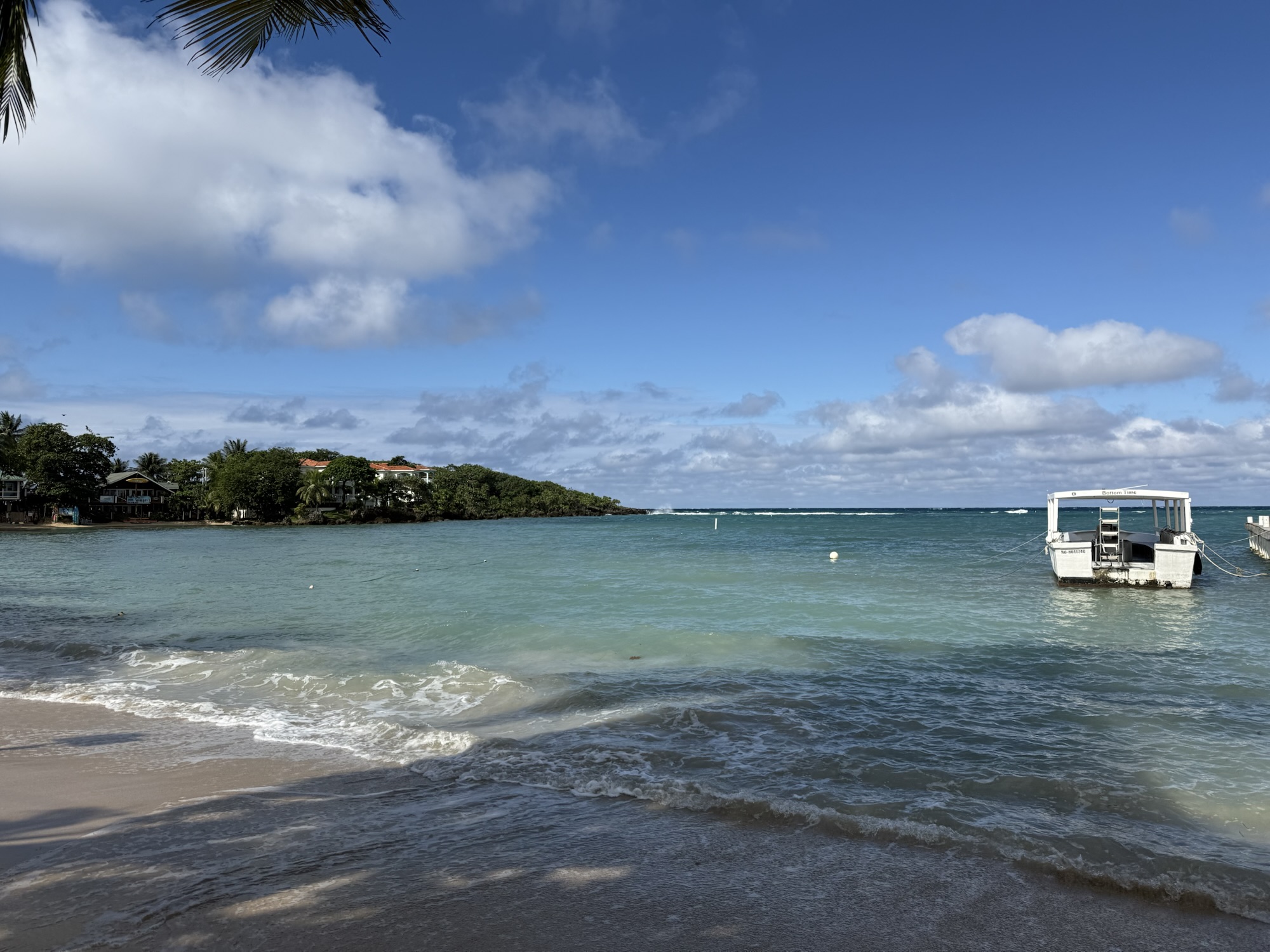
We had people in the room above us that night, and they were loud enough to keep me up much of the night, so I was dragging a bit on Wednesday. It was a travel day, so at least there wasn’t a heavy agenda. Breakfast at the hotel (with one of the kittens getting to clean the plate), then kid and I walked into town one last time. The beach in town is in a small cove, so the water is calm, while the beach itself is barely wide enough for one beach chair. Very different from New England beaches with the massive expanses of sand.

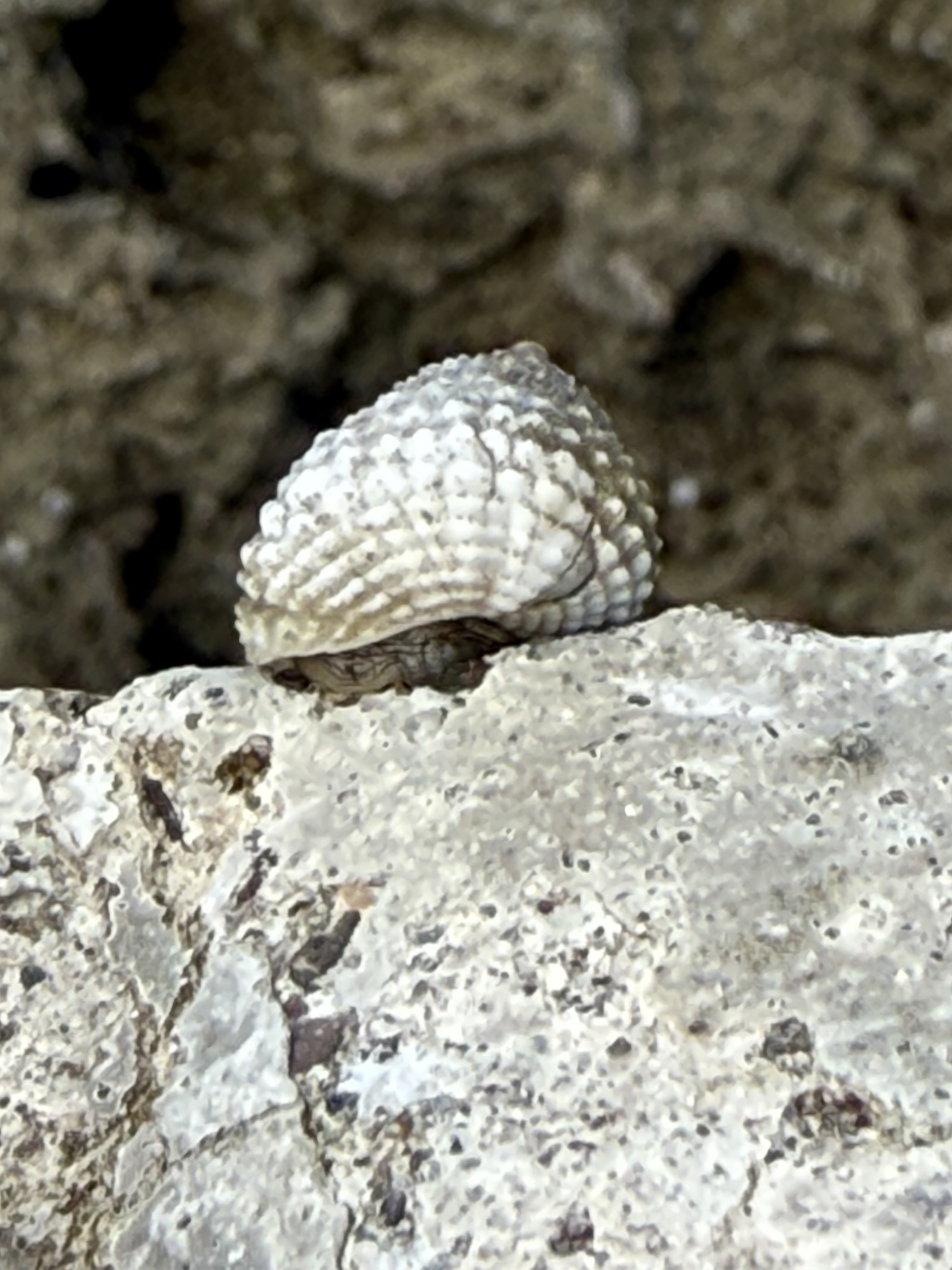
It was windy and the surf was pretty vigorous back at the hotel. Kiddo and I sat and watched the waves crash on the rocks and we watched the tiny snails move along the retaining wall.

Our flight back to the mainland was on CM Airlines. We checked our bags, went through security (a delightfully minimalist affair), and waited at the gate for a while. Our flight time got closer and closer, but there was no plane and no announcement. I kept checking online, but there was no information. About 20 minutes after our scheduled departure time, an agent showed up and announced that the CM Airline flight would be out of gate 5 instead of gate 6, so we moved over there and queued up. It turns out that they combined our flight and a similar small flight on Aerolineas Sosa, the other local carrier. The combined group of 20-25 passengers boarded and, since the assigned seats we had didn’t make sense, we just took whatever seats we wanted. That was a new experience for me – I’ve never been ticketed on one airline but flown another without knowingly being rebooked. I guess as long as we got where we needed to go, it’s all fine!

We found our driver, checked in at the hotel, and then went to one of the fanciest dinners I’ve ever had. I was unreasonably excited to have vegetables that were not fried. This was American priced food, but it was better than average American restaurant quality.

The hotel told us not to walk, so we took Ubers to and from dinner. It was maybe a 2 mile drive and cost about $2.50. Our 2nd driver was studying English, so he spoke to me in his fractured English and I spoke to him in my fractured Spanish. We made a good team!

Early to bed since the next day started at 5am!

Island time

I was both excited and nervous about vacationing in Honduras. Excited for the warmth, the coffee, the ancient temples and carvings, and the snorkeling. Nervous for the non-zero potential to be mugged, kidnapped, or worse. One day in, and I have to say, this is nothing at all like what I expected. It’s up there with Svalbard and Botswana for being a complete surprise…in a good way.

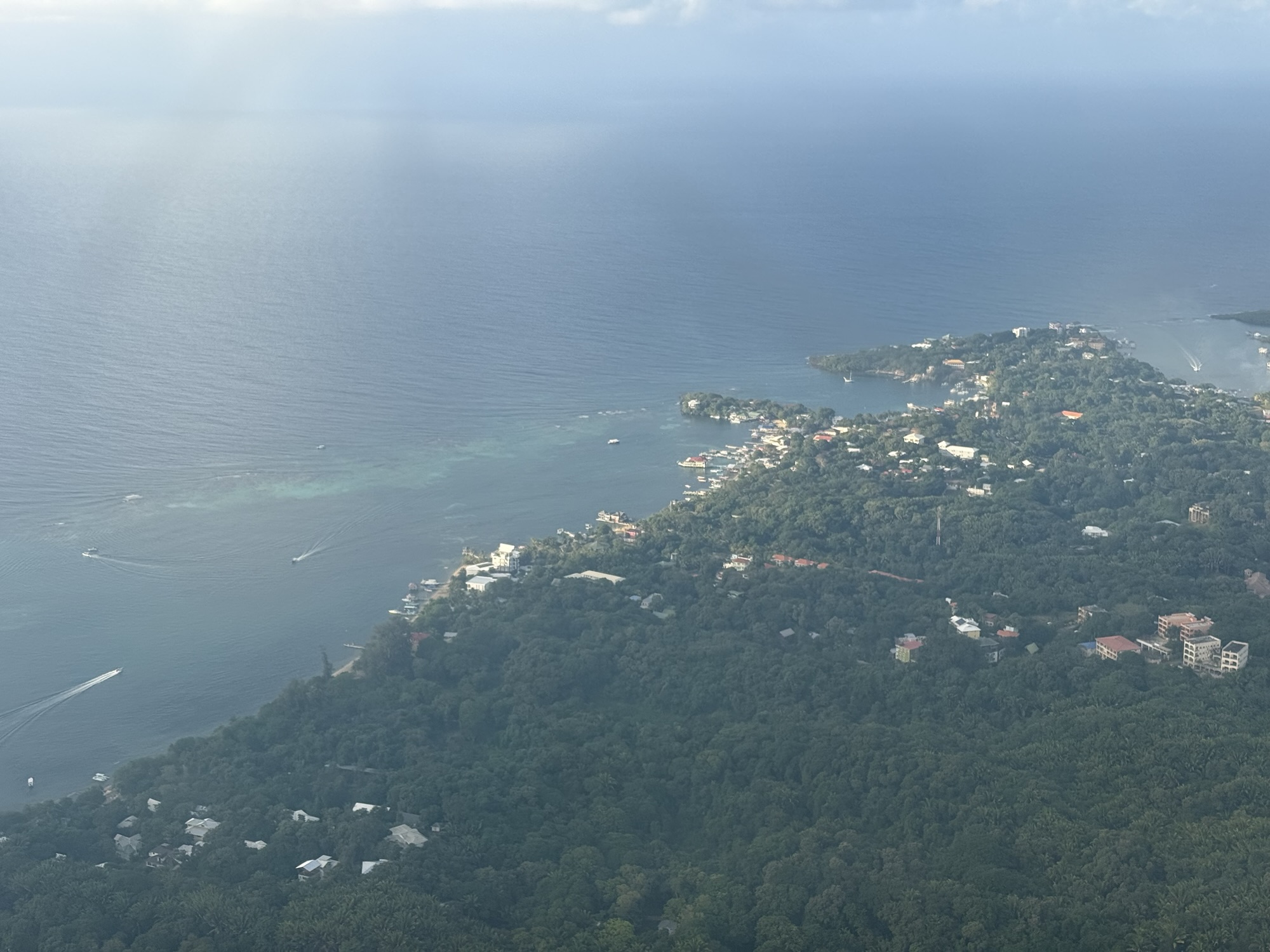
We left home yesterday at an unspeakably early hour. After 2 flights, we landed in San Pedro Sula and met up with Ali. The airport is small (so small – only 5 gates total for one of the largest airports in the country), yet clean and contemporary. Everybody we encountered was helpful, polite, and spoke some English. We loitered for several hours, then caught a small plane over to Roatán.

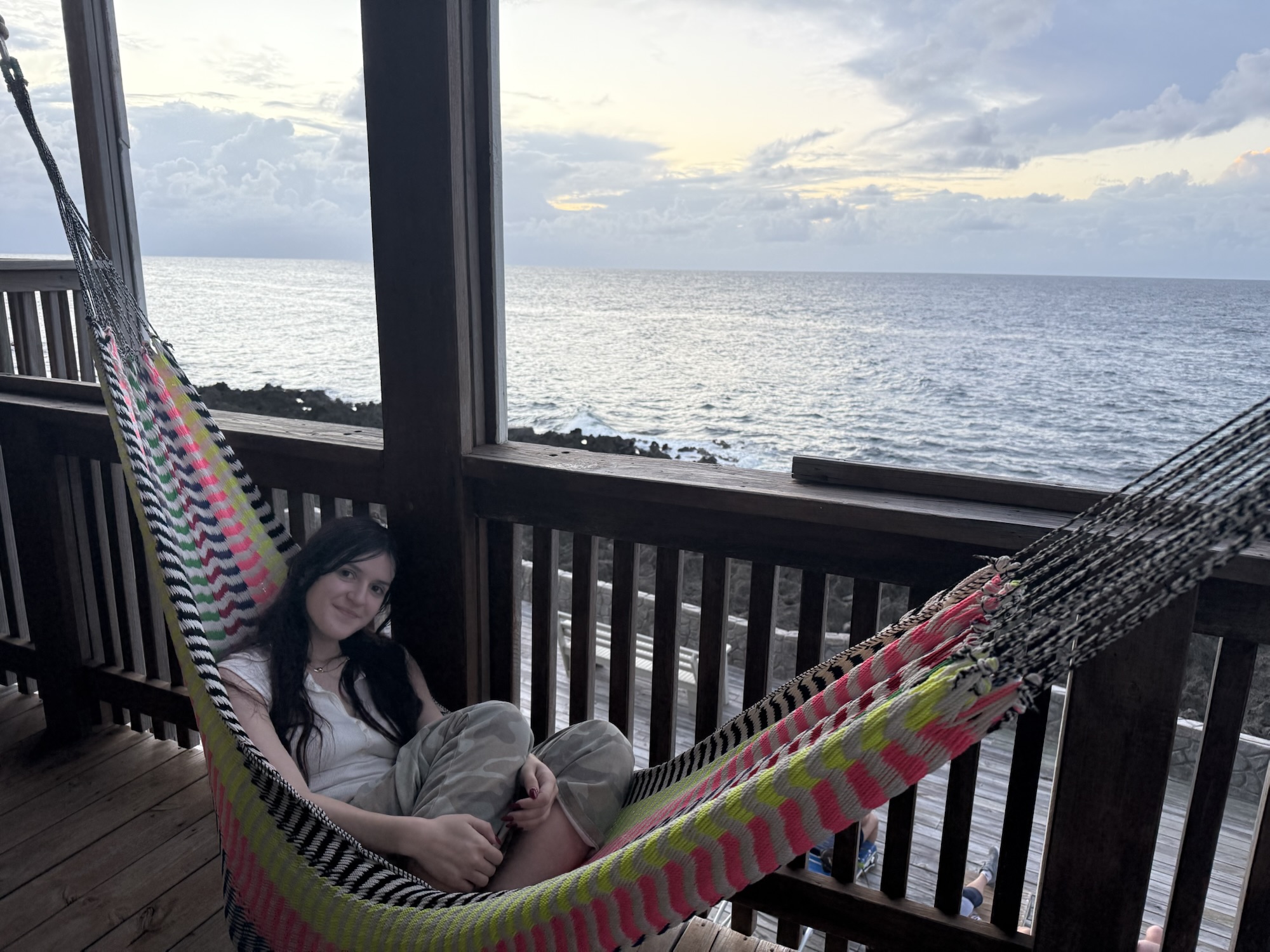
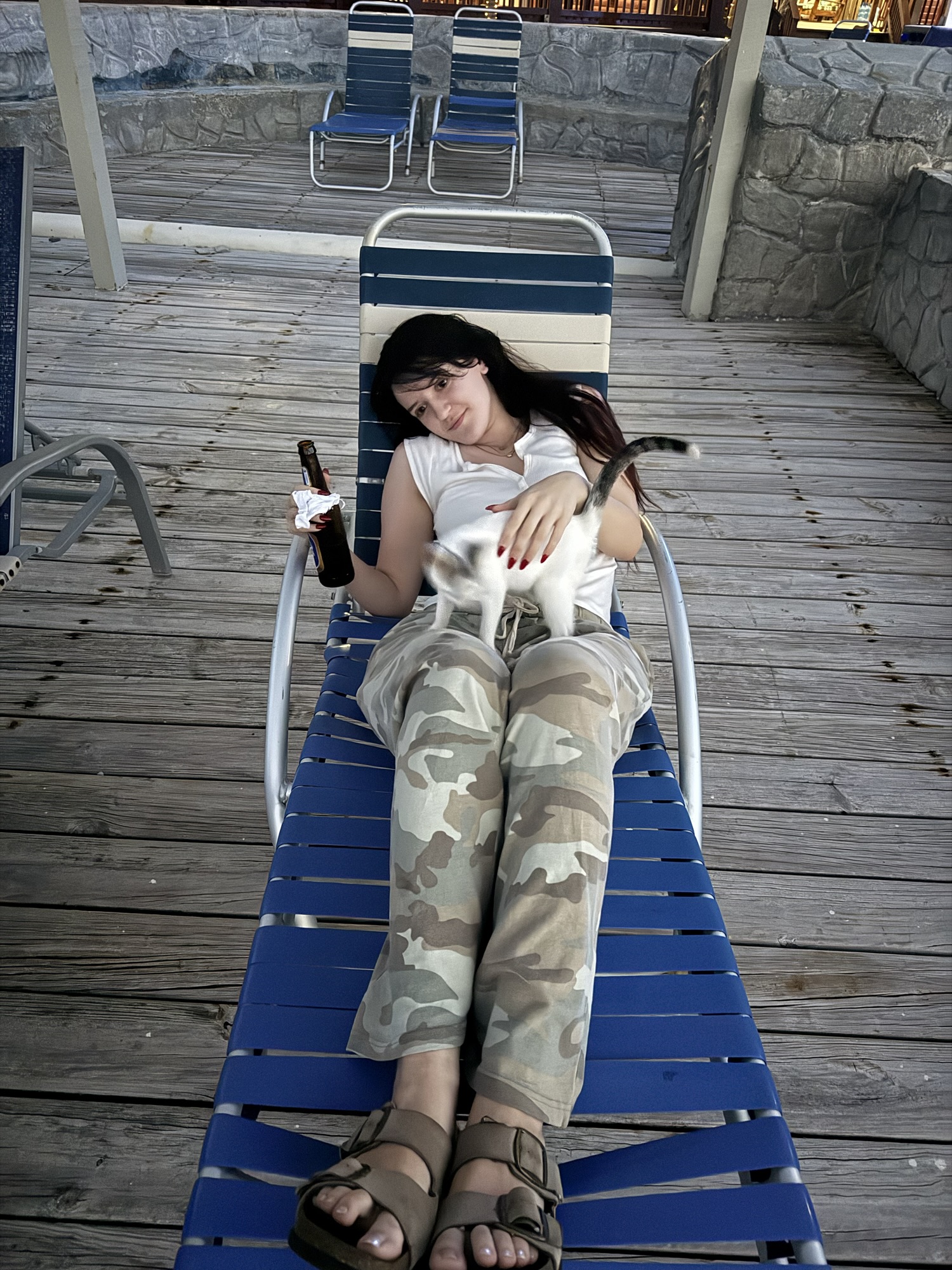
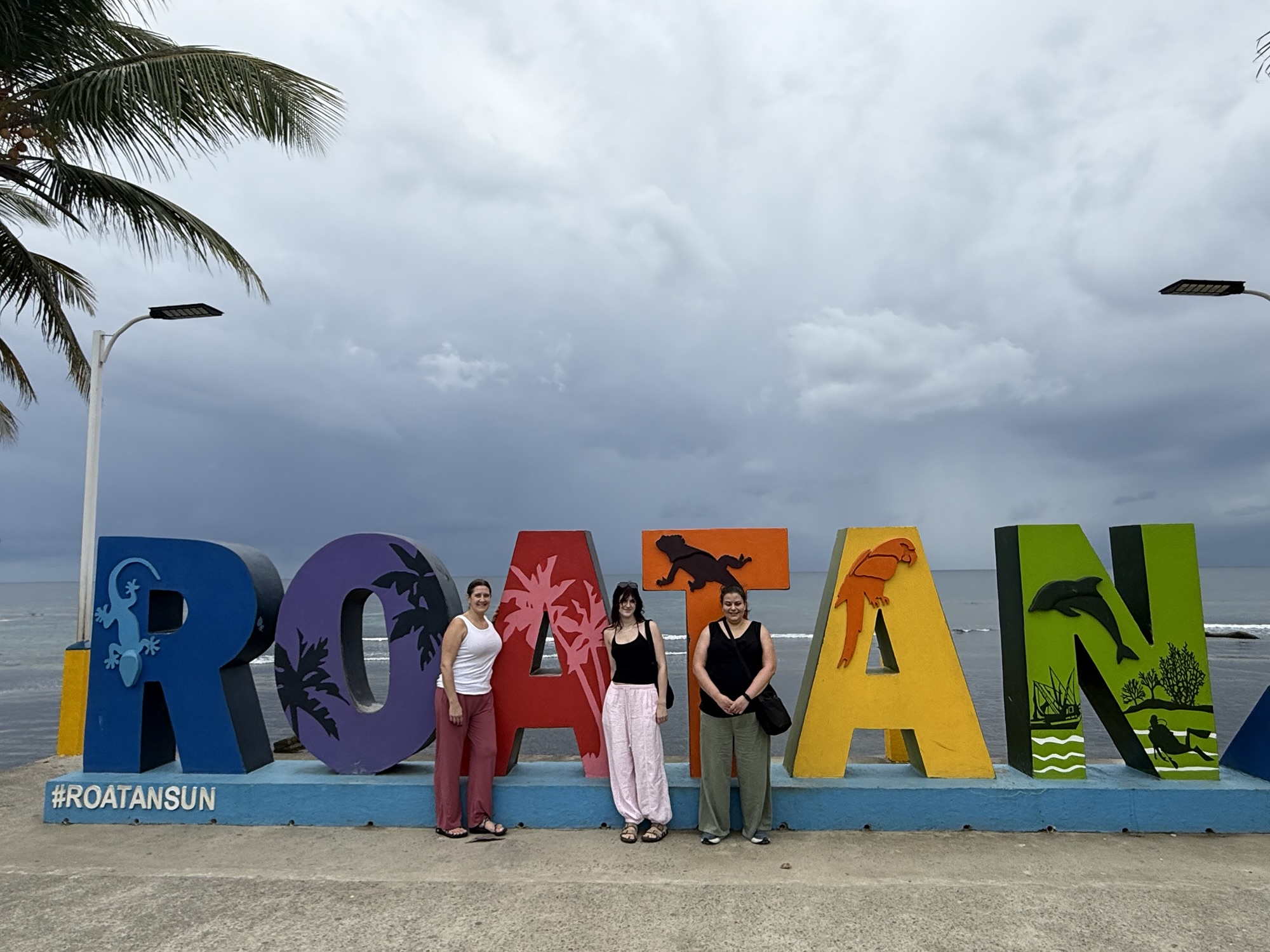
Our accommodations are older, but clean and directly on the water. Kid found the hammock on the balcony, as well as one of the resident kittens, so she’s happy!

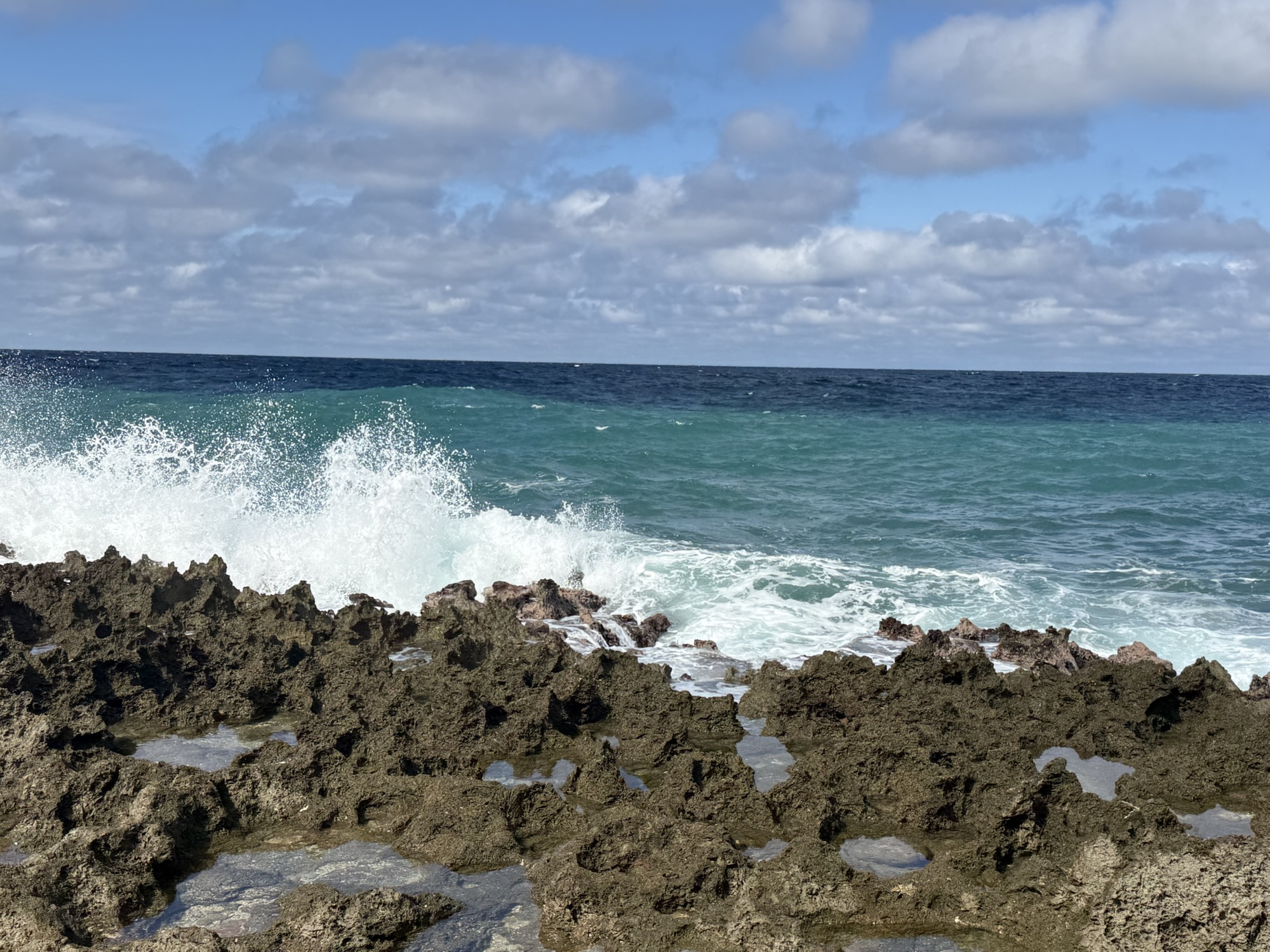
Surprising lesson #1: waterfront ≠ water access. The land between our hotel and the water appears to be all volcanic rock (although is probably coral since the island sits atop the 2nd largest coral reef ecosystem in the world). It’s jagged and absolutely not something one could traverse without a lot of time and a lot of injuries. I know not to expect beaches the way I’m used to them, but I did expect at least semi-flat land.

Today’s weather forecast wasn’t great, so we decided to go on a rather tourist-oriented tour including a wildlife sanctuary, a chocolate museum/factory/store, and a rum distillery/store.

Surprising lesson #2: Roatán locals speak English natively and learn Spanish in grade school. The English is a bit of a pidgin or creole, with bits of Spanish and local tongues mixed through.

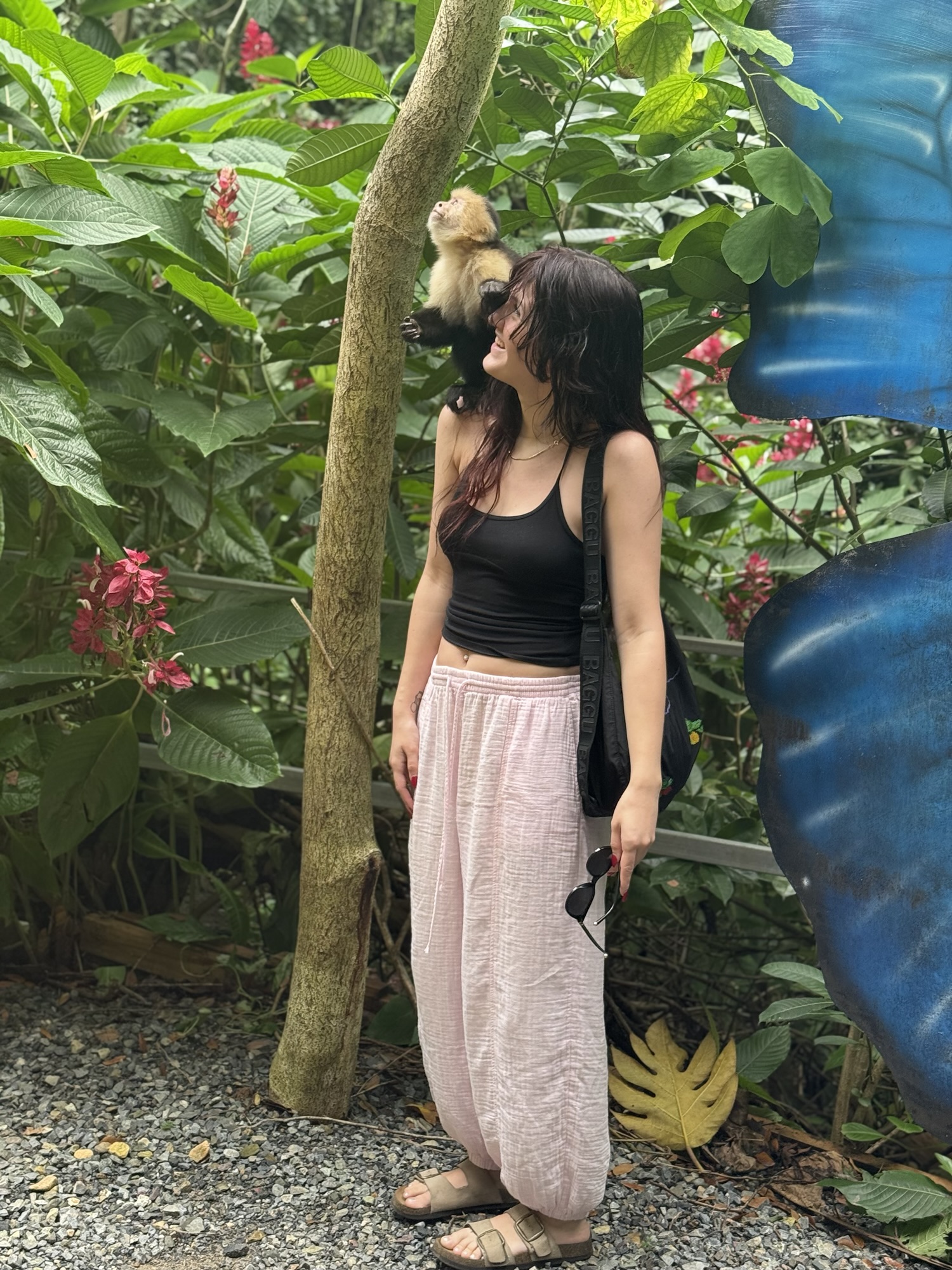
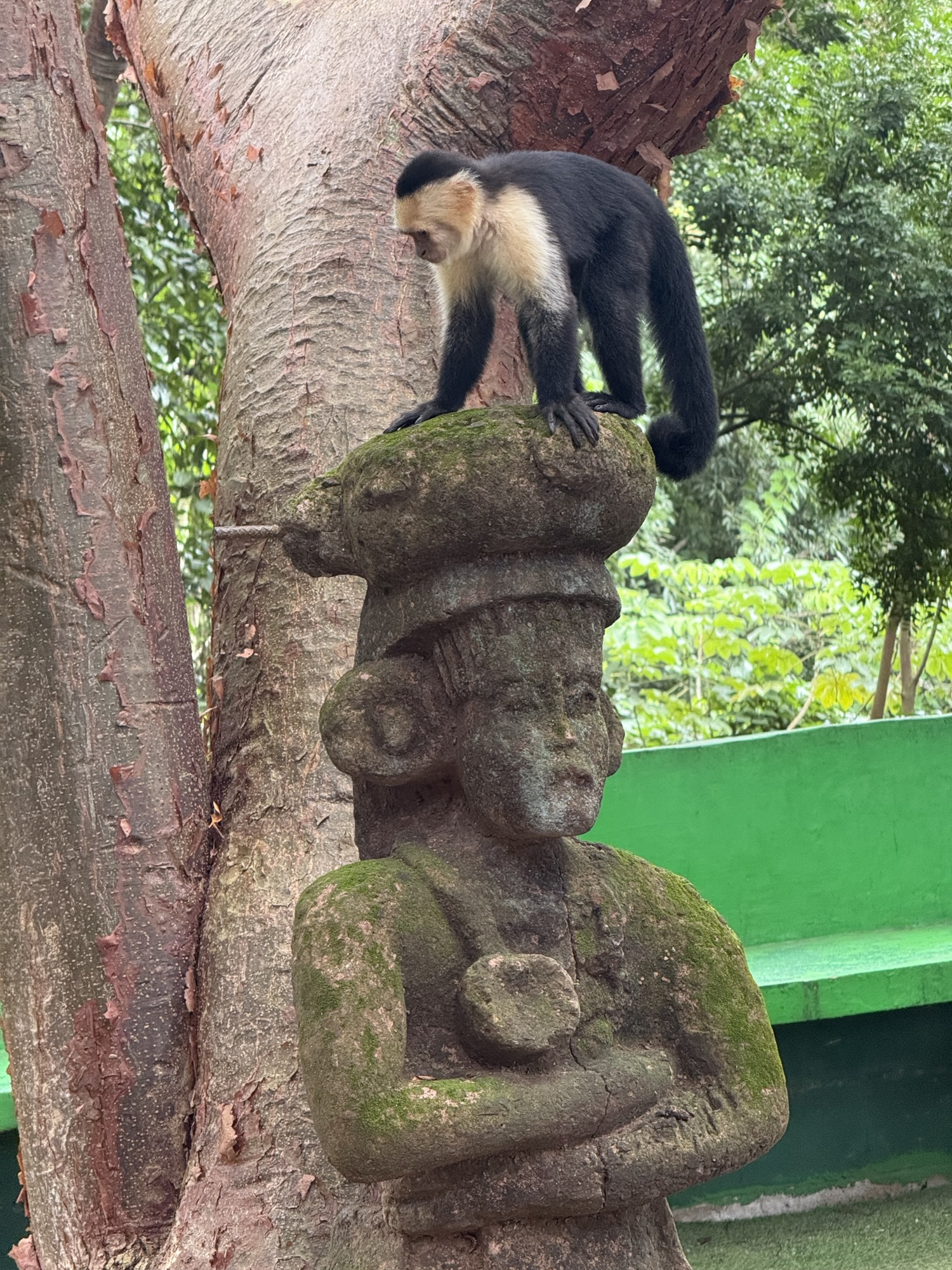
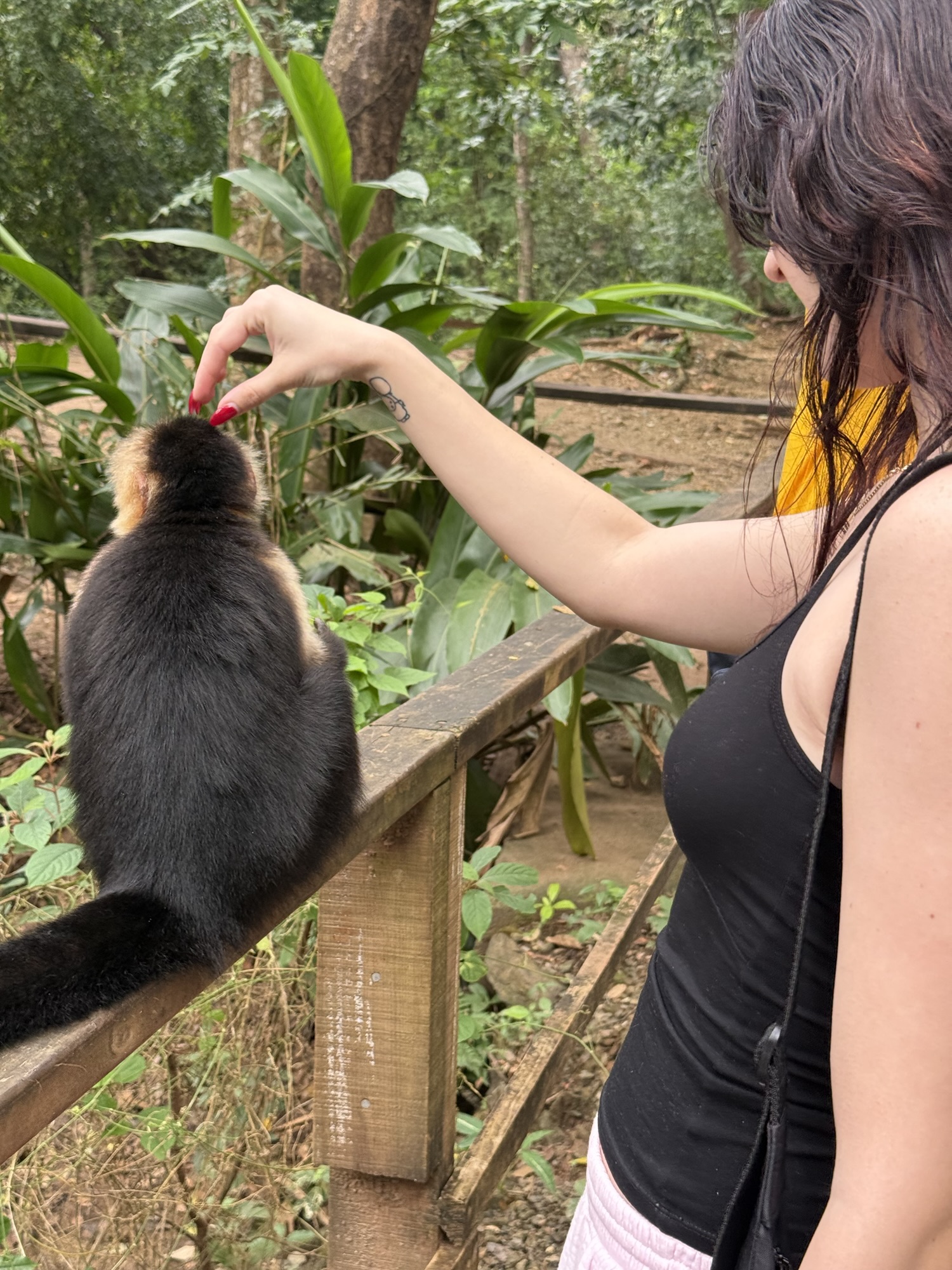
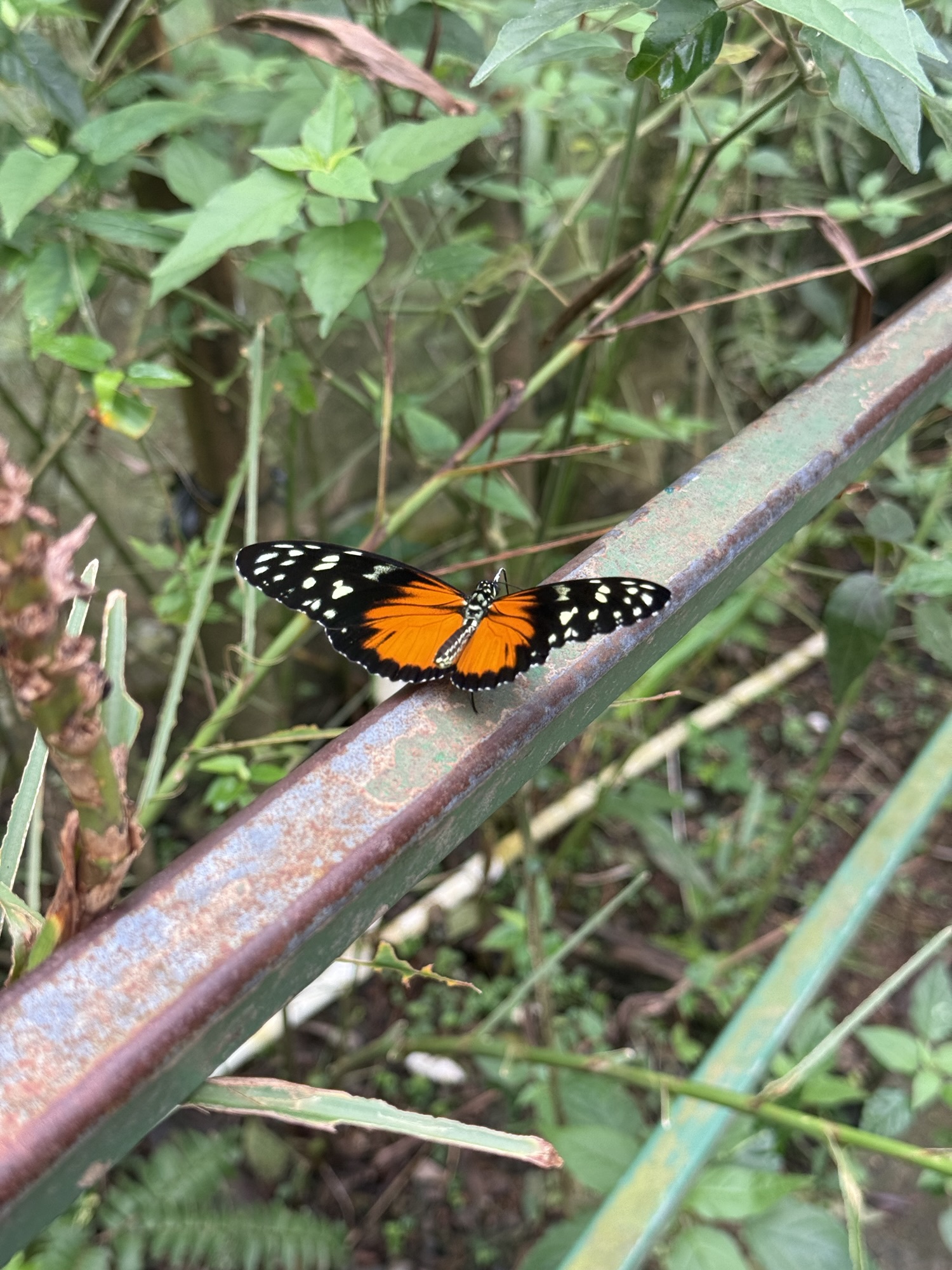
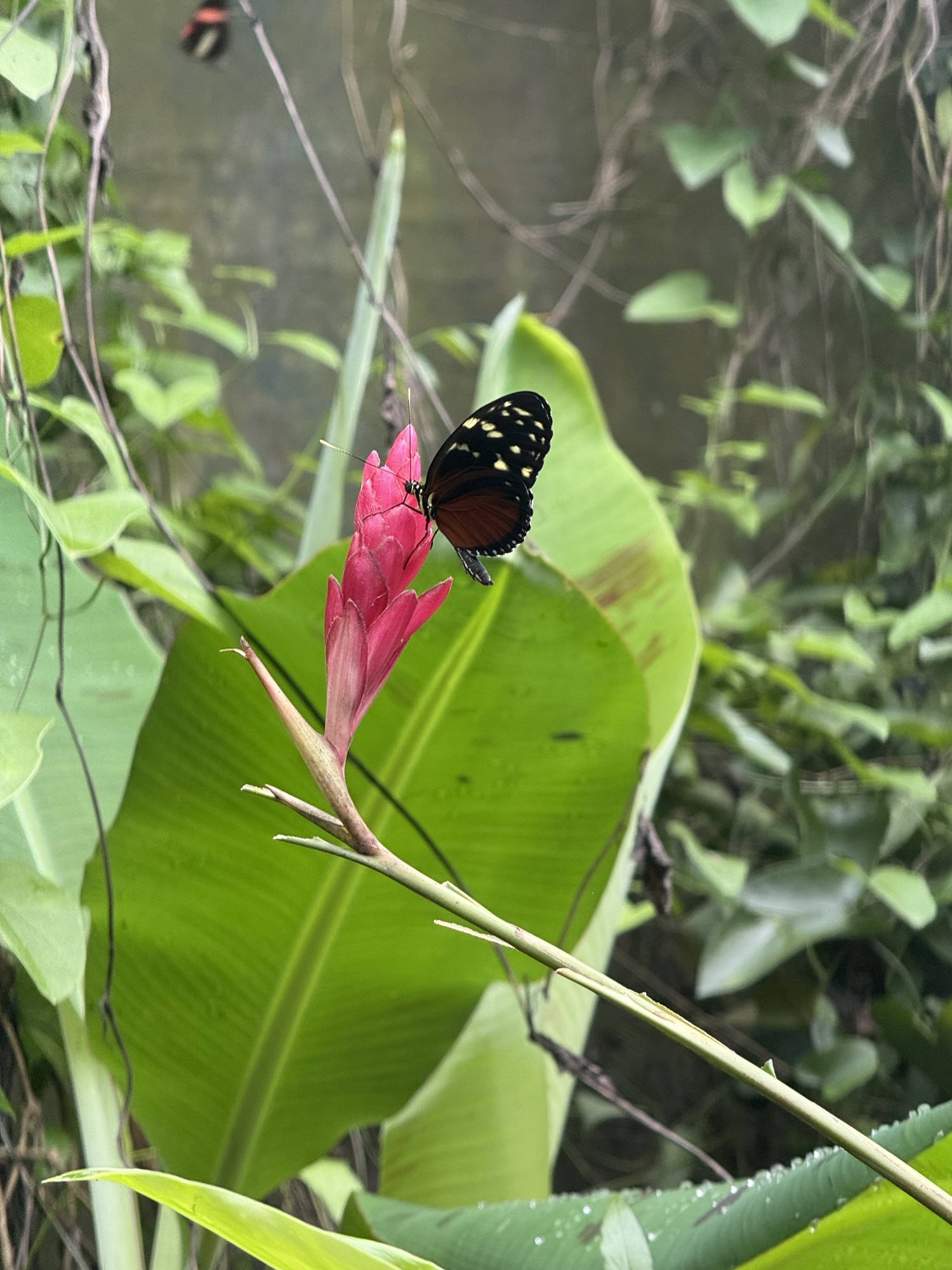
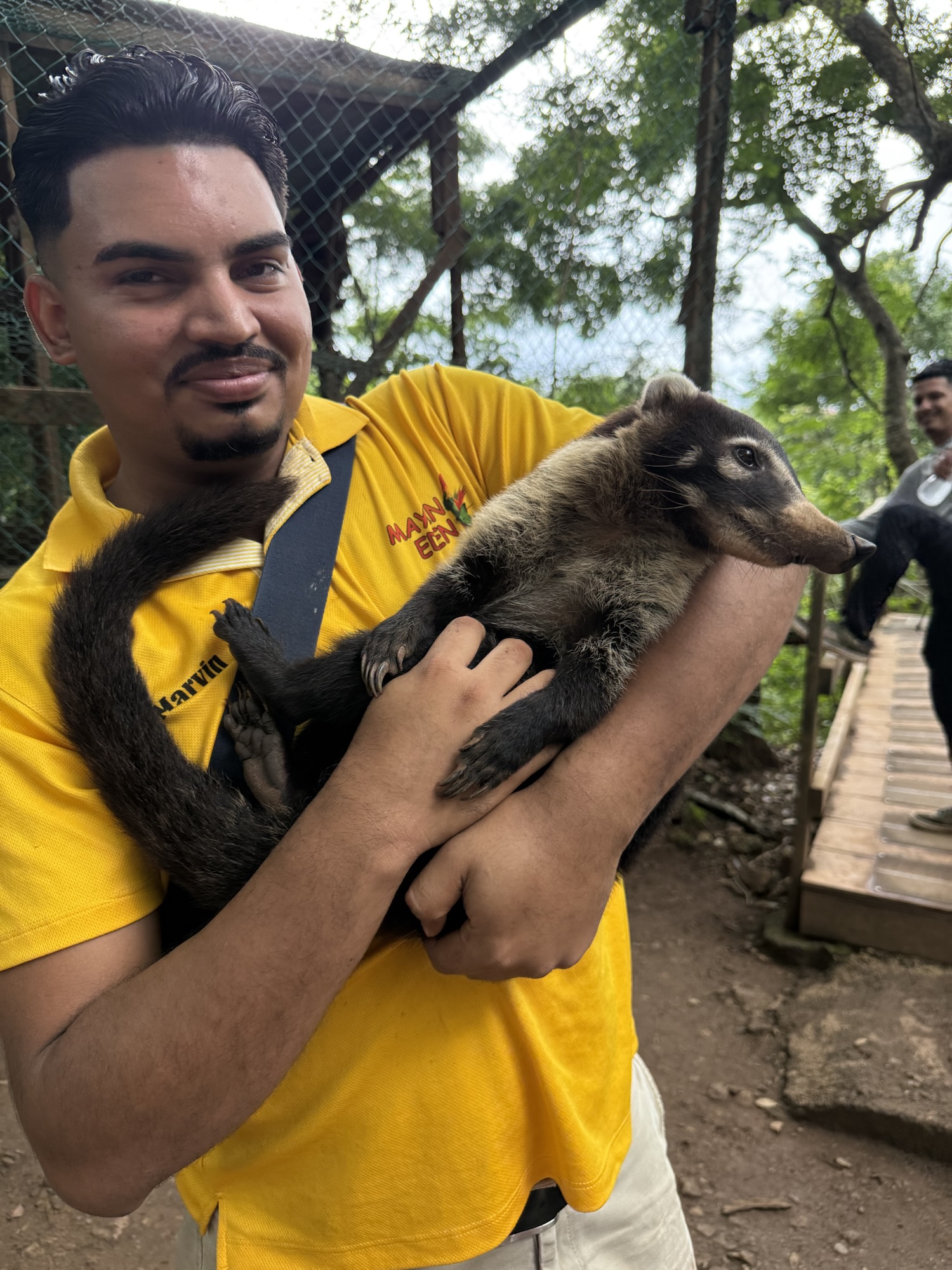
Maya Eden is a wildlife sanctuary with many native critters on display. We explored the butterfly garden and then, before we could move on, we met Ho-Ho the white-faced capuchin who loves taking grapes from your hand!

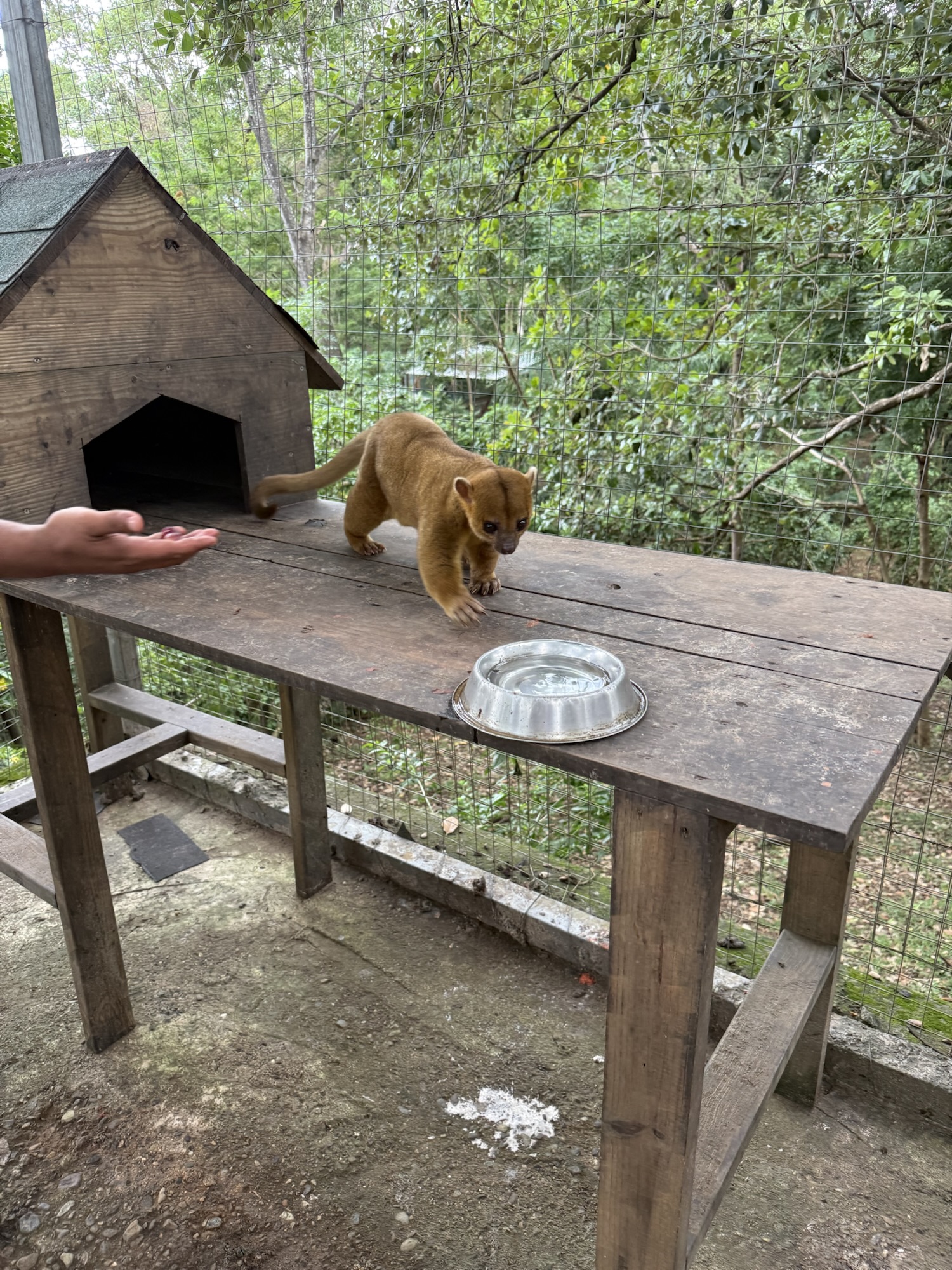
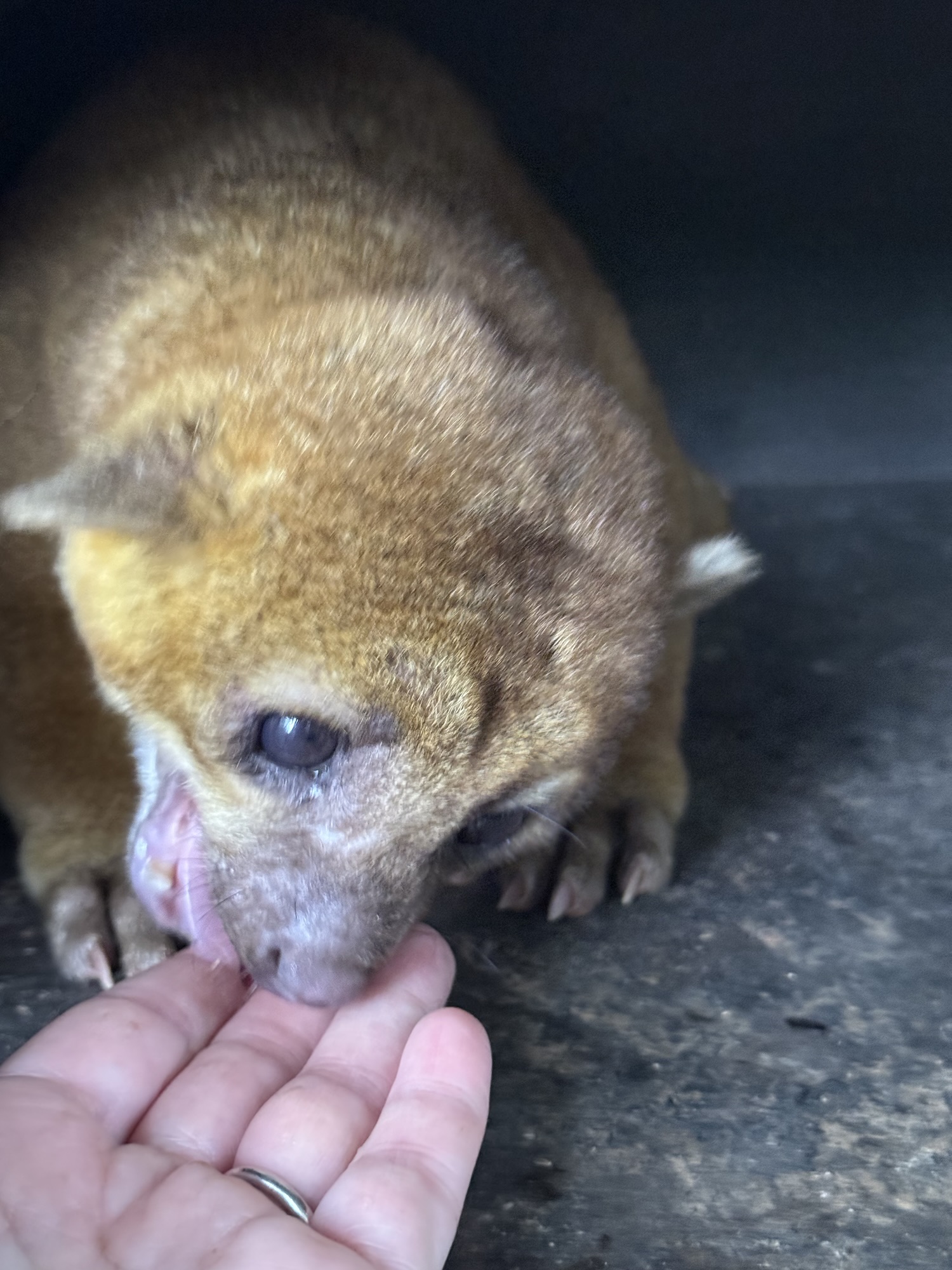
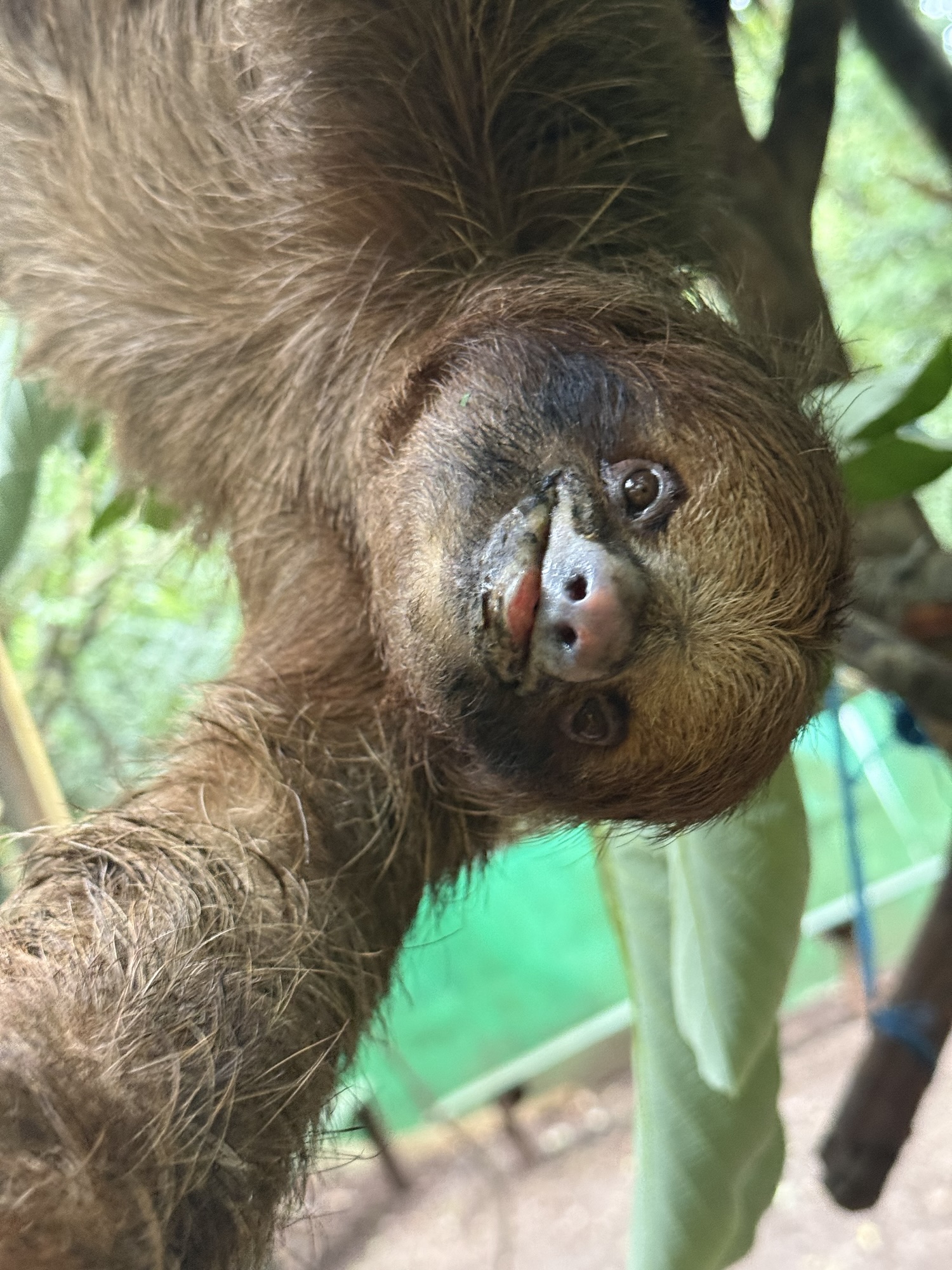
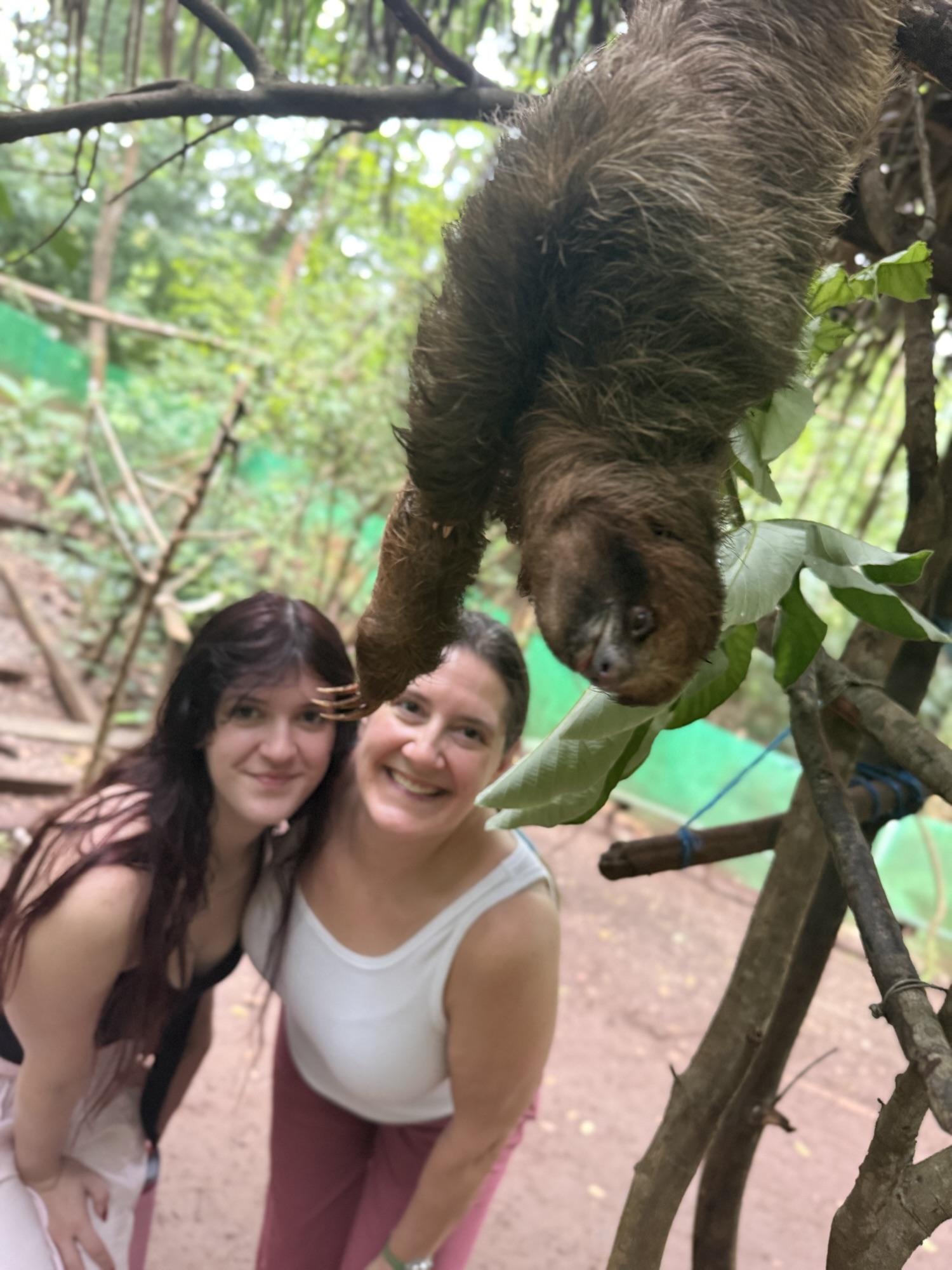
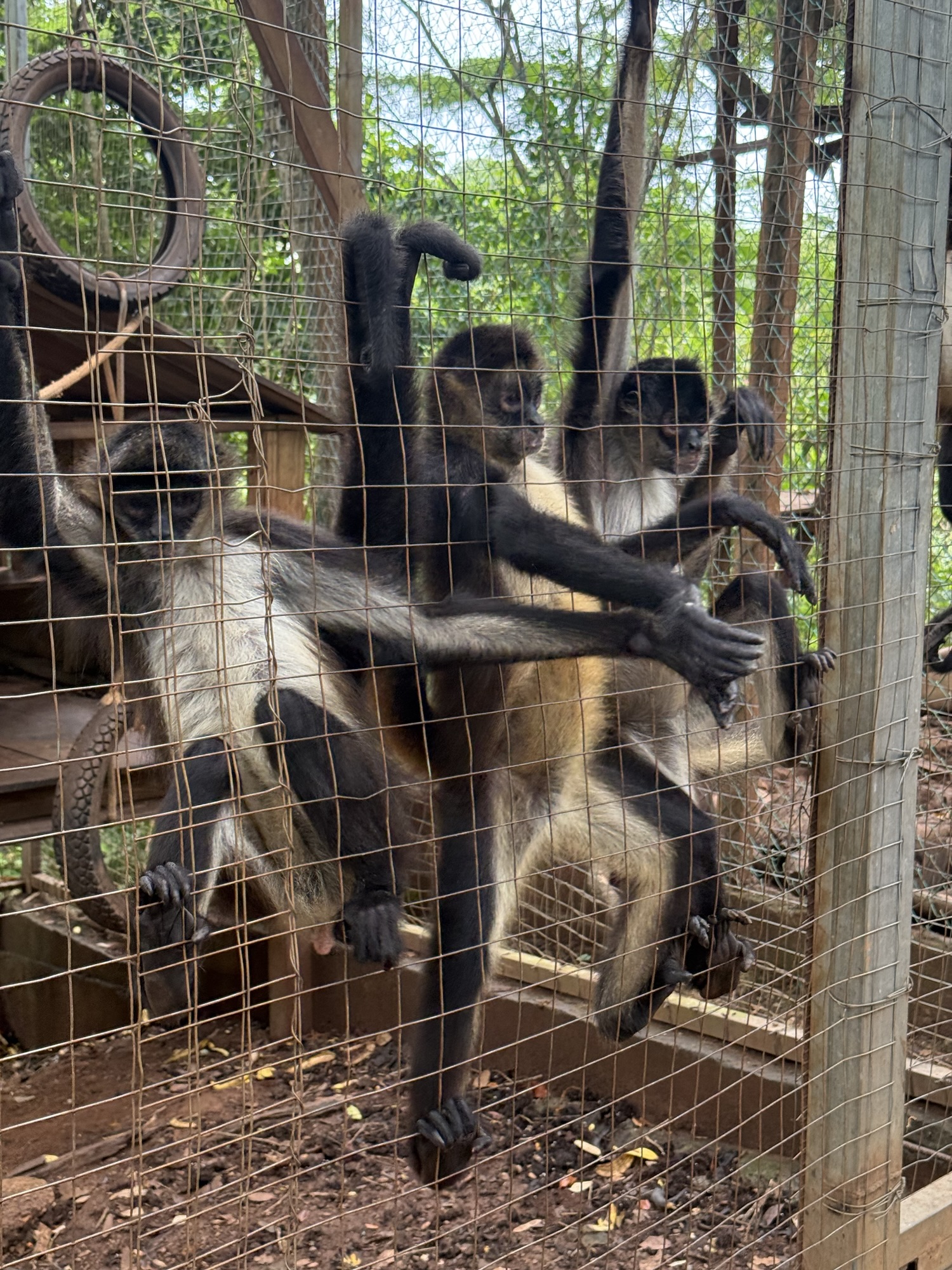
We spent an hour meeting other animals native to the country, from butterflies to macaws to monkeys. It is so special to be able to feed a spider monkey a peanut from your hand or to give a kinkajou a grape.

It started raining just as we left the animal park, so we were grateful that the remaining activities were indoors. After hitting the chocolate and rum factories and getting some coffee, we went back to the hotel to relax.

Surprising lesson #3: Roatán almost exclusively uses USD (of which we do not have a ton with us since I didn’t read that in any of my pre-travel research materials!) while the mainland generally will only accept local currency – limperas.

Roatán reminds me a fair amount of Tahiti. Houses are either expensive and fancy, or they are very simple cinder-block builds with outhouses. Our guide was saying that many Americans and Canadians buy property here, and while some of that is good for the economy, there’s a tipping point.

Similarly, Roatán gets a lot of cruise ships. A LOT. On many days, 4 massive ships will arrive at the same time, releasing enough people to nearly double the population of the island in an instant. Those people spend money and that’s great, but they also all need transportation around the island and need to eat, straining the limited infrastructure of the local communities. A good reminder to be mindful of your impact when traveling, to use local tours and guides, and to tip overly-generously always.

We spent the afternoon playing games, reading, and relaxing. Anna-Sophia and Ali are completely obsessed with the cats so that provided them with nearly-infinite entertainment.

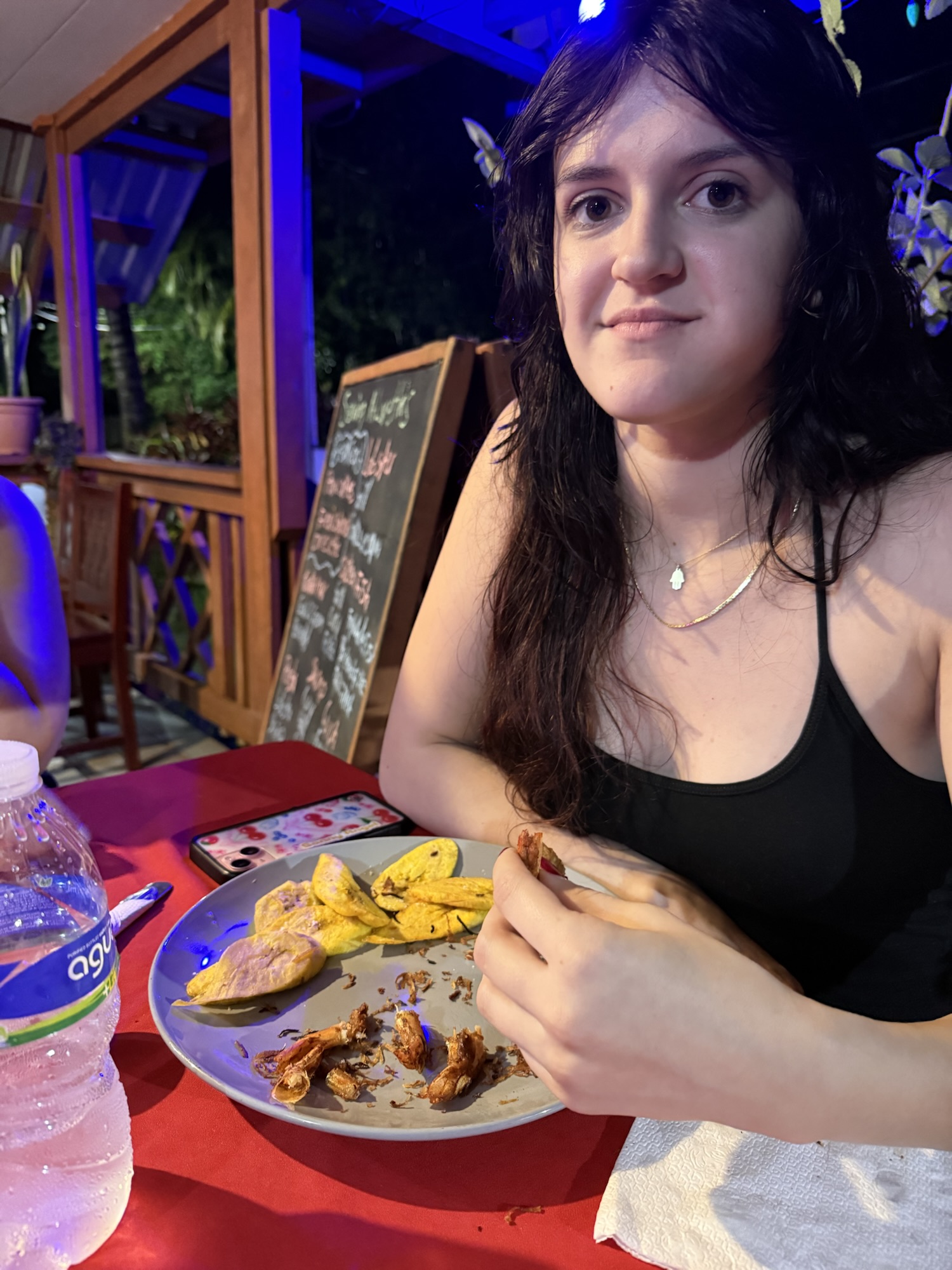
We walked around town for a bit once the rain subsided. Town is mostly bars/restaurants, and many have a strong tourist vibe that wasn’t of interest. We had dinner at a little local place called Loretta’s Island Cooking and it was wonderful! My blackened fish was seasoned perfectly and crispy on the outside without being dry. Anna-Sophia and Ali had shrimp. 3 meals here, 100% shrimp for Anna-Sophia.

Even with the rain, it was a perfectly lovely day. Not being at work certainly helps!

Relaxation, maximized

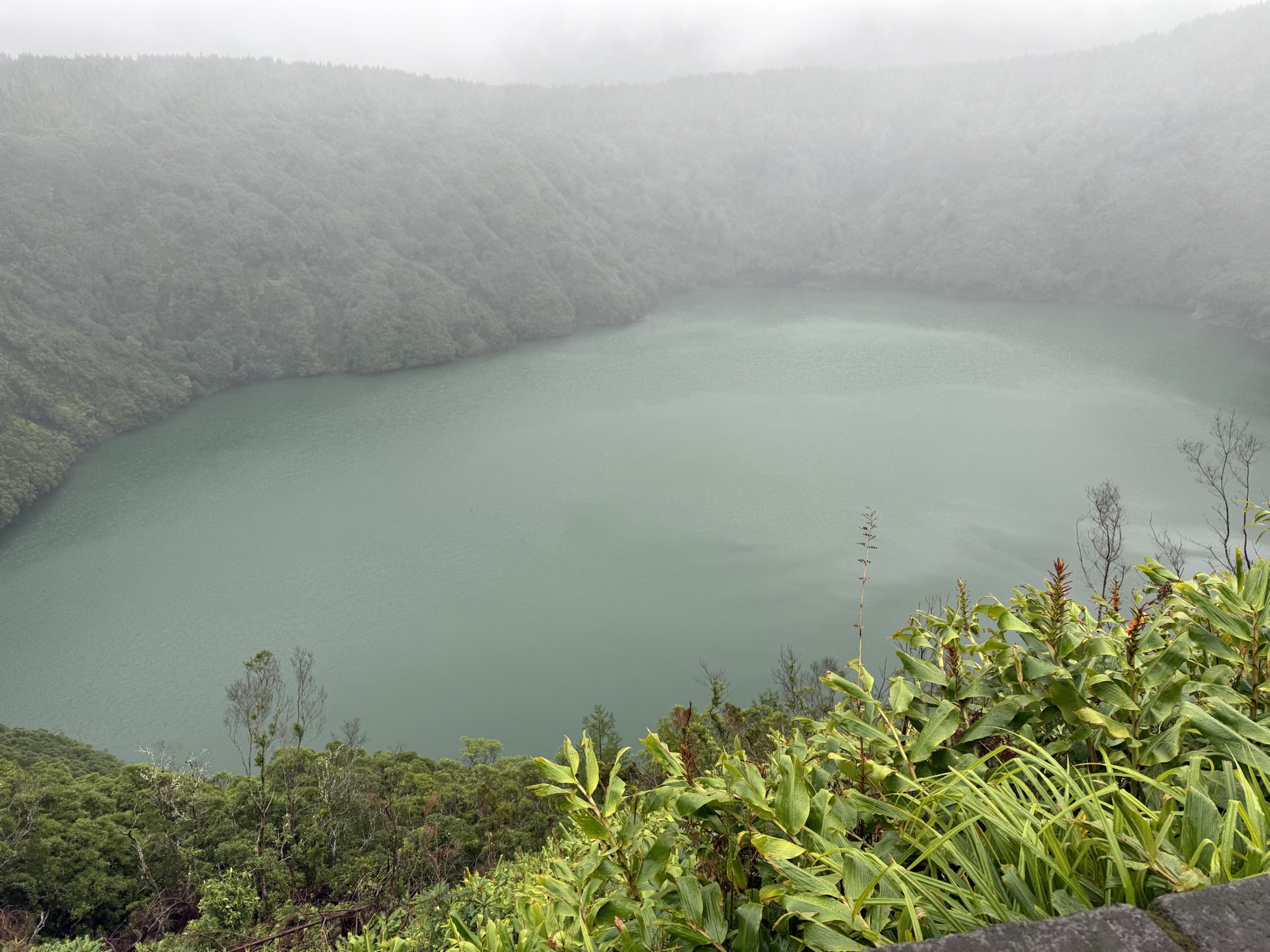
Sunday we checked out of our “urban” hotel and we hit the road to the east. As usual, the weather was mixed, with clouds and fog at higher elevations, so you’ll have to trust me when I say that there are lakes here.

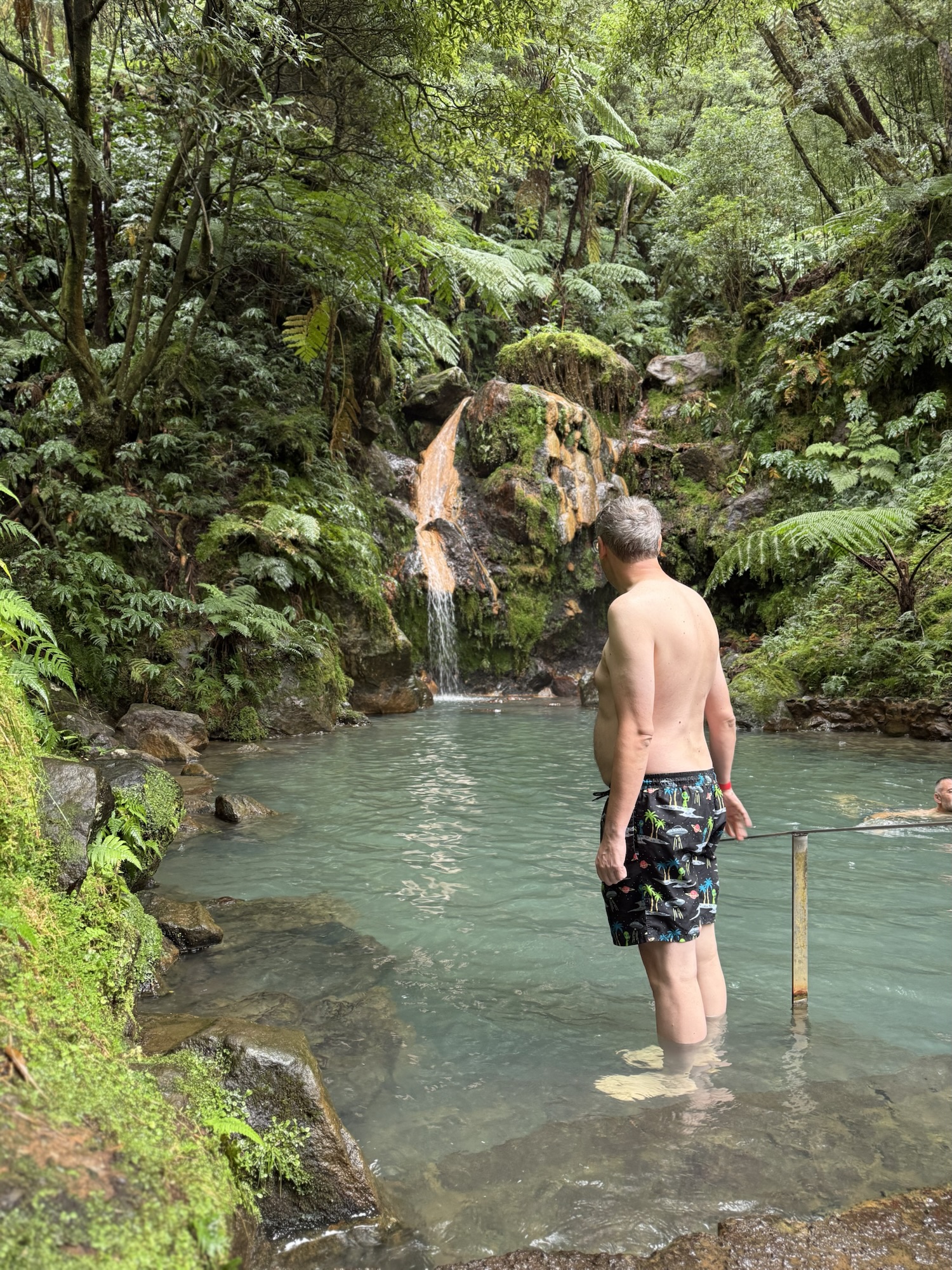
We had a hot spring booking at Caldeira Velha to attend to, and thankfully, those are not dependent on clear skies. There is a pool at the bottom of a waterfall, which is gorgeous to look at but definitely much too cold for me to test out.

Luke, thinking twice about that water

These springs had a strong locals vibe – we were pretty much the only English-speakers around – and the setting was gorgeous. We fully enjoyed our allotted 90 minutes in the springs.

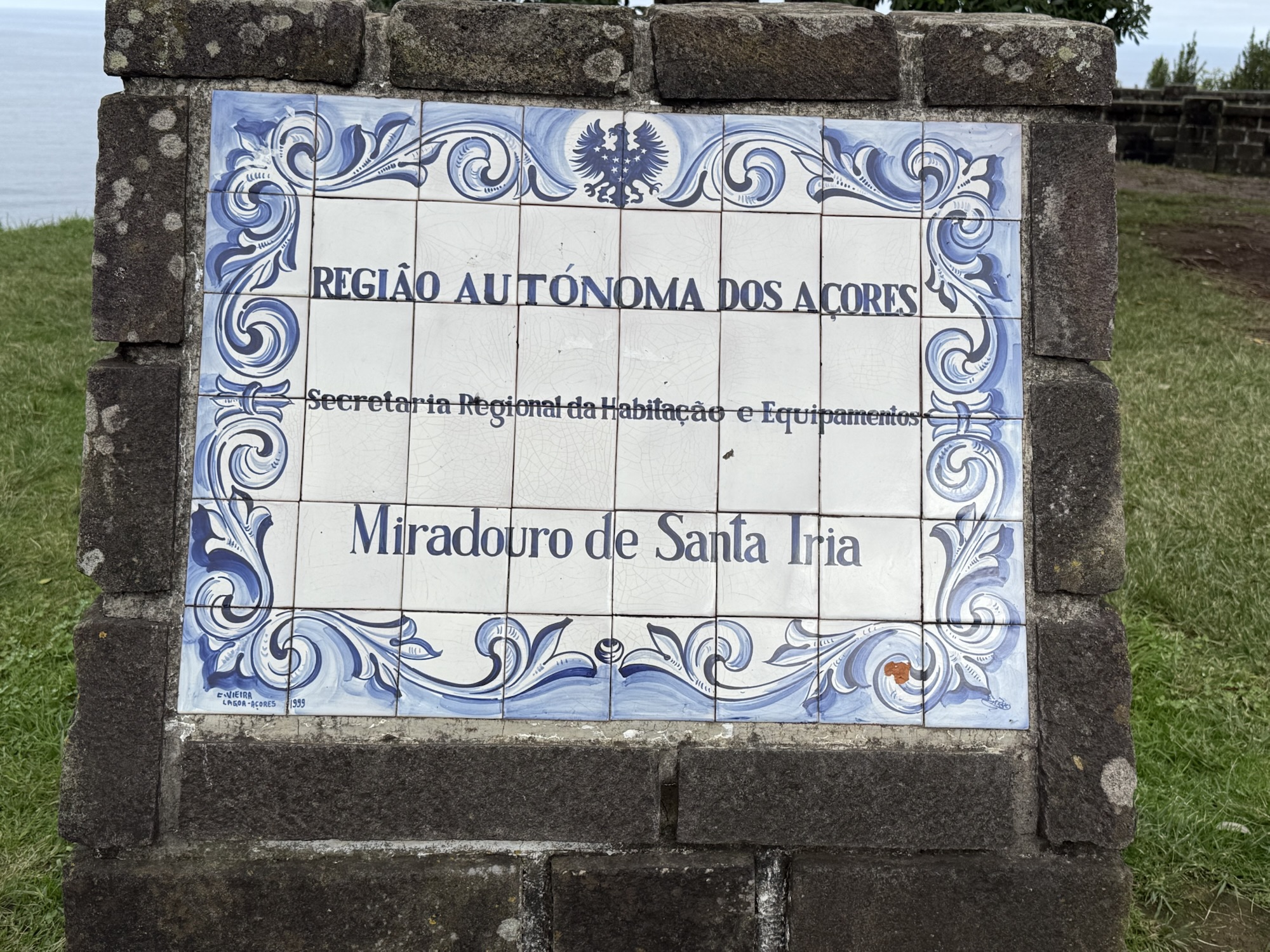
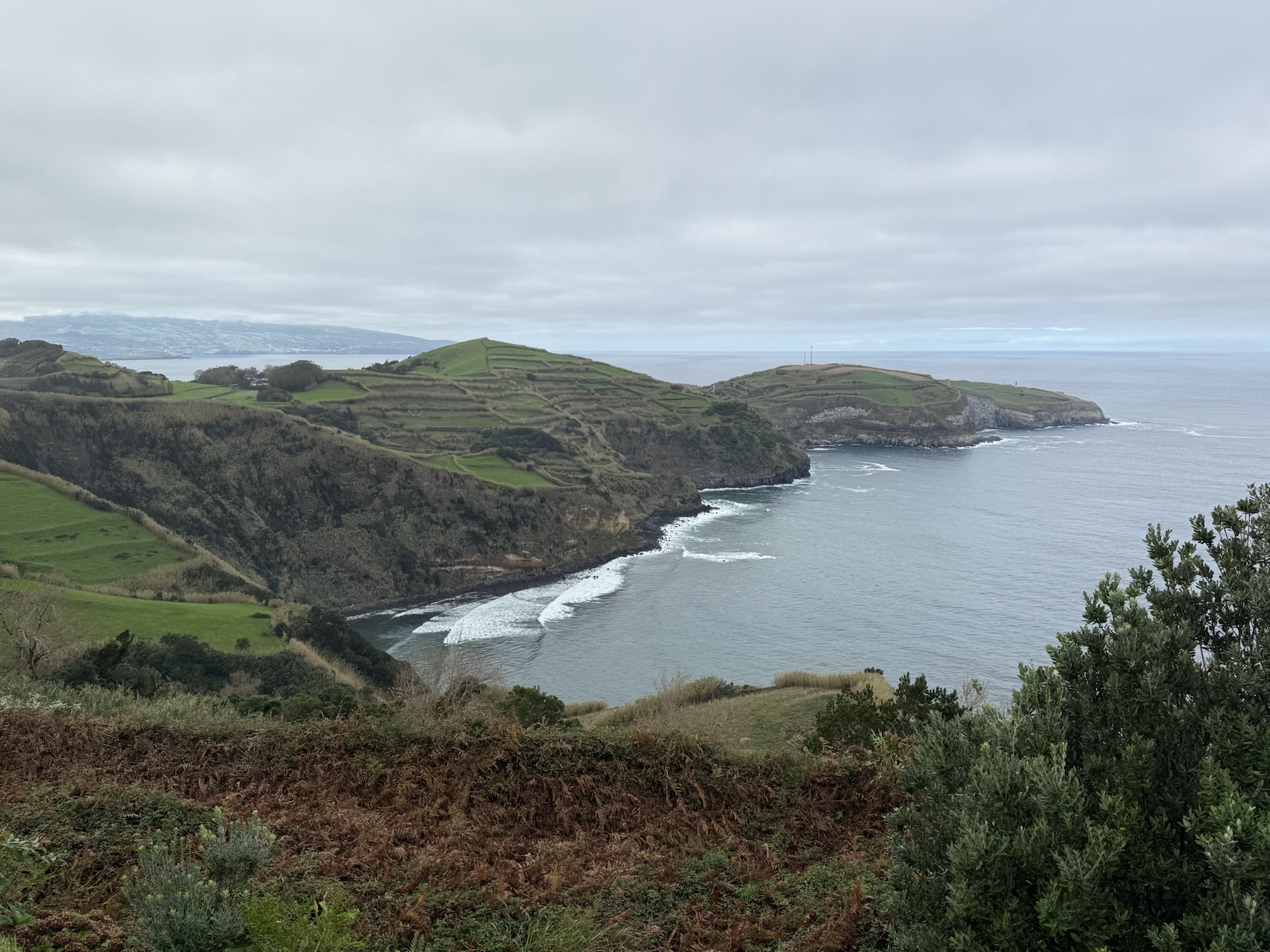
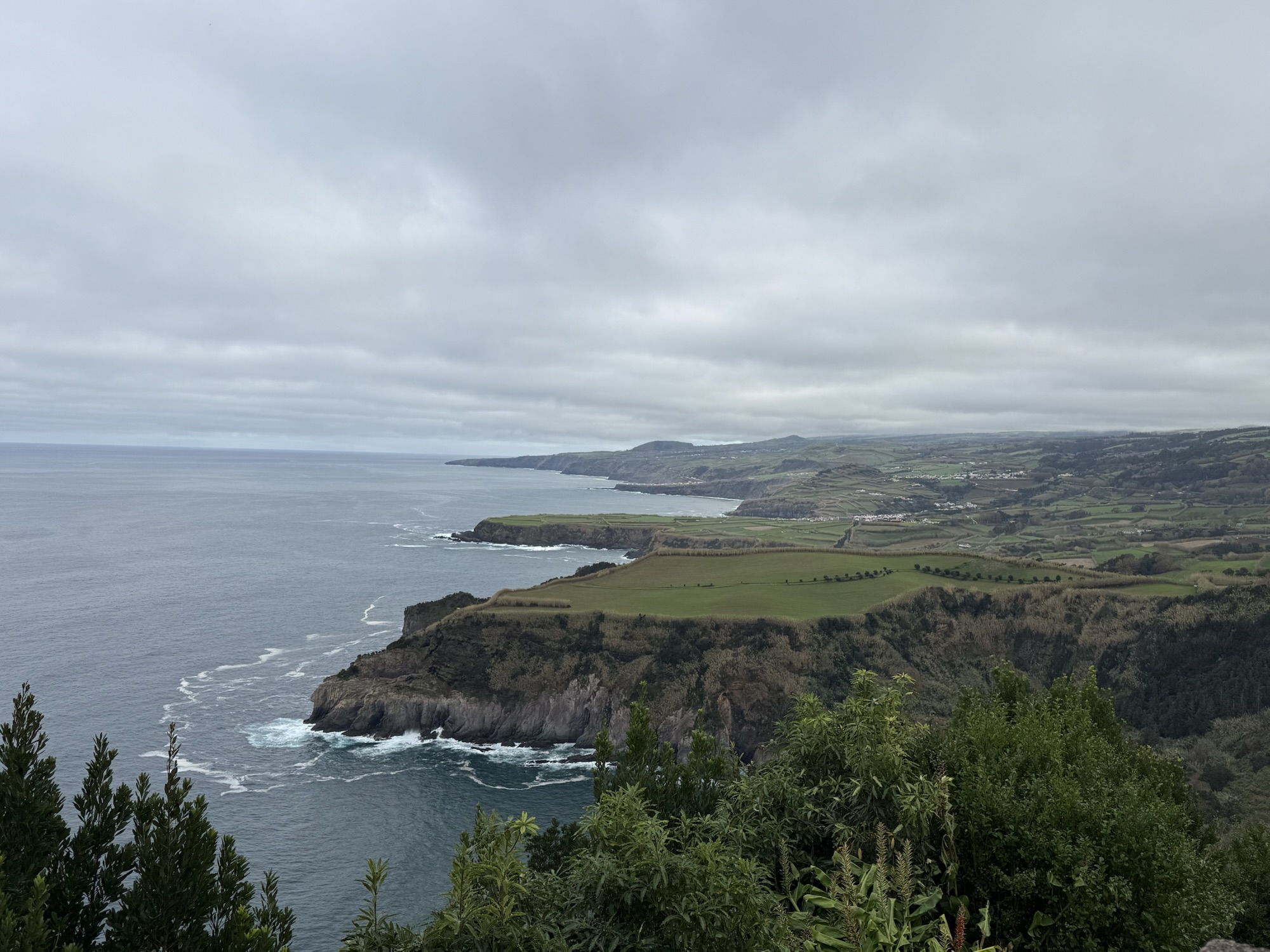
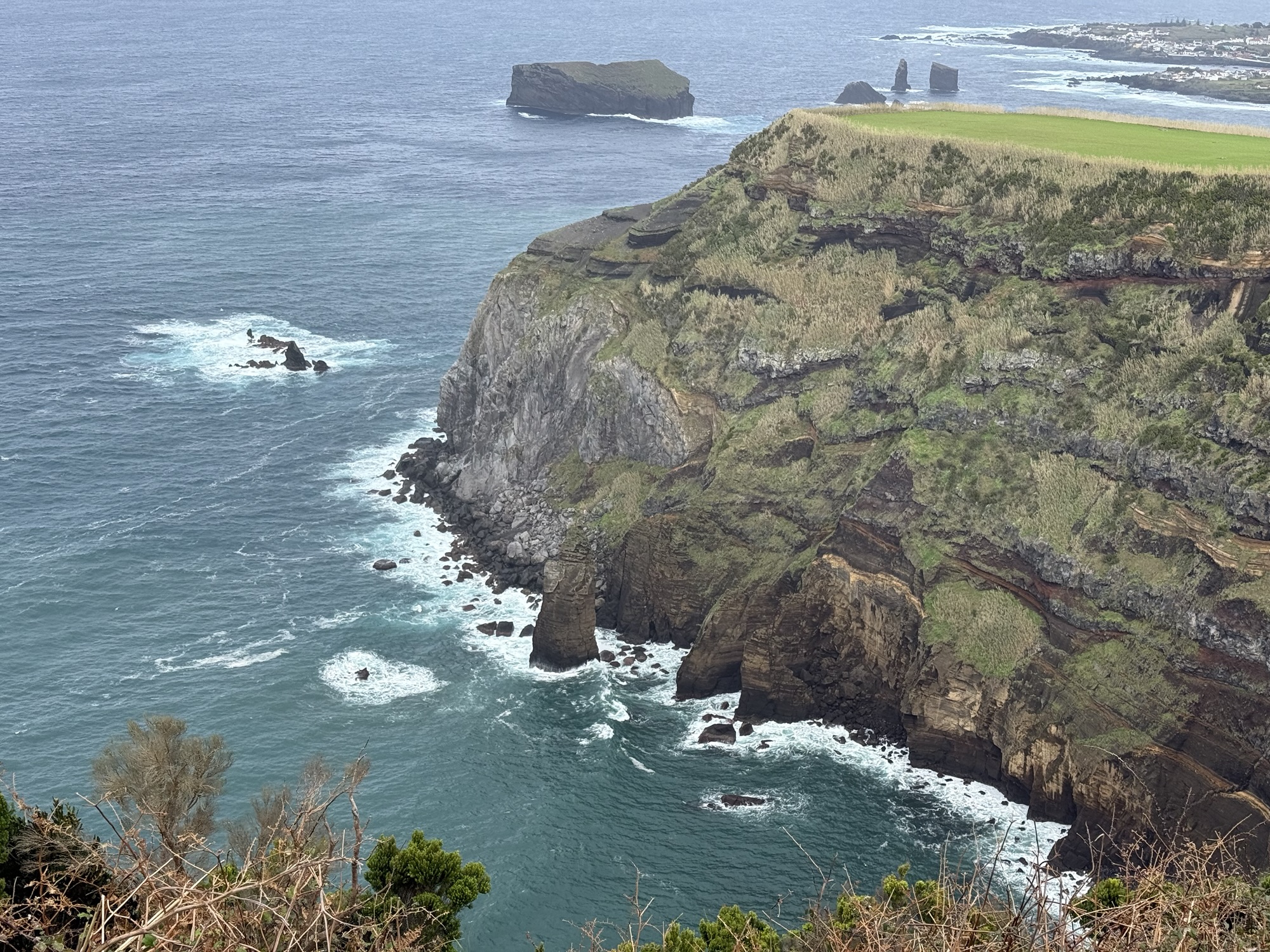
The next few hours were spent touring around the middle-east part of the island. The Saint Iria viewpoint was lovely, with a view of the dramatic cliffs and coastline as far as the eye could see.

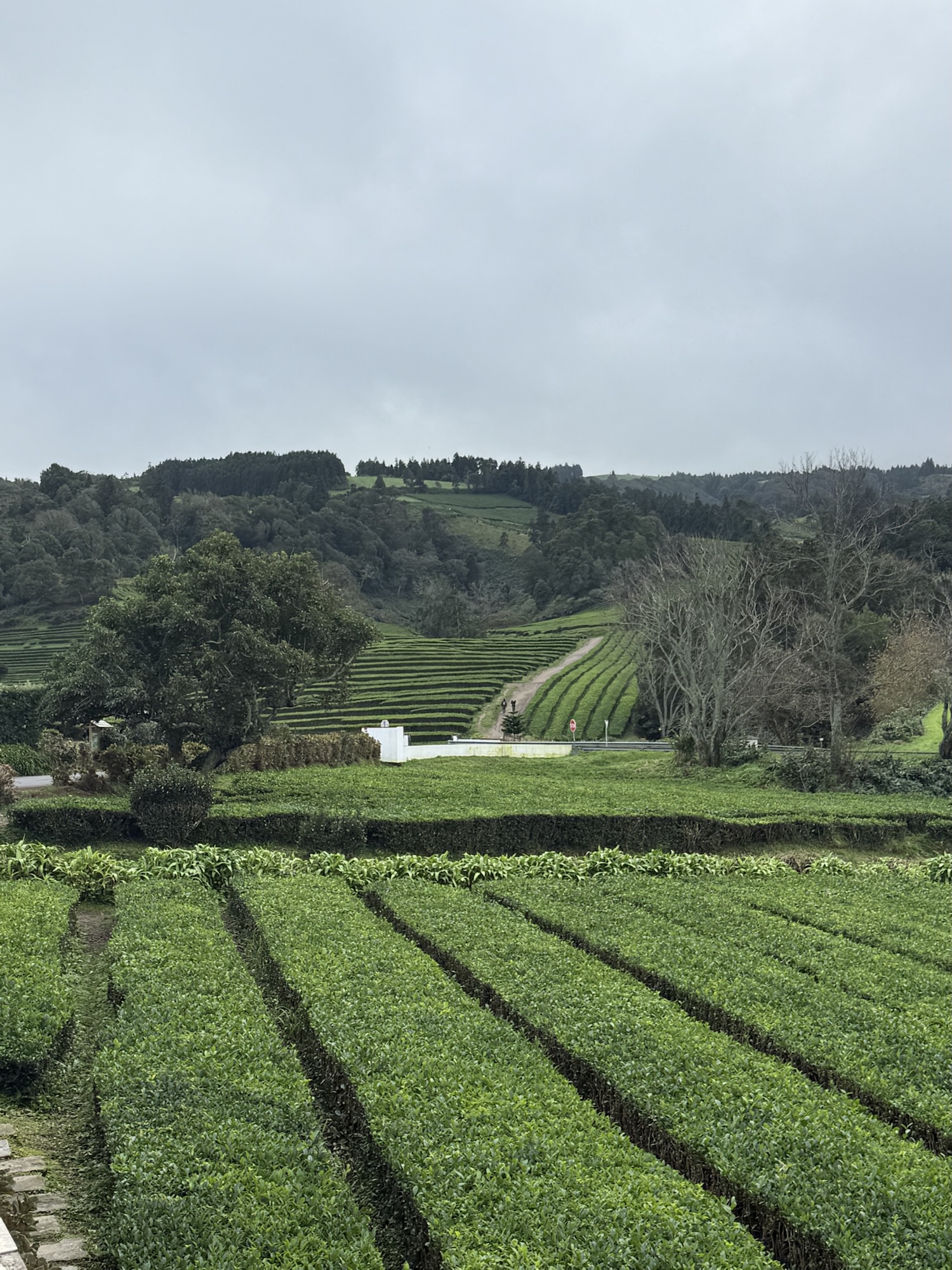
The GPS in the car had some truly creative ideas about how to get to various places. We went to a tea plantation (oddly, the Azores have the only tea plantations in all of Europe), and the car GPS took us basically through farms, down a crazy steep hill, around a town (requiring a turn from a tiny street onto another tiny street – small enough and blind enough that a local had to help signal when I could make the turn because I couldn’t pull out enough to see without fully entering the crossing traffic lane), and then the GPS told us to basically go around a traffic circle and do all those steps in reverse!

Tea. Not my thing, but I appreciate the tidy rows of plants

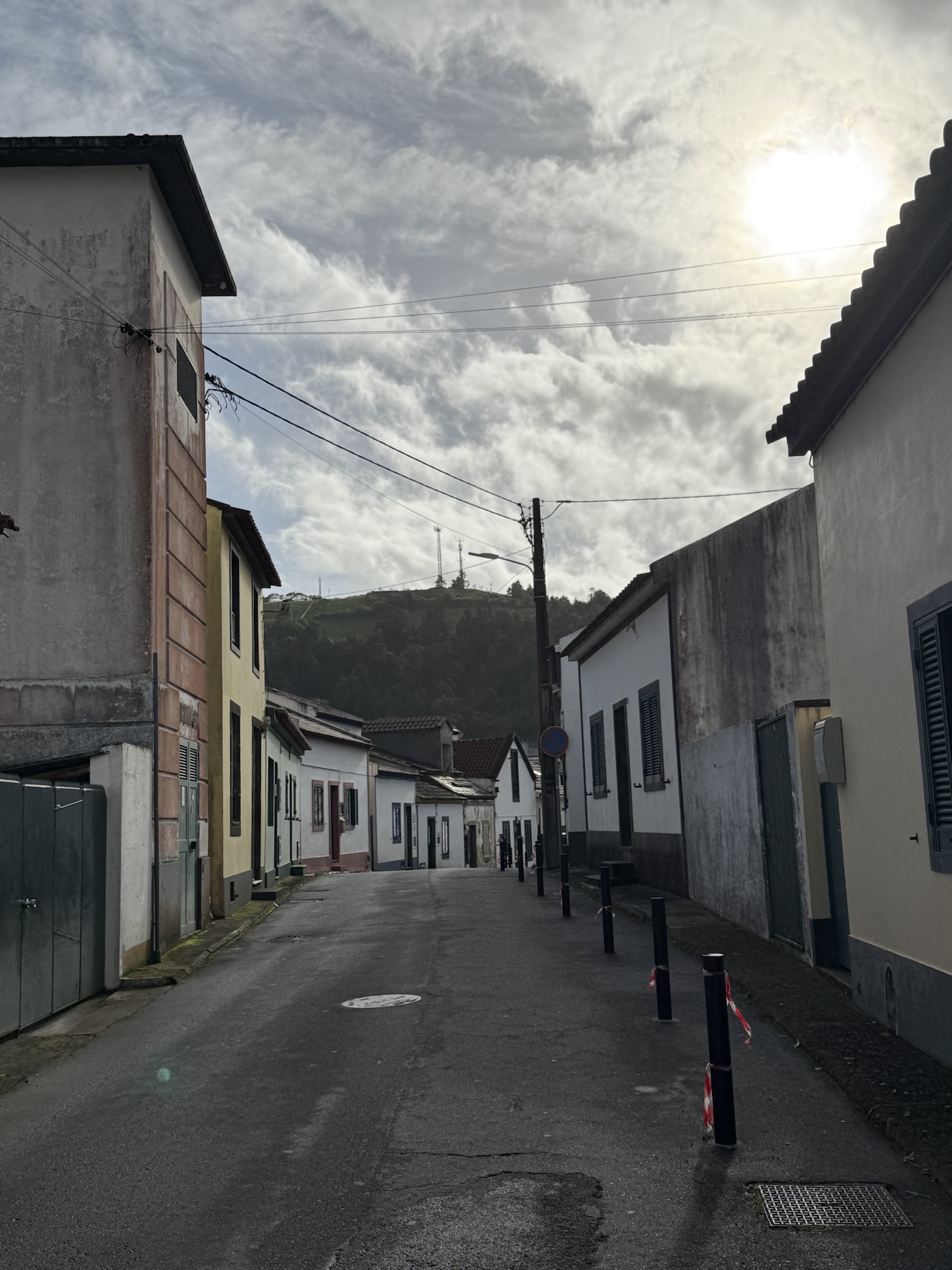
Another observation about the Azorean towns: it feels like each village was laid out with the impression that space was at a premium. Roads are often only a few inches wider than cars, with houses built right onto the street on either side. Cross streets have such severe angles and buildings on the corners that there are mirrors set up to help motorists see oncoming traffic. It isn’t busy, so that takes some stress off, but I wouldn’t say this is entry-level driving, either. And the real irony is that most of the island isn’t developed! The cities could be spaced out a bit more without much trouble, but it seems that the mainland sensibilities carried over to Azorean roads, as well.

This road is the width of one car plus about 12” – the poles prevent people from parking, which would fully block the street.
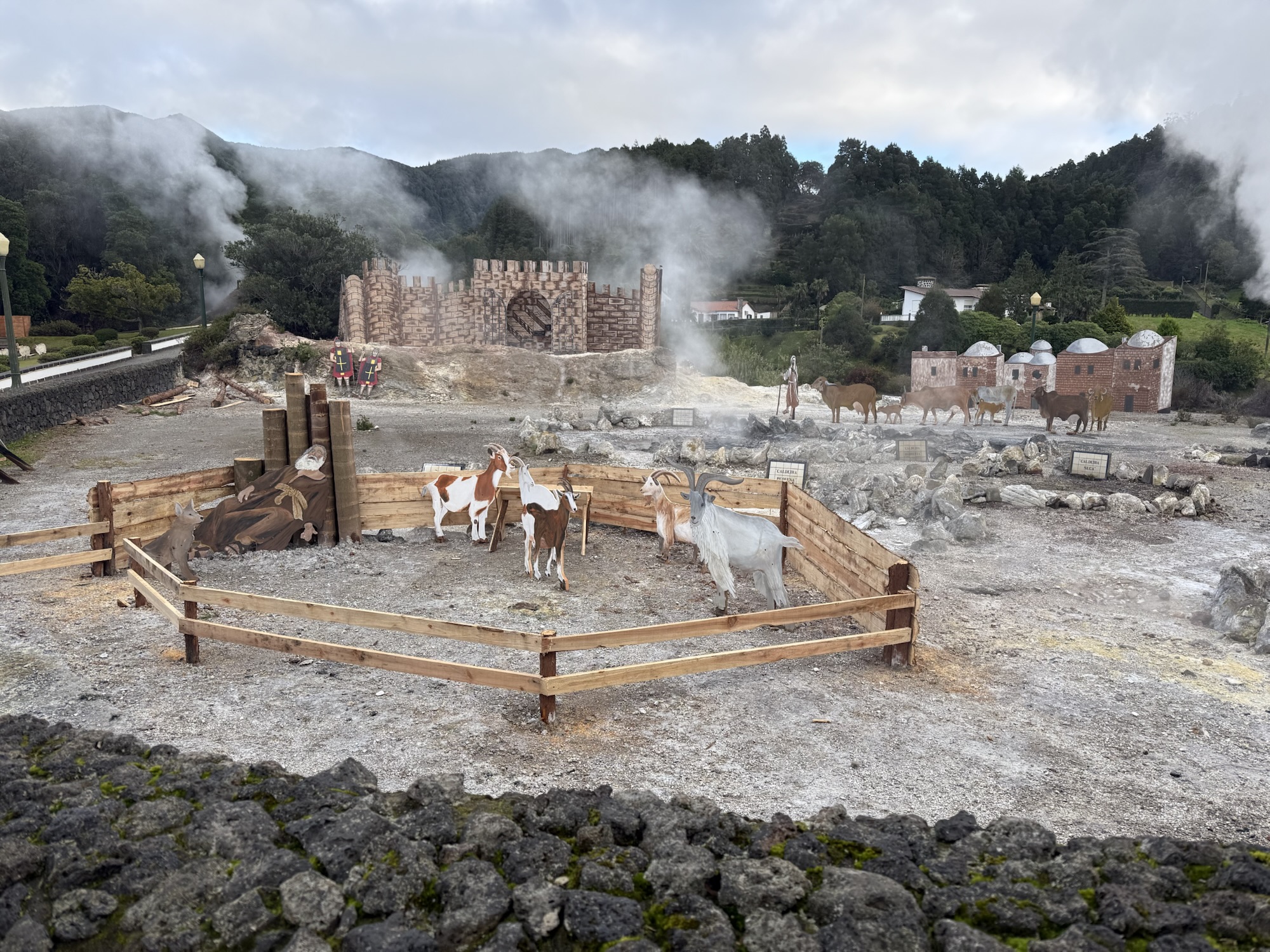
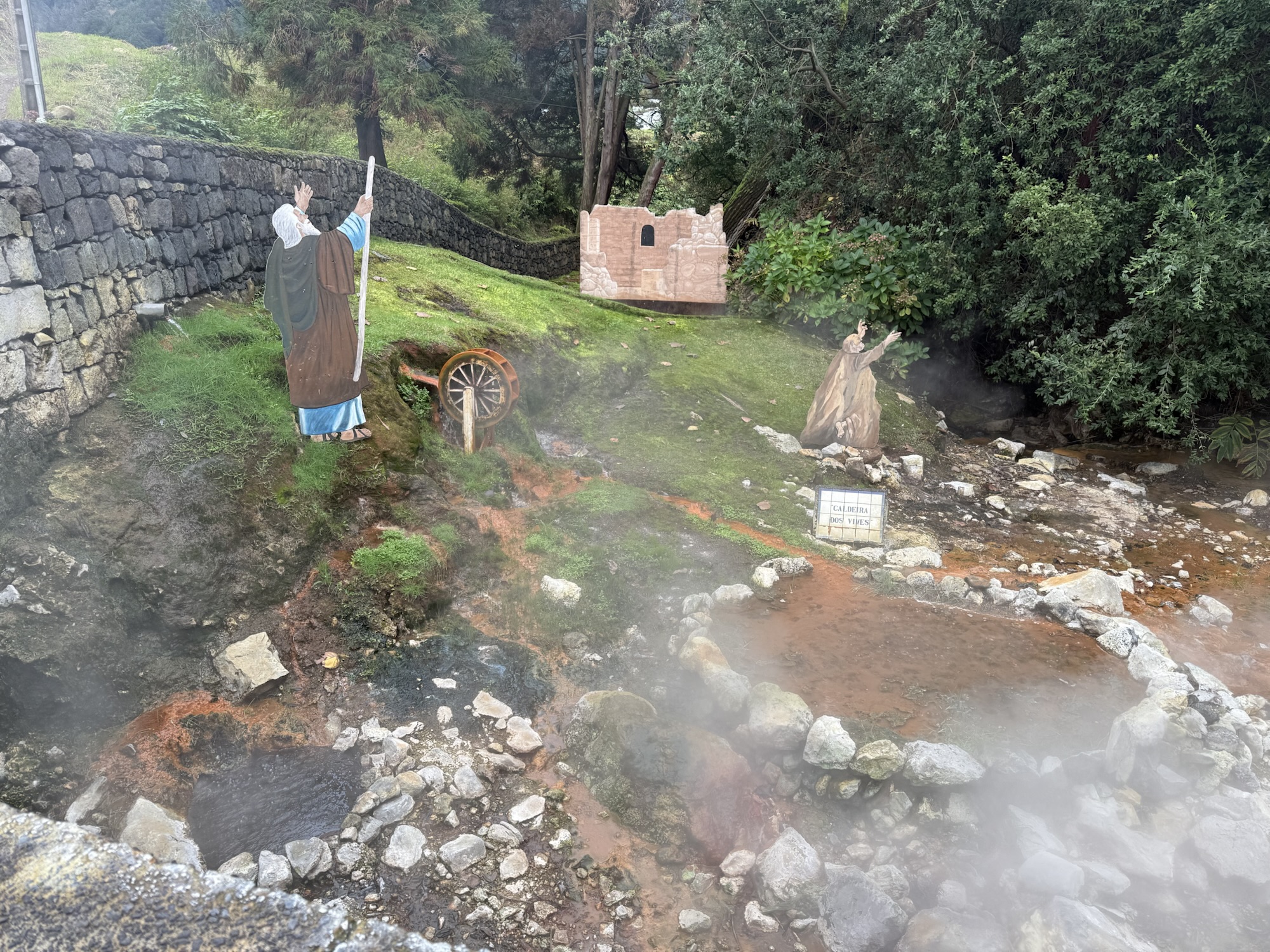
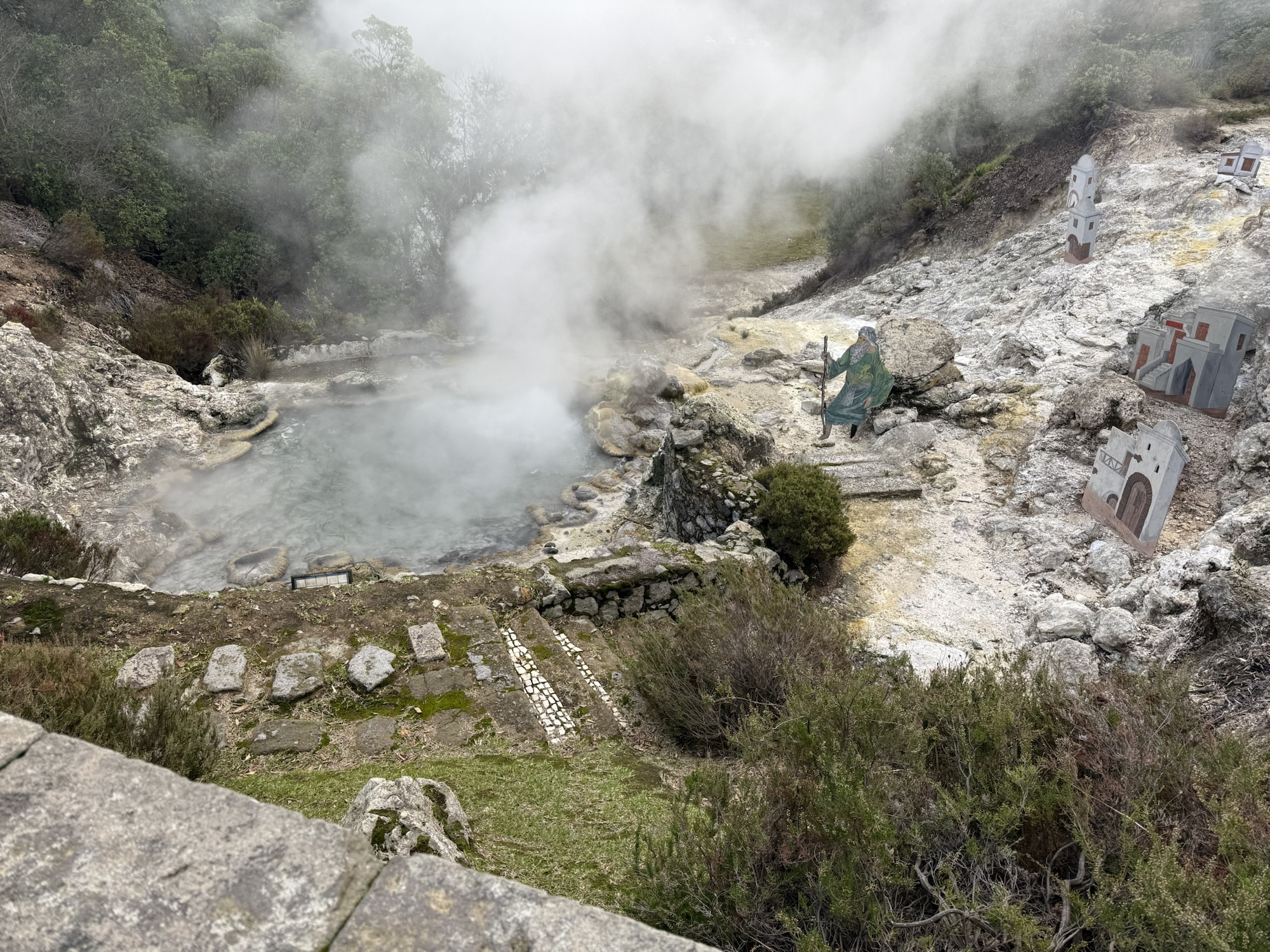
We arrived in the village of Furnas and made our way over to Caldeiras – a region of geothermal activity. Mud pots, bubbling pools of water, steaming sulphur…and a 2-dimensional Christmas tableau. Why? I don’t know, but this turned out to be one of the things I enjoyed most about this trip. For some reason, the idea that some locals walk out over the angry, bubbling earth to stake up some sheep and 3 kings statues strikes me as exceptionally odd. And why is this – of all places – where the city leaders felt was most appropriate for this display? Why not one of the ample green squares in town? Or literally any other place that doesn’t have the potential to kill your volunteers? I have to admit, I thought about this a lot the next morning during a wind storm – were the sheep staked down well enough to avoid becoming a 2D mutton stew?

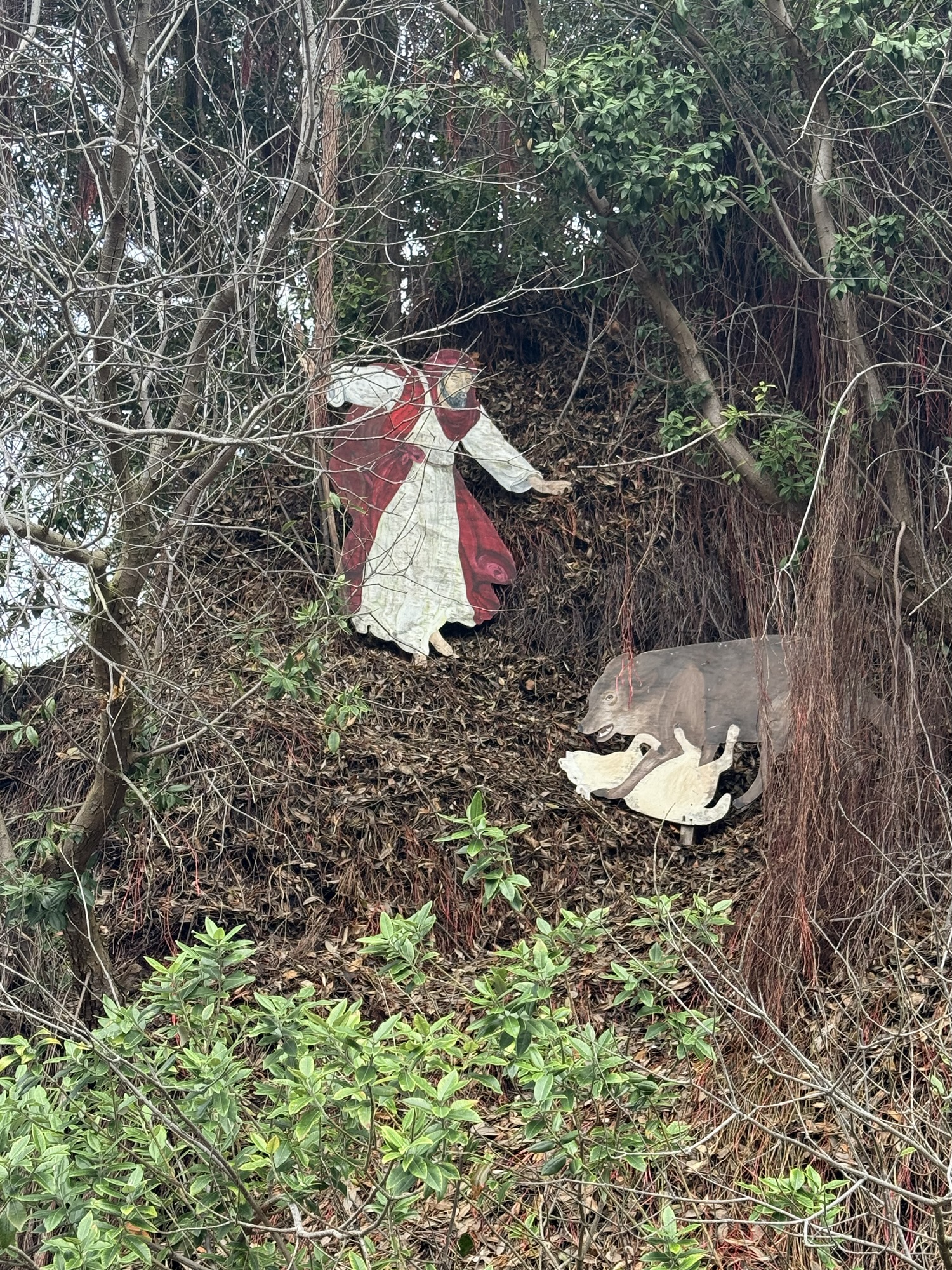
I’m no expert on the Christmas story, but this seems like a rather graphic and violent scene for a family-friendly display unless it represents a pivotal moment in the storytelling.
WHY would anybody want to put a statue out there? That ground clearly says “danger”

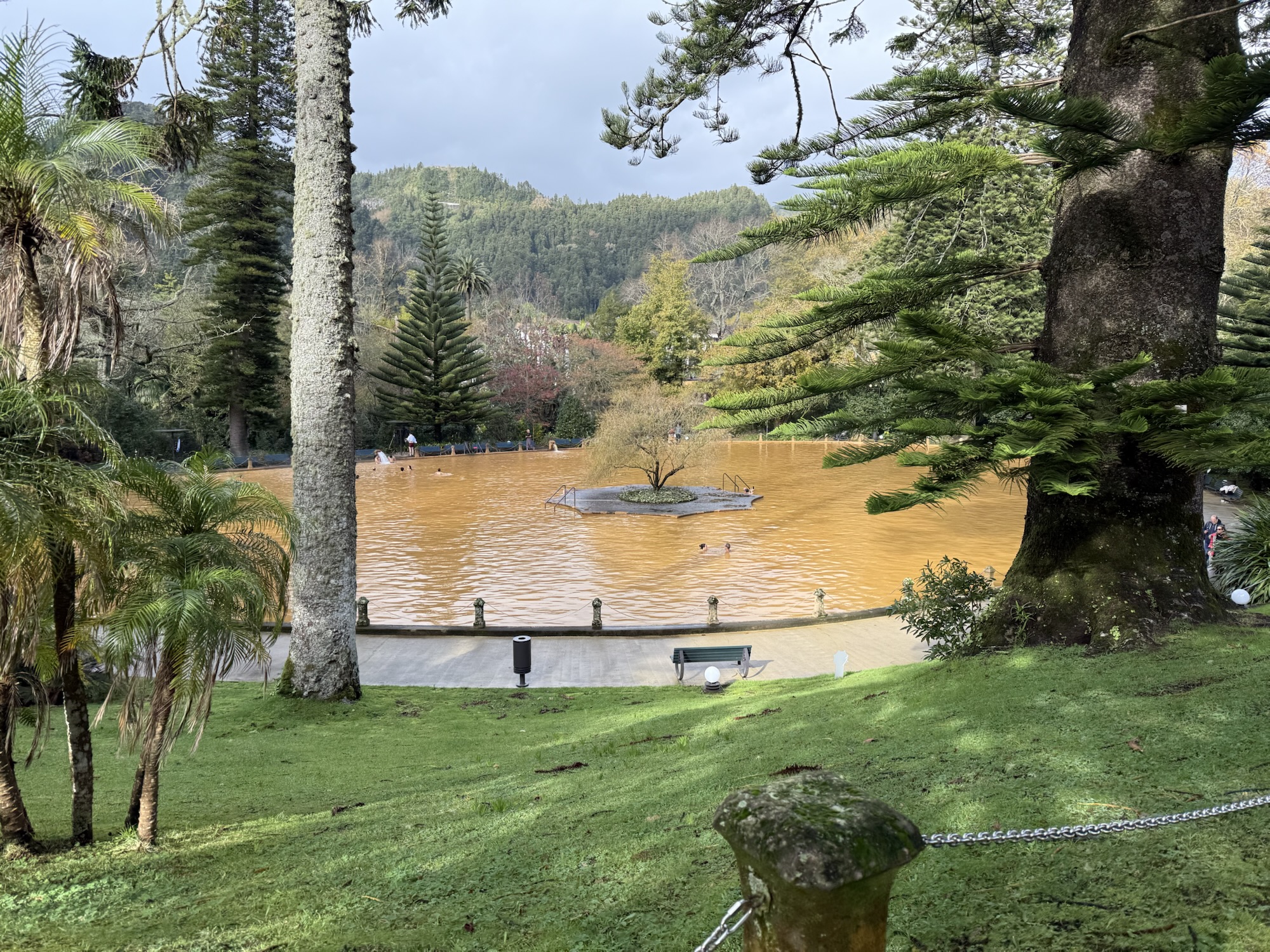
After a thoroughly enjoyable meander around these mud pots, we checked into our hotel. Terra Nostra Garden Hotel is in the Terra Nostra garden, and it features a large hot spring-fed pool and two smaller hot spring-fed jacuzzis. Hotel guests can access the hot pools even when the garden is closed to the public, so you can see the appeal.

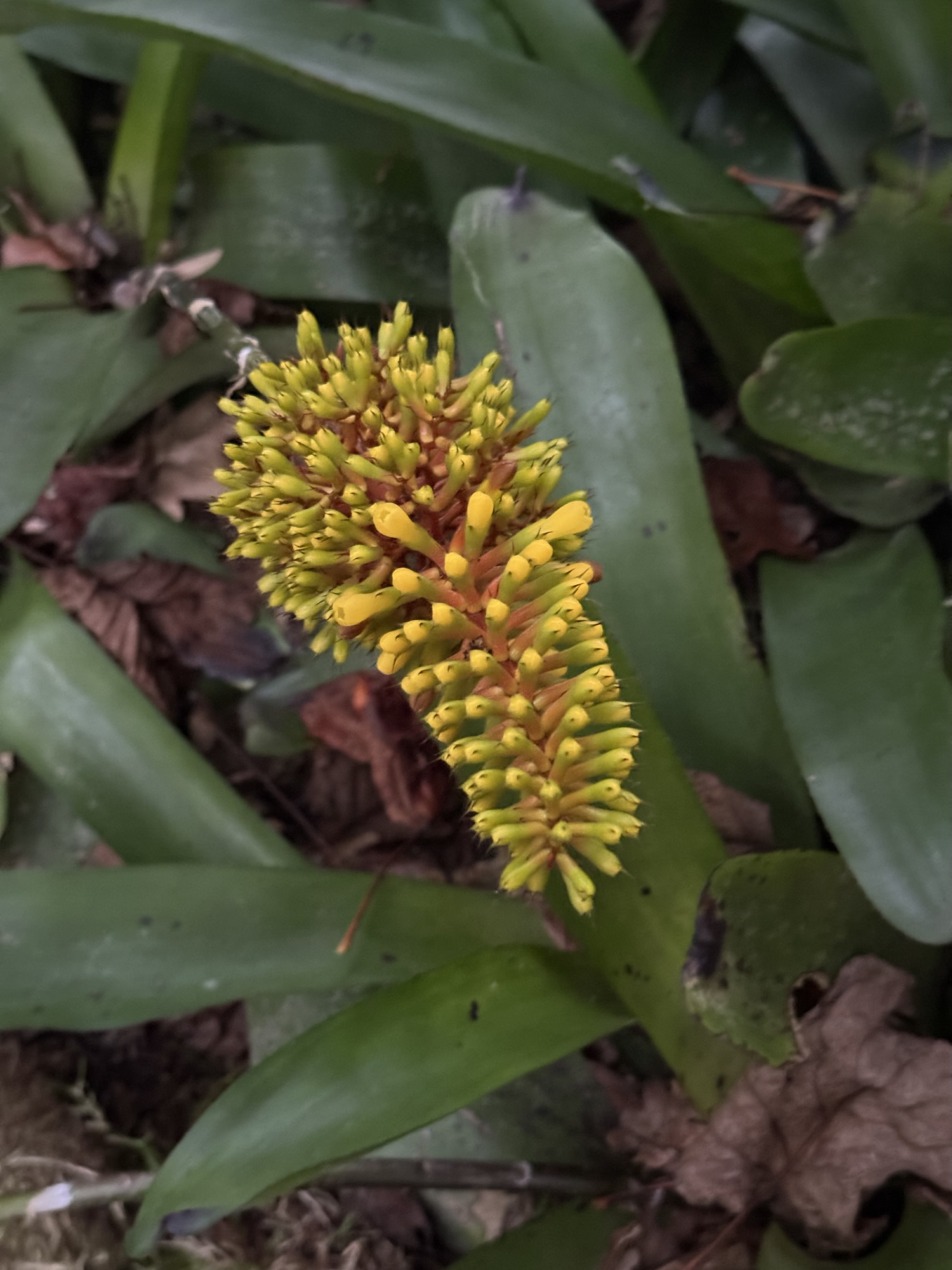
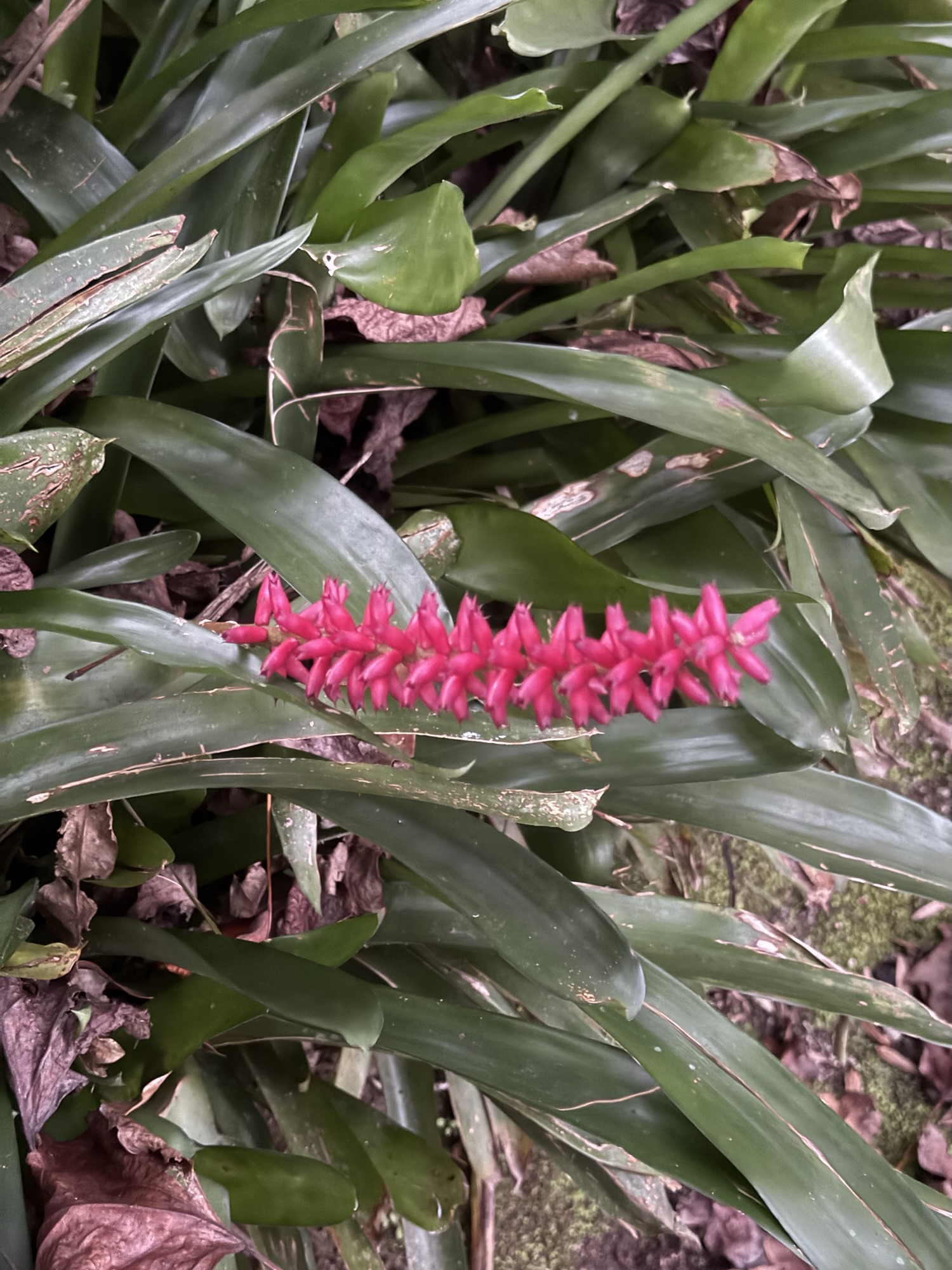
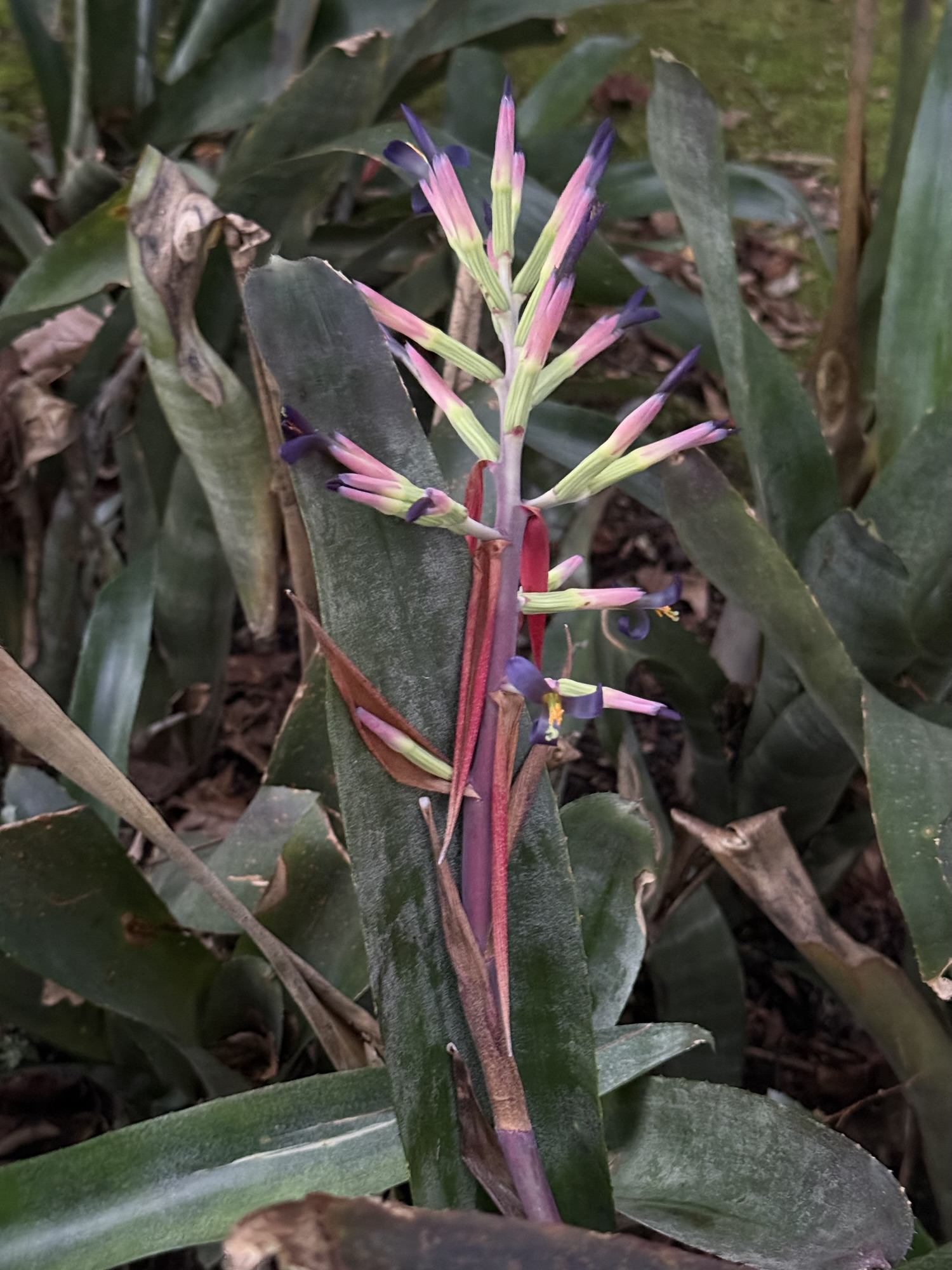
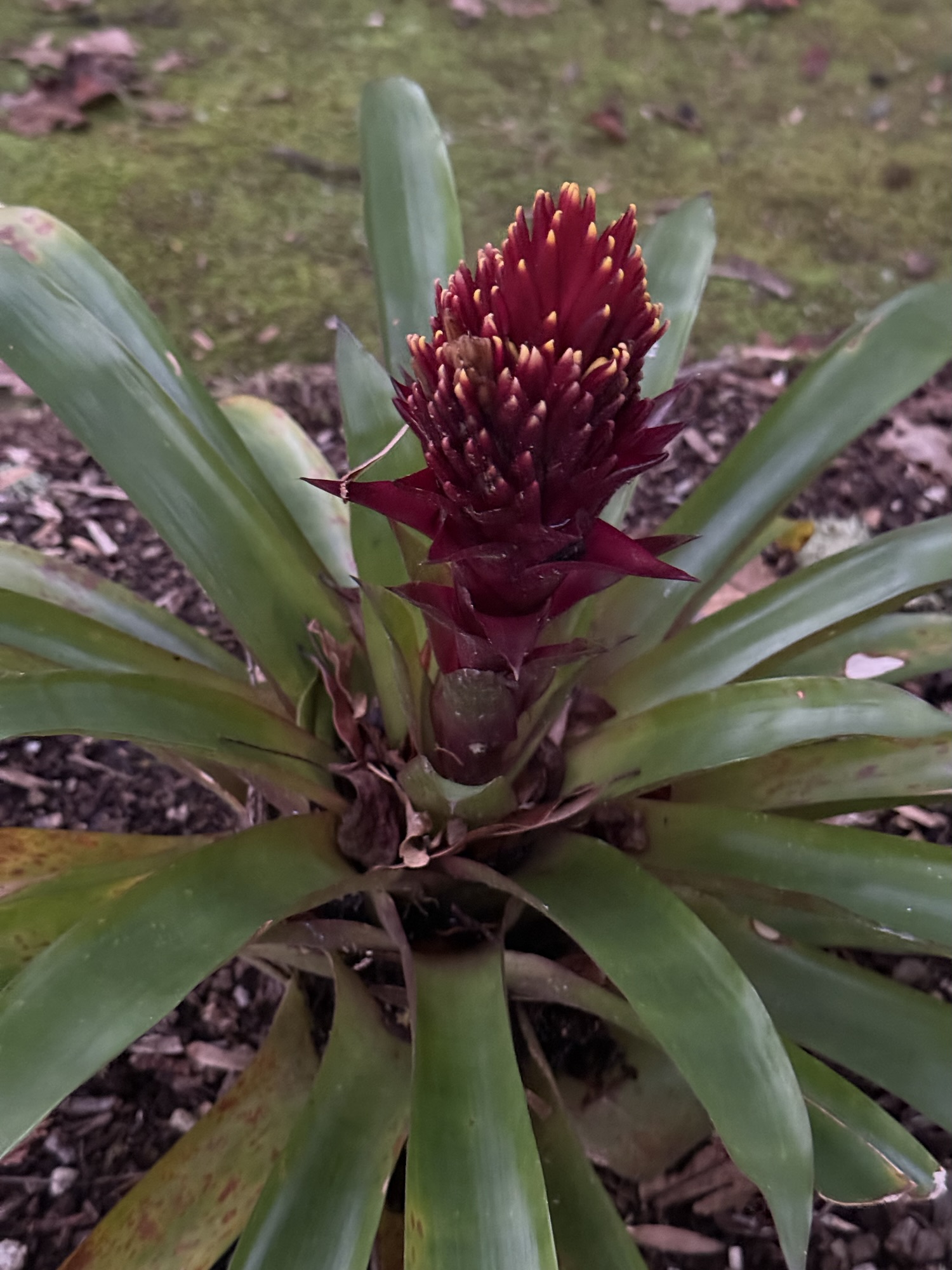
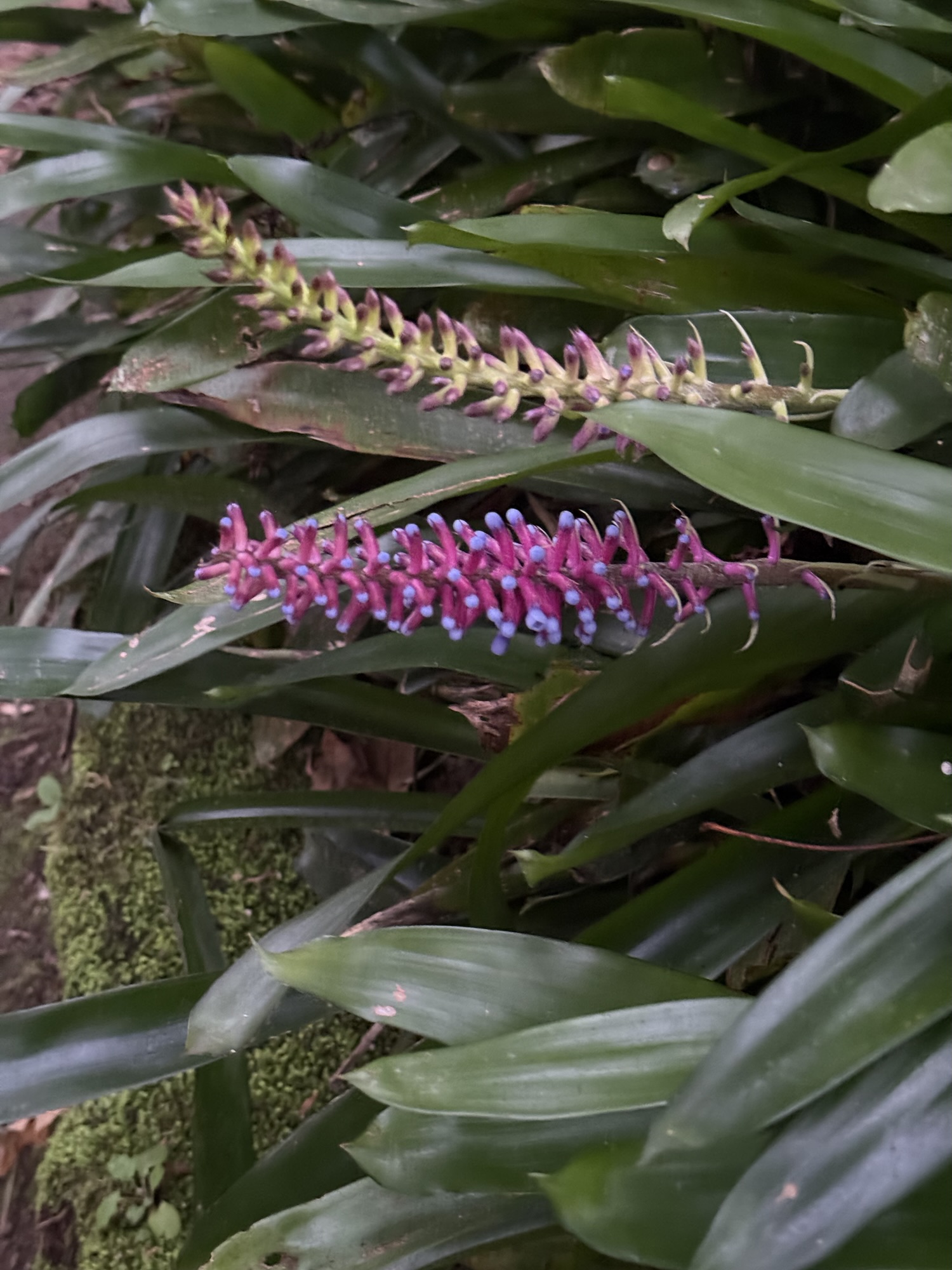
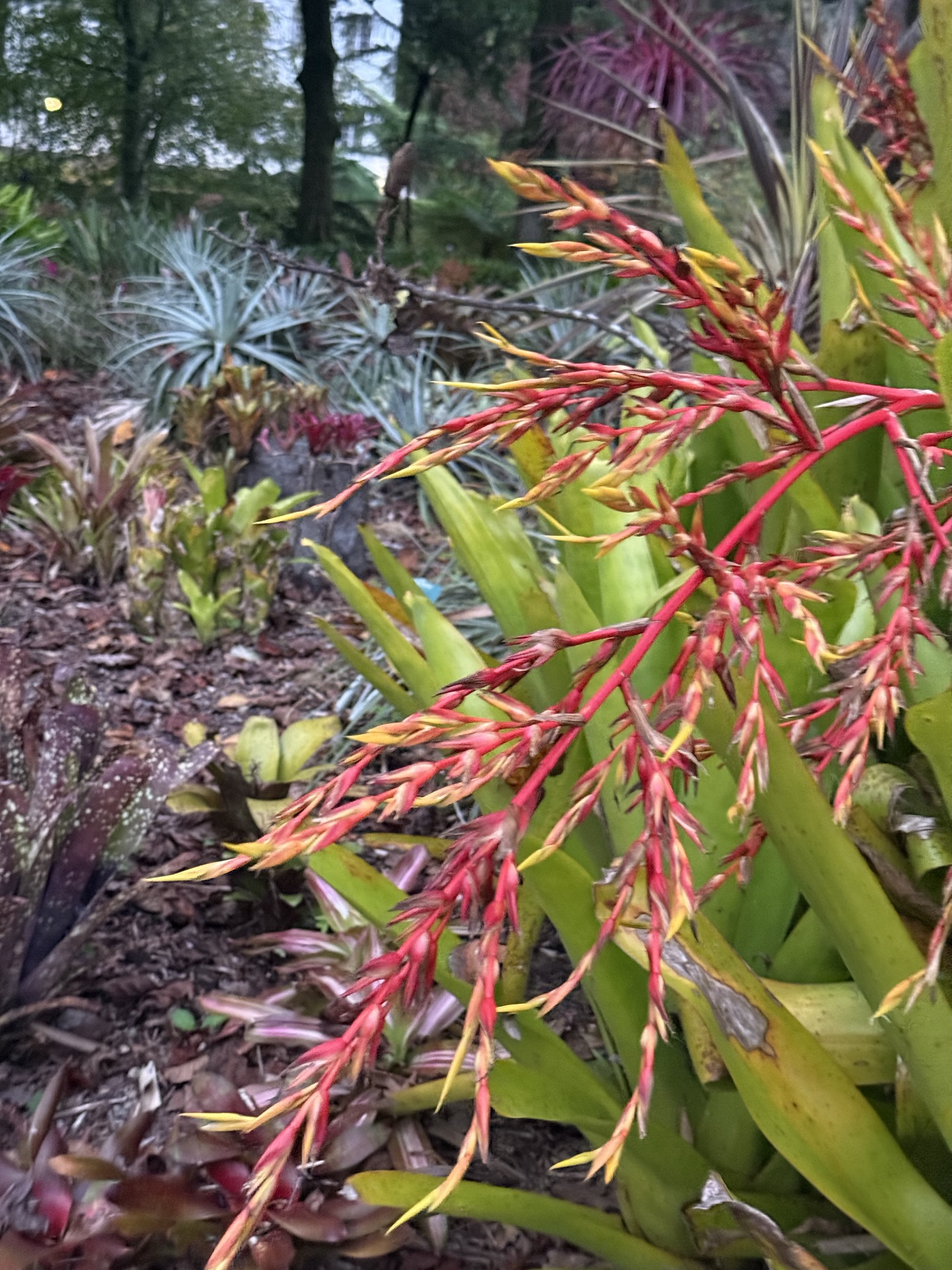
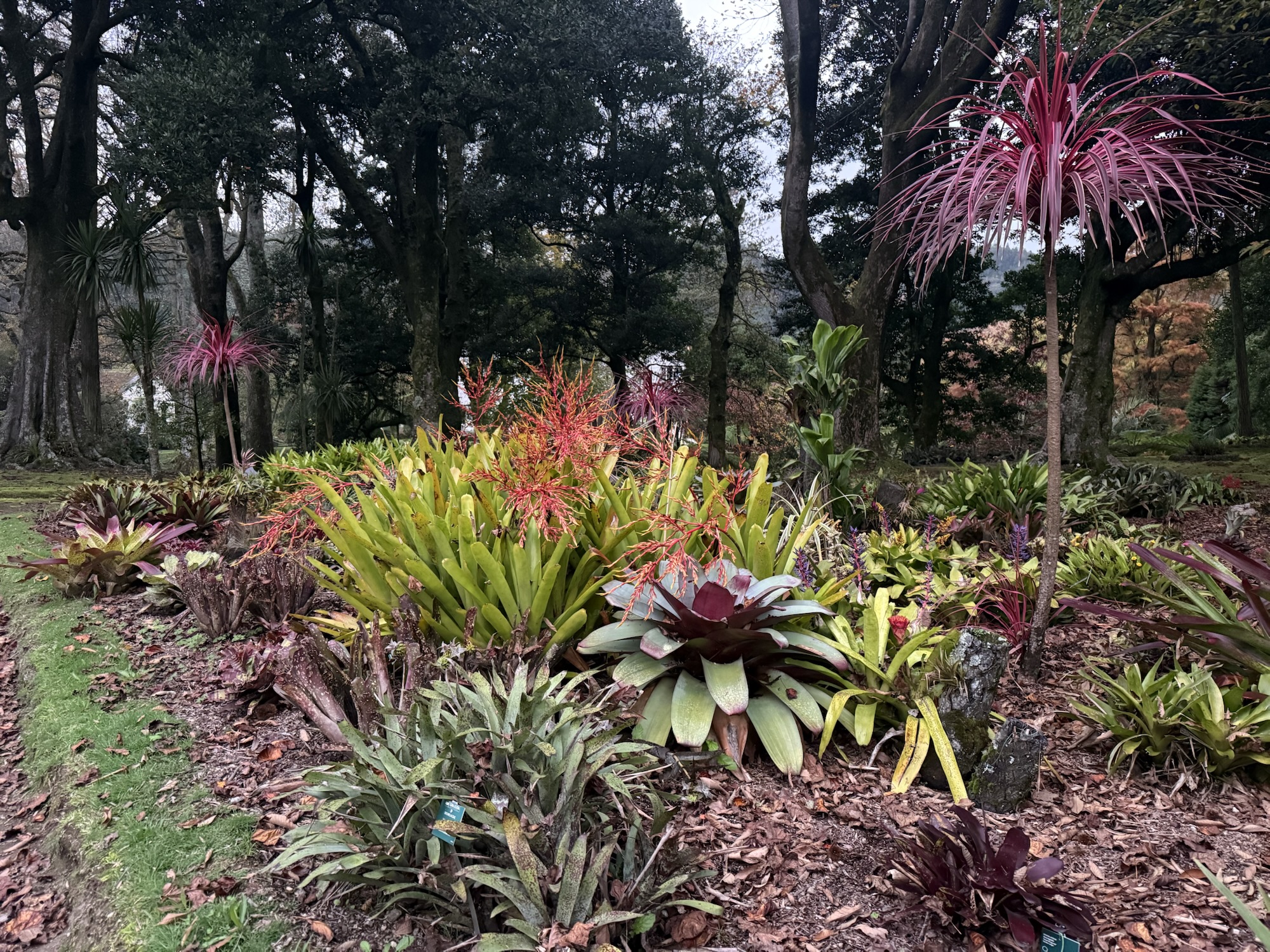
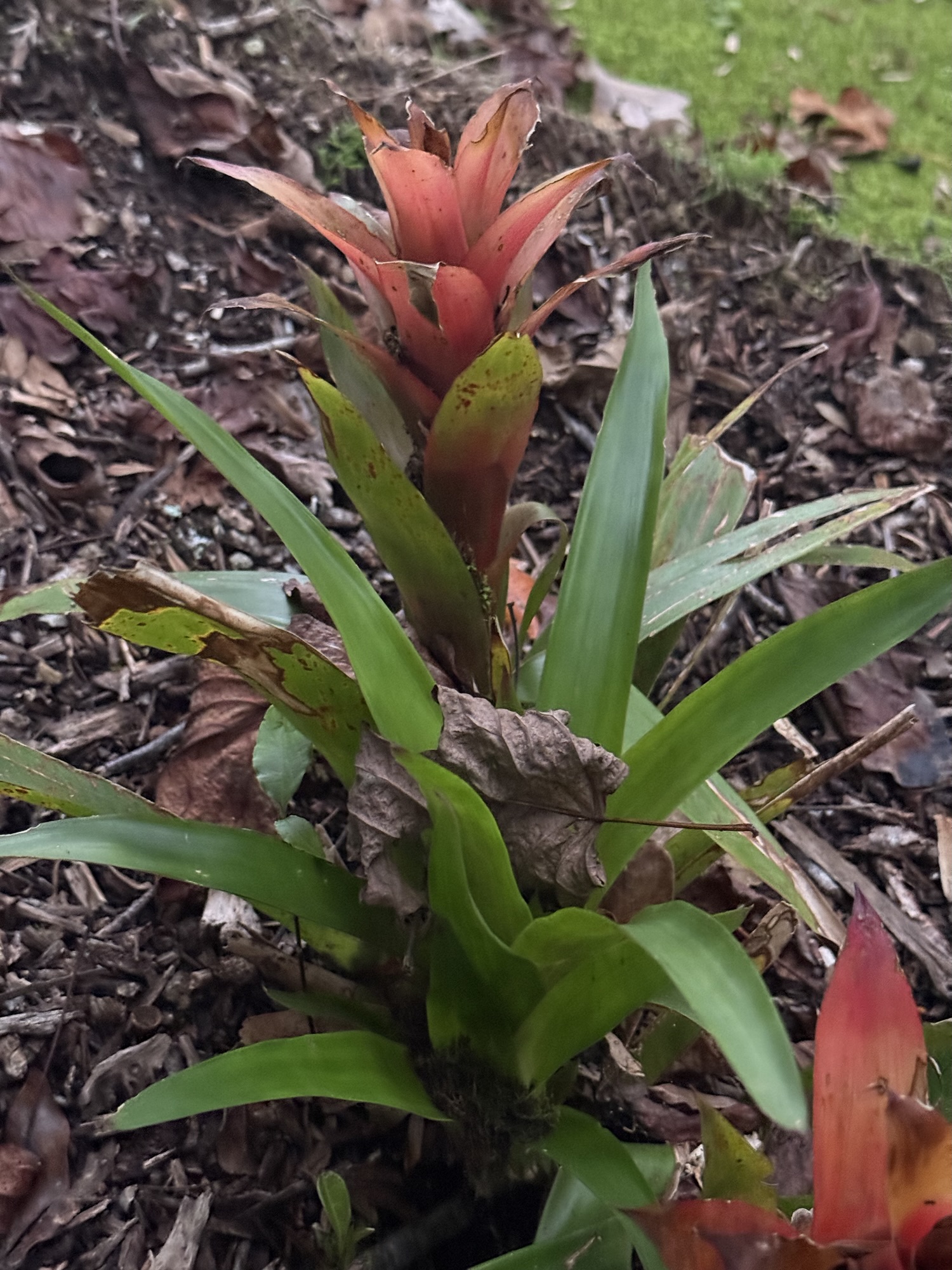
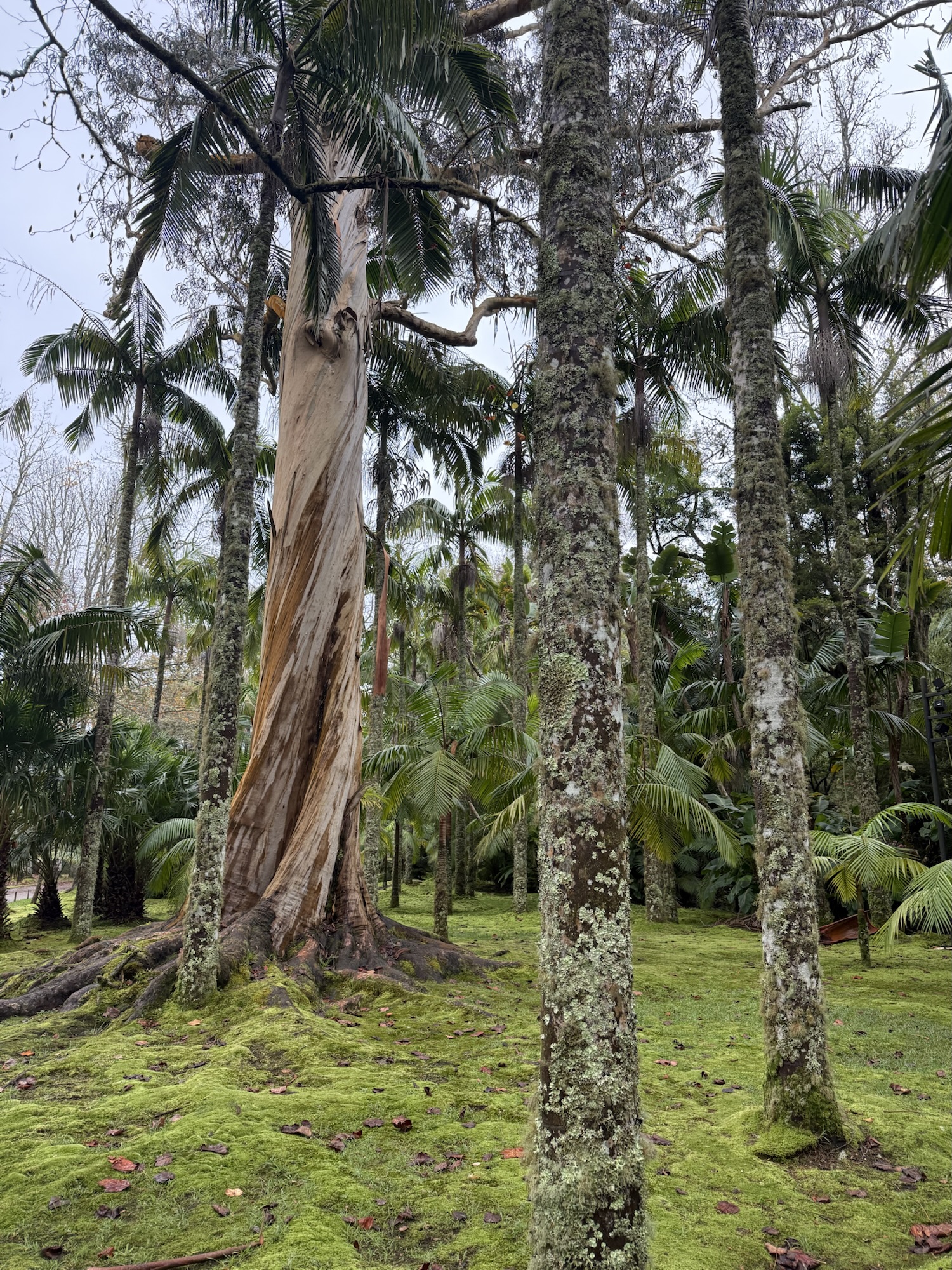
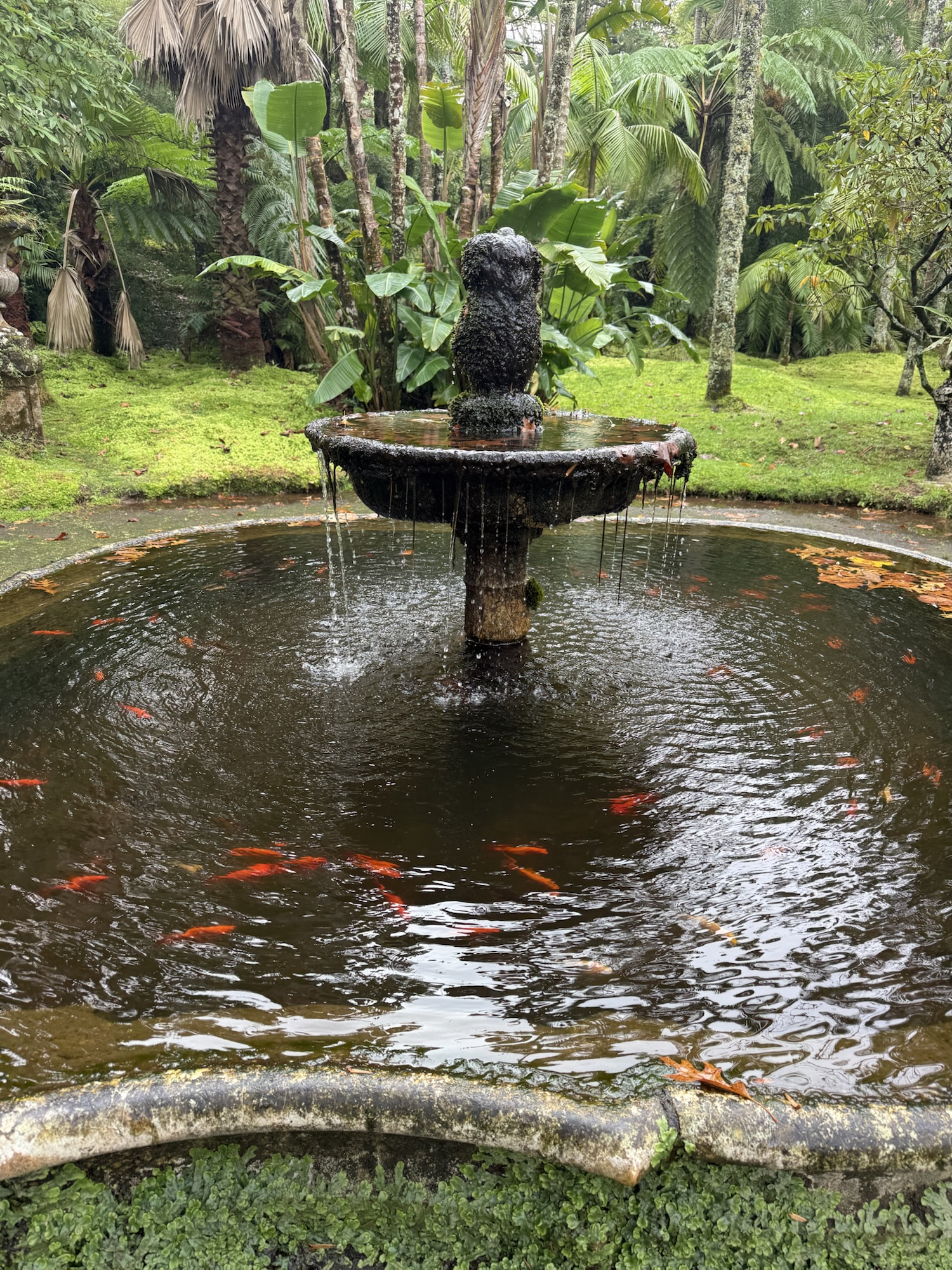
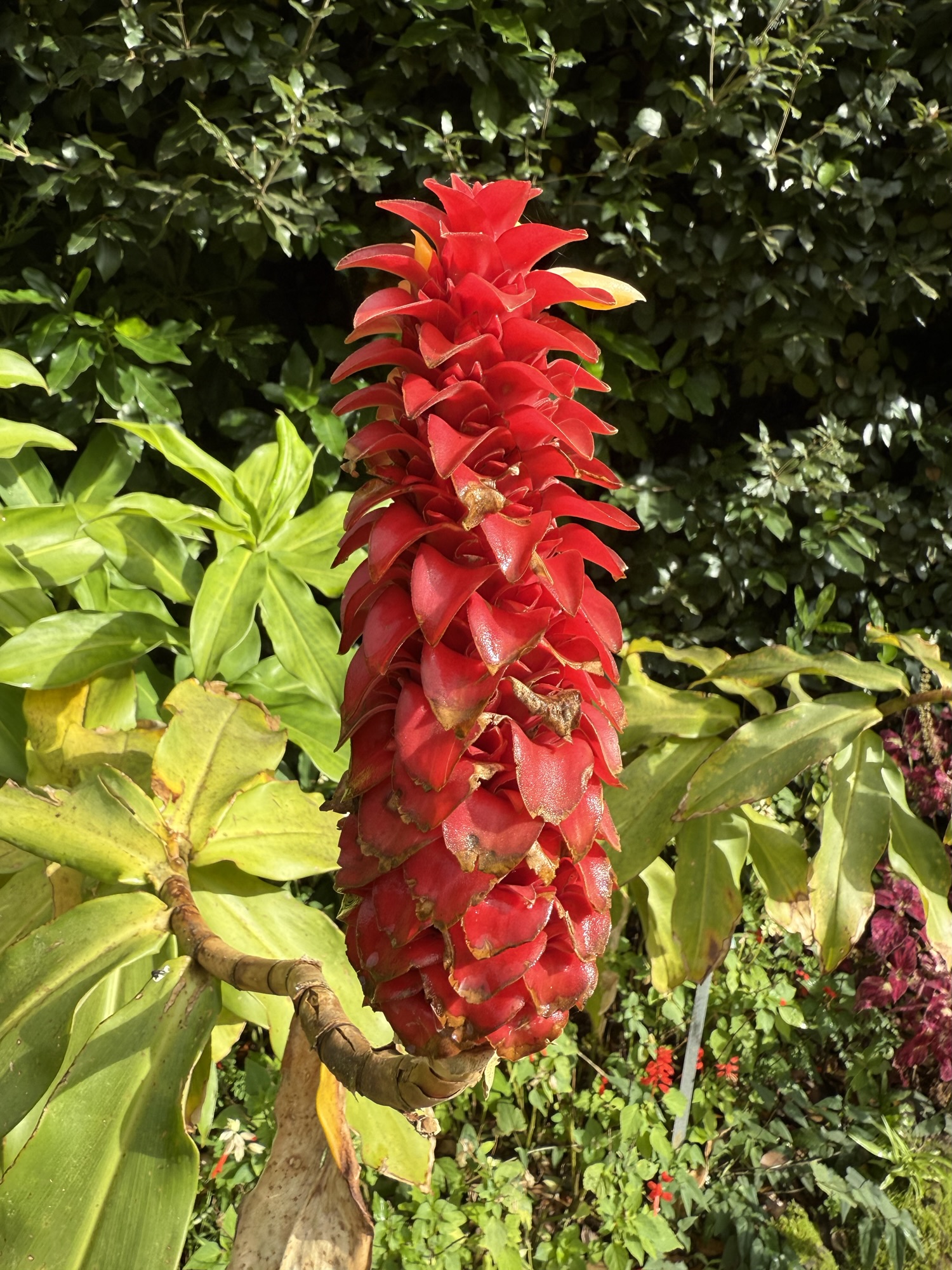
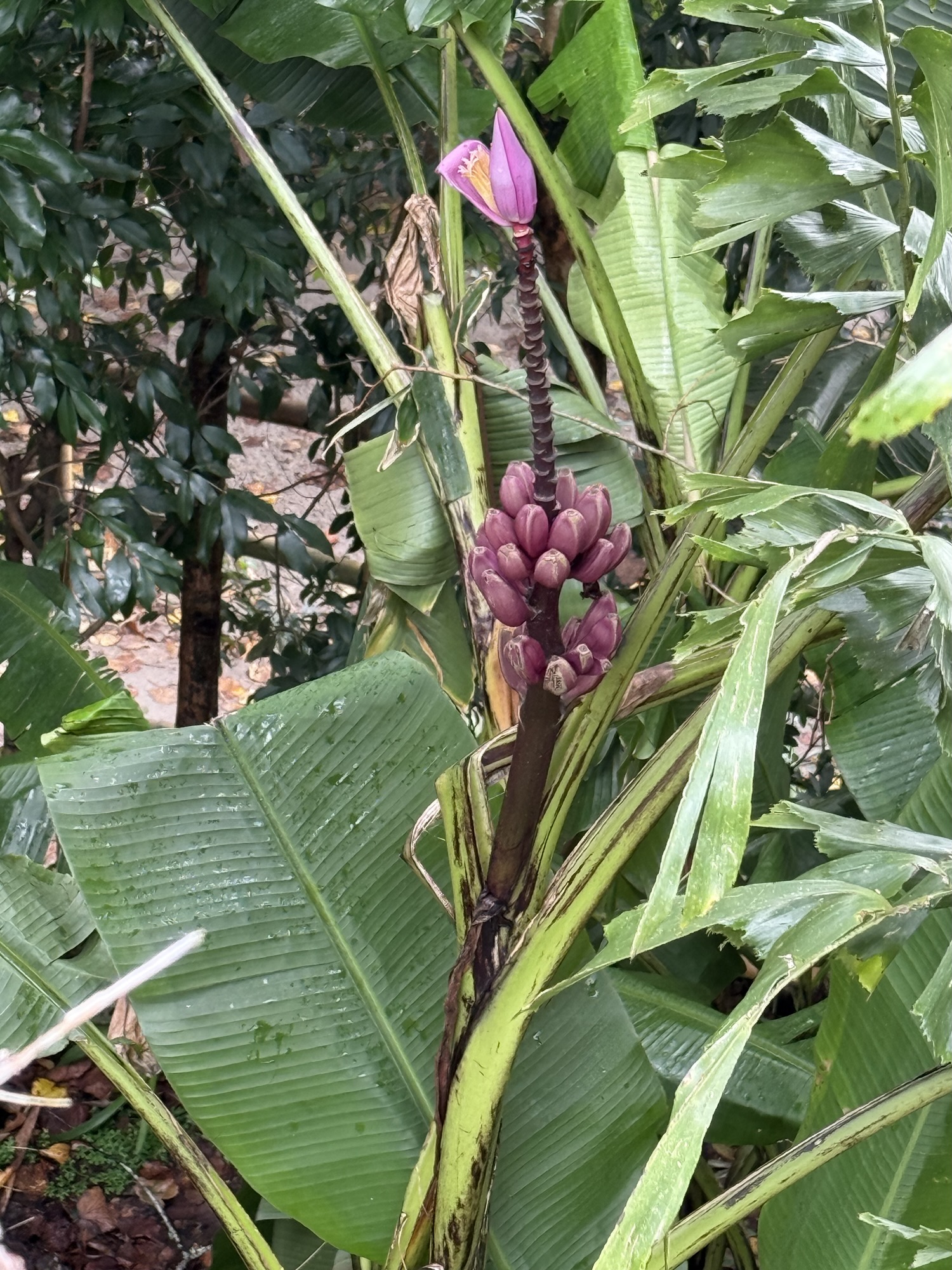
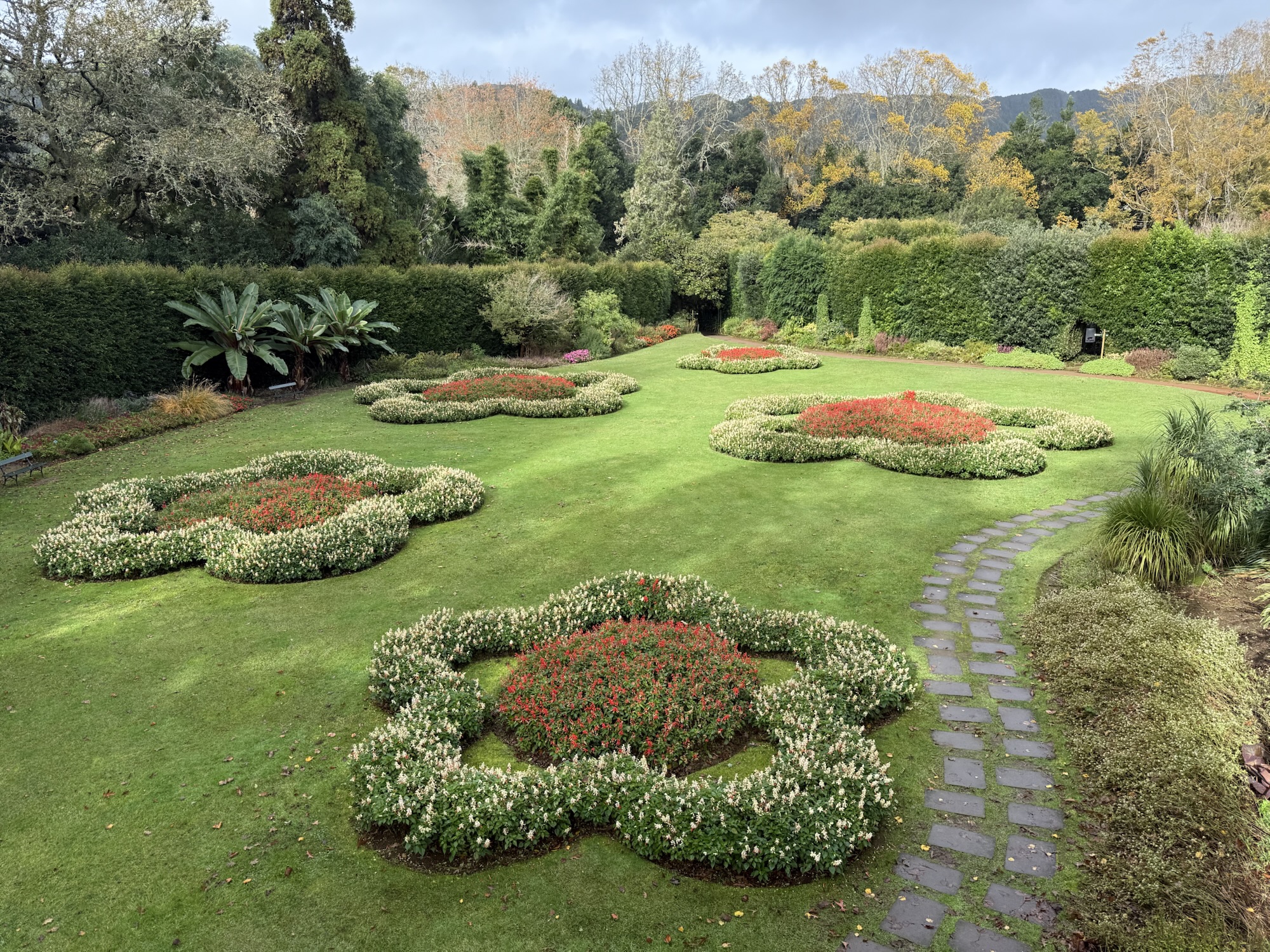
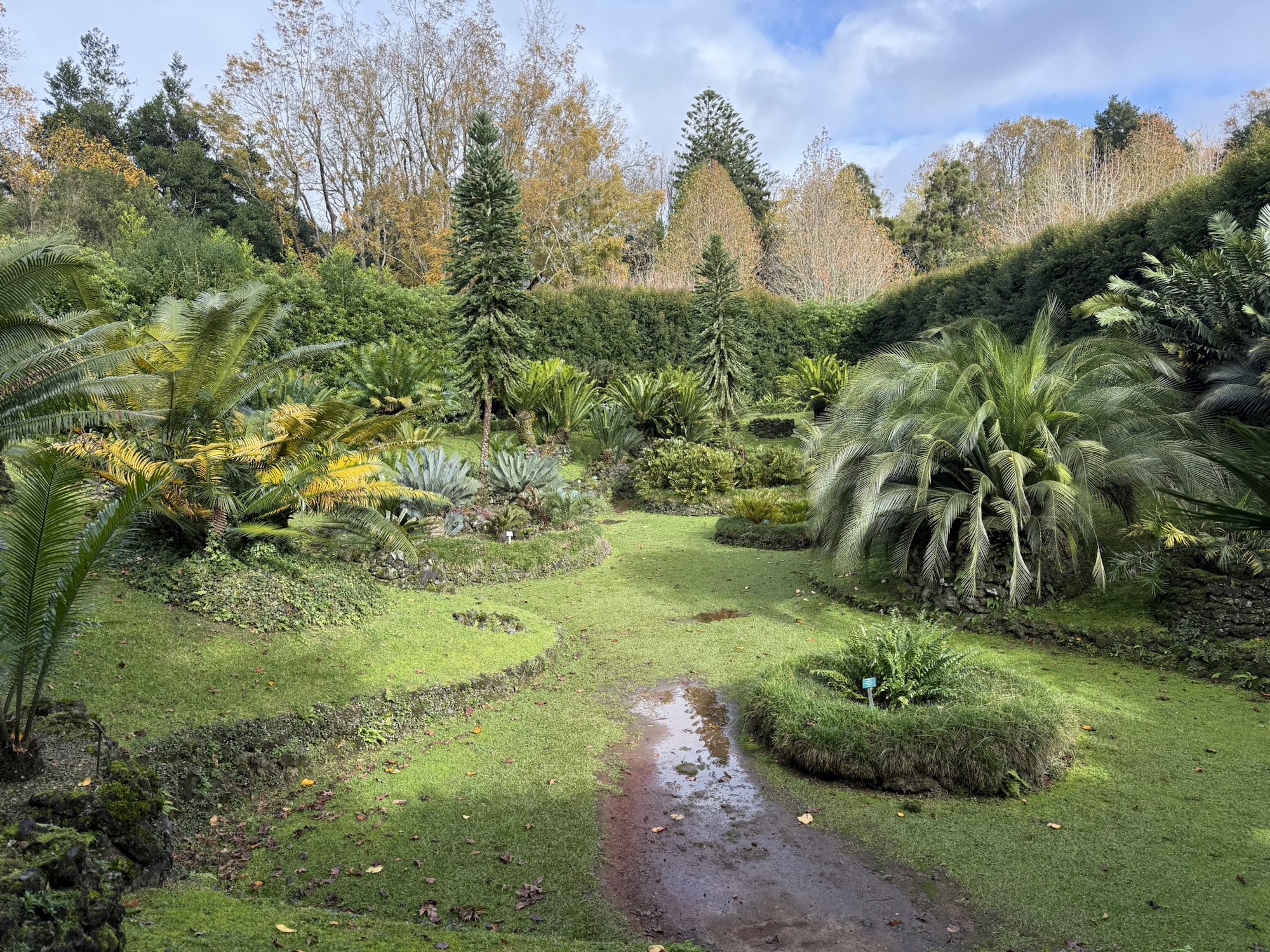
After unpacking, we walked around the gardens a bit to see the Bromeliad collection. The garden is beautifully maintained – landscaped, without feeling manicured.

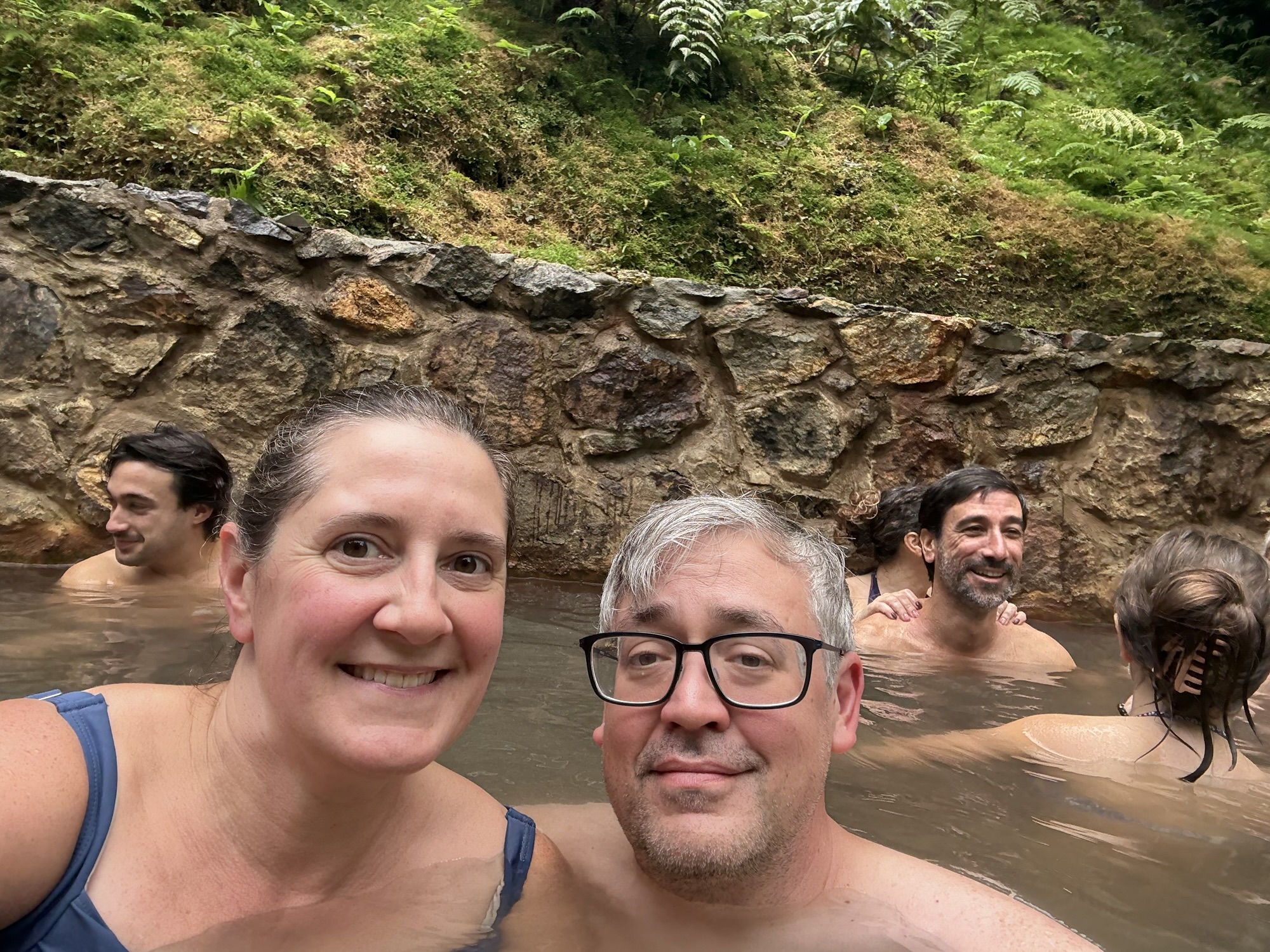
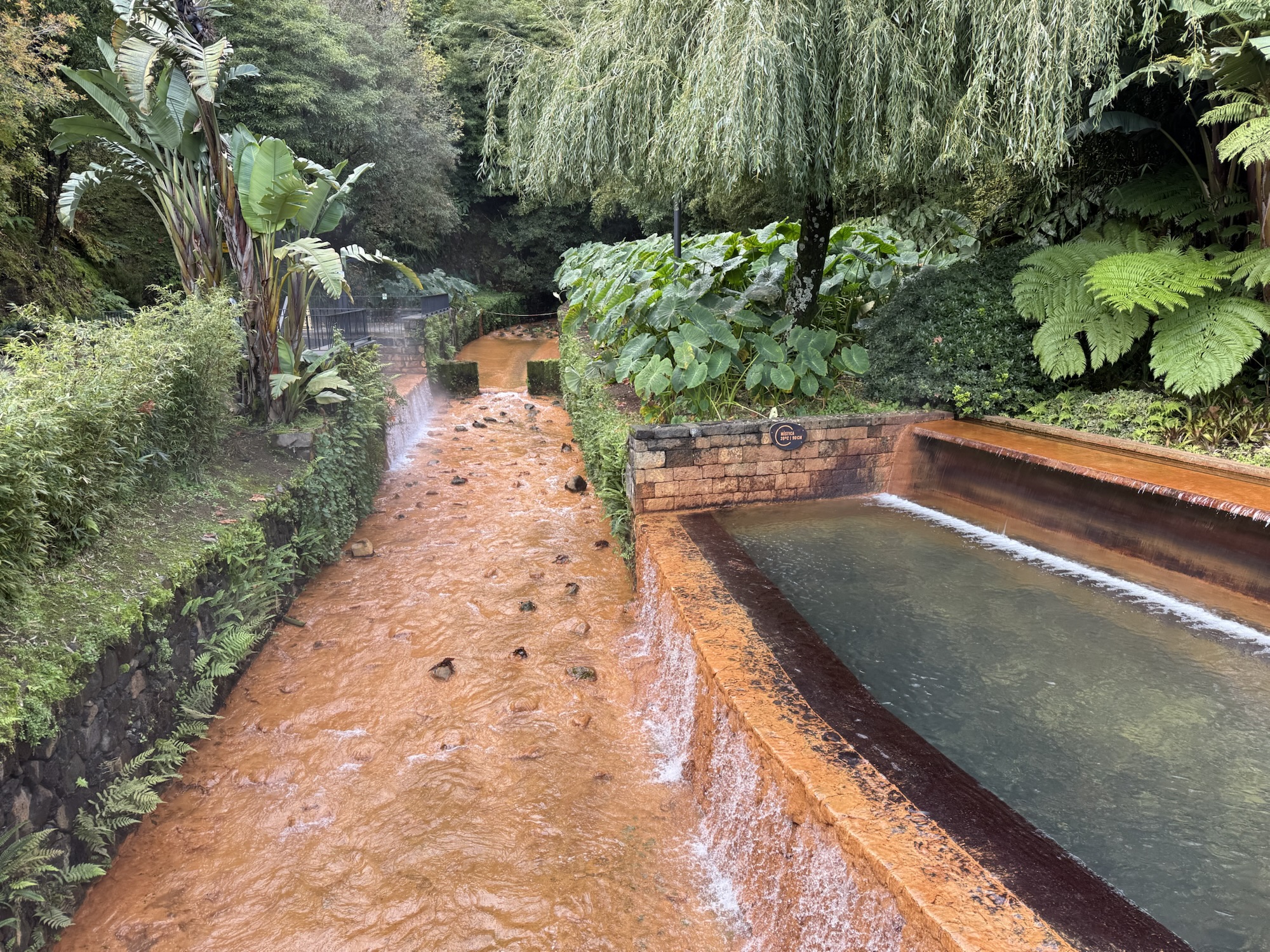
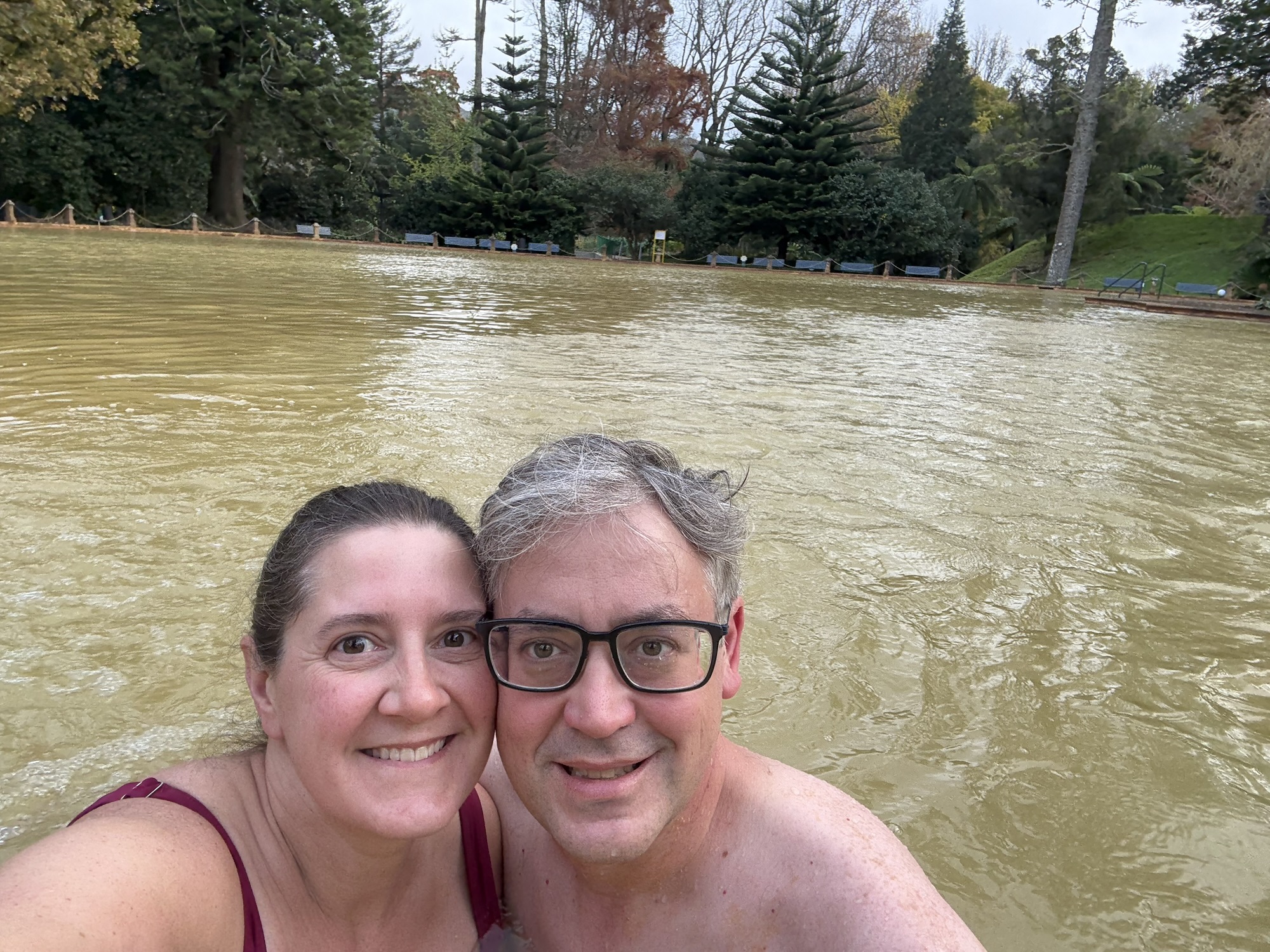
The large pool is very large – 100 people are allowed at a time. It has a lot of dissolved iron in the water, so it’s got a brown color and smells like both sulfur and wet pennies, but it is also a lovely ~100ºF temperature. We also enjoyed the smaller hot pools (103ºF-ish), although it was too dark by the time we got in them to photograph them.

We had a day of sightseeing planned for Monday, but decided to skip all of it and see how successful we could be at maximizing relaxation. Not to brag, but I think we did an admirable job!

After a leisurely and late breakfast, we hot the hot pools. It was rainy and windy overnight, but the weather improved enough to make the experience pleasant.
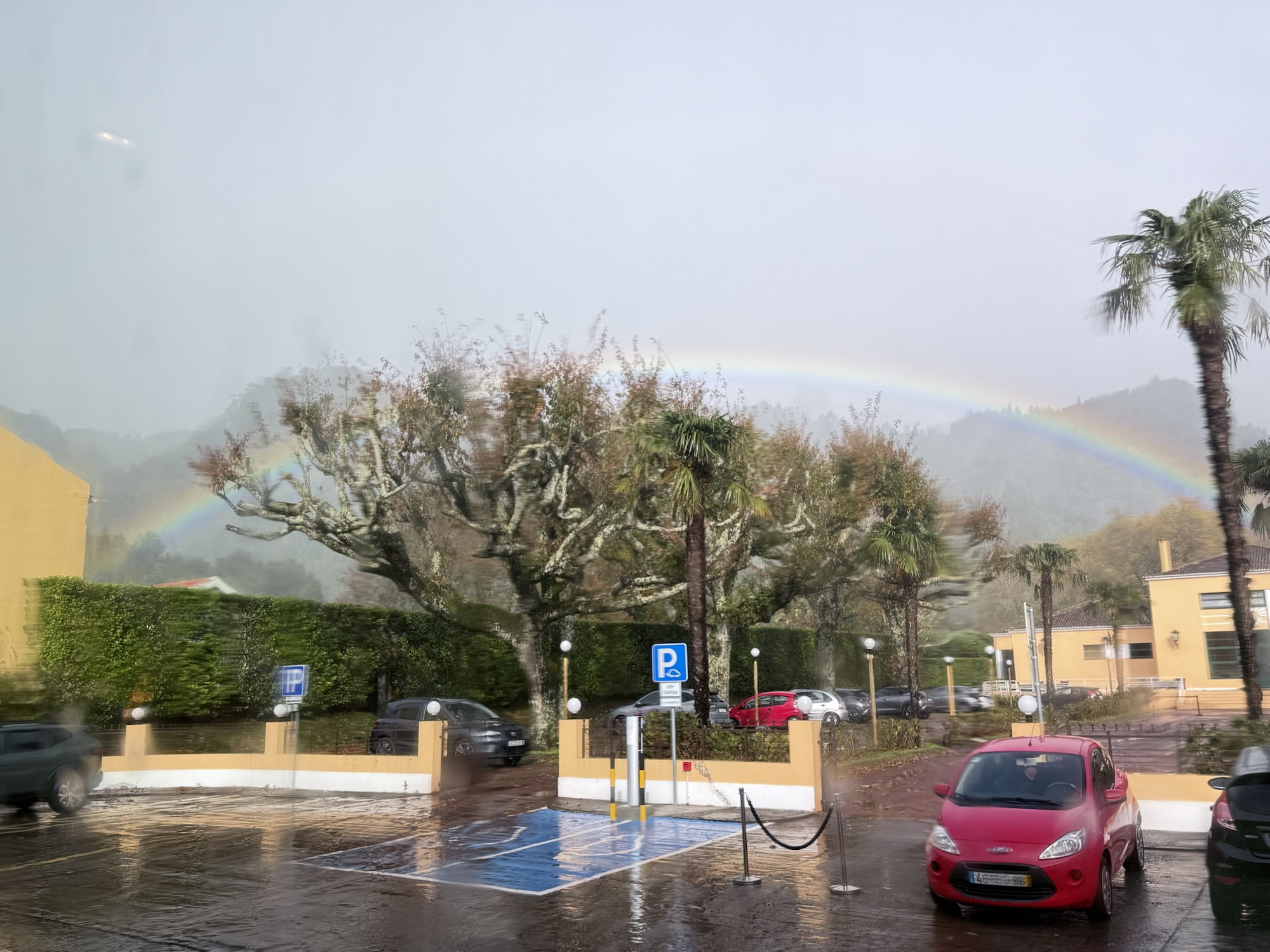
Both ends of a rainbow!

We then walked the rest of the gardens.
We had 2:30 tickets for another set of hot springs just half a mile down the road. Walking here is not for the faint of heart – there is not enough room for a car to pass pedestrians at full speed, and not all cars think slowing down to safely pass is their responsibility. We made it, but the walk was more invigorating than expected! Nevertheless, it was worthwhile for the springs that awaited us.

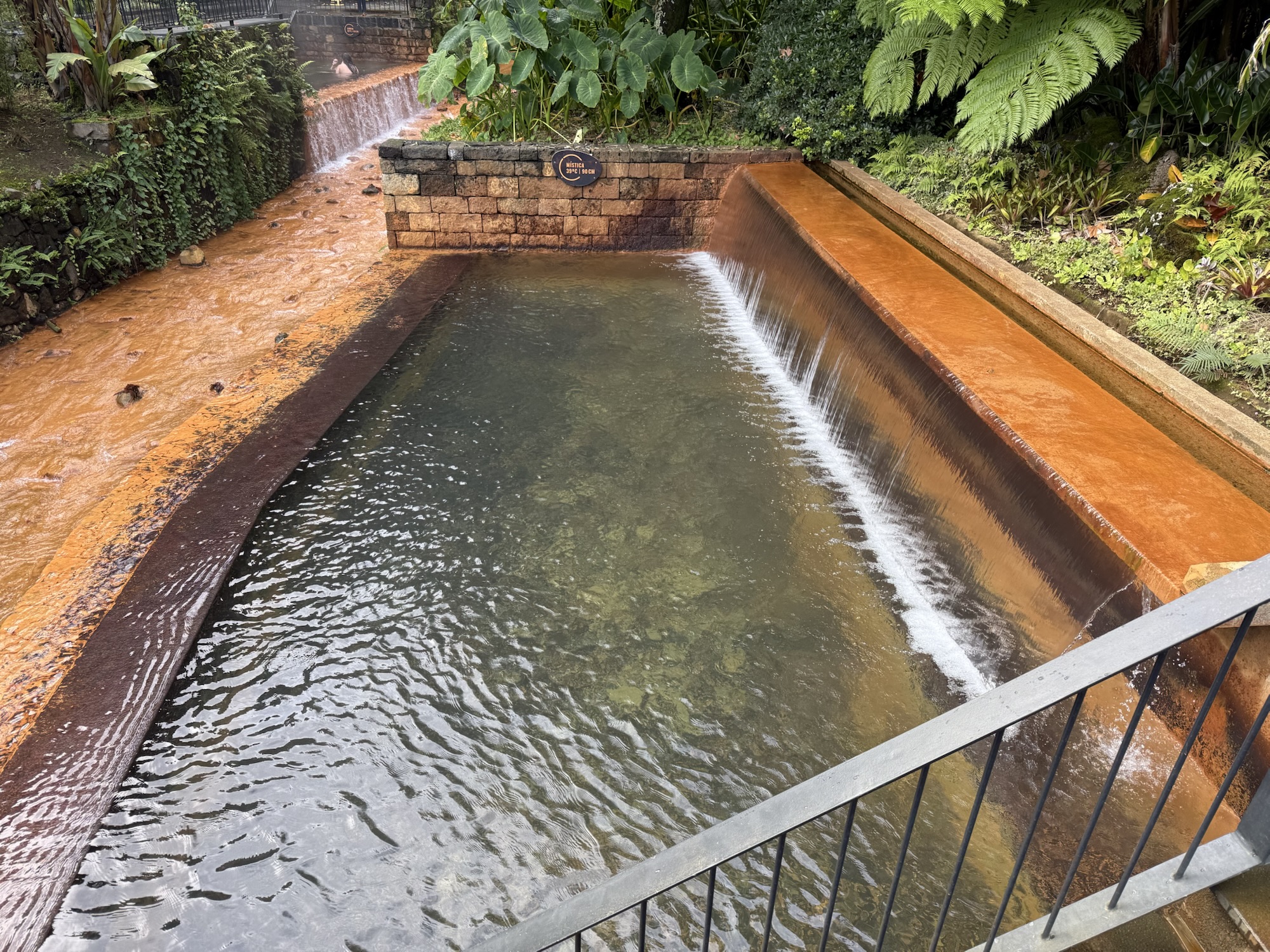
Poça da Bona Beija has 4 hot pools and a river that is mixed hot and cold water. Since it isn’t summer, the river wasn’t in use (and I wasn’t about to get into 29ºC/84ºF water anyway), but the other 4 pools had delightful 39ºC/102.2ºF water and we again spent our entire 90-minute time slot in the water.

Back to the hotel for massage appointments, then to the hotel bar for dinner and a beer before heading back out to the hot pools. Luke and I basically poured our bodies into bed since we were so relaxed our skeletons seemed to protest at the idea of holding us upright. Maximum relaxation achieved!
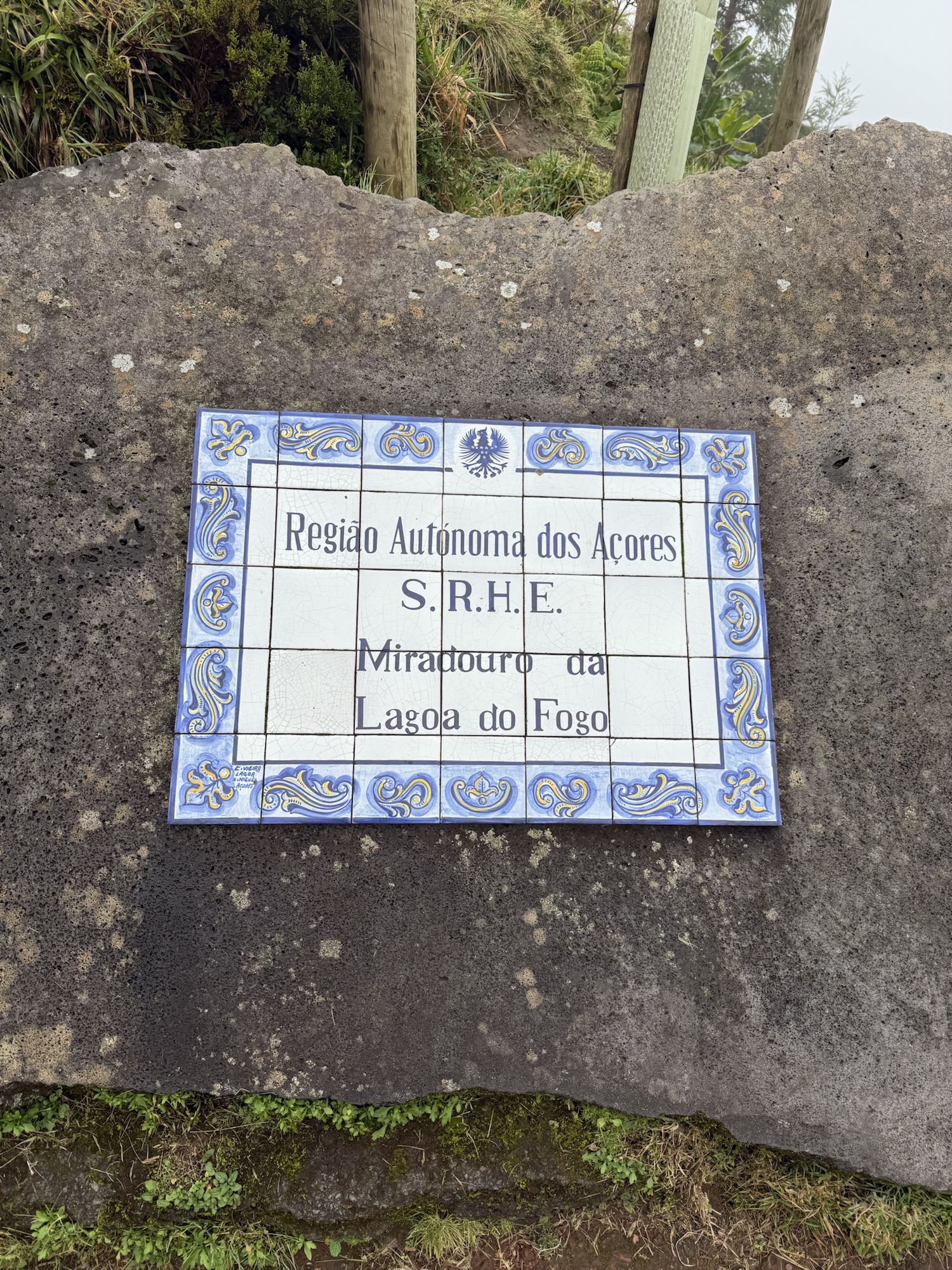
One last trip to the pool this morning and then we had to head out.
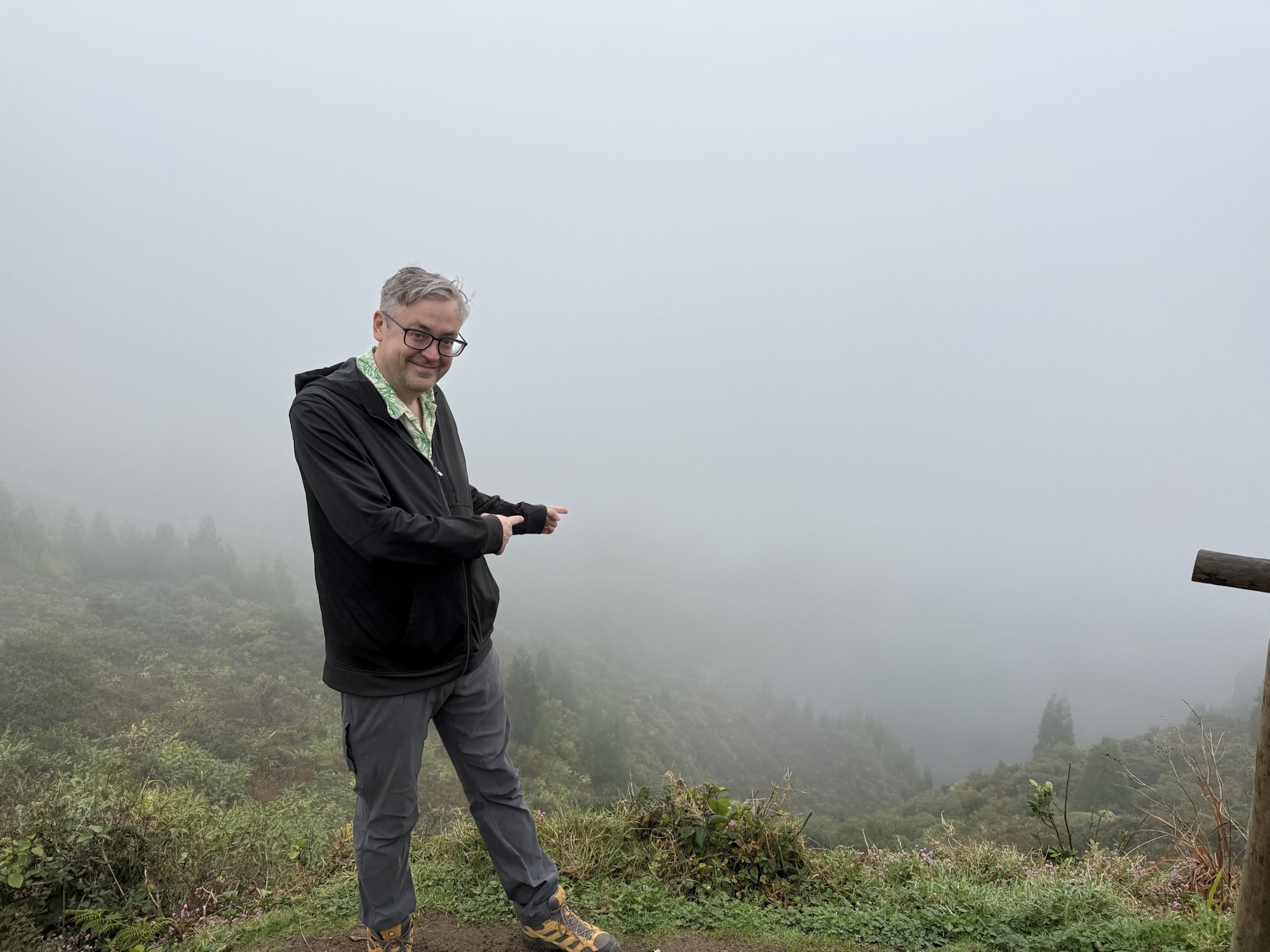
We only got to experience São Miguel island, but I have to say, it did not fail us. Excellent food, great wine, friendly people, gorgeous nature…and all the hot springs we could’ve ever wanted!

Chilling out in the warmth

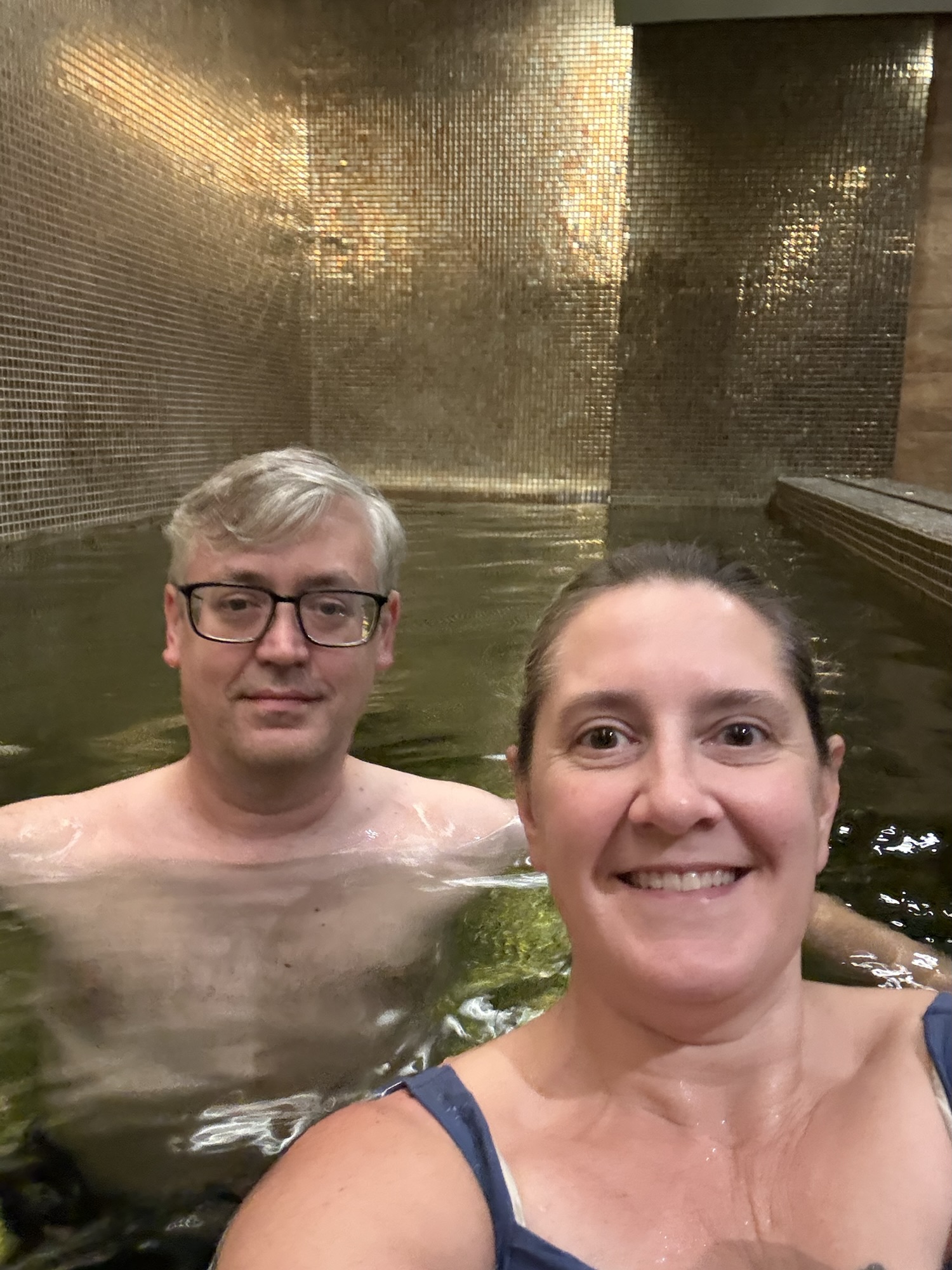
I am not a fan of water, yet I repeatedly find myself in situations involving water, or worse, boats. This trip has plenty of water, but it’s all warm and that is an entirely different story. Each day in Ponta Delgada includes an hour in the thermal circuit – a warm pool, a Turkish steam bath, and a dry sauna. The steam bath has become a favorite of ours. We will have to see how that stacks up against the 4 different hot springs we have in store over the next two days.

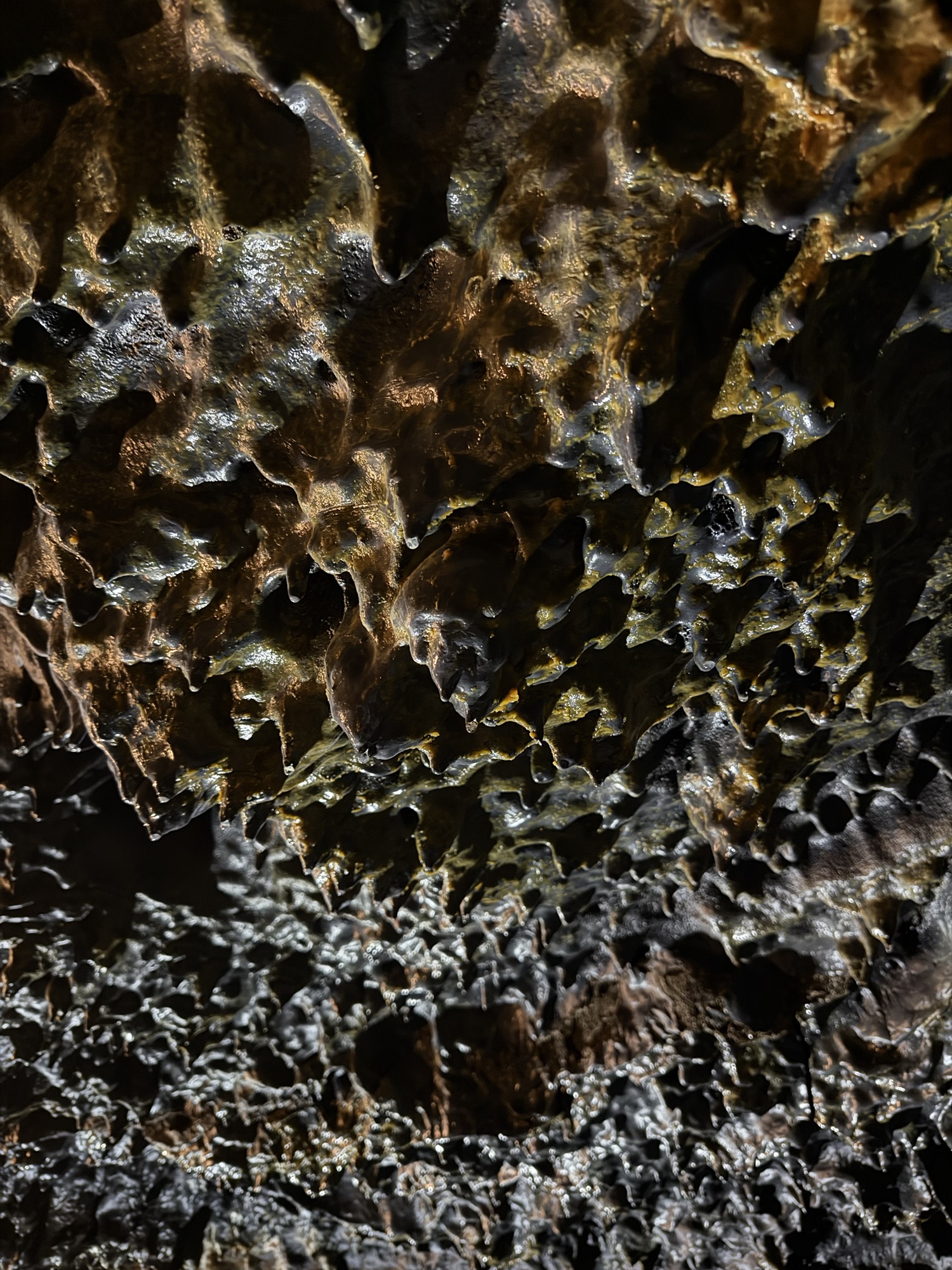
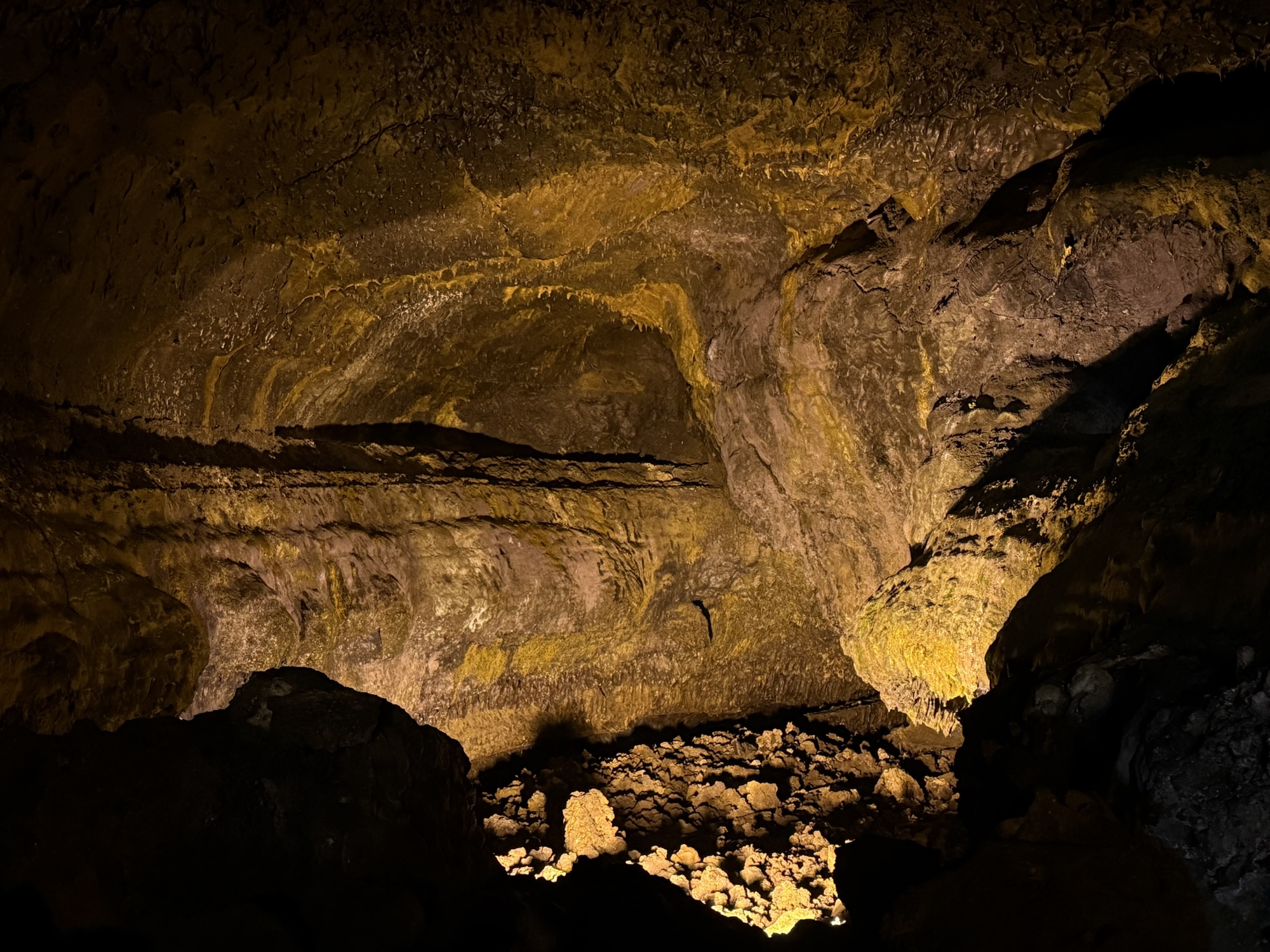
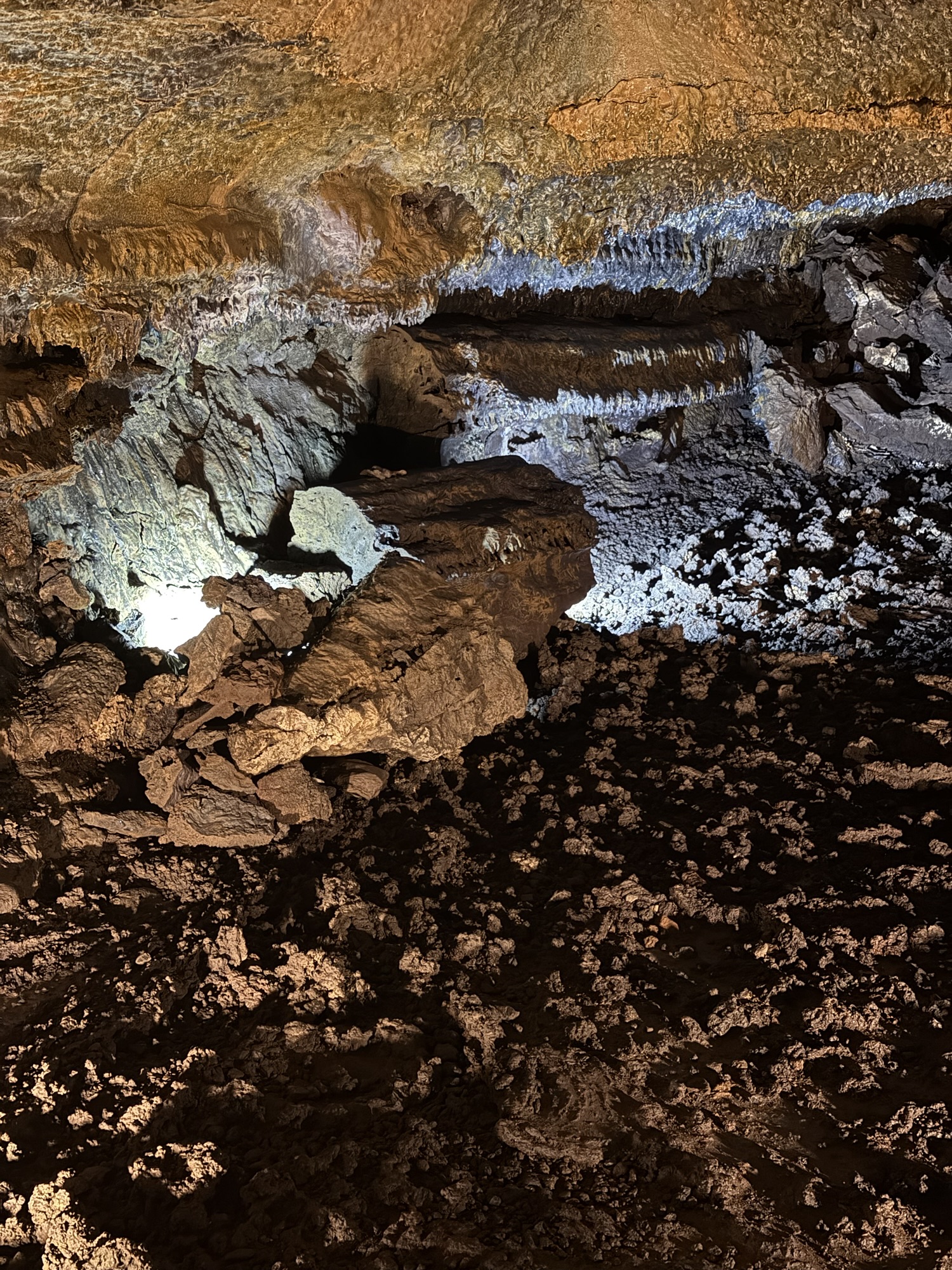
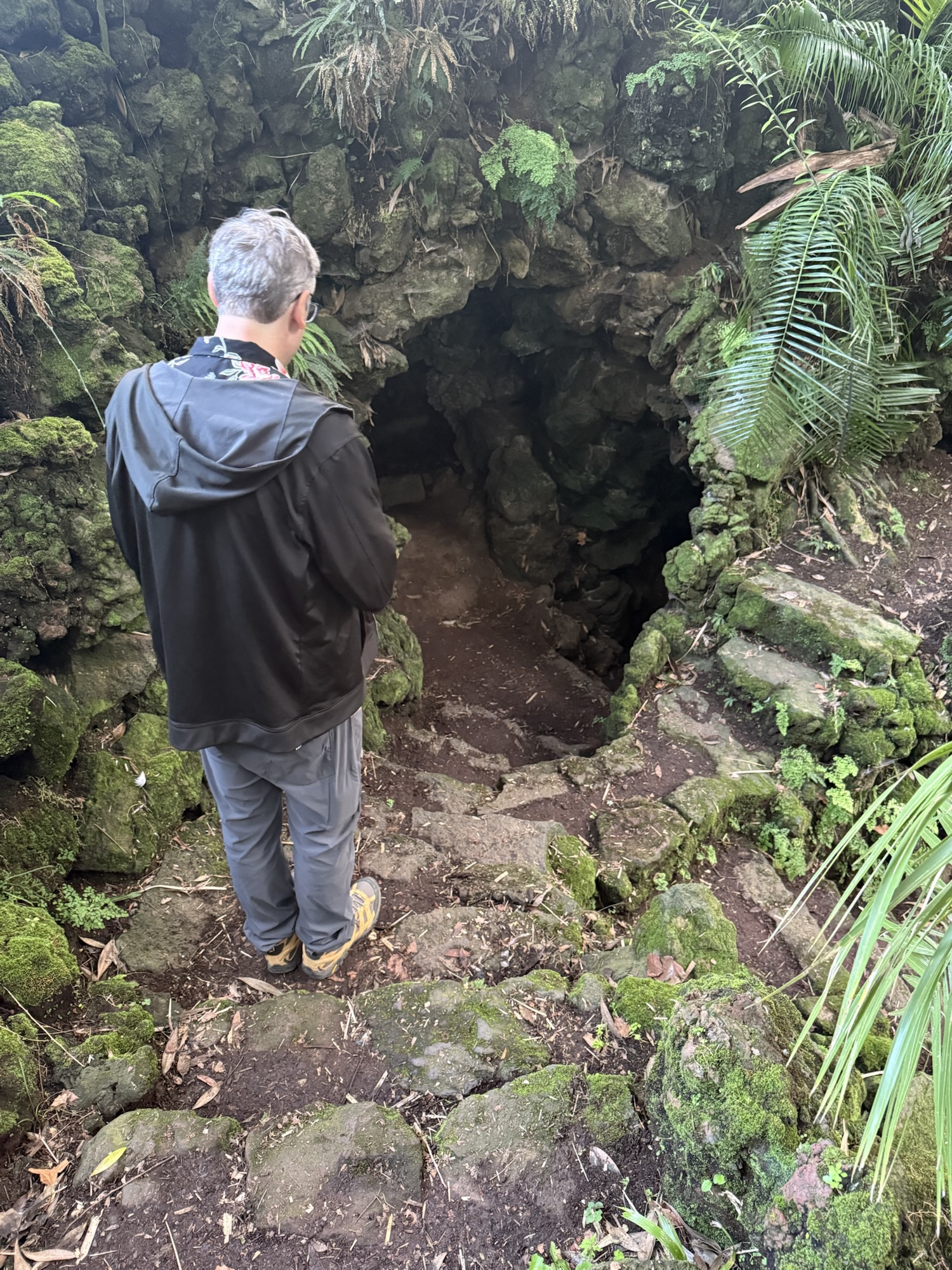
We had a 10:30 reservation at Gruta do Carvão, an ancient lava tube located on the edge of Ponta Delgada. I’m not often a fan of caves, but this was not too claustrophobic. Interestingly, because the water dripping into the cave is extremely pure and filtered of all its minerals, no new stalactites form – what you see is original and will never change.

Most of today’s short itinerary was to the east of the city. It was a light agenda day, which was just fine with us.

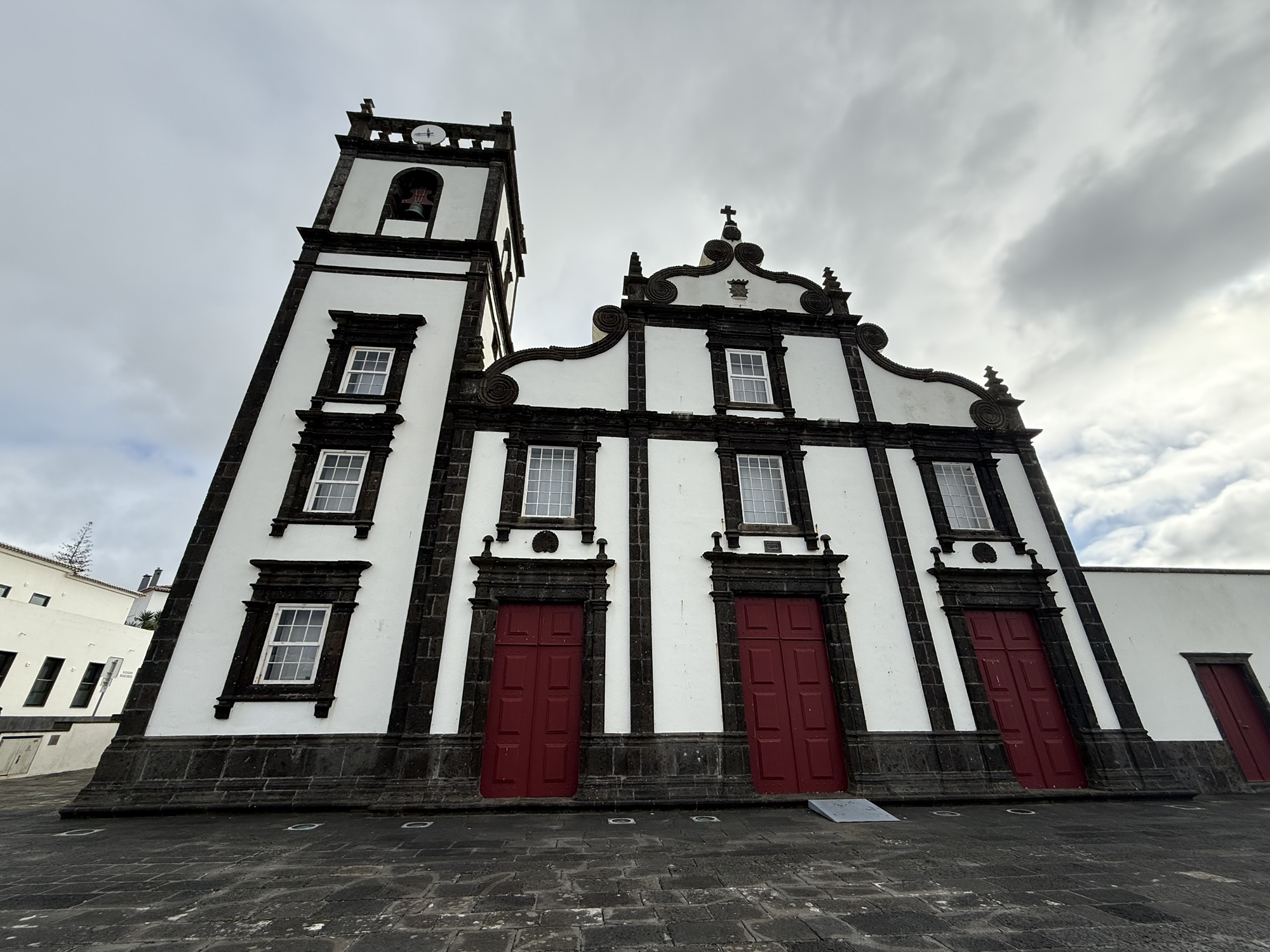
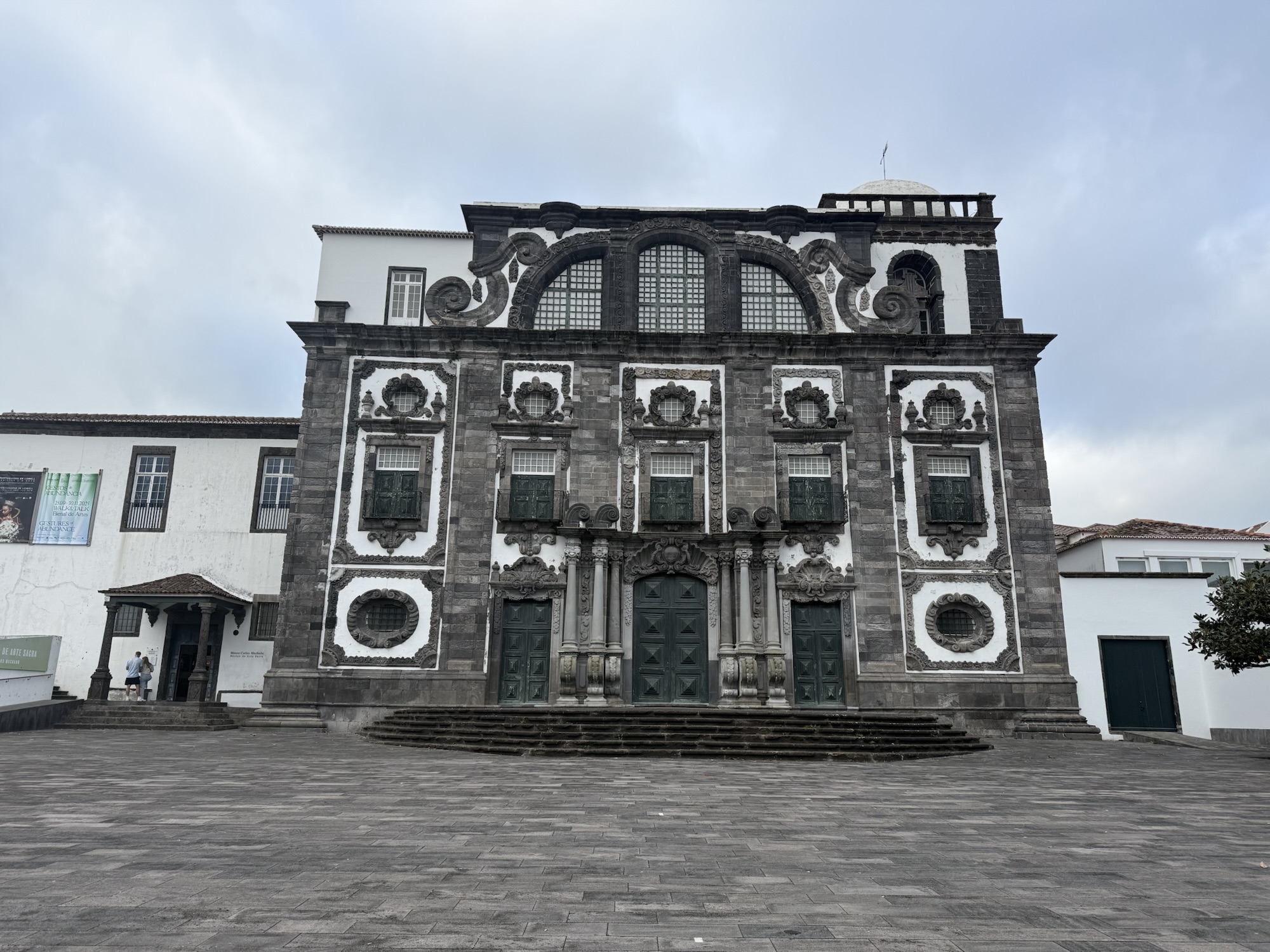
Igreja Matriz Santa Cruz
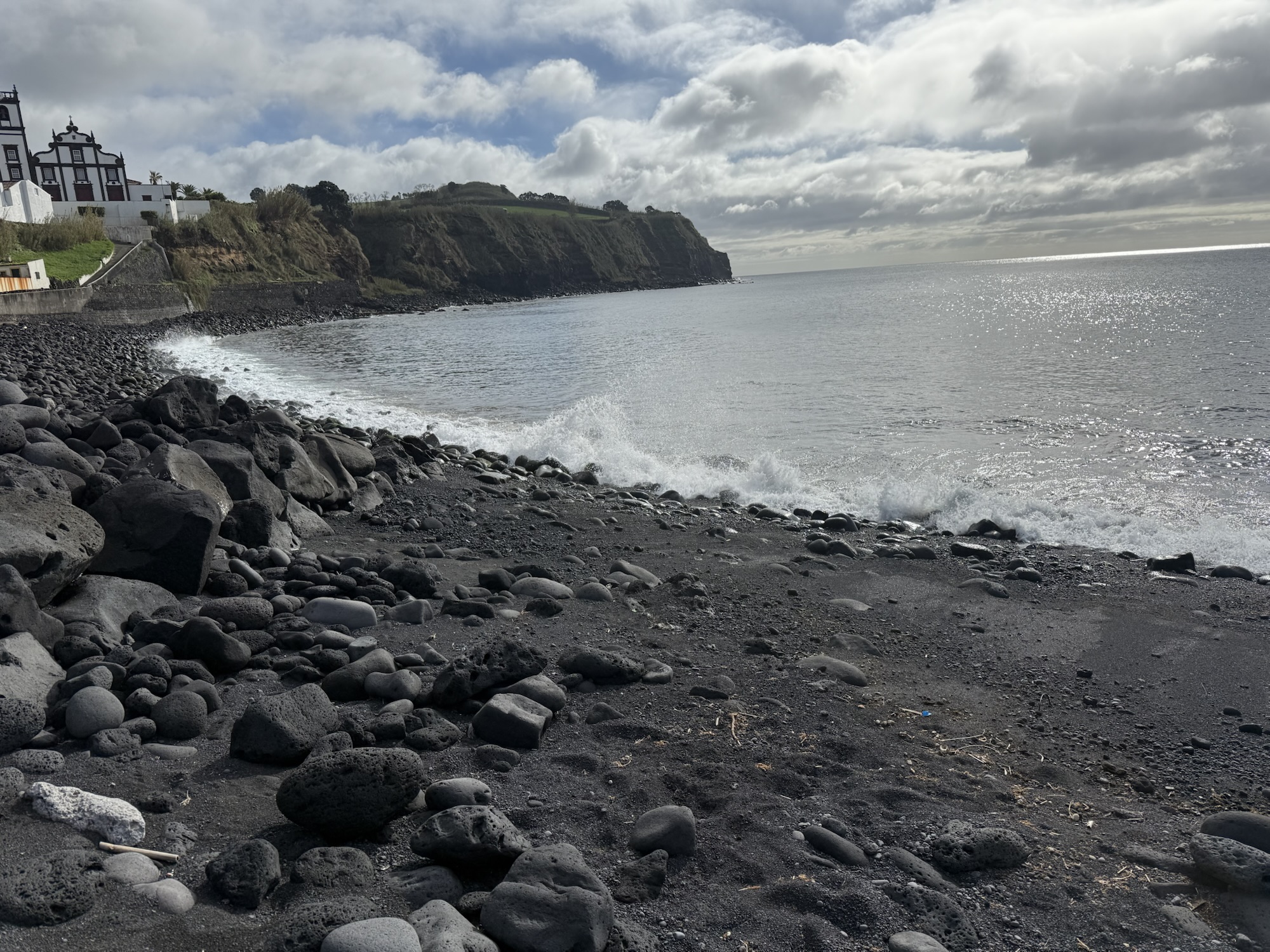
Black sand beach
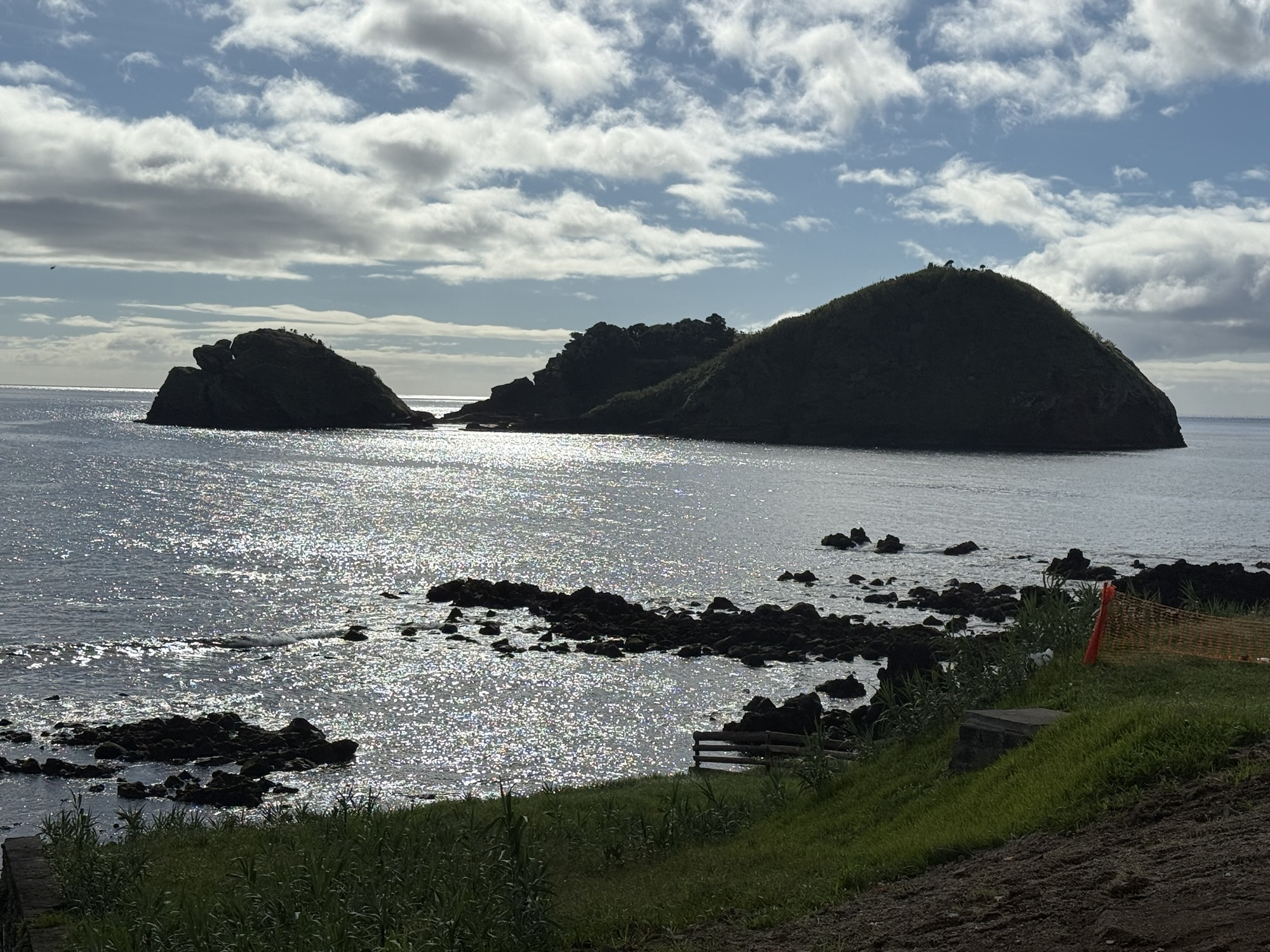
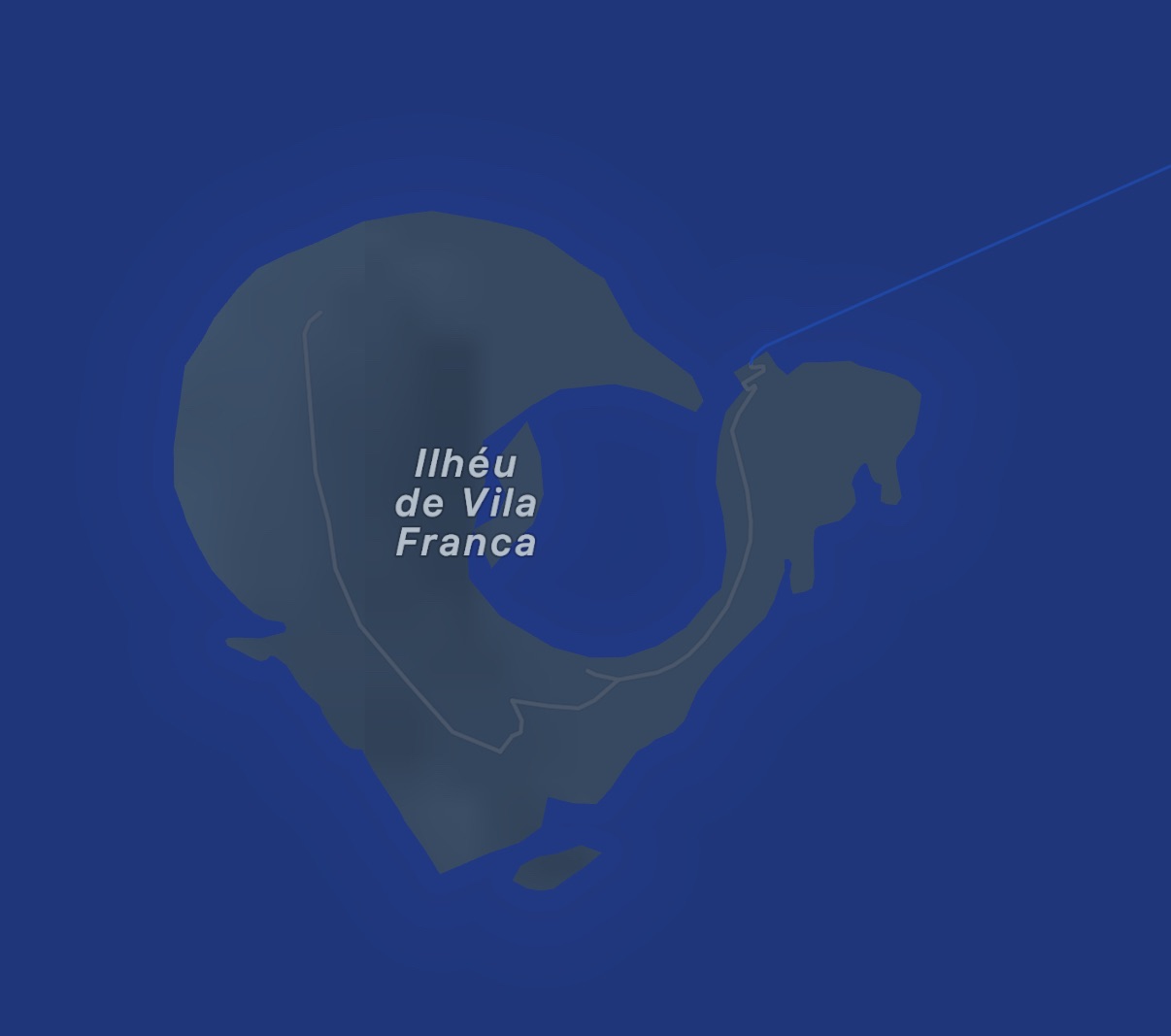
Ilhéu de Vila Franca – hard to see the fascinating shape from ground level
The island as seen on a map – it has a nearly perfect circle with only a narrow inlet

We stopped at a giant grocery store and bought some provisions to have as a picnic lunch before heading back to the city to walk around.

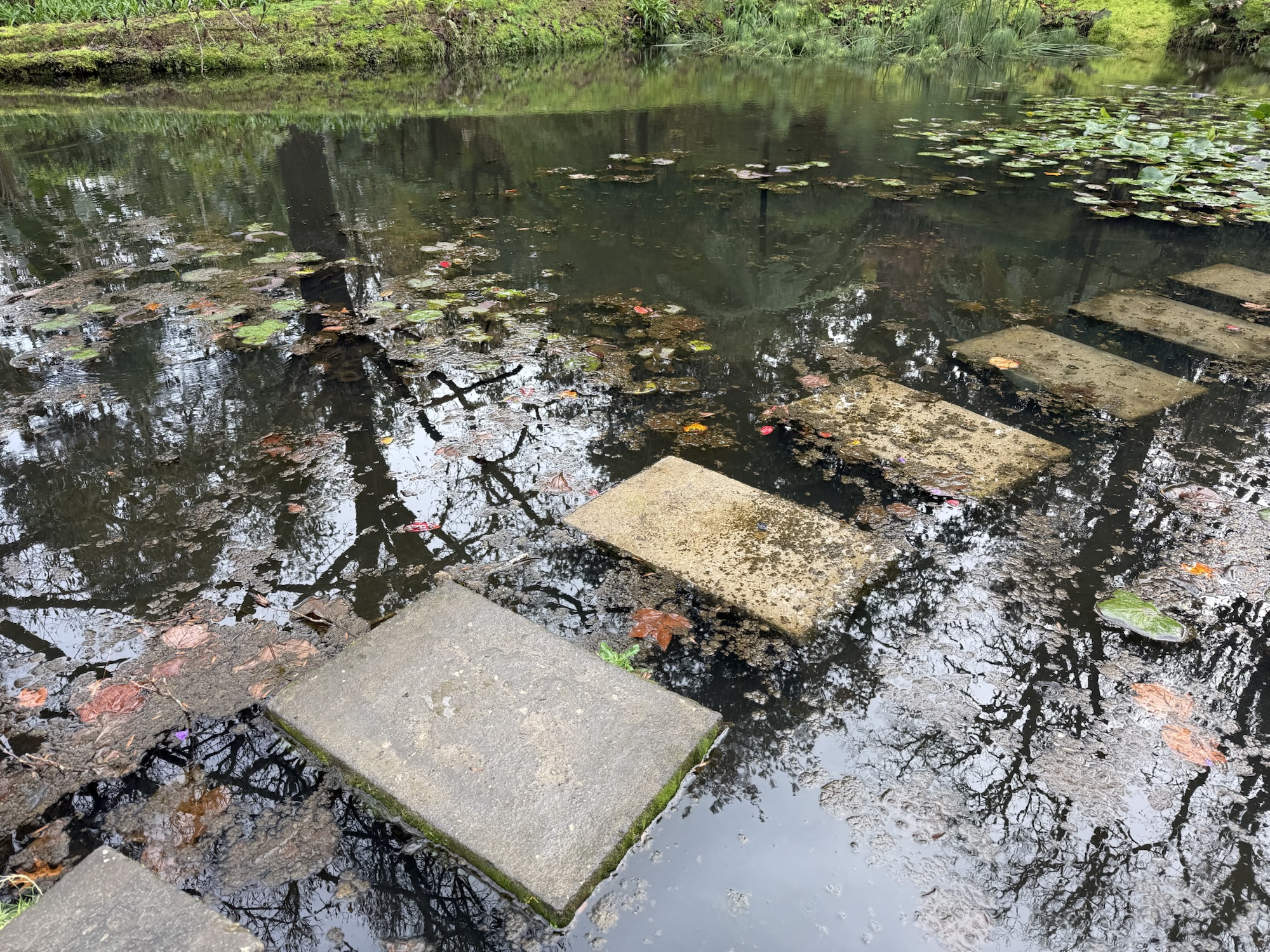
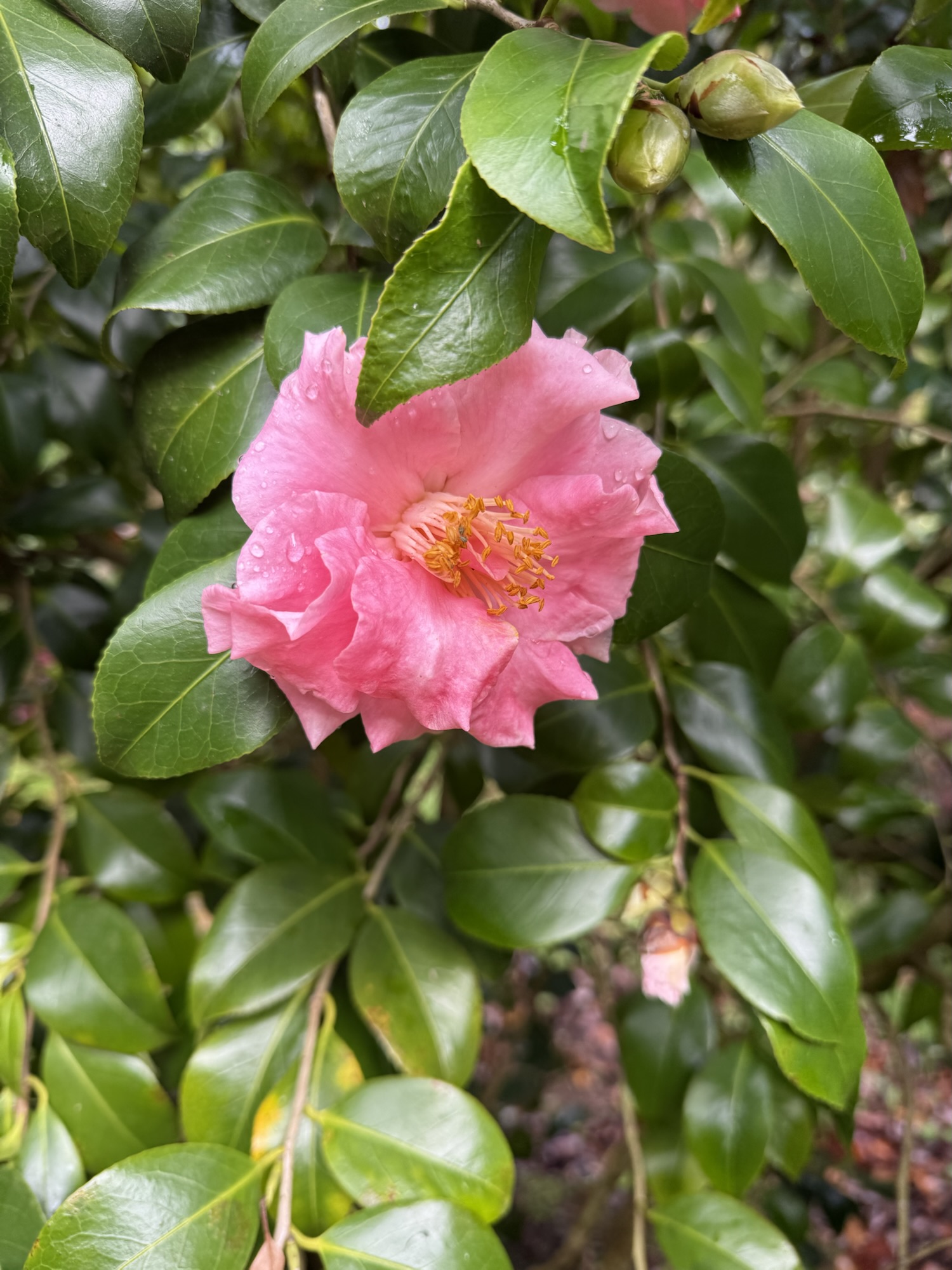
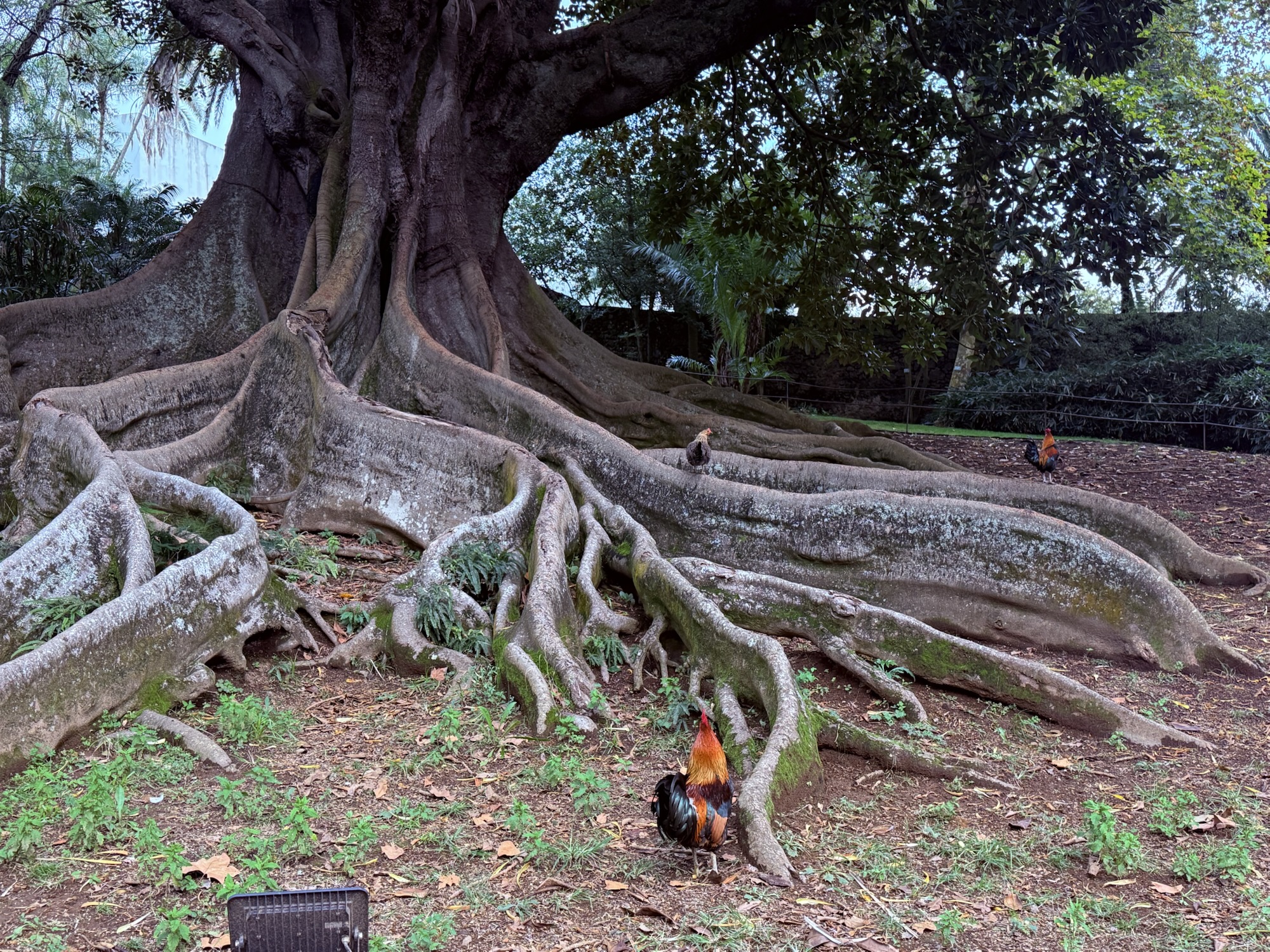
We ended up wrapping up the day in a botanical garden and wandered around for a bit before heading to the hotel to read and watch the sunset on our balcony.

Happy little cows

With the defunding of NPR and PBS, Bob Ross and his “happy little trees” has been on my mind, especially after John Oliver raised nearly $2 million for public broadcasting by selling a Bob Ross painting. Well, Bob Ross would’ve LOVED the Azores!

We decided to come here because Luke wanted to celebrate his upcoming 50th birthday with hot springs in a place we’ve never been. That’s actually tougher than you’d think because we’ve been to many of the world’s great hot springs already, and the others are awfully far away. Japan is far, Iceland we’ve done. Turkey is far, Chile we’ve done. While we’ve been to Portugal twice already this year, the Azores felt different enough to qualify, so here we are!

I did not know before researching for this trip that the greater Boston area has one of the largest Azorean populations outside of the islands. Sad for Azoreans who settle in the hostile New England climate, but good for us since it means a short, direct flight.

We arrived on Thursday at. 6:00am. There is absolutely no way that a 4.5 hour flight contains anything close to sleep, so we headed directly to our hotel. One perk of middle age is that we can afford a nice hotel, and we can afford to pay for the hotel when we land early in the morning. I just can’t stay awake for hours waiting for check-in any longer. So, we got our teeny-tiny rental car and headed for several blissful hours of sleep at the Hotel Octant.

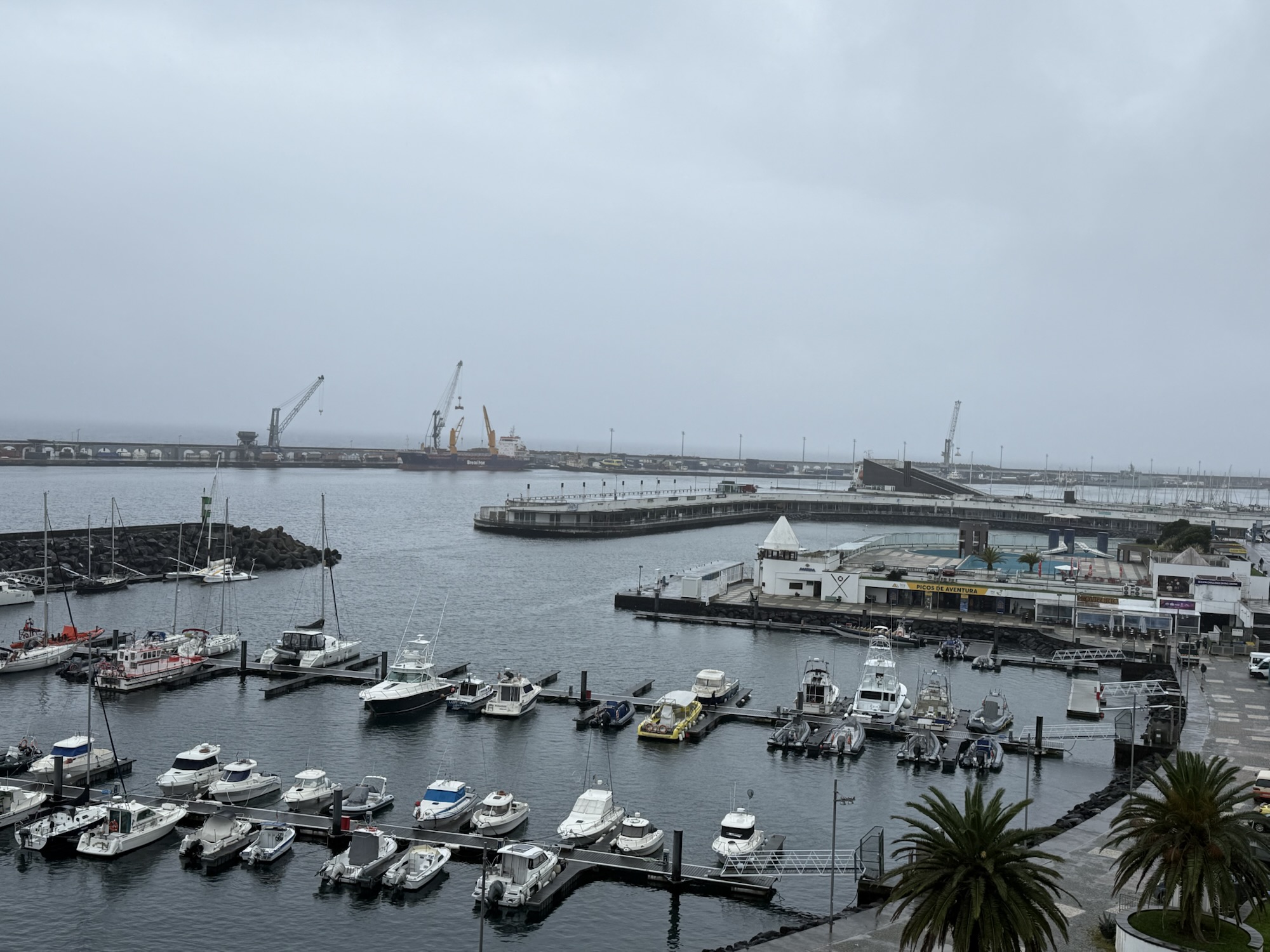
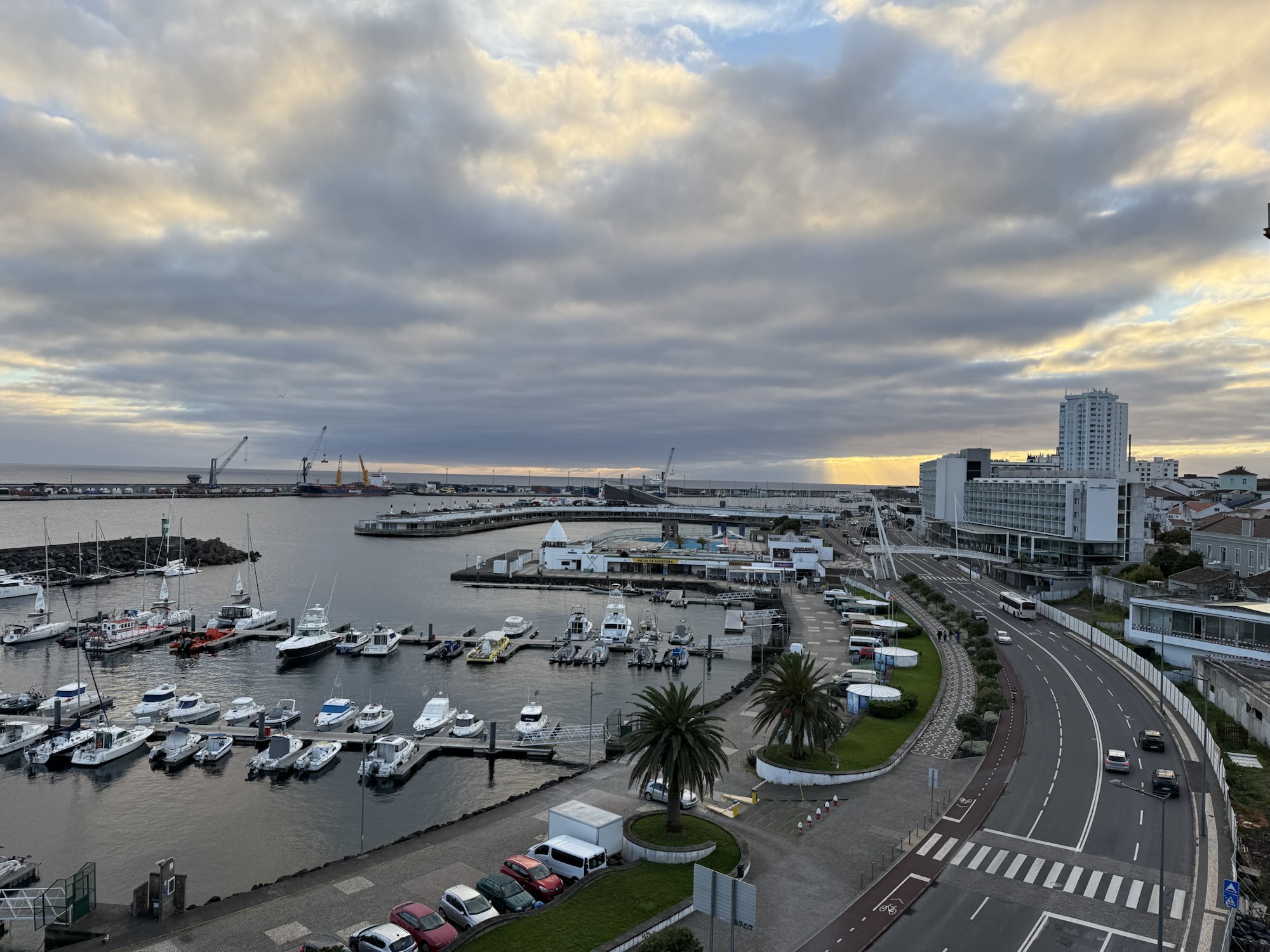
Hotel balcony view

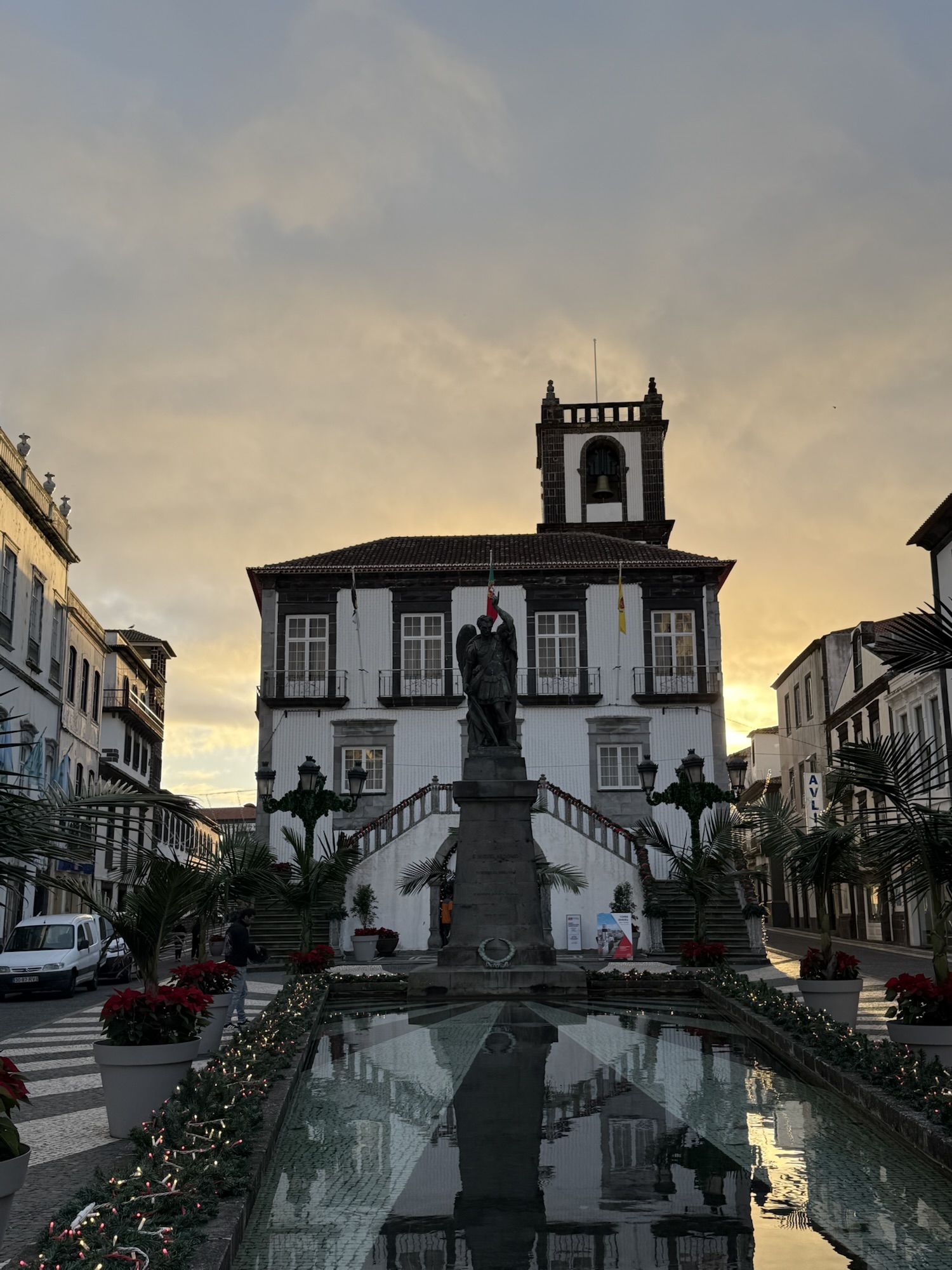
Once we woke up, we hit the streets to see what Ponta Delgada had to offer. Sadly, it was a rainy day, and even with new umbrellas, the weather got worse. A quick lunch of wine and cheese and fresh tuna, a short walk around the city center, and then we were back at the hotel.

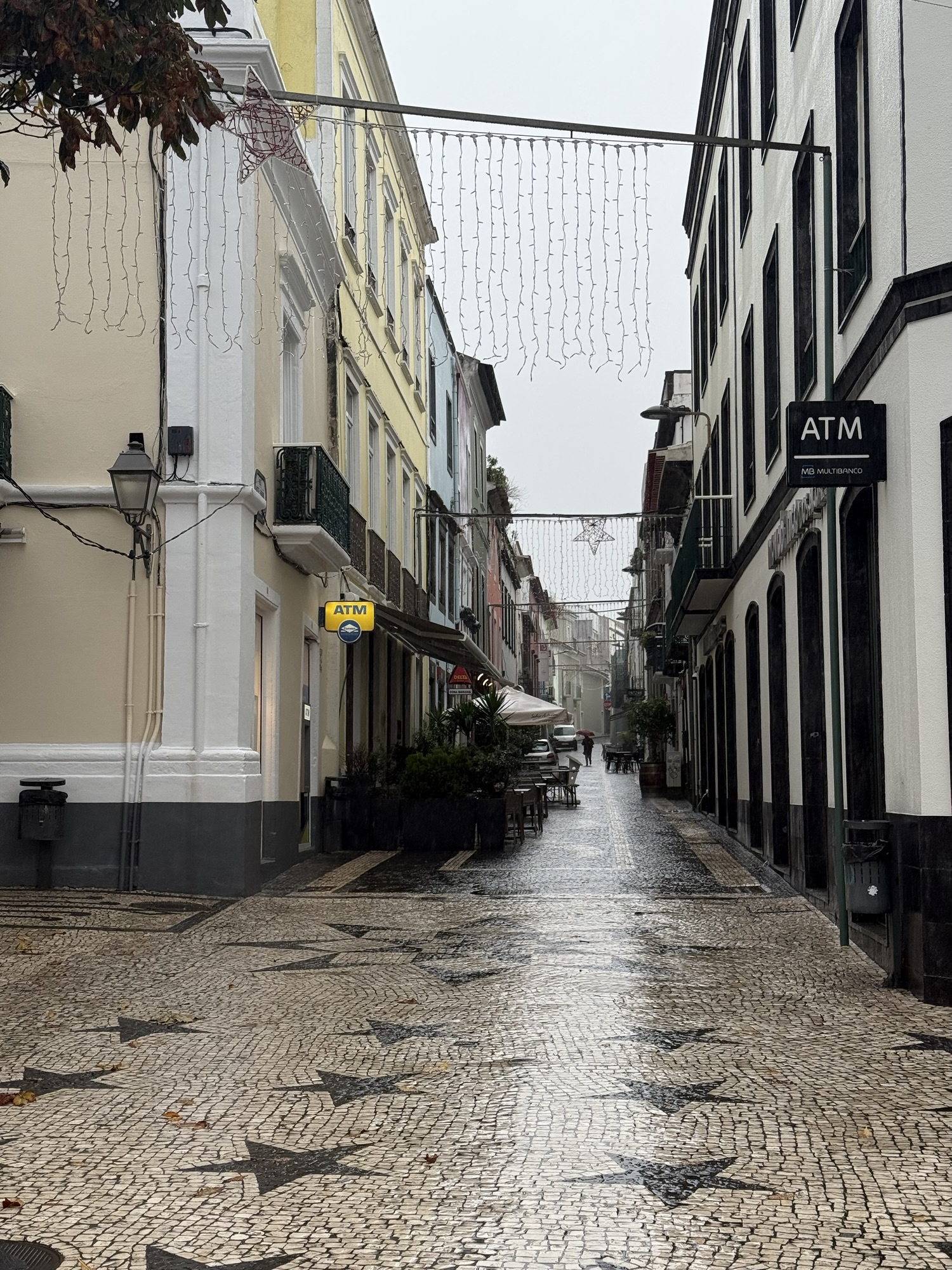
City center
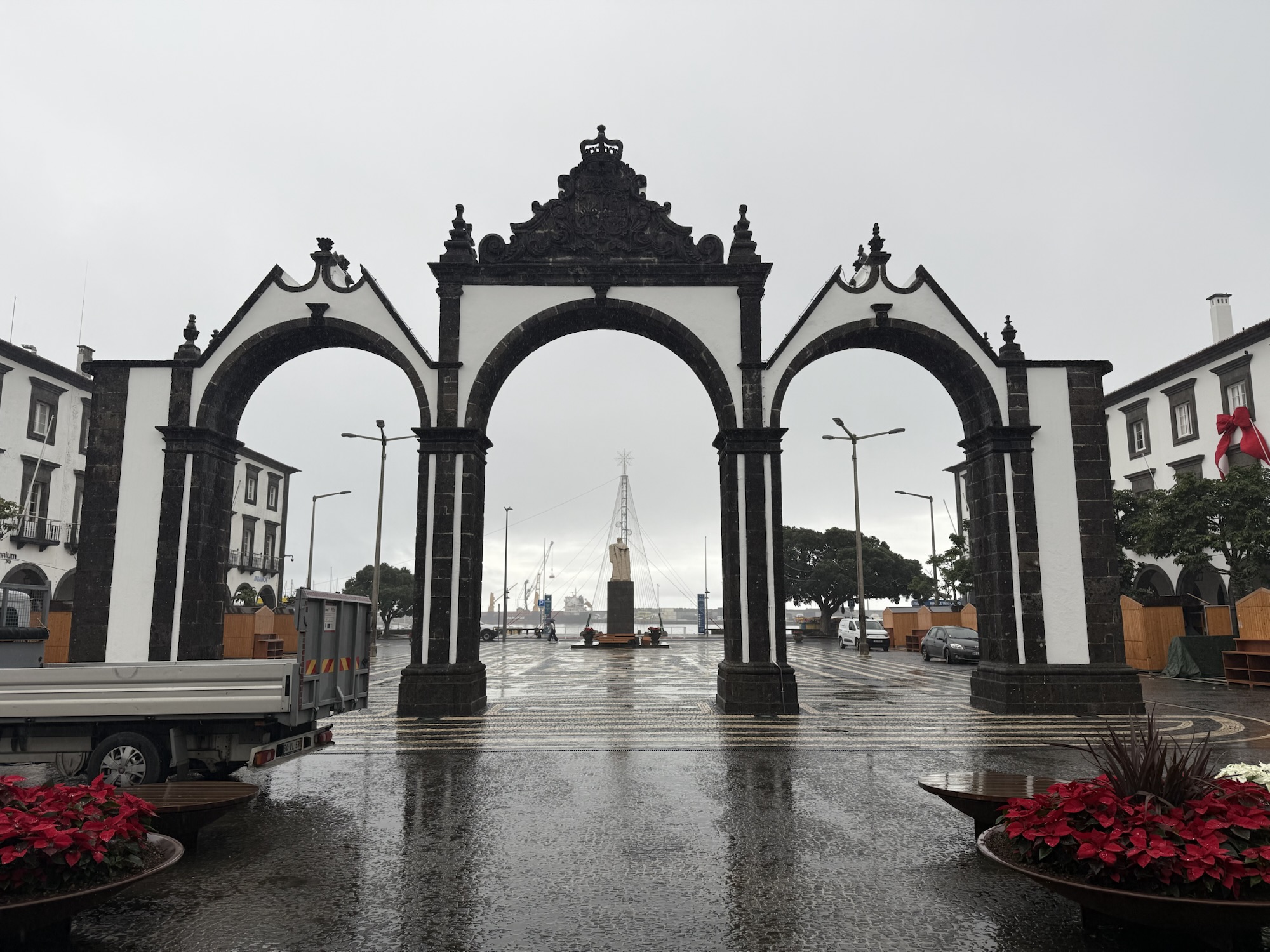
City gate
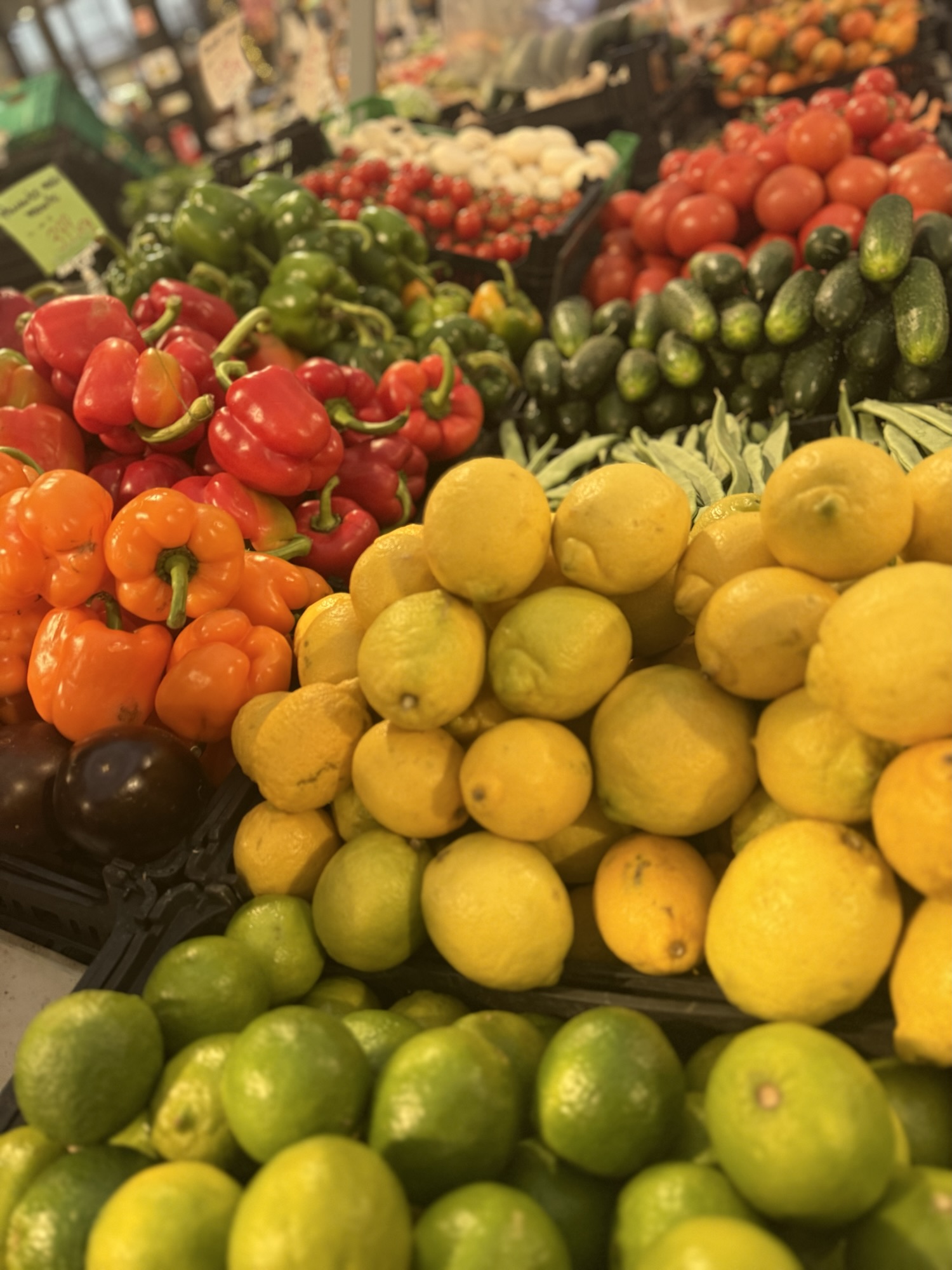
City market

One reason I booked the hotel that I did is that it apparently has a hot spring fed pool. I’m not sure about that, but it does have a warm pool, a Turkish steam bath, and a sauna, and I like all 3 of those things.

Hot pool

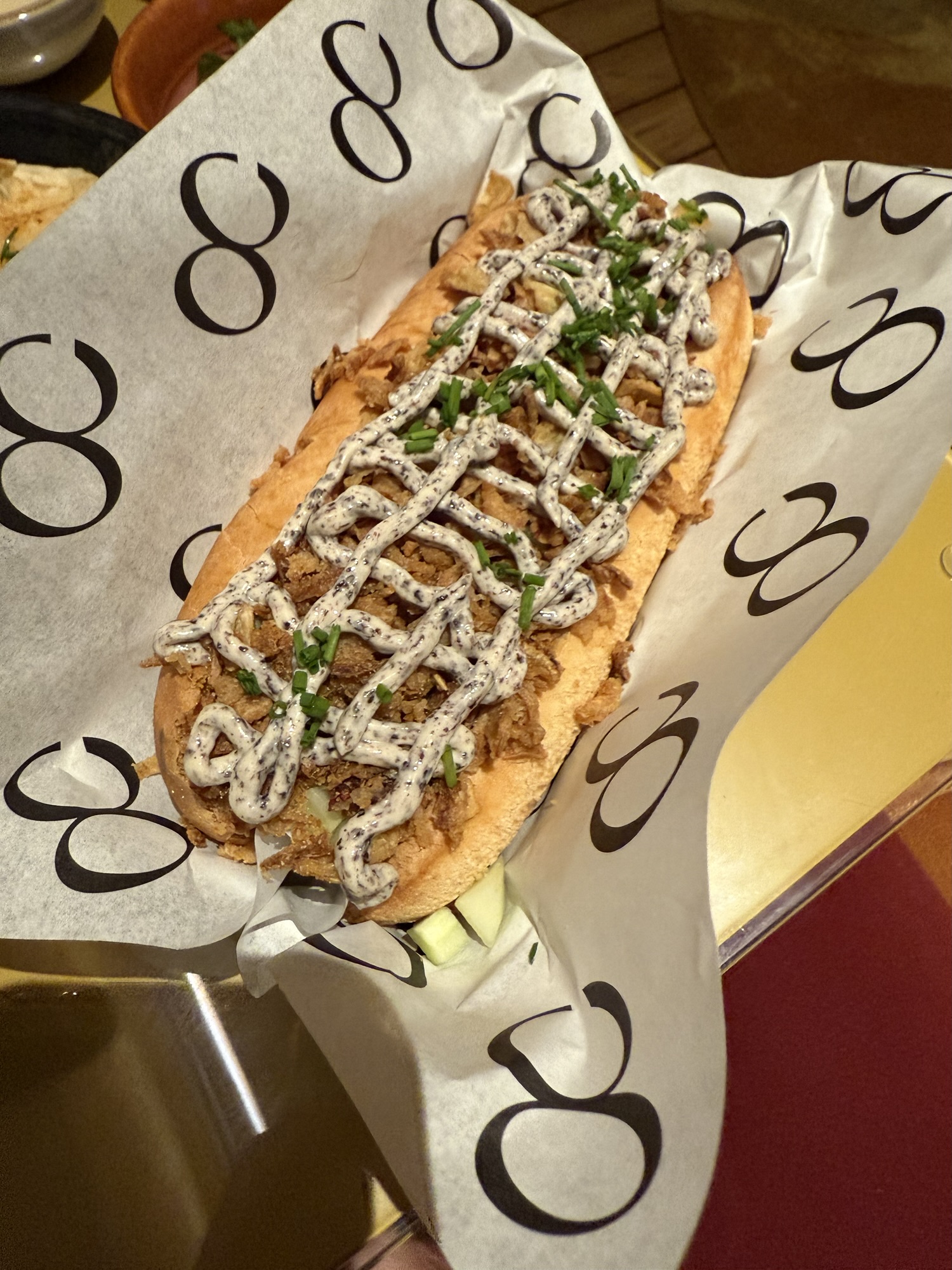
After a delightful hour of roasting in hot liquid/steam, we got dinner in the hotel bar. I was wary of the “tuna hot dog” but must report that it was DELICIOUS!! It’s a seared spear of fresh tuna covered in crispy fried onions and garlic mayo served in a hot dog bun. Luke had tuna ceviche, which he said was also delicious, but it couldn’t have been as good as my tuna hot dog.

Tuna hot dog: strip of seared tuna with crispy fried onions and garlic mayo

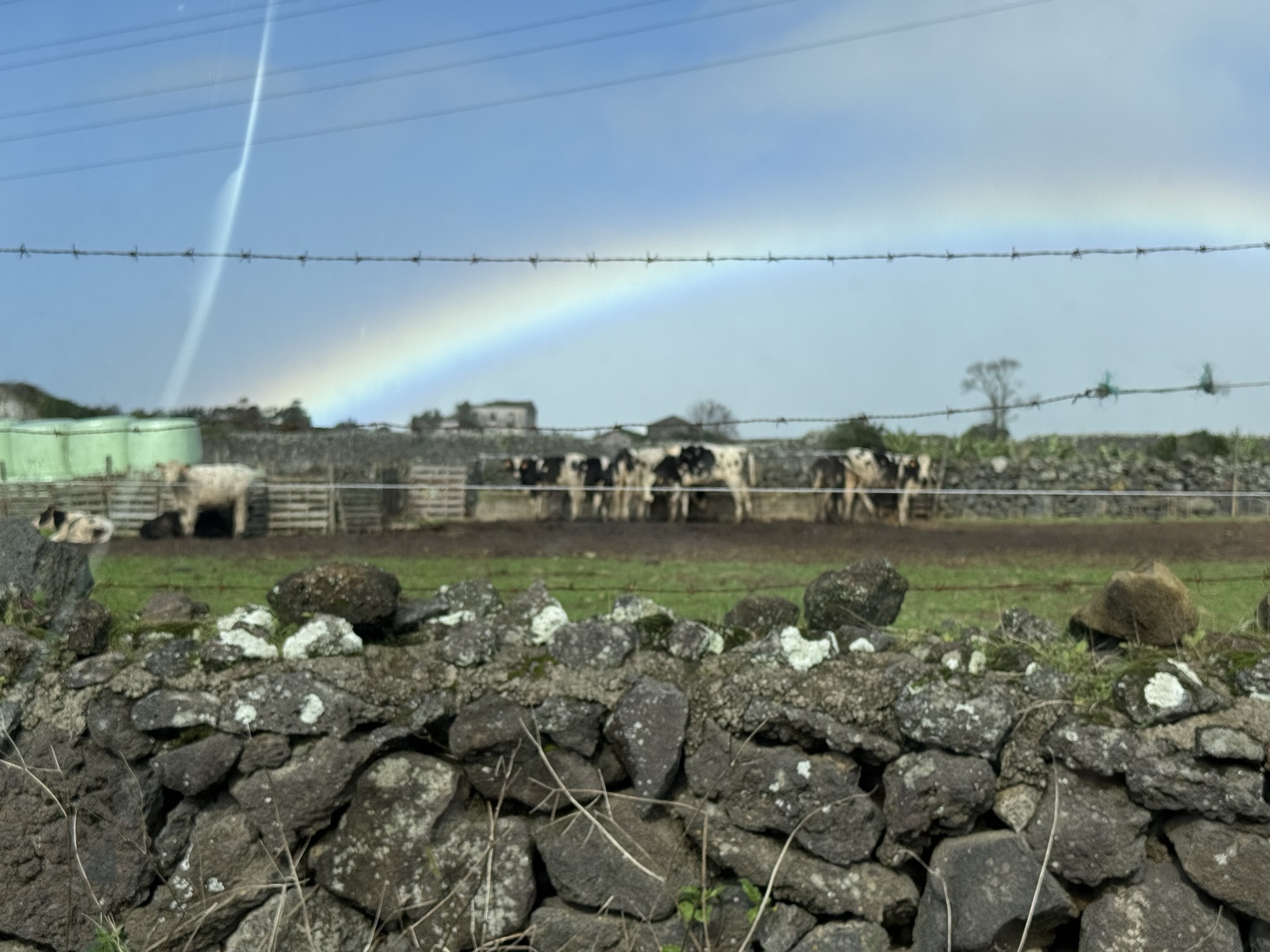
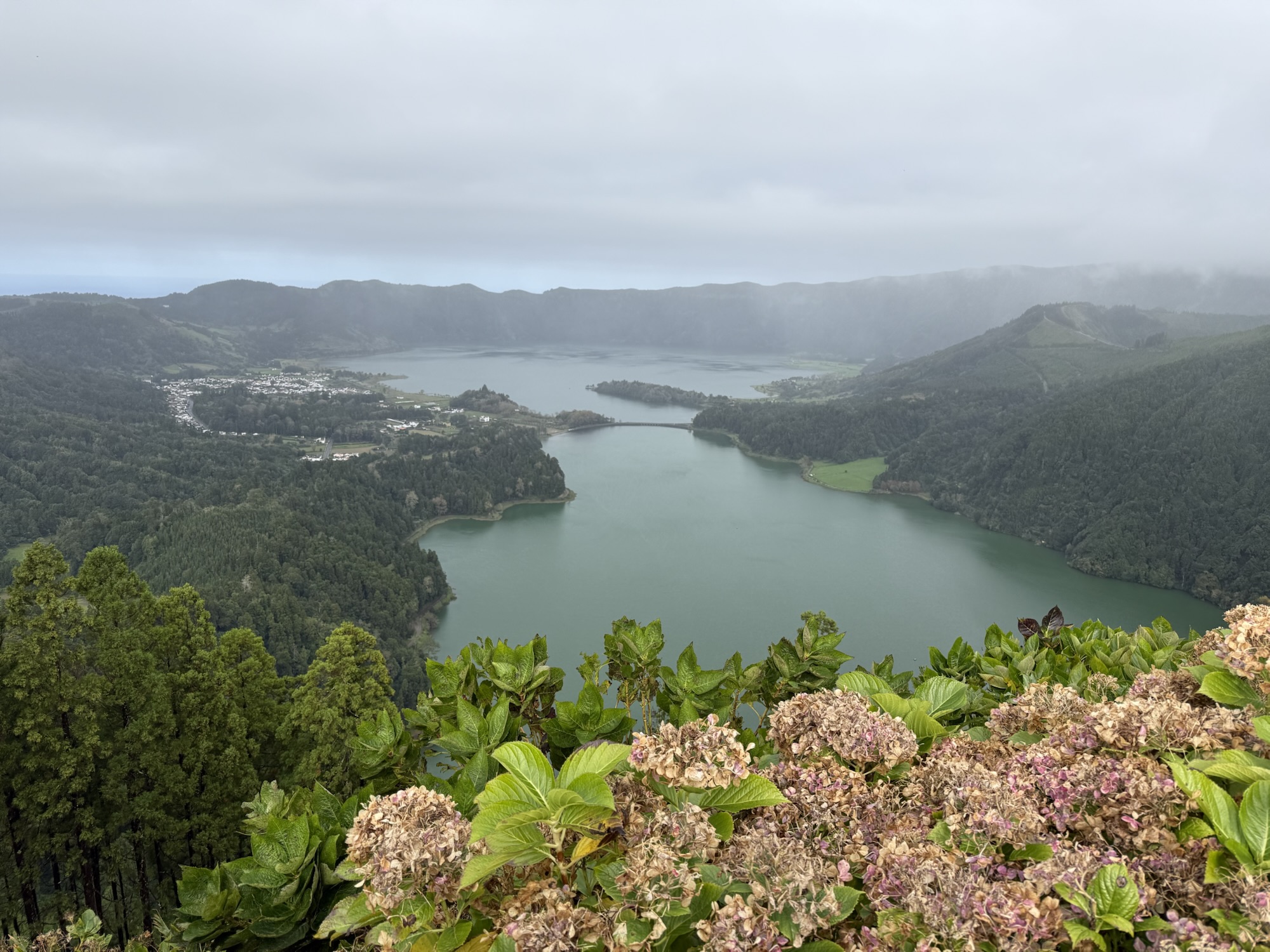
After the best night of sleep and a hearty breakfast, we went out toward the Sete Cidades area to see the volcanic lakes. This island is filthy with rainbows from the ever-present misty clouds.

After 20 minutes of driving, we got to the lakes This was a real Taj Majal moment:

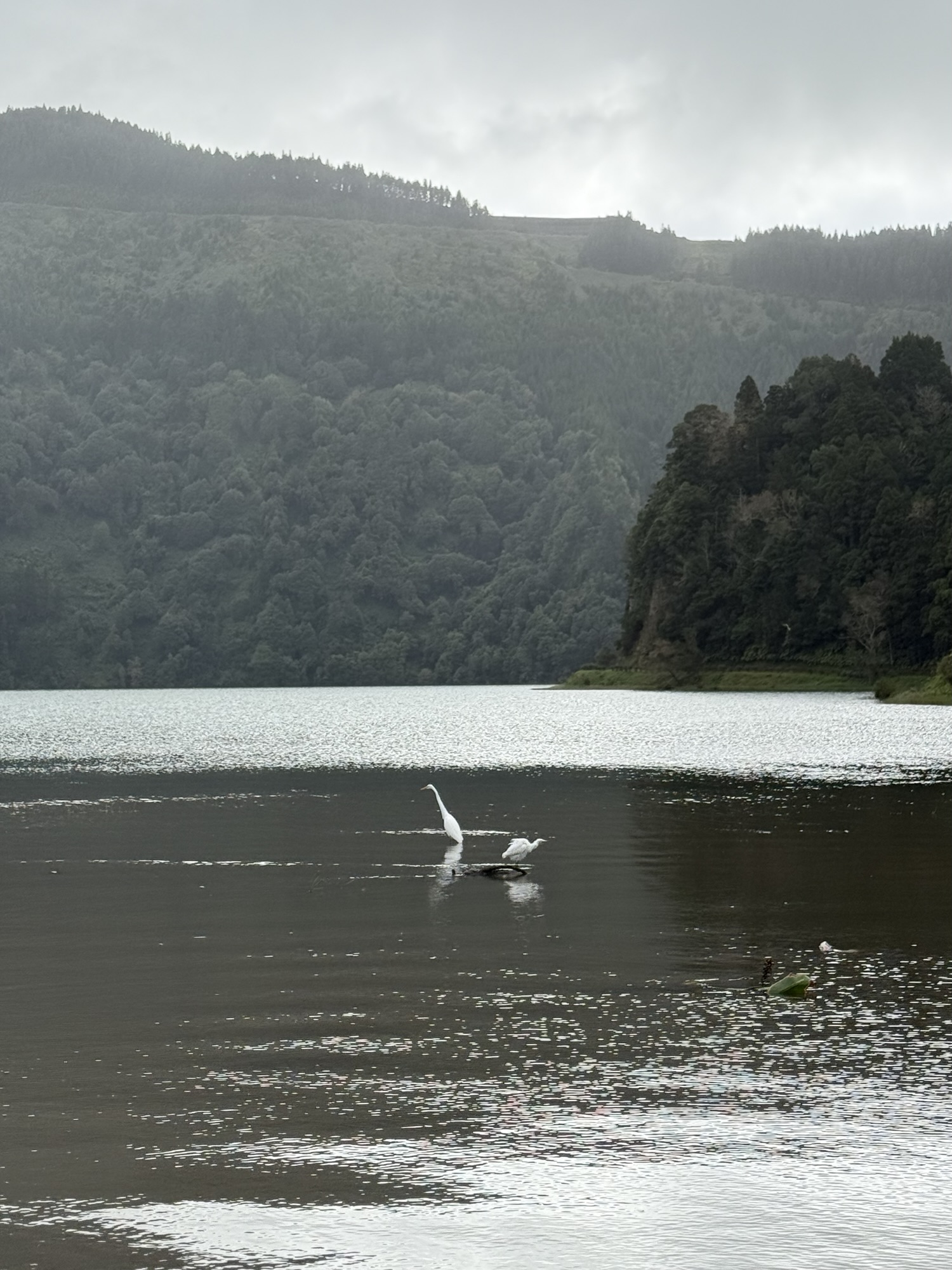
Other foggy lake

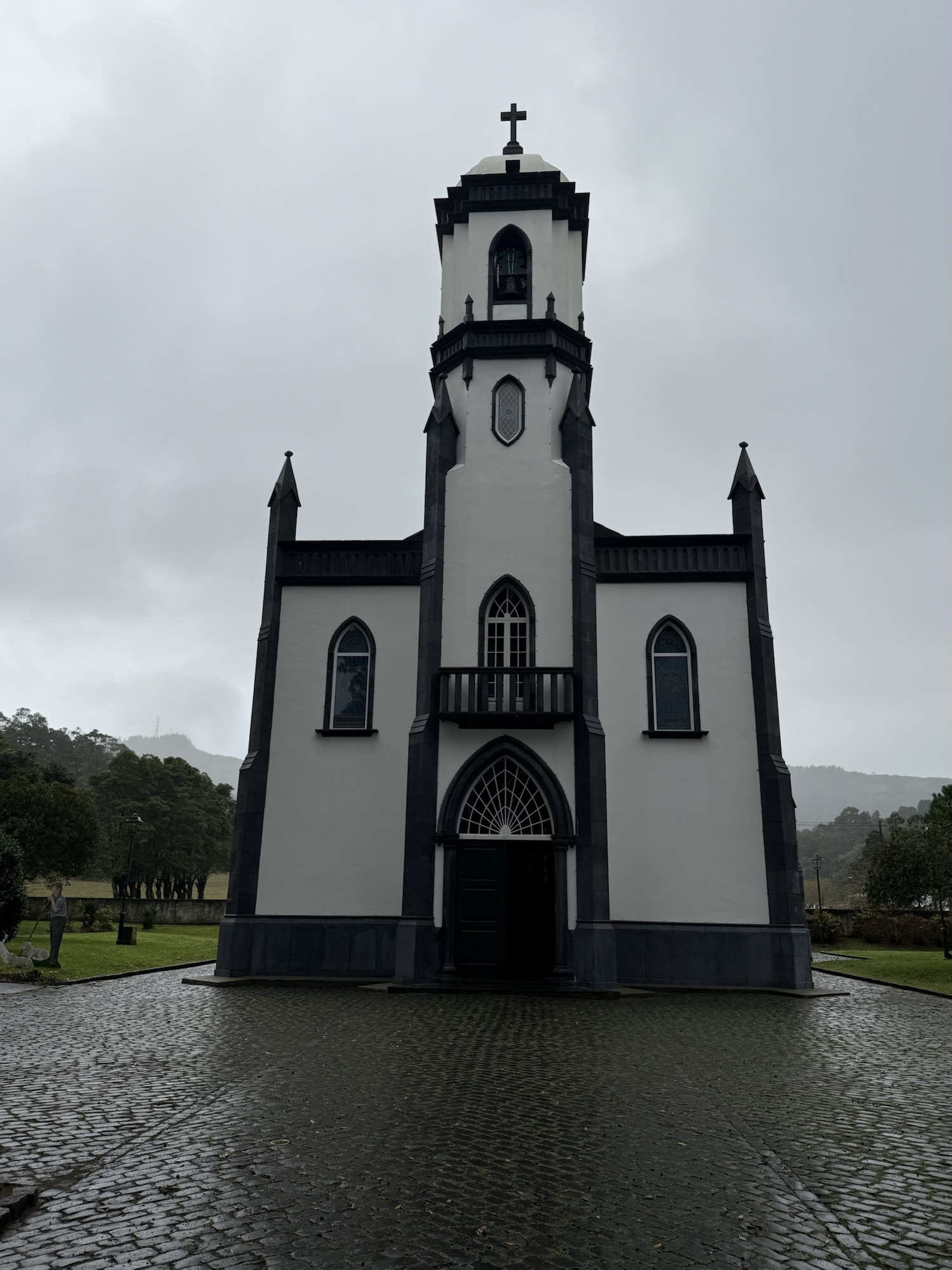
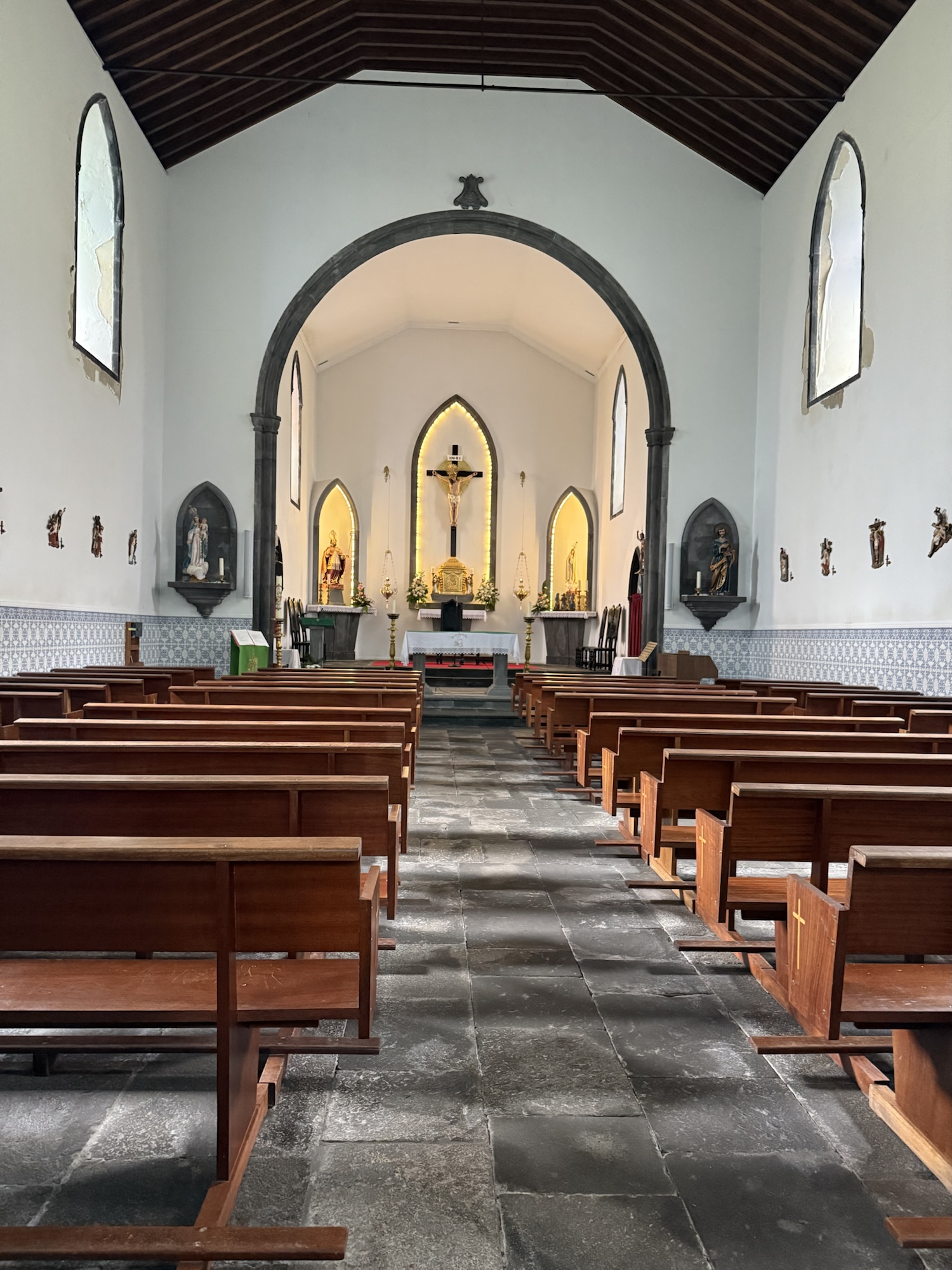
We drove around the region for about an hour, stopping at various pull-out vistas. The town proper had a delightful church, which was striking on the outside in its white and black, and austere on the inside.

St Nicholas church: outside
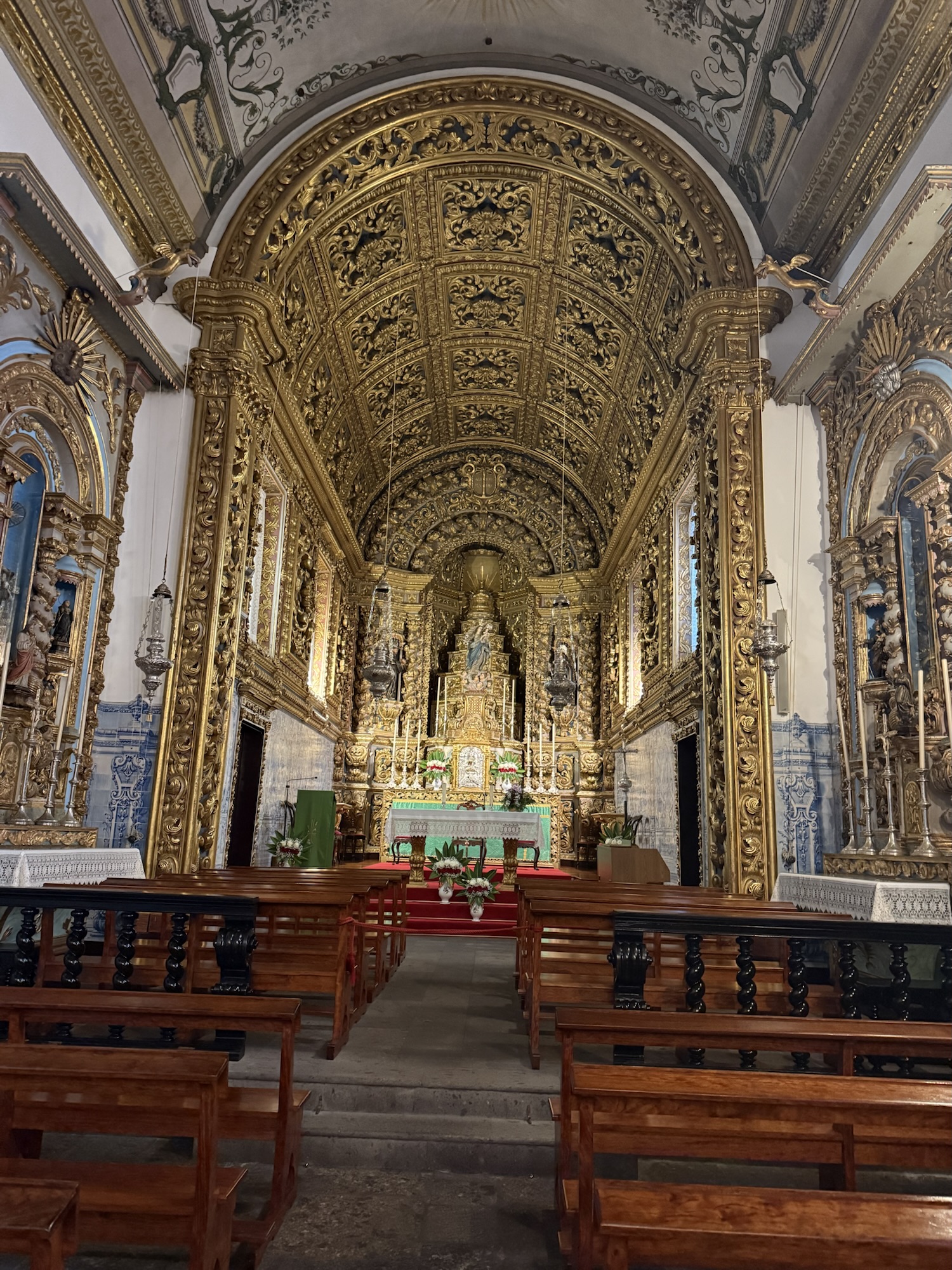
Church inside

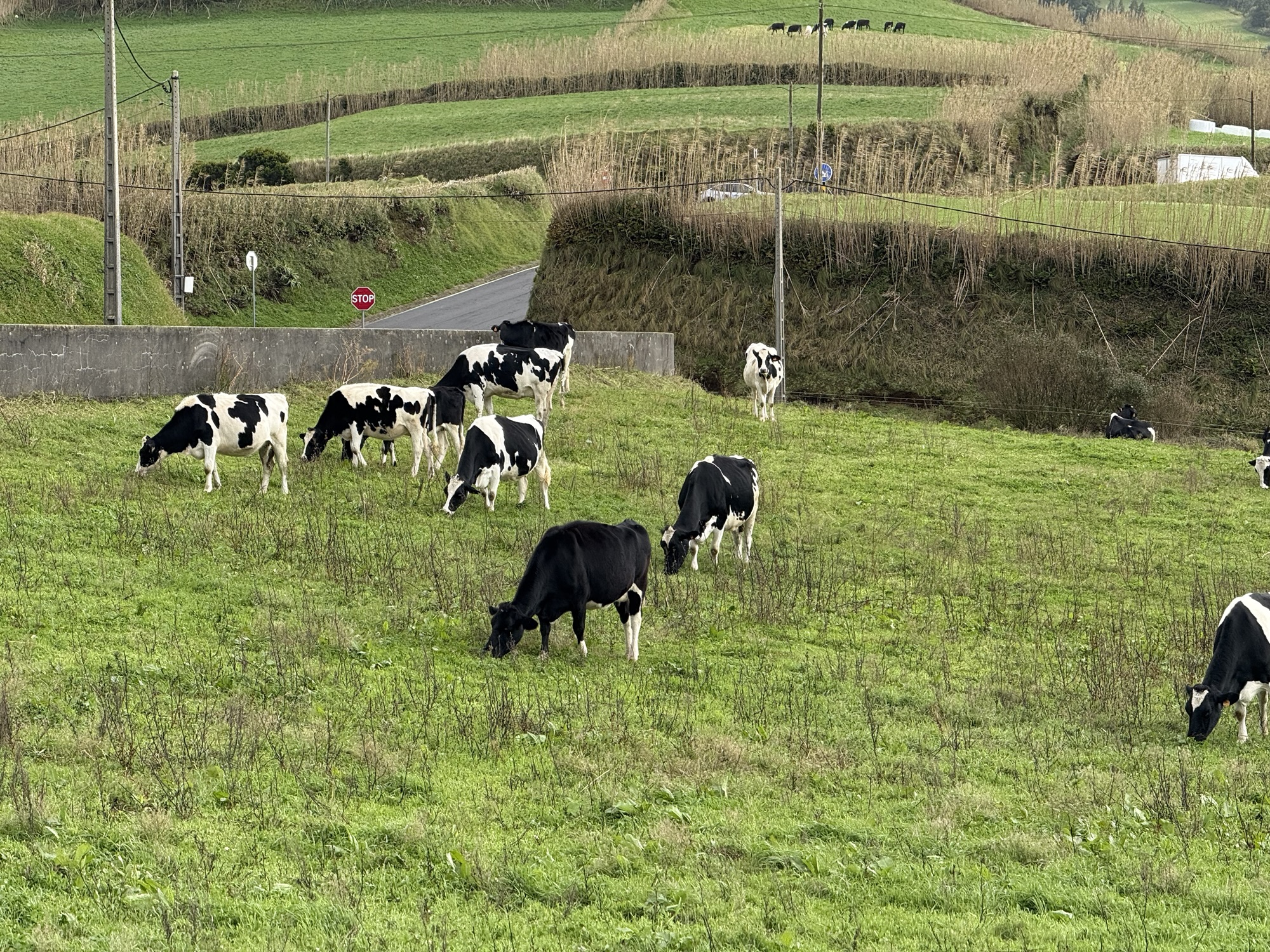
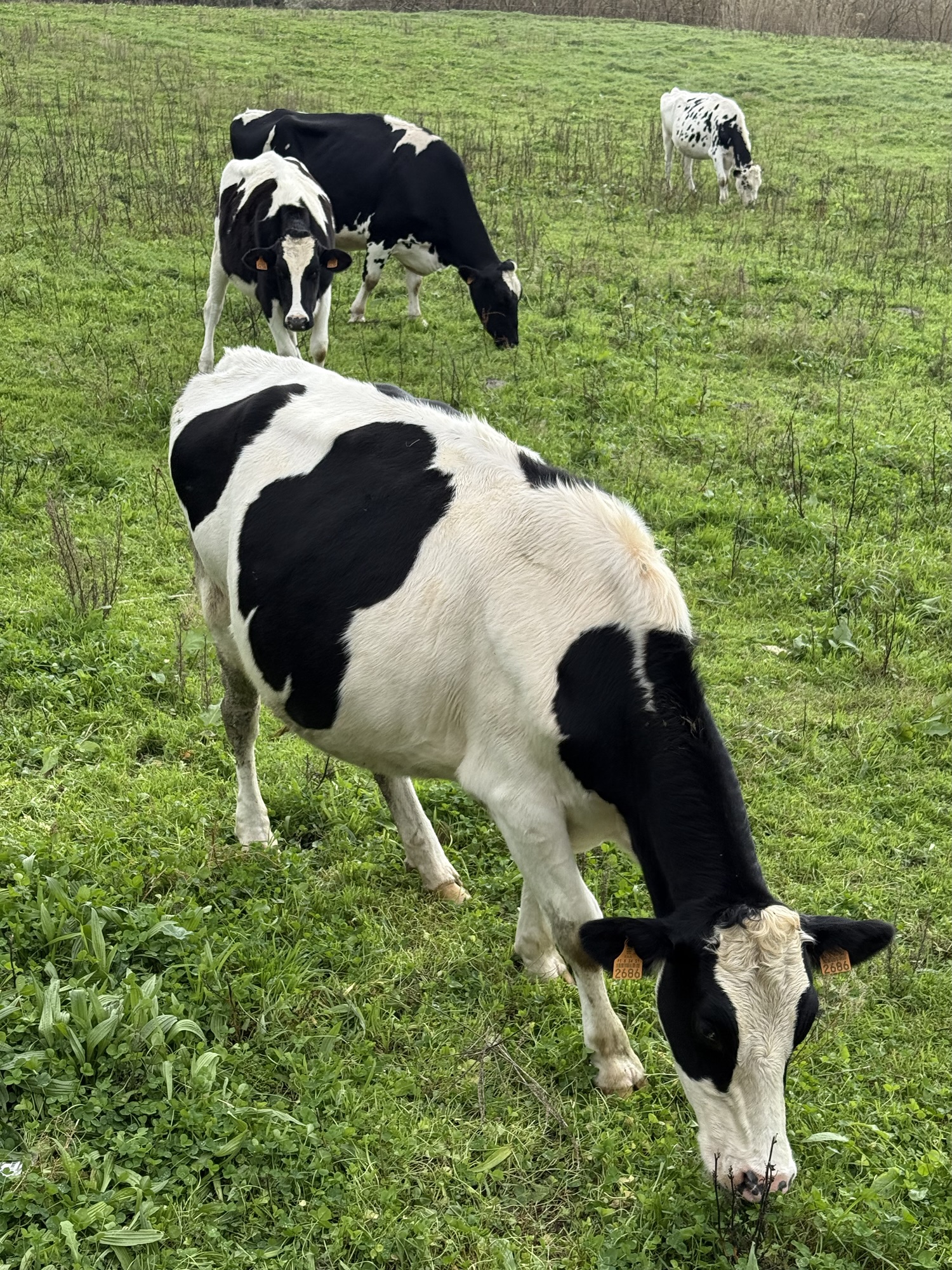
We explored the northwest coast for a bit since there were some modestly clear skies there. Luke teased me relentlessly over my love of the cows. Just because I find adorable cows novel doesn’t warrant endless teasing! Bob Ross would approve.

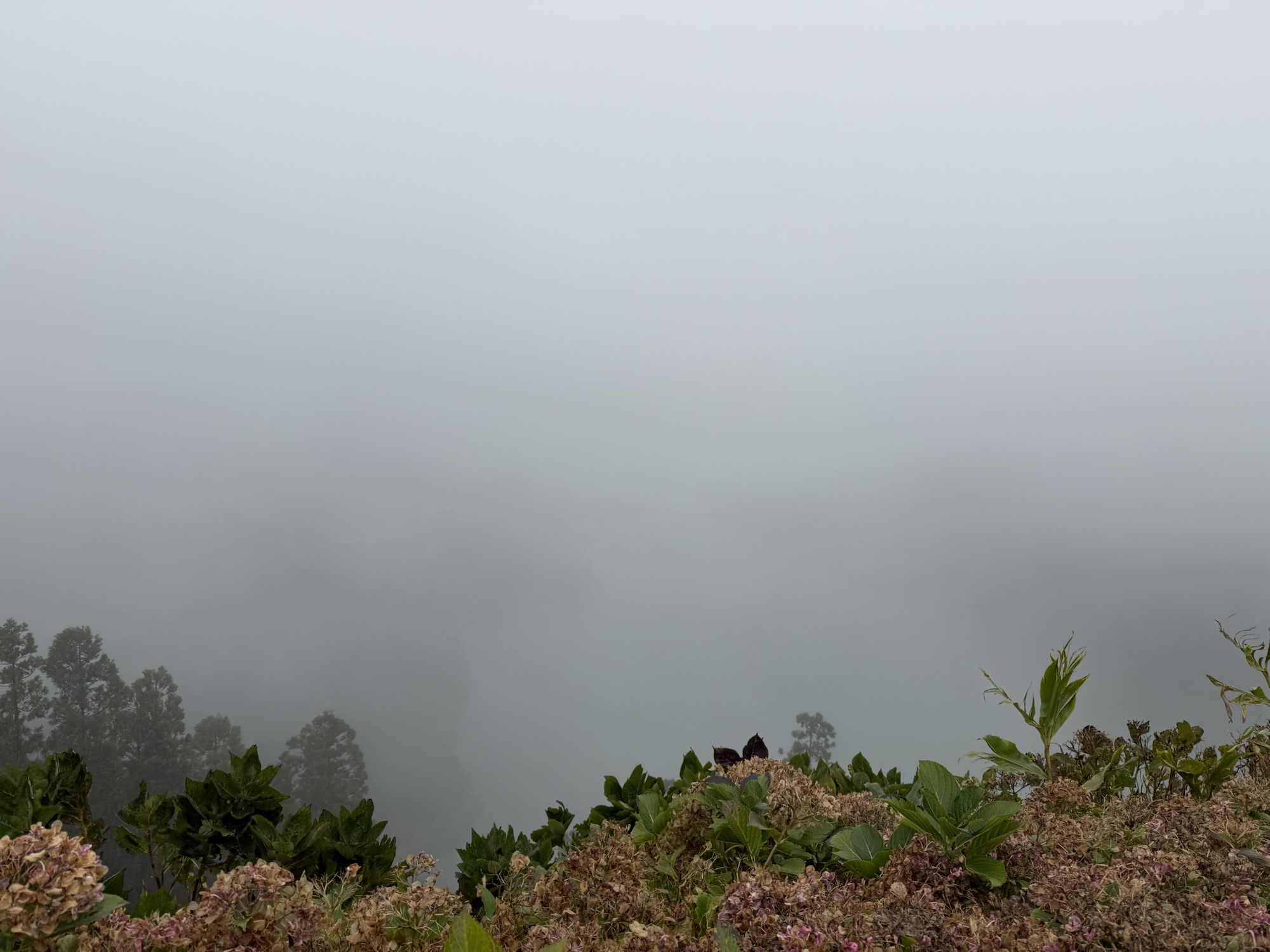
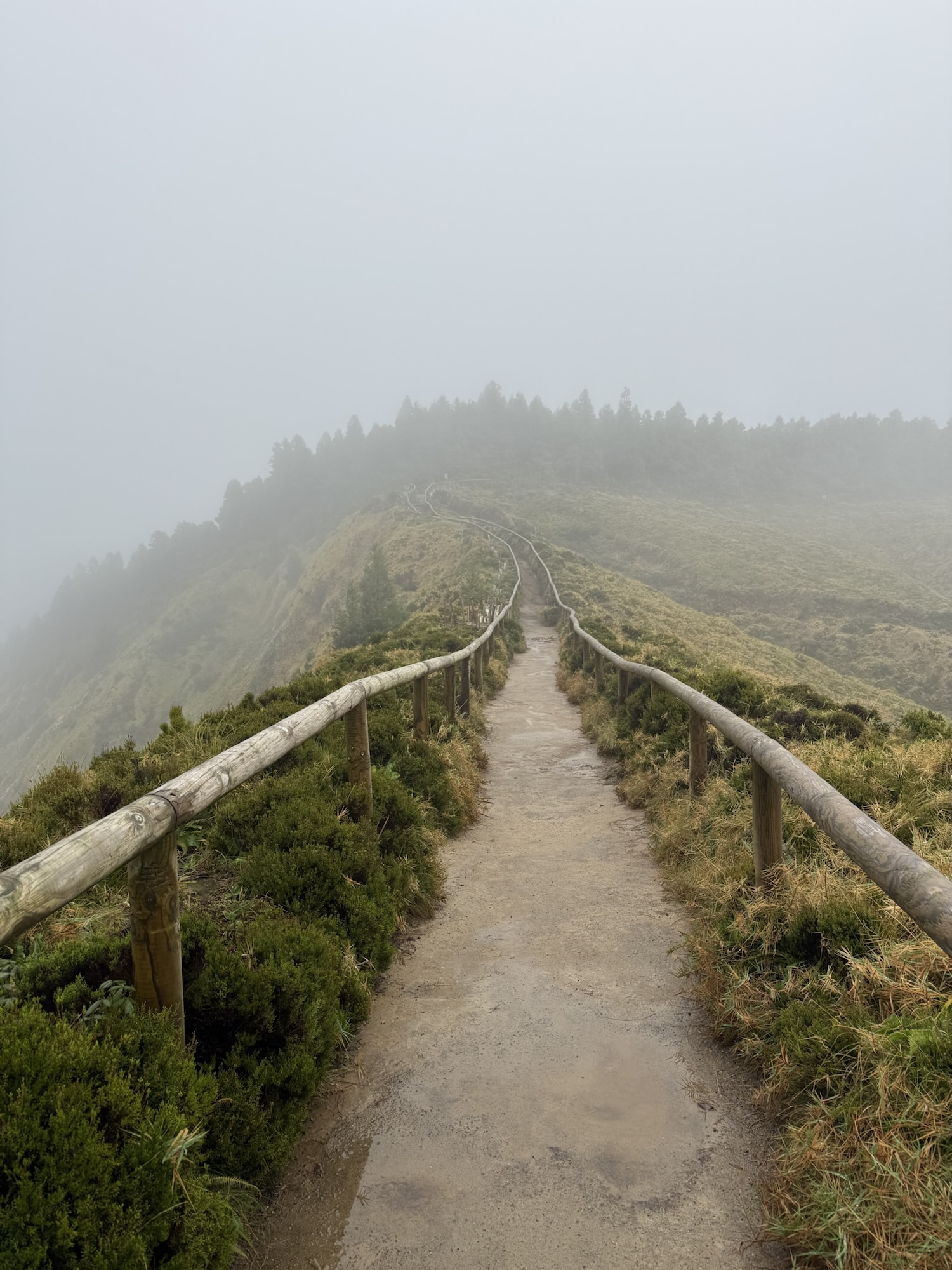
As we continued along the way, the skies intermittently cleared. We got photos when we could, and didn’t worry about it when we couldn’t. After all, there’s not much to be done about fog and clouds.

The front lake is greener in color than the rear lake. Legend says two lovers were unable to marry because of different social classes and she shed tears of green into one lake while he shed tears of blue in the other. That probably feels more poignant when you can see the colors of the lakes.

We drove around to a lookout point. Again, only fog and clouds and mist. I remember when Melissa and I were at the Taj Majal and out poor guide thought we would be upset about the fog. I mean, what are you going to do? Fog is fog. Embrace the moment, use your imagination, and move on!

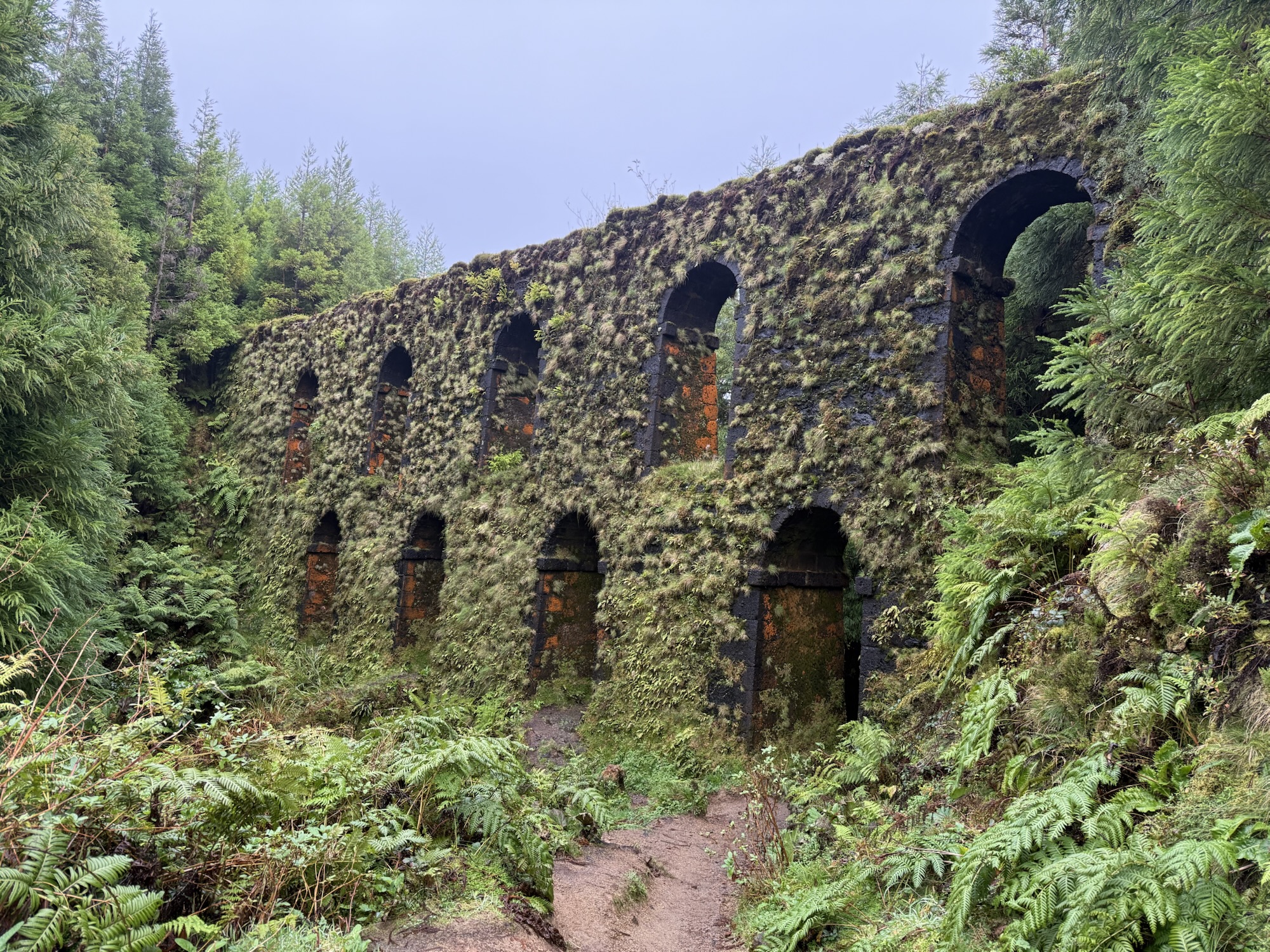
Azorean leaders built aqueducts back in the 1500s to provide fresh water to residents. It’s a little hard to imagine a lack of fresh water bedding a problem here given the perpetual rain, but I suppose in the coastal areas it could be. It’s cool that the islands have worked to preserve the aqueducts over the past 600 years, despite the fact that they haven’t been used for centuries.

9 windows aqueduct, circa 1520s

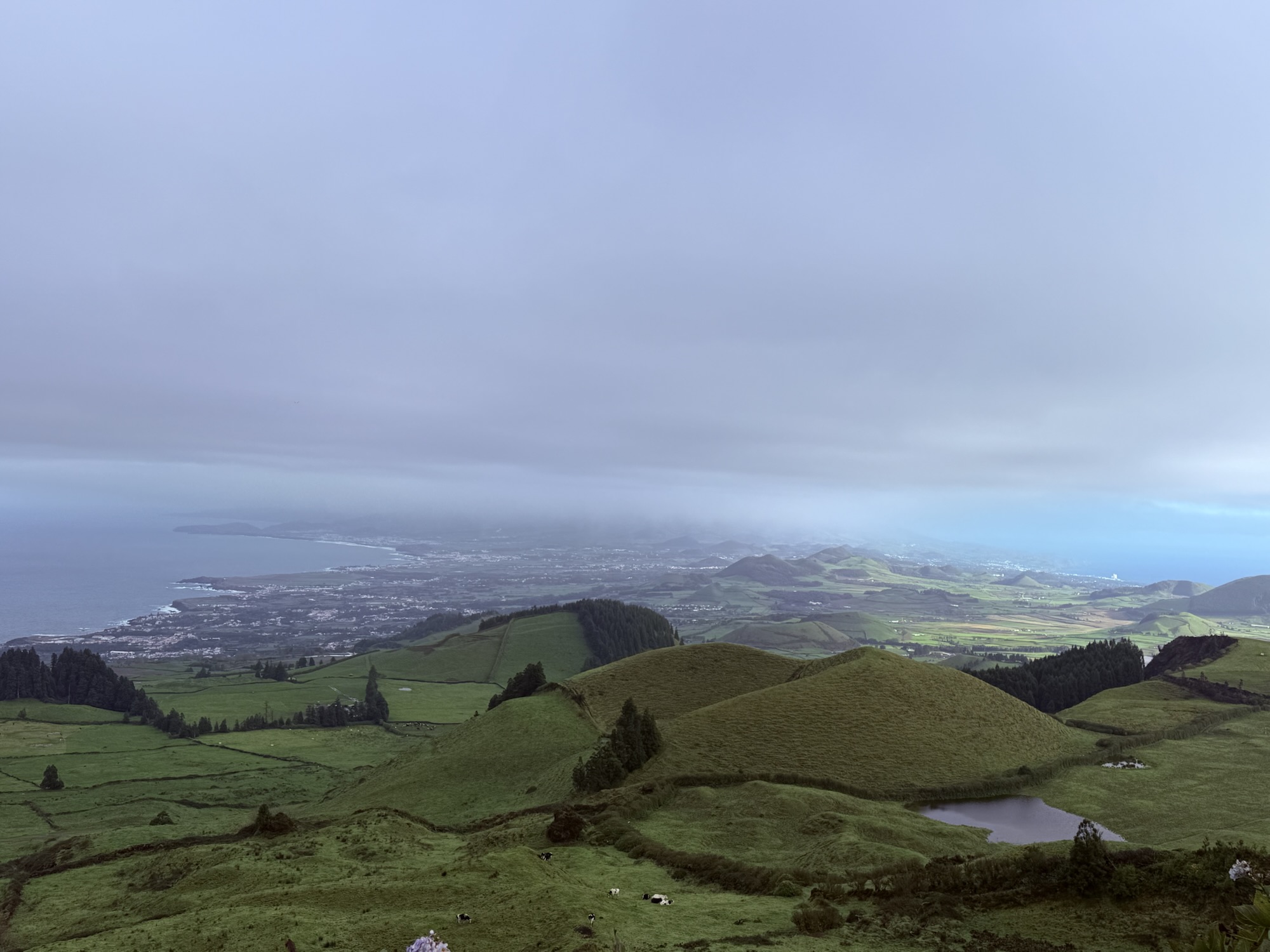
Of all the vistas, I liked the last one best – from here, we could see both the northern (left) and southern (right) coasts. The island of São Miguel feels big when driving up in the mountains, but also feels tiny when perched atop a hillside where both coasts are visible at the same time.

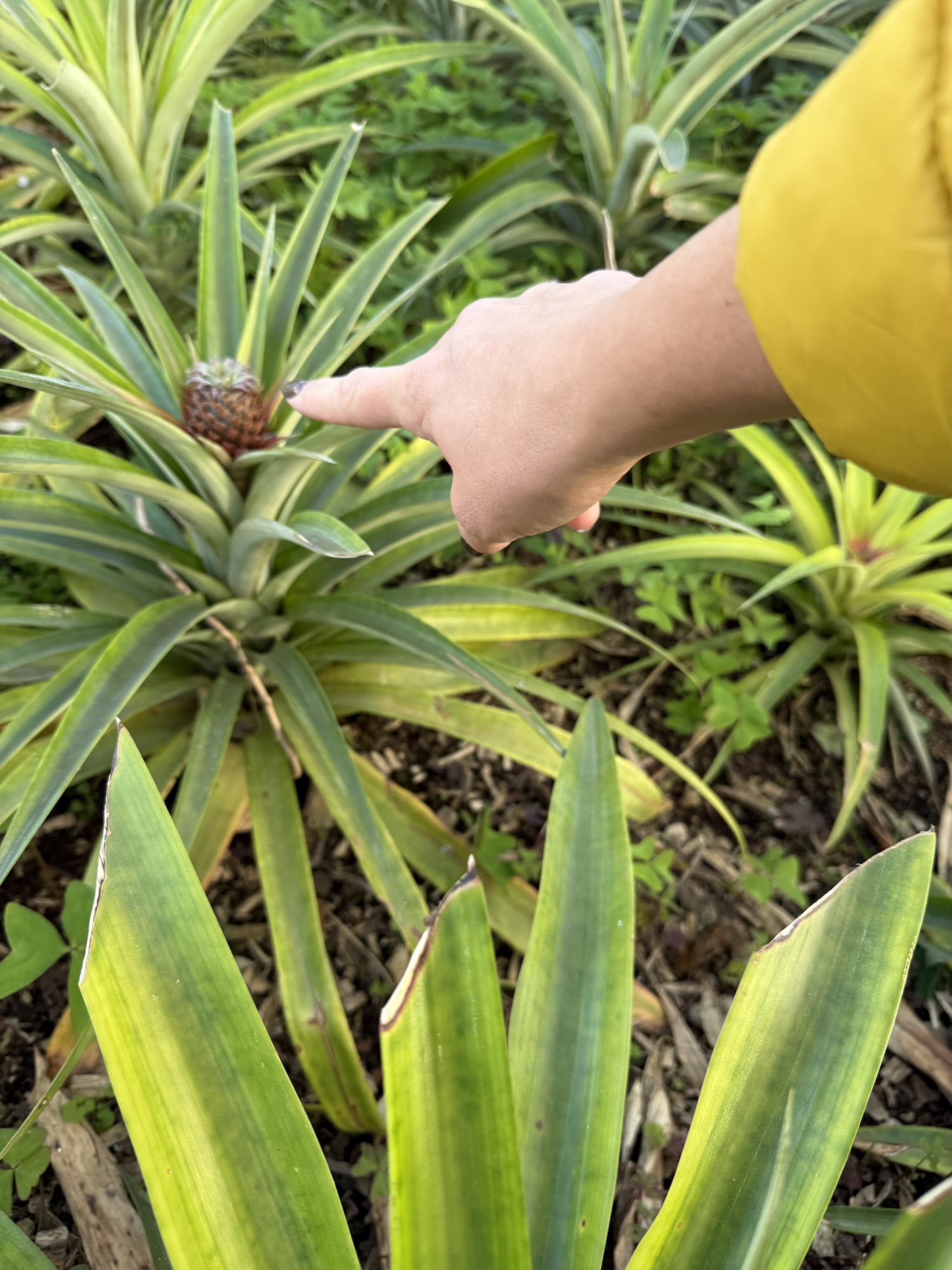
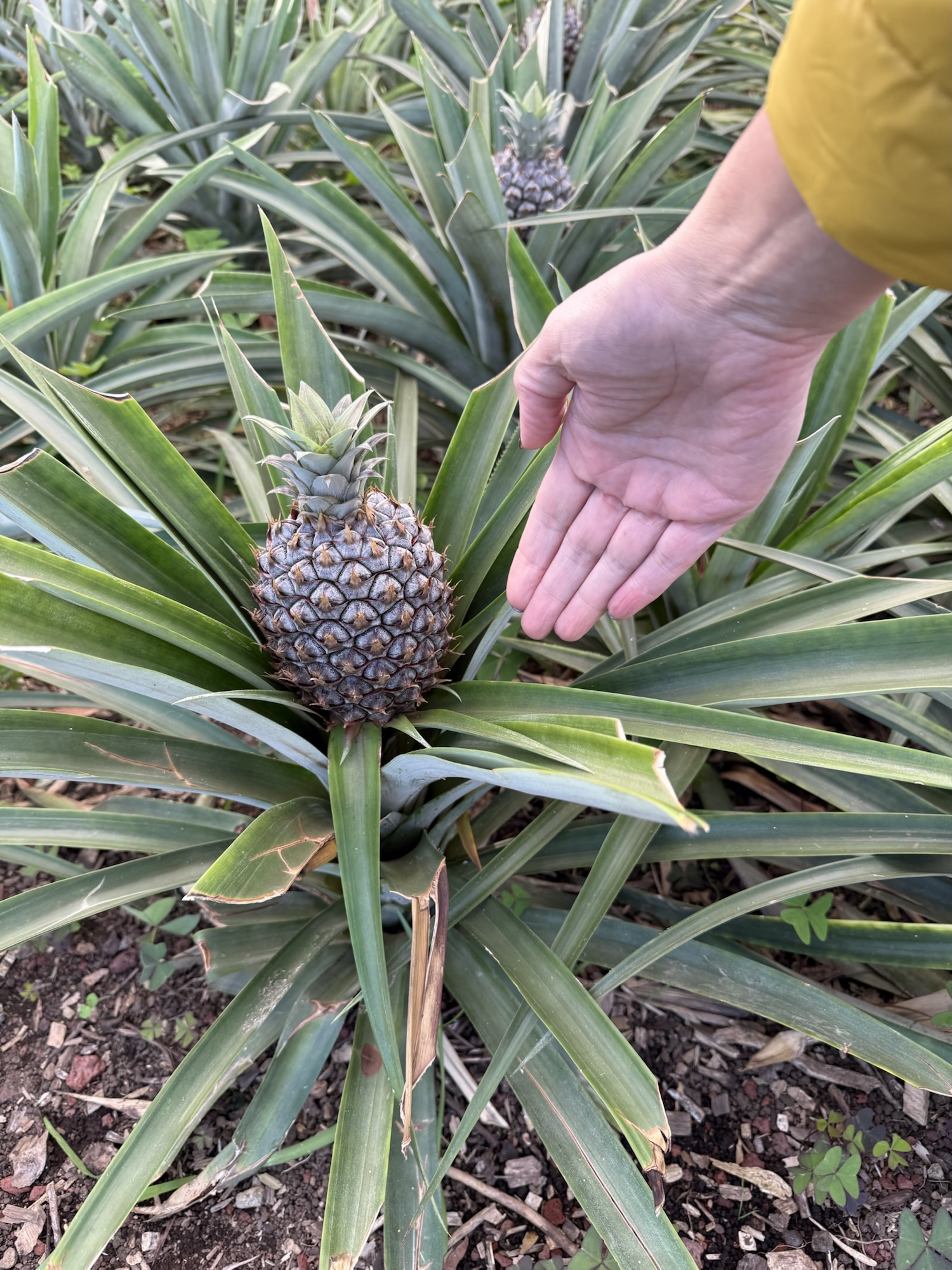
Last stop for the day was the pineapple plantation. Nearly all pineapples in the US are from the Dole mega-farms, and they taste like corporate pineapples. Azorean pineapples are delightfully delicate, tender, and sweet, without the aggressive tang of US pineapples.

Tiny pineapple!

These pineapples take 18 months to grow to maturity, and even full-grown, they are smaller than what we are used to in the US. They are sweeter, less aggressive on the tongue, and have a smoother texture, all of which results in a more delightful culinary experience.

After returning to the hotel, we enjoyed another hour in the hot water circuit of our hotel. A lovely sunset on the balcony, a delicious dinner at a local fish restaurant, and a game on the balcony wraps up the day.