Places full of stuff

I’ve booked an intense amount of hotels over the past few months, and so Booking.com rewarded me with a free taxi from the airport to our hotel in Tokyo. I was delighted to accept that, especially since I know how much that would cost to book on my own. We had a relaxing trip from Narita to our first accommodation for our week in Japan.

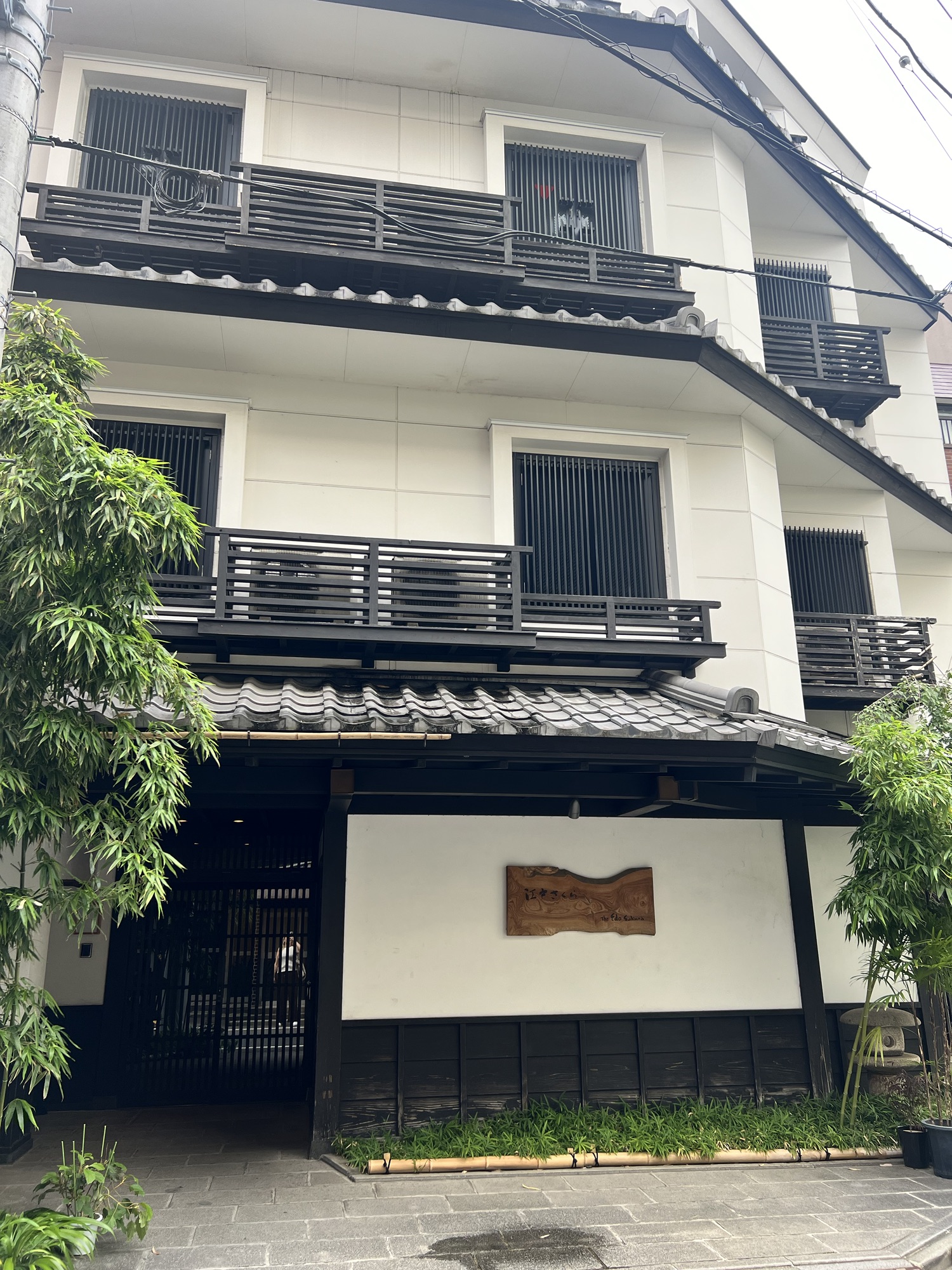
Luke wanted to book a ryokan – traditional Japanese style lodging – in which you sleep on a futon on the tatami-mat covered floor. The Edo Sakura was exceptionally-well reviewed and available for 3 nights, so we booked it.
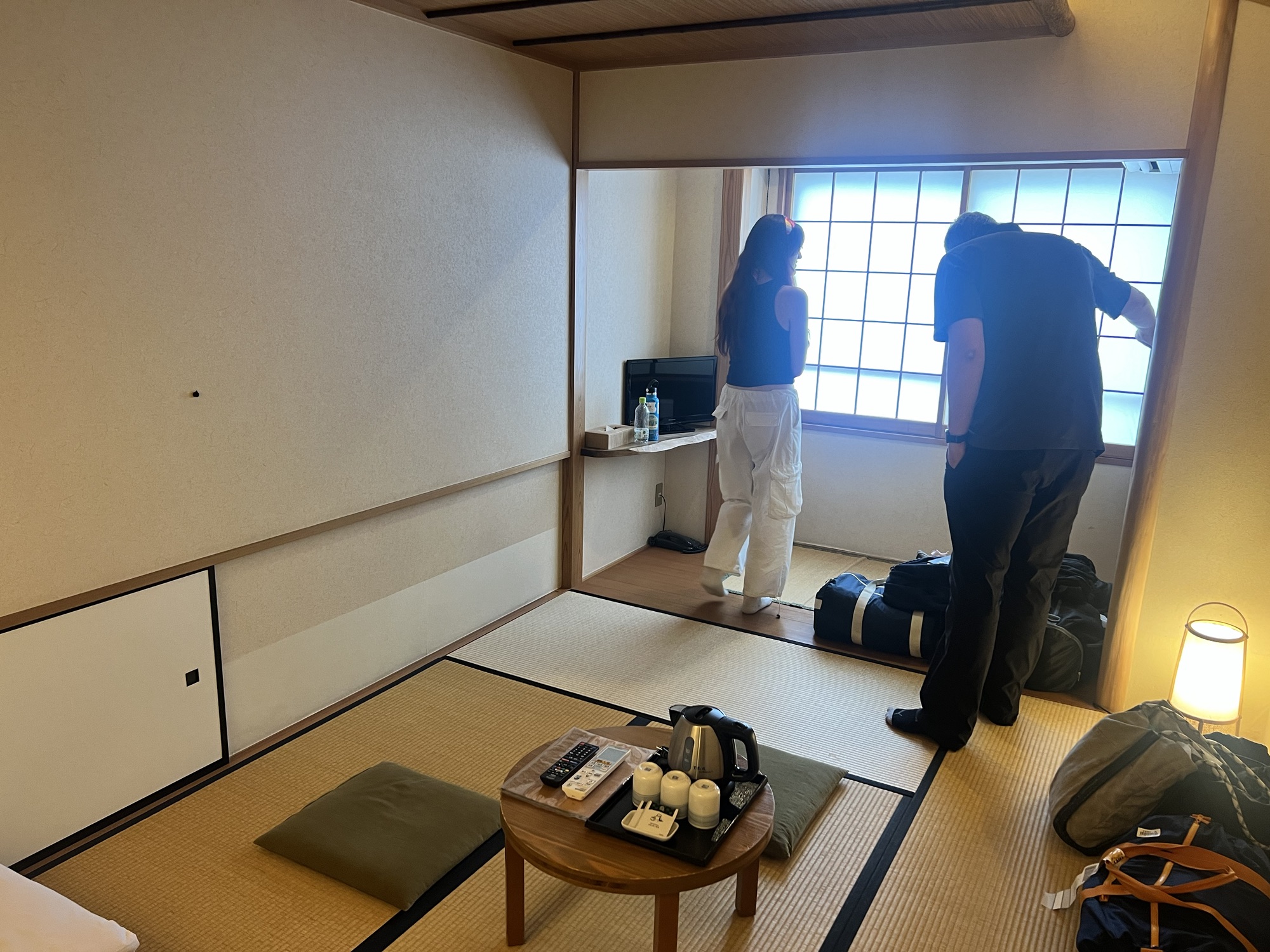
Rooms have a small table, floor cushions, and futons (in the closet).

After settling in to our hotel, we set out for Akihabra. Akihabra is the neighborhood of stuff. Seriously. Looking for a specific power cord for that thing you have? Akihabra has a store that sells only power cords. Looking for an obscure DVD or a replacement part for your camera? No problem – go to Akihabra.
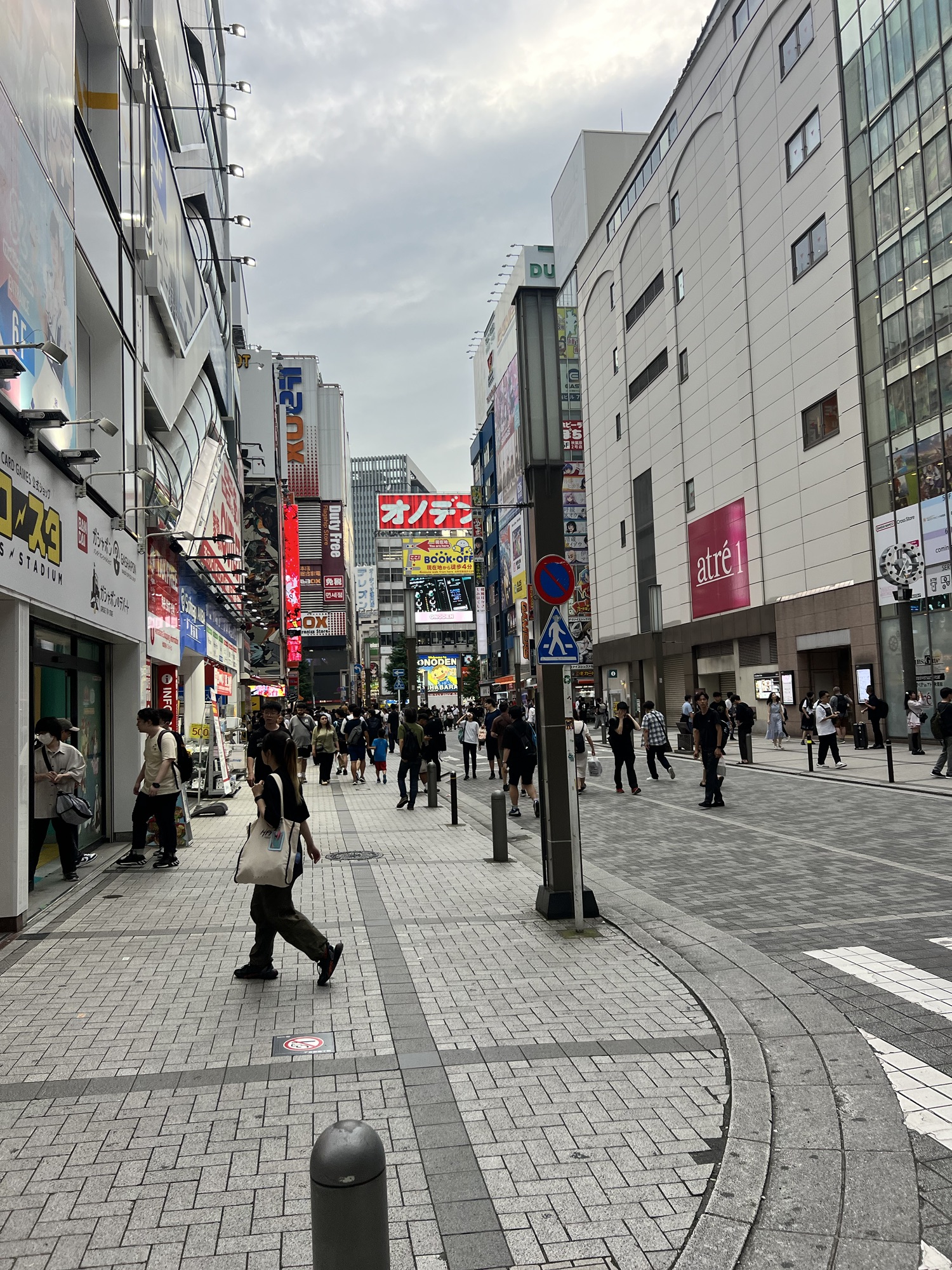
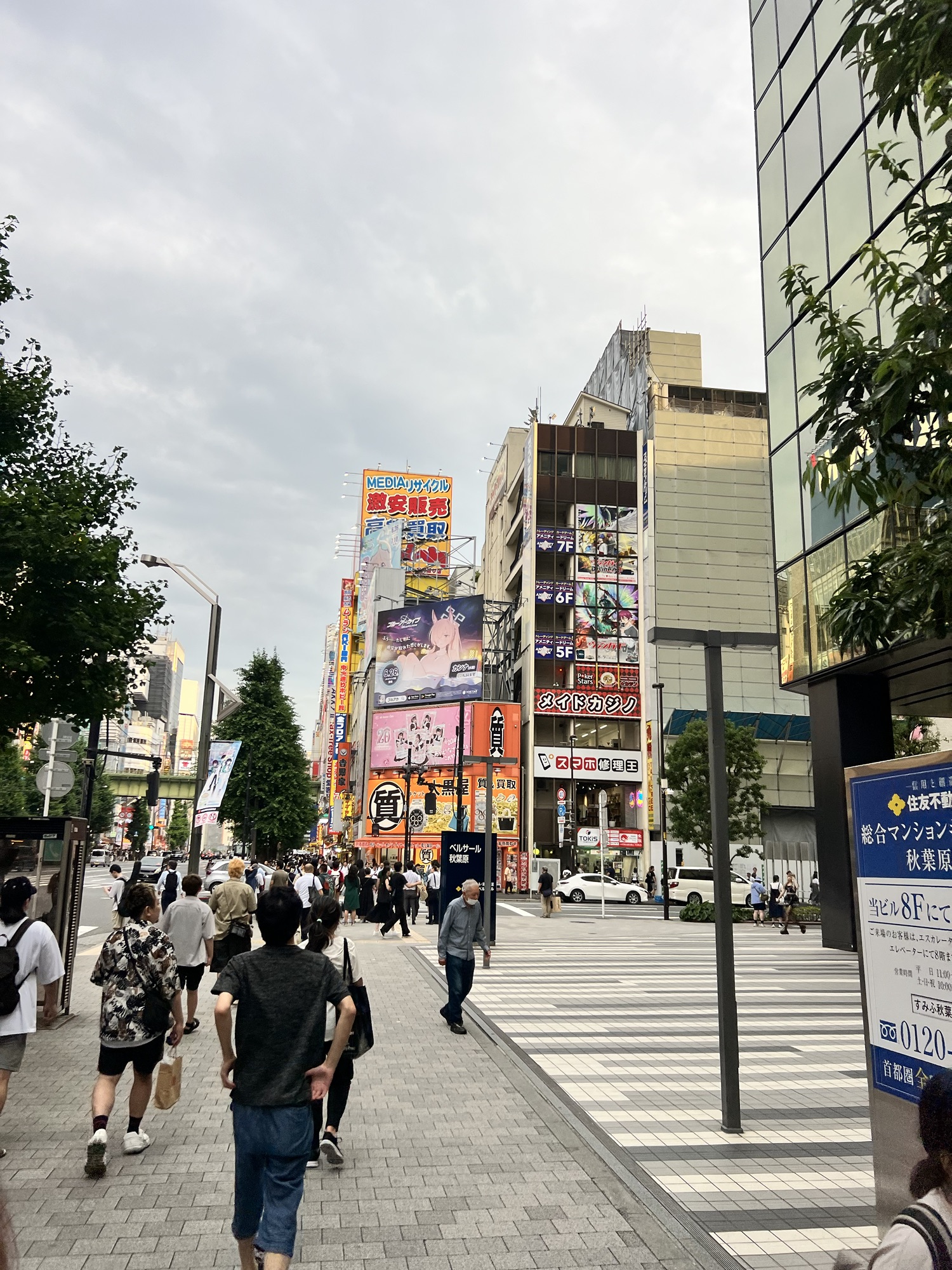
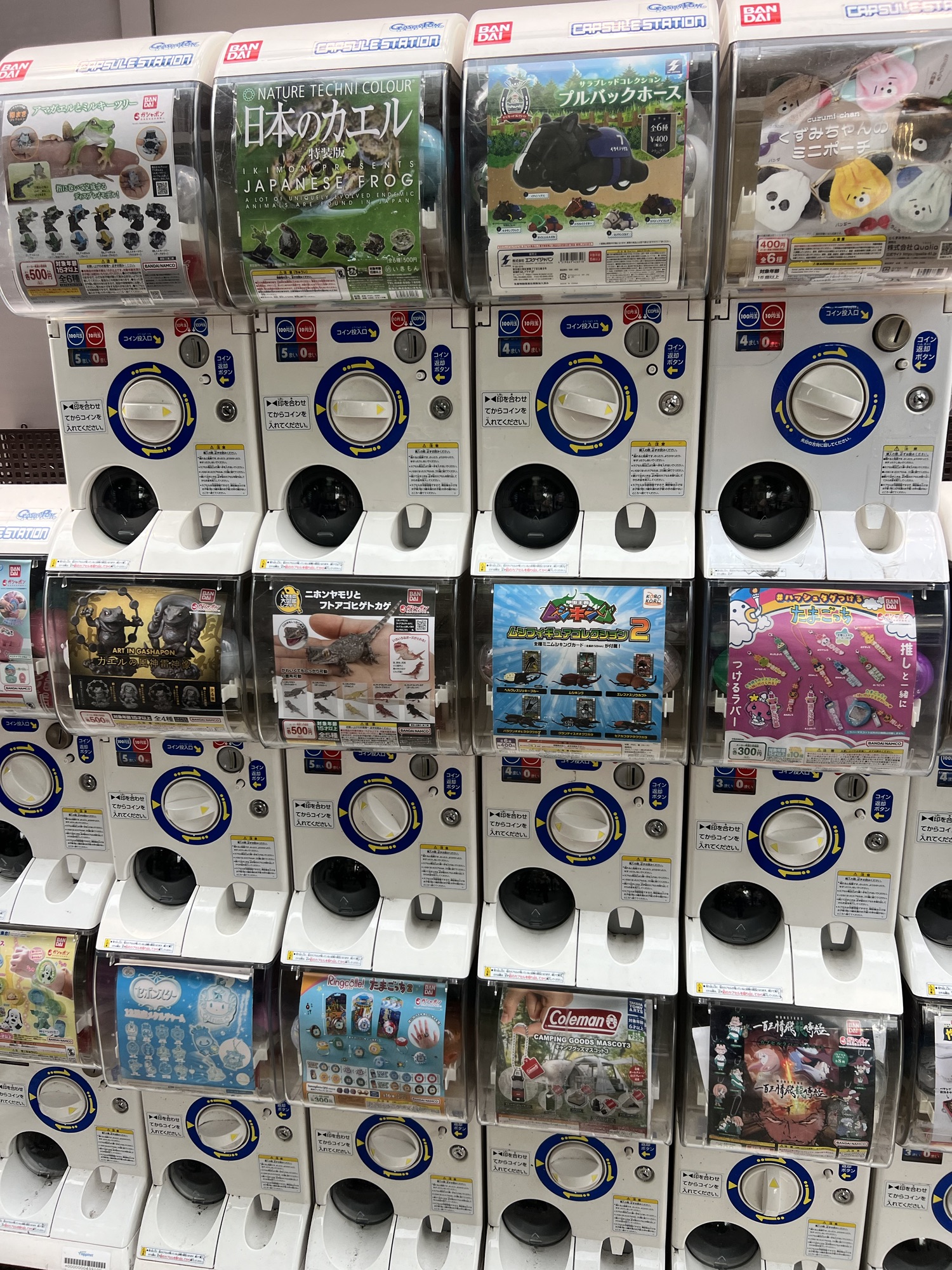
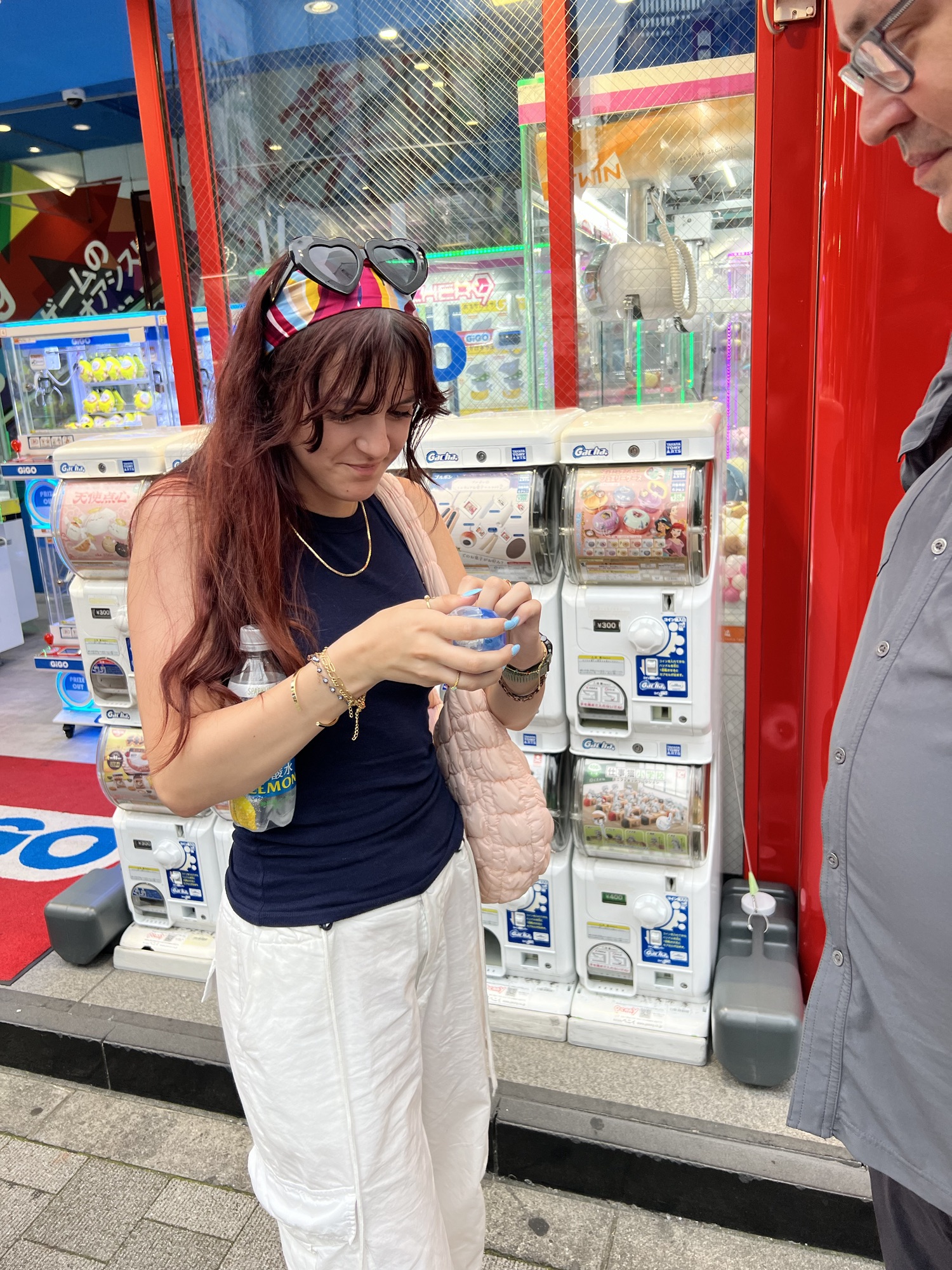
Akihabra also has gashapon galore, and we certainly took advantage of the opportunity to add a few more fun little items to our collections. I have no idea why these are so fascinating to adults, but they are. In fact, I would say these machines are patronized primarily by adults – rarely by children.
After an izakaya dinner (Japanese small plates, sort of like tapas), we headed off to bed. It took me a few minutes to get used to sleeping on the floor and on a thinner futon, but once I was asleep, I stayed asleep. I did not wake up once during the night, and I woke up feeling quite refreshed.

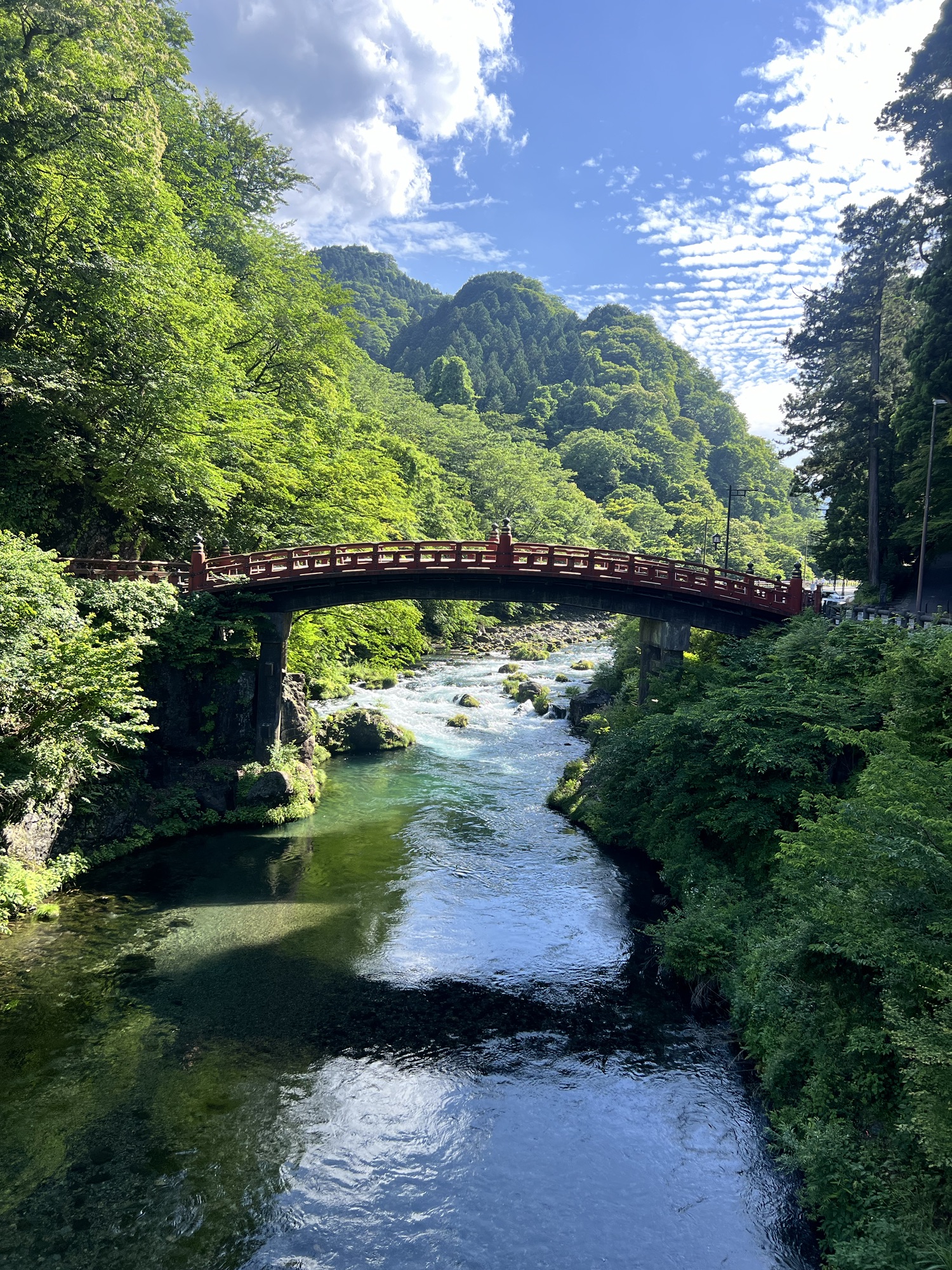
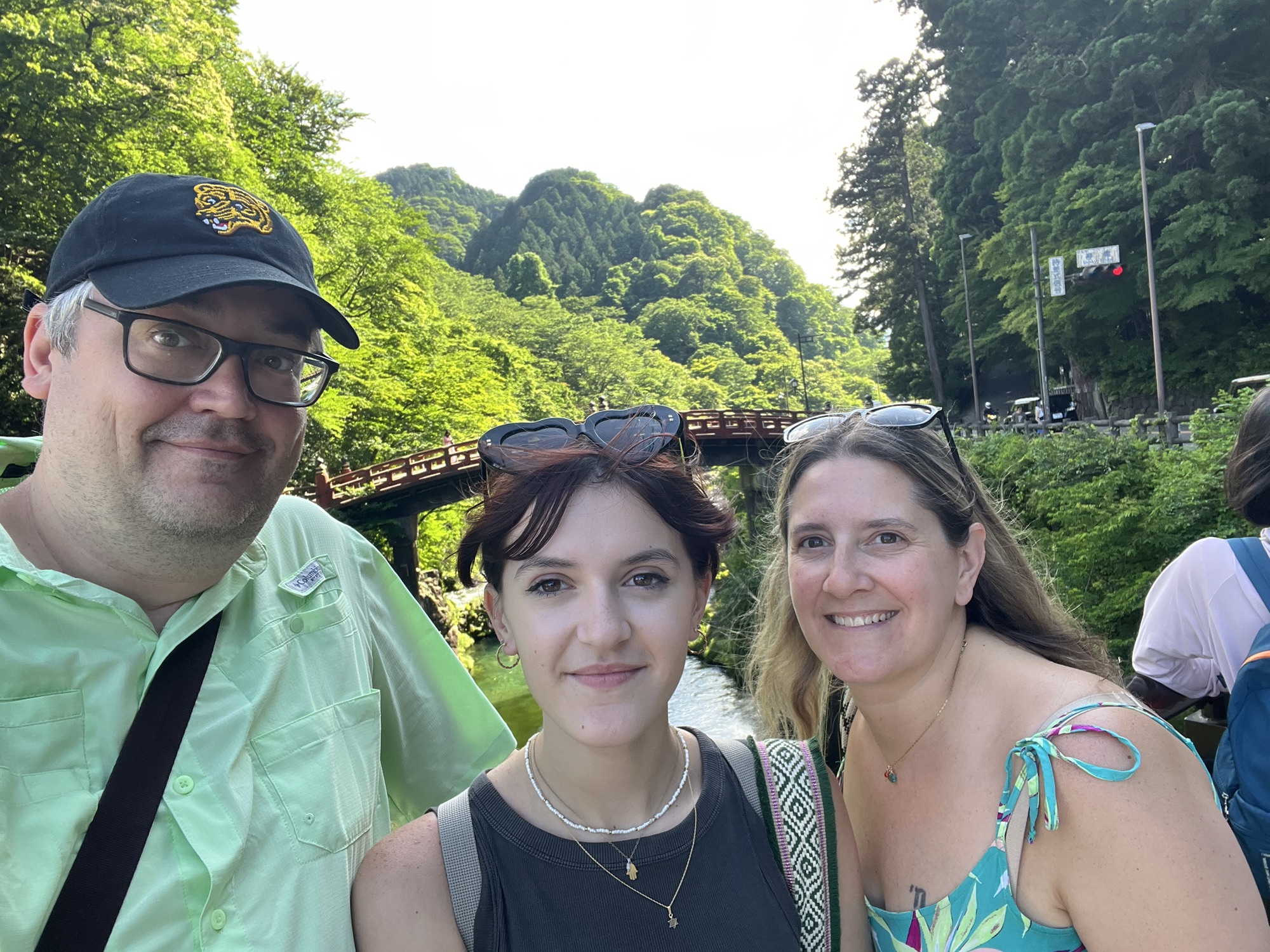
We spent Wednesday in Nikko, a town about 70 miles northwest of Tokyo. I wanted to get out of the city a bit because Japan is a country of striking opposites. In Tokyo, it is all bright lights, tall buildings, crowds, and all the other trappings of a major metropolitan area. Once you board a train departing the city, however, things change quickly. Buildings get shorter, green space starts to appear, and soon, you are surrounded by farmland and rice fields with barely an other people in sight.

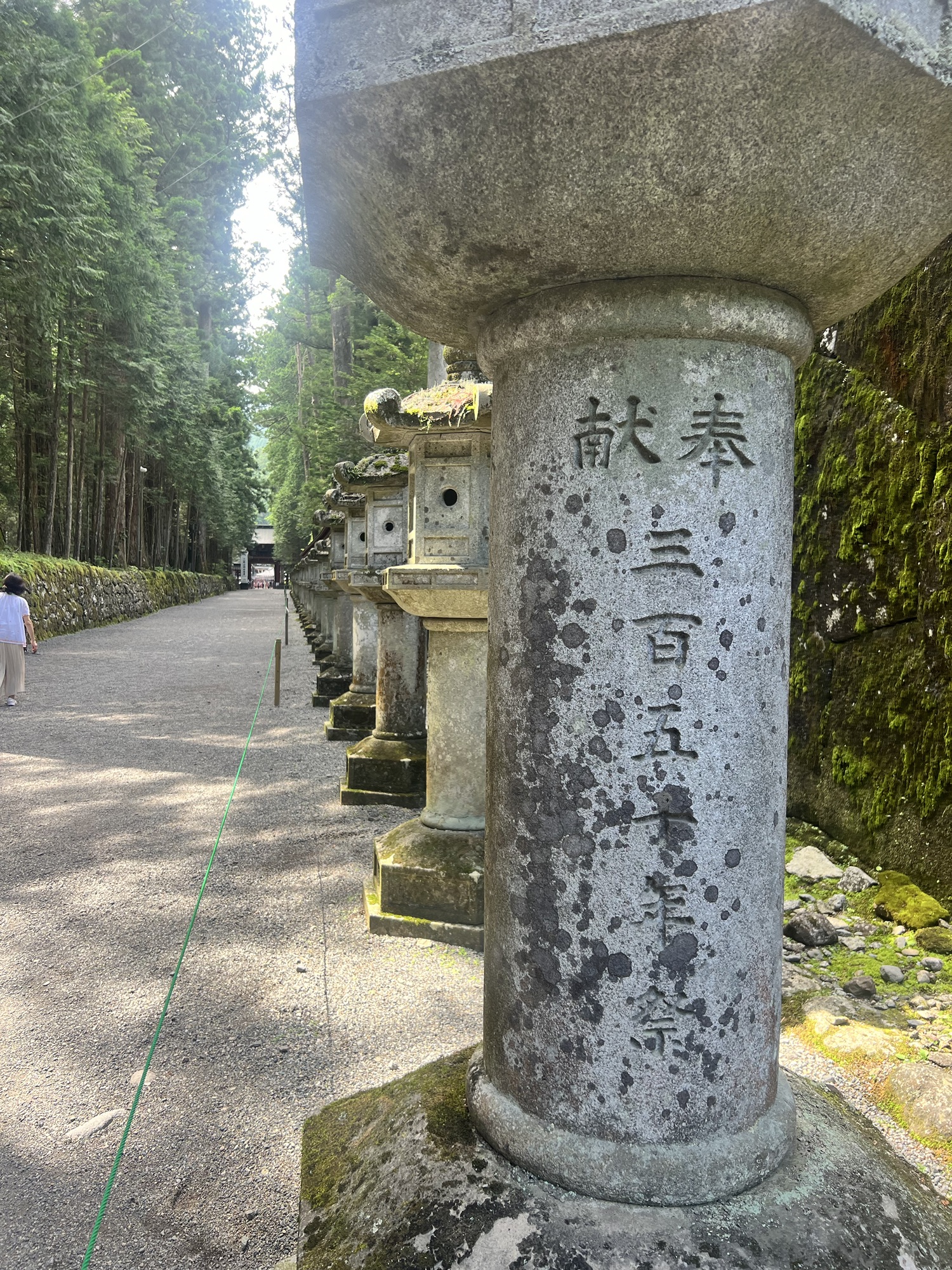
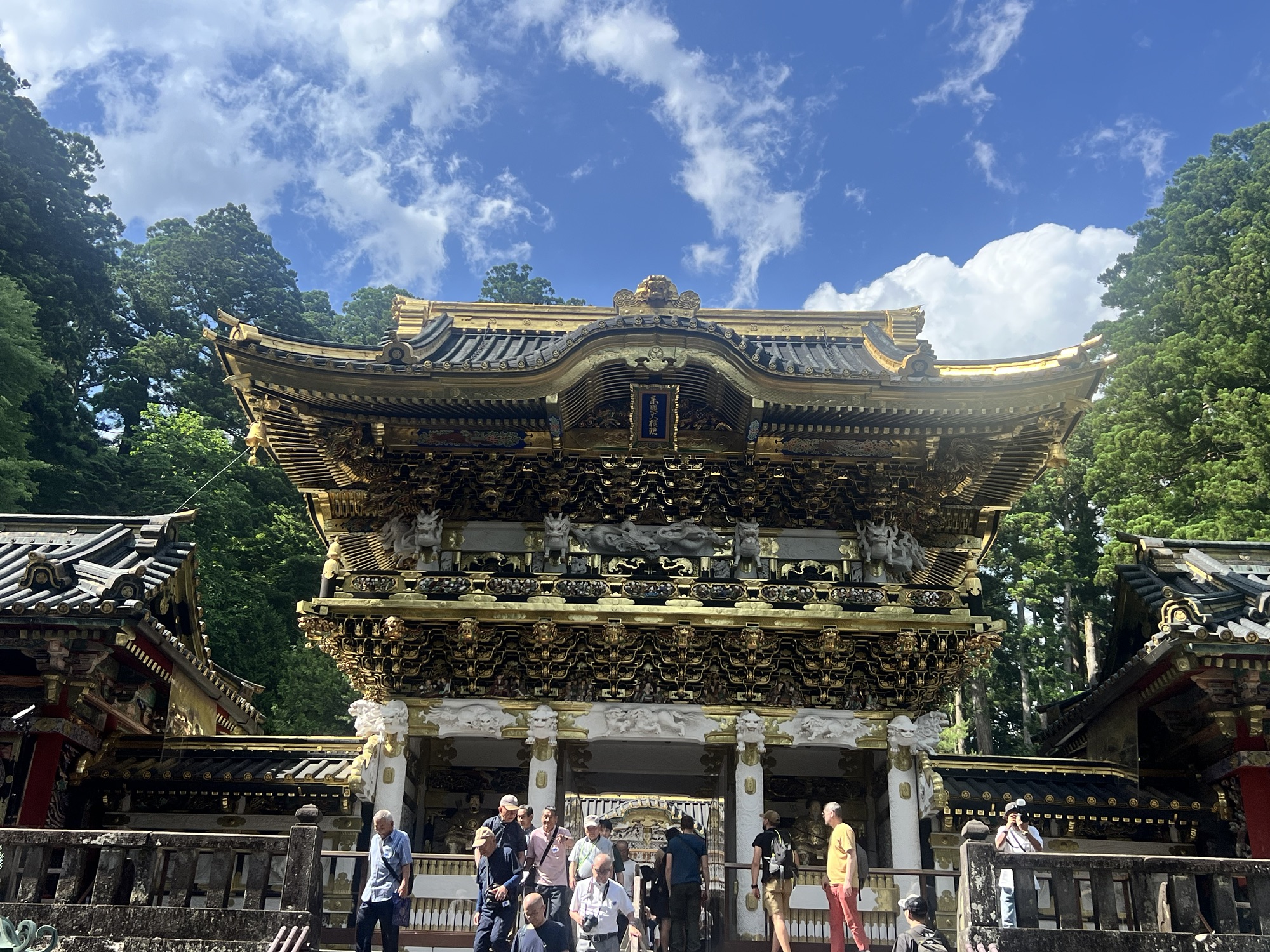
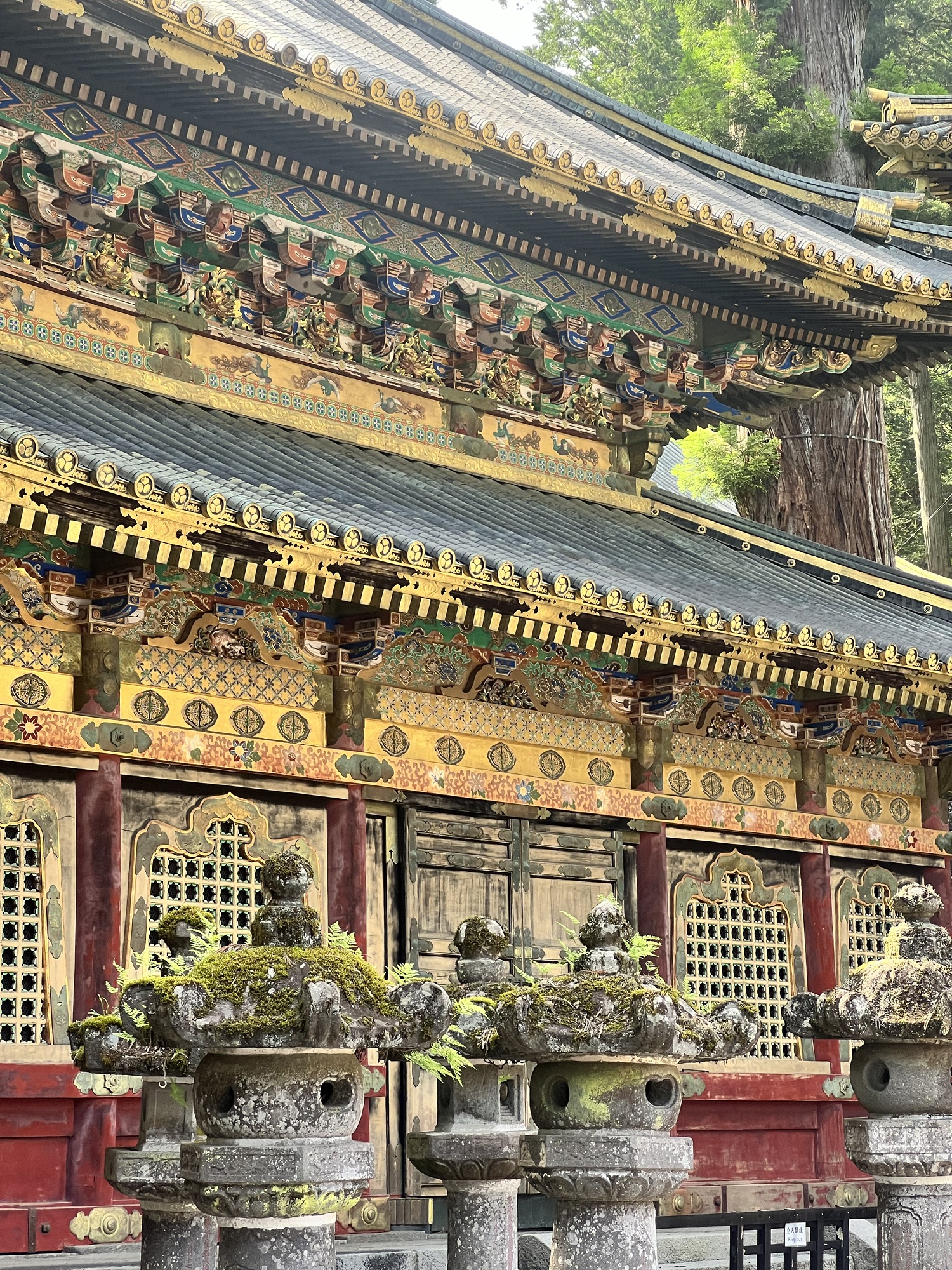
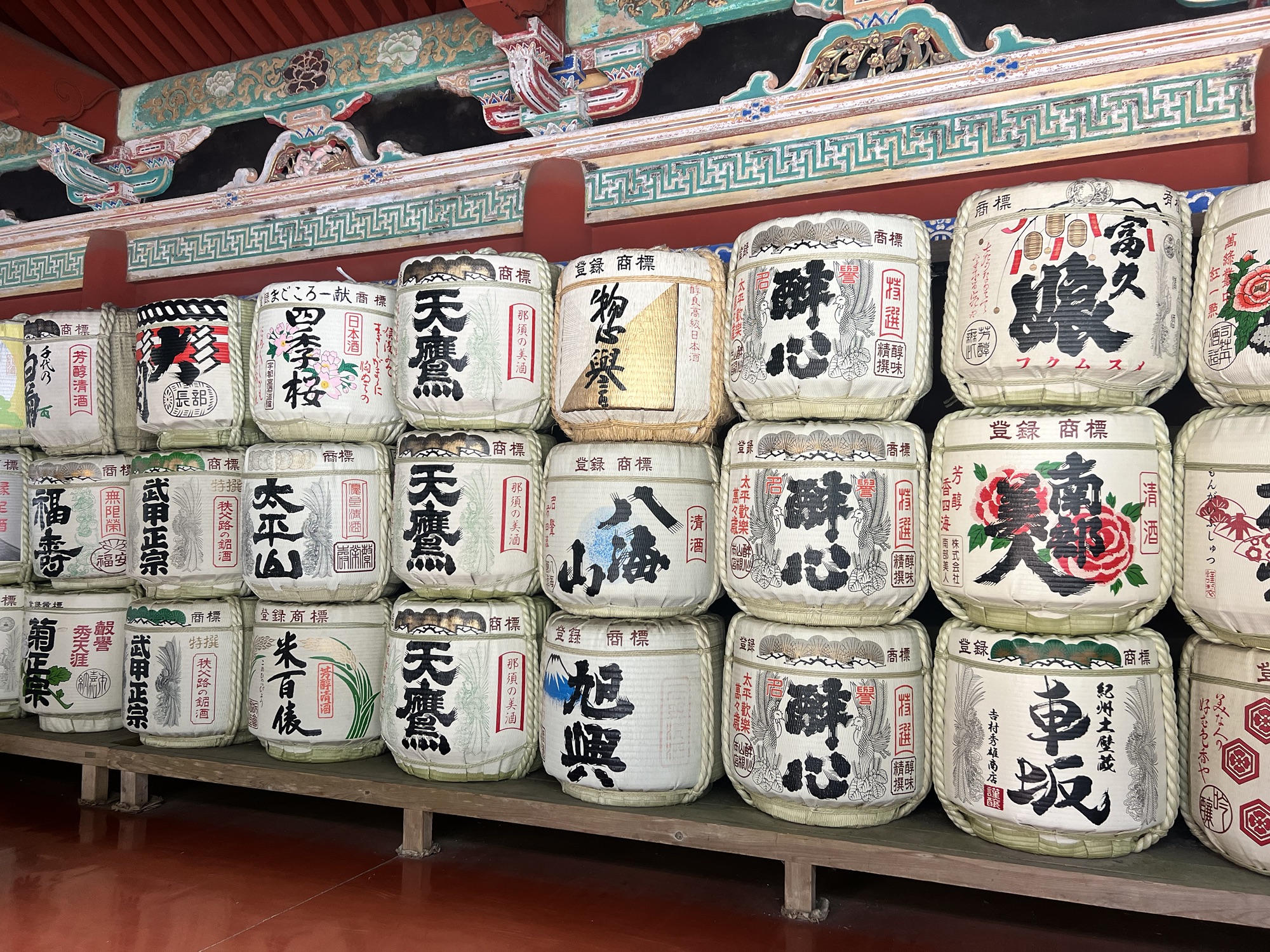
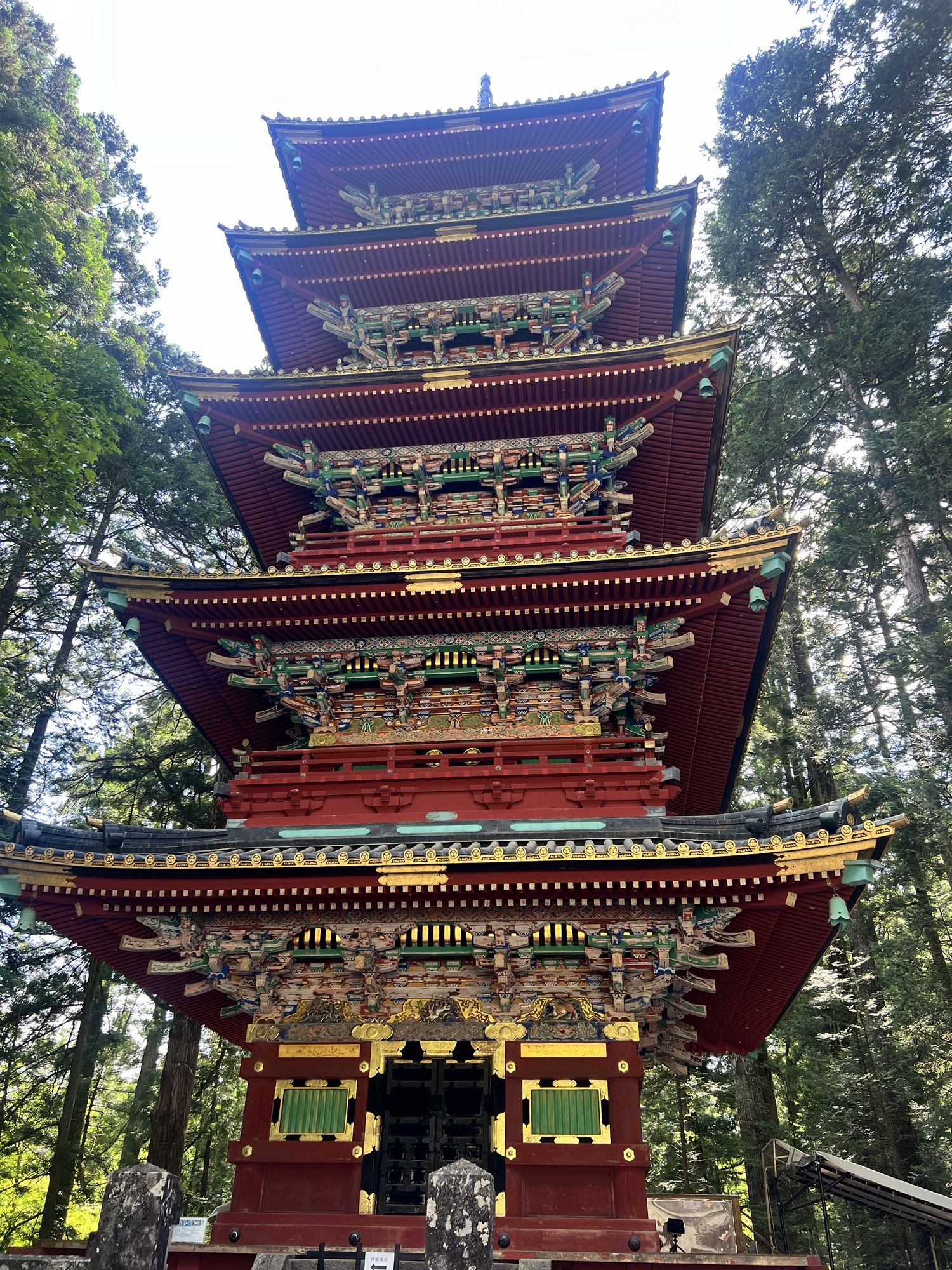
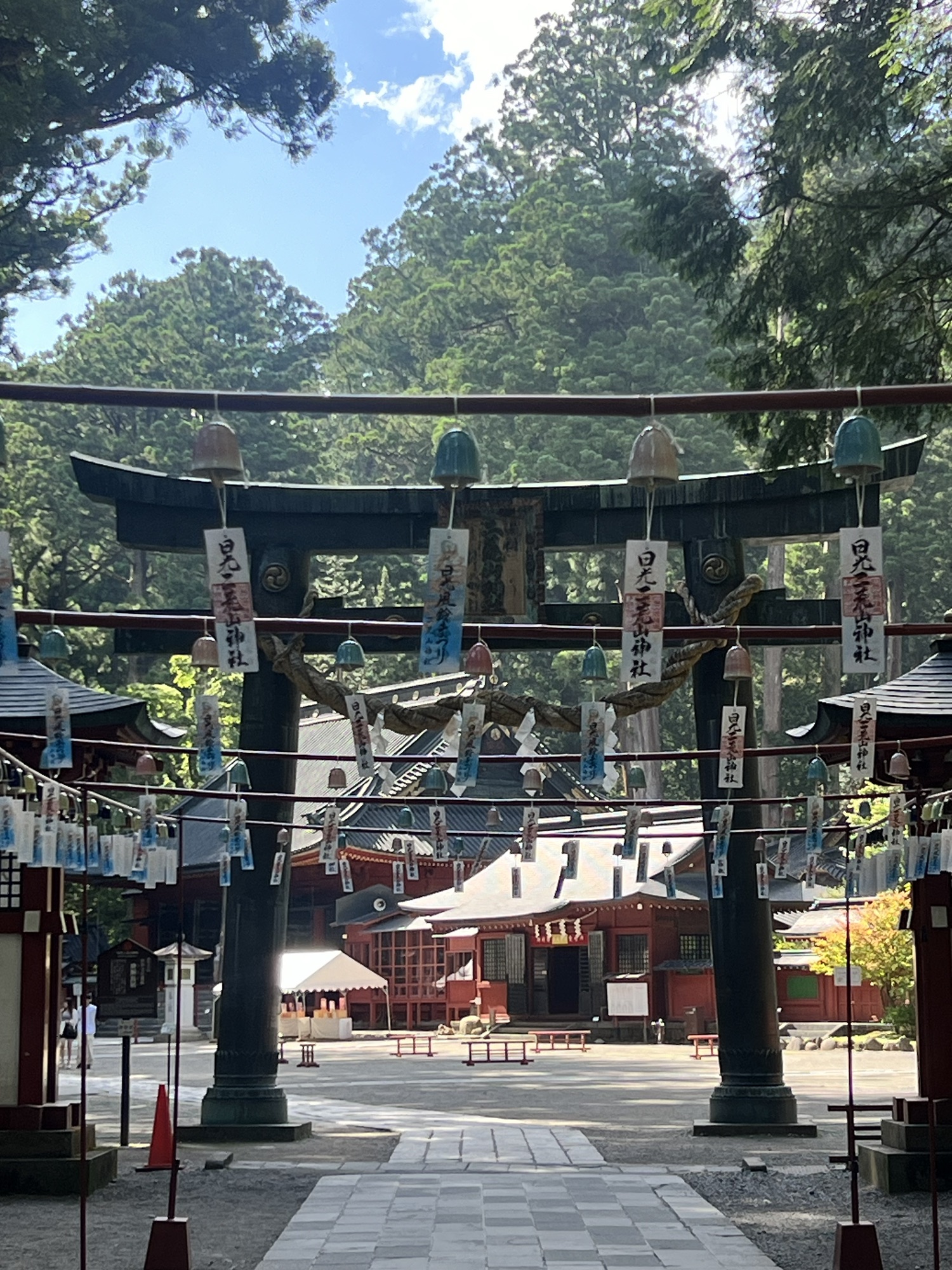
Nikko is a World Heritage site, filled with elaborate and ancient shrines and temples. After getting off the train and buying tickets for the local bus that goes around the tourist circuit, we grabbed some lunch and then set out to see the sights.
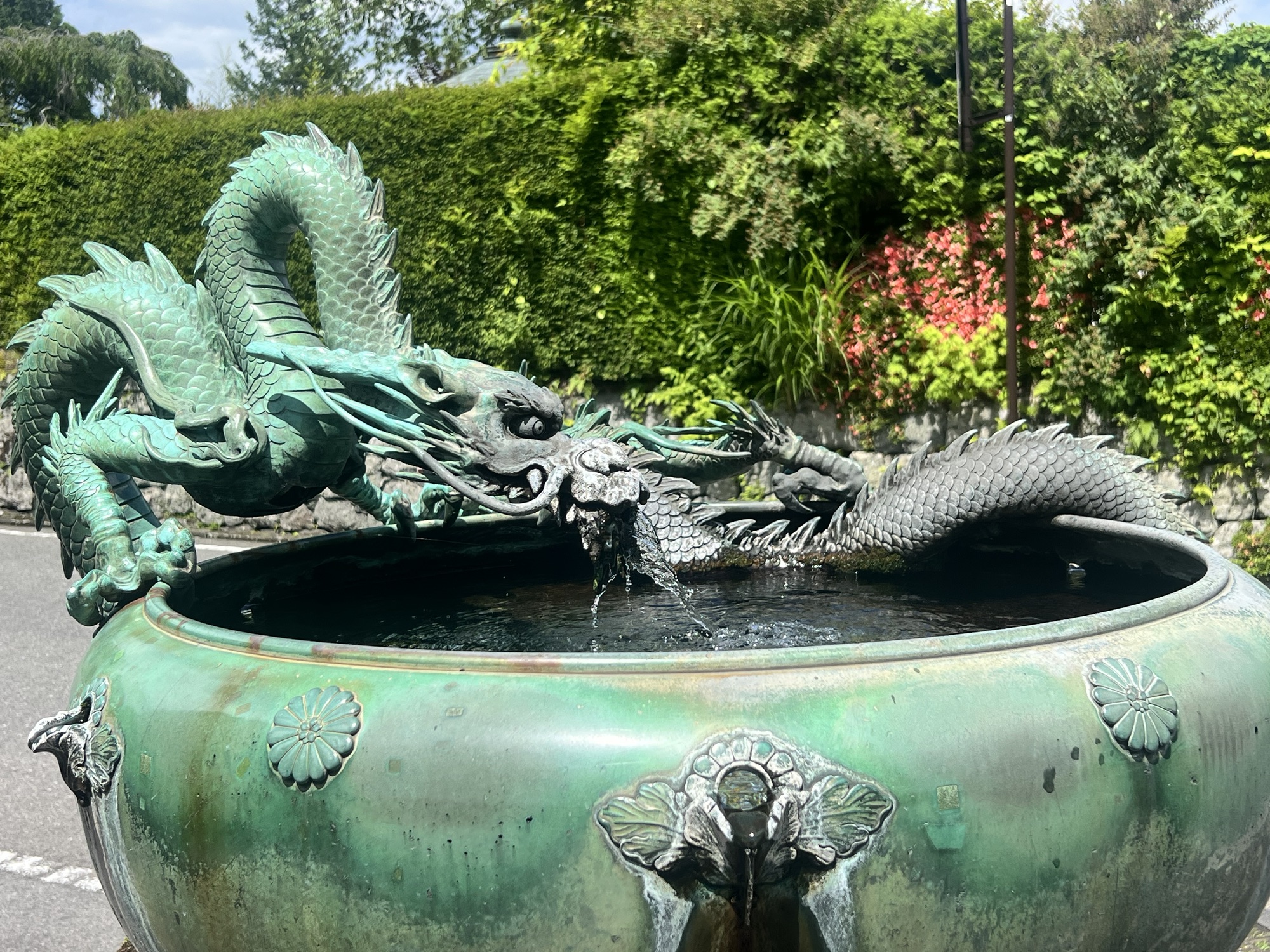
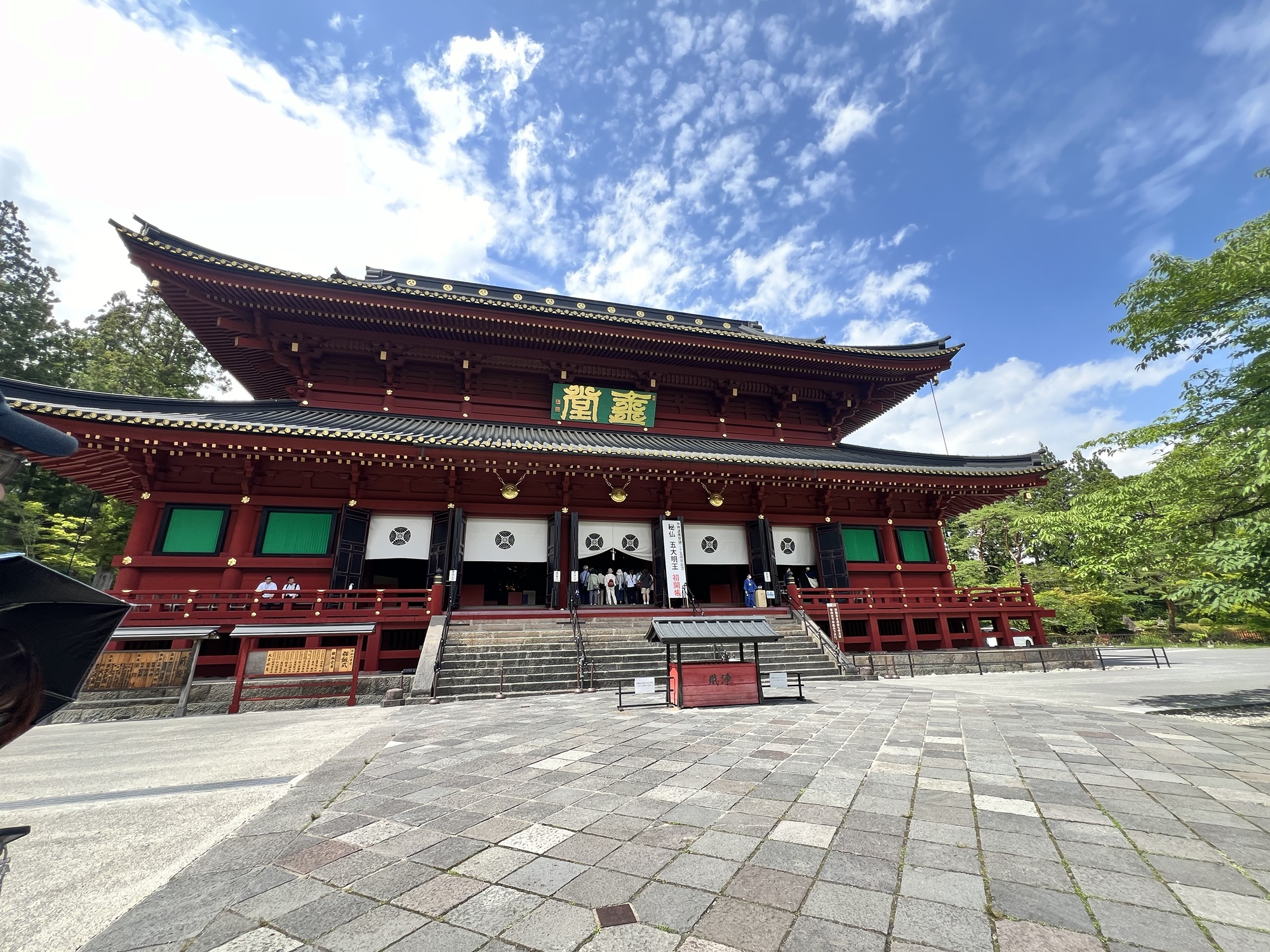
These shrines were wildly elaborate. Japan traditionally favored simple and even austere, so these stand out as exceptionally different. They were set in a forested area which is also unusual in Japan. It was a little hard to fully feel the magnificence and somberness of the area given the insane number of elementary school groups there, but I could see how on a quiet day, the space would nurture reflection and serious thought.
Butter (and other fun retail opportunities)

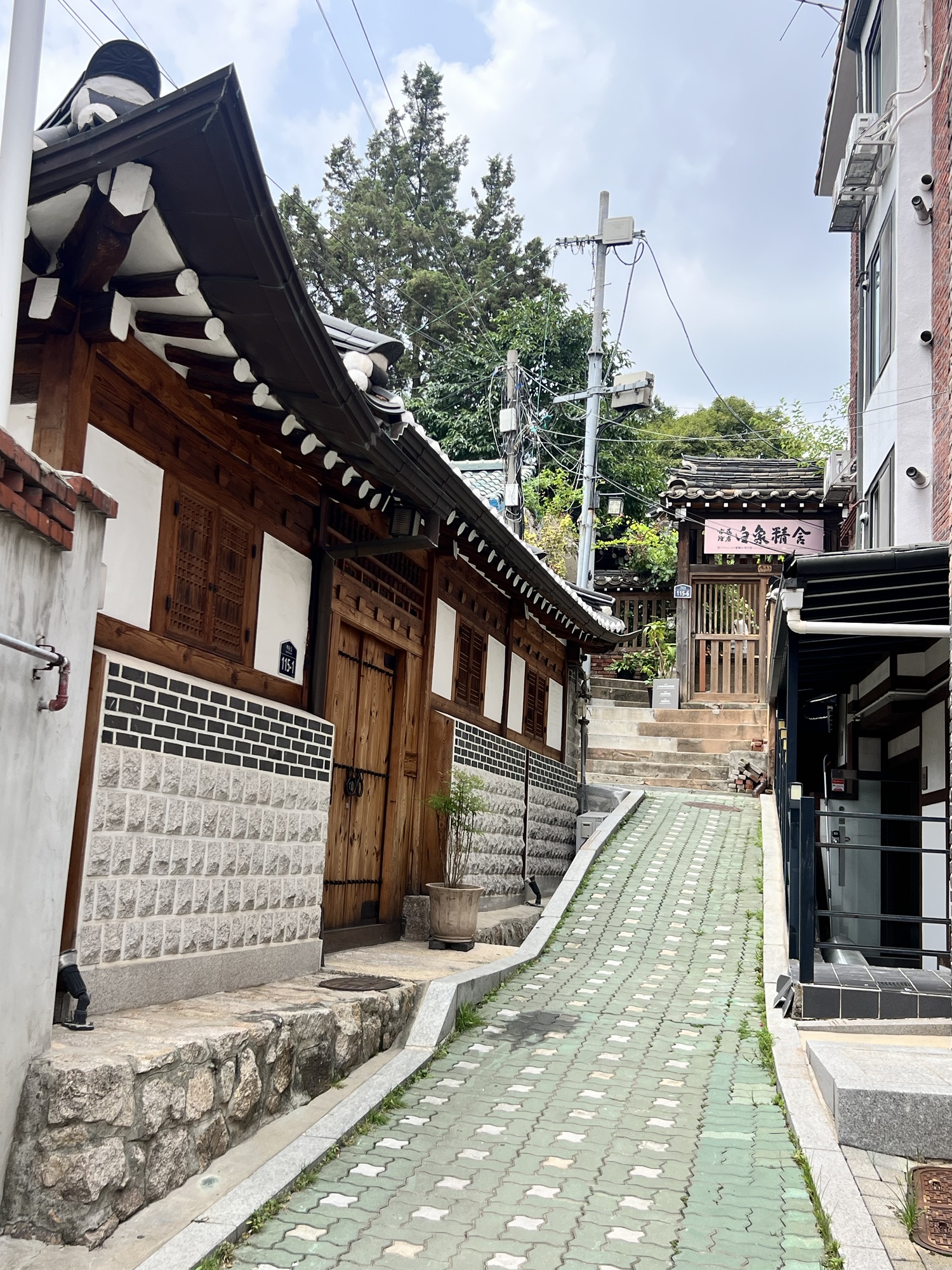
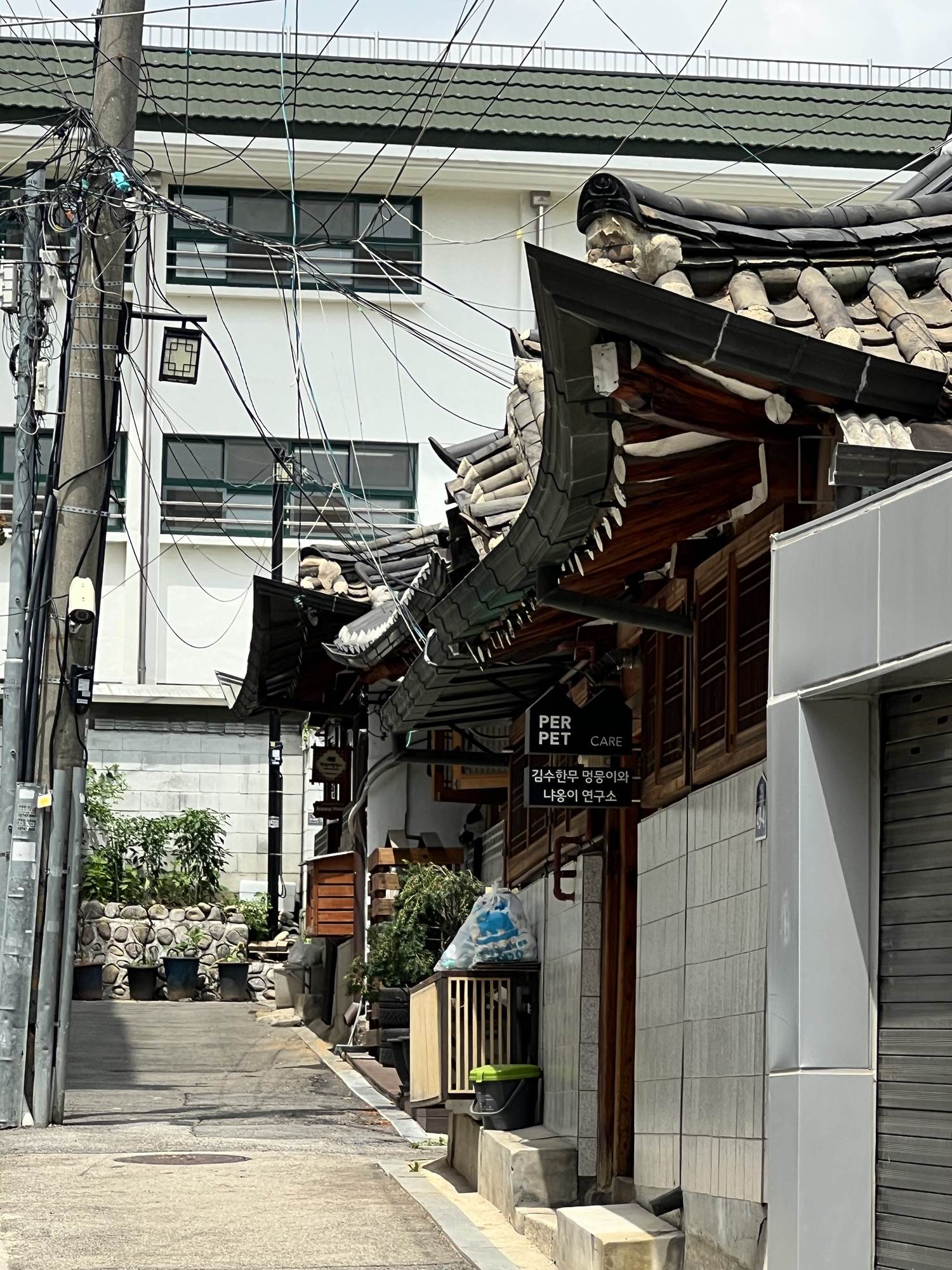
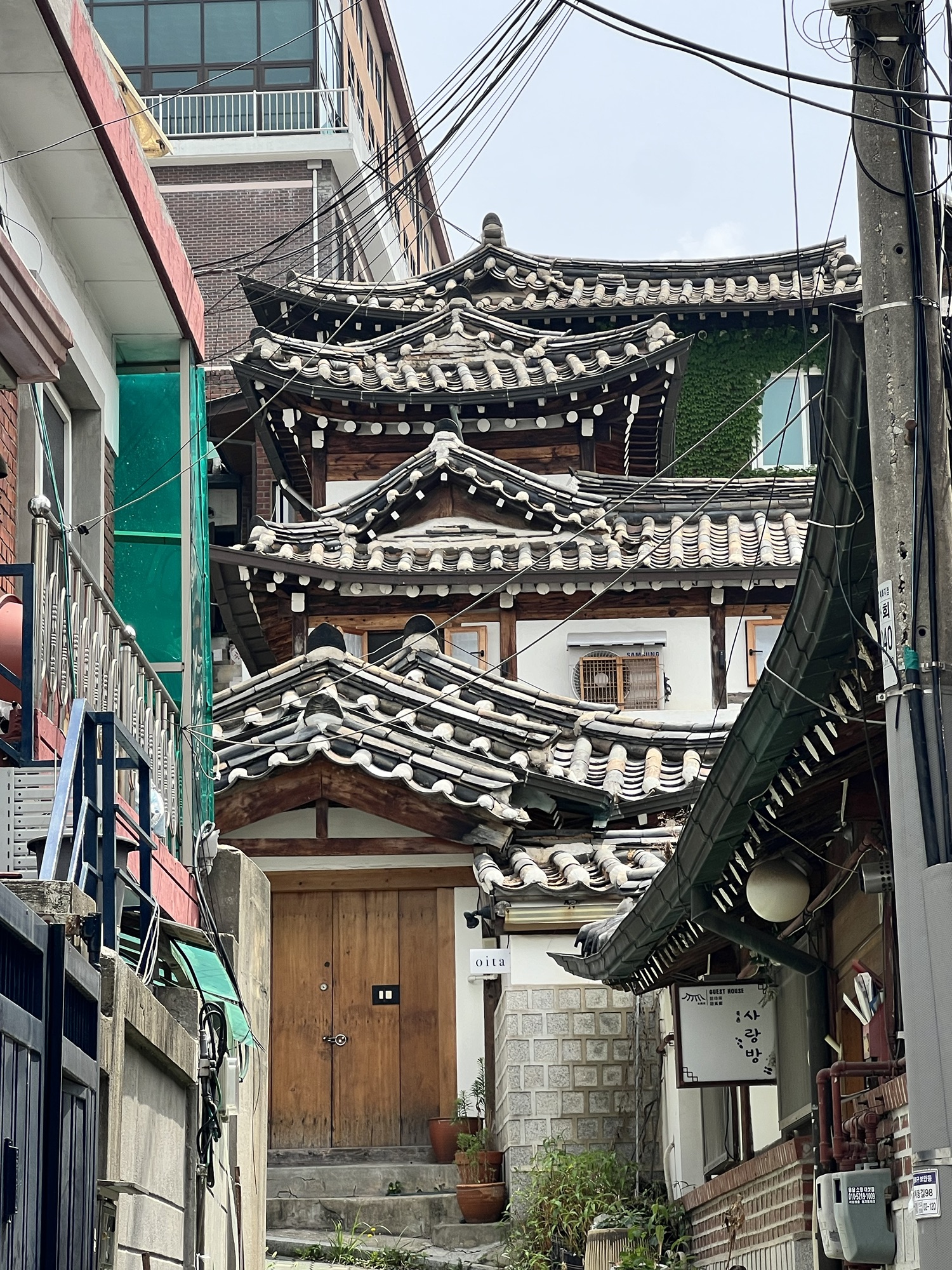
Our last day in Seoul was a Monday, which narrowed our sight-seeing options since many things are closed. No problem! We headed up to Hanok Village to see the historical buildings up there. In a city that is stocked full of concrete and tall buildings, it is really amazing when you look down an alley and see these adorable little old wooden houses tucked in corners.

Since it was another steamy day, we stopped for an iced coffee in a hanok building turned coffee shop. How Korea can love coffee so much while Japan basically is ignorant of its existence is beyond me, but we decided to take advantage of abundant iced coffee while we could!

Since Luke didn’t make it to Myeongdong with Anna-Sophia and I previously, we decided to head that way so we could introduce him to some of the funny stores like Art Box, Line Friends, and, most importantly, the Butter store. While at the Butter store, I had to buy a reusable shopping bag with the syrup friends on it. Three little bears with syrup tops, sort of like honey bear bottles at home. Why? Who knows!

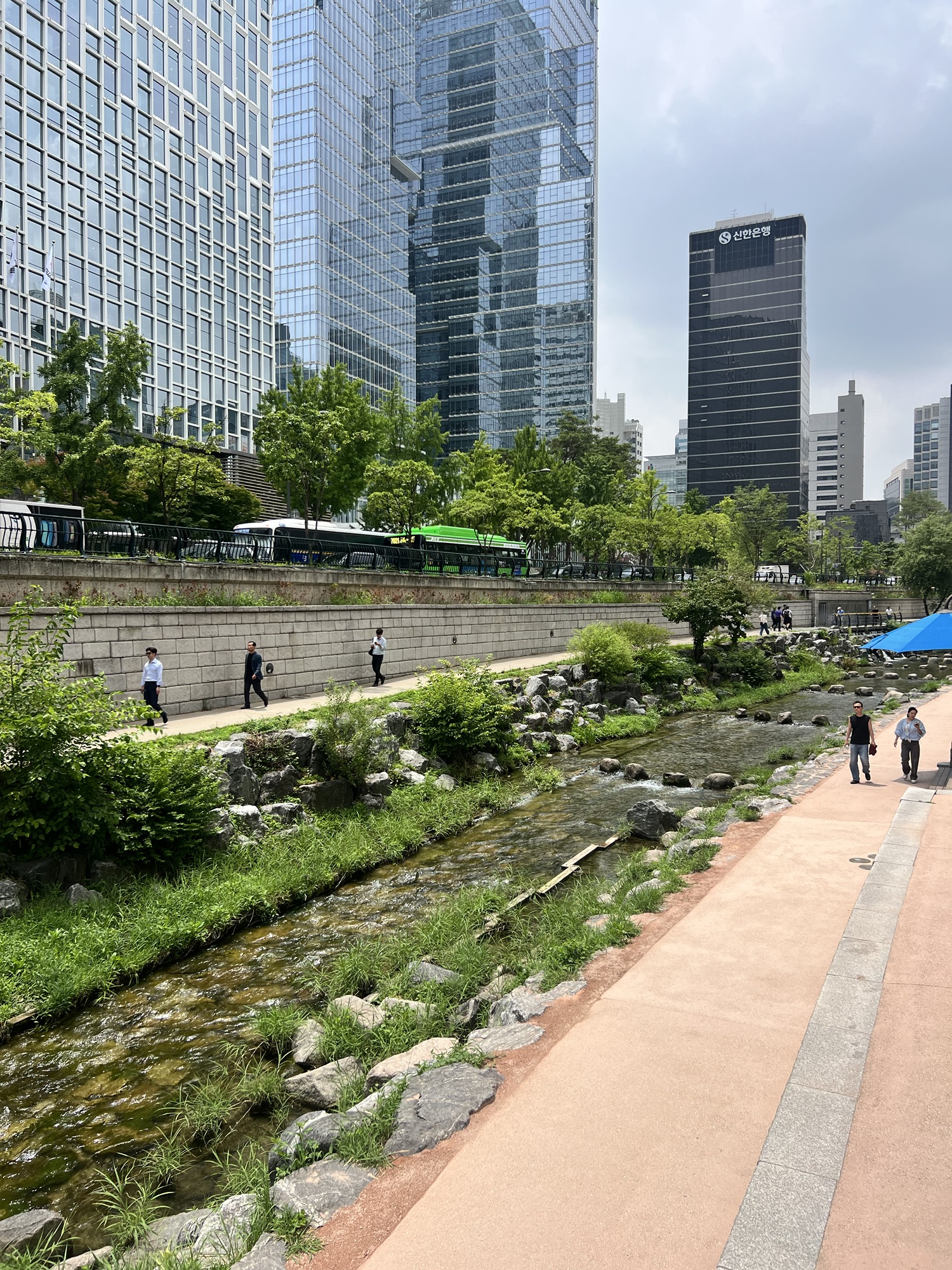
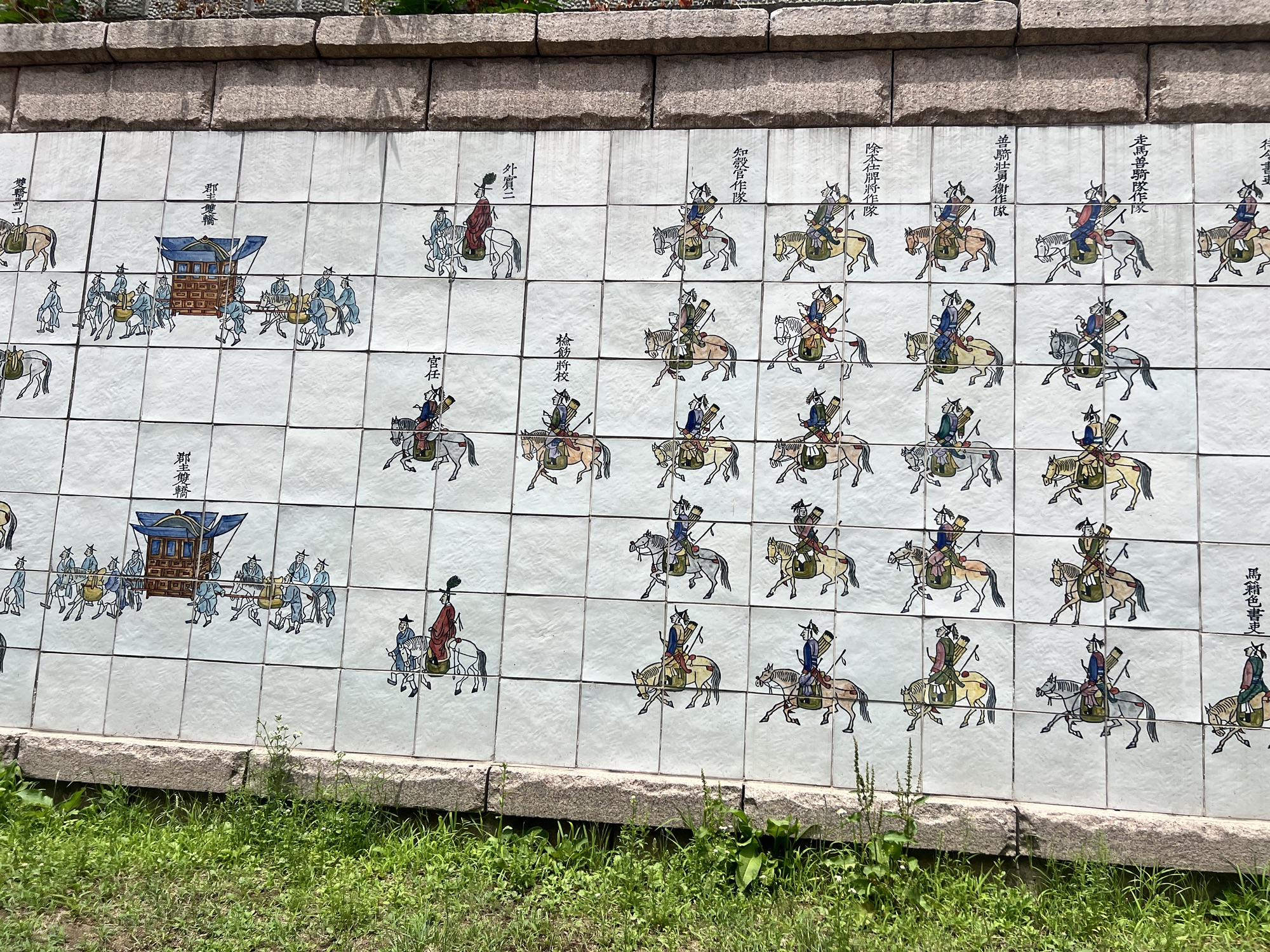
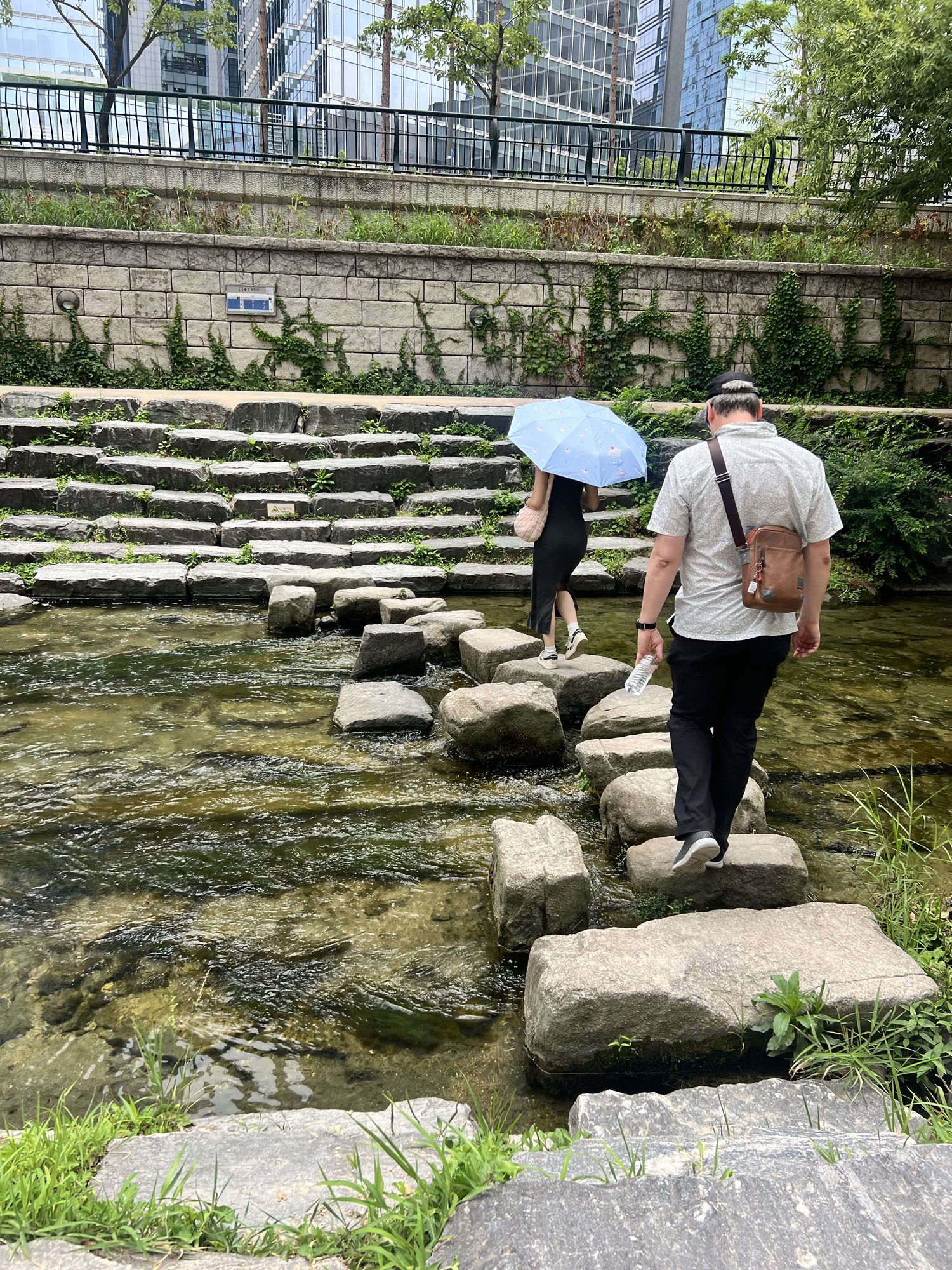
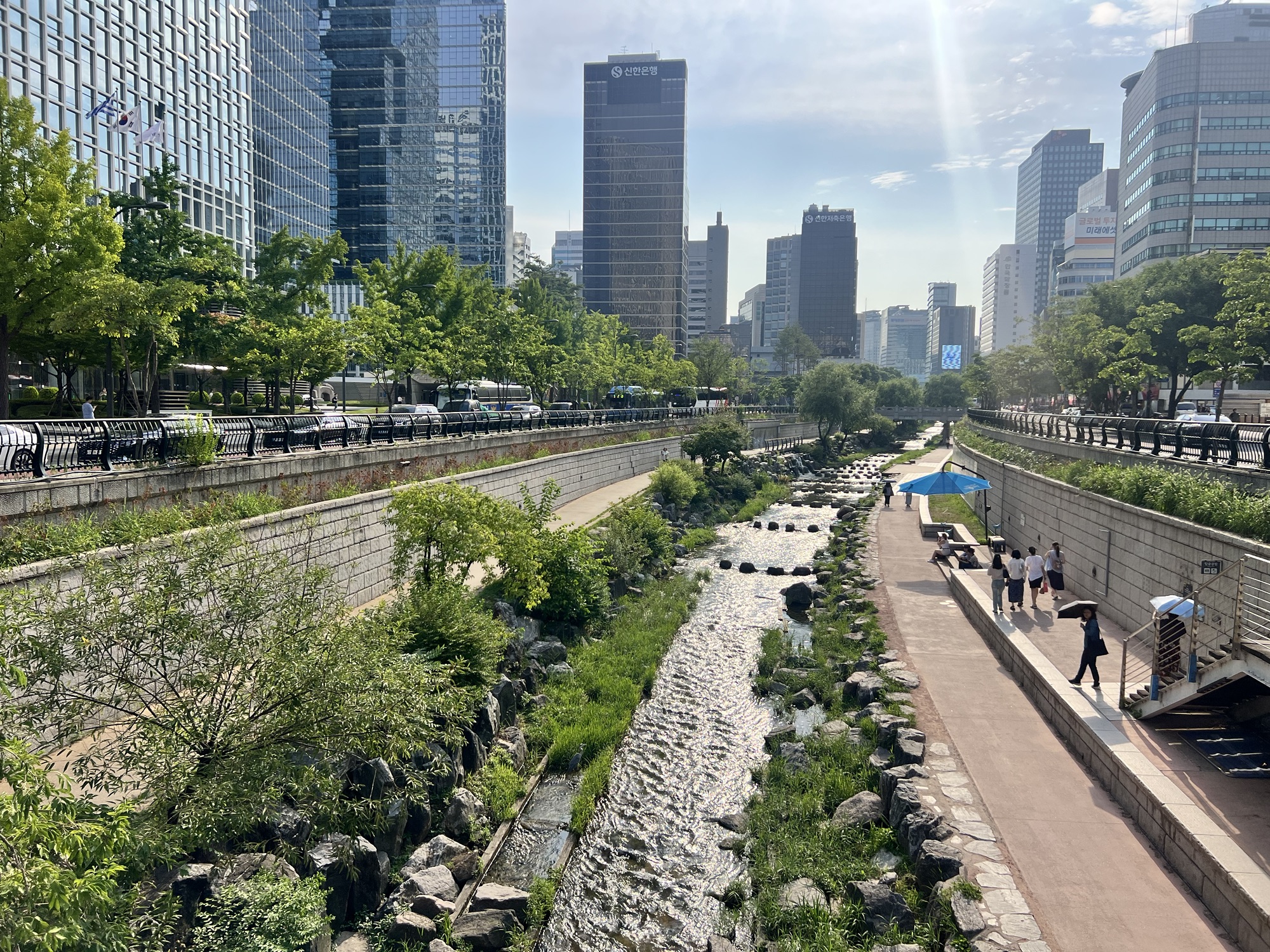
Along the way, we explored the Cheonggyecheon River. The city has created a lovely river walk, including stepping stones that you can use to cross.

Cheonggyecheon River
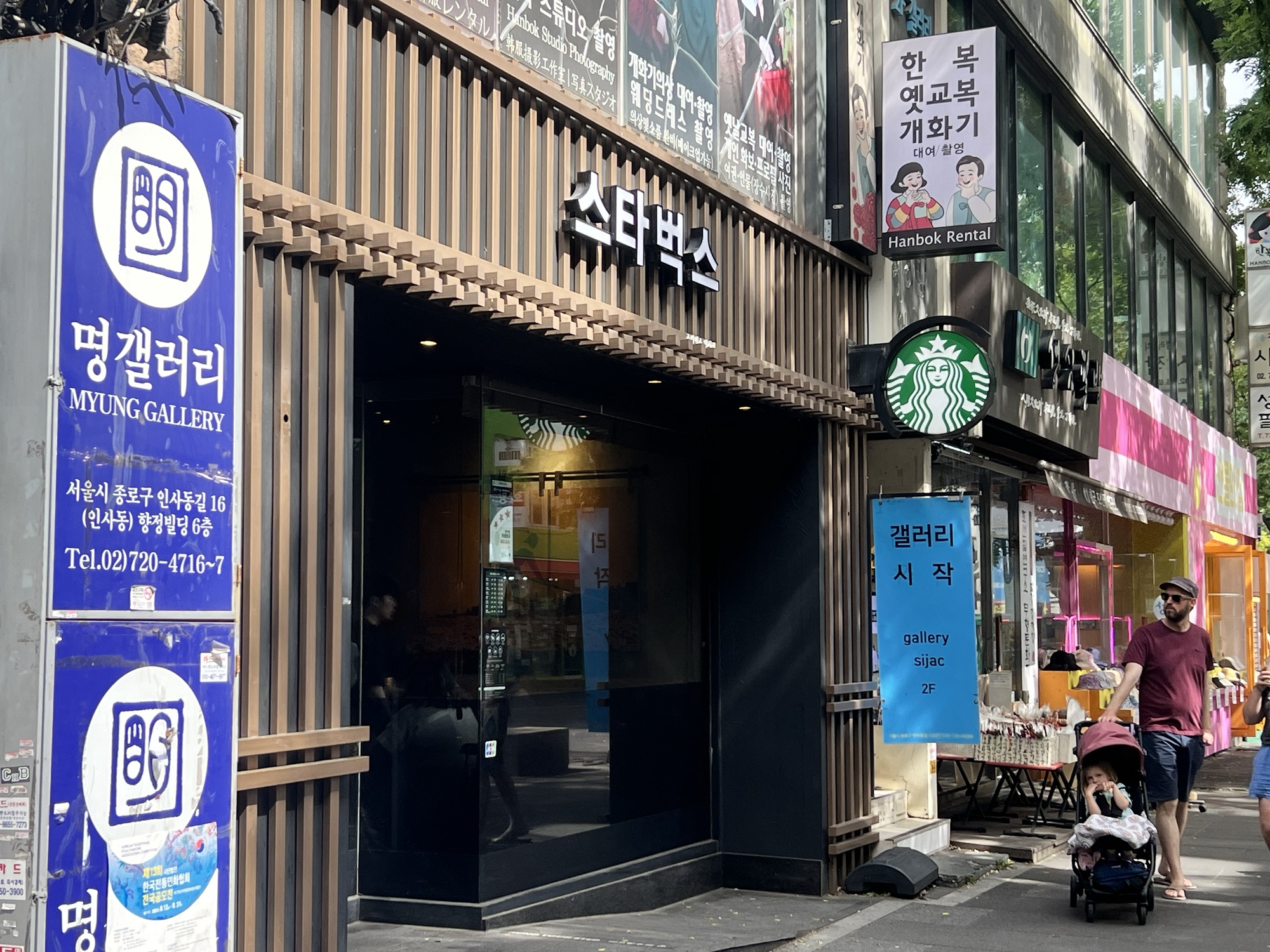
Only Starbucks in the world that does’t have the name in English (neighborhood requires signage to be in Korean)

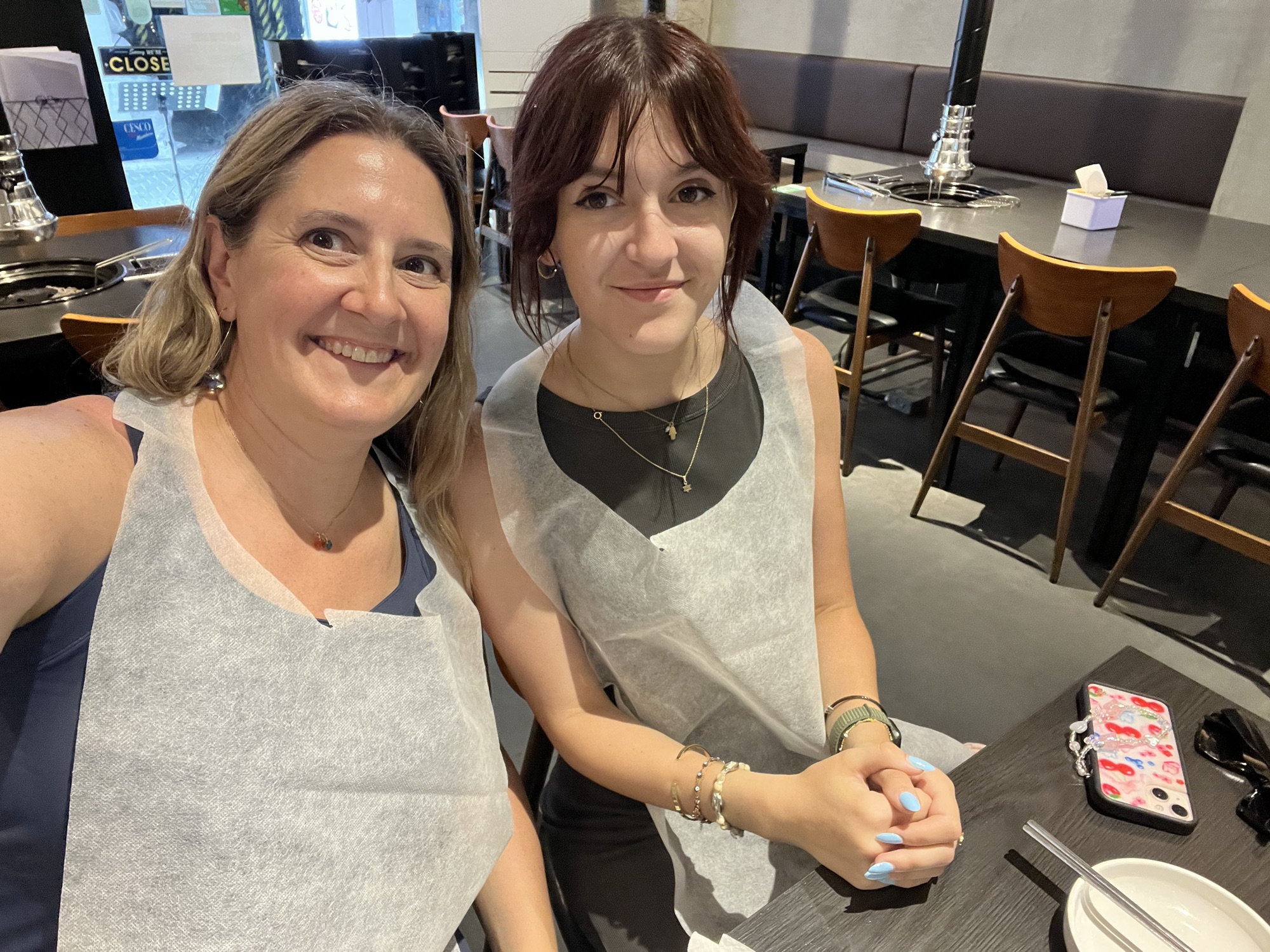
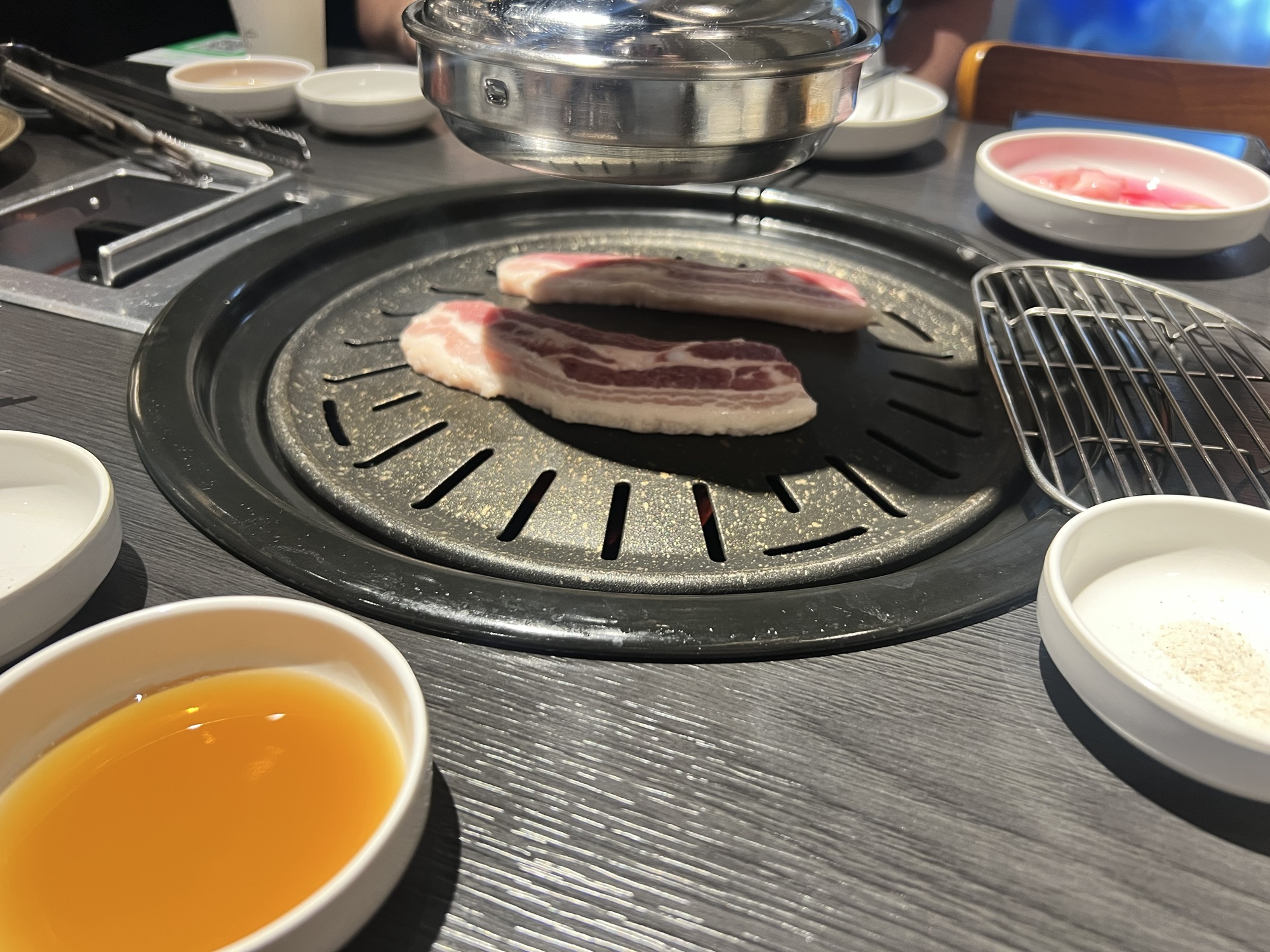
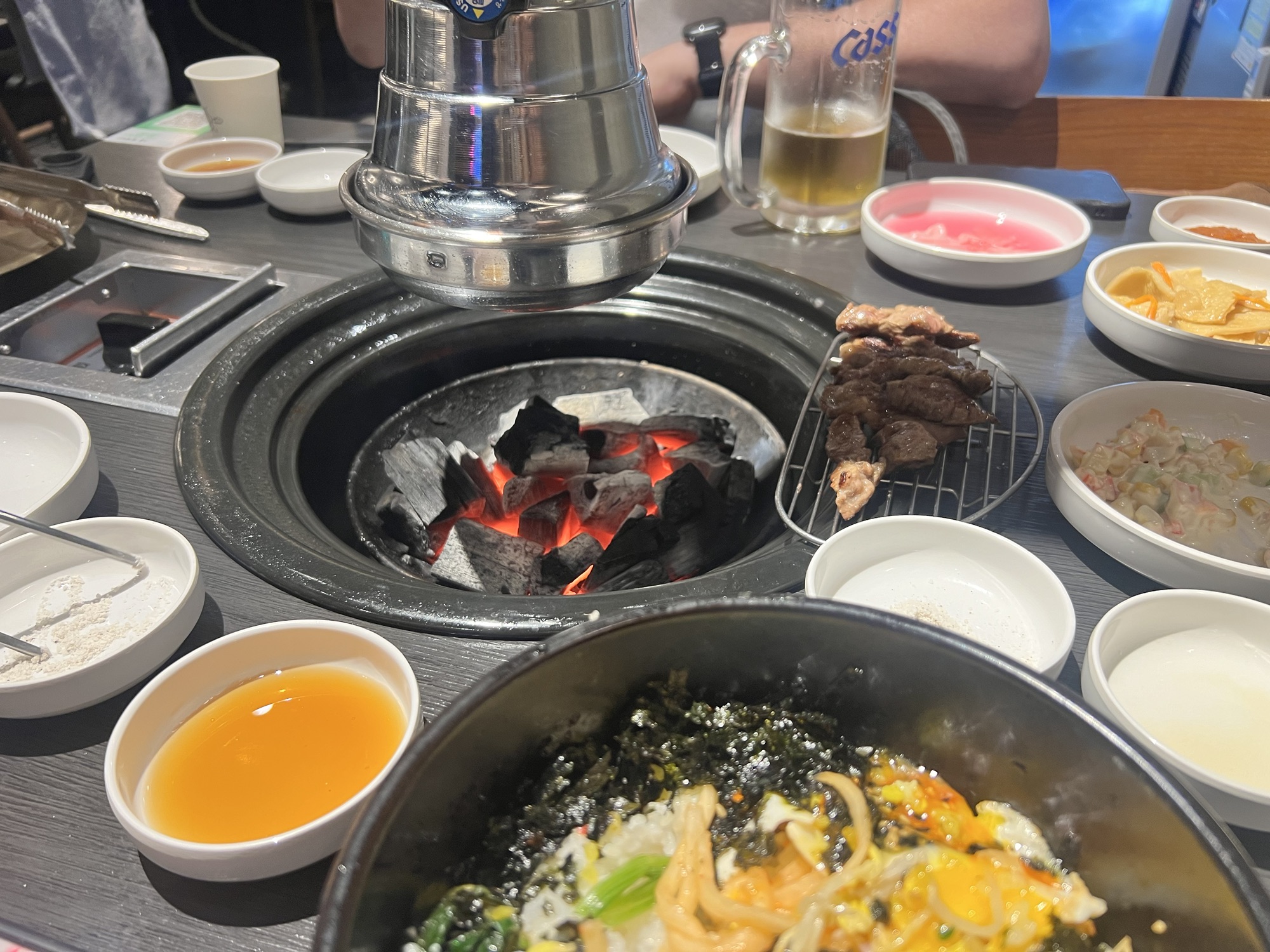
Korea wasn’t that easy for me to eat in, but I did want to be sure that my carnivore family had a chance to enjoy Korea BBQ, so I found a place that also served bimbimbap in addition to all the meats so I could eat. They give patrons bibs – we all agree that is something all restaurants should adopt!

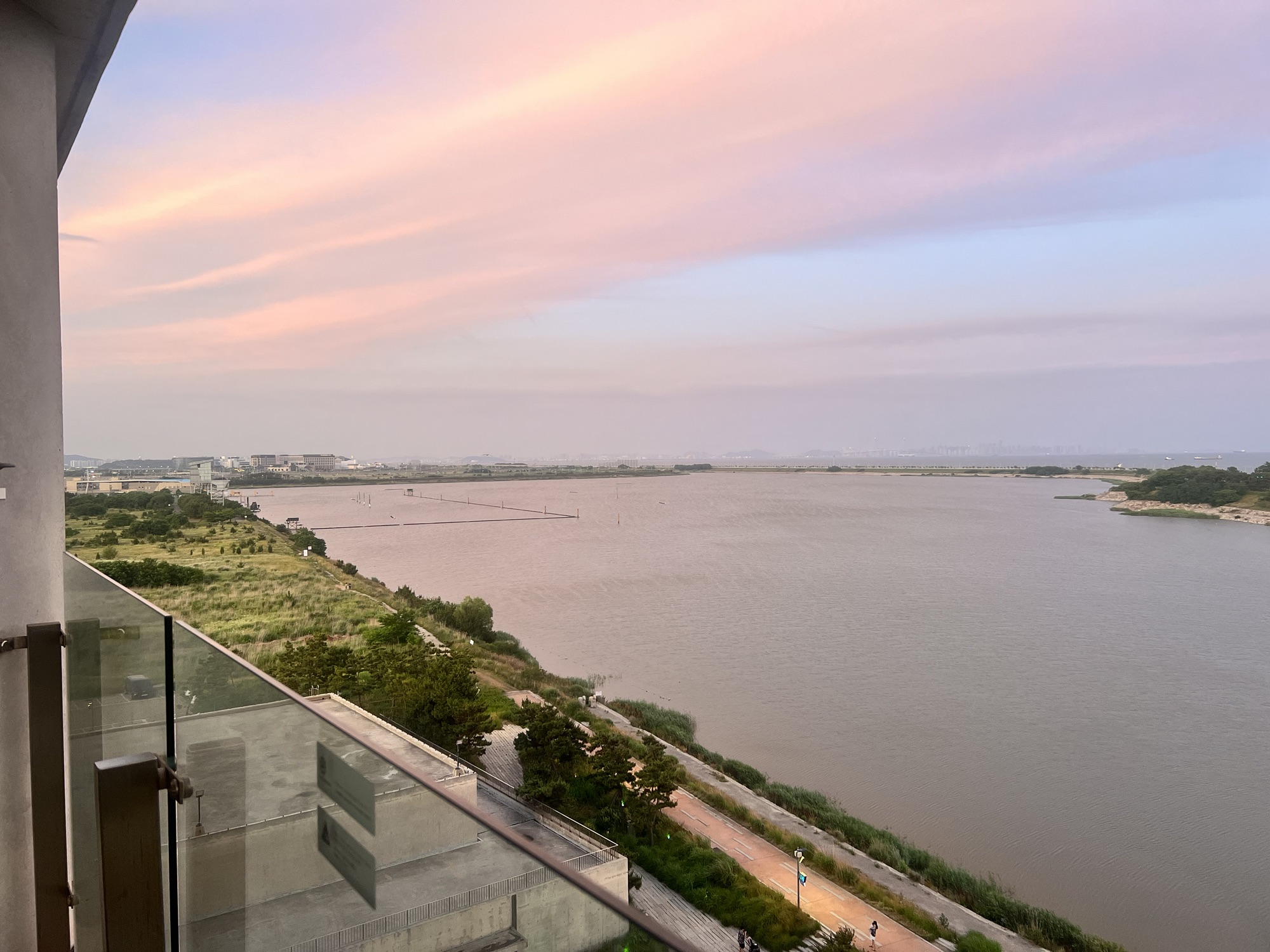
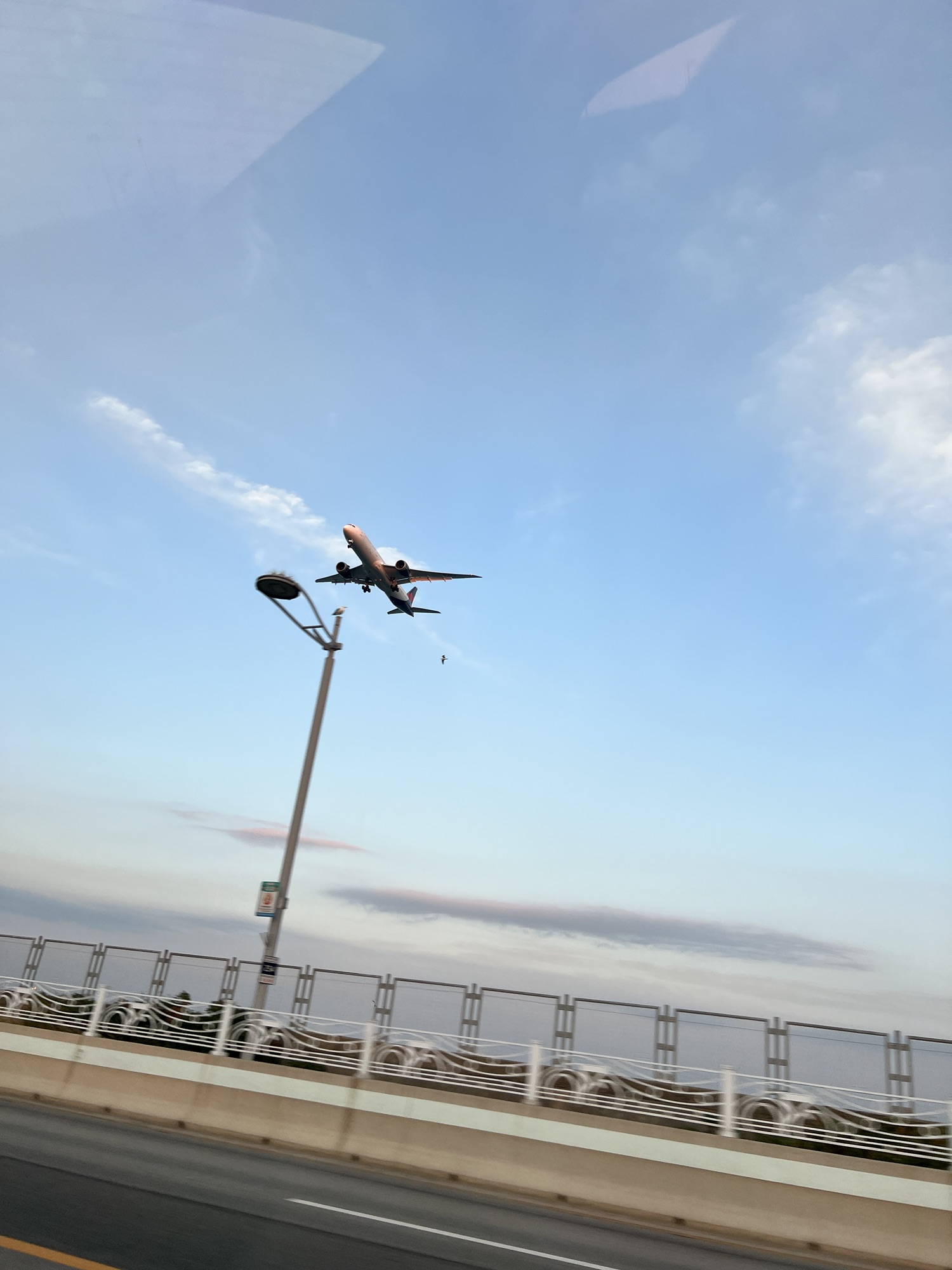
After a hearty meal (Anna-Sophia liked the meat so much that we had to order another plate for her!) we collected our belongings from our old hotel and hailed a cab to a different hotel. Inchon Airport is **nowhere** near Seoul (Tokyo-Narita copycat), so I booked us in a hotel near the airport to make the early flight the next day less painful. It was a really pretty hotel location, right along the waterfront (and effectively in the flight path for the airport).

On the DMZ bus tour, we were talking to some guys from Norway. They were saying that the would go back to Japan in an instant, but maybe not Korea. I think they were selling Korea short. Yes, it is certainly a bit less polished than Tokyo, but that is what I found so charming. You can see, hear, and feel the area changing and maturing, much like an adolescent. Tokyo has grown up already. Both have their strengths and weaknesses, and comparing them seems unfair.

I would’ve liked to have spent another day in Korea to explore something other than just the city. I’ll keep that in mind for next time. 🙂

Looking over the line

Anna-Sophia (and Luke) really wanted to go to the DMZ while we are on the Korean peninsula. I’m not sure how I feel about this excursion, but I am going along with it. After all, it is not really that much crazier than other things we’e done on vacation…Great White Shark cage diving off the coast of South Africa, zip lining over massive ravines in Costa Rica, and sleeping in tents with wild hyena and elephants in Botswana. Of course, as I write this, we have gotten an alert on our phones (like the amber alerts back home) about North Korea dropping another garbage-laden balloon onto South Korean land, so there’s that…

After a 6:30am pick-up, we set off for Imjingak Pyeonghoa-Nuri Park. It is designed to be a reflective place for those who left the North during the war, but it has taken on the atmosphere of an amusement park with rides, busses, and an endless parade of tour groups passing through. Our tour guide did her best to keep us focused on the importance of the area, and we did learn a lot about the history of Korea along the way.

Speaking of, it is downright embarrassing how little I knew about Korea’s history. Anna-Sophia and I had solid New England educations, which means we can tell you more than you would ever want to know about the Revolutionary War, but our history education basically stops at the Cvil War. Maybe there was a little WWI and WWII (if so, it was quite minimal), but I am confident we never got to the Korean or Vietnam wars. I was learning a lot of history for the first time on this tour.

Back to the park. There were several memorials here, as well as historical markers.

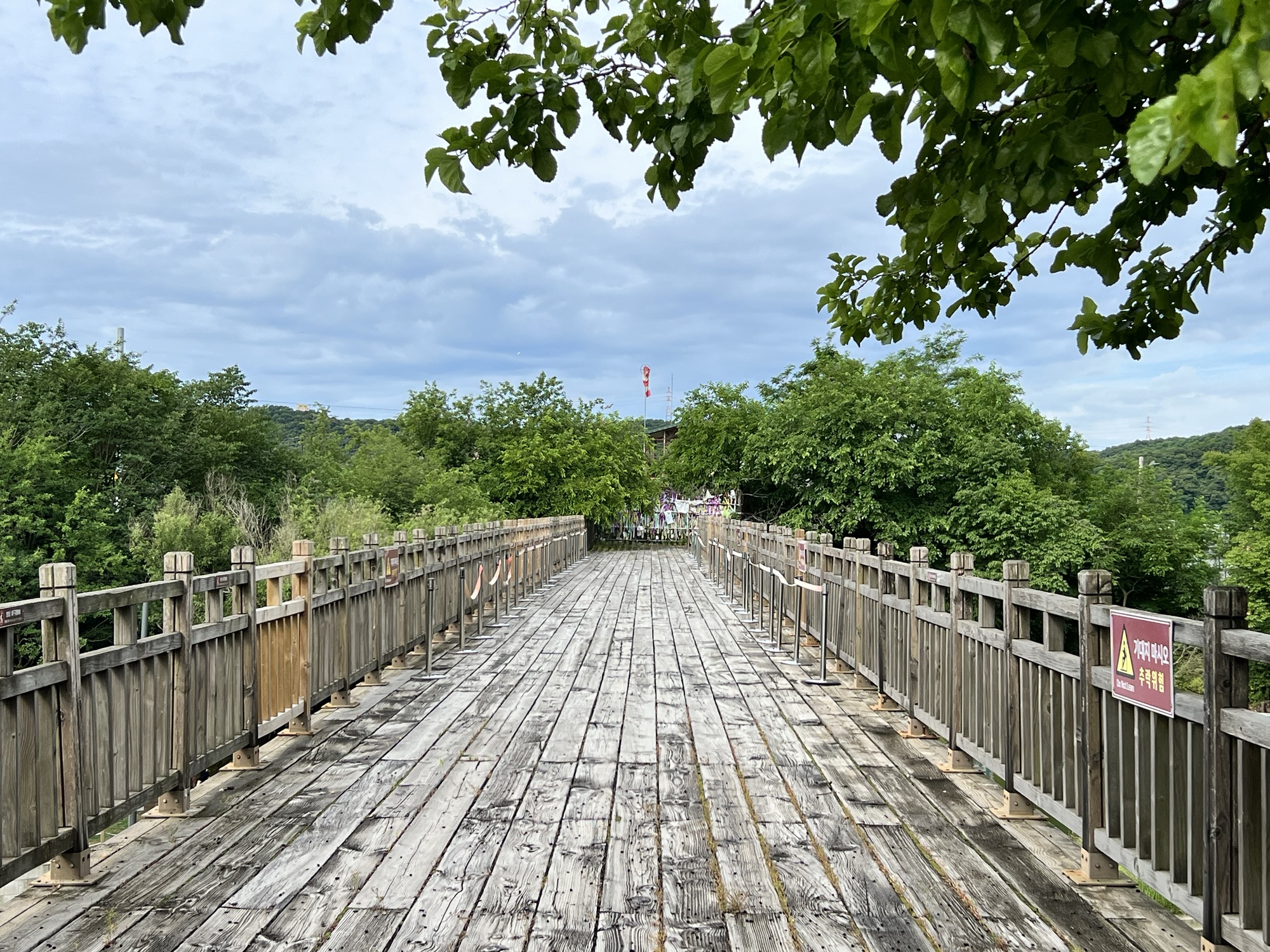
Bridge of Freedom (used for the exchange of prisoners between North and South)
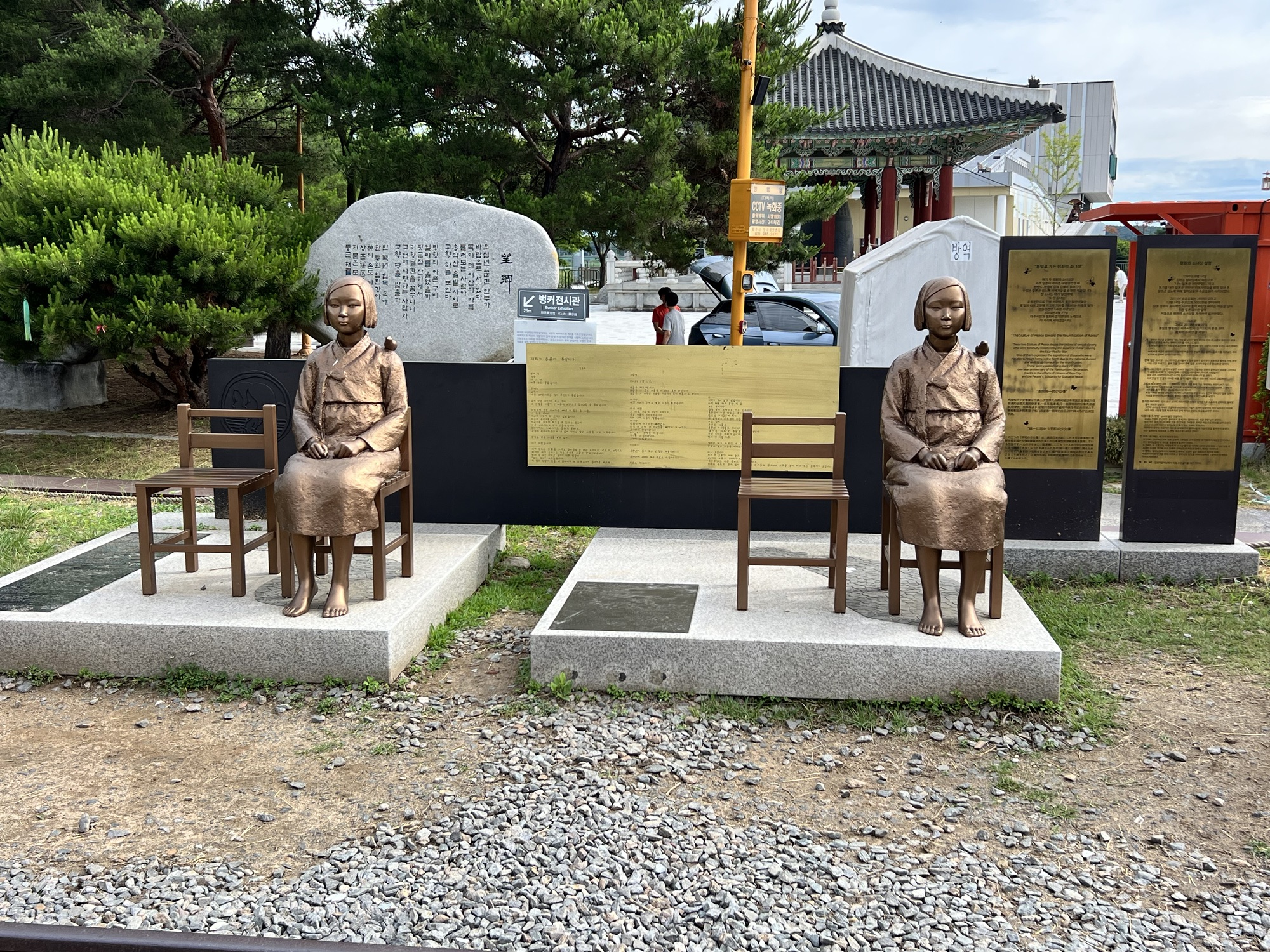
Memorial for the broken families, as well as for “comfort women” (Korean women forced into sexual slavery by Japan during the occupation)
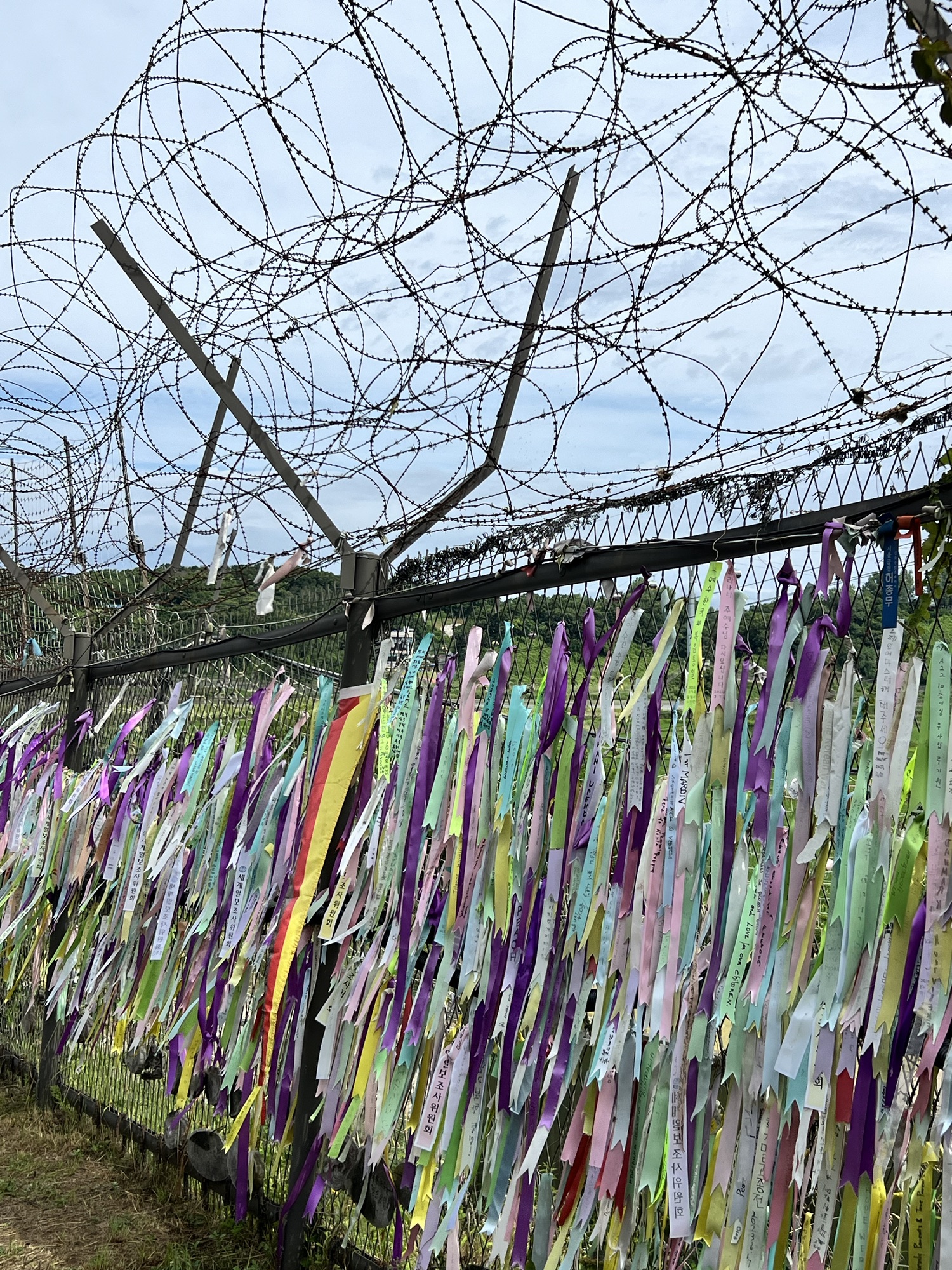
Ribbons with the names of missing family members

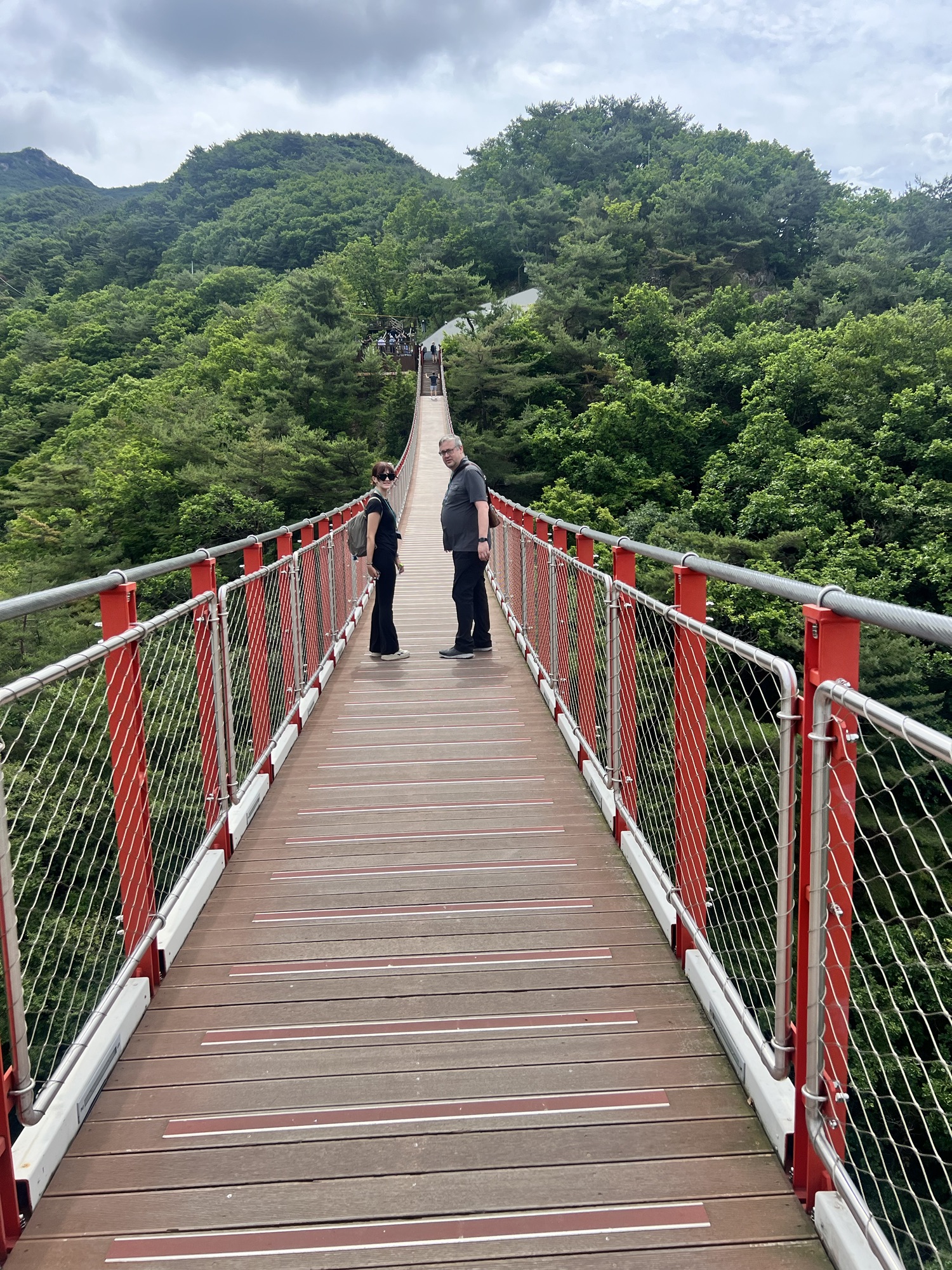
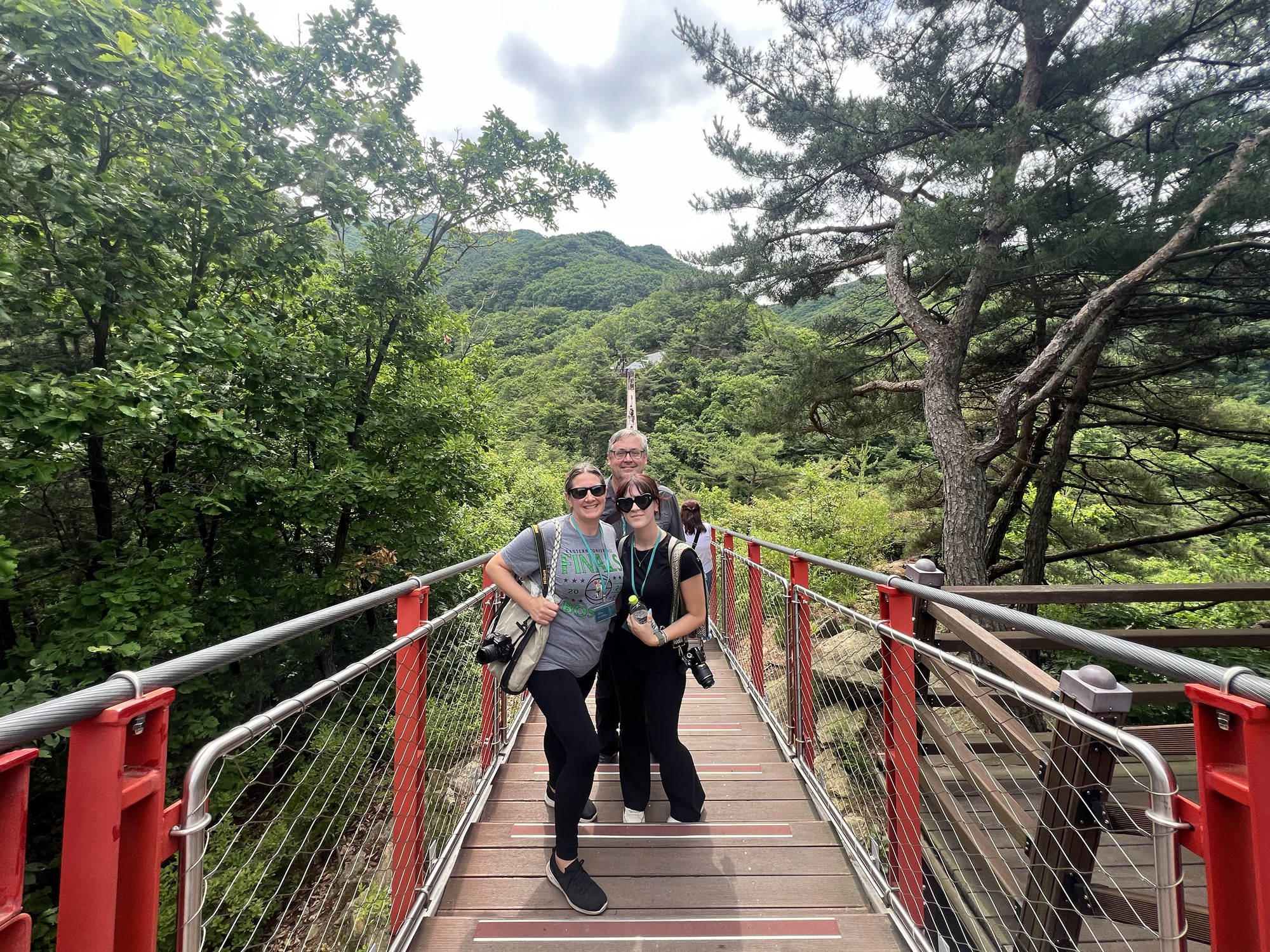
Getting into the DMZ itself is a bit of a lottery system, thus our early morning start. Our guide did manage to get entrance tickets for us, but not until 12:30 so we scrambled the day and set off for the Gamaksan Chulleong Bridge. This is a substantial suspension bridge, measuring over 200 meters long. I’m to a huge fan of heights or of bridges where I can see movement, but I did manage to make it across!

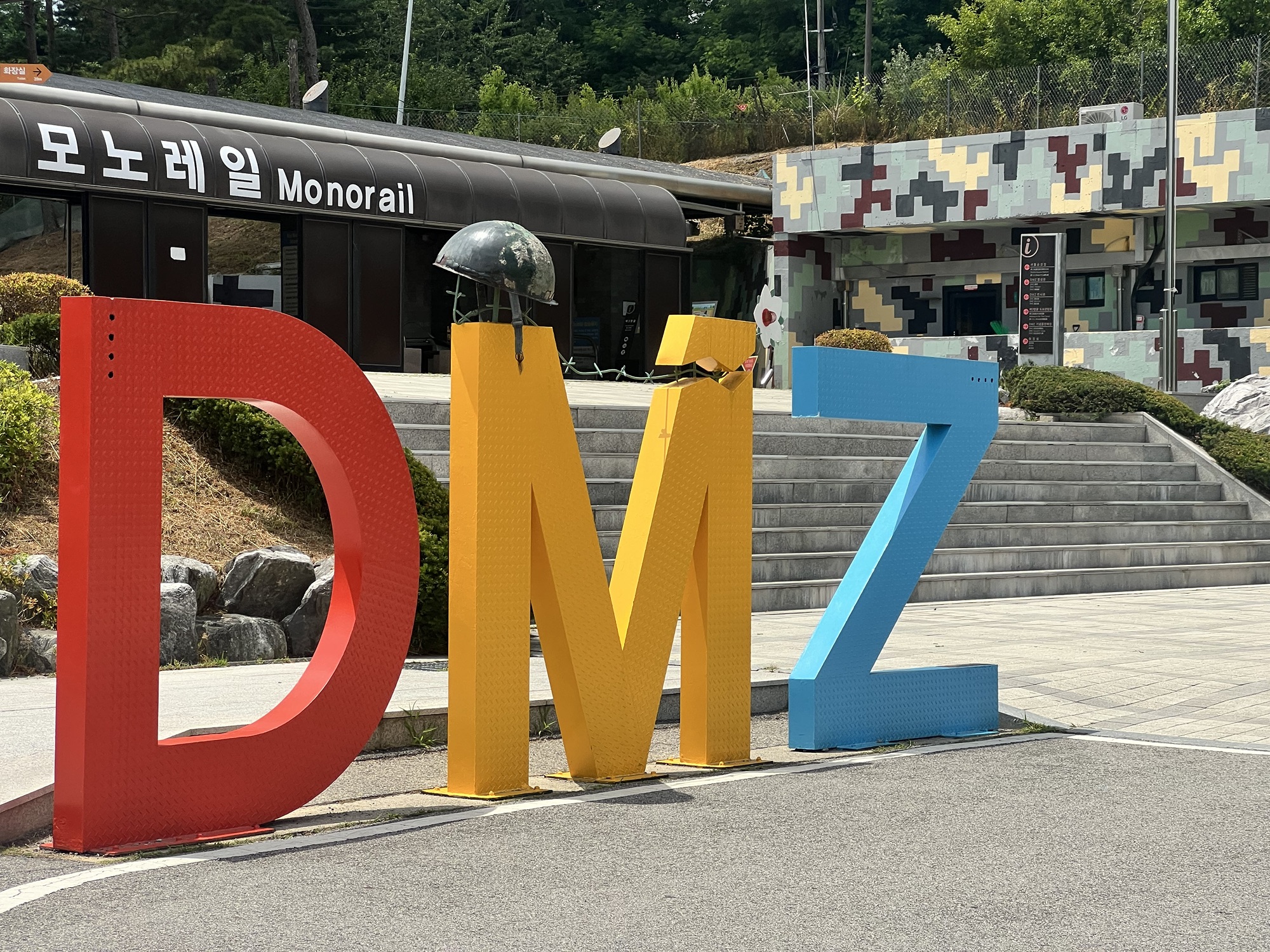
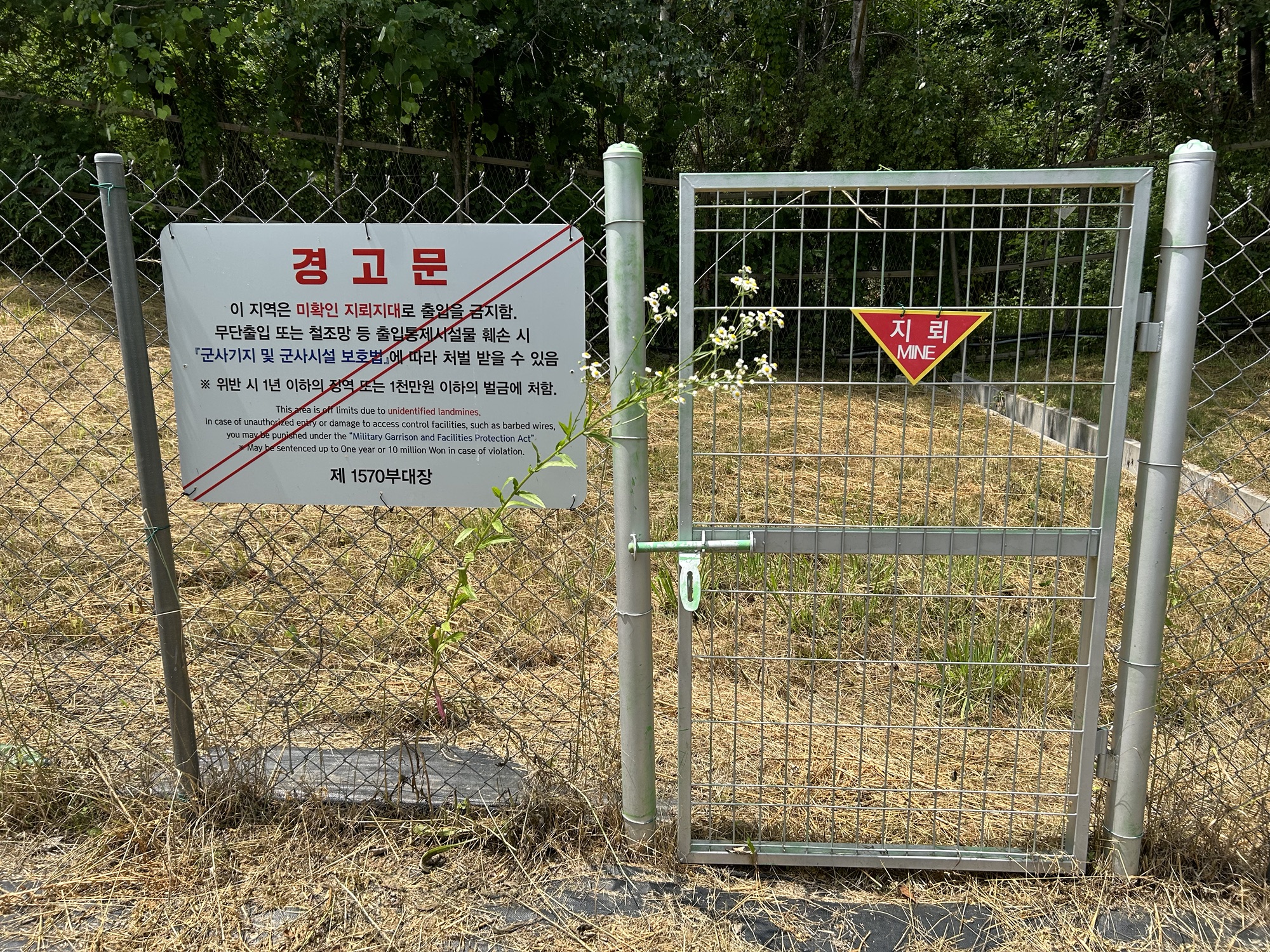
After exploring the bridge area, we went back to the park for lunch before joining a few other small groups on a larger bus to enter the greater DMZ area. The DMZ is technically a 2km zone on each side of the actual border (on which is the “blue house” or the Joint Security Area (JSA), which has been off-limits since 2023. Next to the DMZ is a Civilian Control Line (CCL) where South Korean military checks ID and ensures that everybody entering the area has a purpose for being there. This area is marked by barbed wire because land mines from the Korean War are all around the area.

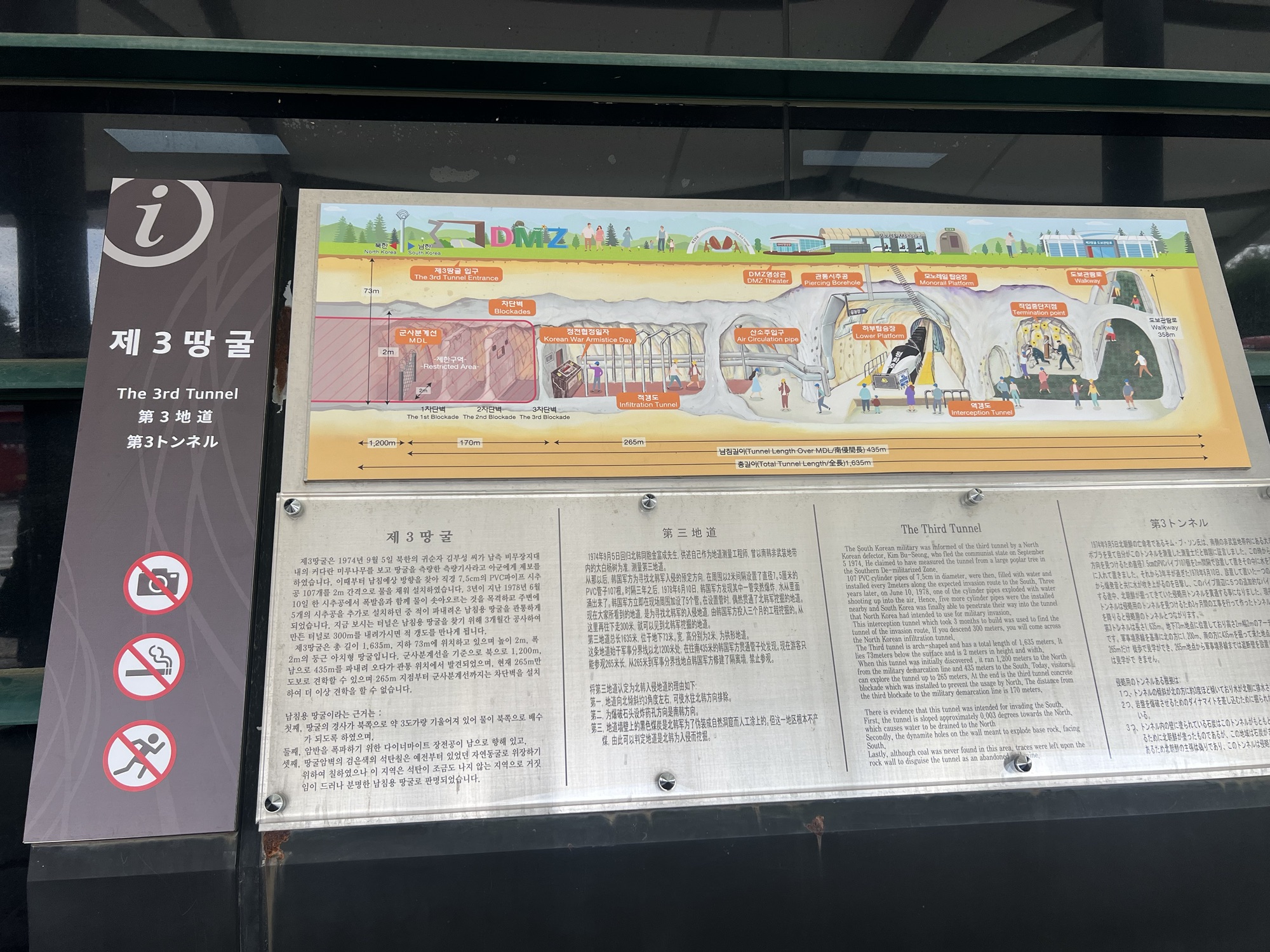
We started off at the DMZ theater and exhibition hall before entering the third Infiltration tunnel. North Korea claims at the South built this tunnel across the DMZ, but the slope of the tunnel and the angle of the dynamite blasts make that excuse seem rather weak. There have bee 4 tunnels discovered, and this is one of the longer ones at 1635 meters long.

No cameras or phones are allowed into the tunnel, which is probably just as well because photos couldn’t capture the feeling of the damp, cramped tunnel all that well. It’s 2 meters wide by 2 meters tall on average, but once you add in all of the reinforcing steel that the South has added to ensure safety, it is much smaller. Anna-Sophia and I had to crouch down a bit, and Luke had to bend in half. He went down a bit and then turned back, while Anna-Sophia and I did a quick march pace all the way down and back. There are 3 barrier walls built by the South to ensure that the North can’t use the tunnels, and those walls are only 170 meters from the actual border, which was plenty close for me.

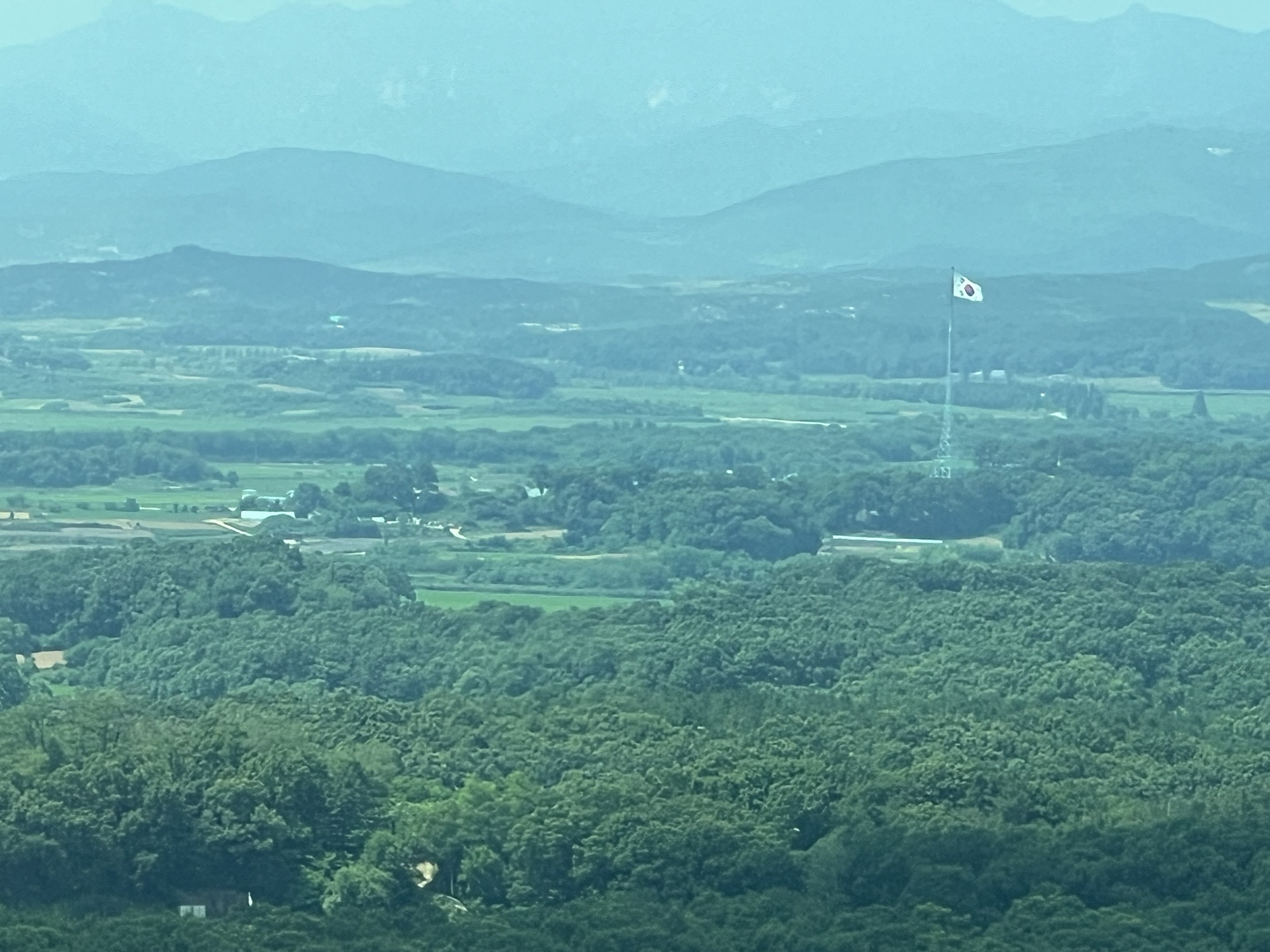
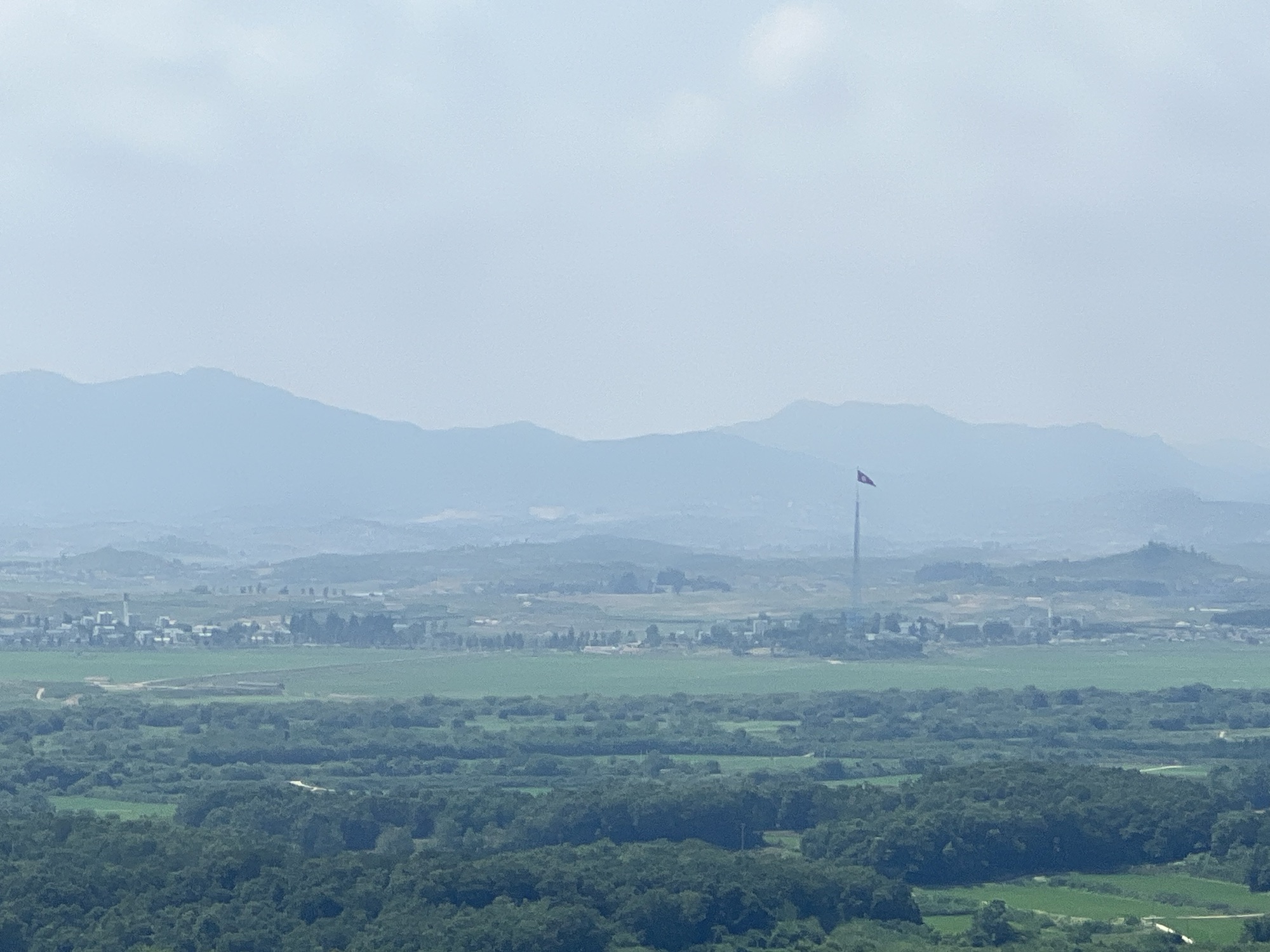
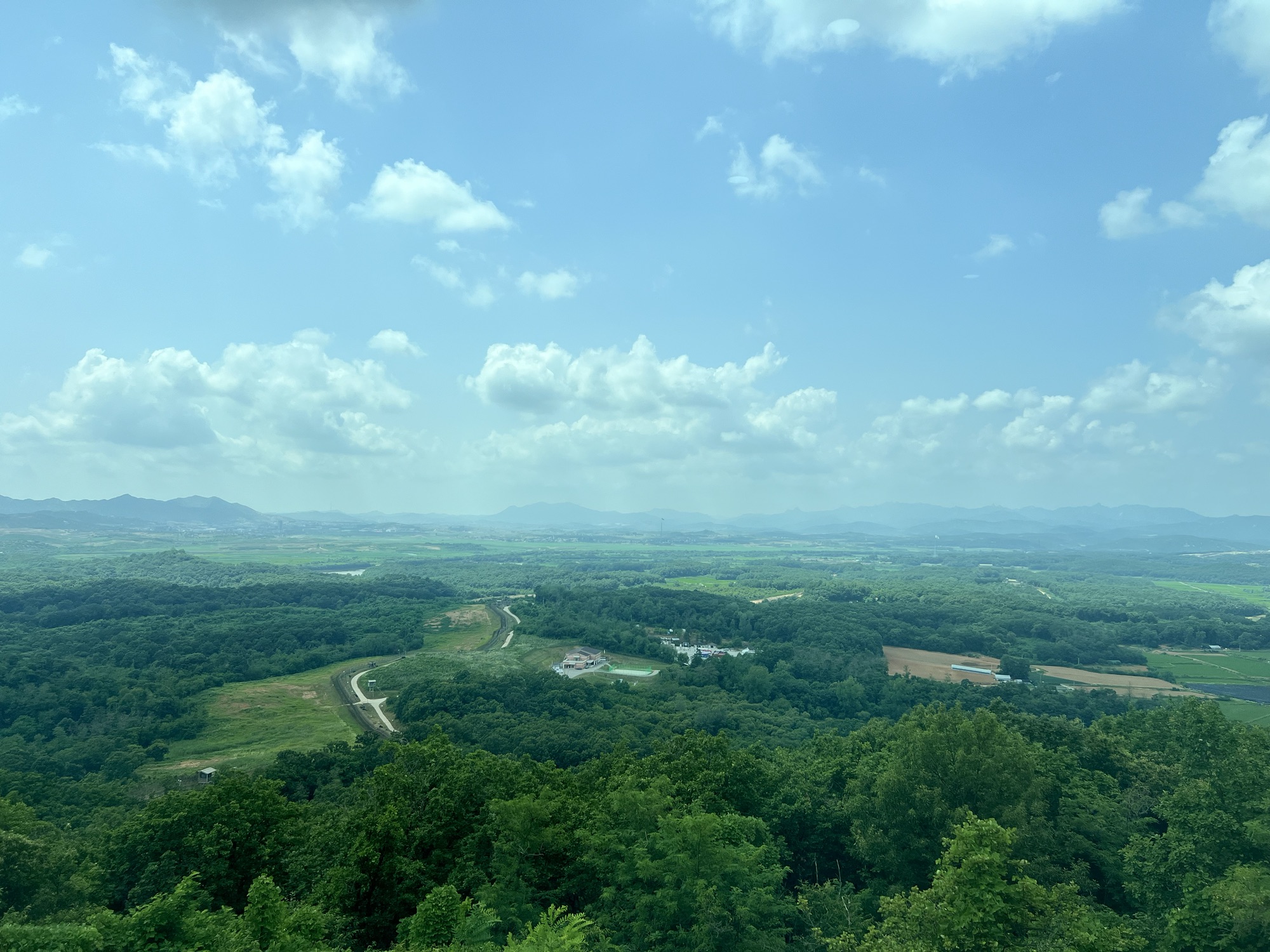
Inside the Civilian Control Line, South Korea has a “peace village” called Daesong-dong, which is where the Dora Observatory is located. From the observatory, you can see the entire DMZ, including the river and North Korea’s propaganda village (Kijong-dong) just across the border. The north’s village is almost completely fake. The buildings have multiple stories and electric lights (few North Koreans’ have consistent access to electricity), but there’s no glass in the windows, no furnishings in the rooms, and no people who actually live there.

South Korean side of the DMZ
North Korean side
Civilian Control Line and DMZ

We were all reflective (and drowsy) on the bus ride back to Seoul. We strolled around the shopping areas for a bit when the bus let us off, and then headed back toward our hotel. After another excellent dinner at the vegan restaurant, we enjoyed the rooftop deck before heading off to sleep for the last time in Korea.

An abundance of clean public restrooms (and other cool things we found in Seoul)

I am not sure that I’ve ever said this before, but I was delighted to wake up to rain. The heat of the previous day was so painful, and the rain and clouds promised for a much cooler day. We decided not to let the sprinkles get in our way, so we decided to try the previous day’s agenda with some new sights.

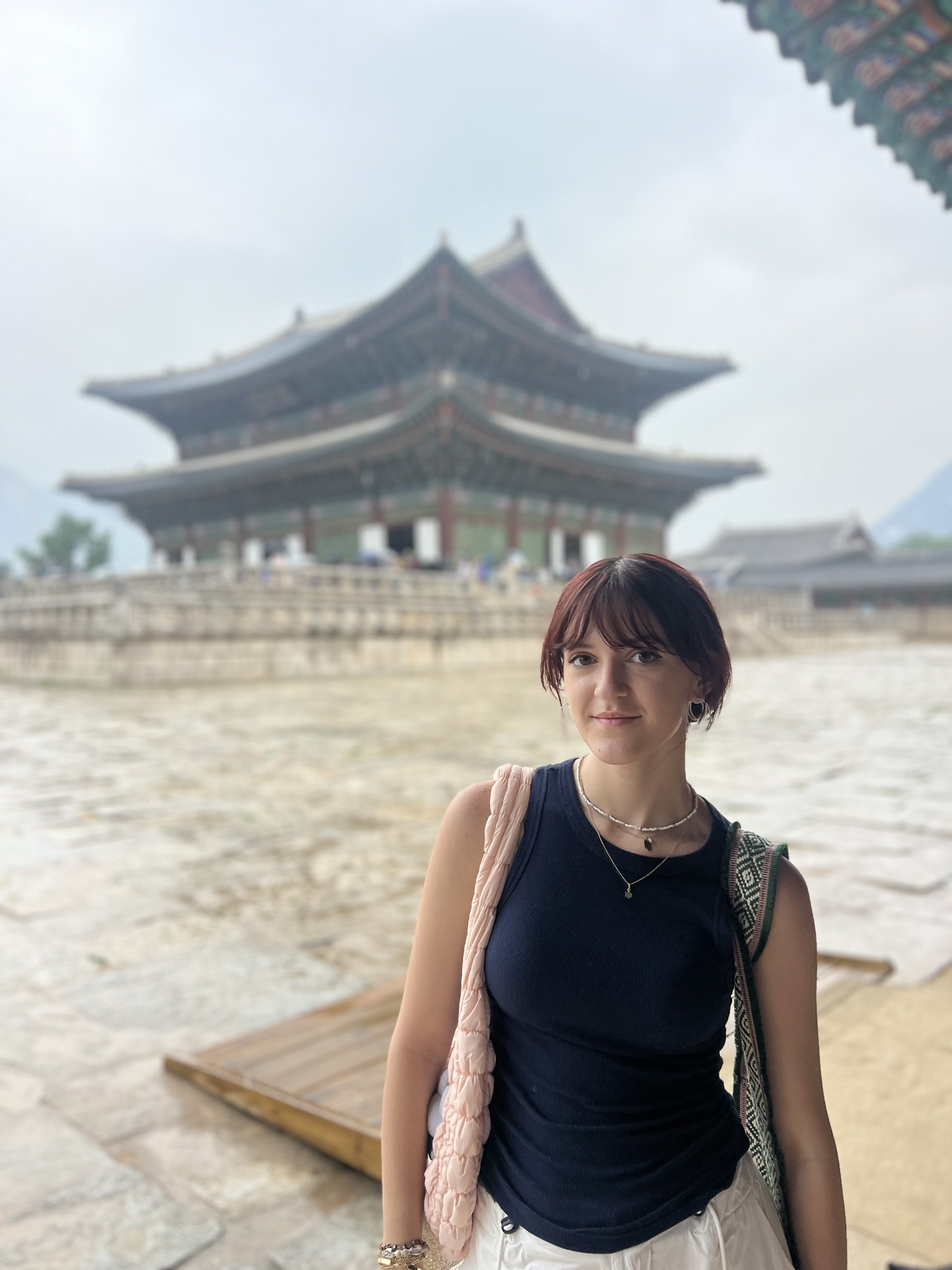
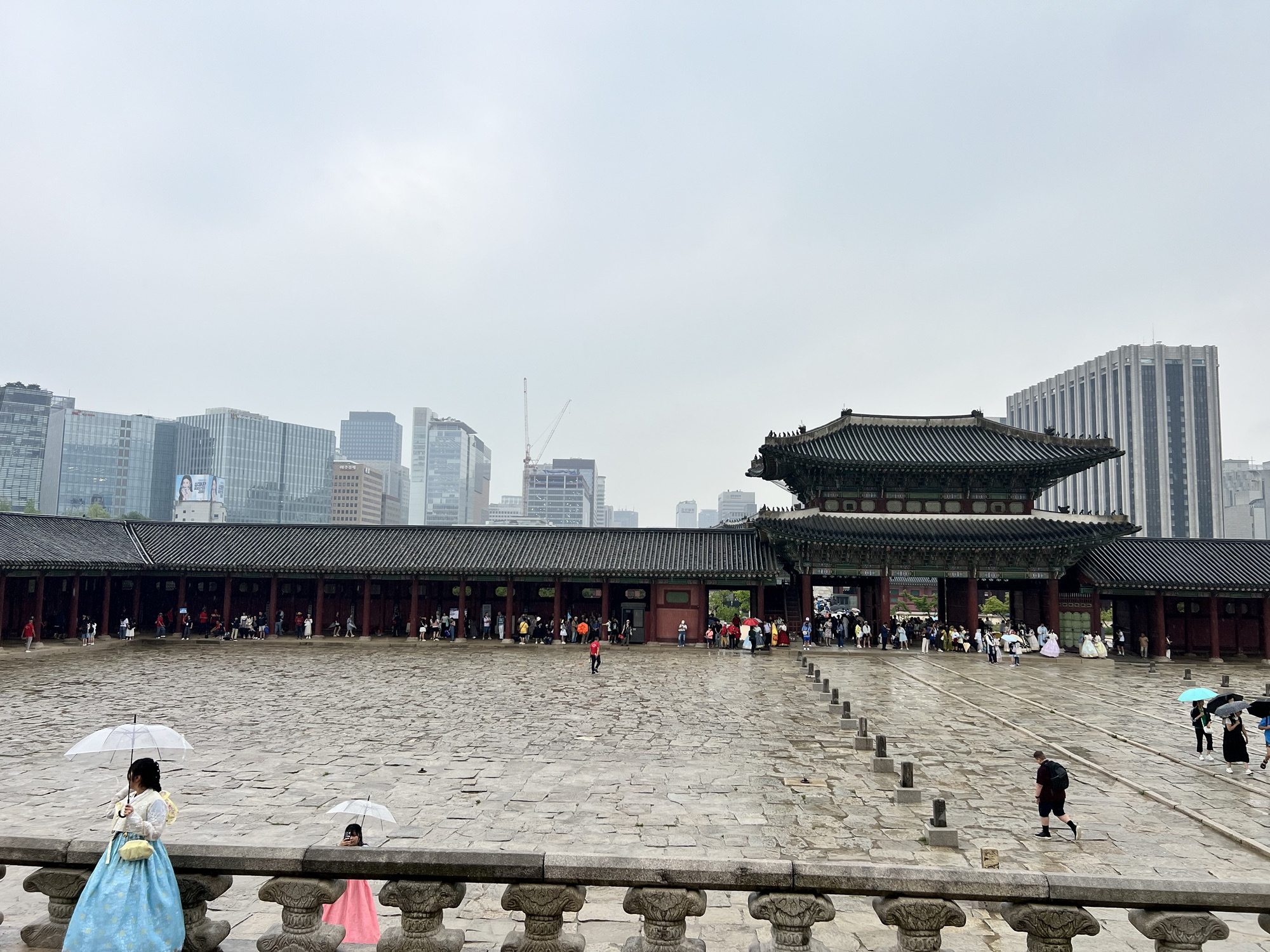
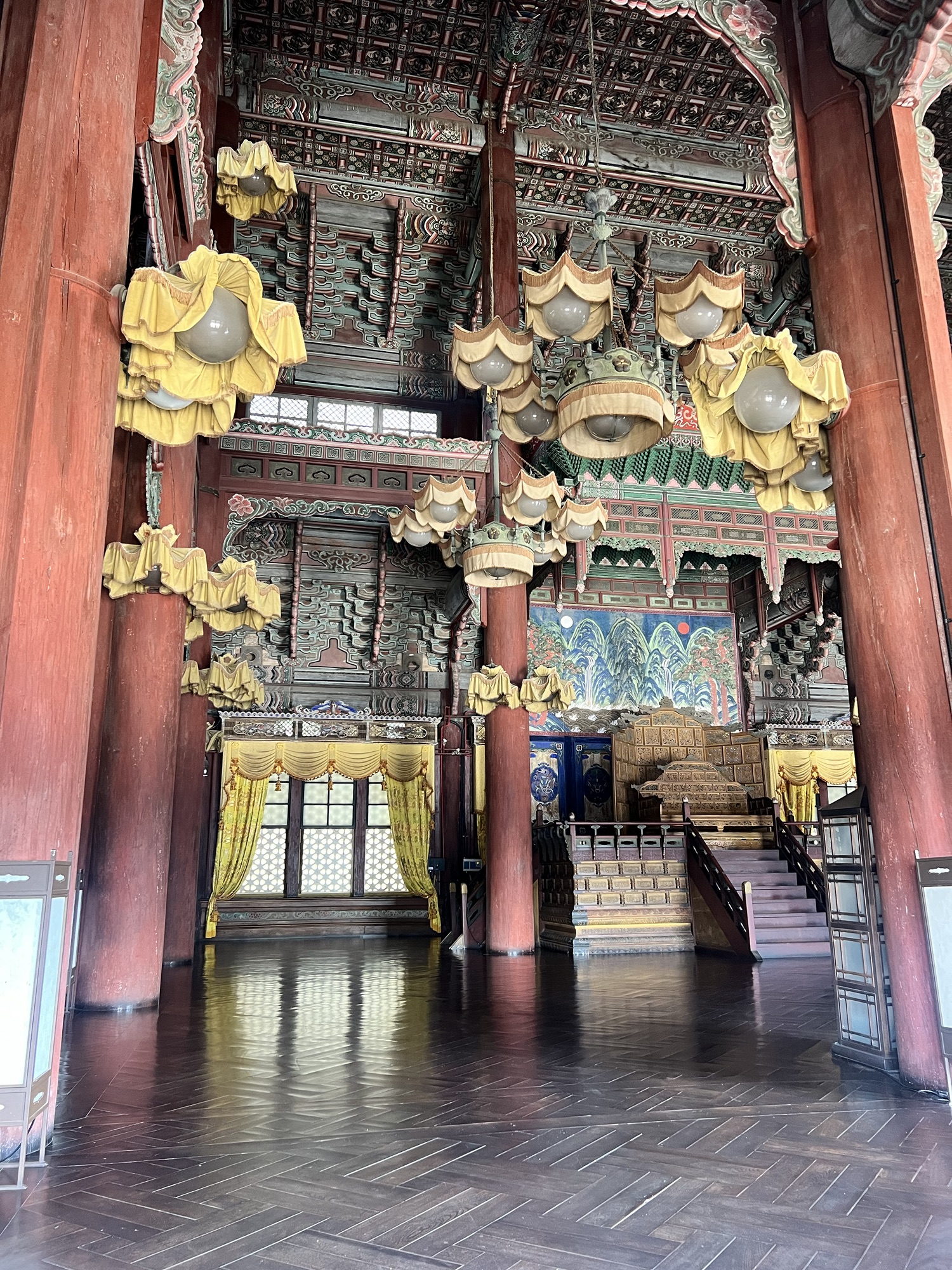
First up, Gyeongbokgung Palace. Thankfully, no guided tour needed!

Palace courtyard
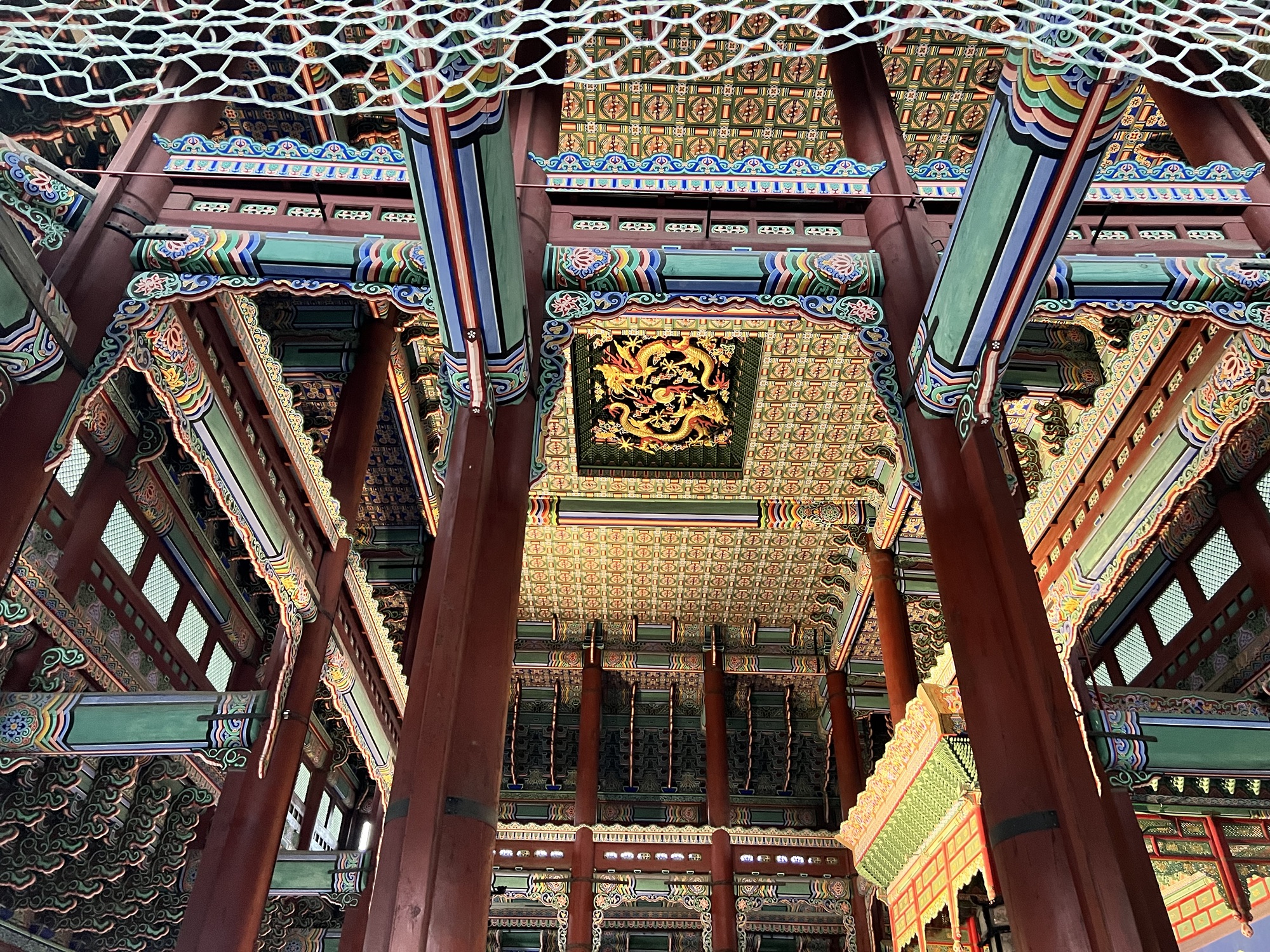
Ceiling of the palace, complete with golden dragons

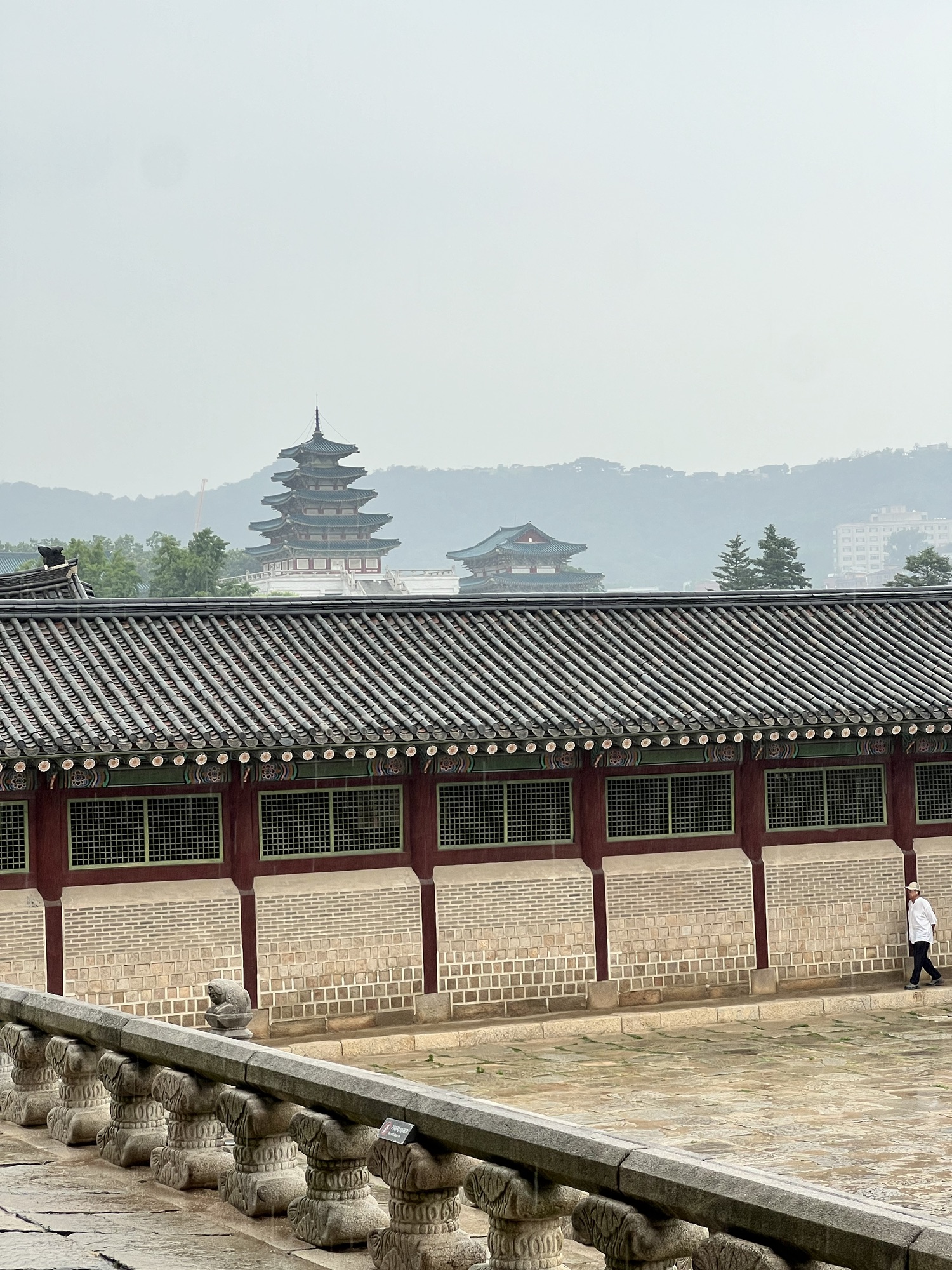
The rain got heavier, and as we got wetter, we decided to explore the Korean Folk History Museum since it was on the palace grounds, reportedly well-done, free, and inside. This was a pretty cool museum, with lots of interesting artifacts to teach us about Korean life throughout time (something I will admit, I knew nothing about).

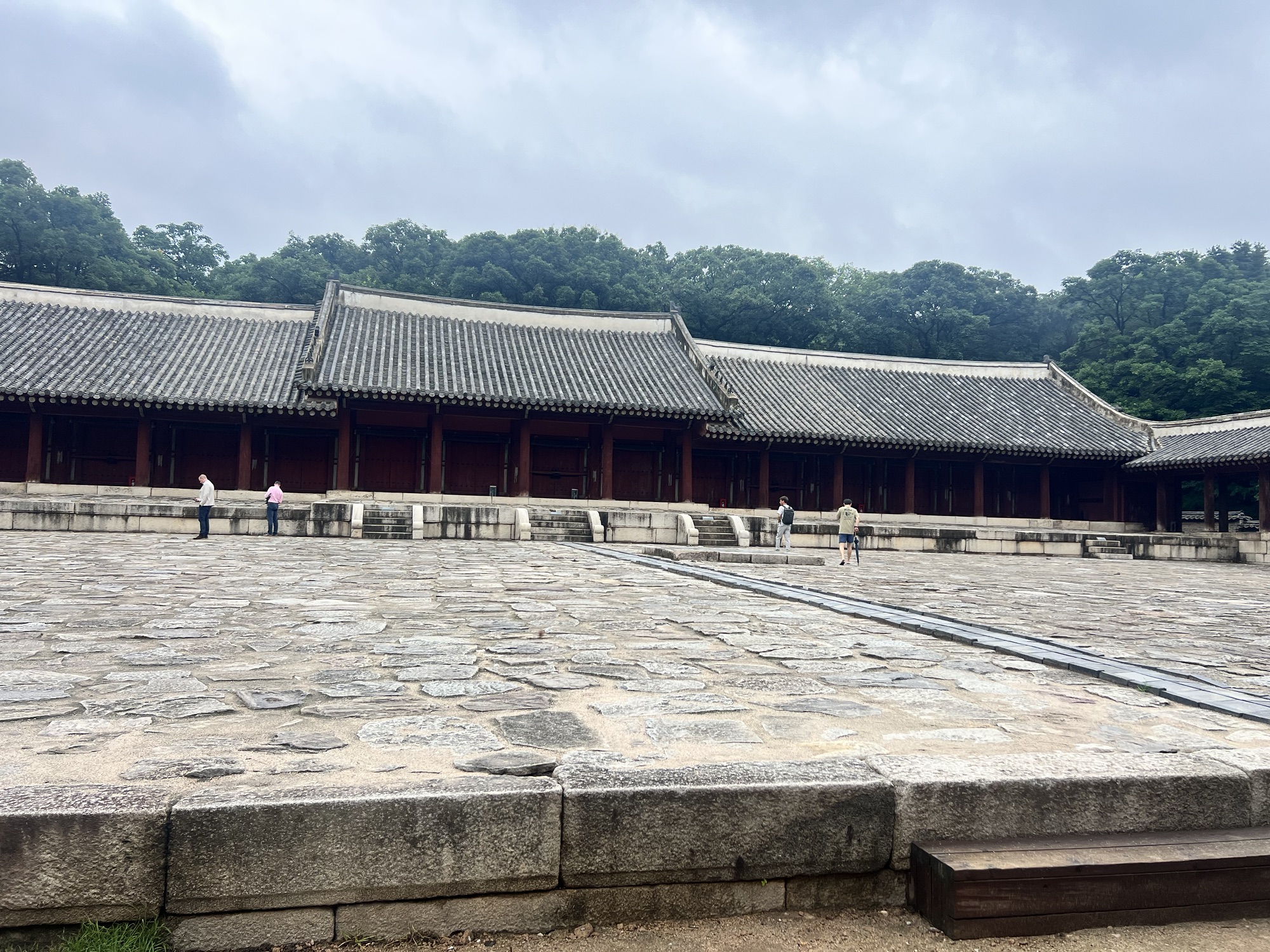
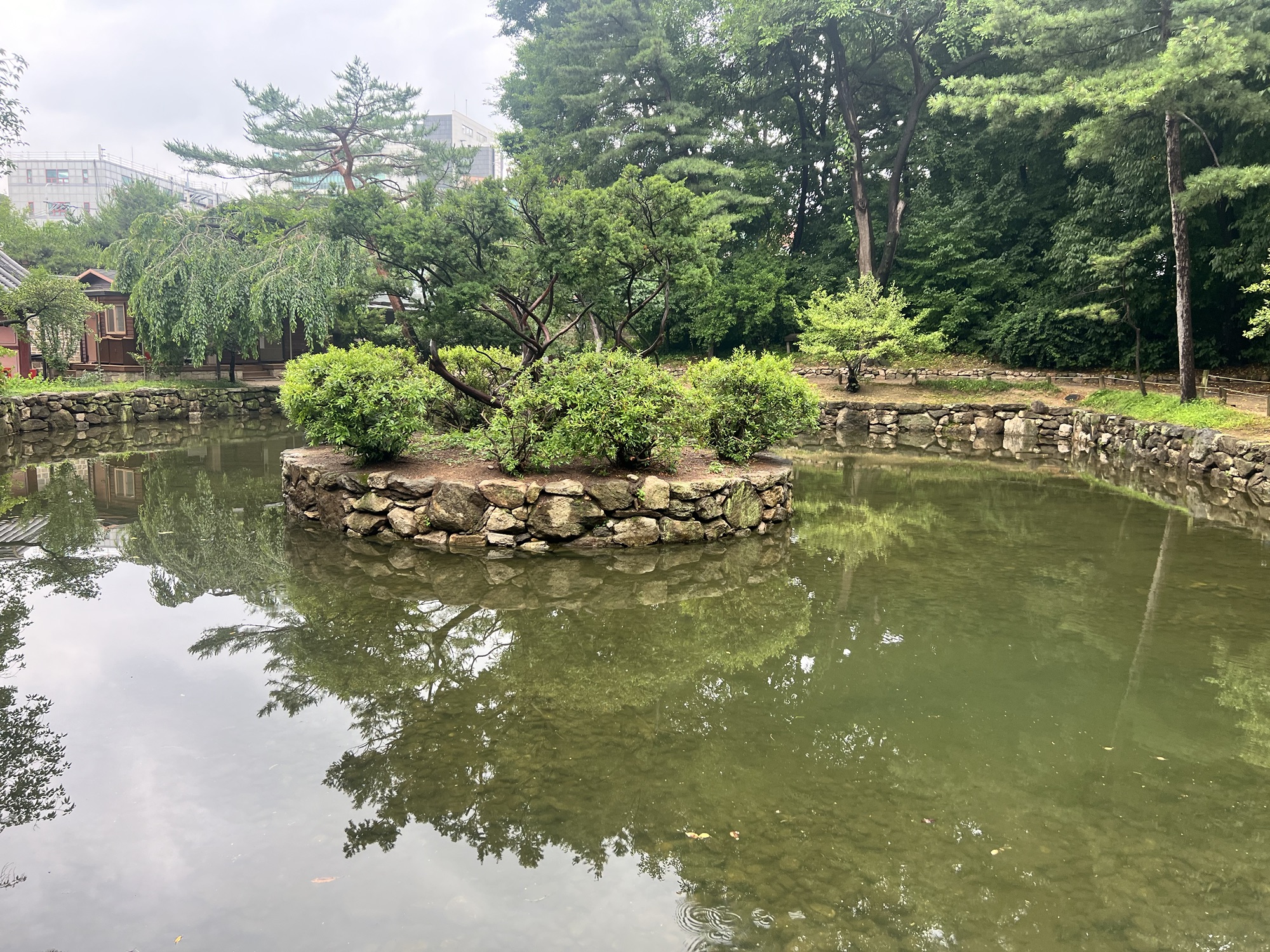
After a subpar lunch (we were hungry and wet and couldn’t find the restaurant we were looking for so we just picked something random), we decided to head to the markets. On our way to the markets, we passed Jongmyo Shrine and decided to pop in. This site has important cultural significance as a place for the spirits of deceased royalty (mostly kings and princes, but some queens mixed in). It was under construction so we couldn’t see the largest building, but from what I could gather, it looked a lot like the smaller building, just a lot longer.

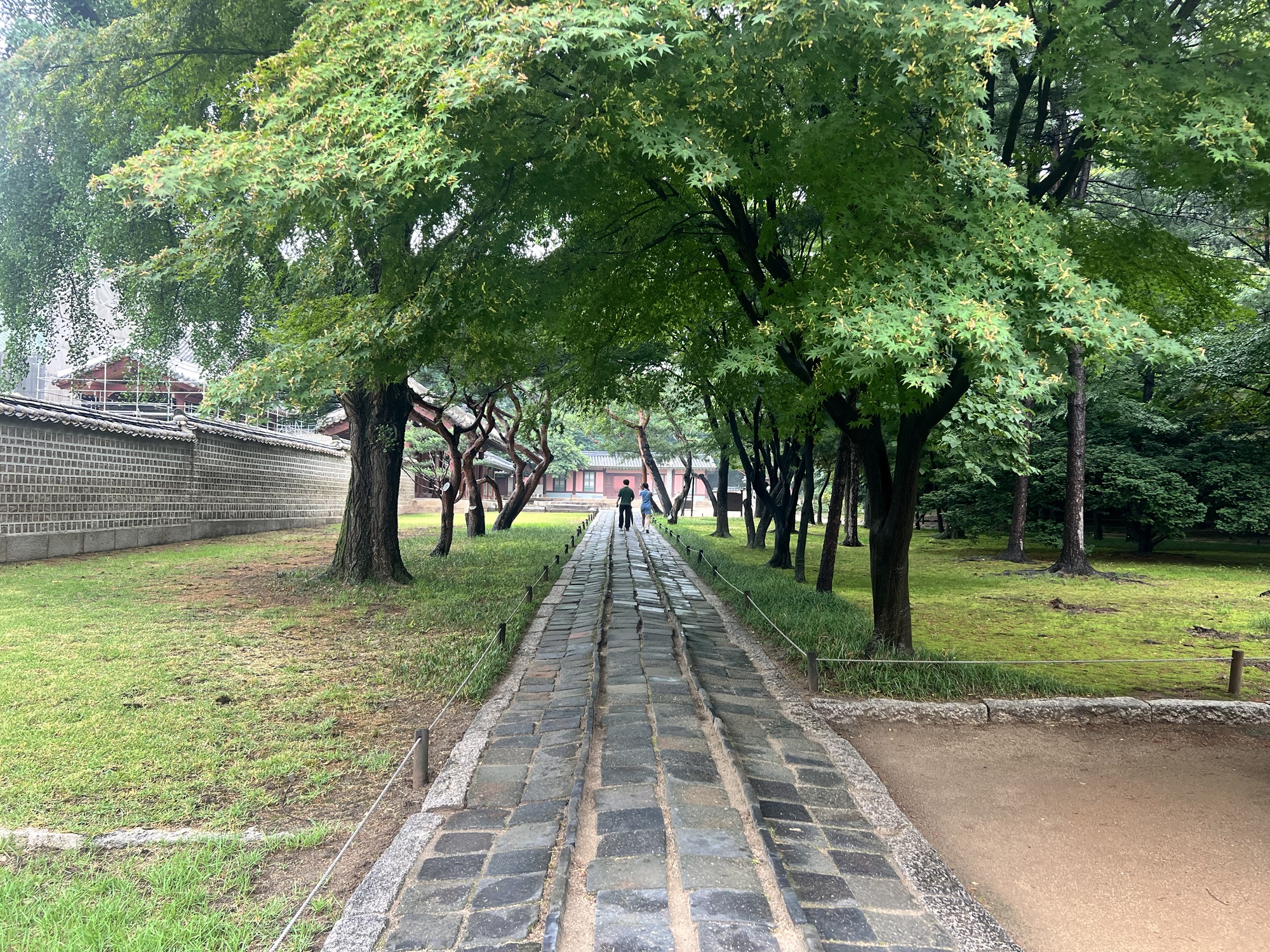
Pathway reserved for spirits (and that guy, who apparently couldn’t read the signs!)

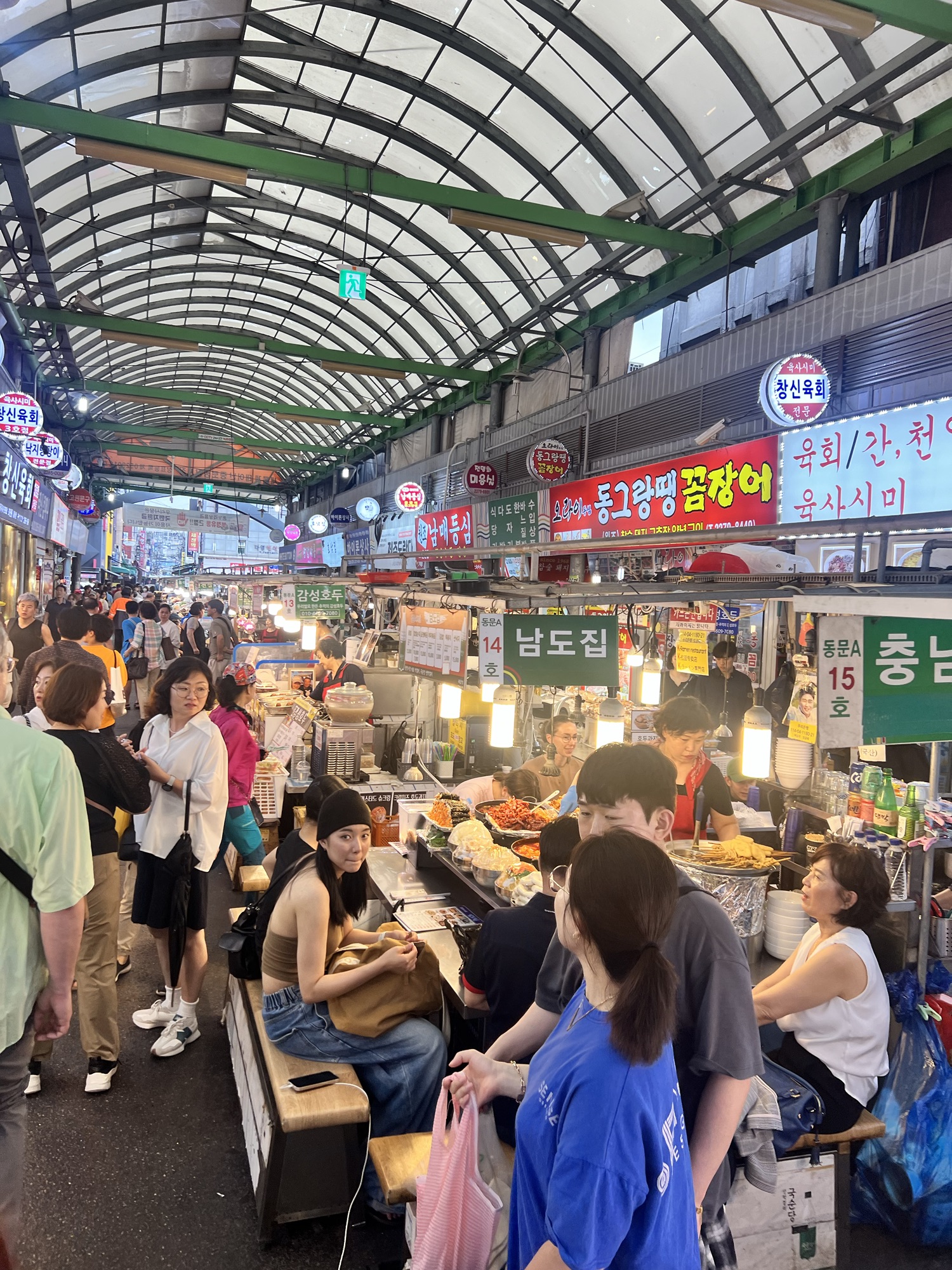
Markets are big in Seoul (really, they are pretty big everywhere but the US), and we enjoy them, so we set off to Gwangjang Market. While there are some durable good stalls, this is primarily a food market, with probably hundreds of small food stalls set up in every square inch of the market.

It was crowded, loud, and wonderful. Smells of all types mixed with sounds of people having a good time and the sights of all types of food being prepared. I thought Luke might stop to tr something, but the crowds were rather intense, the language barrier was intimidating, and the humidity had climbed once the rain stopped to an almost oppressive level, making the market feel like a steamer with us as the entree.

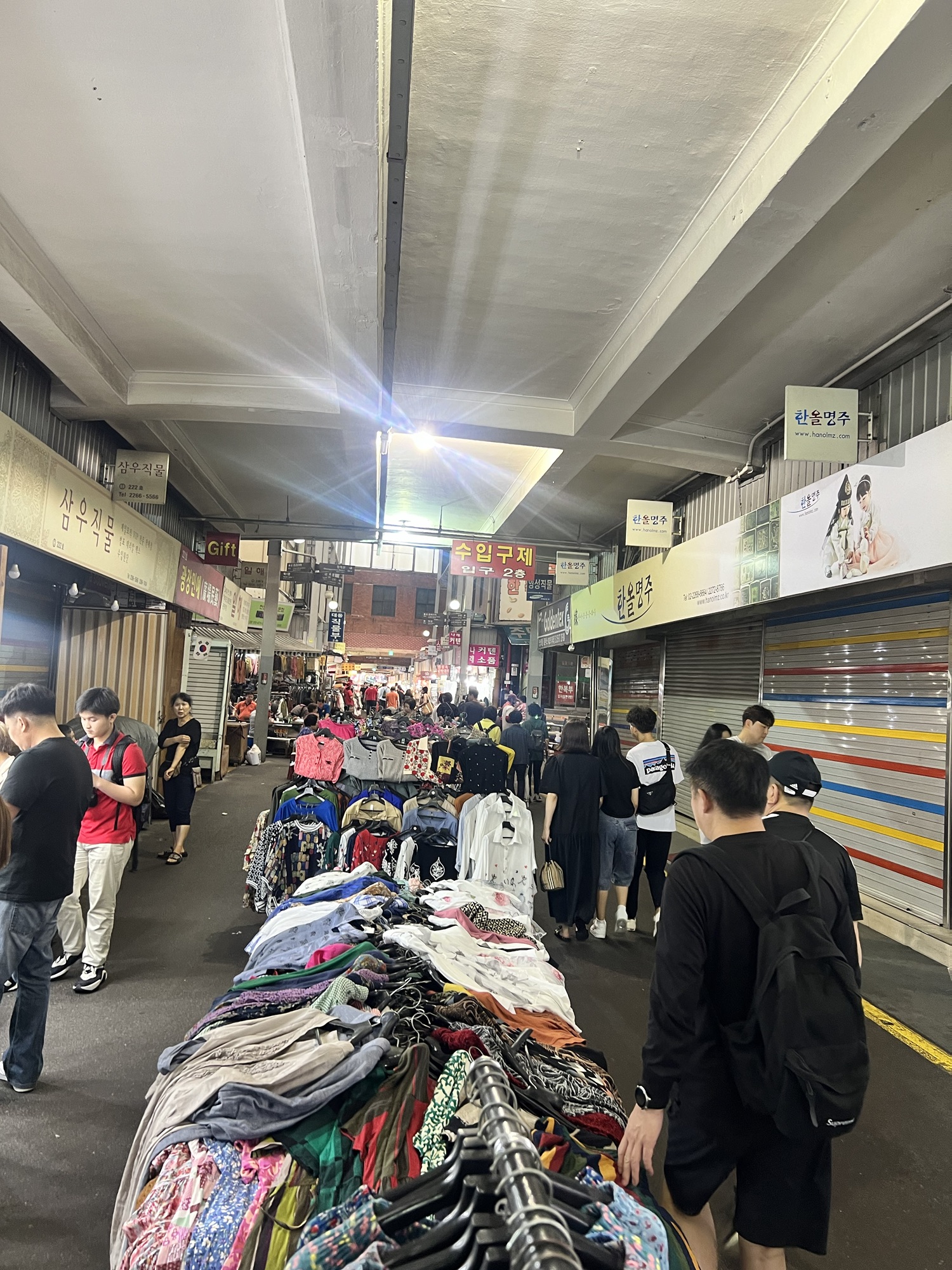
Dongdaemun market was just a few blocks away, and this behemoth of a market is supposed to be quite a sight, but as far as we could tell, it was closed. Maybe it closes early in rain? On Saturdays? Or maybe we had the wrong place (or the wrong end, which seems more likely). Anyway, there wasn’t much there to see or do so we headed over to Myeongdong, another shopping area near the city’s university.

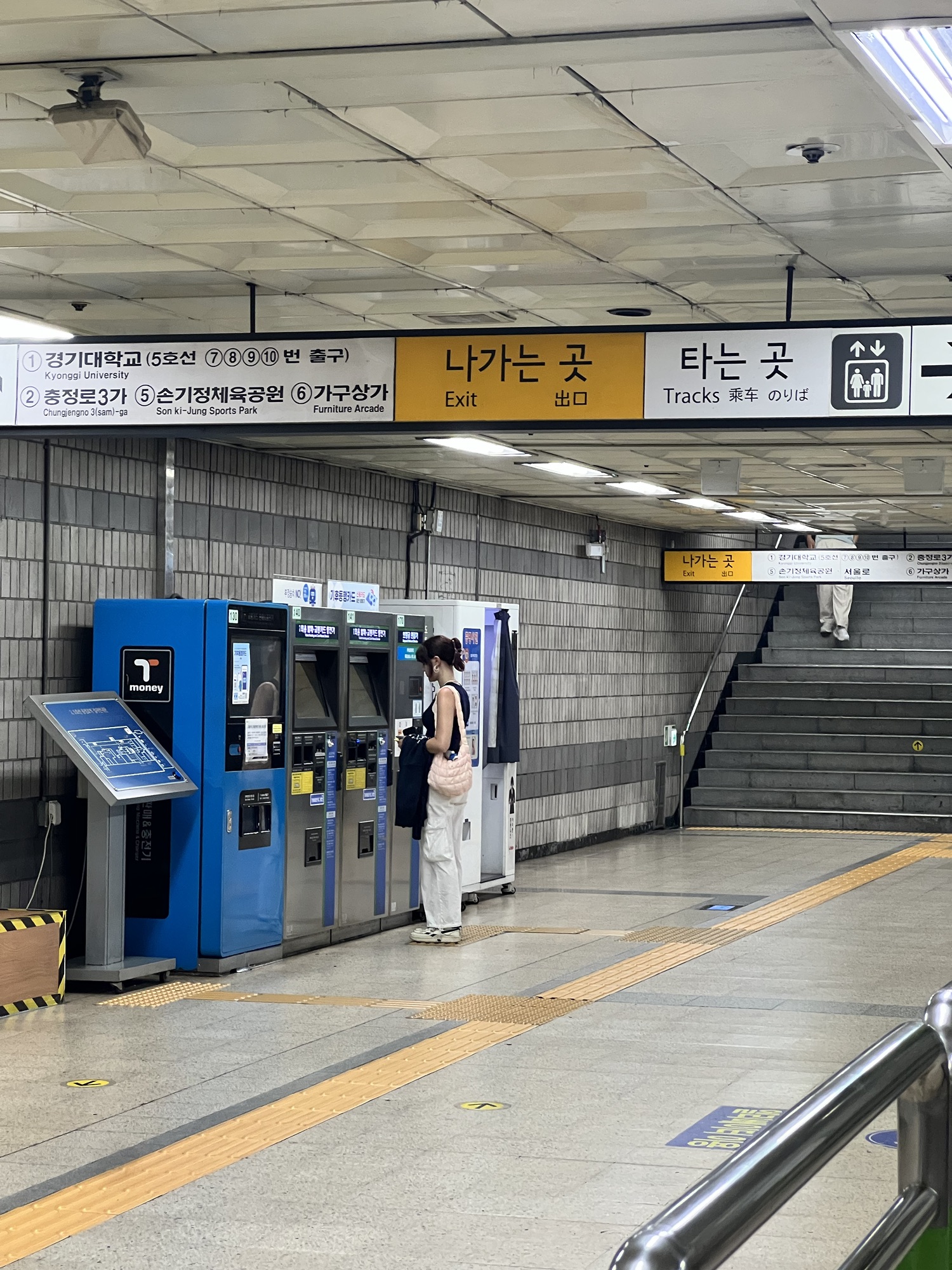
I would like to take a moment here to recognize how incredibly competent Anna-Sophia is. She needed to use the bathroom, and we discovered after we paid to enter the subway that the bathrooms were outside the turnstiles. She got herself to the bathroom on her own and then bought herself a new subway ticket (using a machine and money that is not in English) without blinking an eye.

I should also note that Korea (and Japan) offer clean and plentiful public bathrooms. It is the most delightful experience, and means that we can drink all the water we need to during this heat without fear of having to hunt down a bathroom later (let alone having to hunt down a bathroom that you wouldn’t be afraid to use, as is the case in any US subway station). Being a tourist makes you highly attuned to things like restroom availability. Oddly, Korea and Japan both also seem to balance this great bounty of bathrooms with having a complete and total absence of public trash cans. I have no idea why. But people don’t litter (ever, as far as I can tell), so it seems to be working for them.

Early to bed was a must since we have a 6:30am departure time for the DMZ. 😐

Sights of Seoul

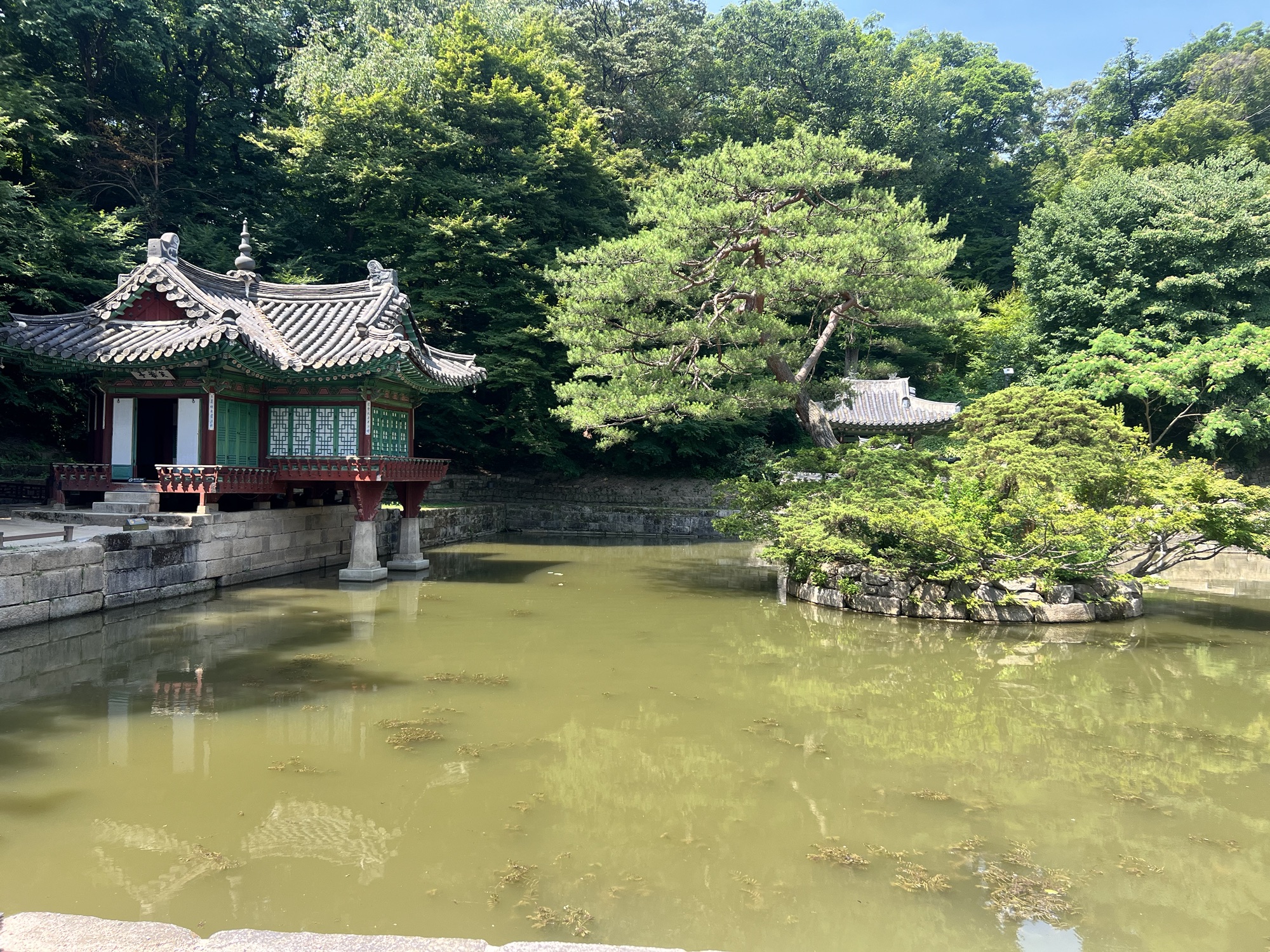
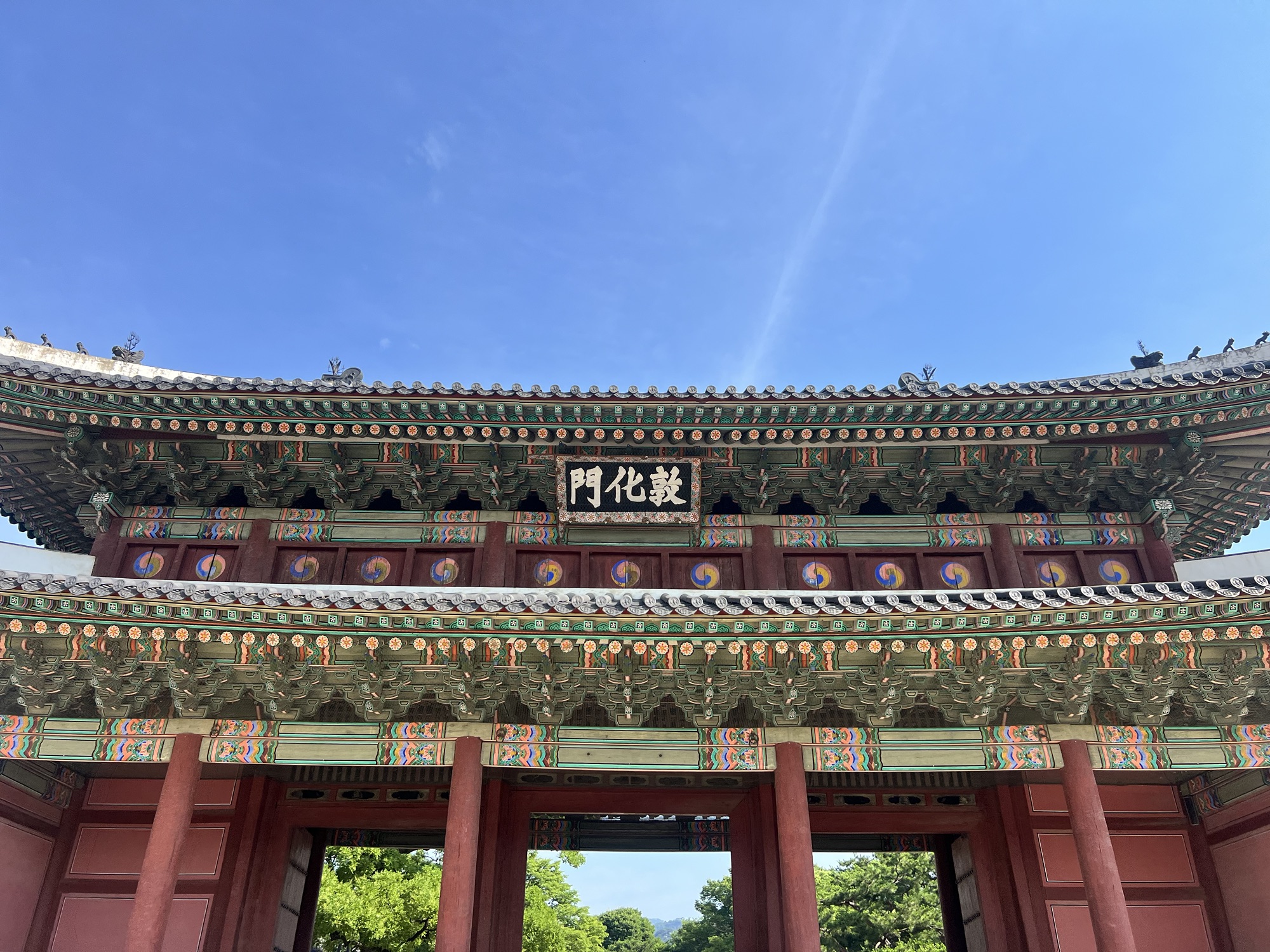
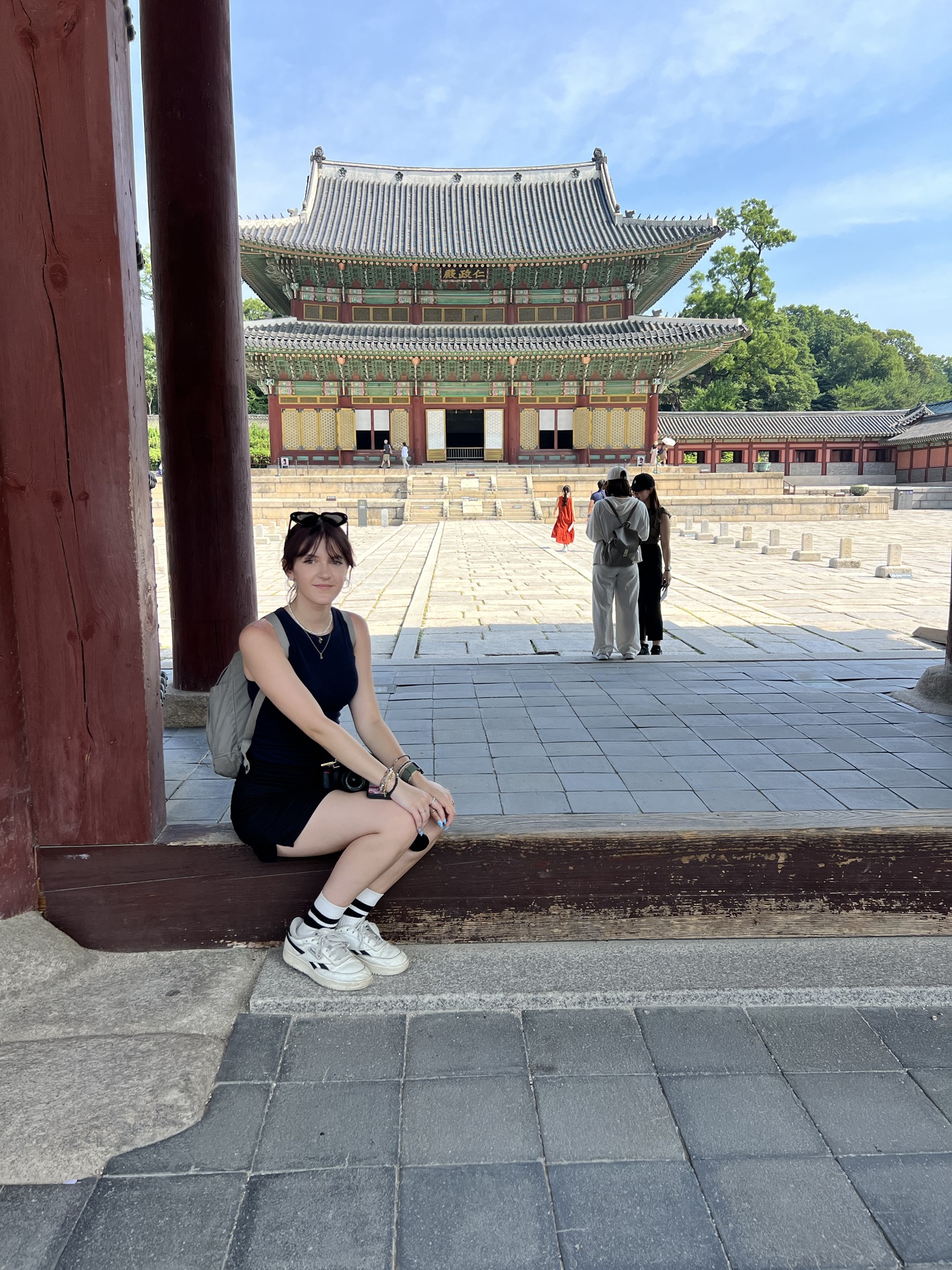
Seoul has been the capitol city of Korea forever, and it has ample historical palaces and shrines to prove it. We started the day with Changdeokgung Palace – one of 5 major palaces in the city – partly because it’s a grand palace and partly because this is also the sight of the Secret Gardens which I read were not to be missed.

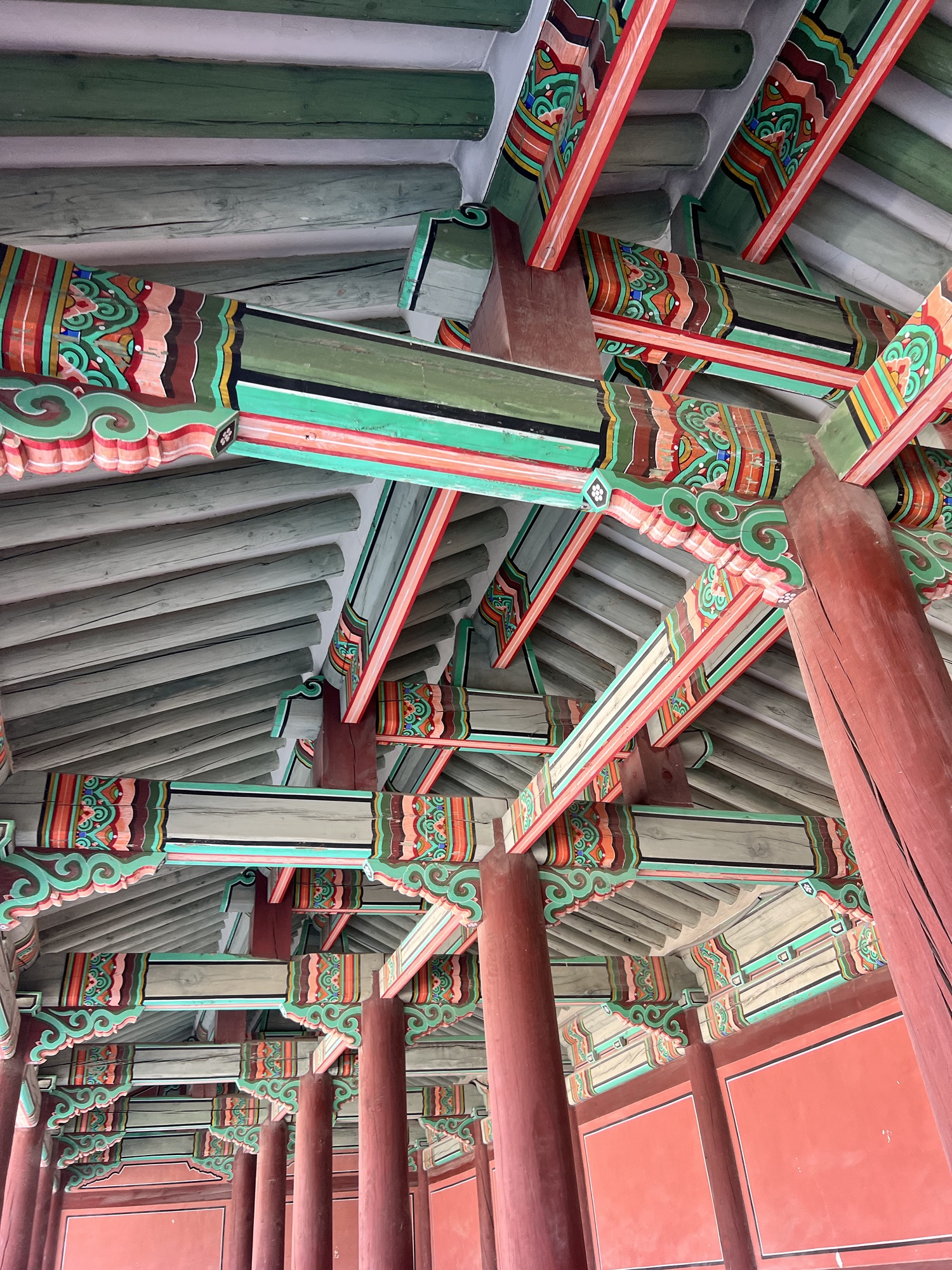
Vibrant colors along the roofline struck us immediately. We’ve been to plenty of temples, but none with such amazing colors.

Gate of Changdeokgung Palace

It was already hot out at 9:15am when we got there, so we took our time inspecting the palace grounds. The buildings were cooler, which was impressive since they were built at least 600 years before air conditioning was invented, but sadly, they don’t let tourists meander through the historically significant buildings too much.

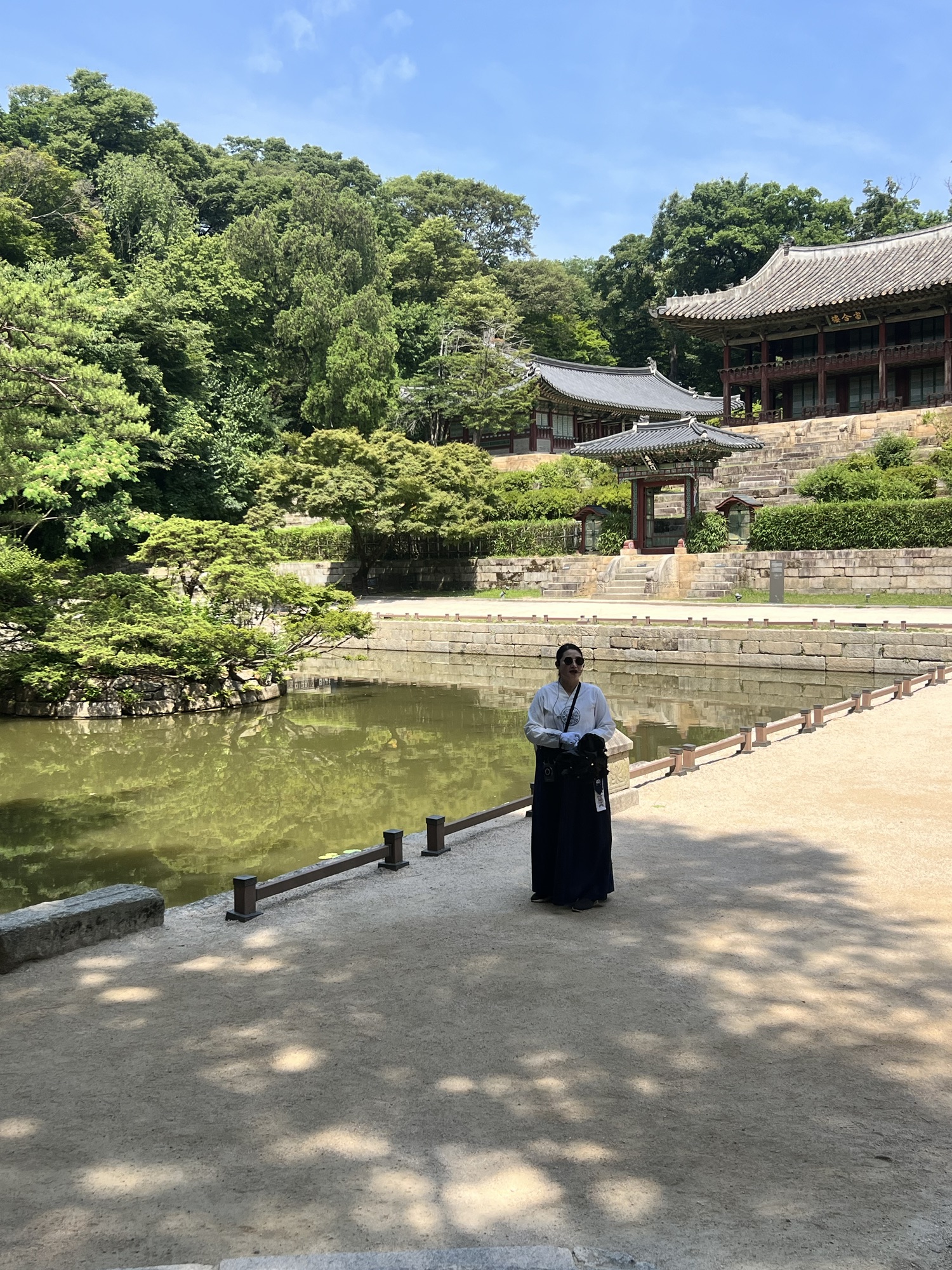
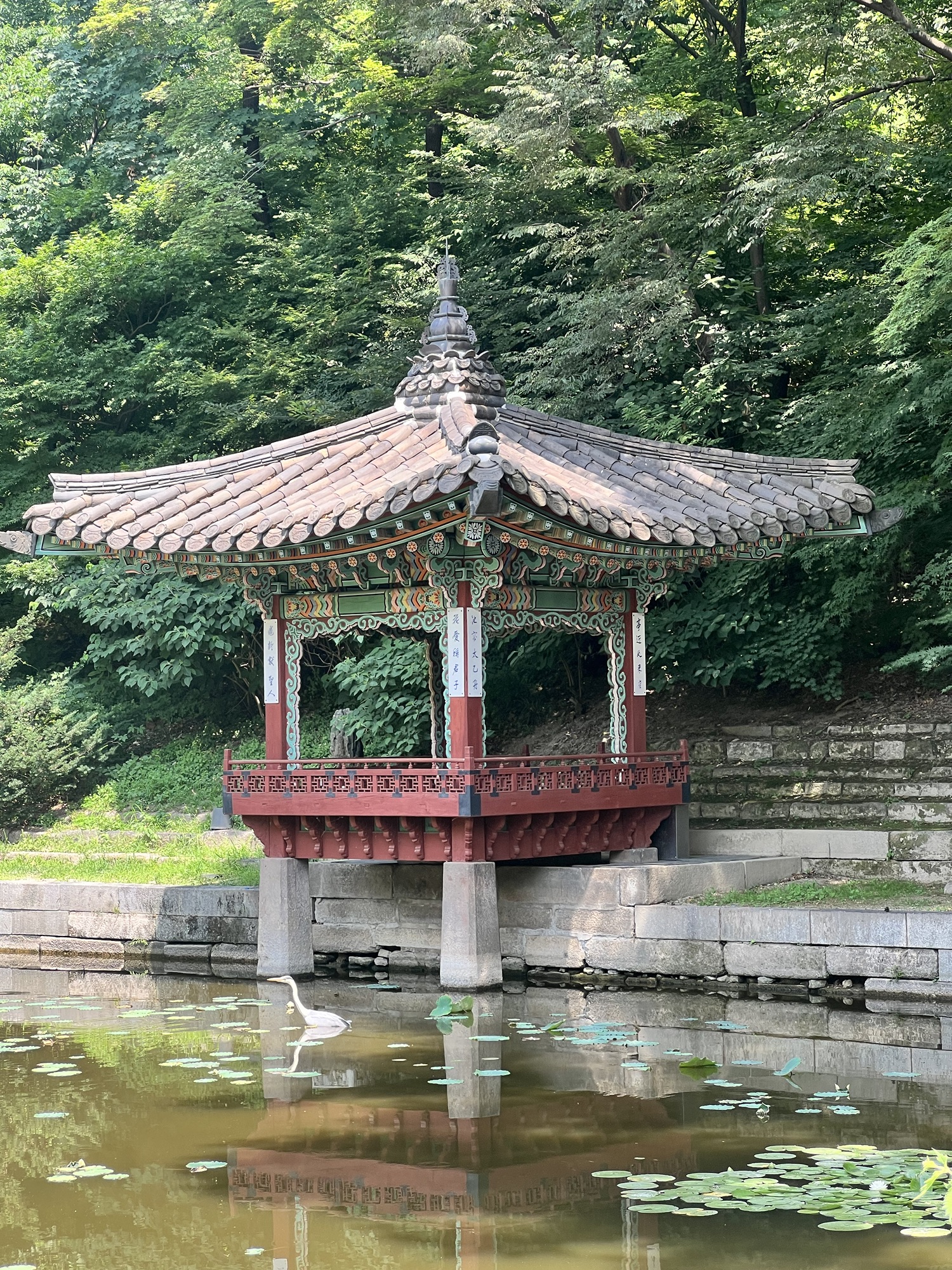
Tours are mandatory to see the Secret Gardens – otherwise I would almost never book a group tour if I didn’t have to – and so we booked the first one of the day at 10:30. The gardens are nestled between two palace properties, and they are so very different from what I typically think of when I think of a garden. European – particularly British – influence on Americans means that we think of gardens as plots of land with ornamental flowers and plants, maybe a water feature, and probably a bench or two. Gardens in Asia are very different, usually with a spiritual, meditative, or other significant purpose behind their design. I feel that they have a better sense of balance and feel more natural (less manicured), which I find enjoyable.

Our tour guide in the Secret Garden
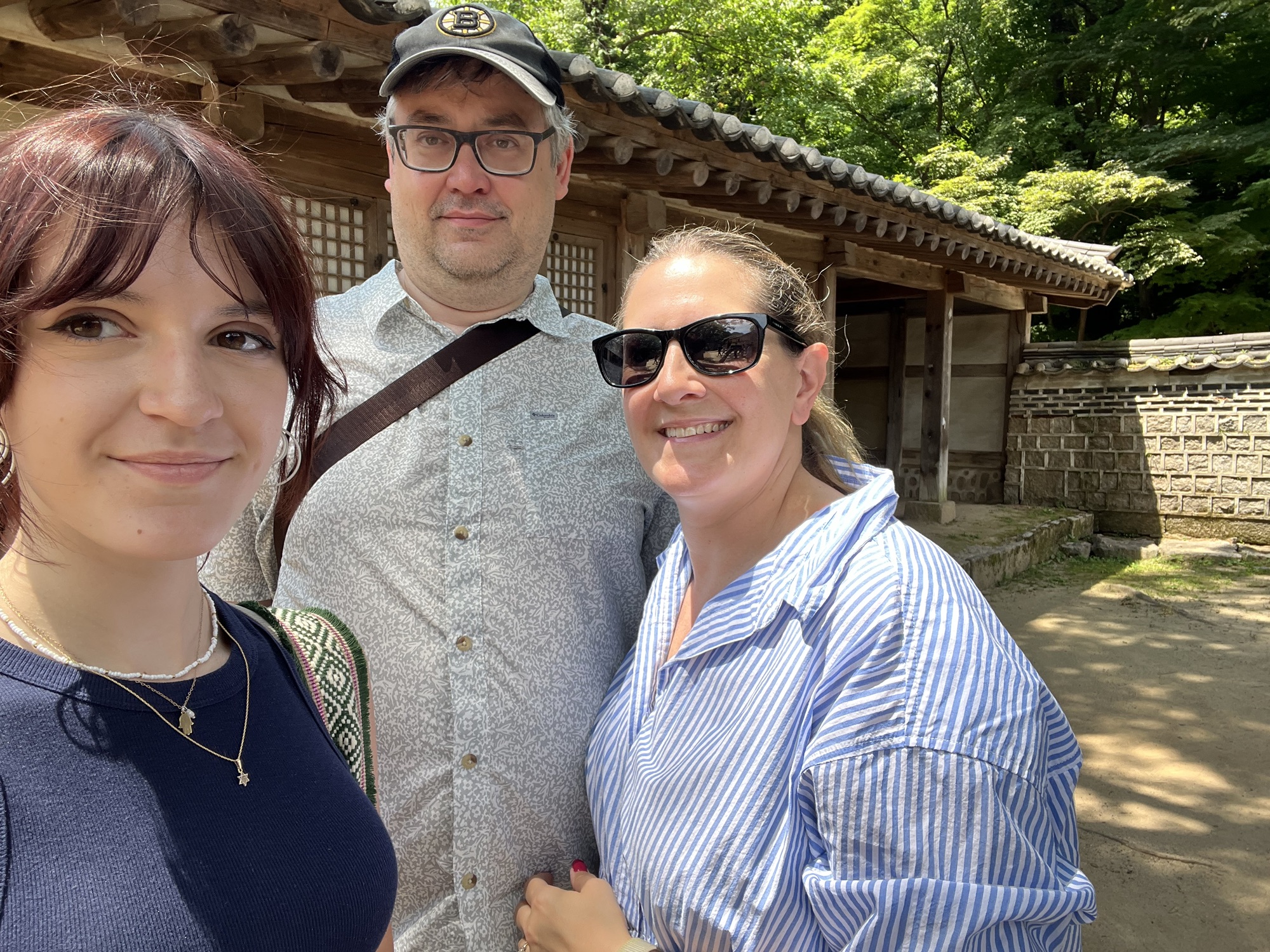
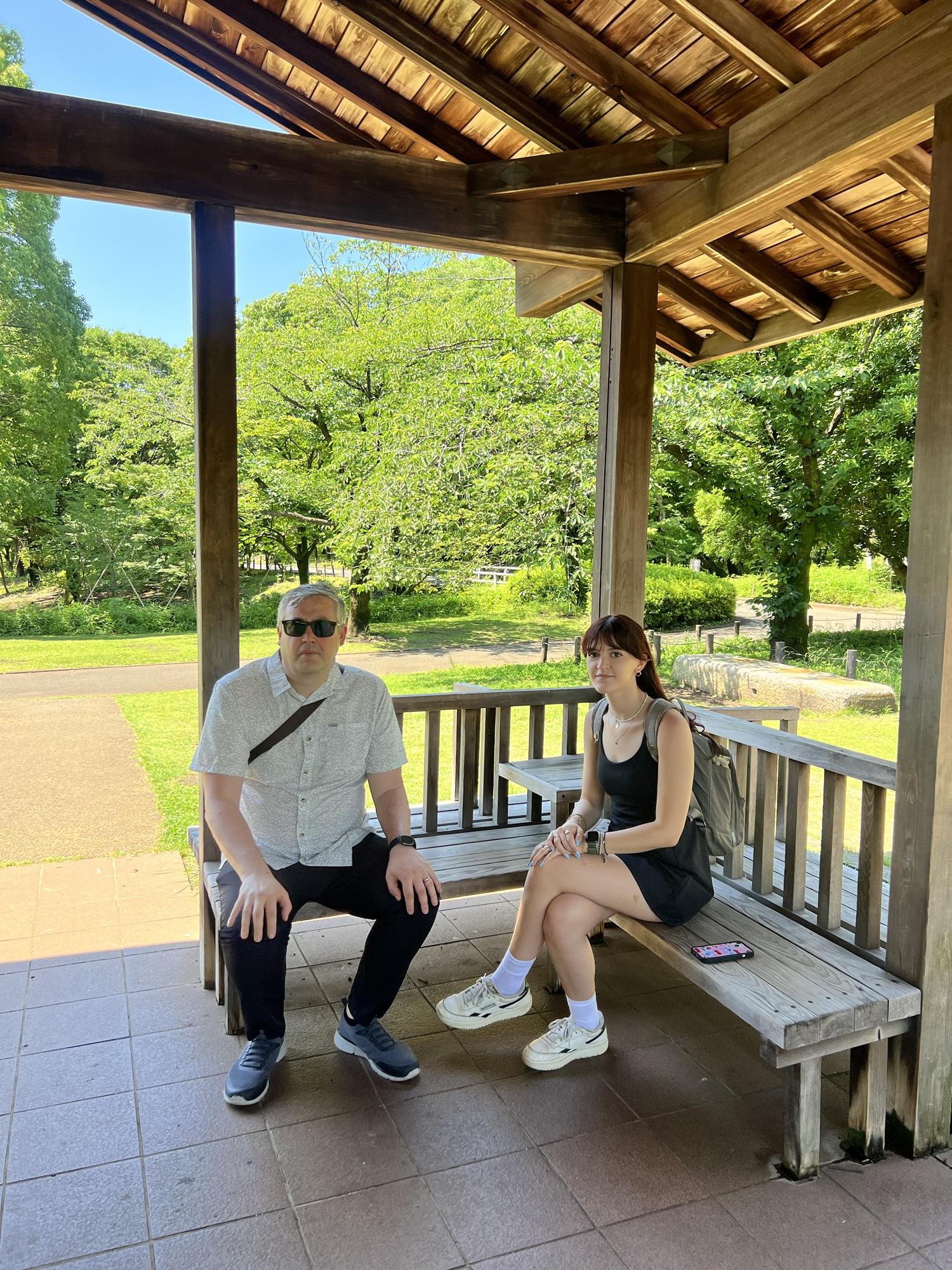
3 yahoos

By the time our tour ended at 11:45, we were ready for lunch and a cool place to sit for a bit. Luke had done a bit of research and found a vegan restaurant called Osegyehyang, in Isadong (a neighborhood adjacent to where our hotel is). Since the shops of Isadong were on the hit list anyway, we set off to see what an all-vegan restaurant in one of the most carnivore-centric cities in the world would be like. The bar at this point was low – as long is it had water, AC, and something I could eat, we were going to be happy.

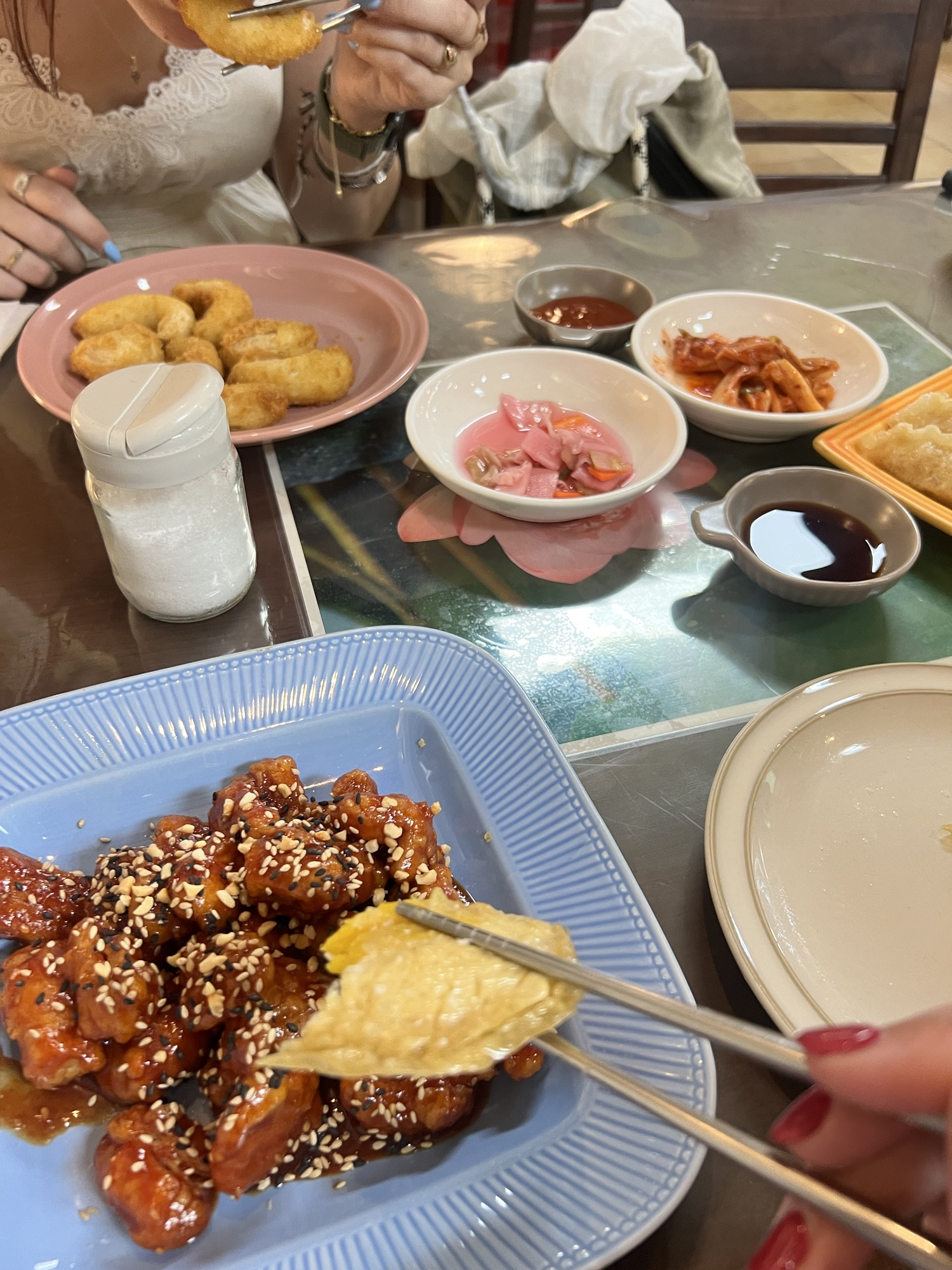
Oh. My. Gosh, This place was SO good! Luke and I shared dumplings. Now, I am no dumpling expert since they are typically meat-filled so I don’t get them, but I thought they were amazing. Luke also thought thy were amazing, and he IS a dumpling expert. I also got the Korean sweet and spicy fried “chicken” and that was similarly fabulous! Koreans really know how to do a good spicy sauce…I don’t think anybody else does it better. Anna-Sophia had the fried “shrimp” which she said were incredibly close in texture to actual shrimp.

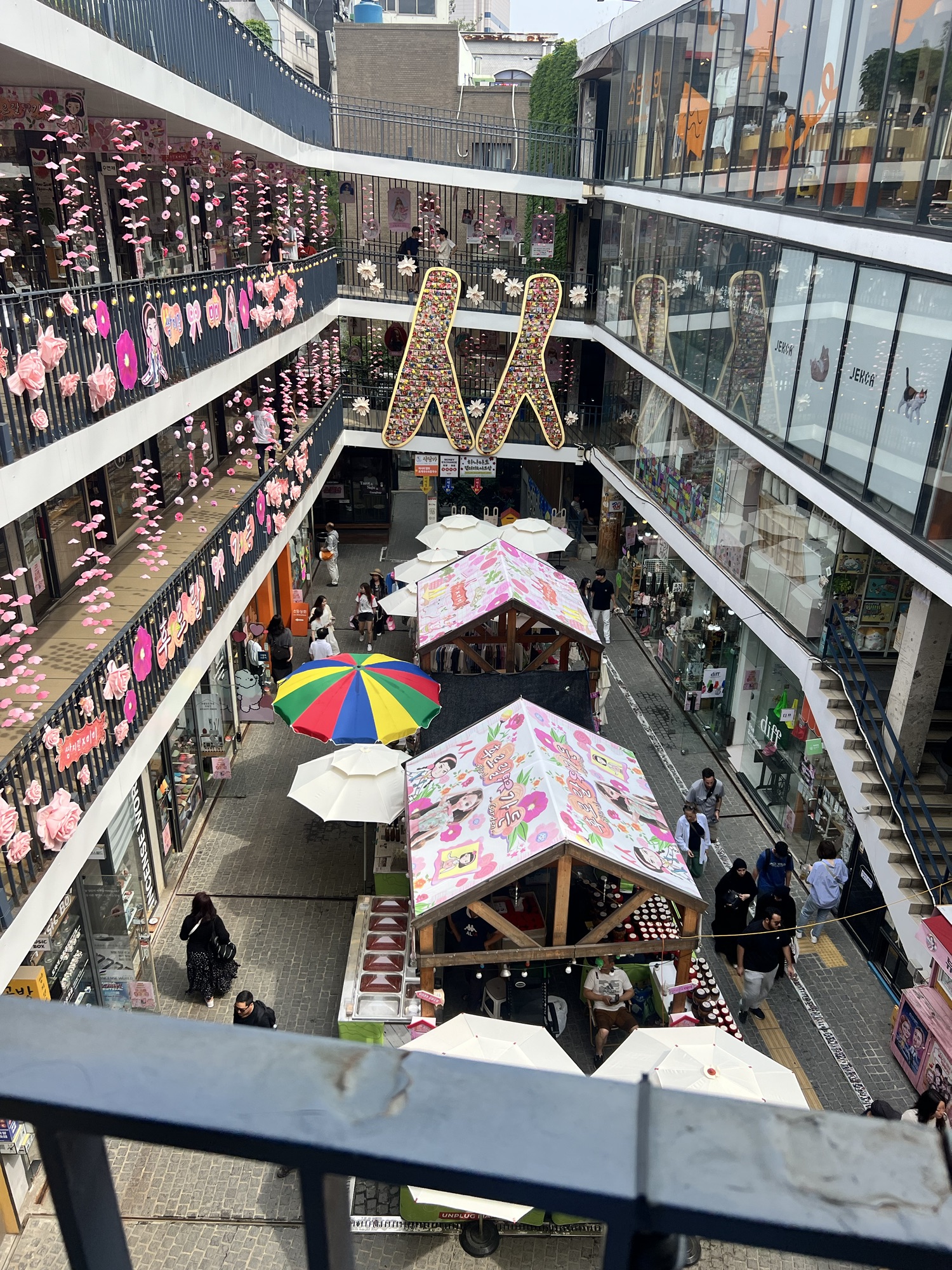
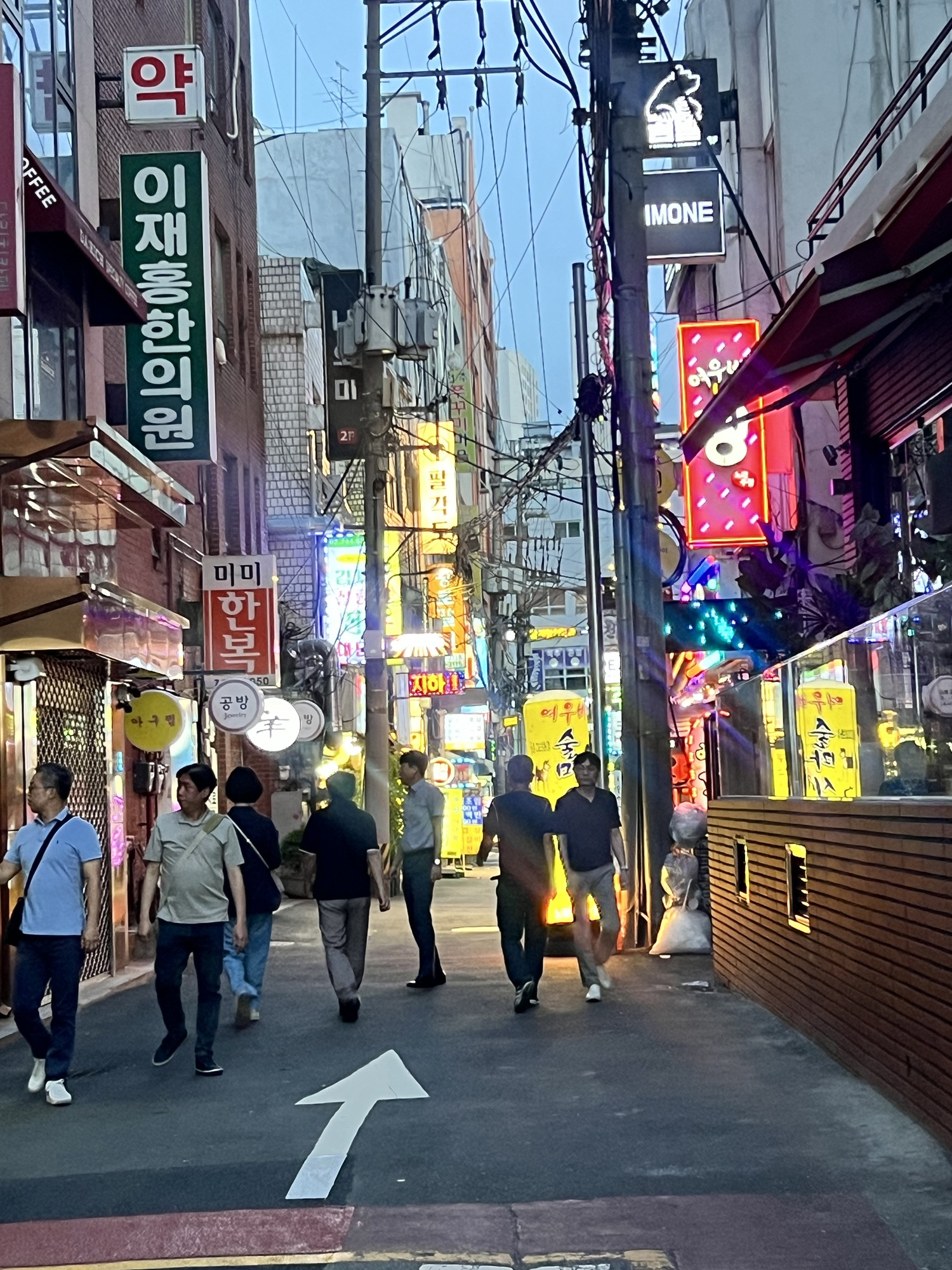
After stuffing ourselves with vegan food, we did some shopping. Isadong is a mix of tourist-trap type places and adorable little boutiques. We bought some souvenirs and gifts for others as we meandered through the tiny alleyways of the neighborhood.

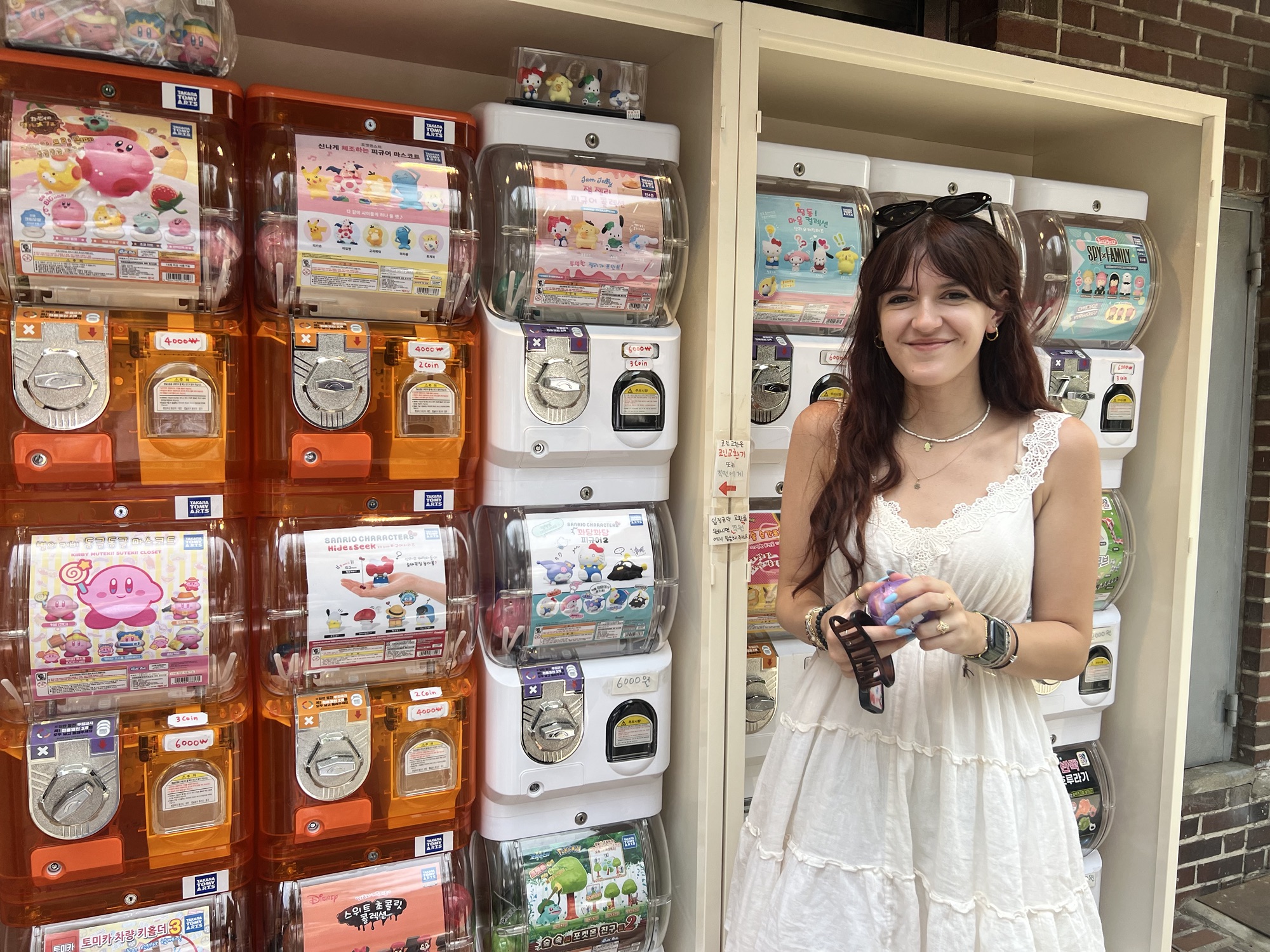
Korean gashapon
Pop-up mini-mall

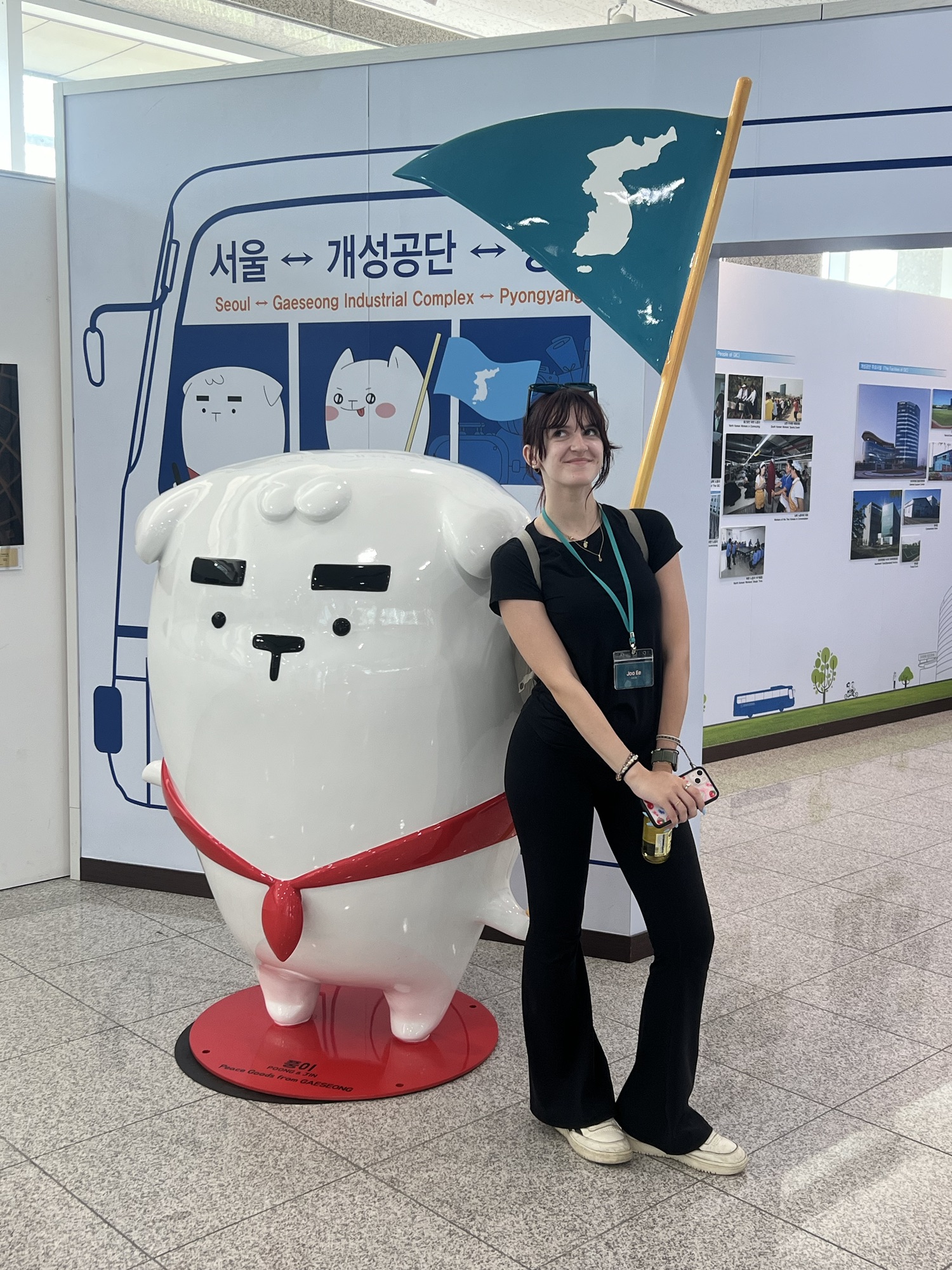
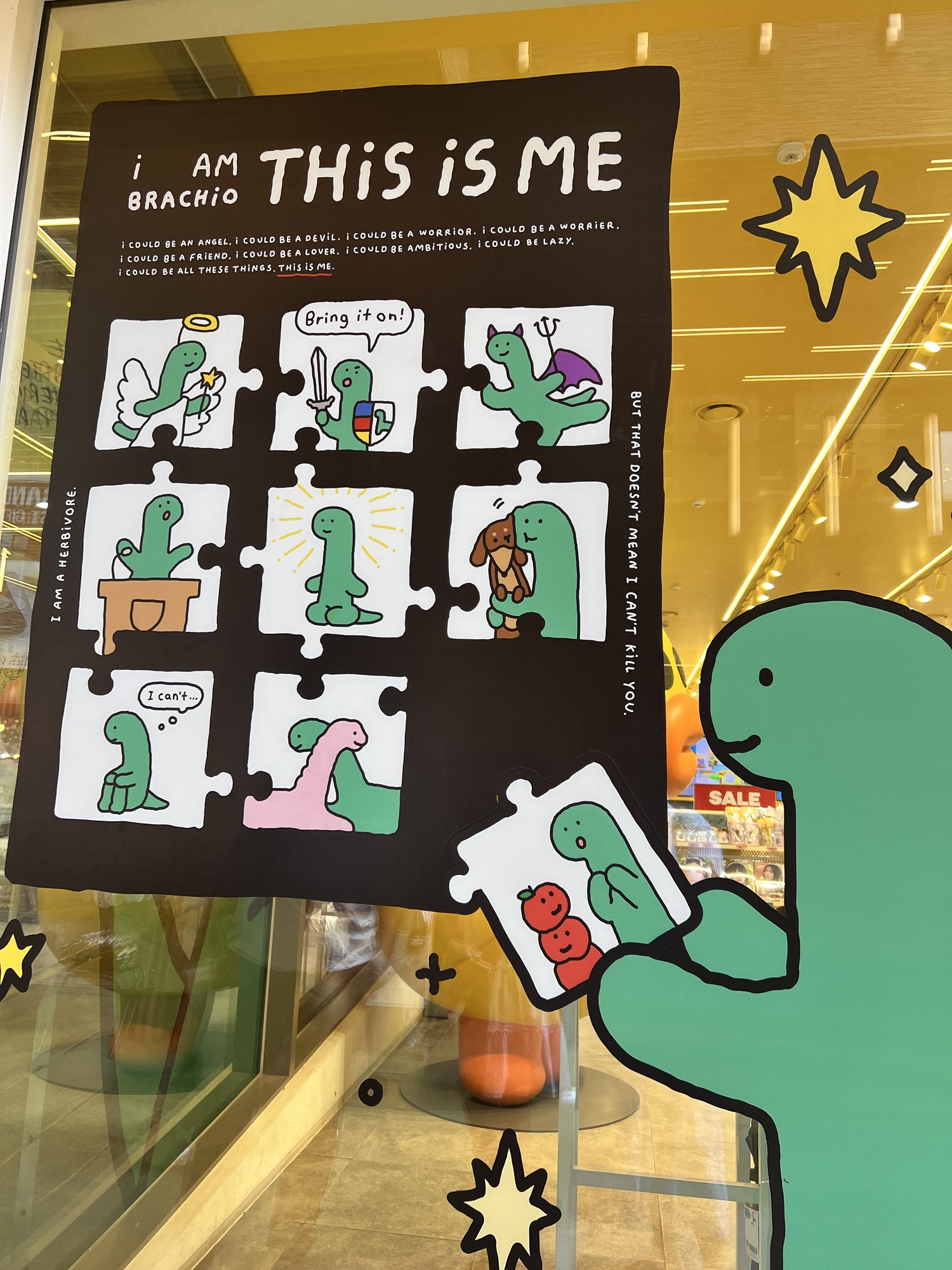
Like Japan, Korea also seems to have an obsession with cute characters. Some translate well, some less so. There’s Sanrio, of course. I liked Brachio the dinosaur from Line Friends who was cute and sweet, but reminded you that he could still kill you if he wanted. We also saw the syrup pals – 3 little bear-like creatures that were part of the lineup at the Butter store. You get the idea…

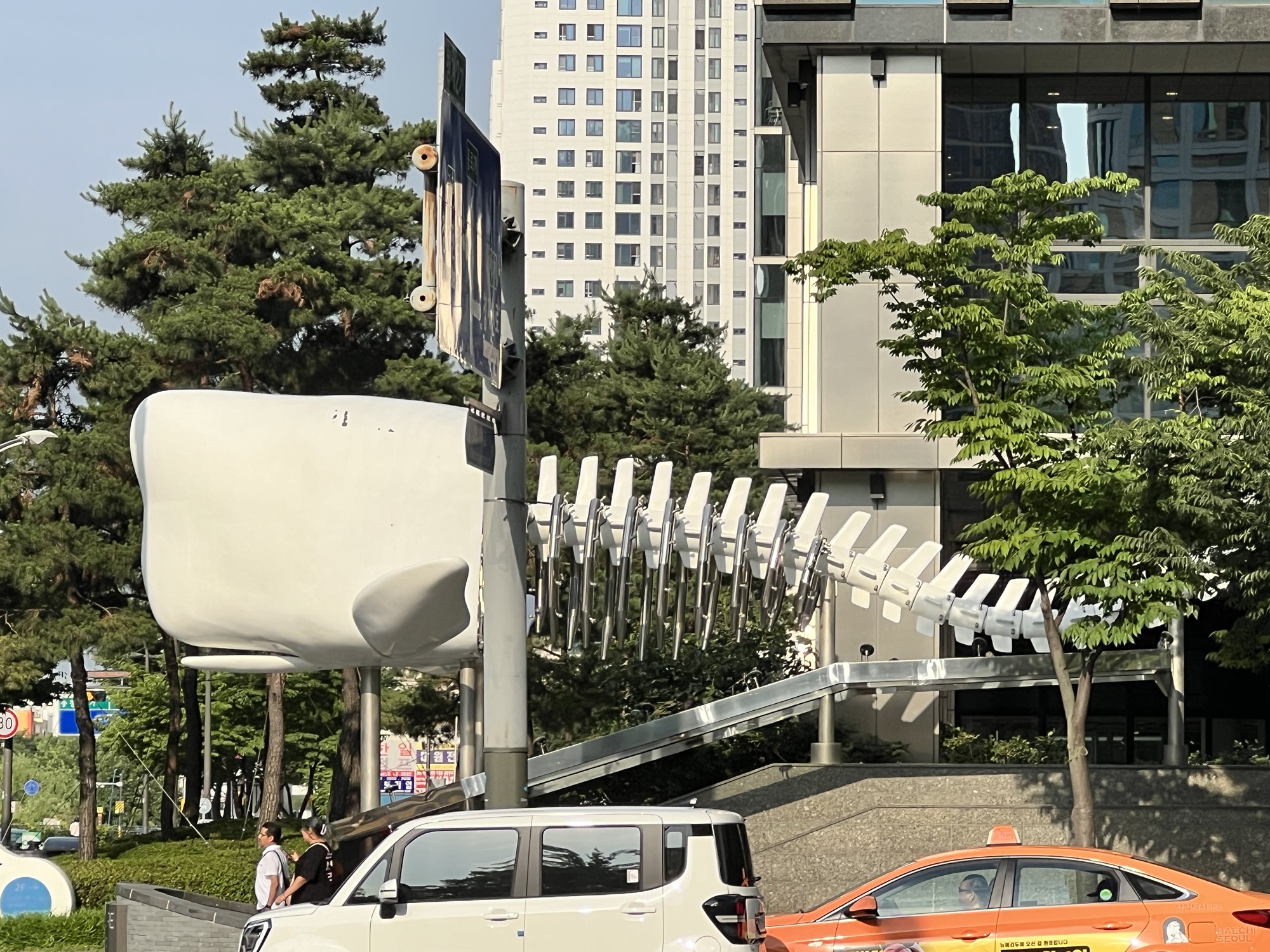
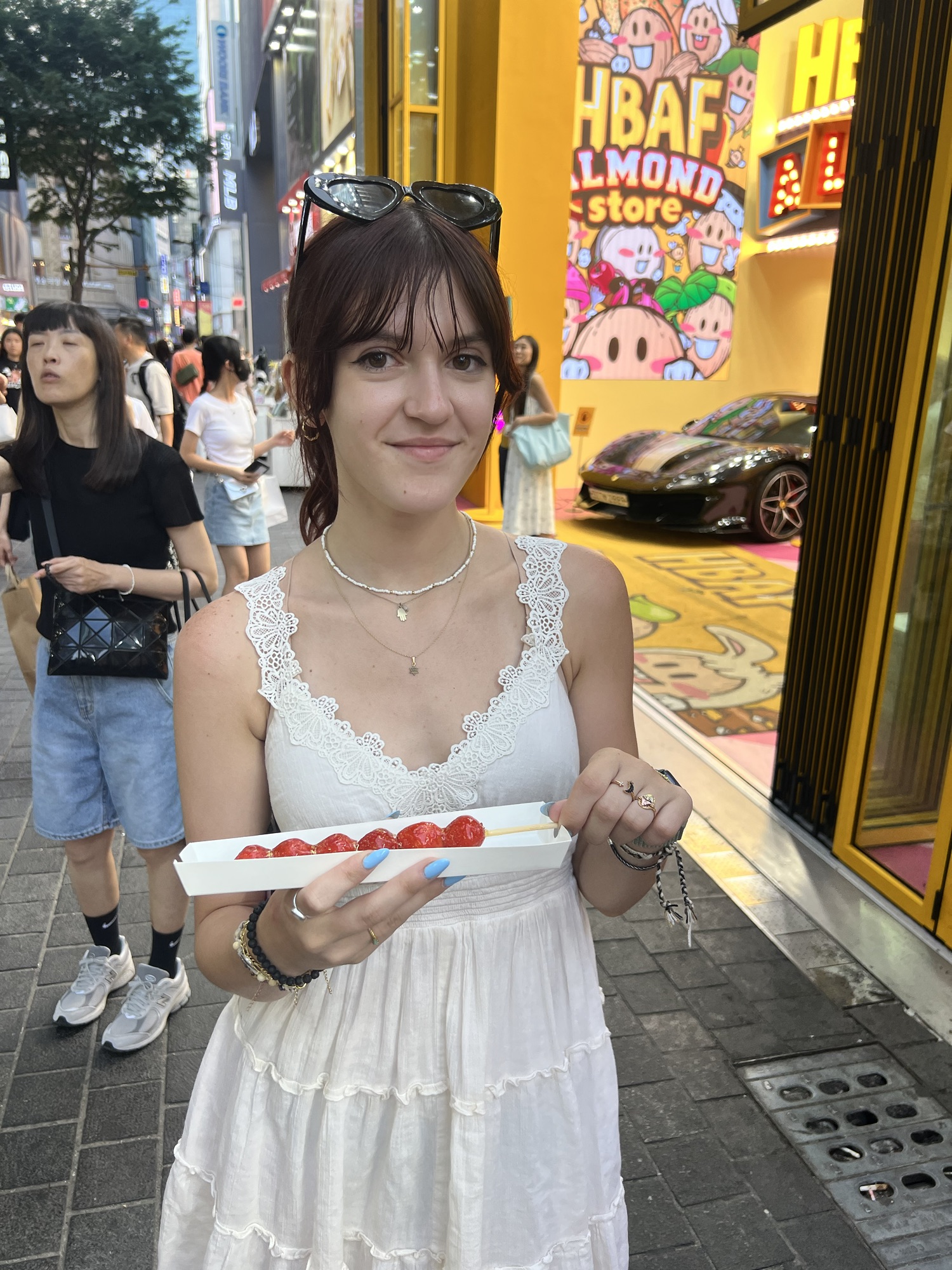
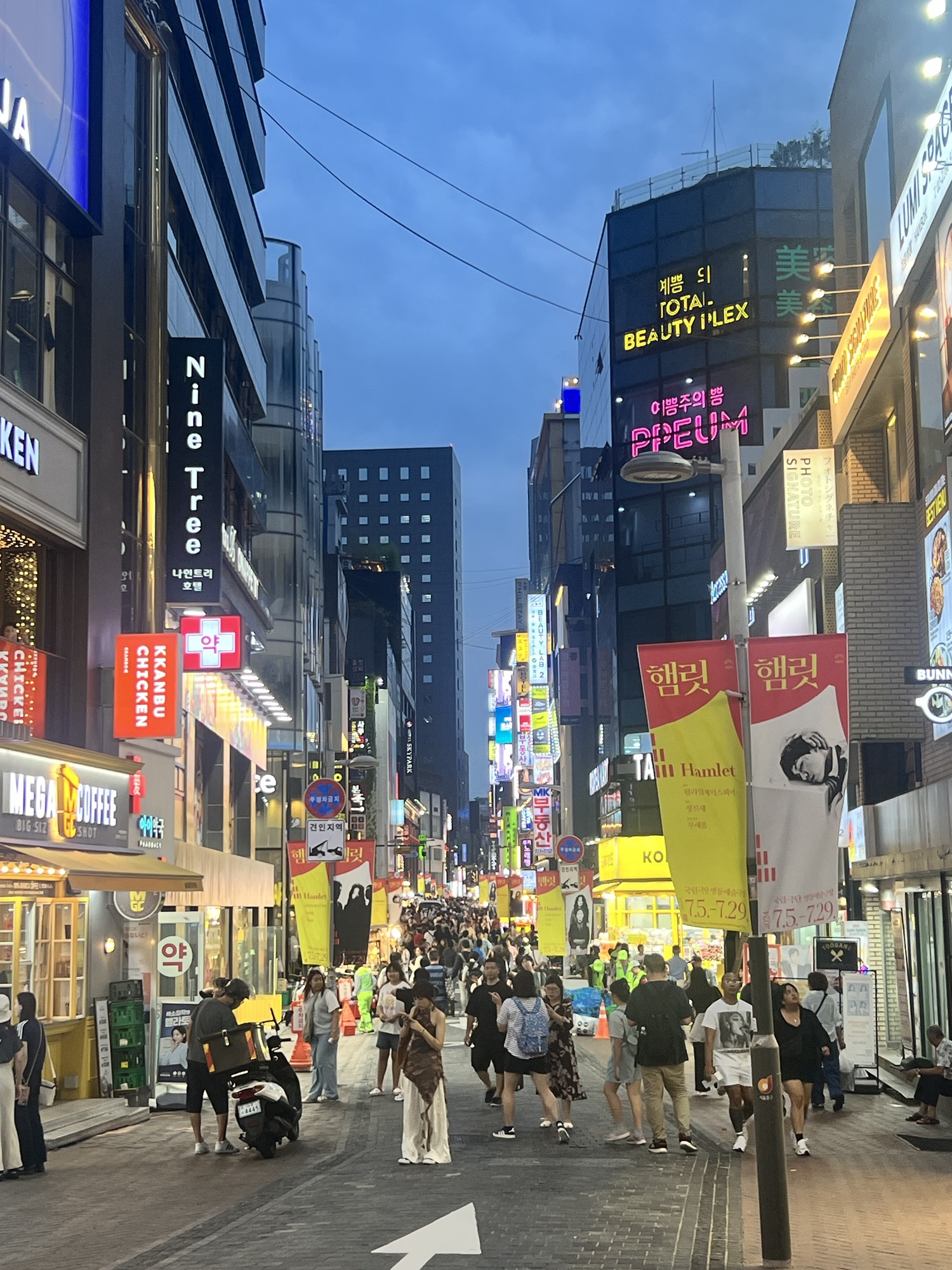
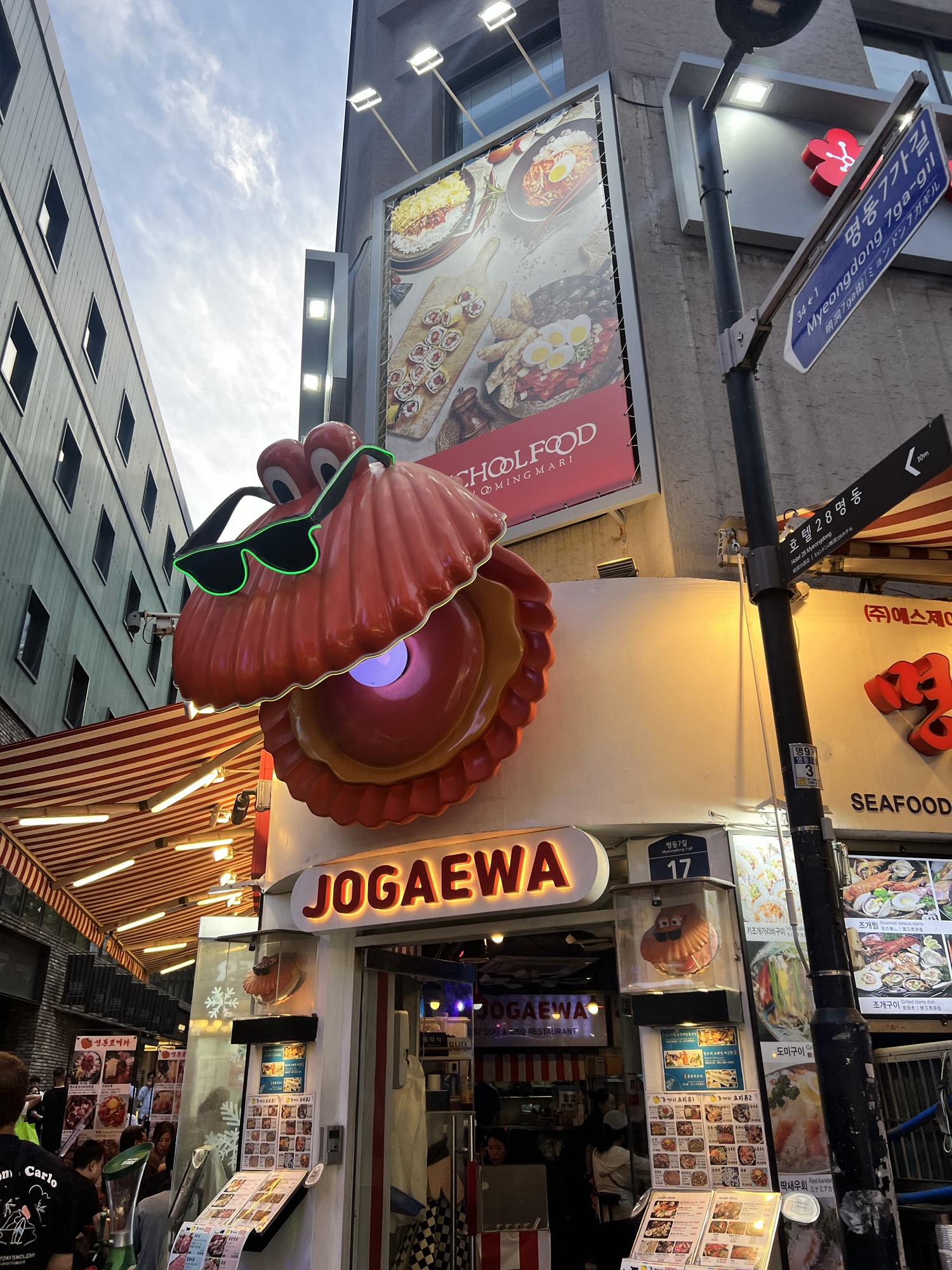
We dropped Luke off for a bit so he could rest while Anna-Sophia and I went to Myeongdong, another shopping district. The walk alone was entertaining, with a river crossing, public art, and tons of street food along the way.

Shopping is Seoul’s greatest pastime, it seems, alongside eating. Interestingly, Korean culture leans toward conformist, so while there is a ton of merchandise to buy, there are also very strong, recurring themes to that merchandise. And all of it is displayed in multi-sensory forms, often on racks on the sidewalk or street, under super bright lights, with music blaring. Two vendors can be adjacent to each other and each can be playing totally different songs and nobody seems to notice.

Myeongdong streets

We had plans to go to a night market, as well, but by 8:30pm, we were getting pretty tired and our feet were killing us, so we head back to the hotel. Seoul has a lot to offer at all minutes of the day, and that is simultaneously exhilarating and exhausting!

Another day, another destination

Thursday’s agenda was to travel to Korea. Japan and Korea are not that far apart, but wow, are they far apart. Narita airport is absolutely nowhere near Tokyo. Nowhere. It took us about 90 minutes to get from the airport to the city when we arrived, and we budgeted a little more for our return trip to the airport for our flight to Seoul, but that wasn’t enough. After taking a subway to a different subway to catch the train, we realized we were going to be cutting it close to make the flight check-in time, especially sine we have a bag to check, so we accepted our fate and called a taxi. I will not disclose how much we paid for that taxi, but I will say that I have had multi-course dinners for less. But it was worth it because we got there in time – barely.

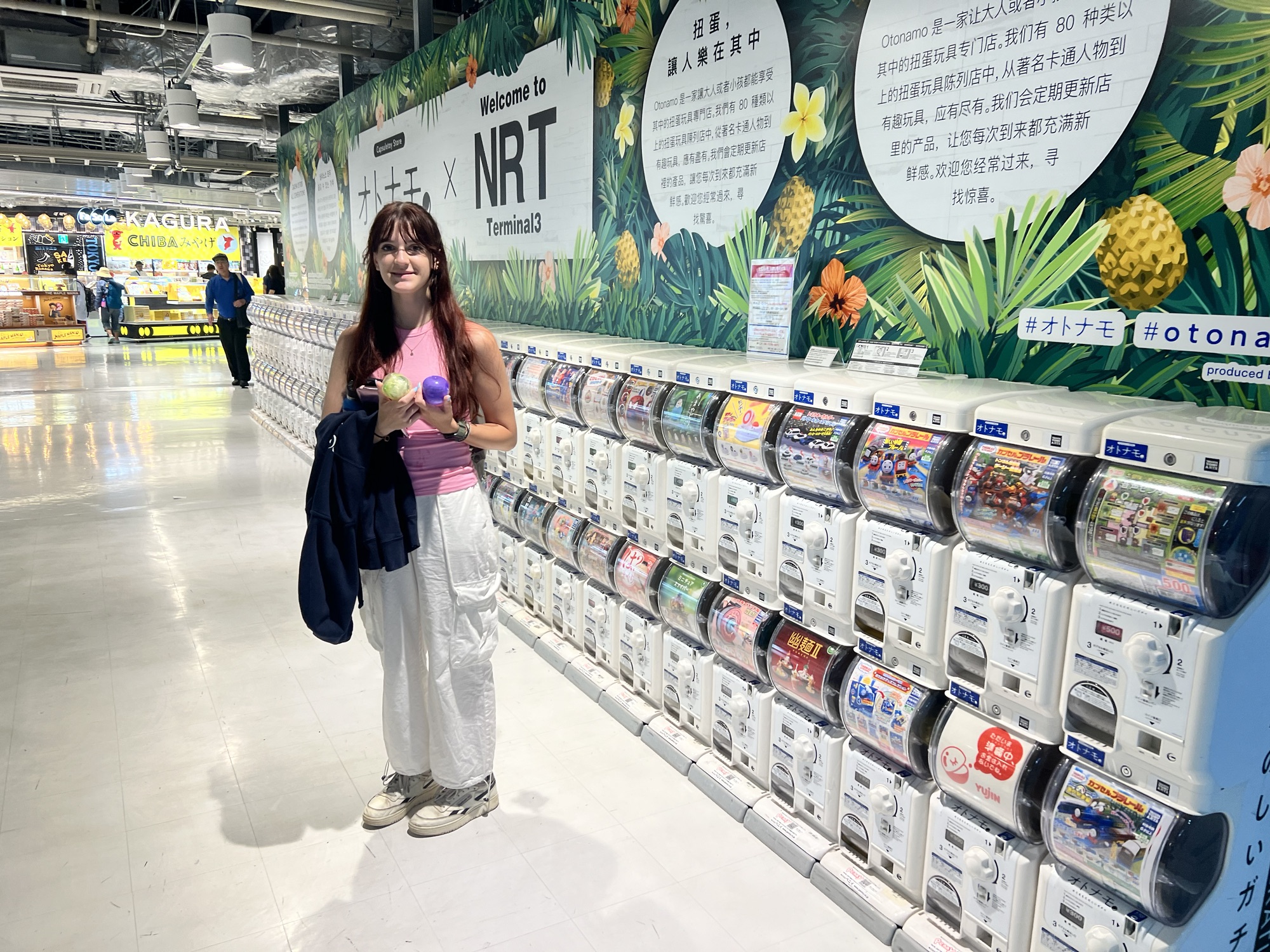
Narita’s terminal 3 has a gashapon wall, which made up for all stress from the journey to the airport. Kiddo picked out 2 little capsule toys, which were adorable, and we all reminisced about when she was little and we bribed her with dangly toys. Some things never change. 🙂

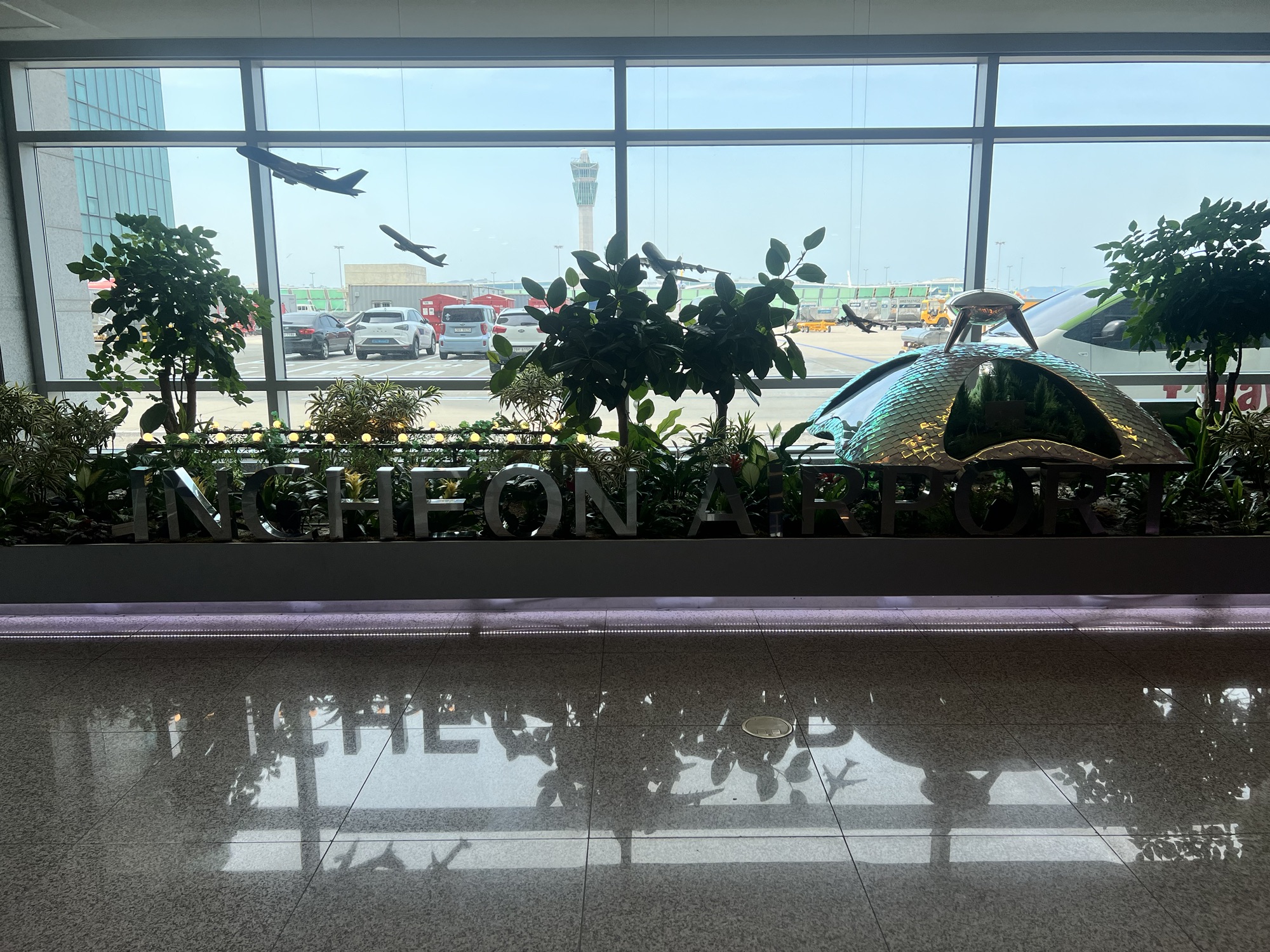
After a horribly turbulent flight, we arrived in Seoul’s Incheon Airport. We were so hungry that we stopped to each lunch in the airport since Incheon is nowhere near Seoul proper. Sadly, lunch for me was a small bowl of plain white rice because Korea and I do not see we-to-eye when it comes to food. They are effectively the opposite of vegetarian, with meat being the core (and frequently ONLY) component of a meal. When there isn’t meat, there is shellfish. So rice it is.

A train and a subway later, and we were at the hotel. Luke seems to have caught a cold, and I was much more tired than I thought was reasonable, so we chilled in our hotel for a bit. Anna-Sophia and I walked around in the evening once the temperatures were a tad bit more reasonable.

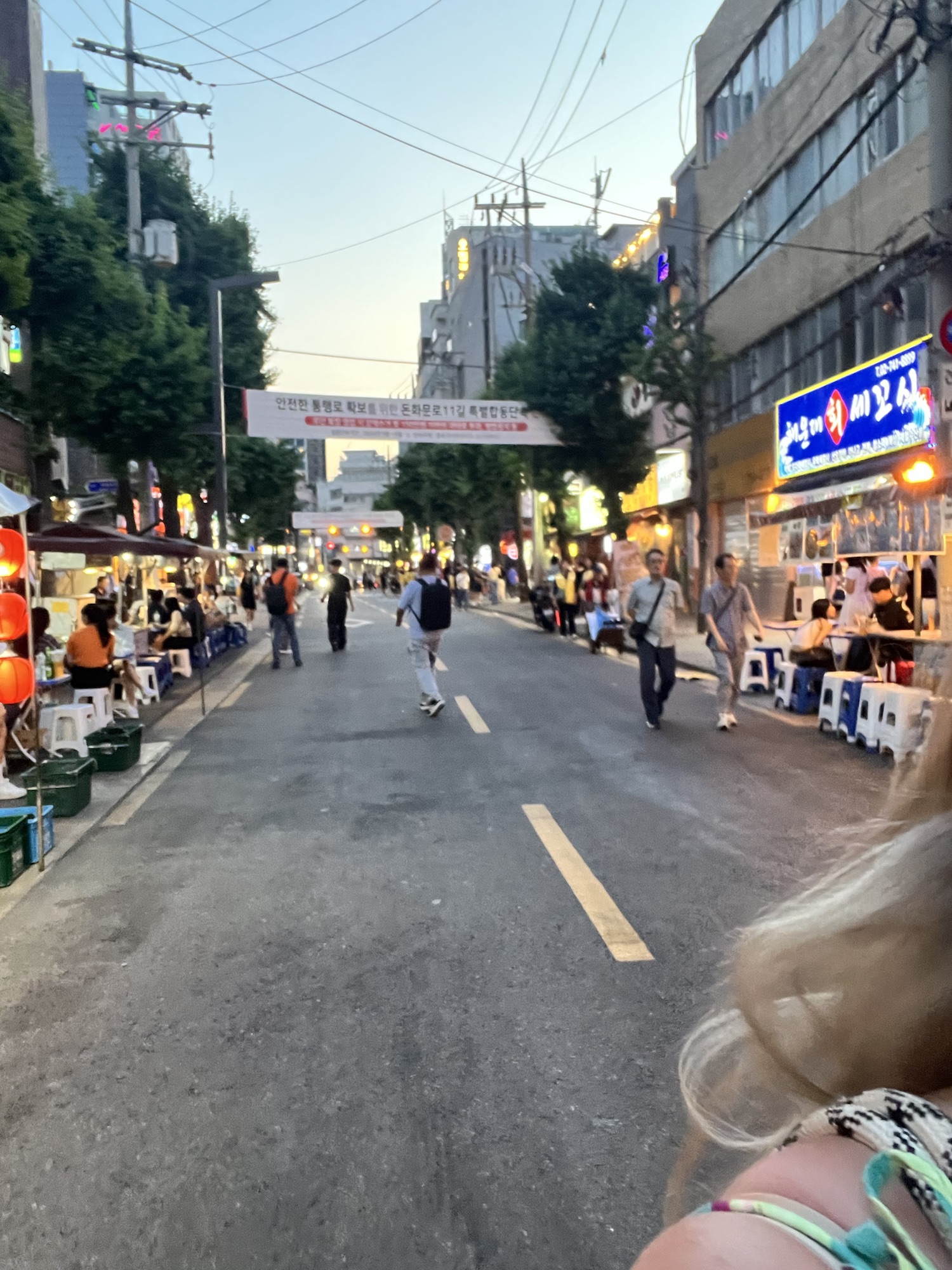
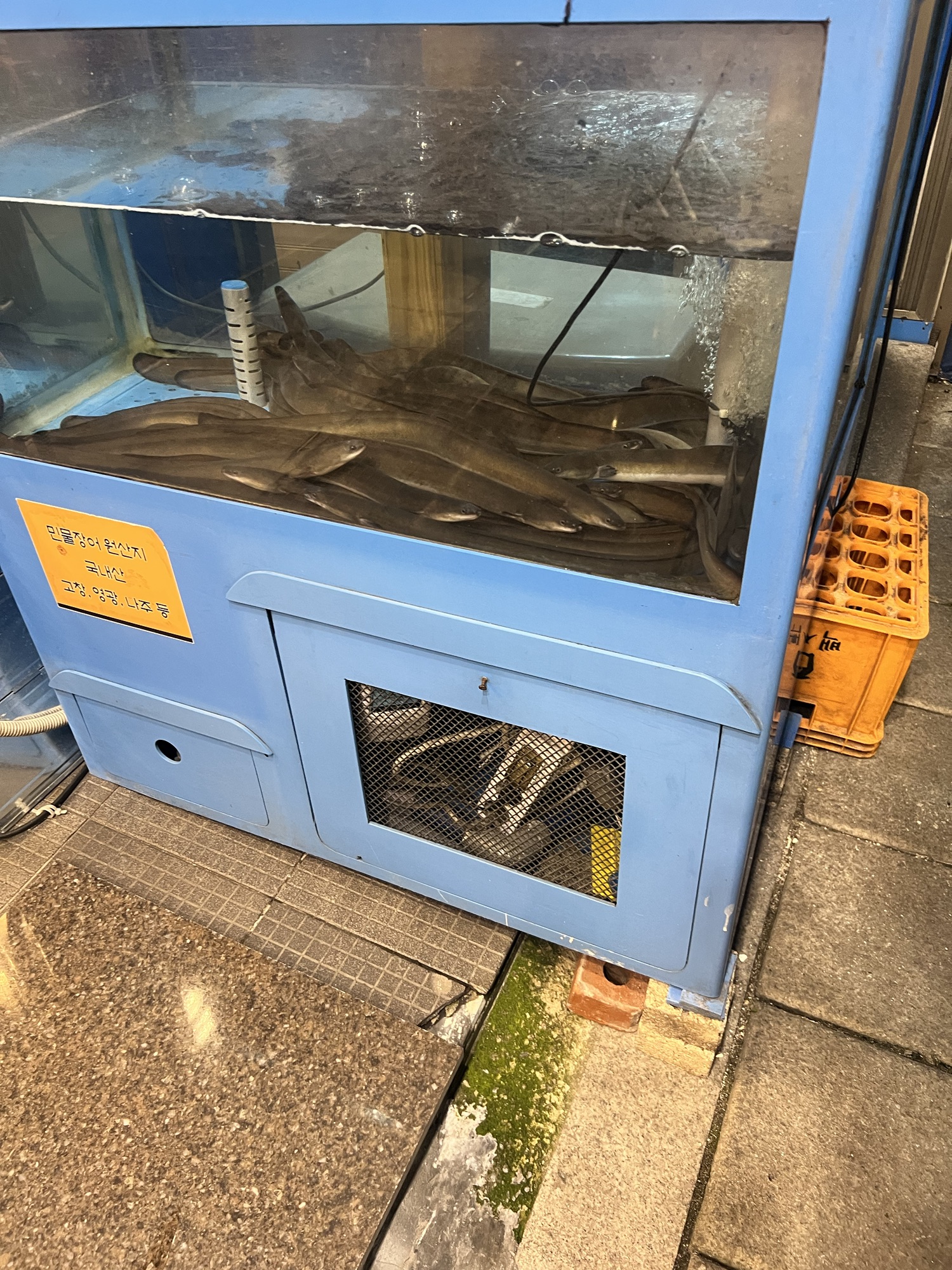
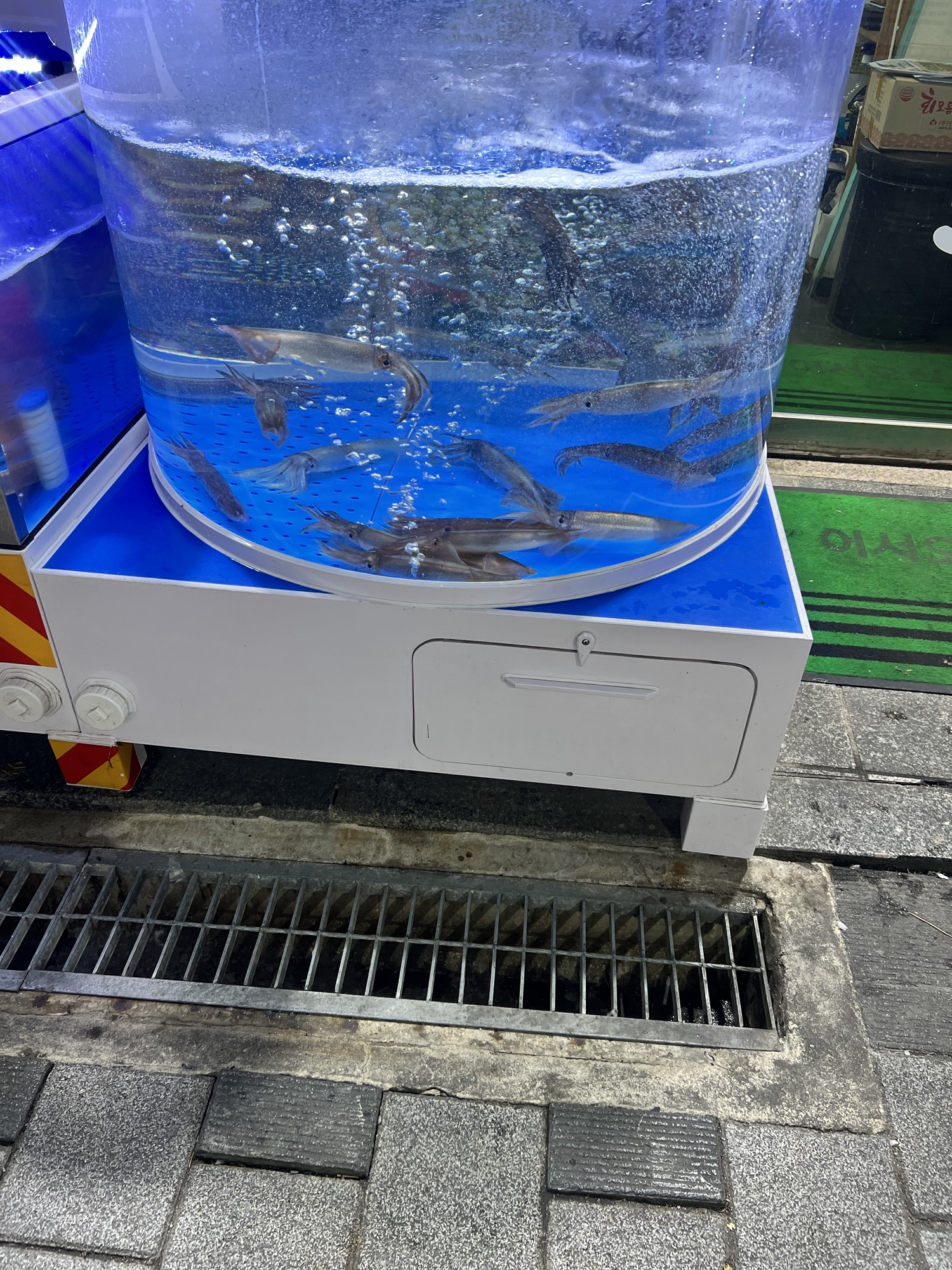
At night, every other street corner becomes an outdoor dining space. Street vendors set up shop, selling all manner of things that I can’t identify, and the streets are abuzz with the sounds of people enjoying their meals. It seems to be customary for restaurants to set up tanks outside to showcase the live seafood on offer, and we saw everything from eels and squid to octopus and skate.

Pop-up street vendors and dining spaces line the sidewalks all over the city
Eels. My motto: “Never trust a creature that has no legs or more than 4 legs”
Live squid

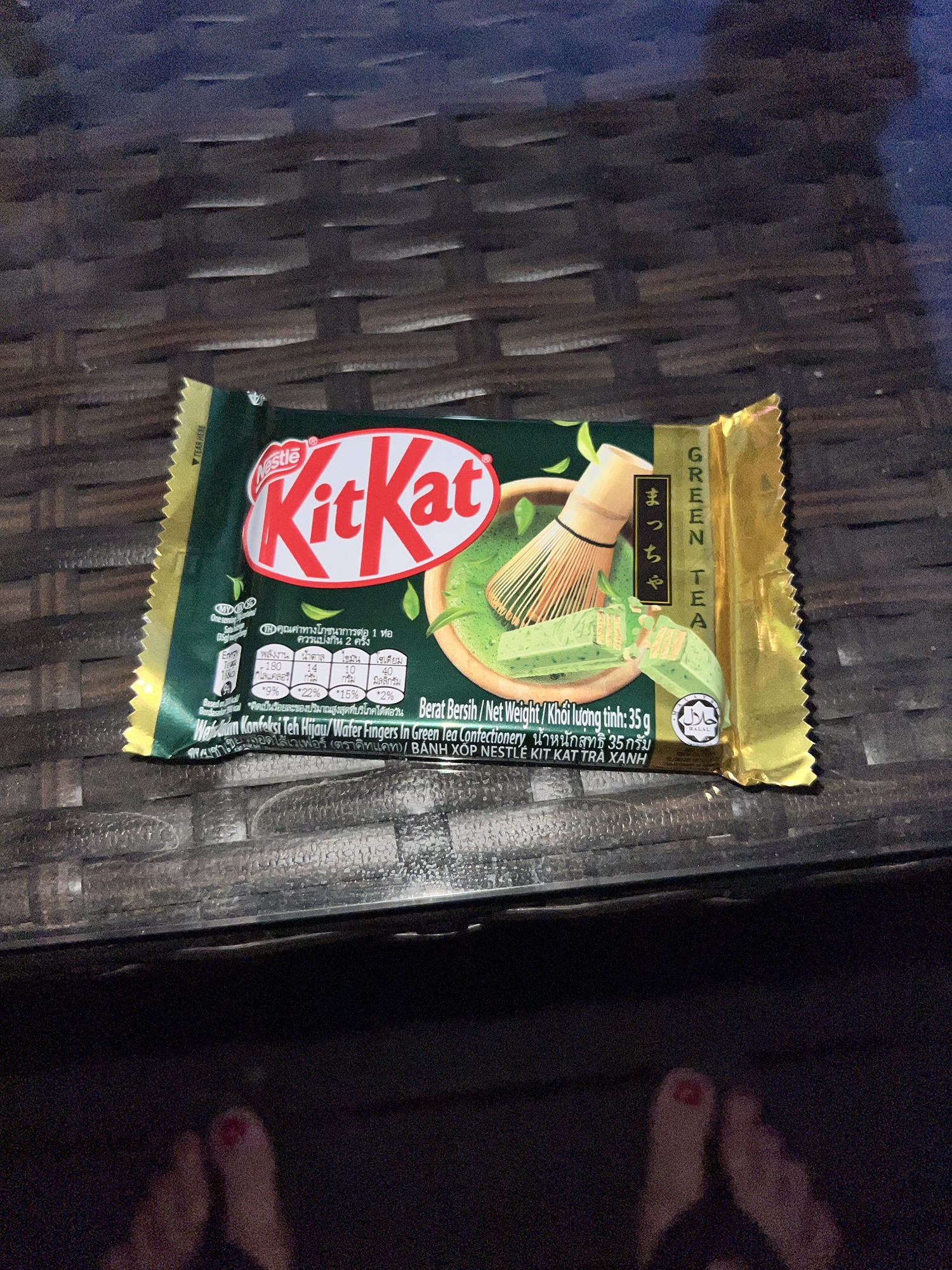
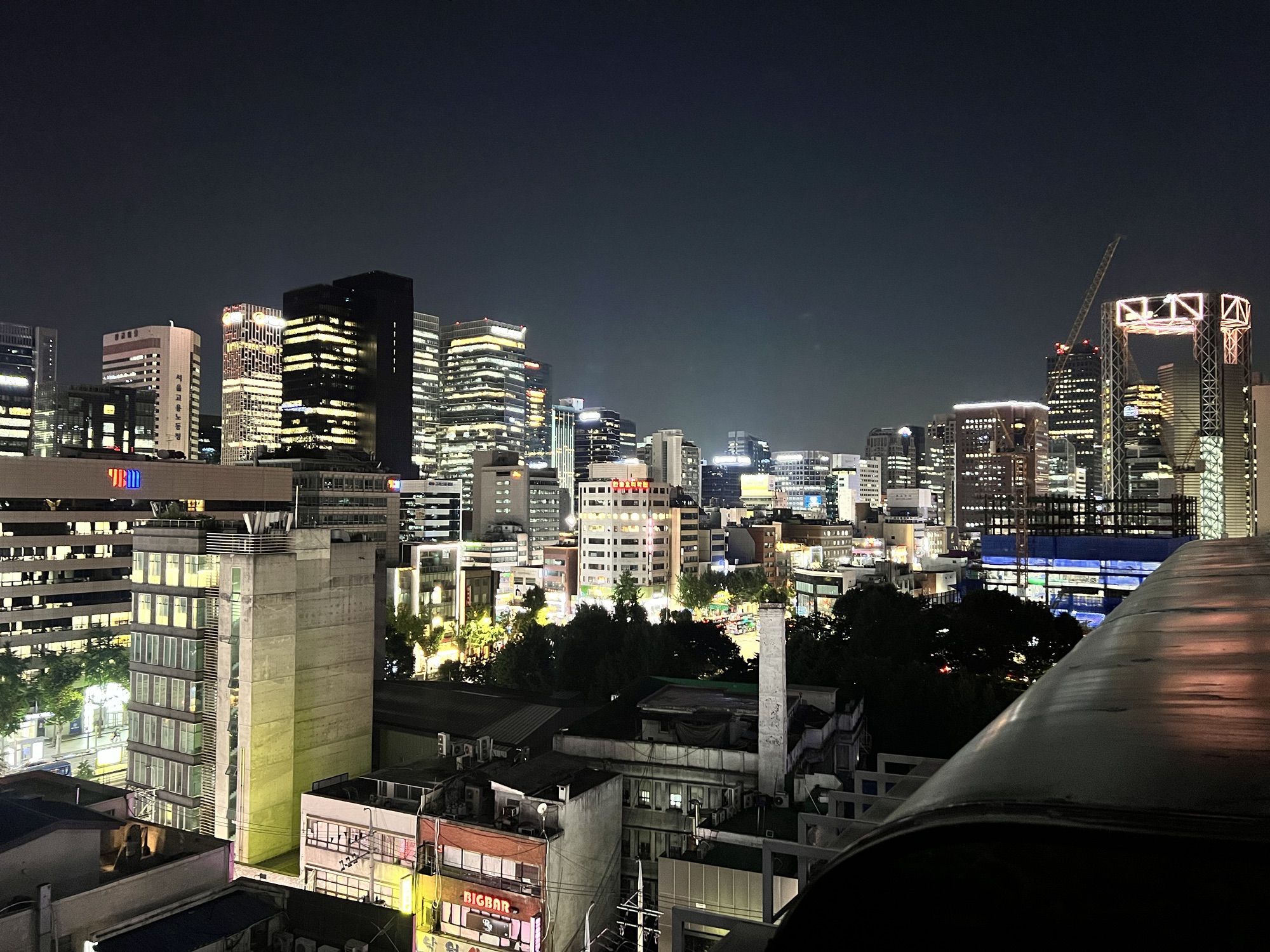
After strolling the streets, kiddo and I hit a mini-mart (as ubiquitous here as in Tokyo) where I found GREEN TEA KIT KAT! These are by far my most favorite candy on this planet – beating out even peanut butter cups – and they are super hard to find in the US. I savored every second of that treat from our hotel’s rooftop deck.

Green Tea Kit Kat – Earth’s absolute best candy bar
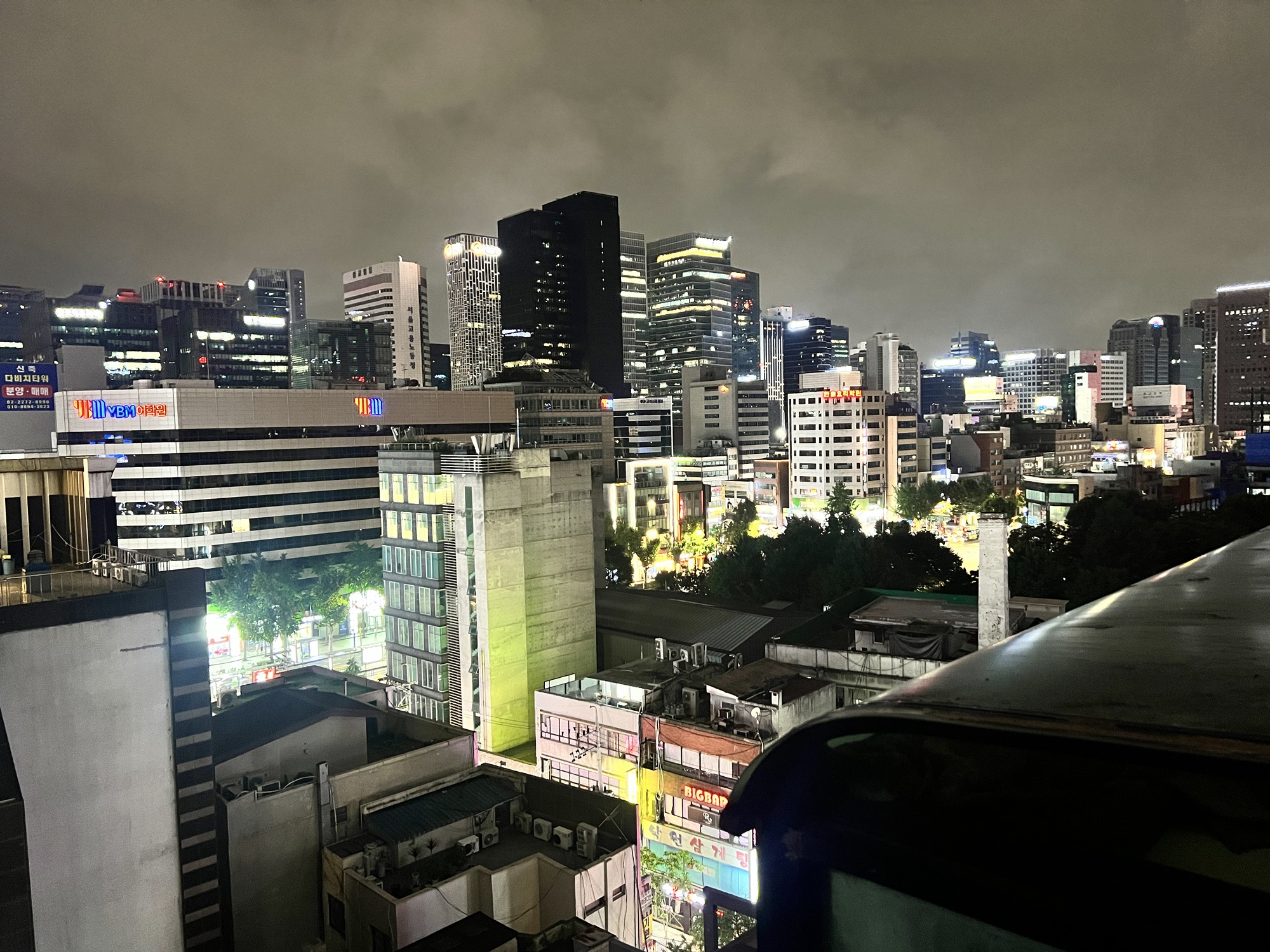
Rooftop deck of our hotel

All in all, Seoul feels a little more real than Tokyo. Both are insane, bustling, and humming, but Tokyo feels almost too perfect to be real. Seoul has a little bit more grit, and it wears that proudly. I think we are going to like it here (if I don’t starve). 🙂

History meets modernity

Luke and I were up early today, which was no surprise given our 6:00pm bedtime last night. We were showered, dressed, and downstairs waiting for breakfast at 6:20am. After a mix of Western breakfast (coffee, eggs, toast) and Japanese breakfast (rice, salmon, matcha rolls), we spent some time making plans for the sights we wanted to see, opting for the Imperial Palace since it’s only about half an hour by foot.
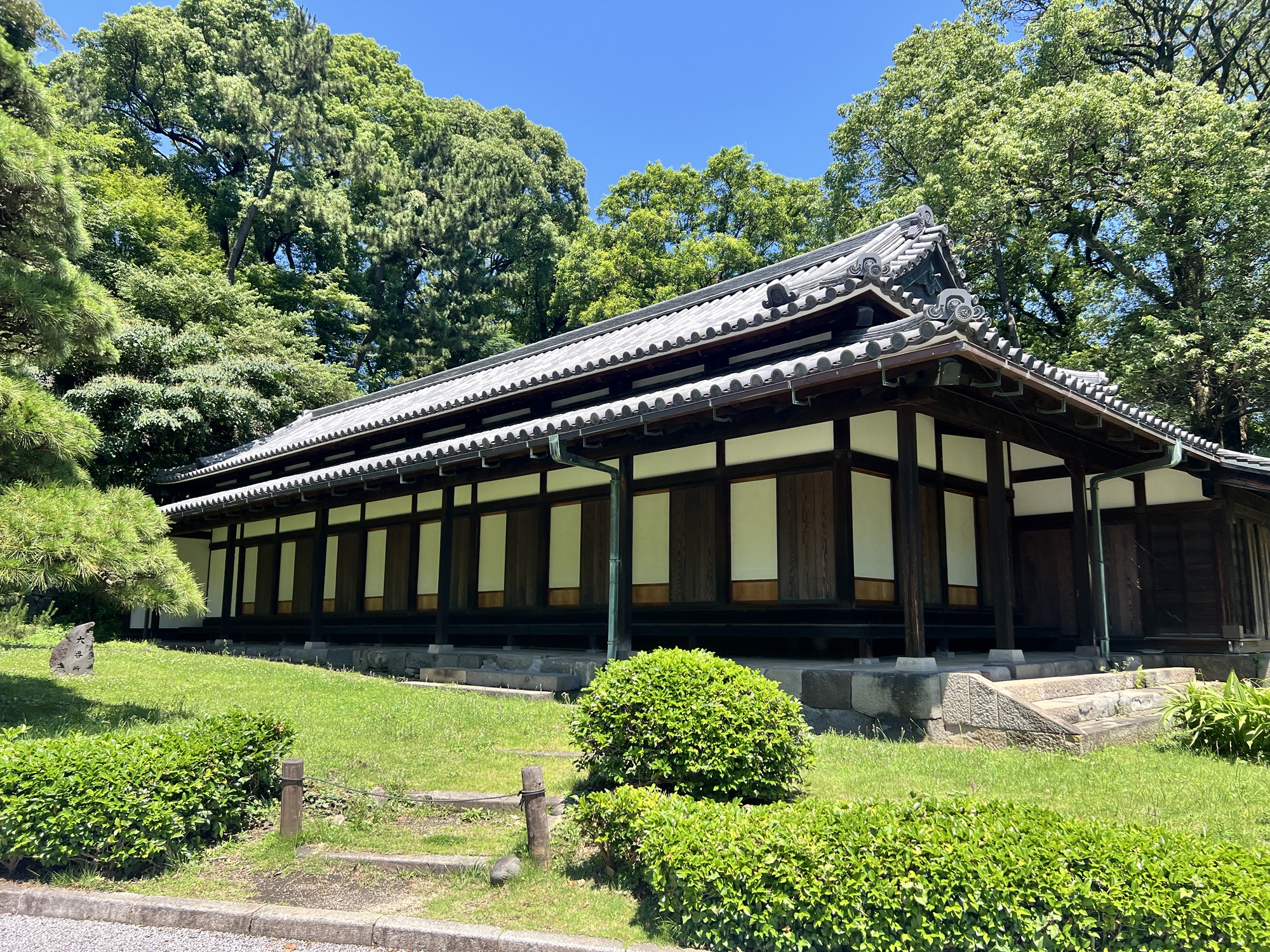
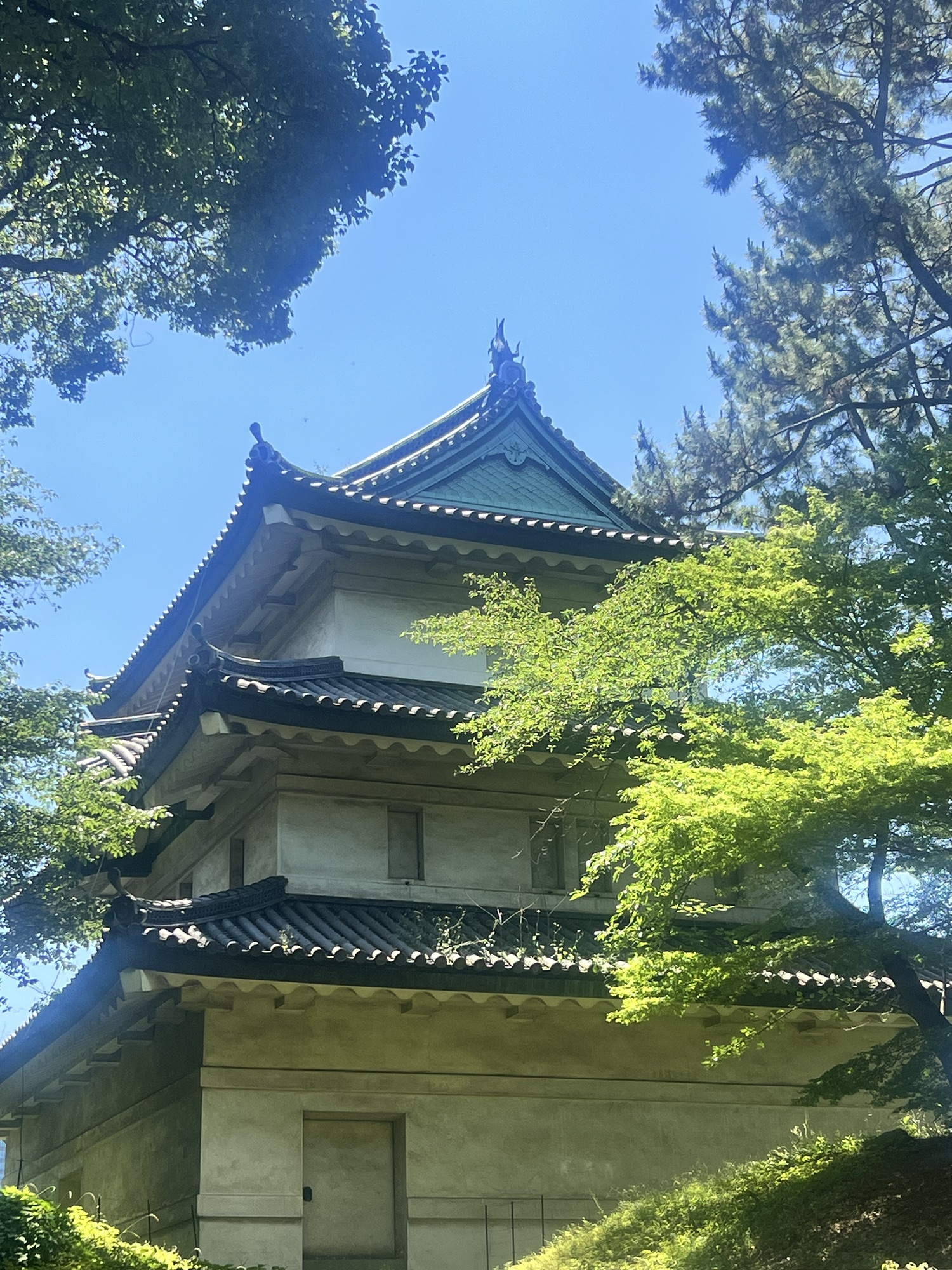
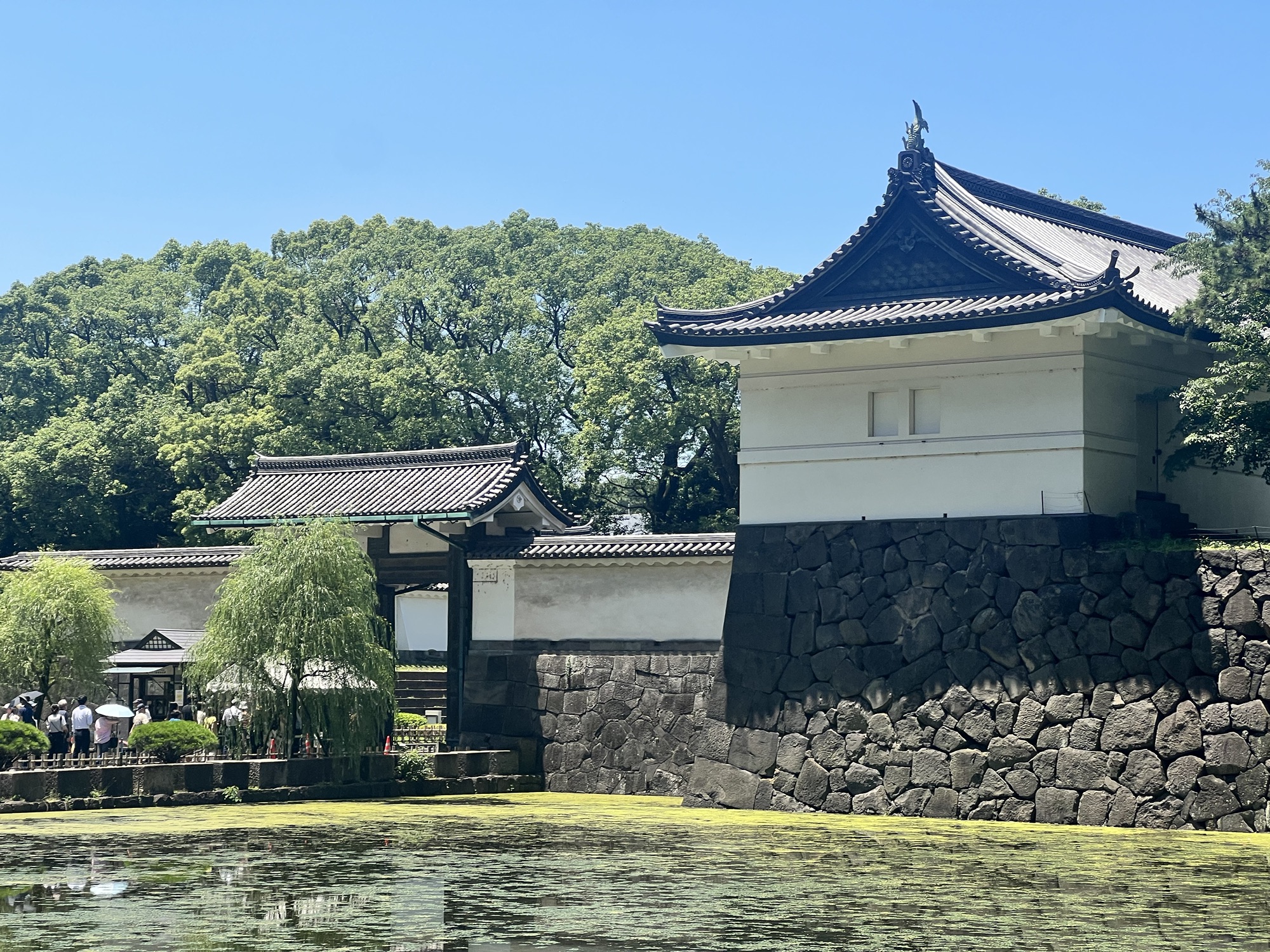
We started with a stroll through some gardens. It’s rather startling how you can be in one of the largest metropolises in the world yet find a place where you are nearly alone and it is quiet, yet Japan does that, repeatedly.

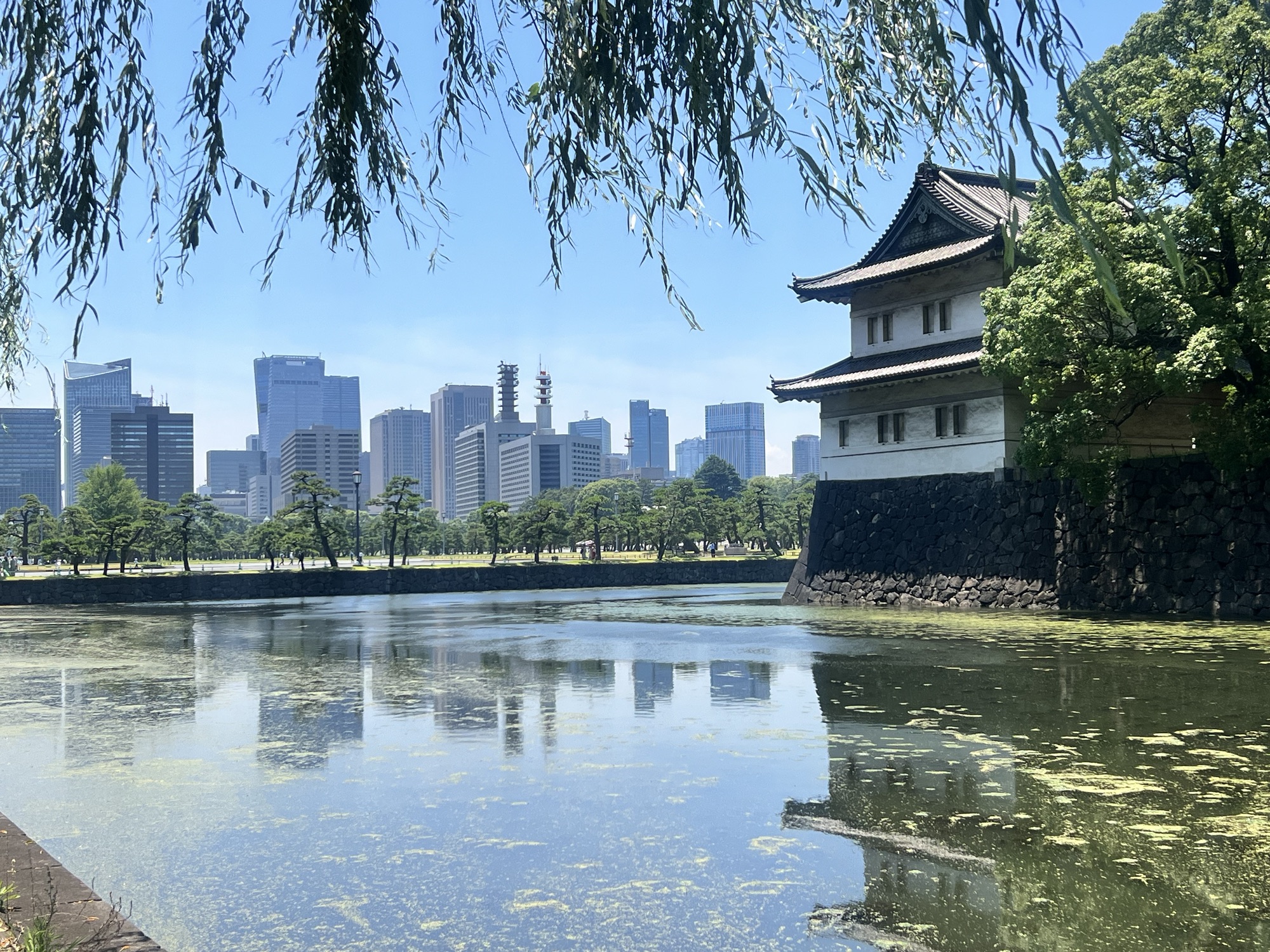
The Imperial Palace is still in use, so there are parts that are off-limits, but there’s enough to see nonetheless.

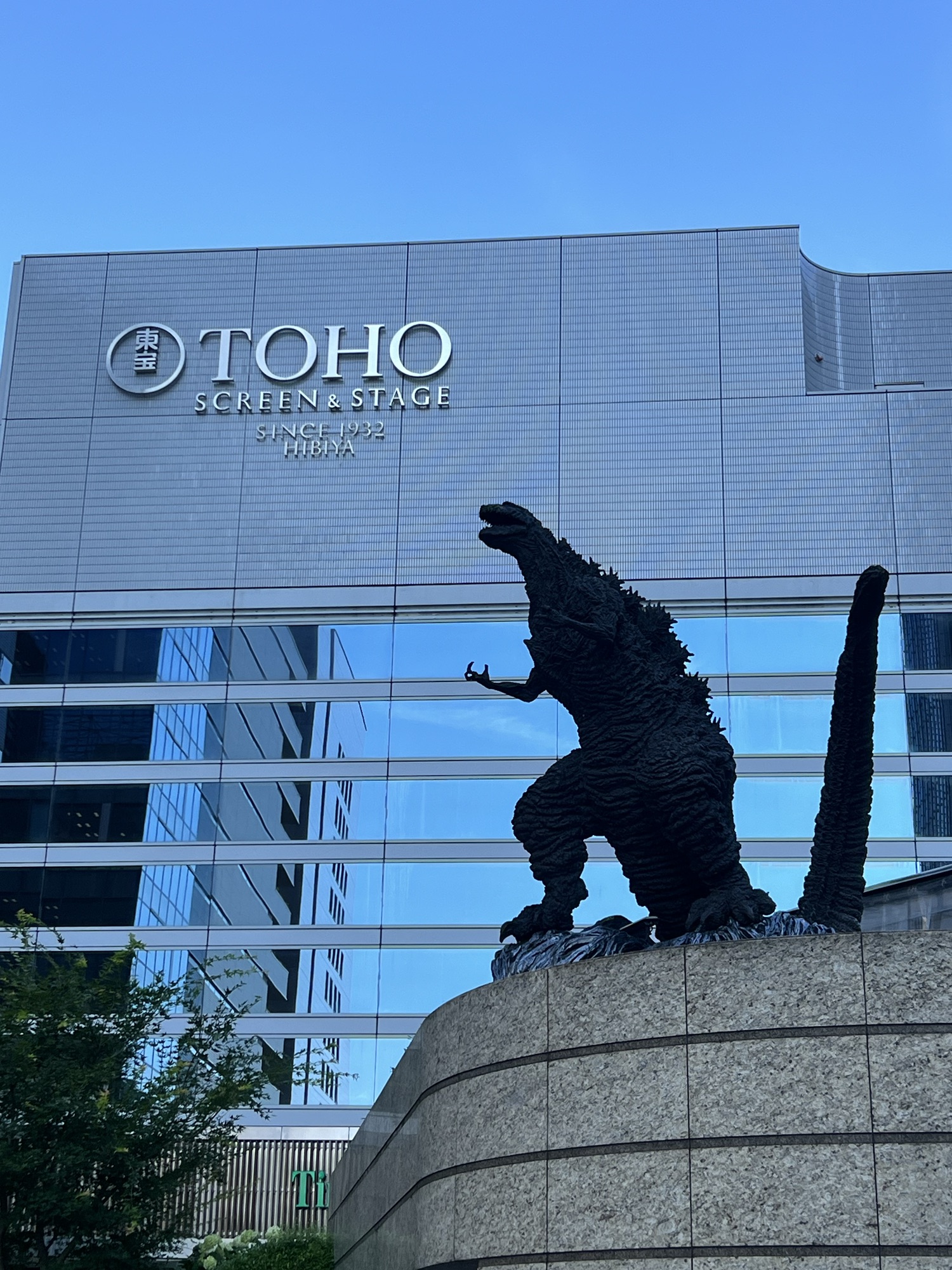
Tokyo provides no shortage of spots to take in the striking juxtaposition between the modern and the historical. These moments are breathtaking and special, particularly given Japan’s long history of violent earthquakes which tend to make historical architecture disappear.

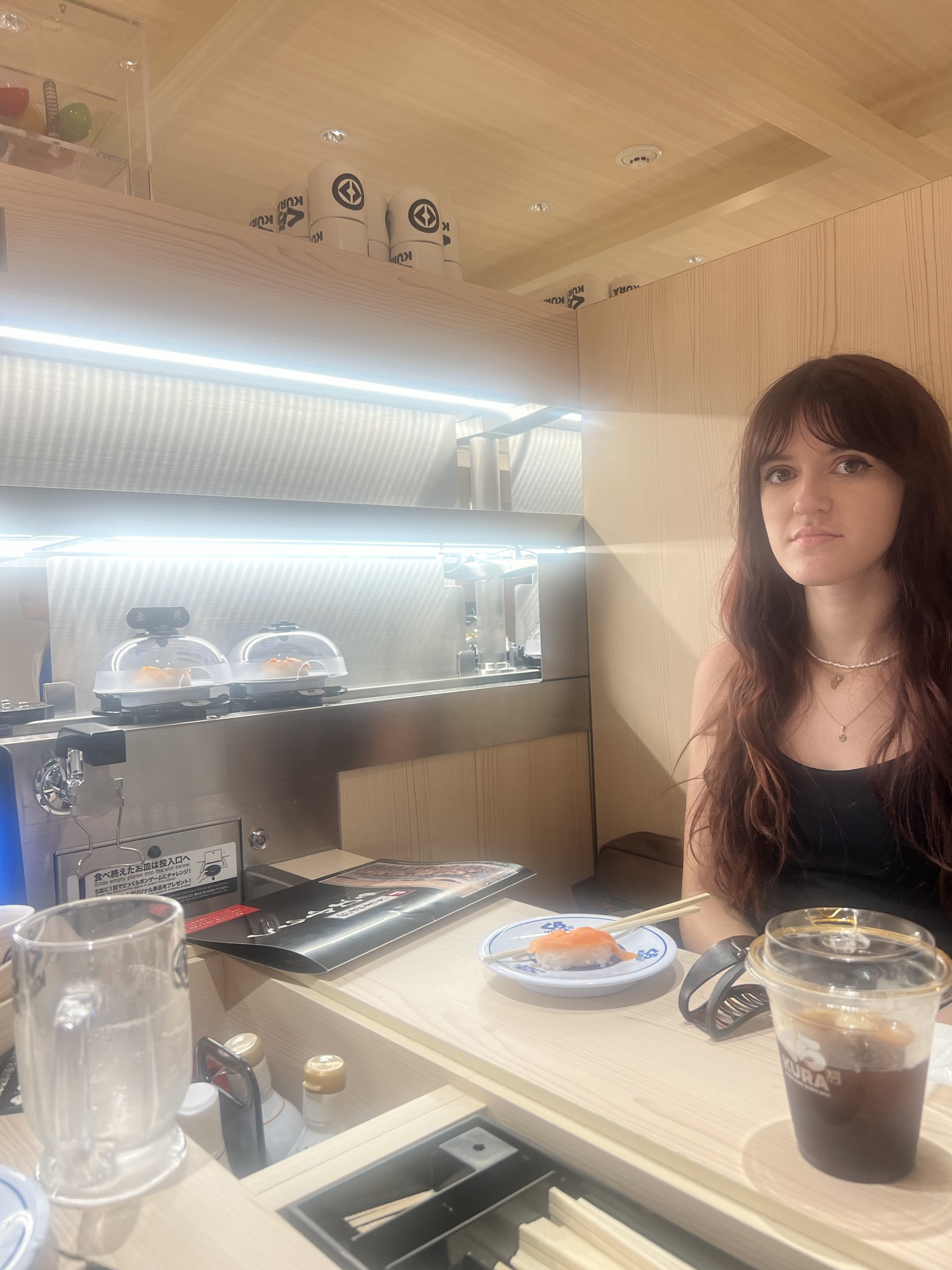
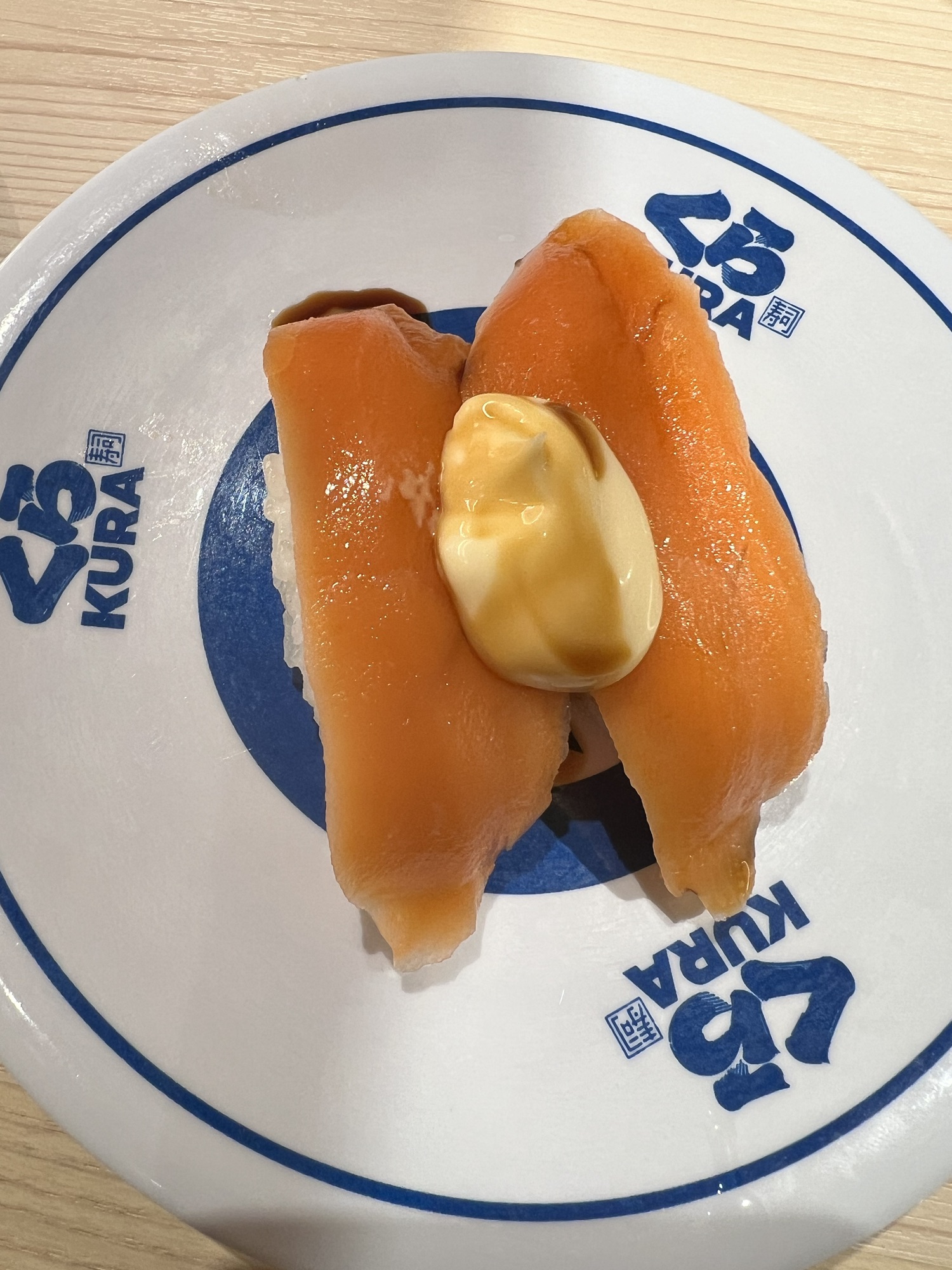
After a few hours of walking, we set our sights on lunch. There is little food I enjoy more than conveyor belt sushi, and Tokyo has many to choose from, so we set off for Kura Sushi. We ate our fill (and then some), all the while delighting in the efficiency of ordering from a tablet and having our food whisked to us via conveyor belt. And best of all, it cost $35, which is easily 1/3 of what we would pay for the same meal back home.

Salmon sushi with mayo – sooooo good!

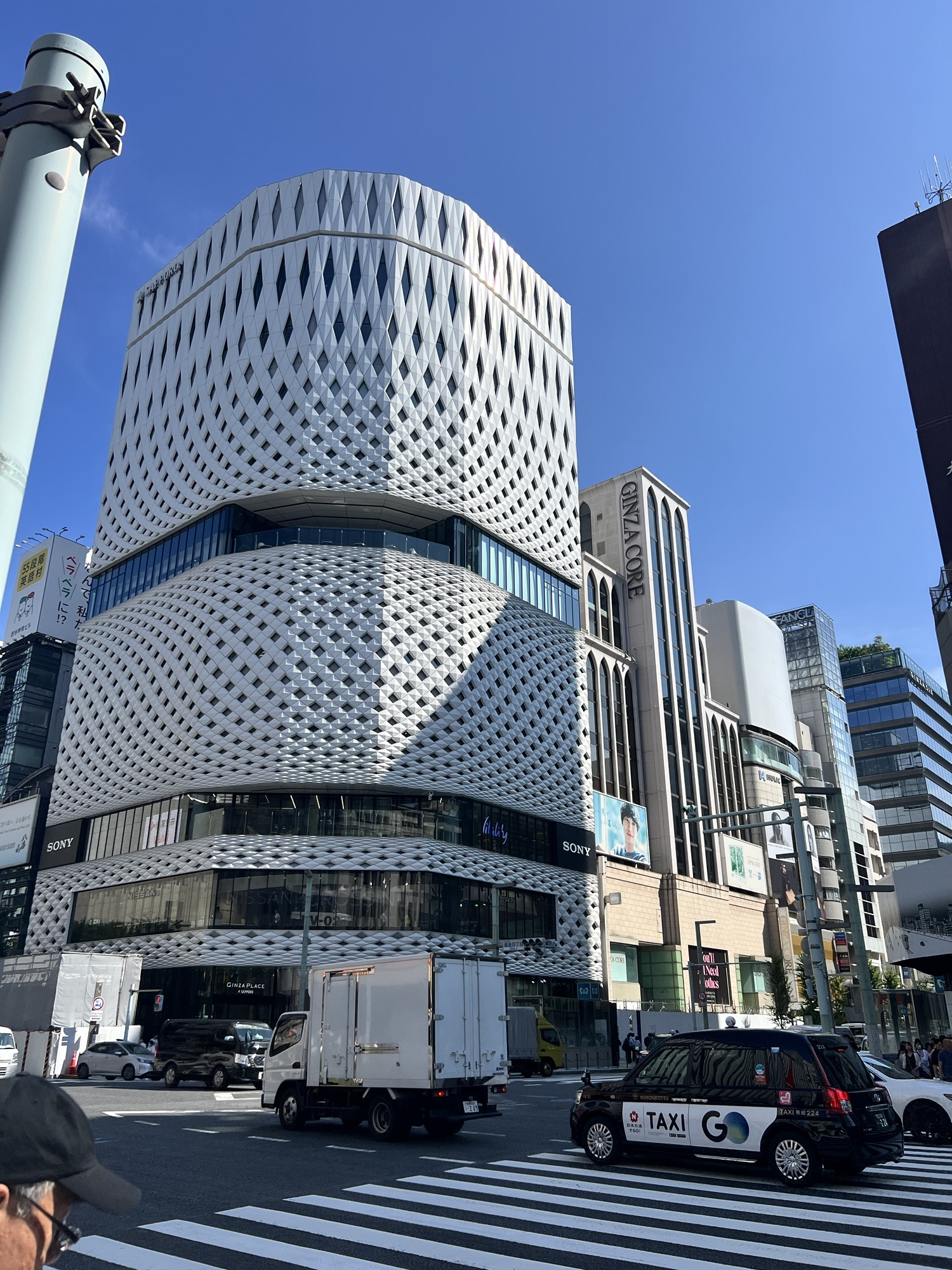
We headed over to Ginza – Tokyo’s 5th Avenue – but didn’t find it that thrilling since we are not looking to spend months of pay on Hermes, Gucci, or Ferragamo, so we explored some of the smaller streets around the area. I love how one street is all modern and the next is a tiny alleyway with shops tucked in every corner.

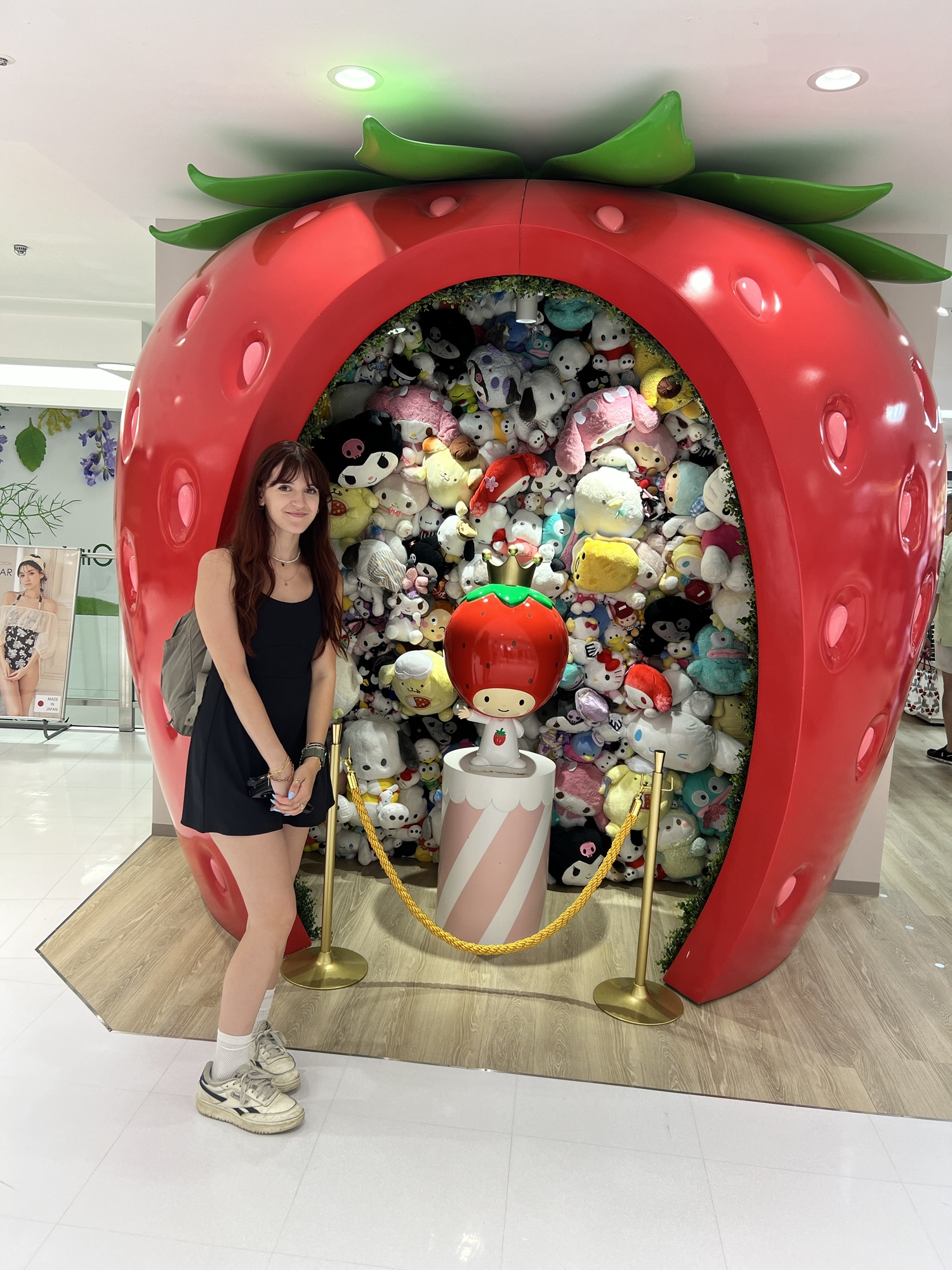
We had to find a Sanrio store, of course!
Gorilla, in front of his home studio

Hibachi (or Tapanyaki, as it is called here) was on the dinner docket. Carnivores had some wagyu beef and I had some amazing tuna. The presentation here is not about the showy cooking as it is back home, but rather, about top-notch food quality. It did not disappoint!

Halfway around the world

Japan is far. I know that. And while the flight time from home to Japan is about the same as from home to Southern Africa, there are many more time zones to cross and that leads to cognitive chaos. I am still trying to sort out what day and time it is.

We left Seattle on the 8:30am train. There were delays (I do believe that is the default status of all American transportation systems), so we eventually got in to Vancouver around 2pm. After checking in to our hotel (which was super dated, but clean), we got some coffee and thought about what we wanted to do for dinner. I found a farm-to-table restaurant that had stellar reviews and took the 4:30 reservation that they had available, and I am so glad we did – it was delicious! A quick stop at the grocery store for provisions, and we were off to pack and get ready for the long haul flight.
ZipAir is a subsidiary of Japan Air. A low-cost subsidiary. And that means you get a seat and transport and that is all. It was actually fine – I don’t really need any of the extras, especially given how little we paid for the flight. We took off on time at 10:25am Monday, flew for just under 11 hours, and landed just before noon on Tuesday. Thankfully, we had just enough Wi-Fi to be able to listen and watch the score of the Celtics game, landing just seconds after they WON!
Immigration, customs, a train, and a subway ride later, and we were at our hotel. Anna-Sophia didn’t even pretend – she just went right to bed at 4:00pm local time (3am Boston time, midnight Seattle time – I think). Luke and I did want to eat something for dinner, so we hit the kombini (convenience store).

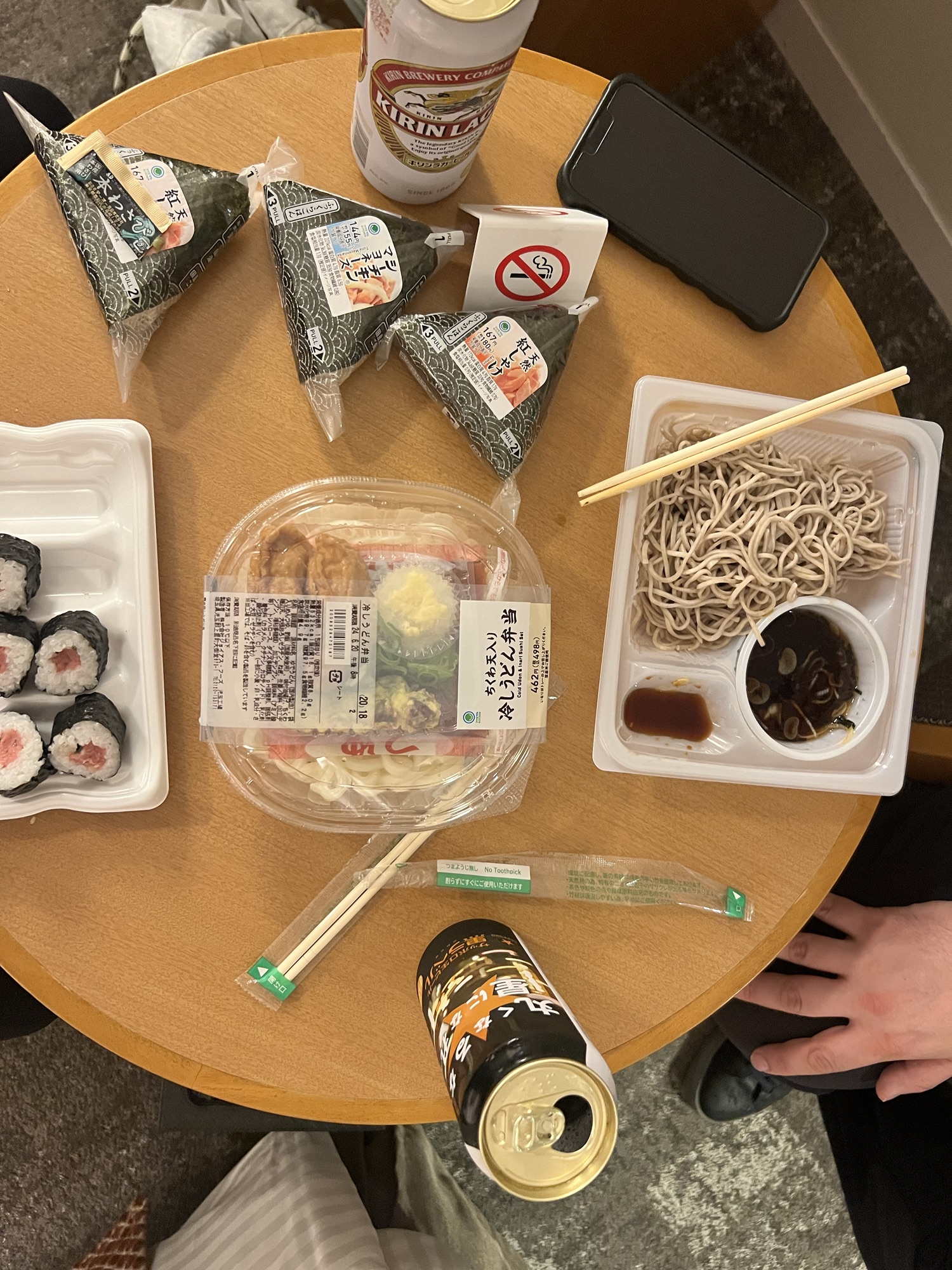
Japan does convenience stores like NOWHERE else in this world. We got udon noodles, buckwheat soba noodles, a small tray of tuna sushi, and some rice balls, plus 2 beers and a coffee for the morning, all for $15. And it was all really good!

After 15+ hours of sleeping, Anna-Sophia is finally ready to brave the day, so we are off to abrace all the joys of Tokyo!

Heavenly

Islas Rosarios, or the Rosario Islands, are a small set of 27 islands off the coast of Cartagena and the are designated as a national park. They are past Barú, which can get super busy with people flocking to the gorgeous beaches there.

I booked us one night on Isla Grande, the largest of the Rosario Islands, so we could experience this secluded beauty for ourselves. We set out to meet our boat (blech, another boat) after an earl breakfast. The marina was crazy busy, with dozens of boat operators trying to get customers. I, of course, had pre-booked because I cannot ever show up without tickets in hand. We eventually found our gate and we baked in the sun (85 degrees at 8am) until it was time to board.

This was a small boat, but thankfully, the sea was calm and we sped across to the island in about an hour. When we got off the boat (directly at our resort), we were immediately delighted.

I was apparently relaxed enough that I never got around to finishing this post. 🙂

I’m still not in the Cartagena fan club

I know many people who love Cartagena, but I am not one of them. It feels like Bourbon St in New Orleans mixed with some fancy-pants, overpriced Florida city like Miami. Or to be more generous, it feels like some small coastal cit in Spain, but with US city prices. To walk down the street in the evening is to be approached by somebody trying to get you to come into their shop, eat at their restaurant, take a ride in their horse-carriage, etc. I find that exhausting.

Cartagena does have some beautiful colonial architecture, which makes worth it the trip – one time.

The city certainly makes for some wonderful photo opps, especially when traveling with a photogenic individual. 🙂

We walked over to the old city’s fortifying walls to watch the sun set over the ocean. Again, picturesque, for sure.

Also, windy.

We then set out to try to find dinner. The hustling was overwhelming and we were starting to get hot, tired, and cranky. Thankfully, we stumbled upon a lovely place that had a rooftop restaurant above the chaos of the city streets. We enjoyed some food, relaxed in the breezy night air, and discovered that Anna-Sophia likes rose wine better than red but strongly prefers an Aperol spritz. Good to know.

The next day had another boat ride in store for us (gulp), so early to bed, peer usual.