Relaxation, maximized

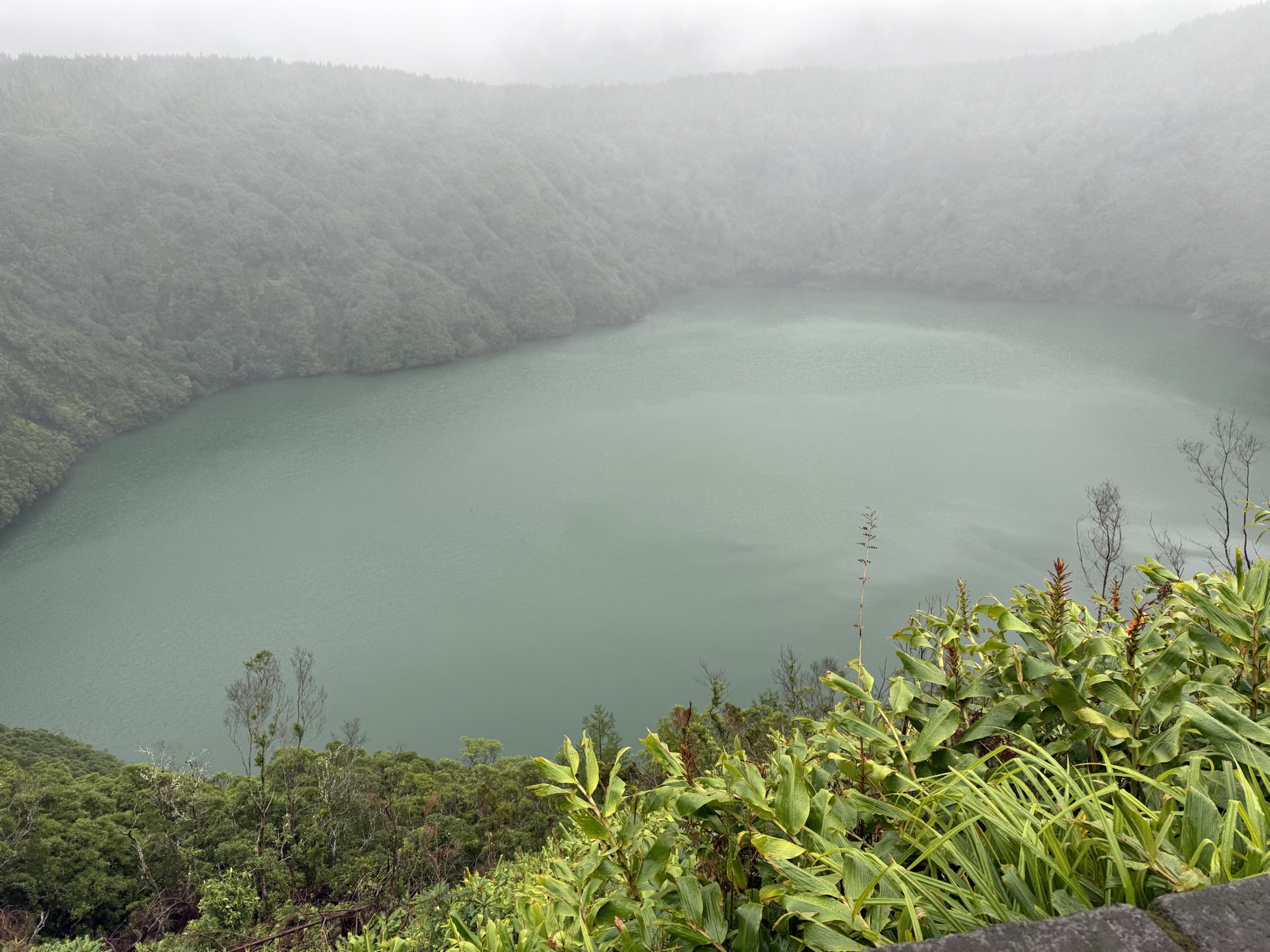
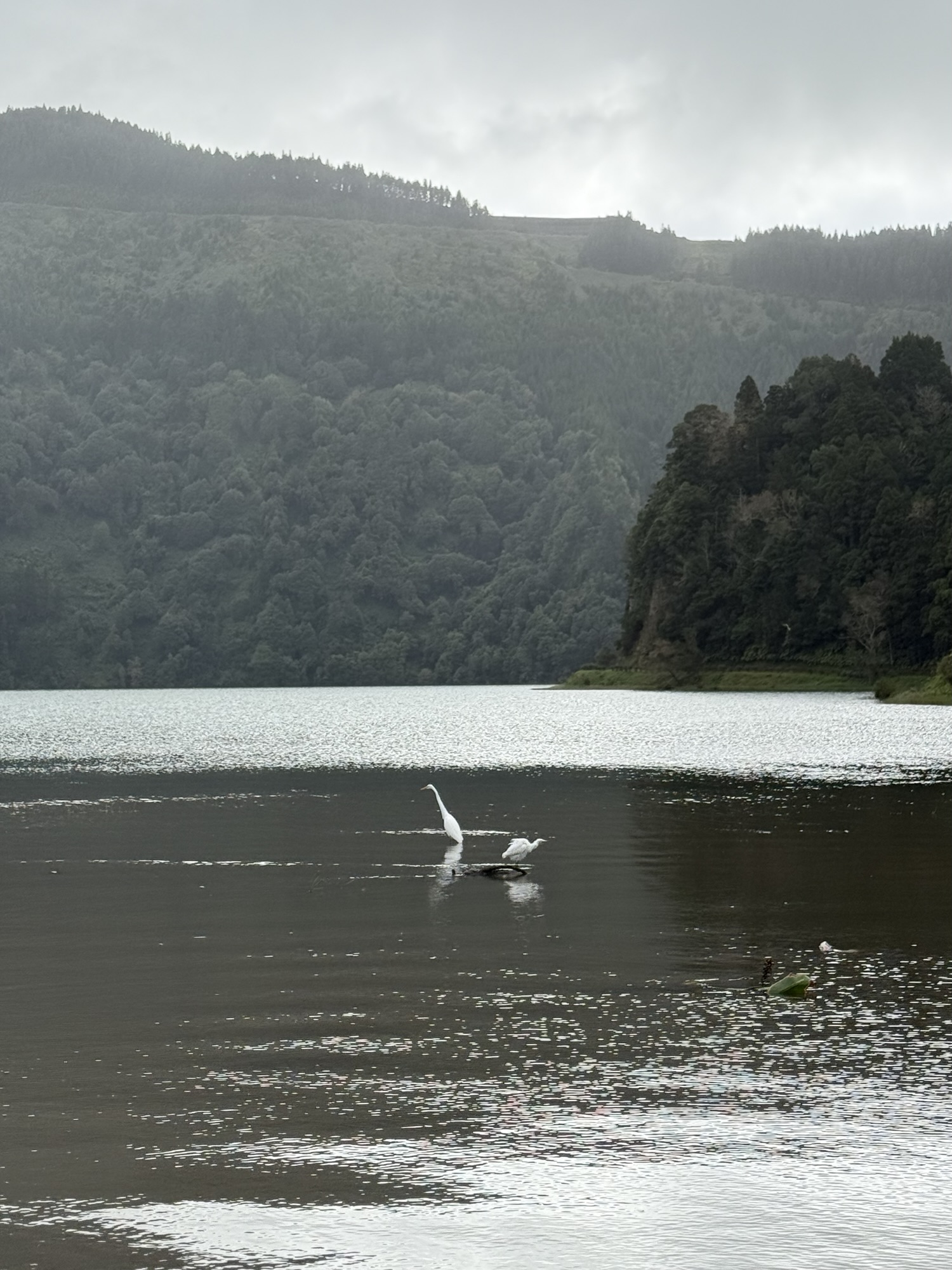
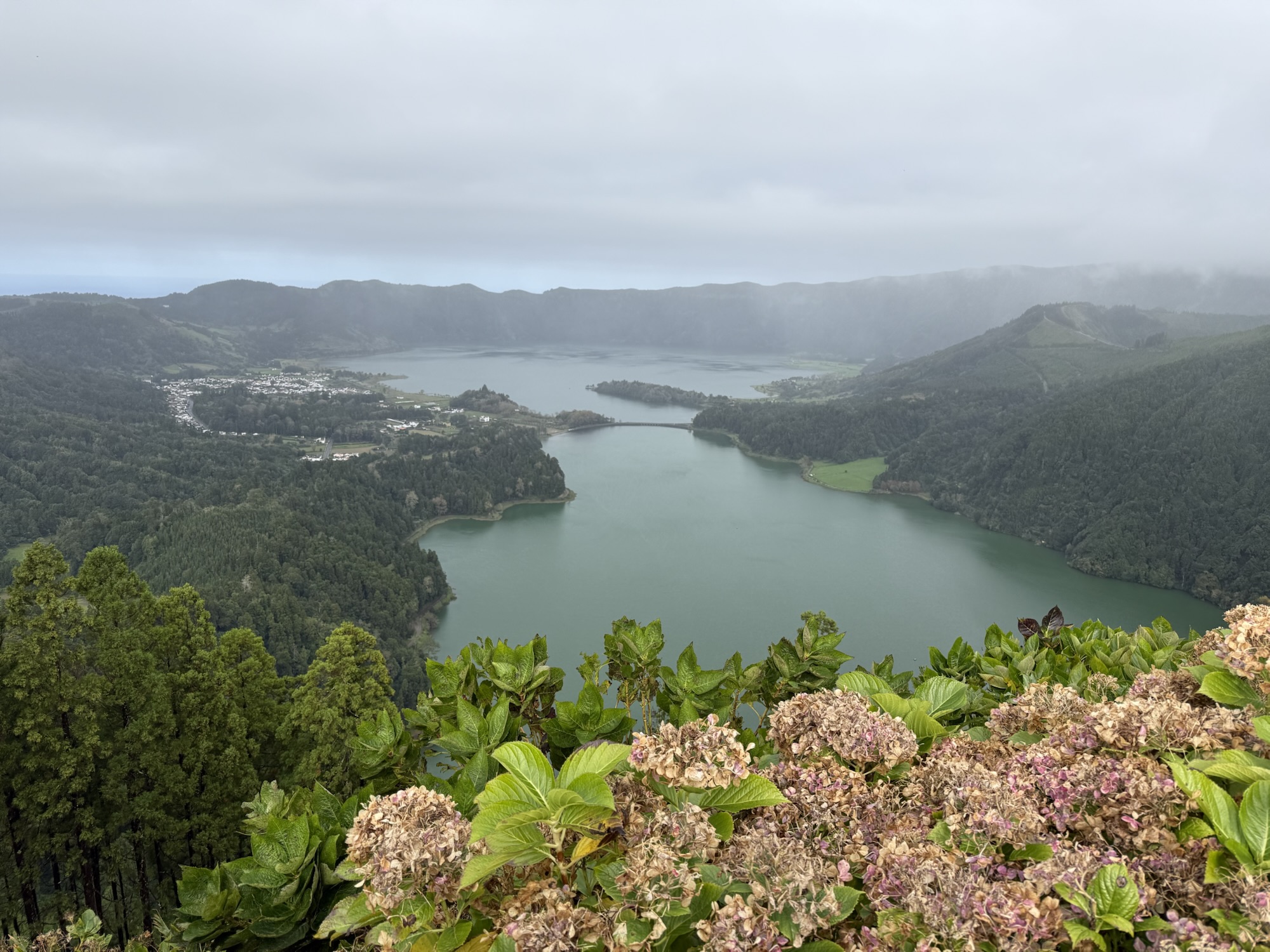
Sunday we checked out of our “urban” hotel and we hit the road to the east. As usual, the weather was mixed, with clouds and fog at higher elevations, so you’ll have to trust me when I say that there are lakes here.
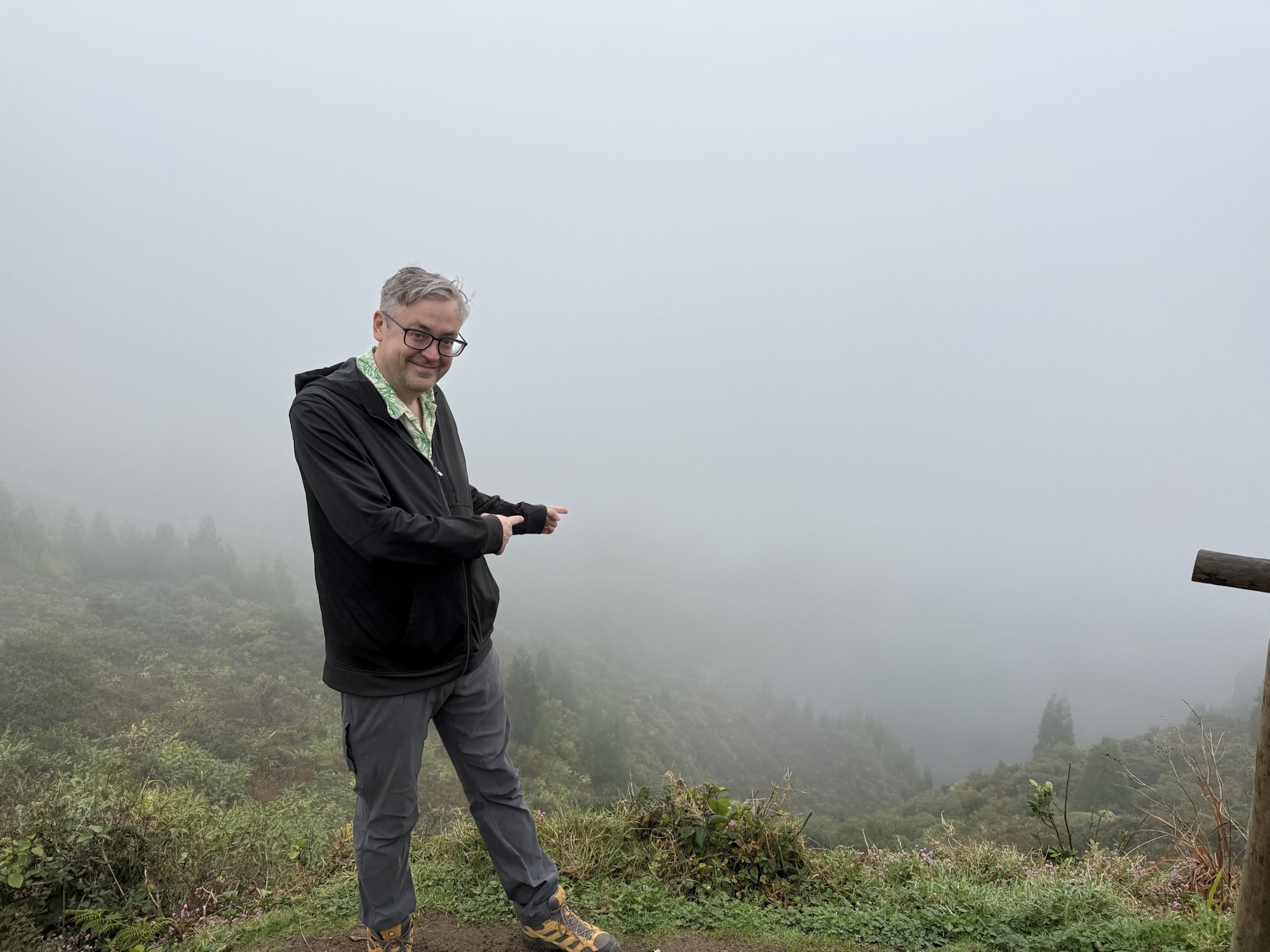
We had a hot spring booking at Caldeira Velha to attend to, and thankfully, those are not dependent on clear skies. There is a pool at the bottom of a waterfall, which is gorgeous to look at but definitely much too cold for me to test out.
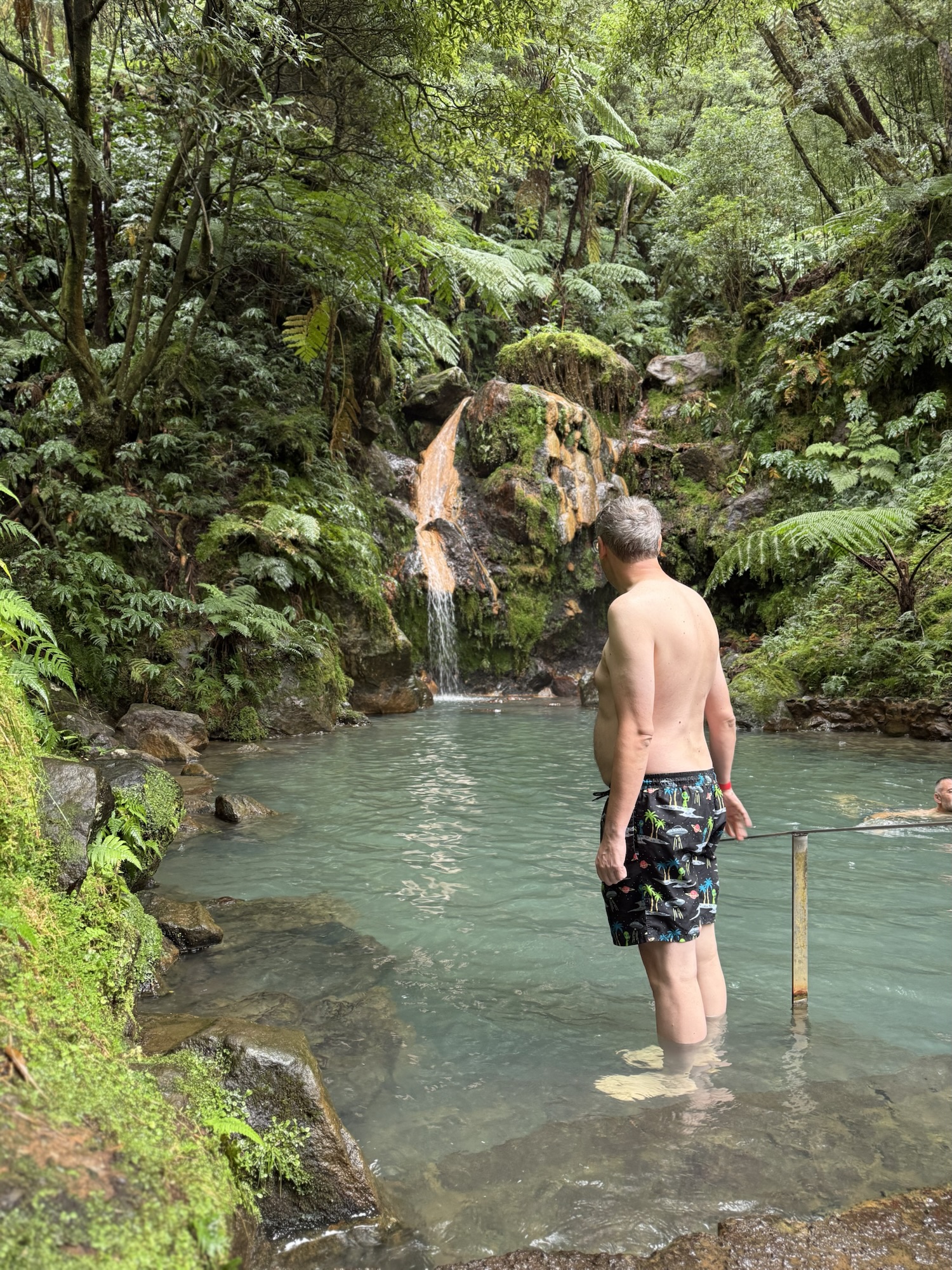
Luke, thinking twice about that water

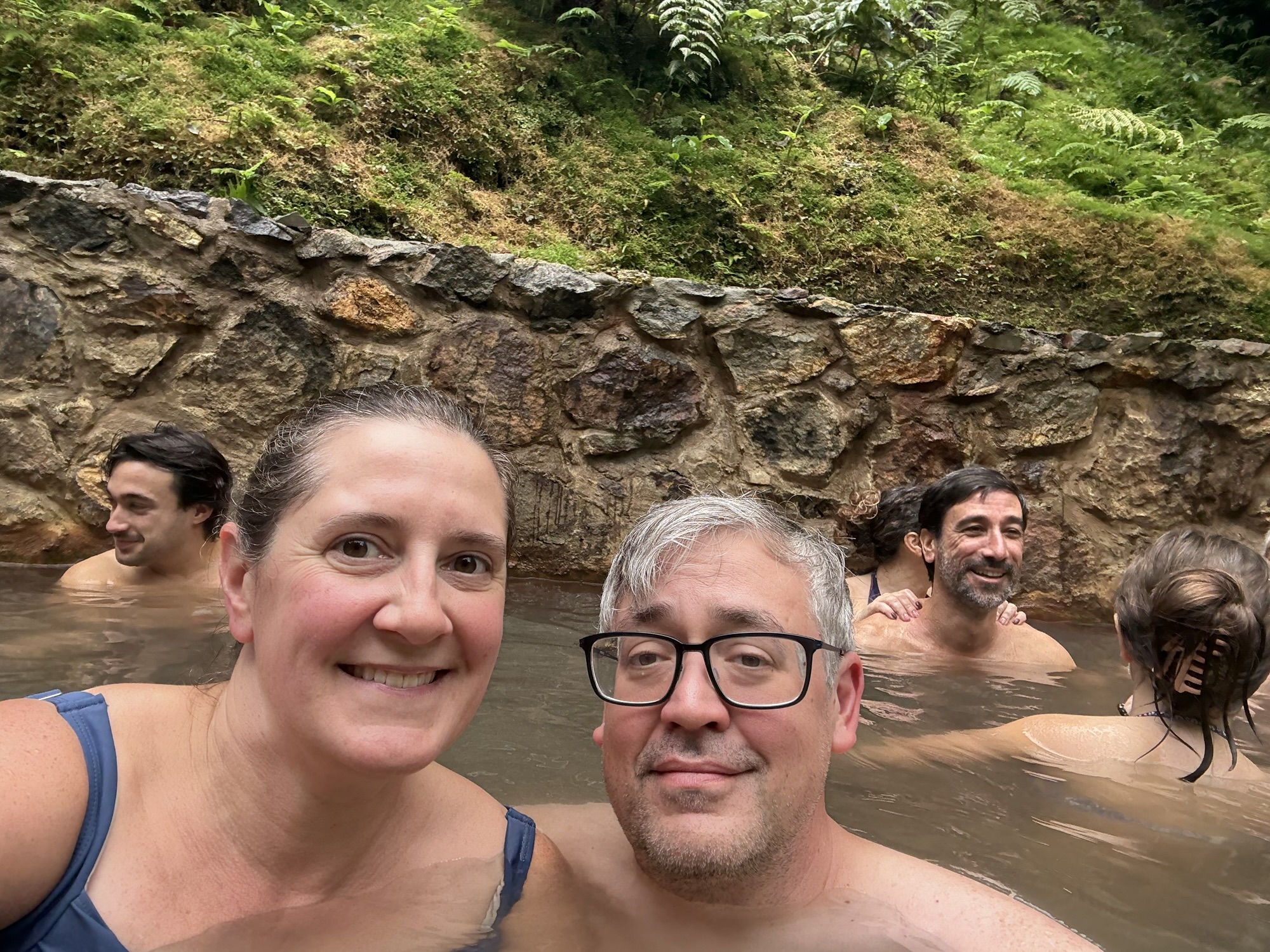
These springs had a strong locals vibe – we were pretty much the only English-speakers around – and the setting was gorgeous. We fully enjoyed our allotted 90 minutes in the springs.
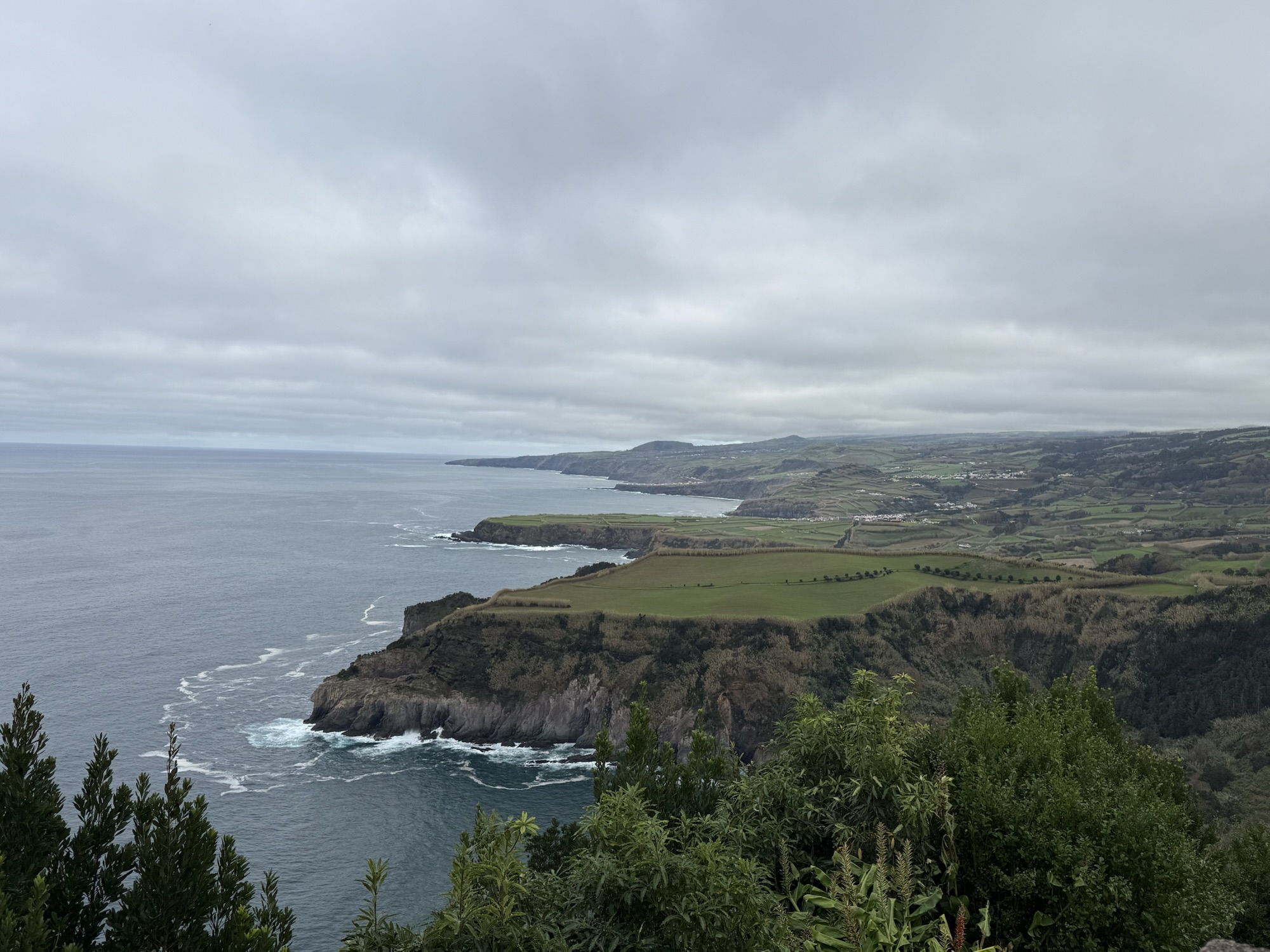
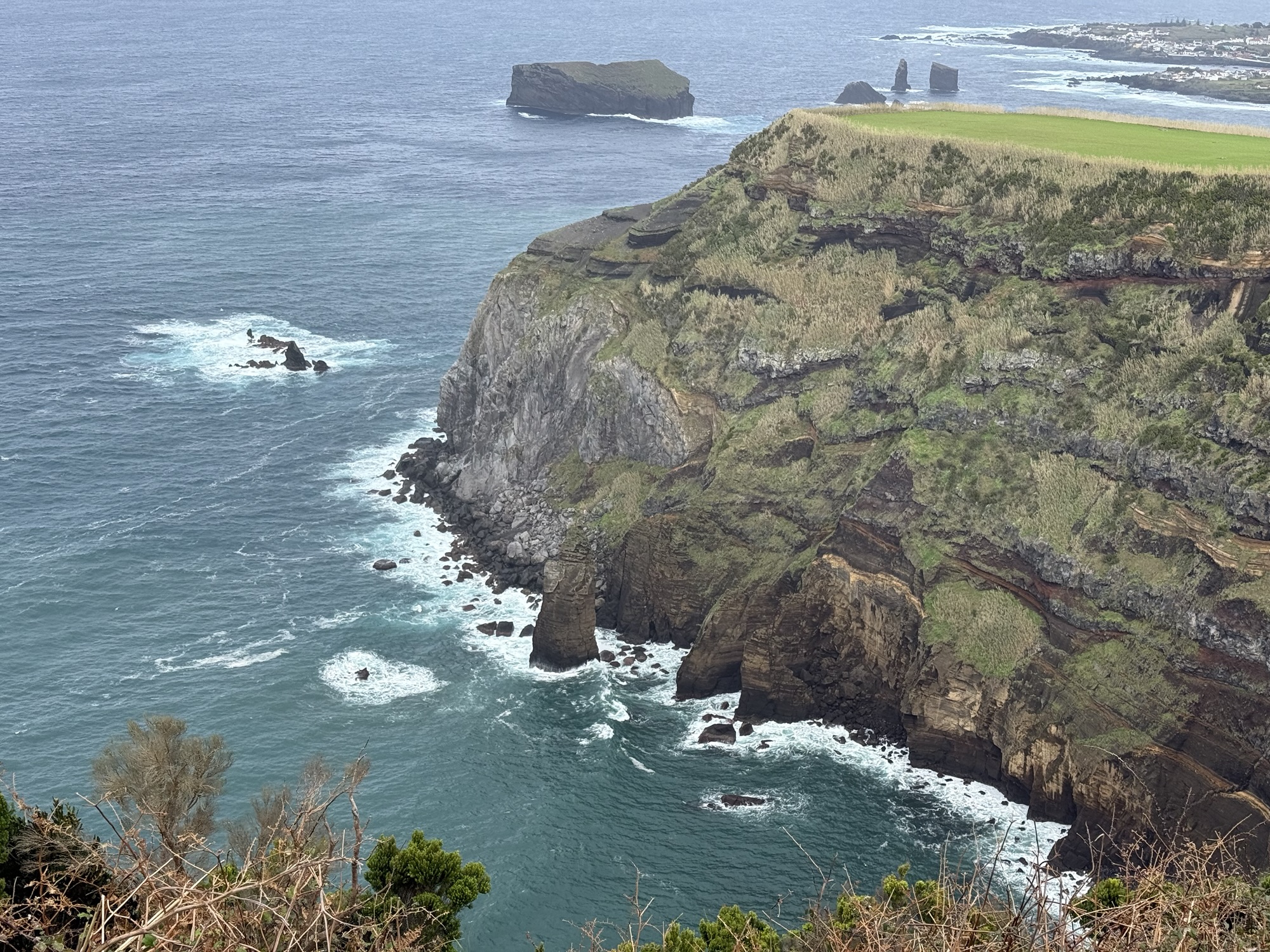
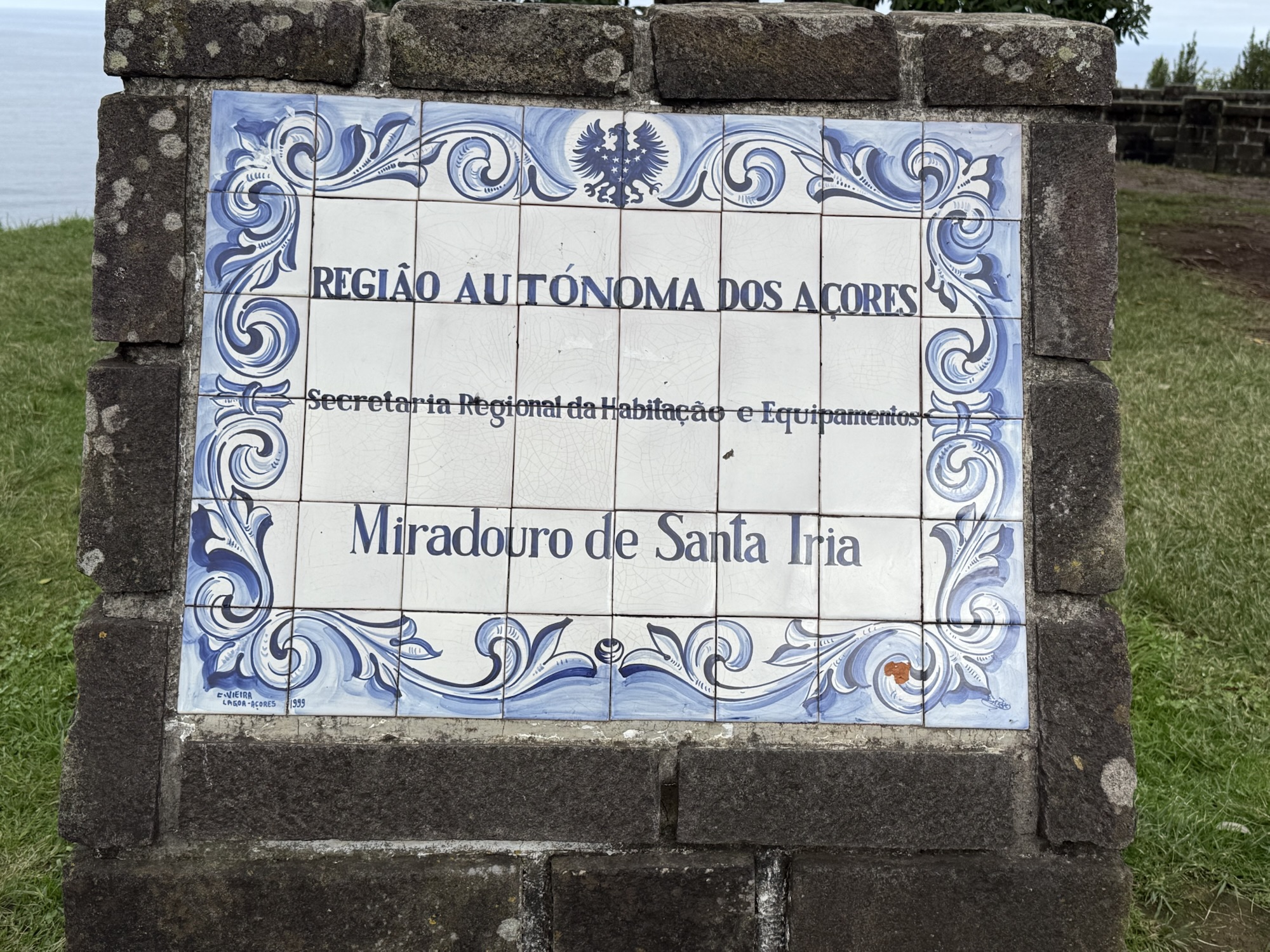
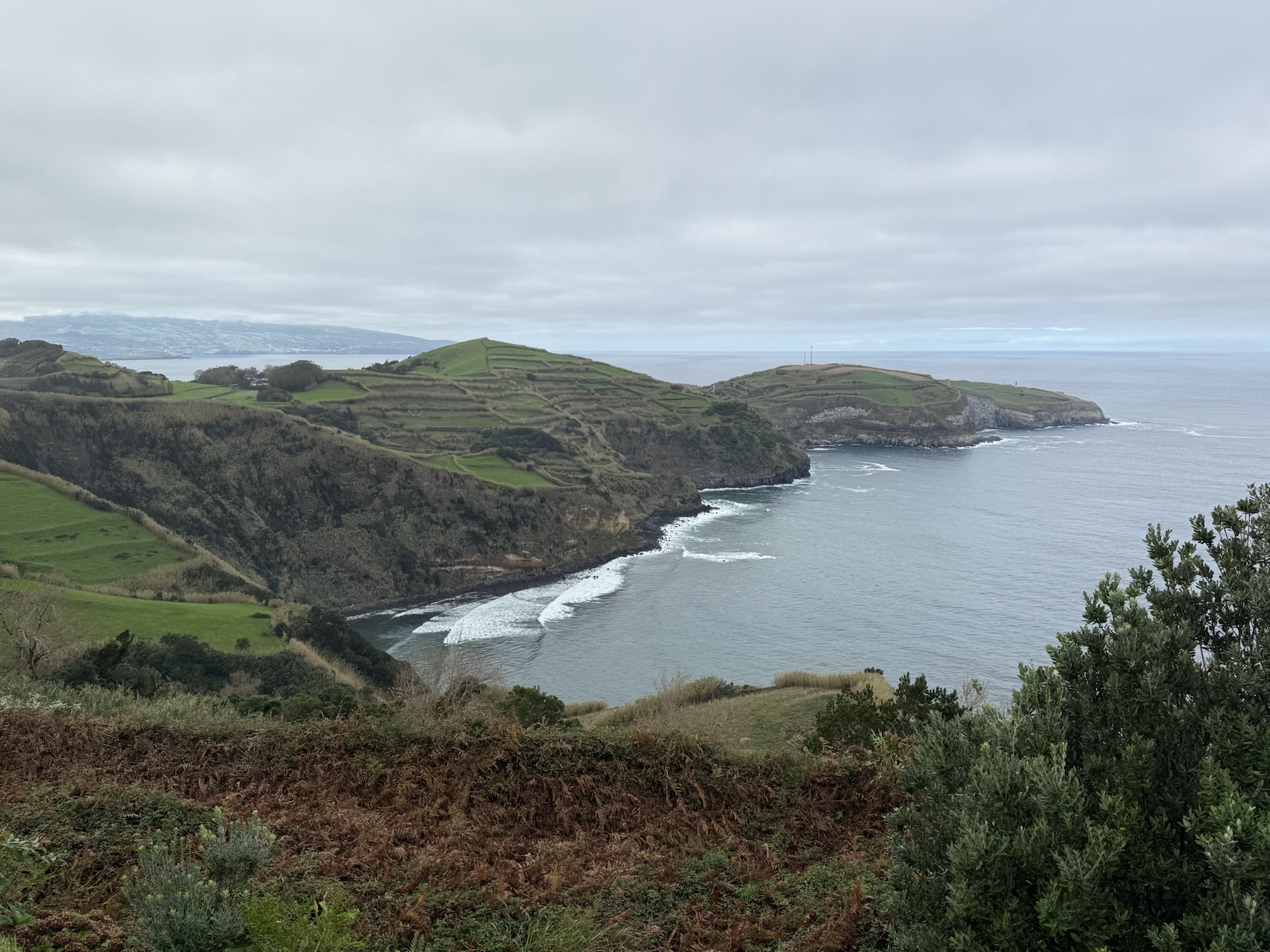
The next few hours were spent touring around the middle-east part of the island. The Saint Iria viewpoint was lovely, with a view of the dramatic cliffs and coastline as far as the eye could see.
The GPS in the car had some truly creative ideas about how to get to various places. We went to a tea plantation (oddly, the Azores have the only tea plantations in all of Europe), and the car GPS took us basically through farms, down a crazy steep hill, around a town (requiring a turn from a tiny street onto another tiny street – small enough and blind enough that a local had to help signal when I could make the turn because I couldn’t pull out enough to see without fully entering the crossing traffic lane), and then the GPS told us to basically go around a traffic circle and do all those steps in reverse!
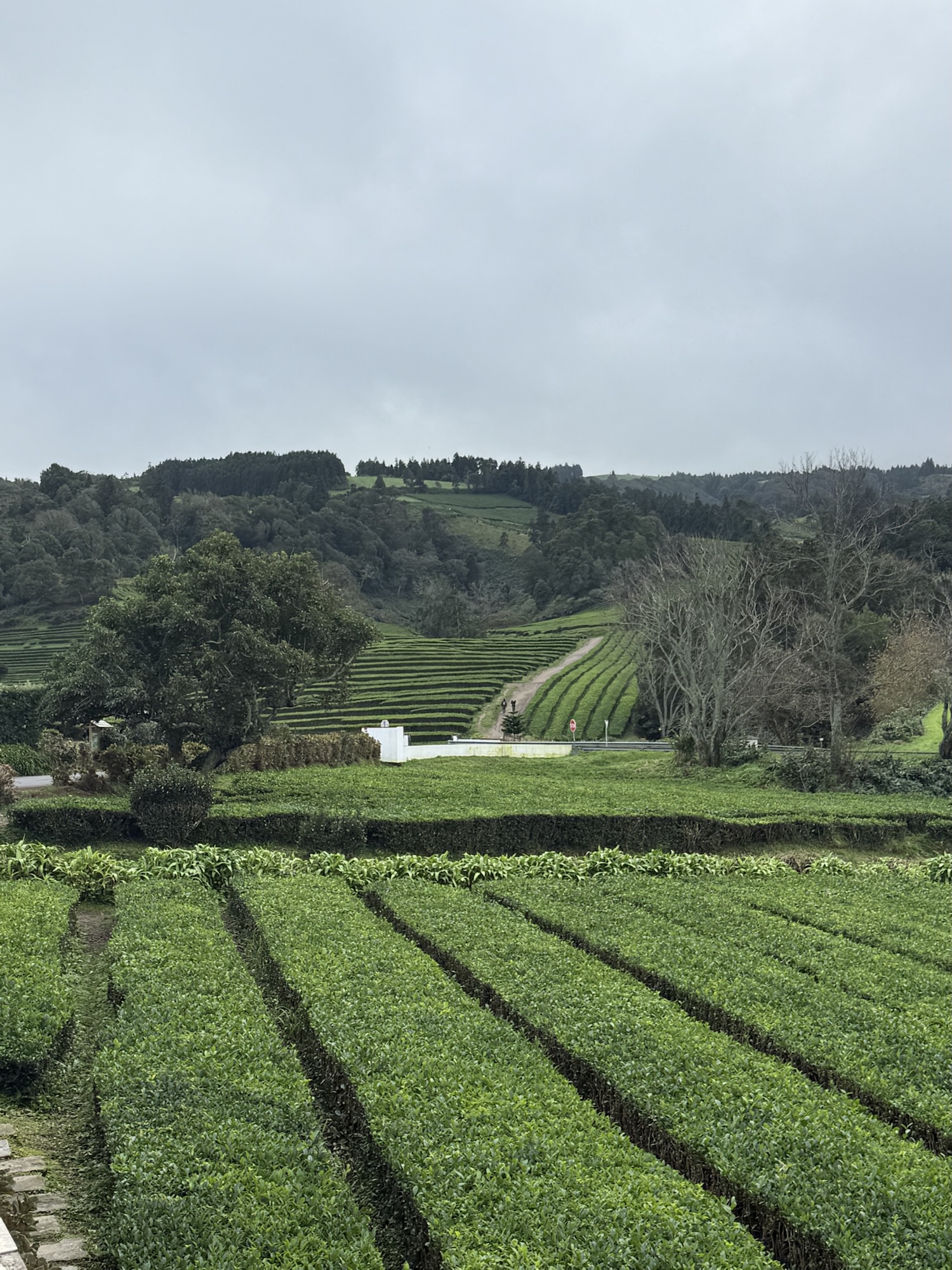
Tea. Not my thing, but I appreciate the tidy rows of plants

Another observation about the Azorean towns: it feels like each village was laid out with the impression that space was at a premium. Roads are often only a few inches wider than cars, with houses built right onto the street on either side. Cross streets have such severe angles and buildings on the corners that there are mirrors set up to help motorists see oncoming traffic. It isn’t busy, so that takes some stress off, but I wouldn’t say this is entry-level driving, either. And the real irony is that most of the island isn’t developed! The cities could be spaced out a bit more without much trouble, but it seems that the mainland sensibilities carried over to Azorean roads, as well.
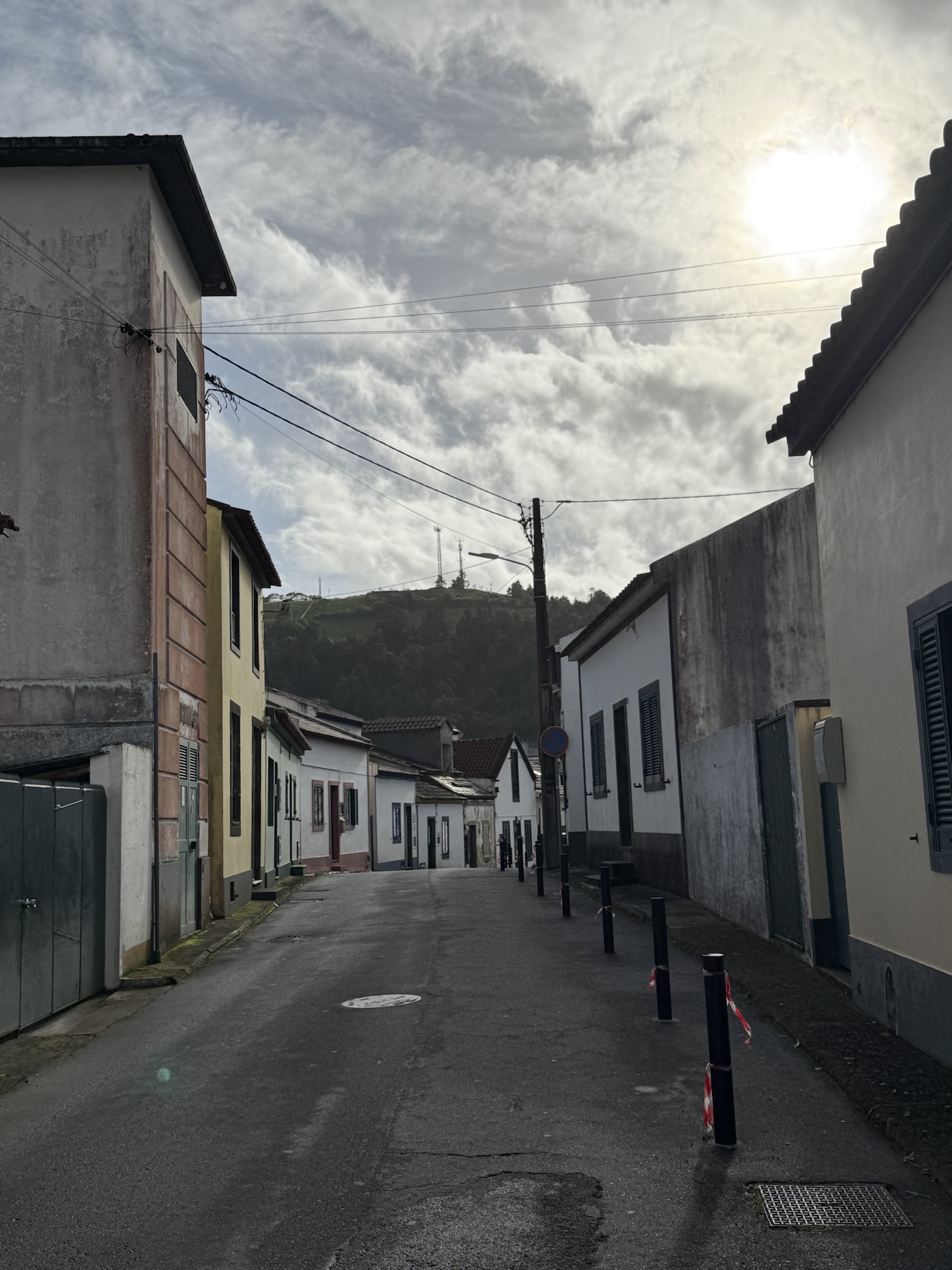
This road is the width of one car plus about 12” – the poles prevent people from parking, which would fully block the street.

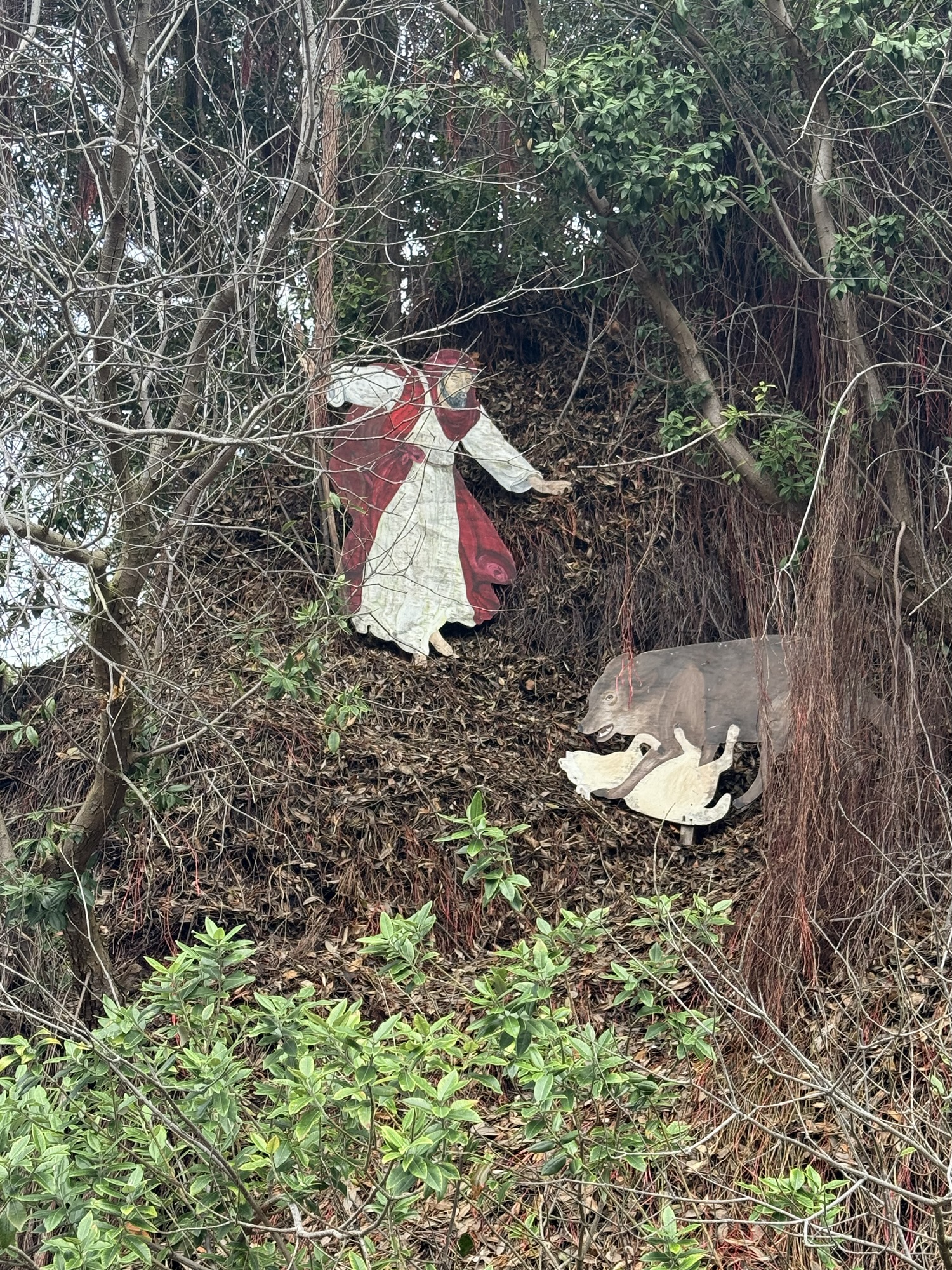
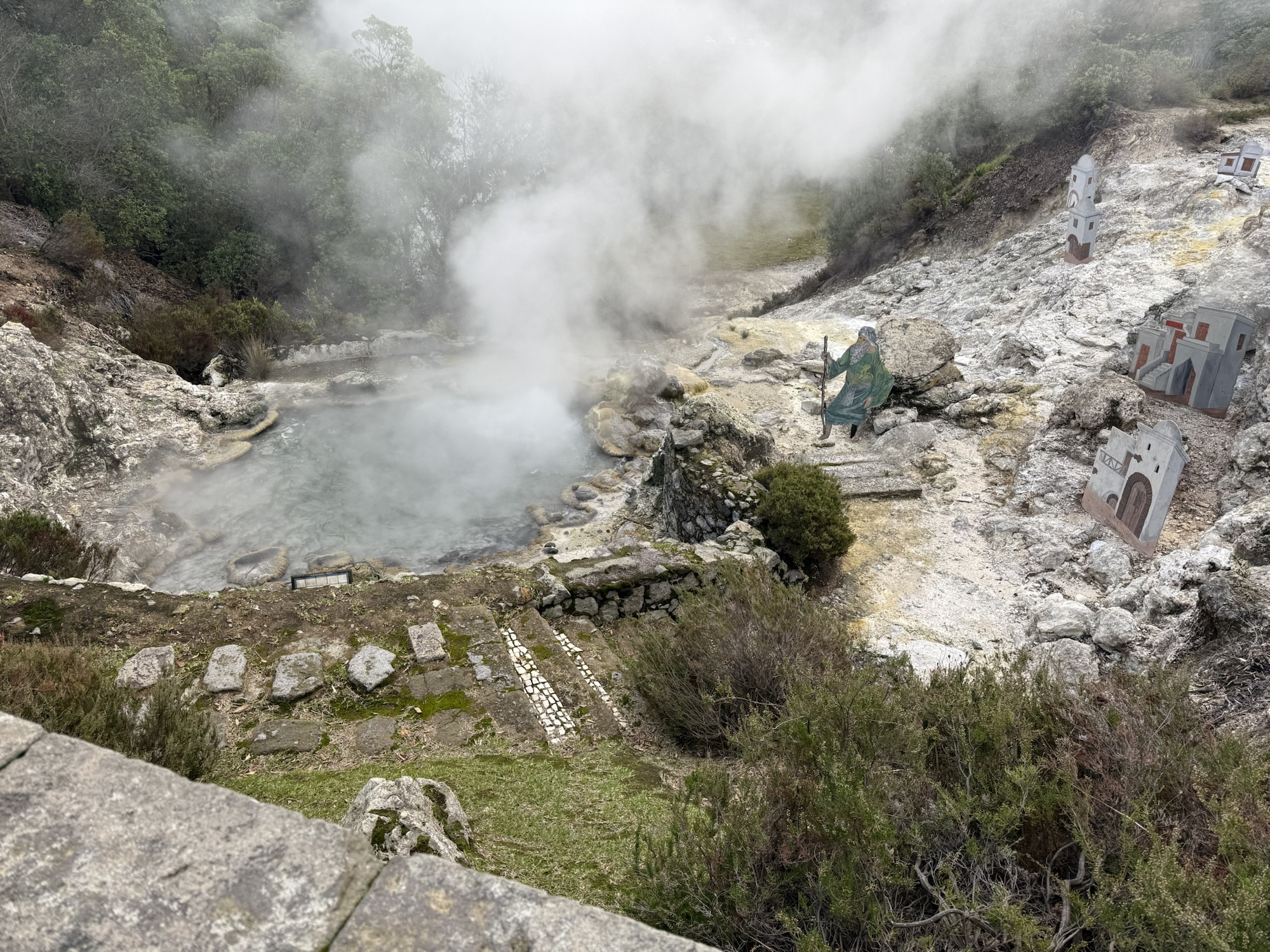
We arrived in the village of Furnas and made our way over to Caldeiras – a region of geothermal activity. Mud pots, bubbling pools of water, steaming sulphur…and a 2-dimensional Christmas tableau. Why? I don’t know, but this turned out to be one of the things I enjoyed most about this trip. For some reason, the idea that some locals walk out over the angry, bubbling earth to stake up some sheep and 3 kings statues strikes me as exceptionally odd. And why is this – of all places – where the city leaders felt was most appropriate for this display? Why not one of the ample green squares in town? Or literally any other place that doesn’t have the potential to kill your volunteers? I have to admit, I thought about this a lot the next morning during a wind storm – were the sheep staked down well enough to avoid becoming a 2D mutton stew?
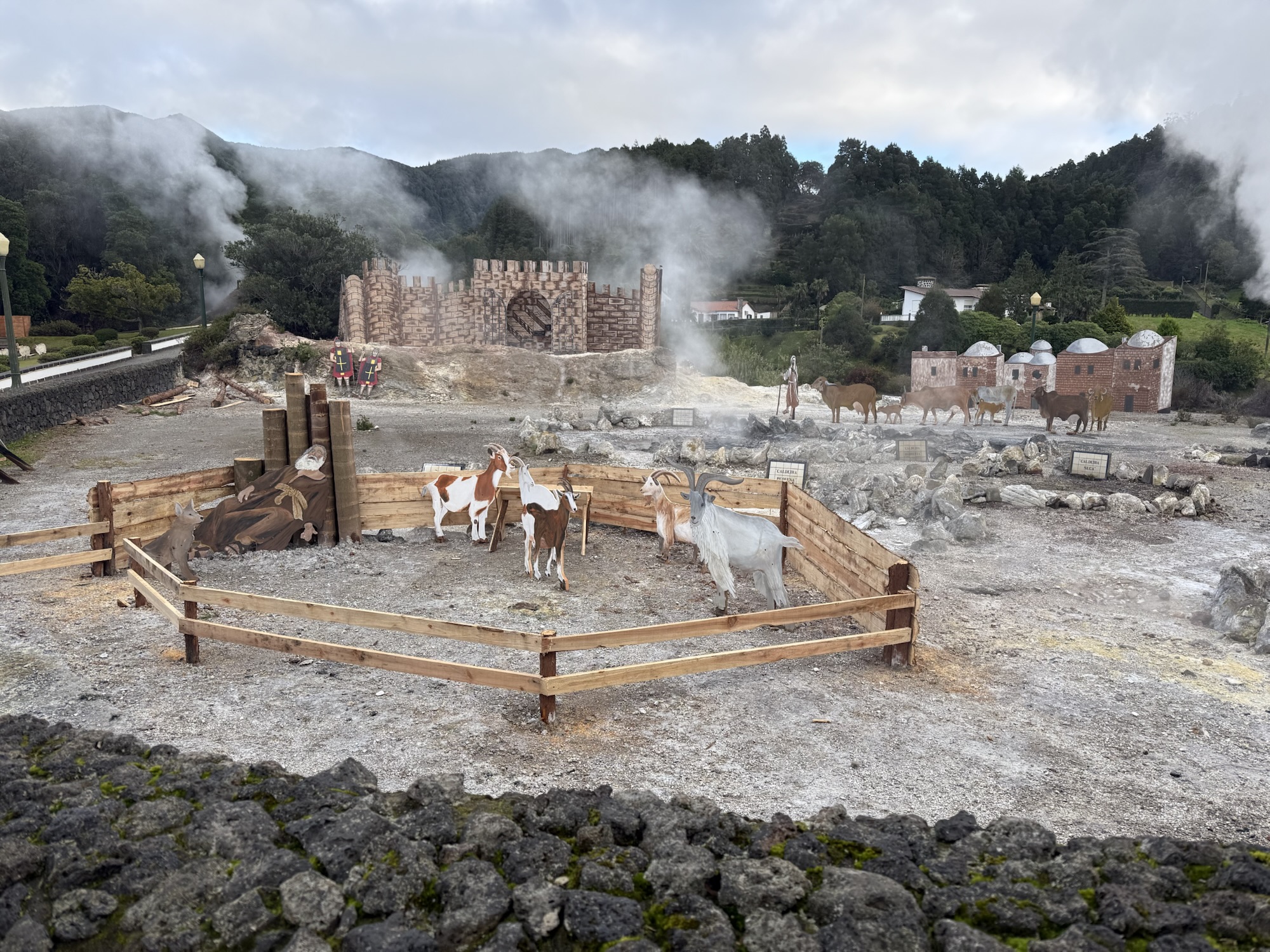
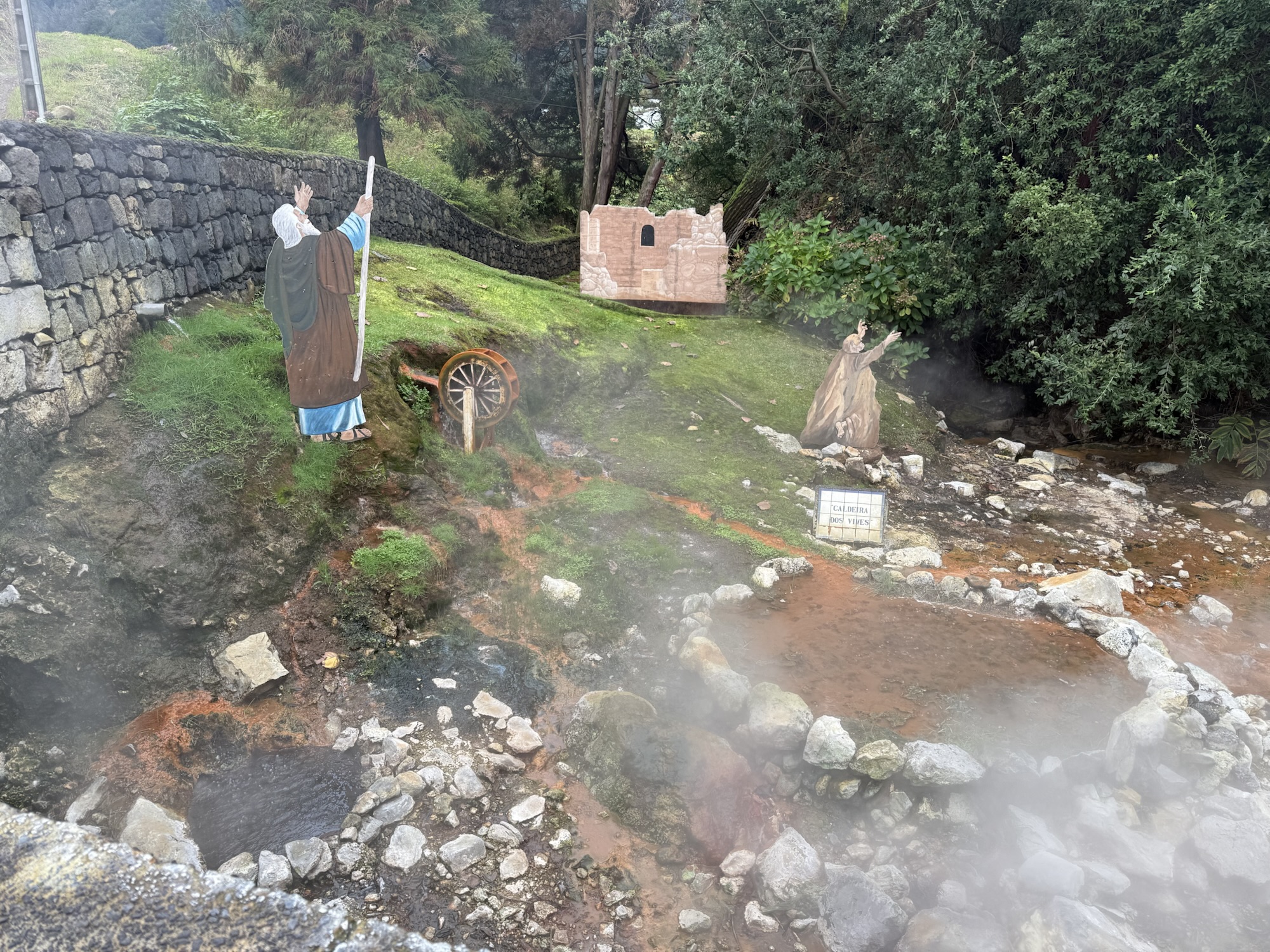
I’m no expert on the Christmas story, but this seems like a rather graphic and violent scene for a family-friendly display unless it represents a pivotal moment in the storytelling.
WHY would anybody want to put a statue out there? That ground clearly says “danger”

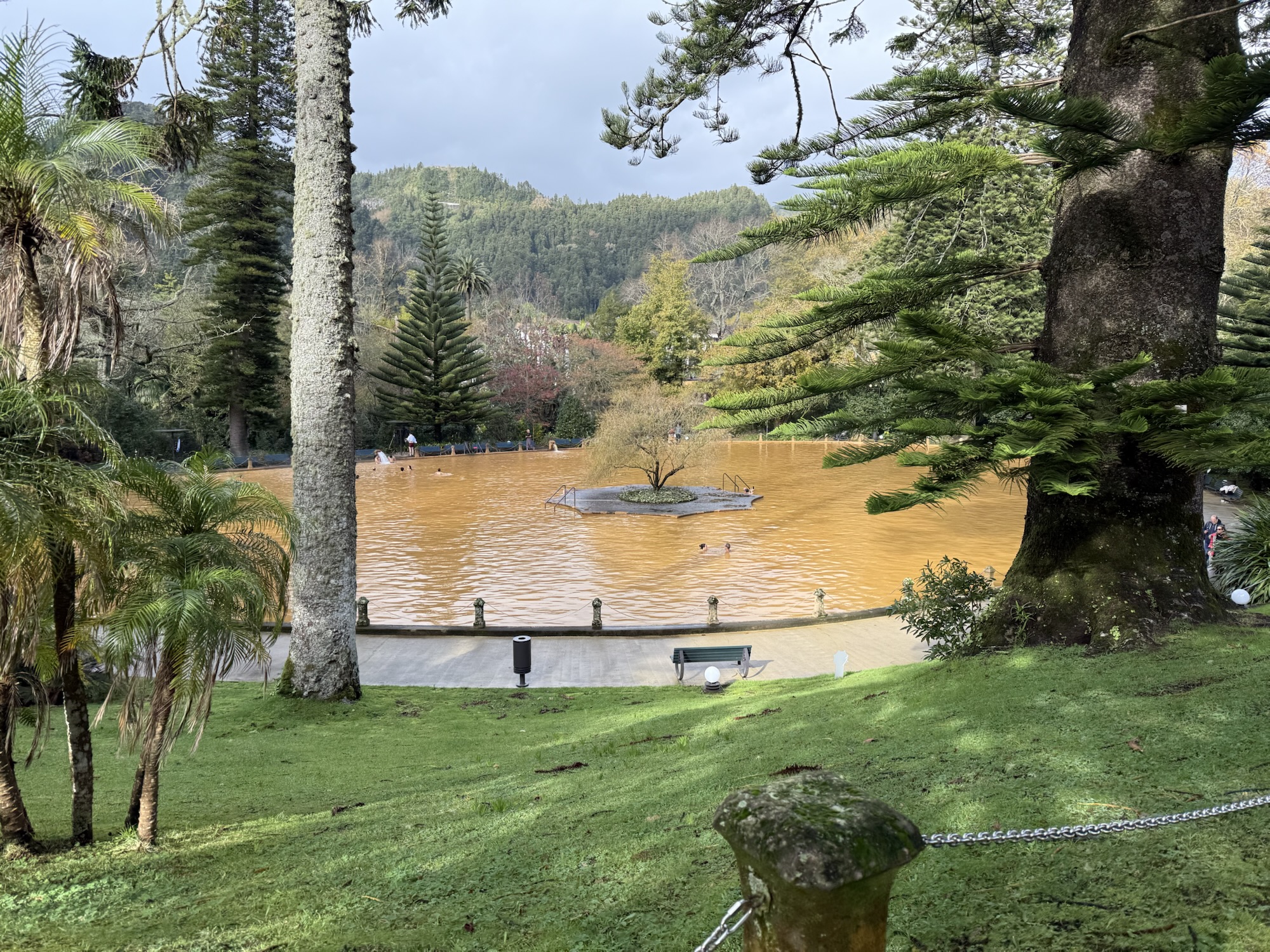
After a thoroughly enjoyable meander around these mud pots, we checked into our hotel. Terra Nostra Garden Hotel is in the Terra Nostra garden, and it features a large hot spring-fed pool and two smaller hot spring-fed jacuzzis. Hotel guests can access the hot pools even when the garden is closed to the public, so you can see the appeal.

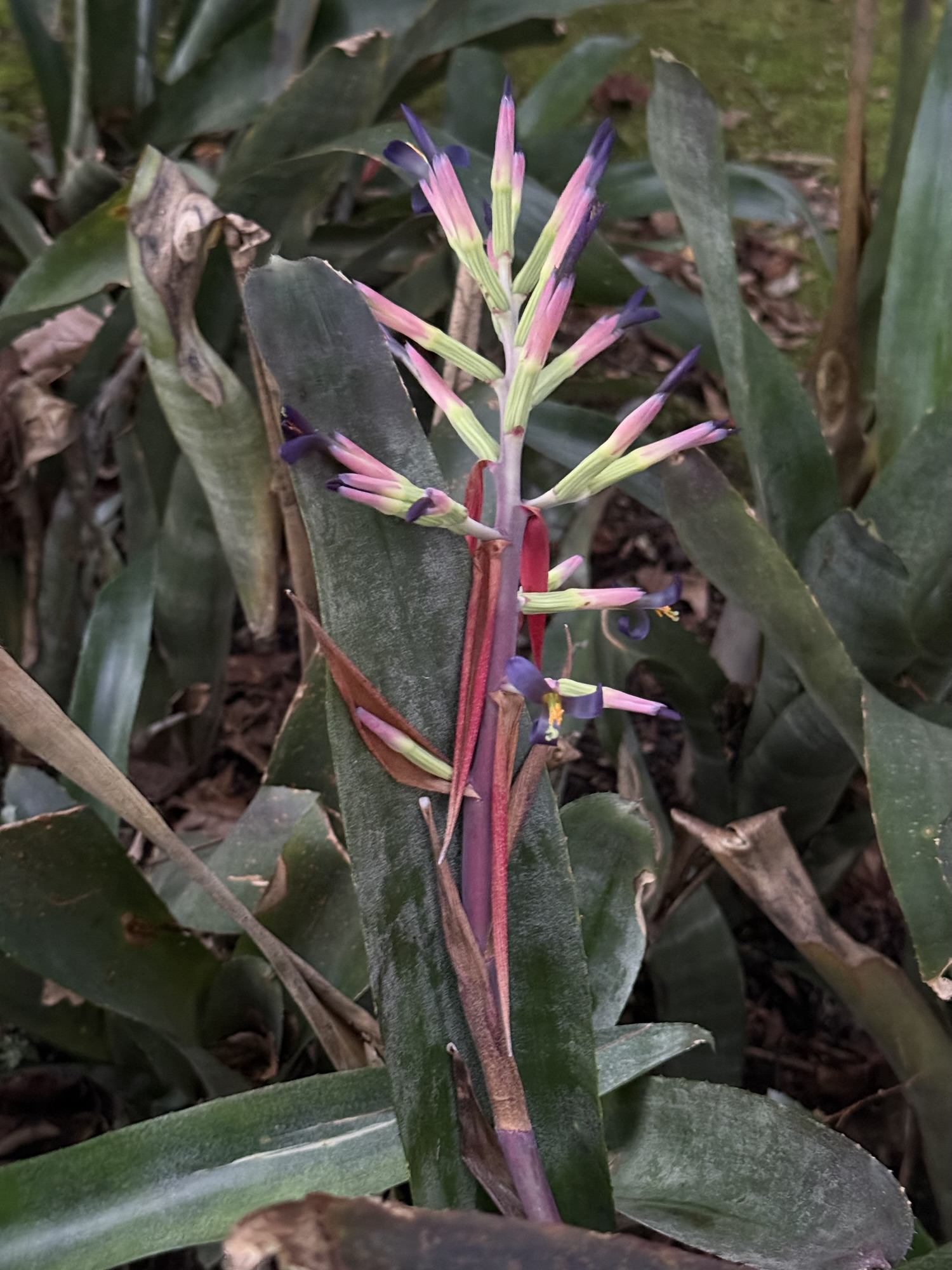
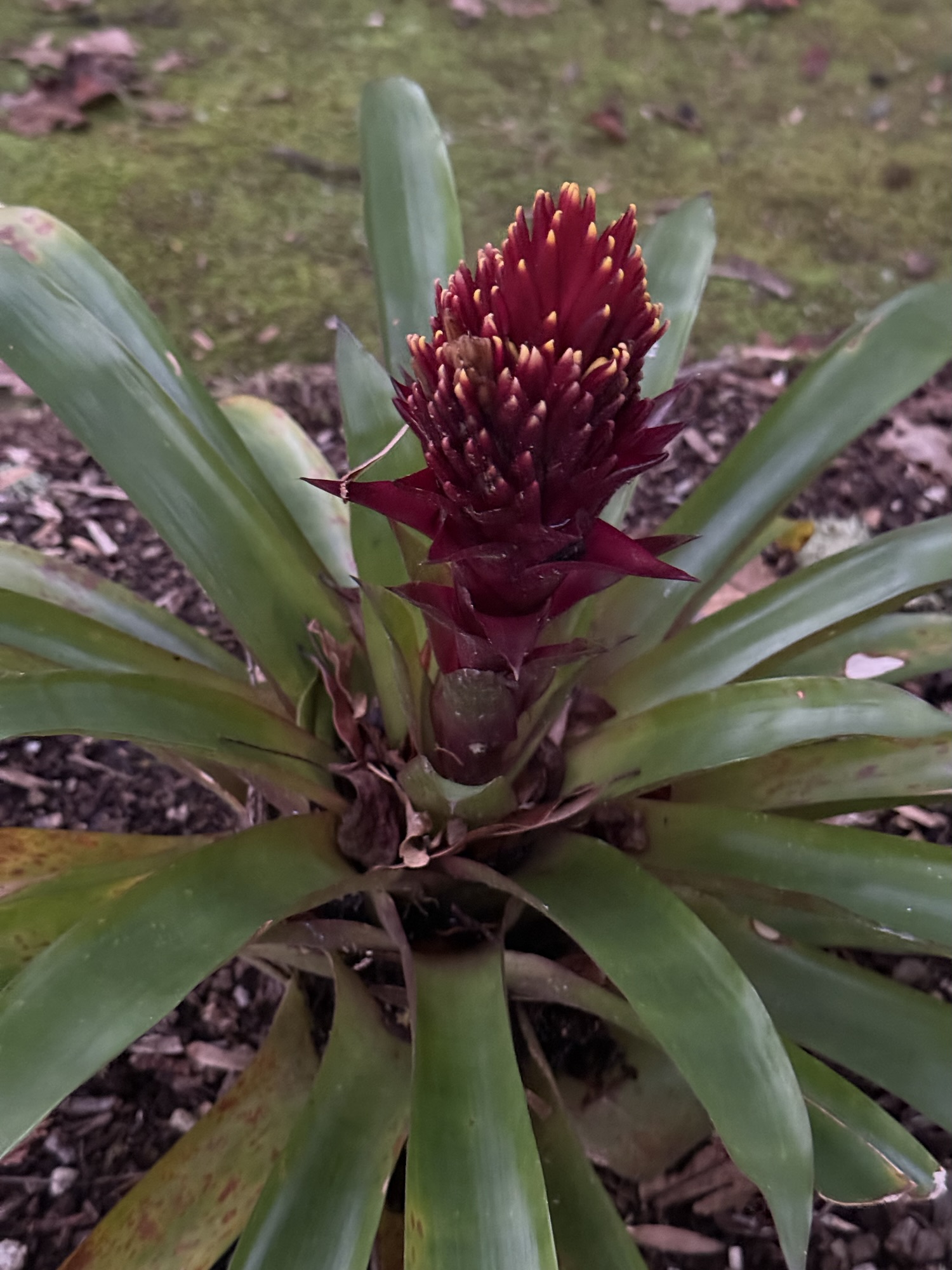
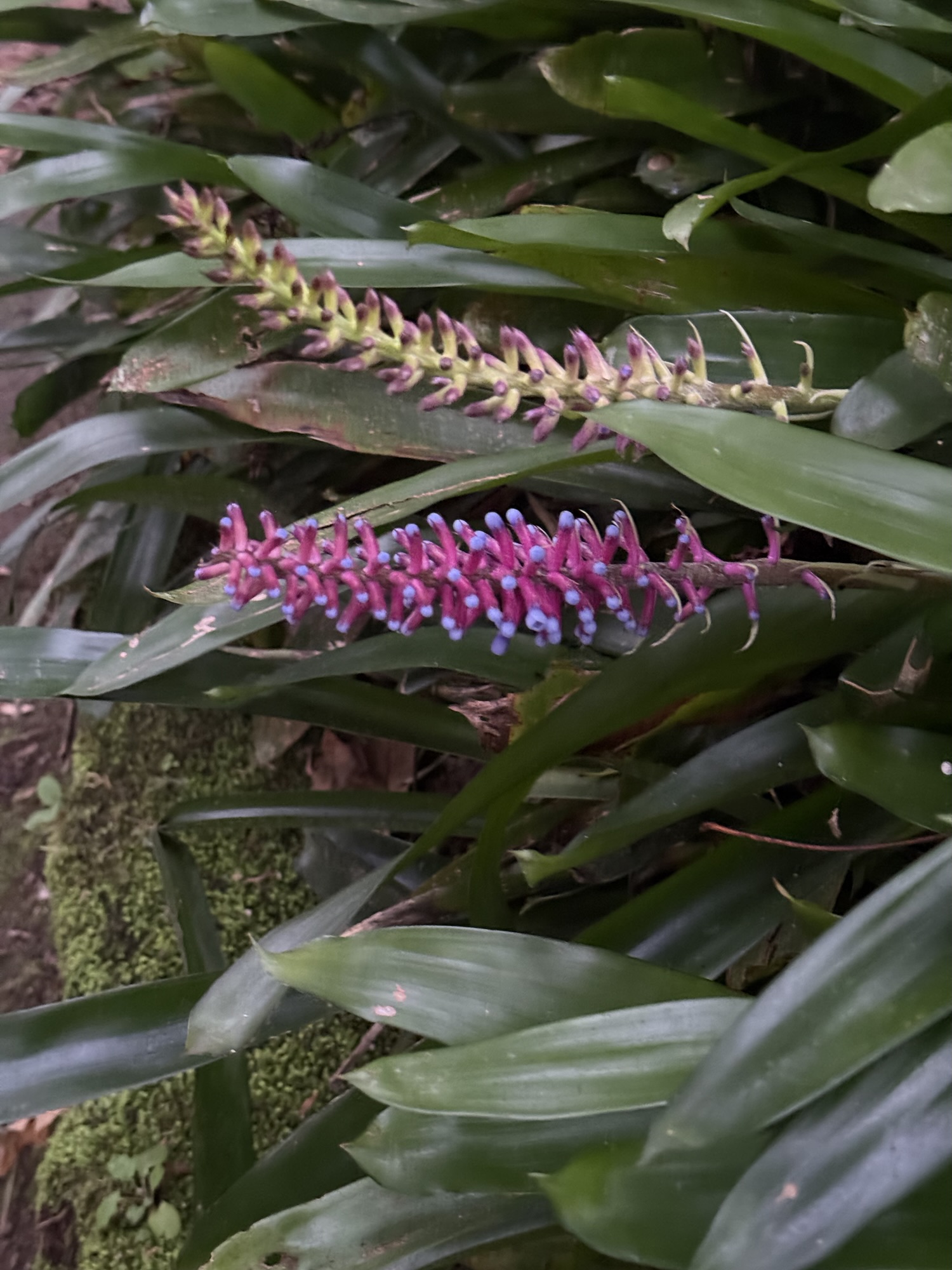
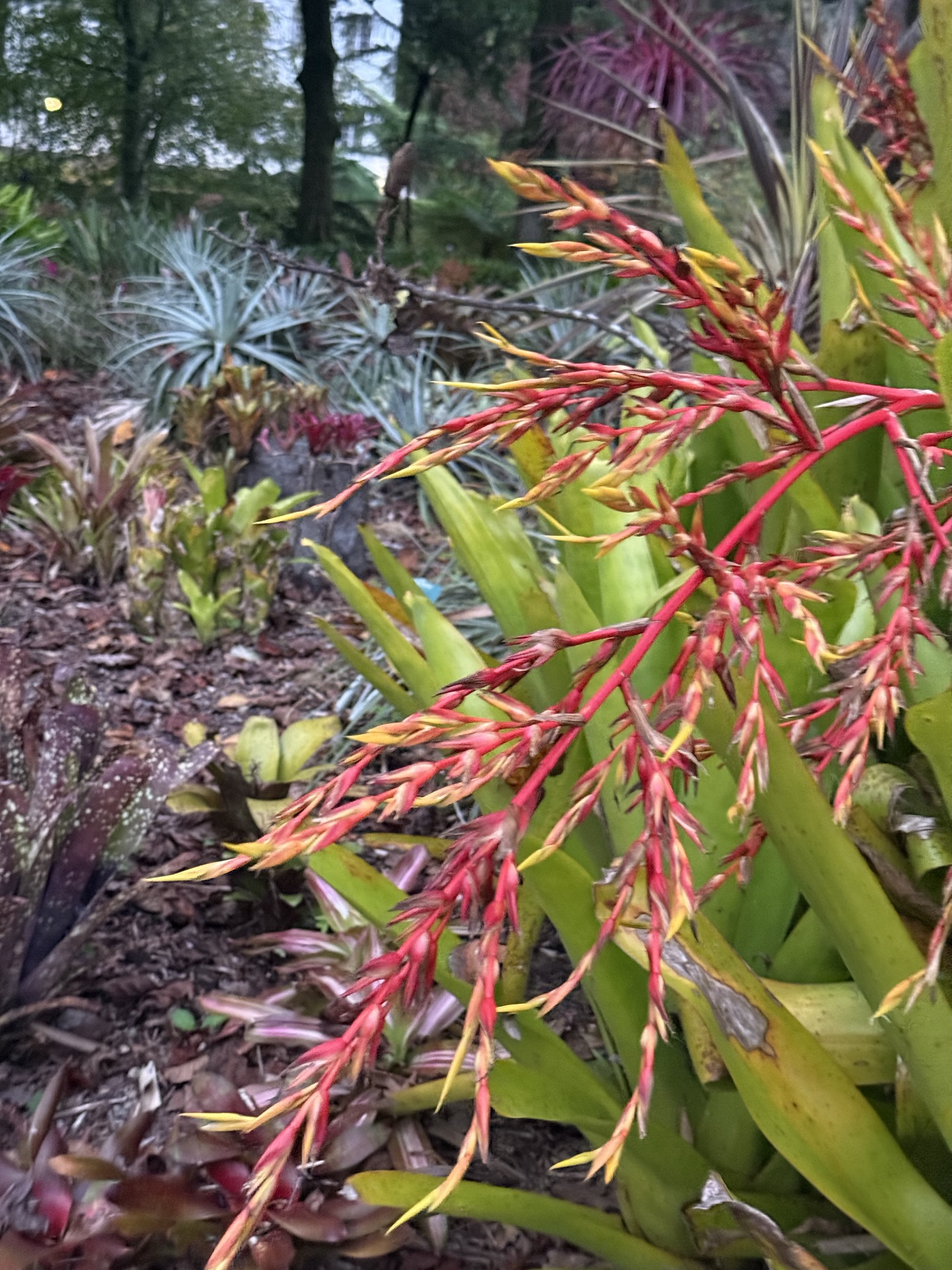
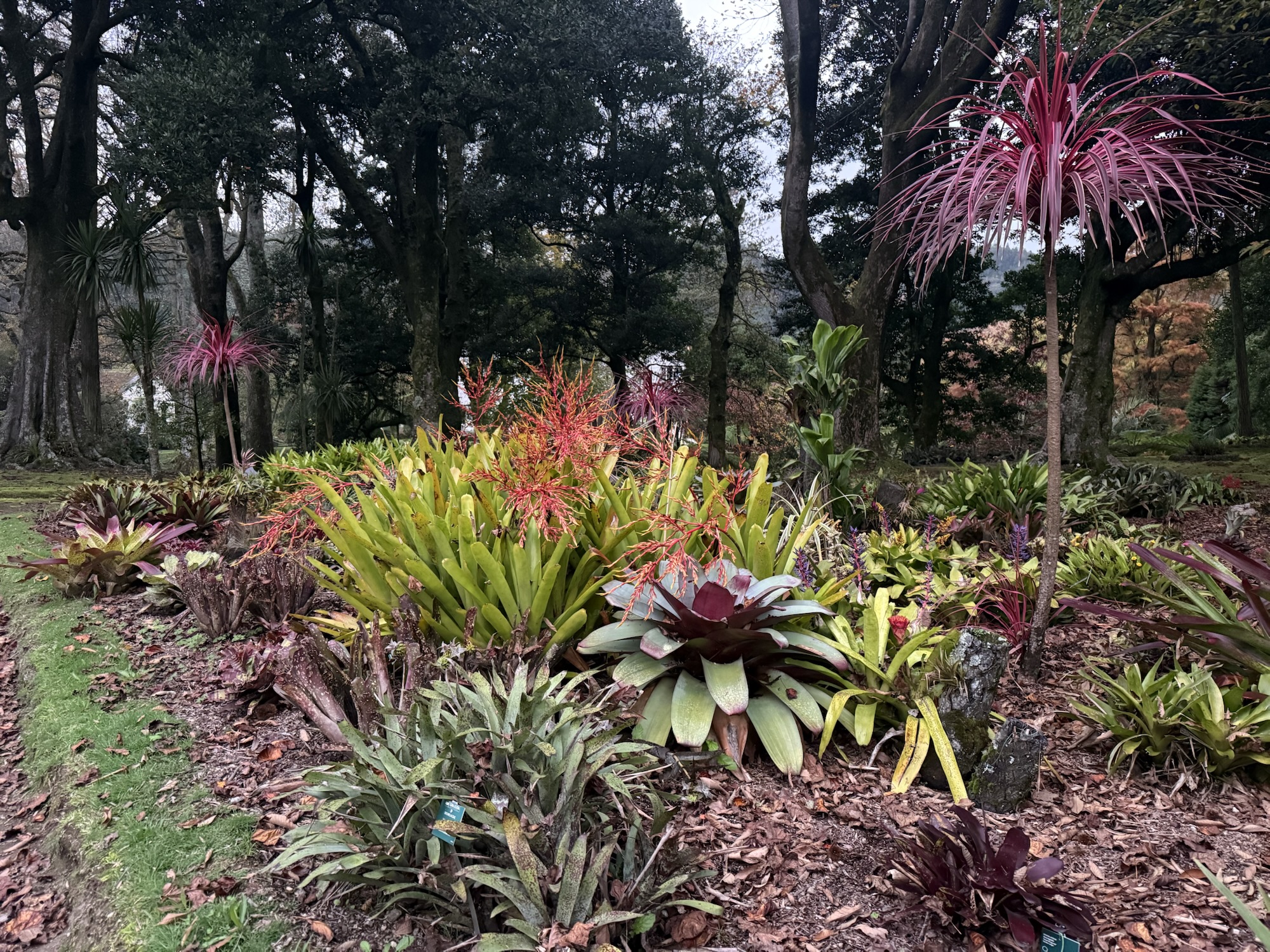
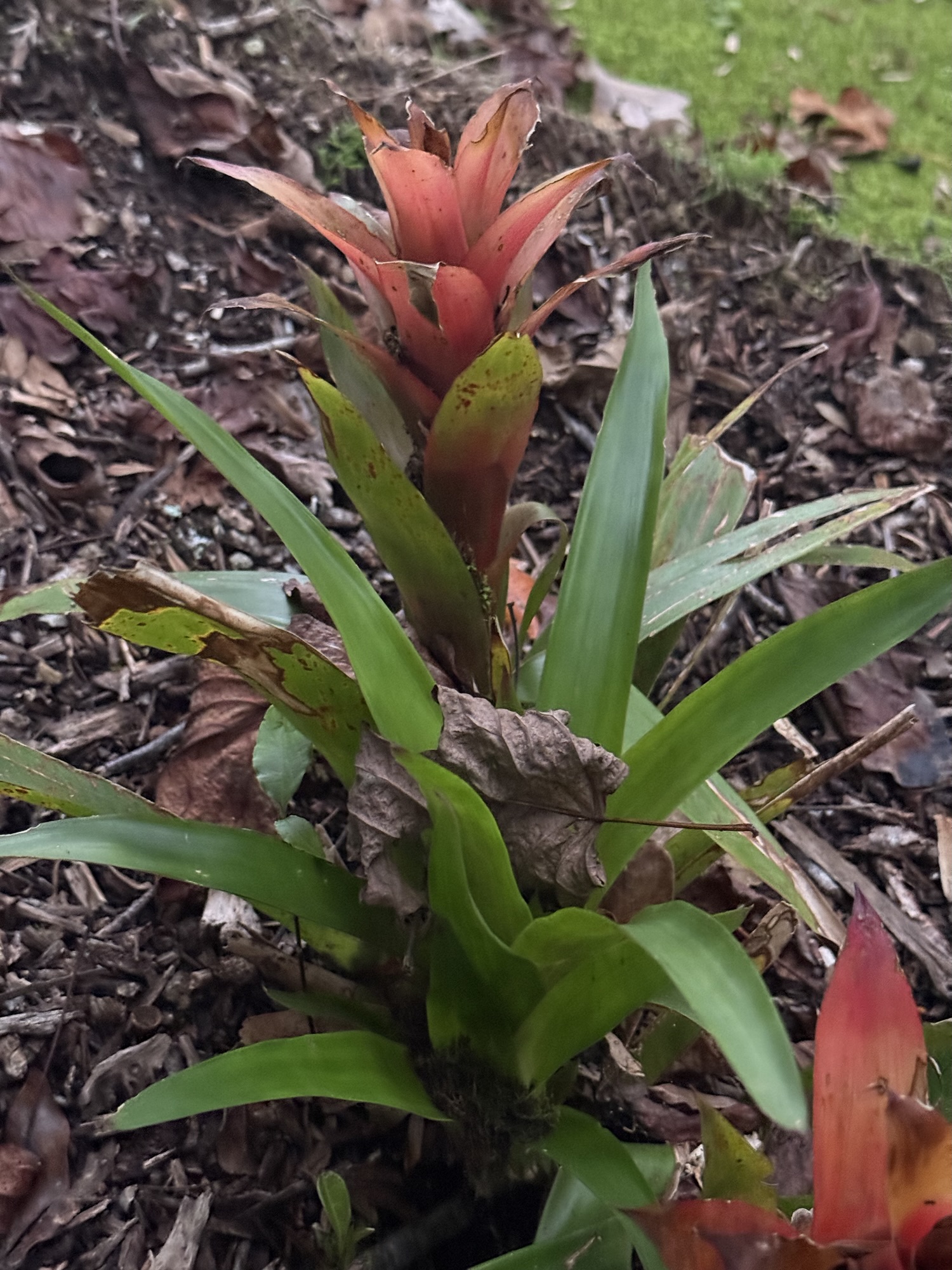
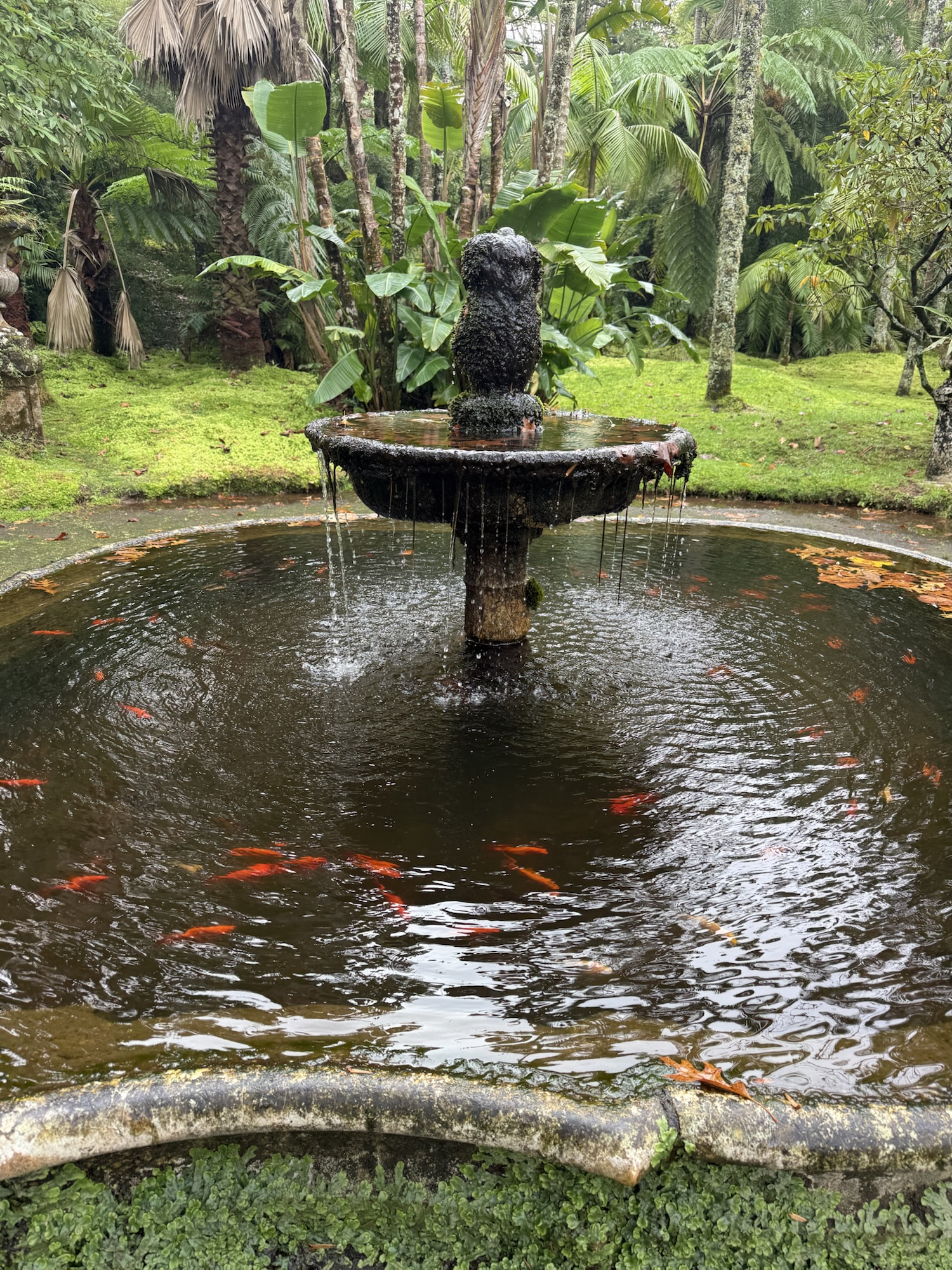
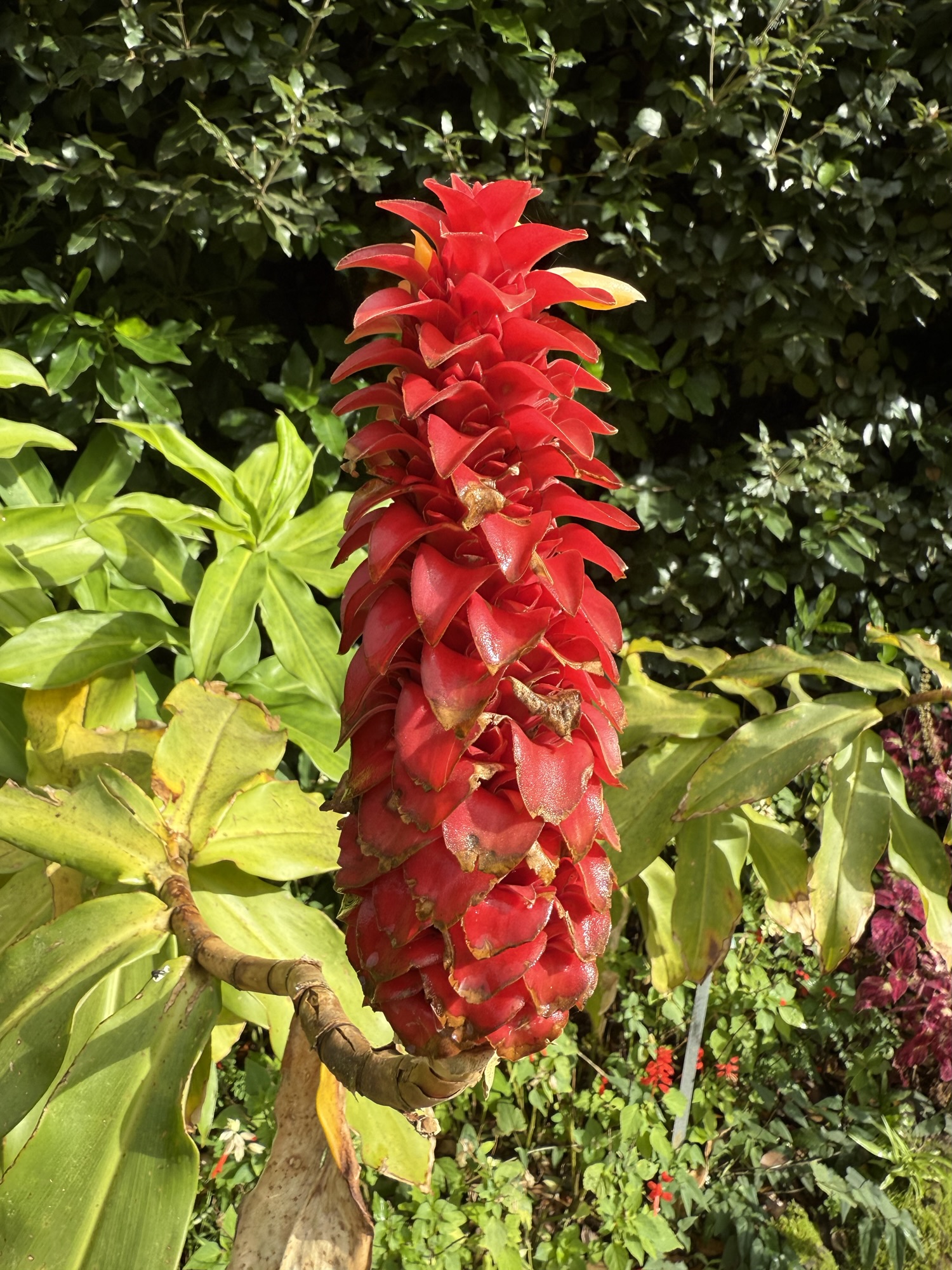
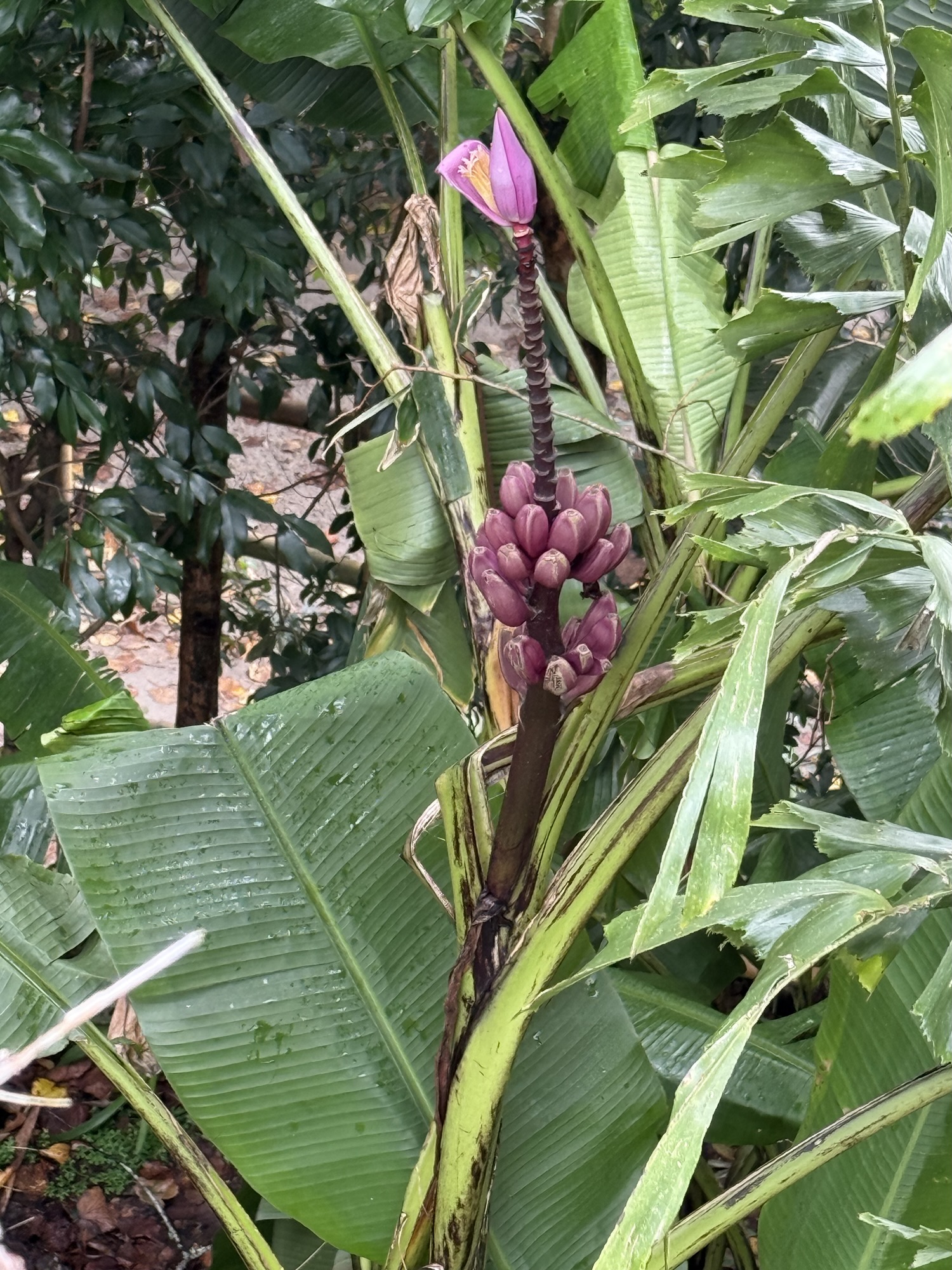
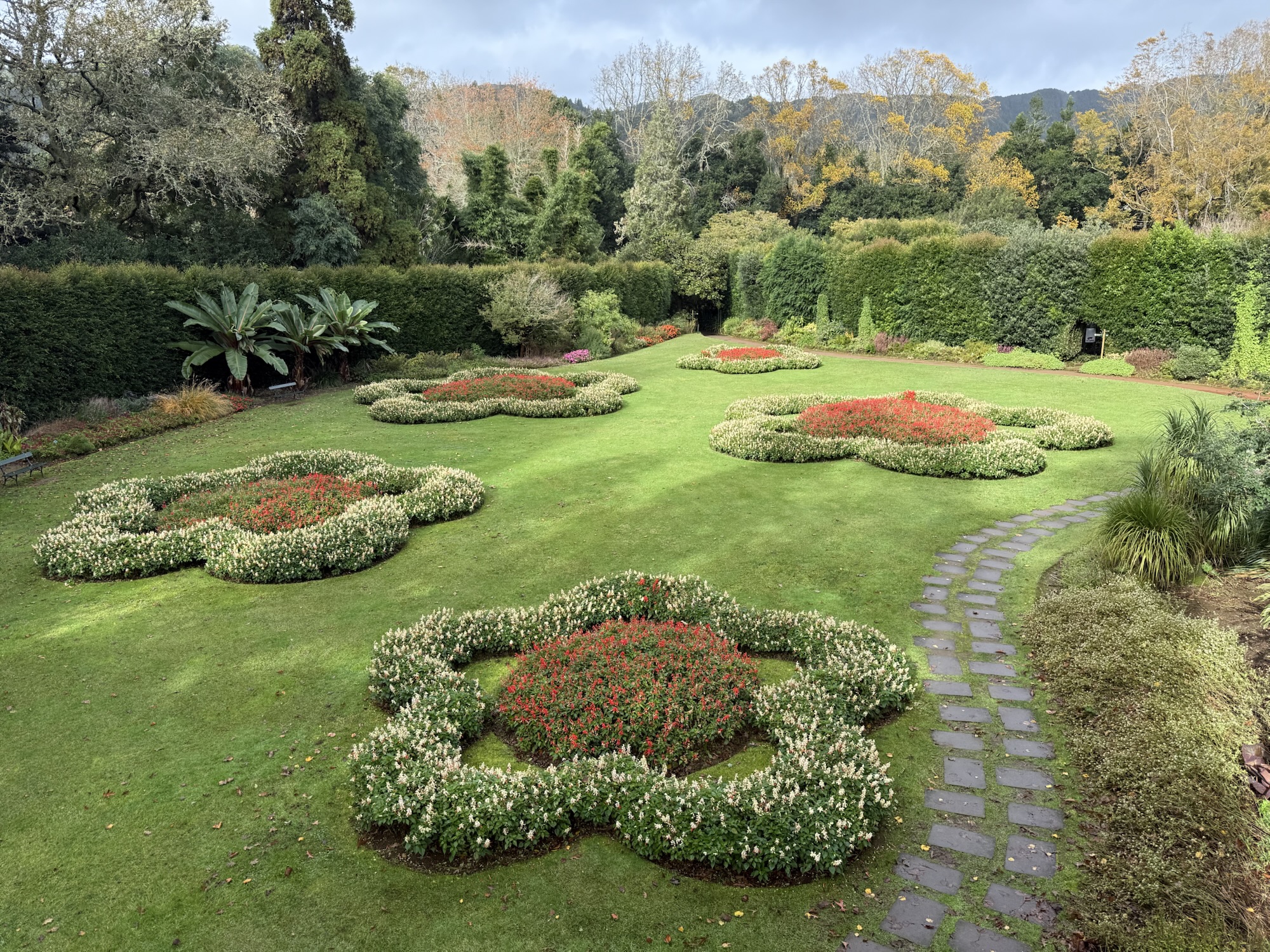
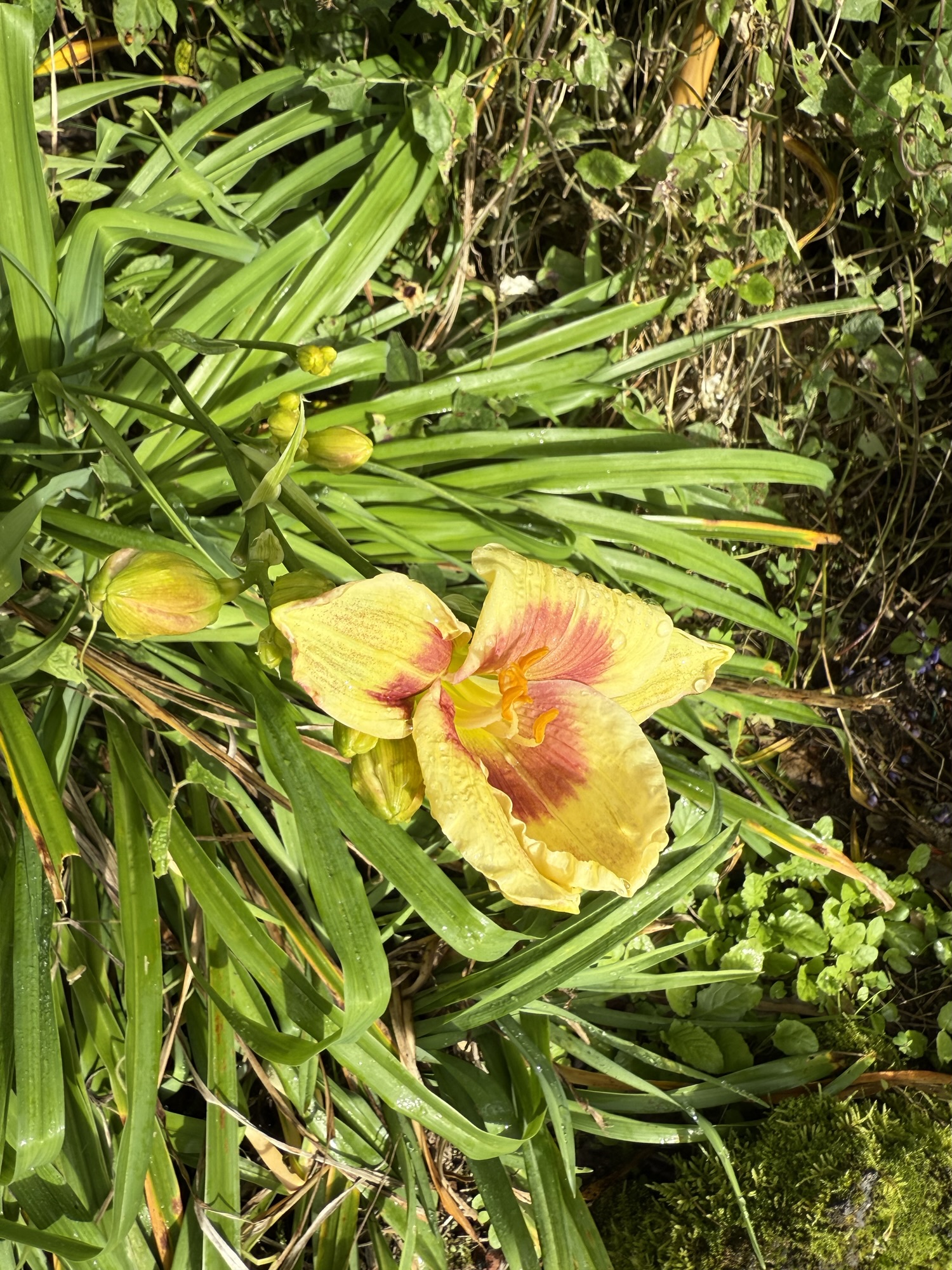
After unpacking, we walked around the gardens a bit to see the Bromeliad collection. The garden is beautifully maintained – landscaped, without feeling manicured.
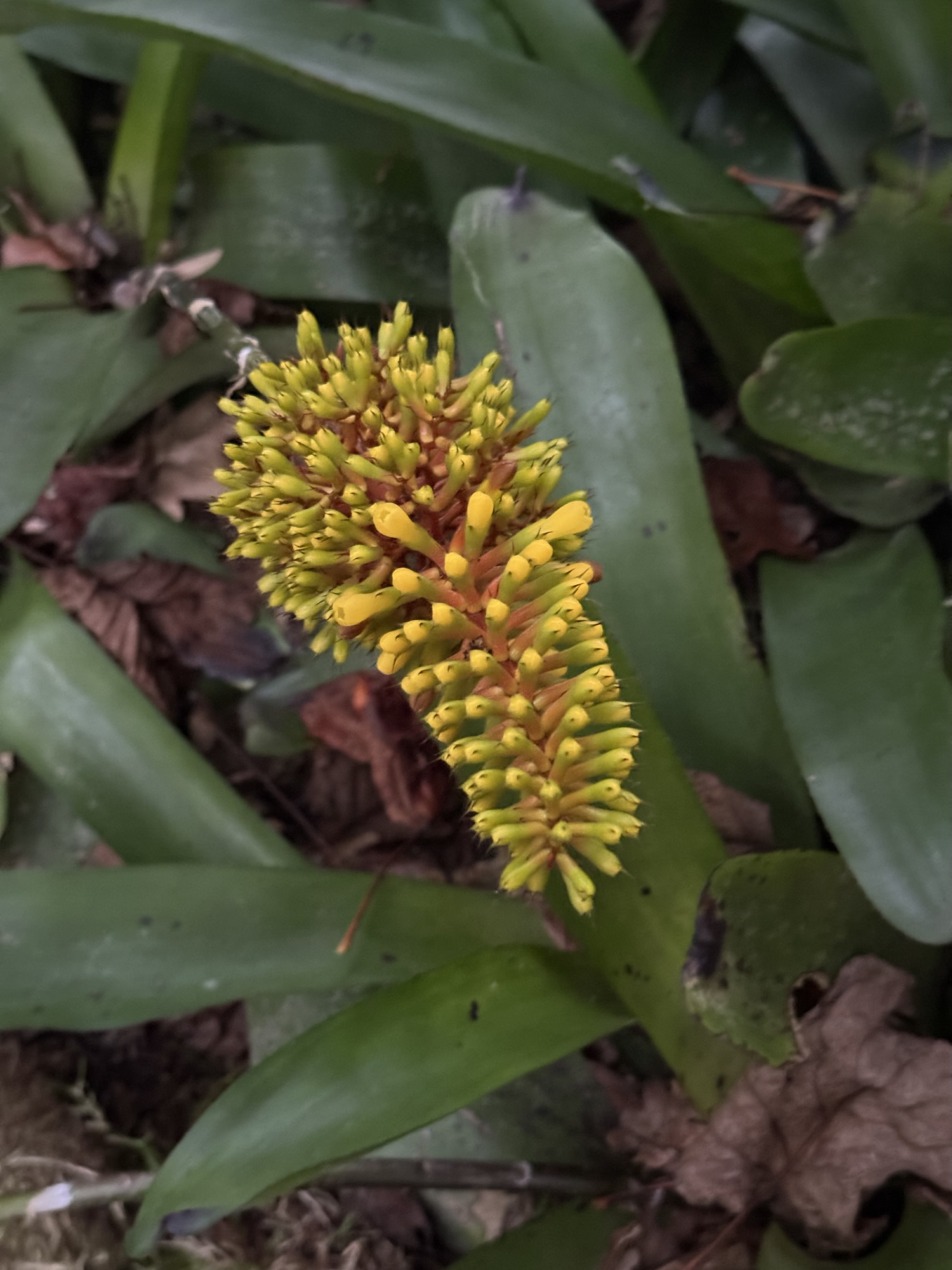
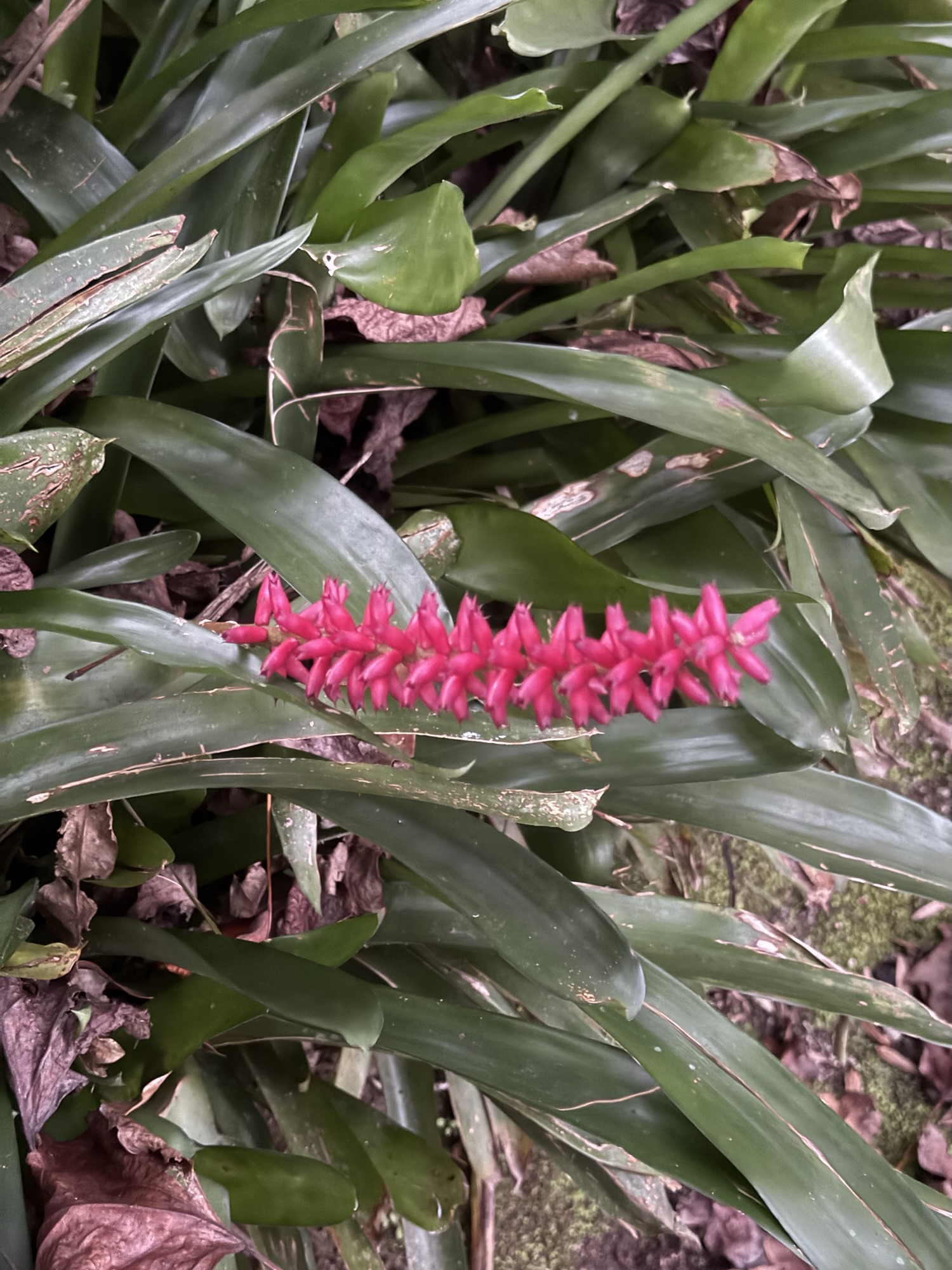
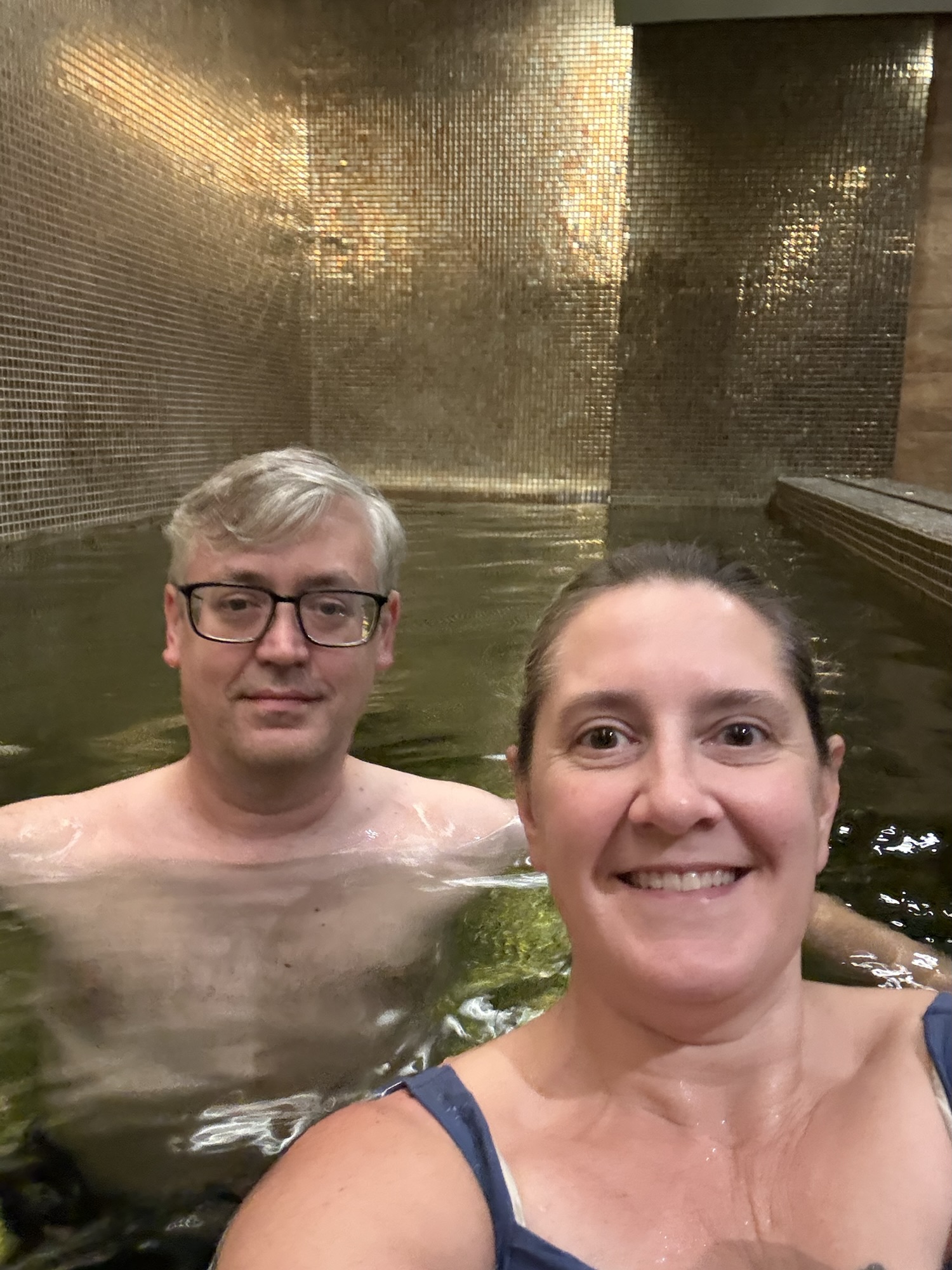
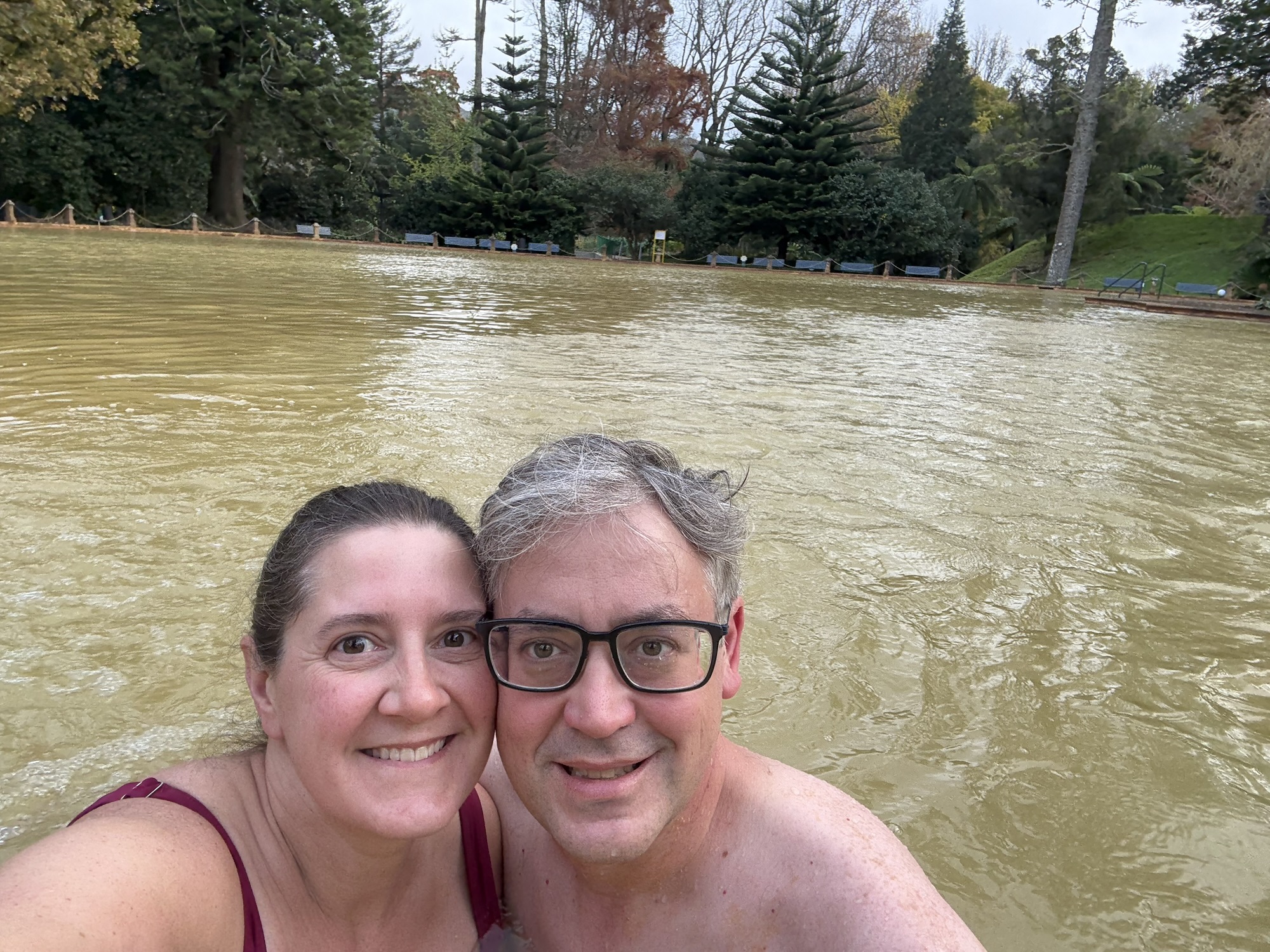
The large pool is very large – 100 people are allowed at a time. It has a lot of dissolved iron in the water, so it’s got a brown color and smells like both sulfur and wet pennies, but it is also a lovely ~100ºF temperature. We also enjoyed the smaller hot pools (103ºF-ish), although it was too dark by the time we got in them to photograph them.
We had a day of sightseeing planned for Monday, but decided to skip all of it and see how successful we could be at maximizing relaxation. Not to brag, but I think we did an admirable job!

After a leisurely and late breakfast, we hot the hot pools. It was rainy and windy overnight, but the weather improved enough to make the experience pleasant.
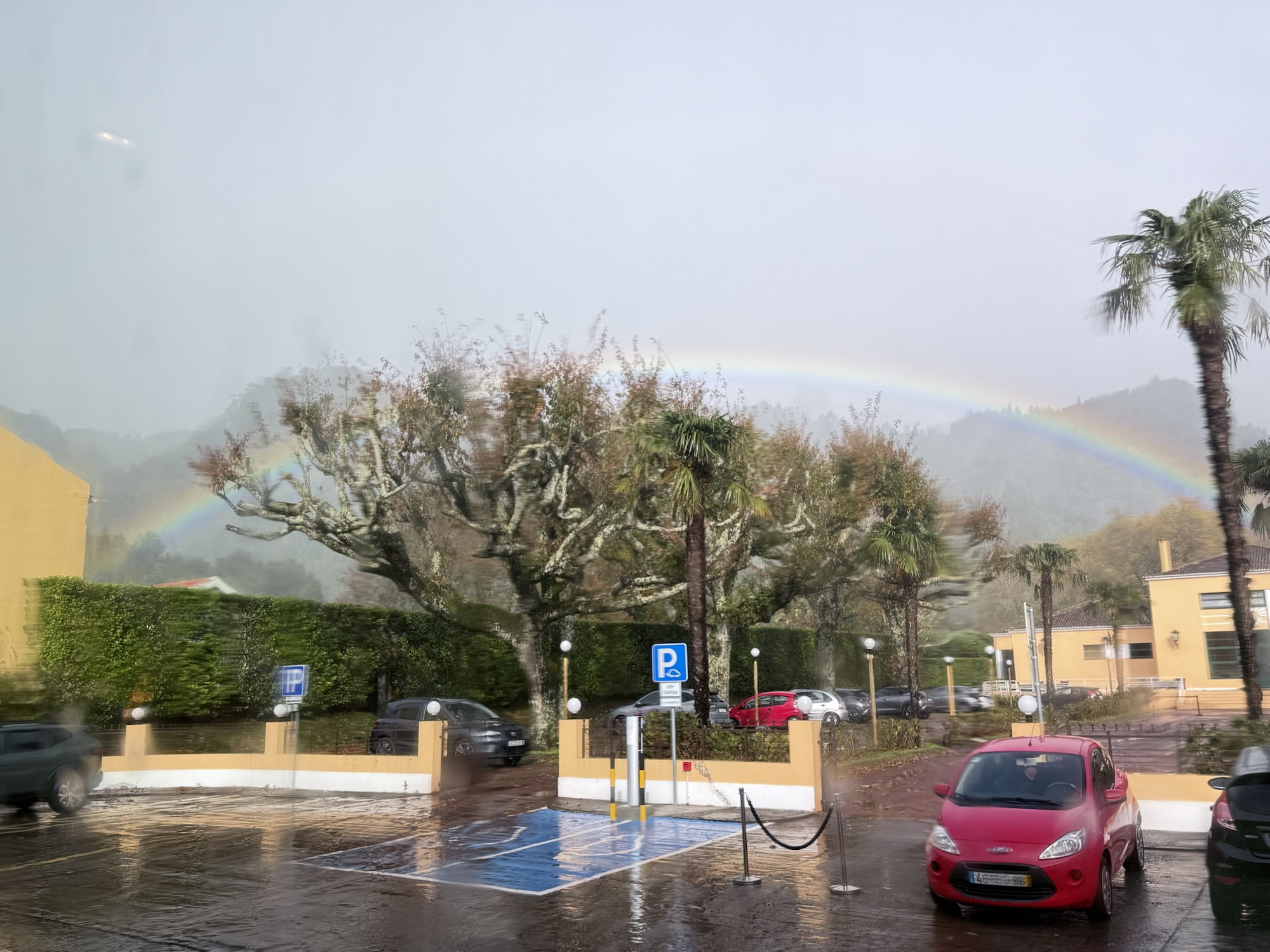
Both ends of a rainbow!

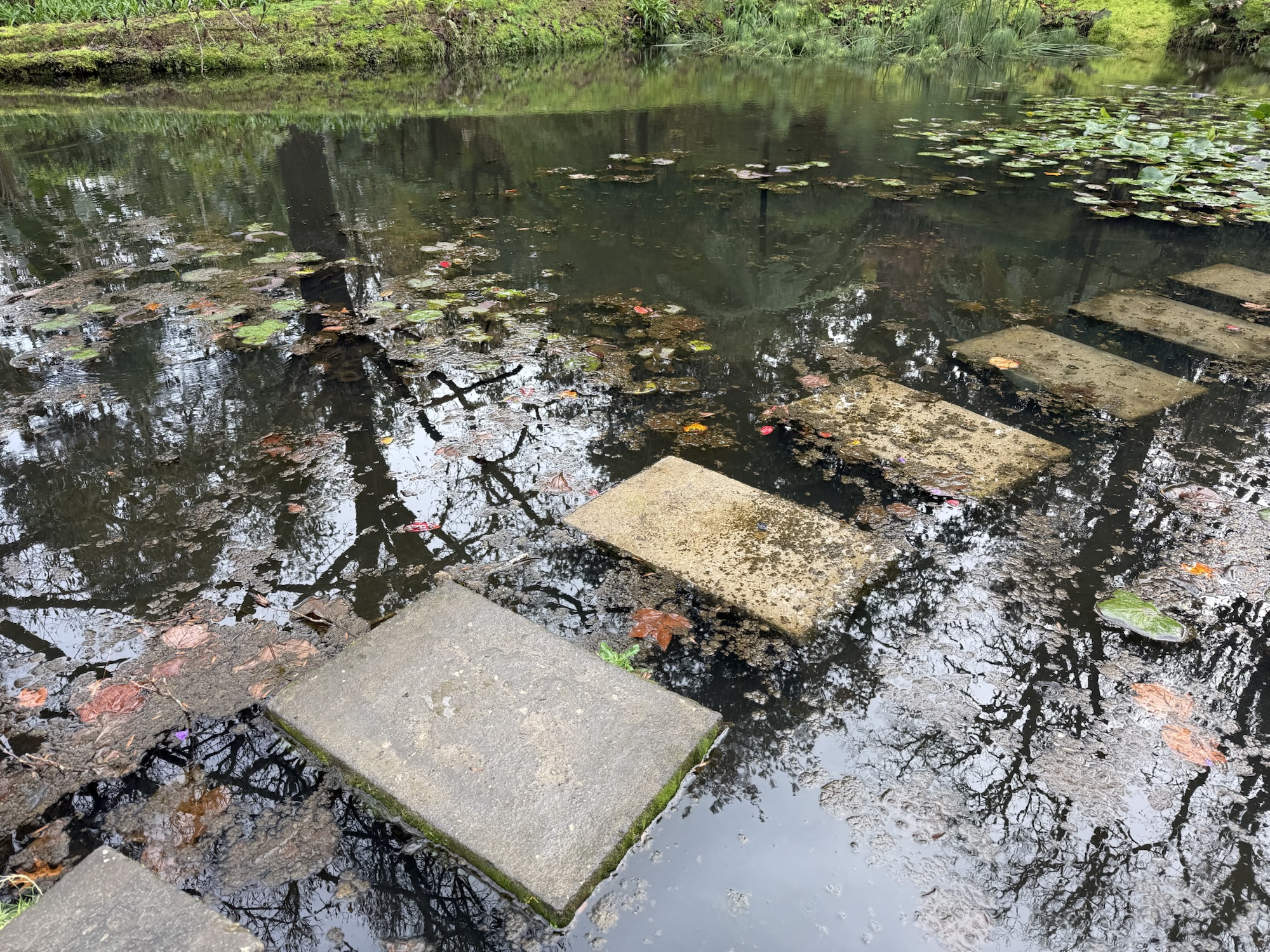
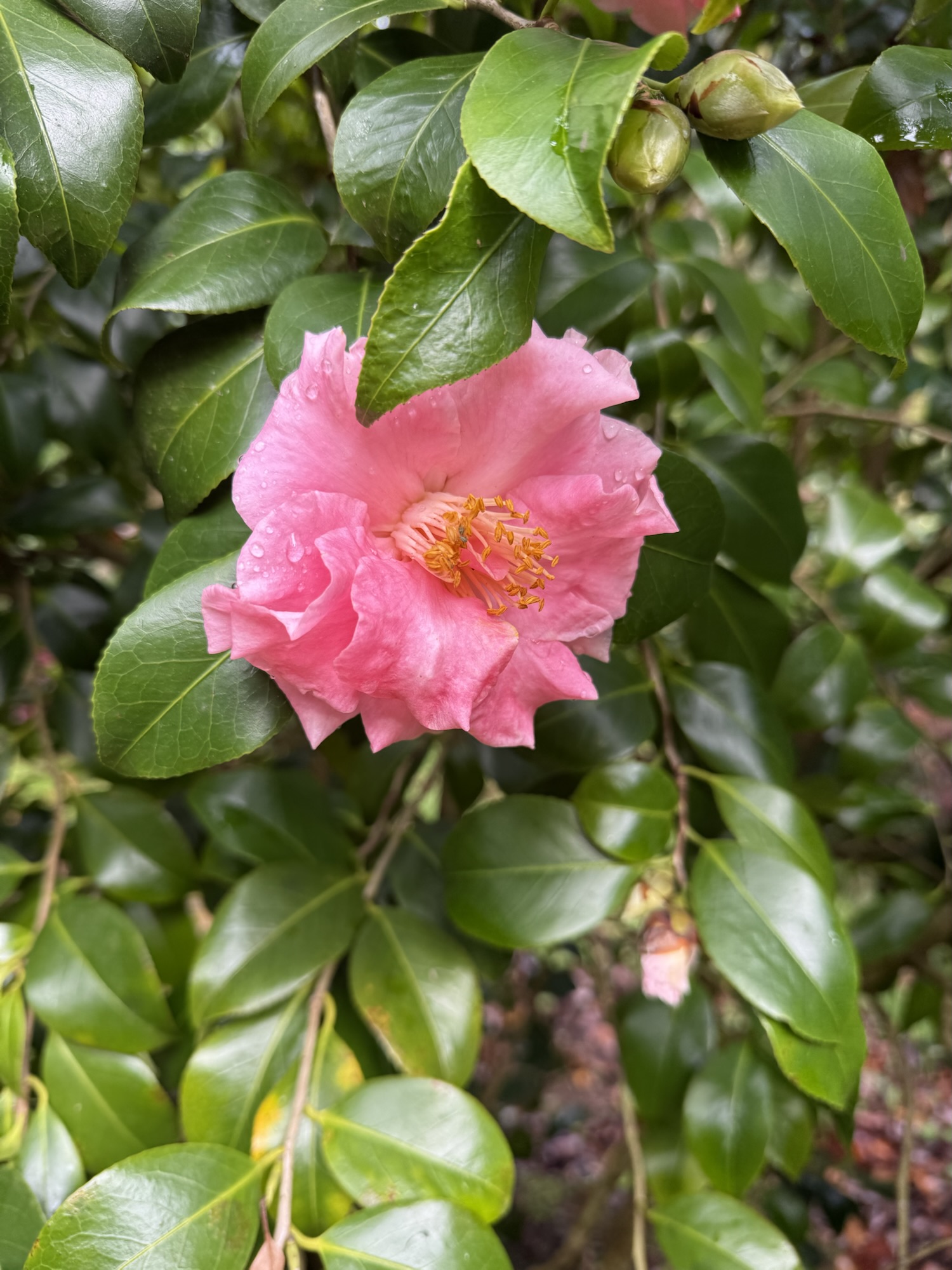
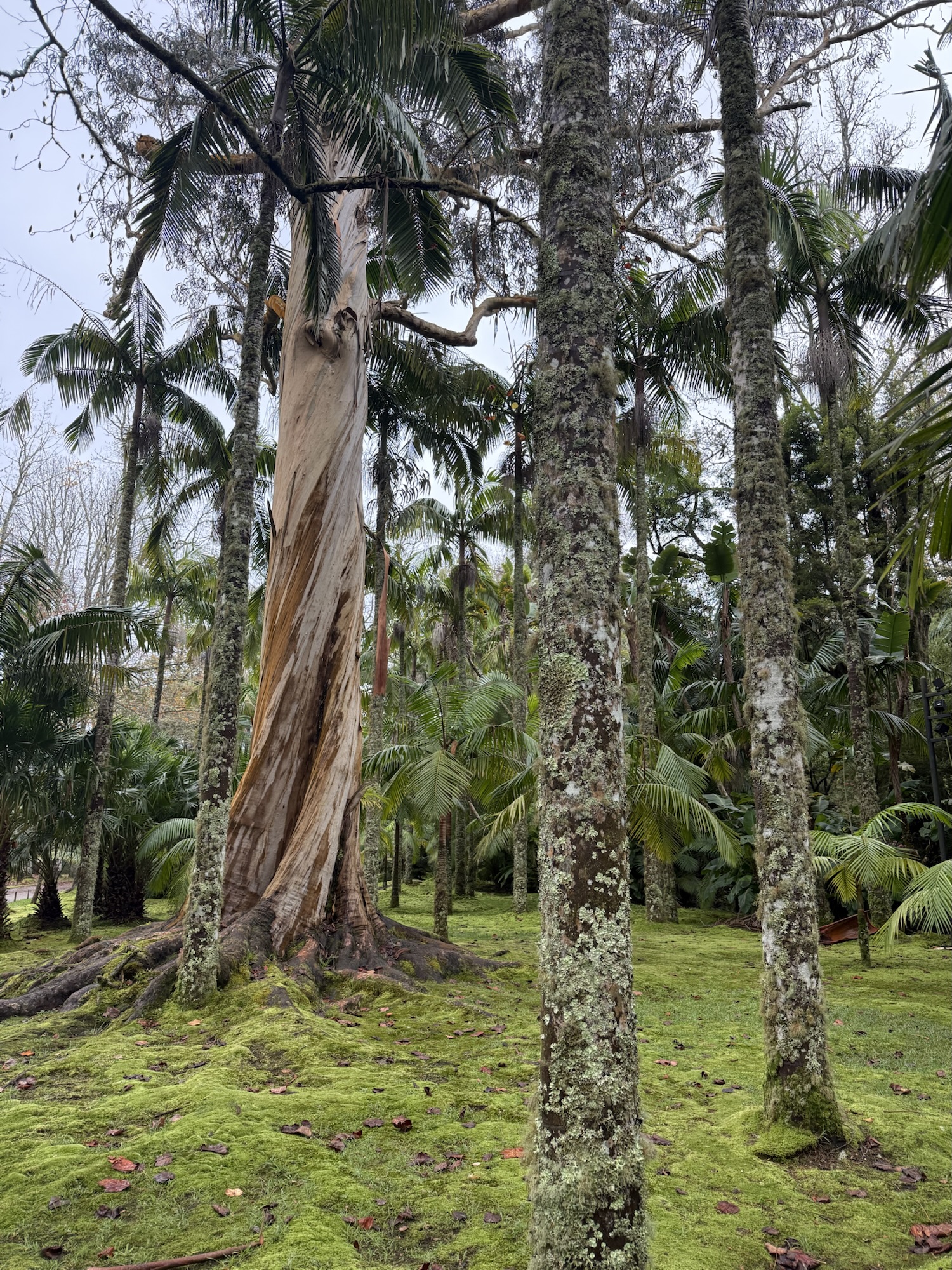
We then walked the rest of the gardens.
We had 2:30 tickets for another set of hot springs just half a mile down the road. Walking here is not for the faint of heart – there is not enough room for a car to pass pedestrians at full speed, and not all cars think slowing down to safely pass is their responsibility. We made it, but the walk was more invigorating than expected! Nevertheless, it was worthwhile for the springs that awaited us.

Poça da Bona Beija has 4 hot pools and a river that is mixed hot and cold water. Since it isn’t summer, the river wasn’t in use (and I wasn’t about to get into 29ºC/84ºF water anyway), but the other 4 pools had delightful 39ºC/102.2ºF water and we again spent our entire 90-minute time slot in the water.
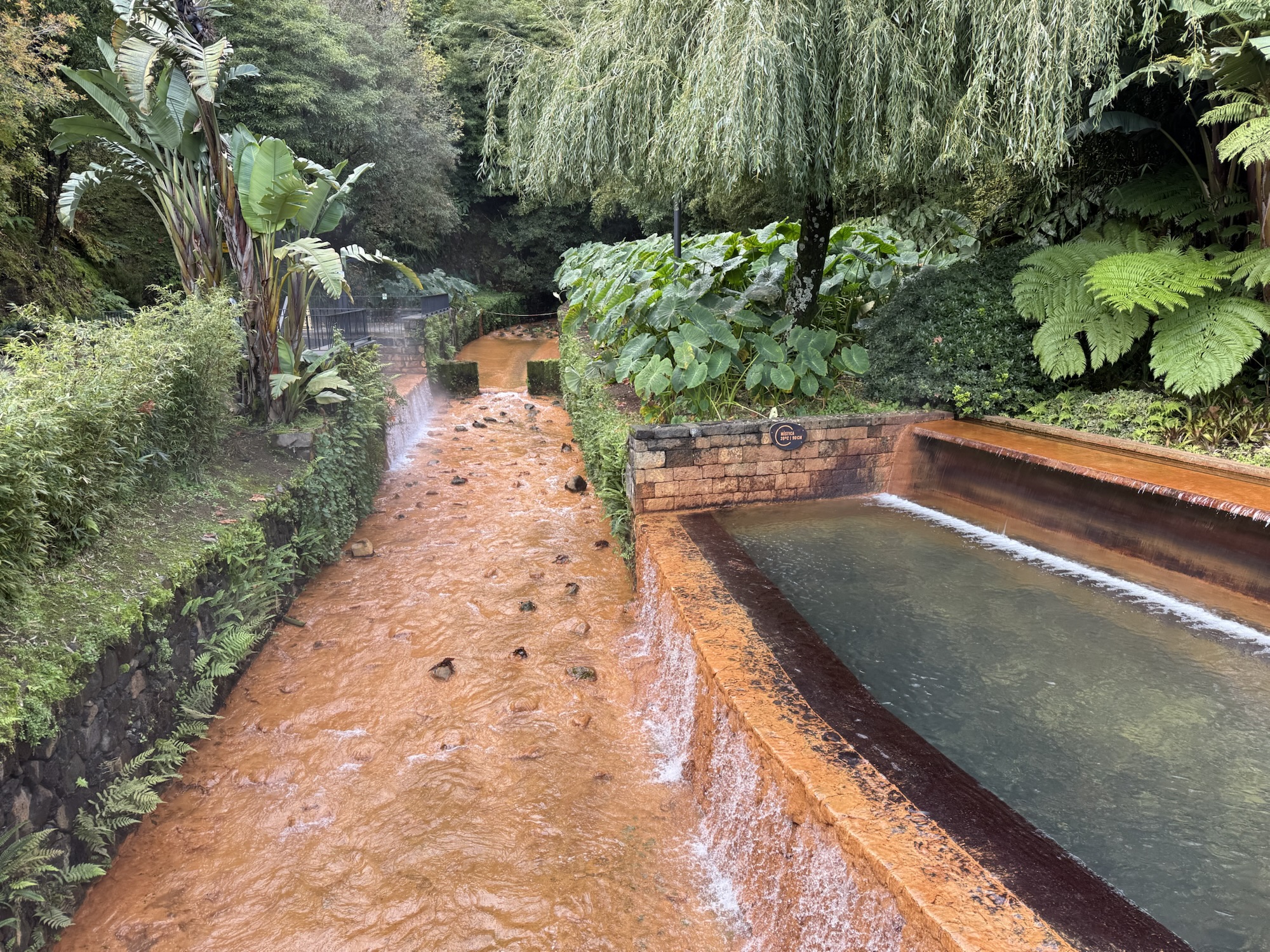
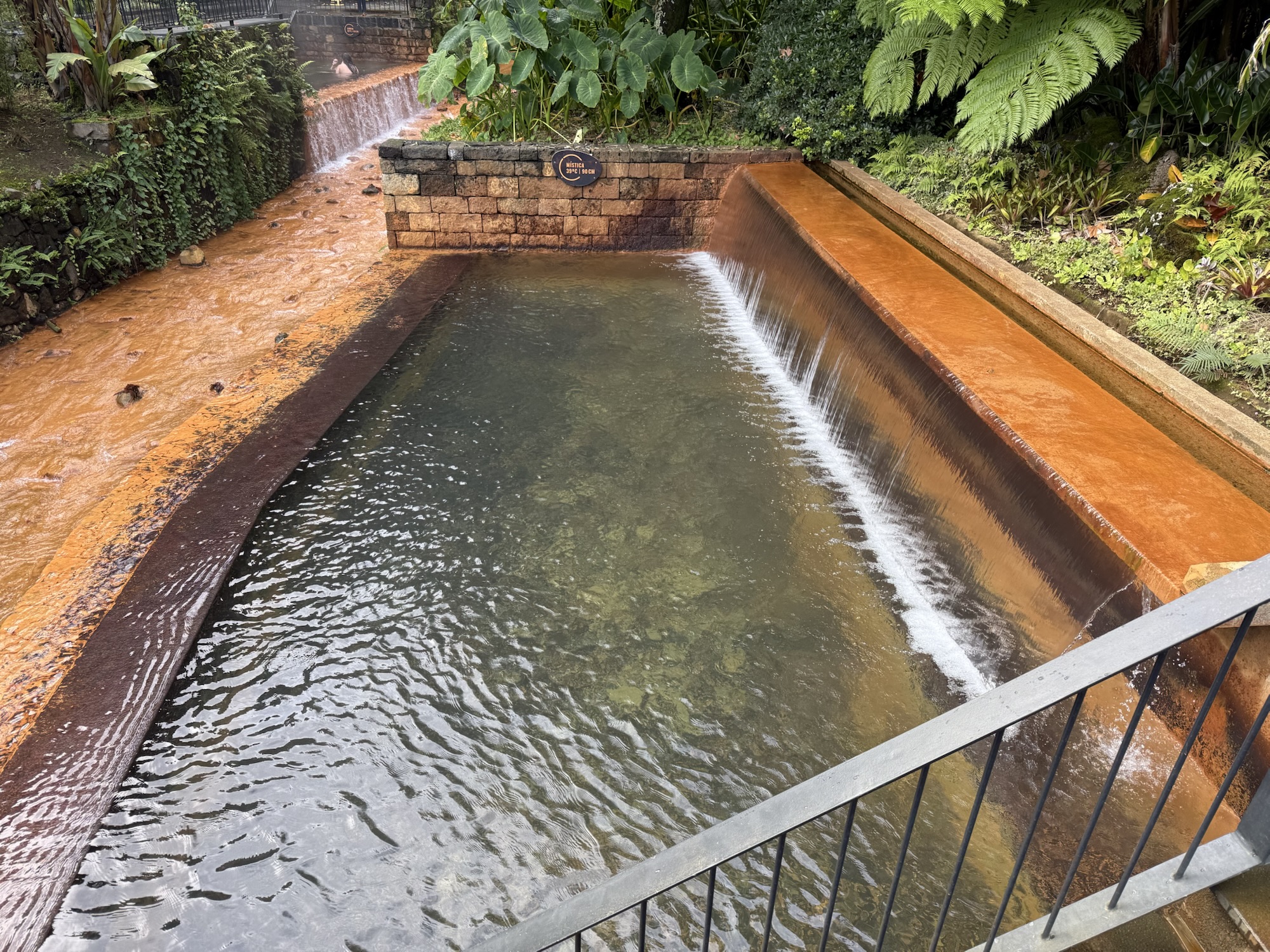
Back to the hotel for massage appointments, then to the hotel bar for dinner and a beer before heading back out to the hot pools. Luke and I basically poured our bodies into bed since we were so relaxed our skeletons seemed to protest at the idea of holding us upright. Maximum relaxation achieved!

One last trip to the pool this morning and then we had to head out.
We only got to experience São Miguel island, but I have to say, it did not fail us. Excellent food, great wine, friendly people, gorgeous nature…and all the hot springs we could’ve ever wanted!
Chilling out in the warmth

I am not a fan of water, yet I repeatedly find myself in situations involving water, or worse, boats. This trip has plenty of water, but it’s all warm and that is an entirely different story. Each day in Ponta Delgada includes an hour in the thermal circuit – a warm pool, a Turkish steam bath, and a dry sauna. The steam bath has become a favorite of ours. We will have to see how that stacks up against the 4 different hot springs we have in store over the next two days.

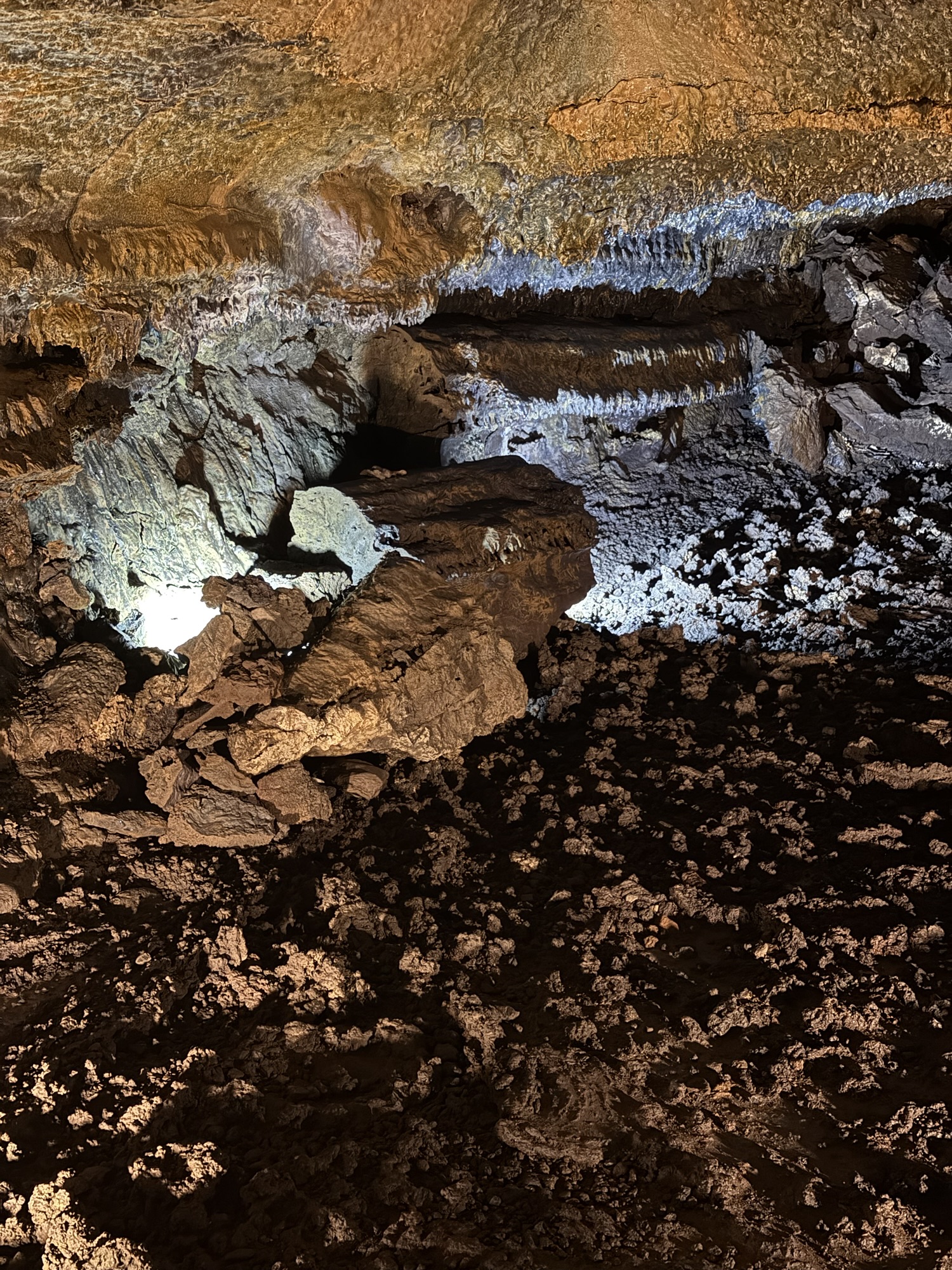
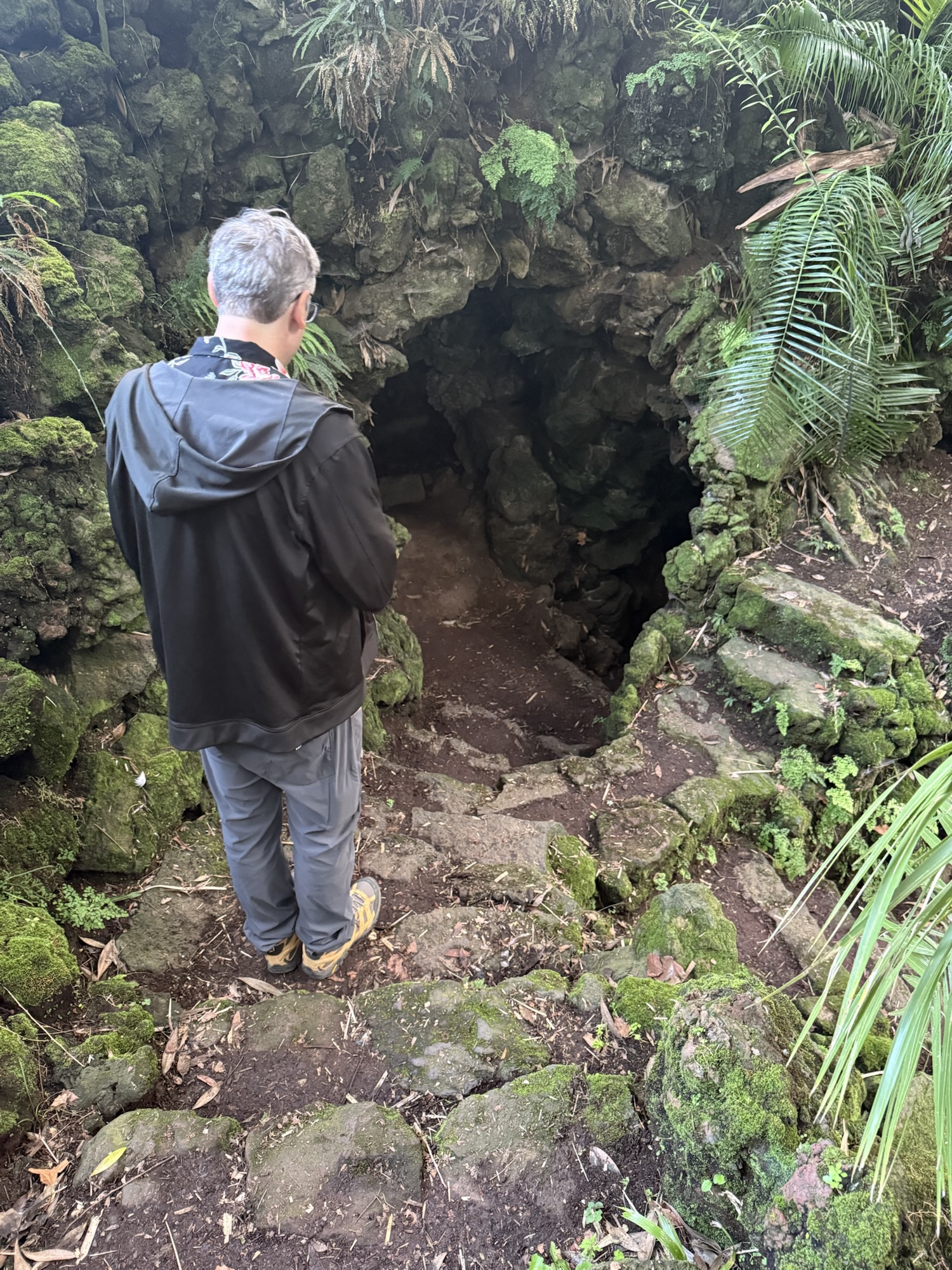
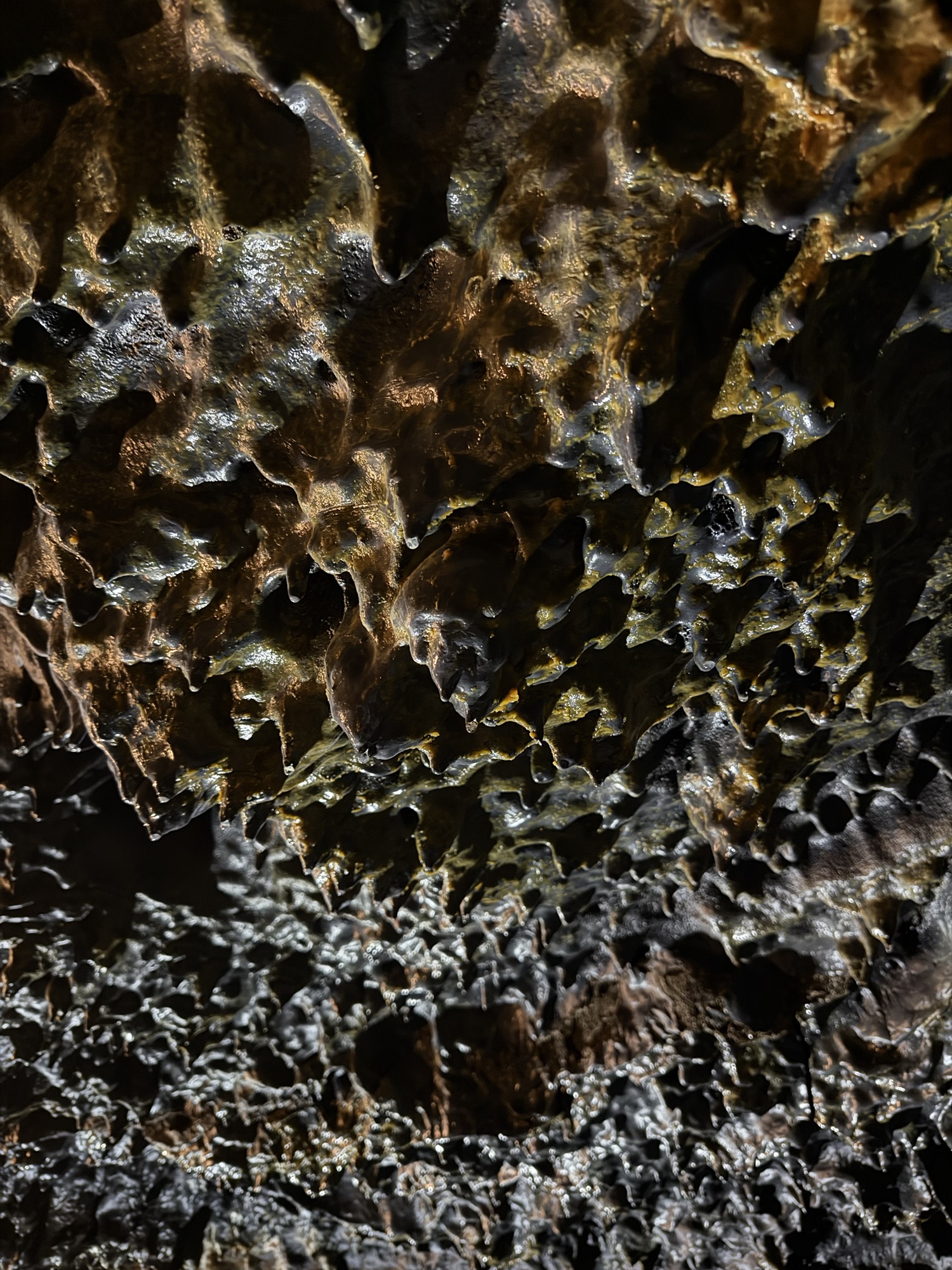
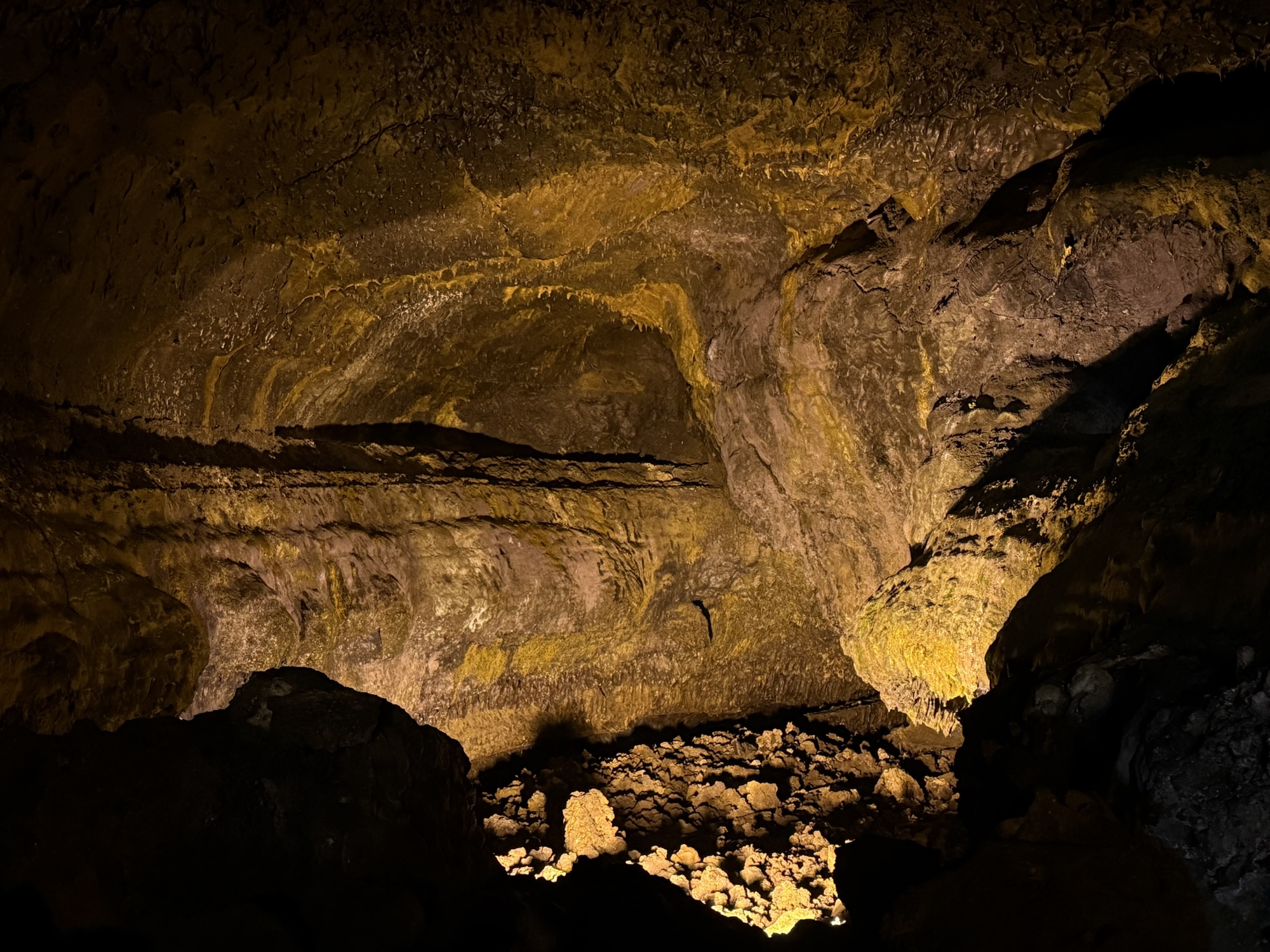
We had a 10:30 reservation at Gruta do Carvão, an ancient lava tube located on the edge of Ponta Delgada. I’m not often a fan of caves, but this was not too claustrophobic. Interestingly, because the water dripping into the cave is extremely pure and filtered of all its minerals, no new stalactites form – what you see is original and will never change.

Most of today’s short itinerary was to the east of the city. It was a light agenda day, which was just fine with us.

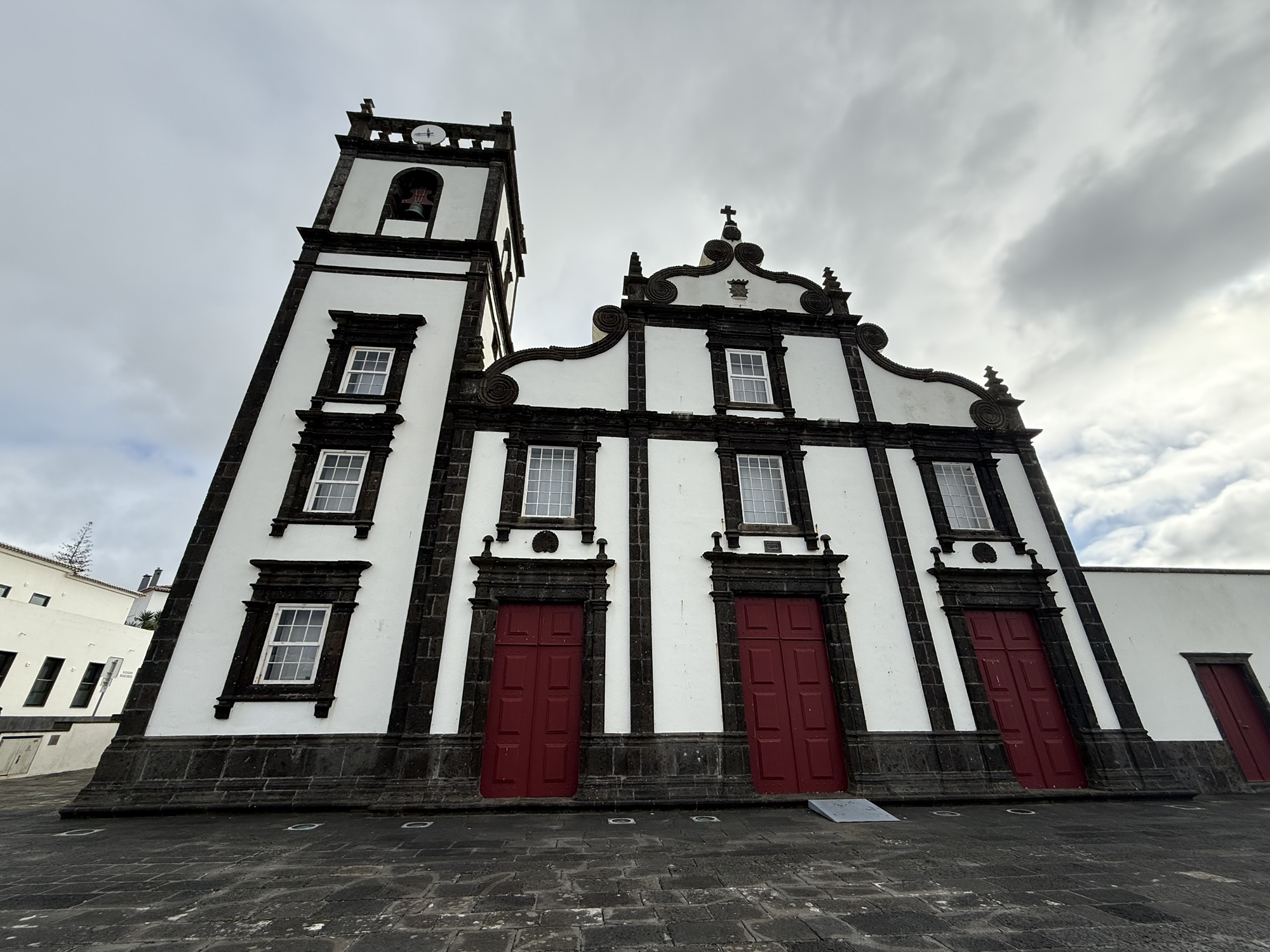
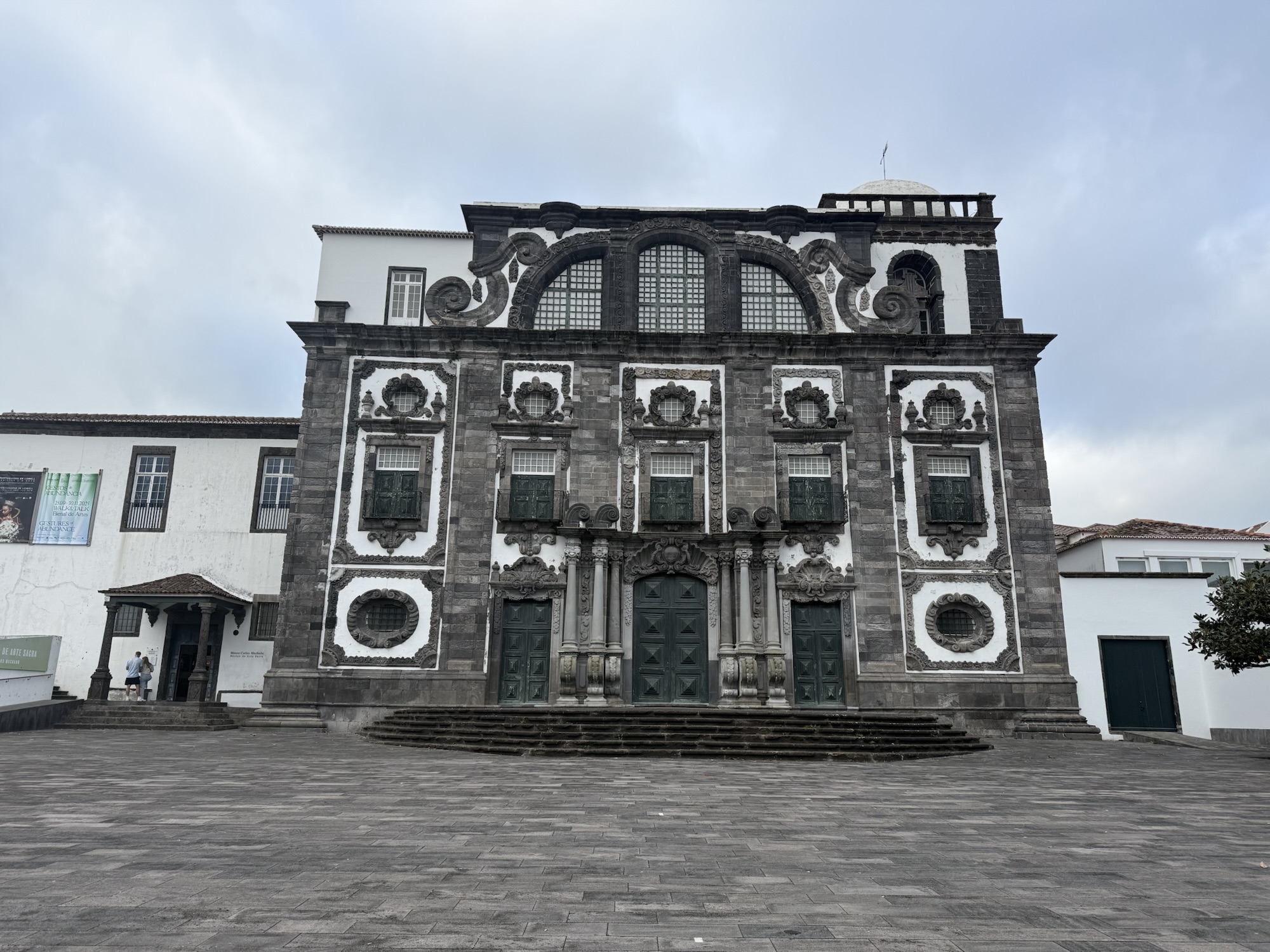
Igreja Matriz Santa Cruz
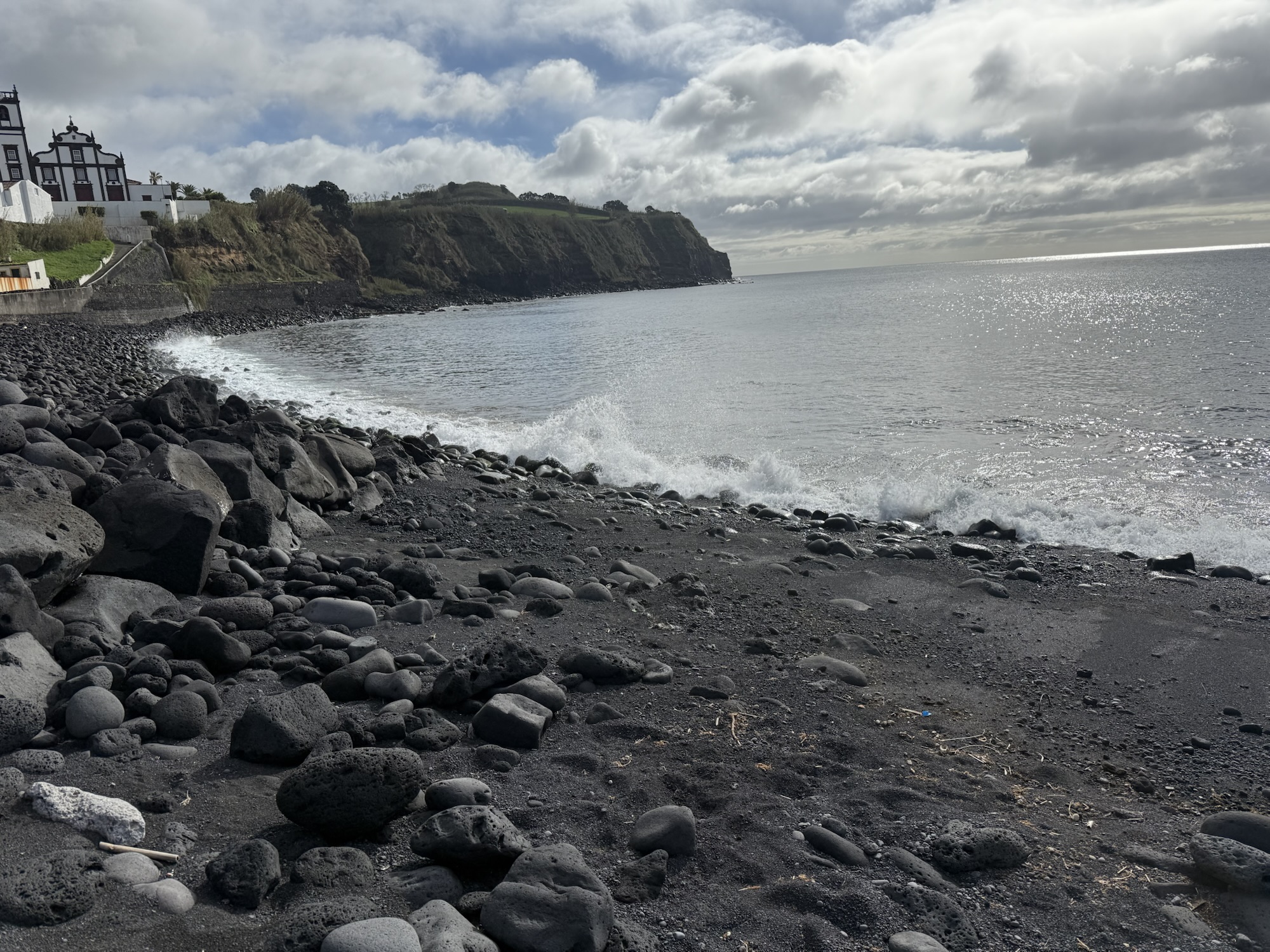
Black sand beach
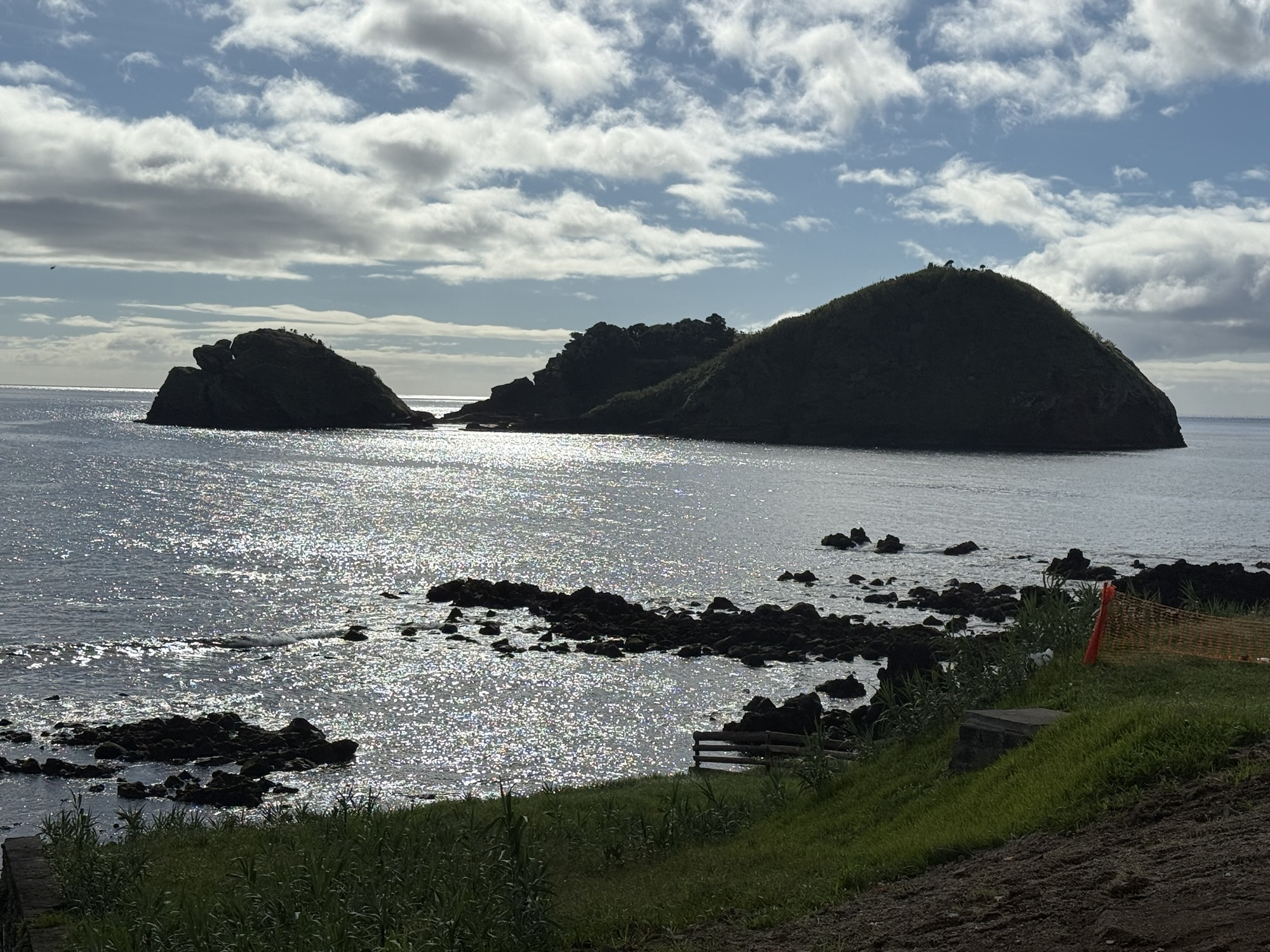
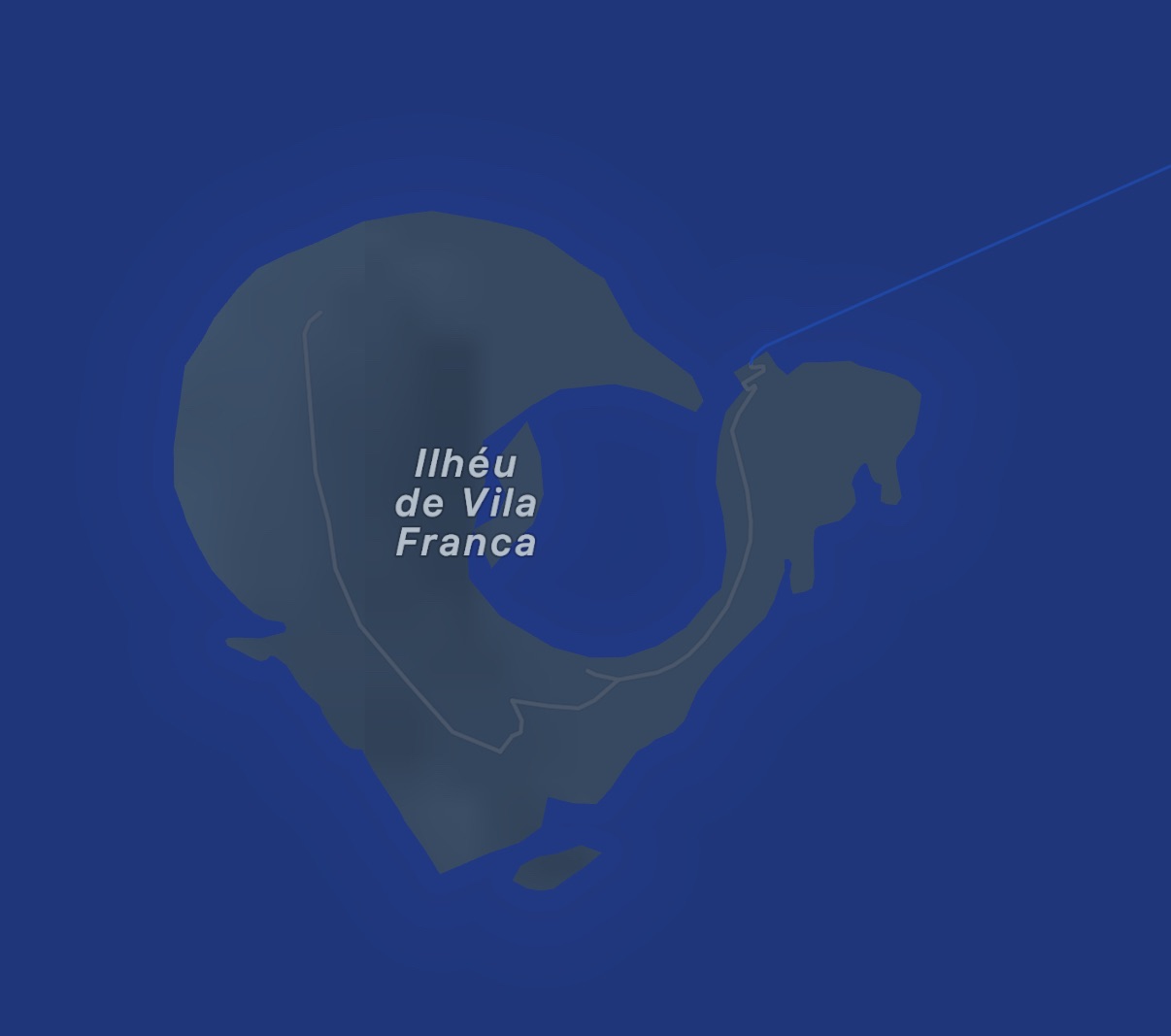
Ilhéu de Vila Franca – hard to see the fascinating shape from ground level
The island as seen on a map – it has a nearly perfect circle with only a narrow inlet

We stopped at a giant grocery store and bought some provisions to have as a picnic lunch before heading back to the city to walk around.

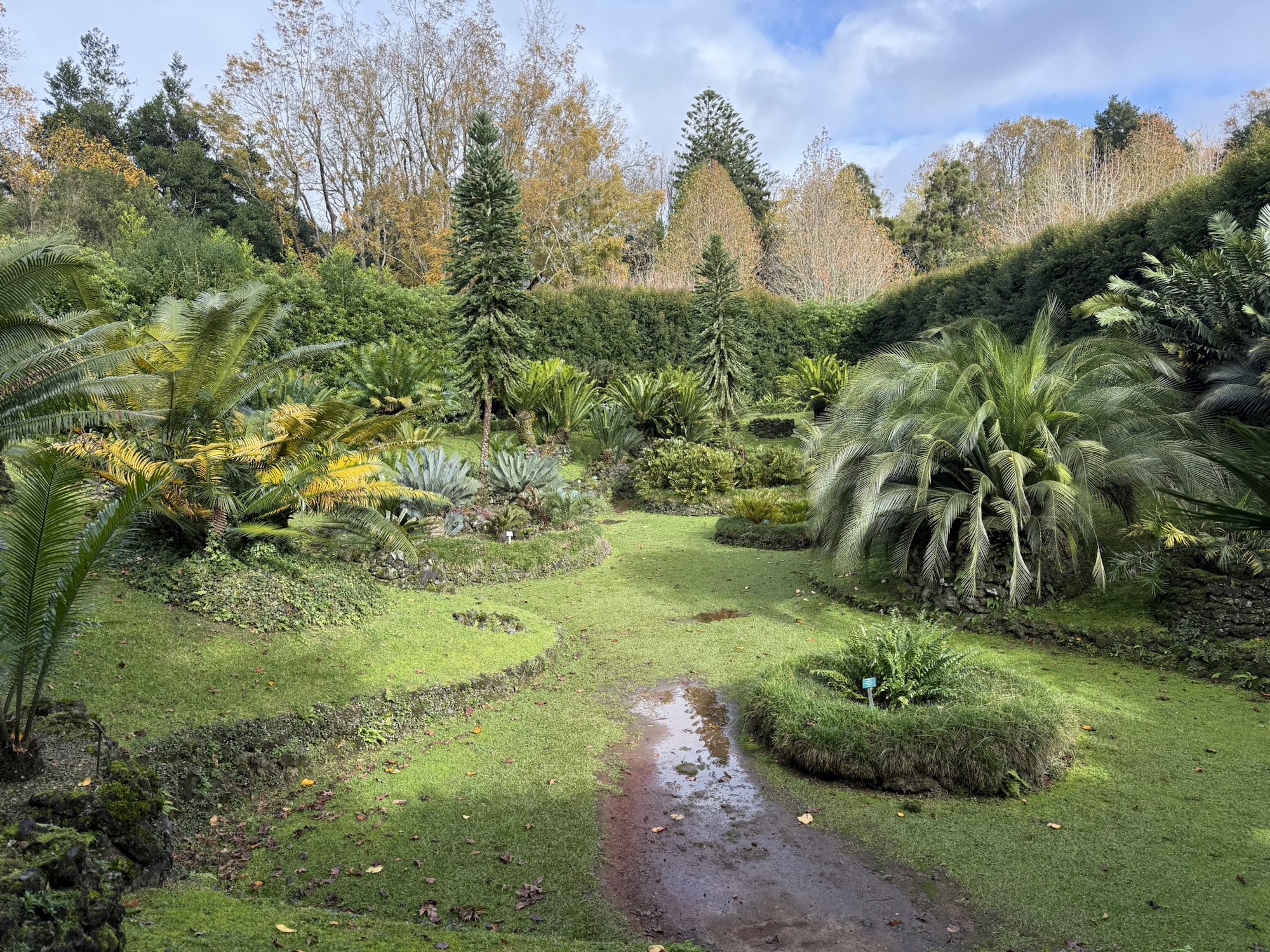
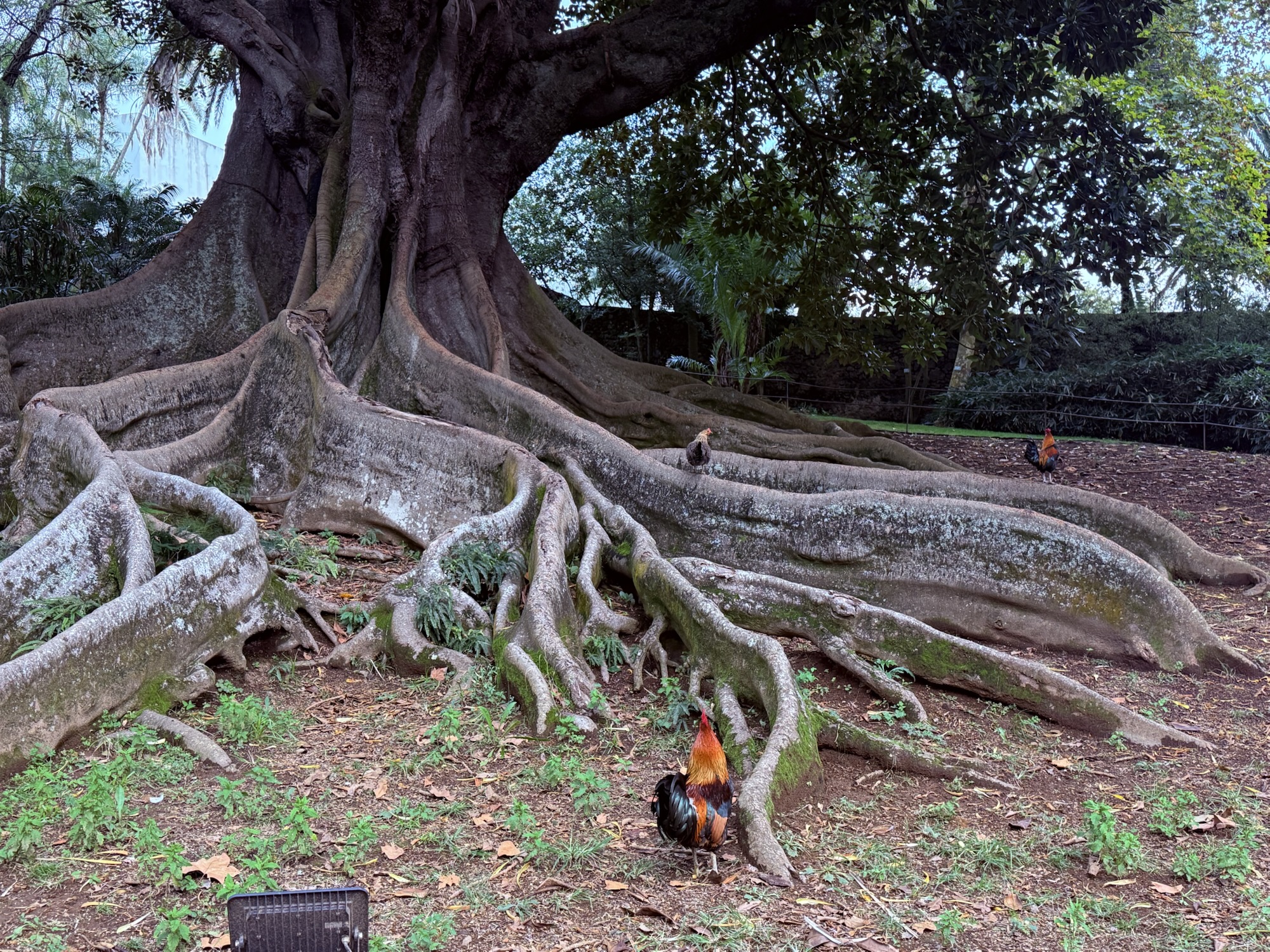
We ended up wrapping up the day in a botanical garden and wandered around for a bit before heading to the hotel to read and watch the sunset on our balcony.

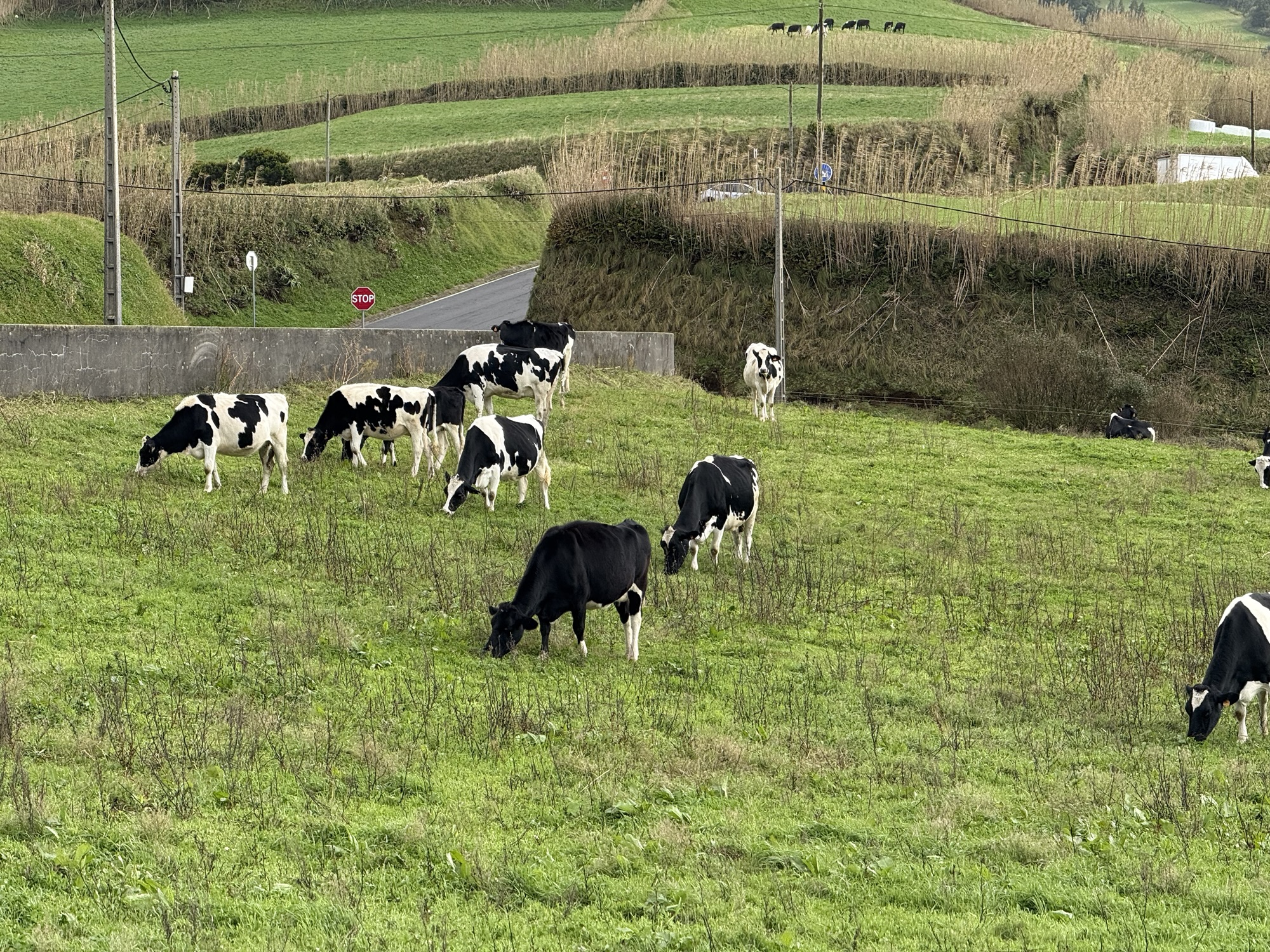
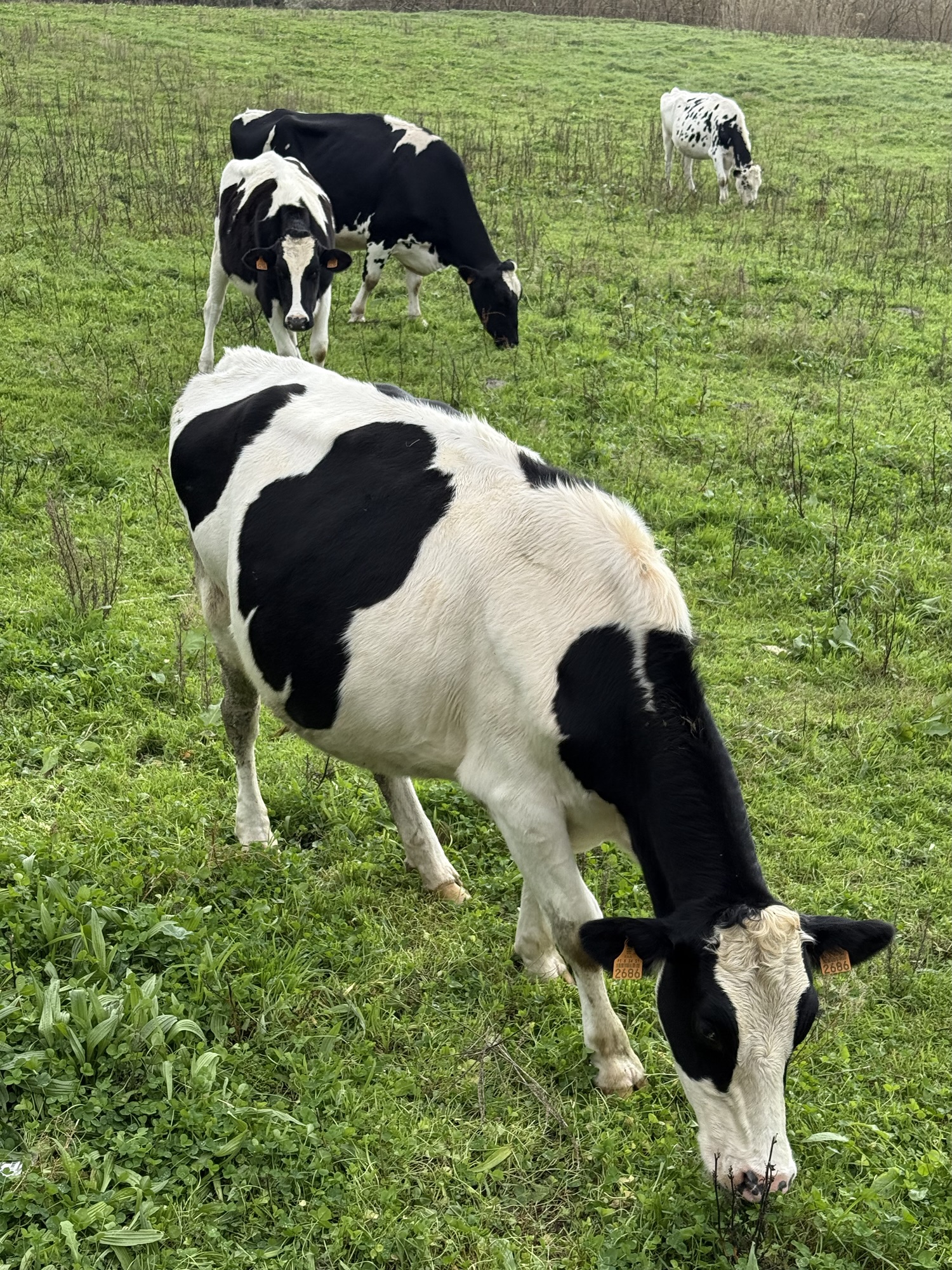
Happy little cows

With the defunding of NPR and PBS, Bob Ross and his “happy little trees” has been on my mind, especially after John Oliver raised nearly $2 million for public broadcasting by selling a Bob Ross painting. Well, Bob Ross would’ve LOVED the Azores!

We decided to come here because Luke wanted to celebrate his upcoming 50th birthday with hot springs in a place we’ve never been. That’s actually tougher than you’d think because we’ve been to many of the world’s great hot springs already, and the others are awfully far away. Japan is far, Iceland we’ve done. Turkey is far, Chile we’ve done. While we’ve been to Portugal twice already this year, the Azores felt different enough to qualify, so here we are!

I did not know before researching for this trip that the greater Boston area has one of the largest Azorean populations outside of the islands. Sad for Azoreans who settle in the hostile New England climate, but good for us since it means a short, direct flight.

We arrived on Thursday at. 6:00am. There is absolutely no way that a 4.5 hour flight contains anything close to sleep, so we headed directly to our hotel. One perk of middle age is that we can afford a nice hotel, and we can afford to pay for the hotel when we land early in the morning. I just can’t stay awake for hours waiting for check-in any longer. So, we got our teeny-tiny rental car and headed for several blissful hours of sleep at the Hotel Octant.

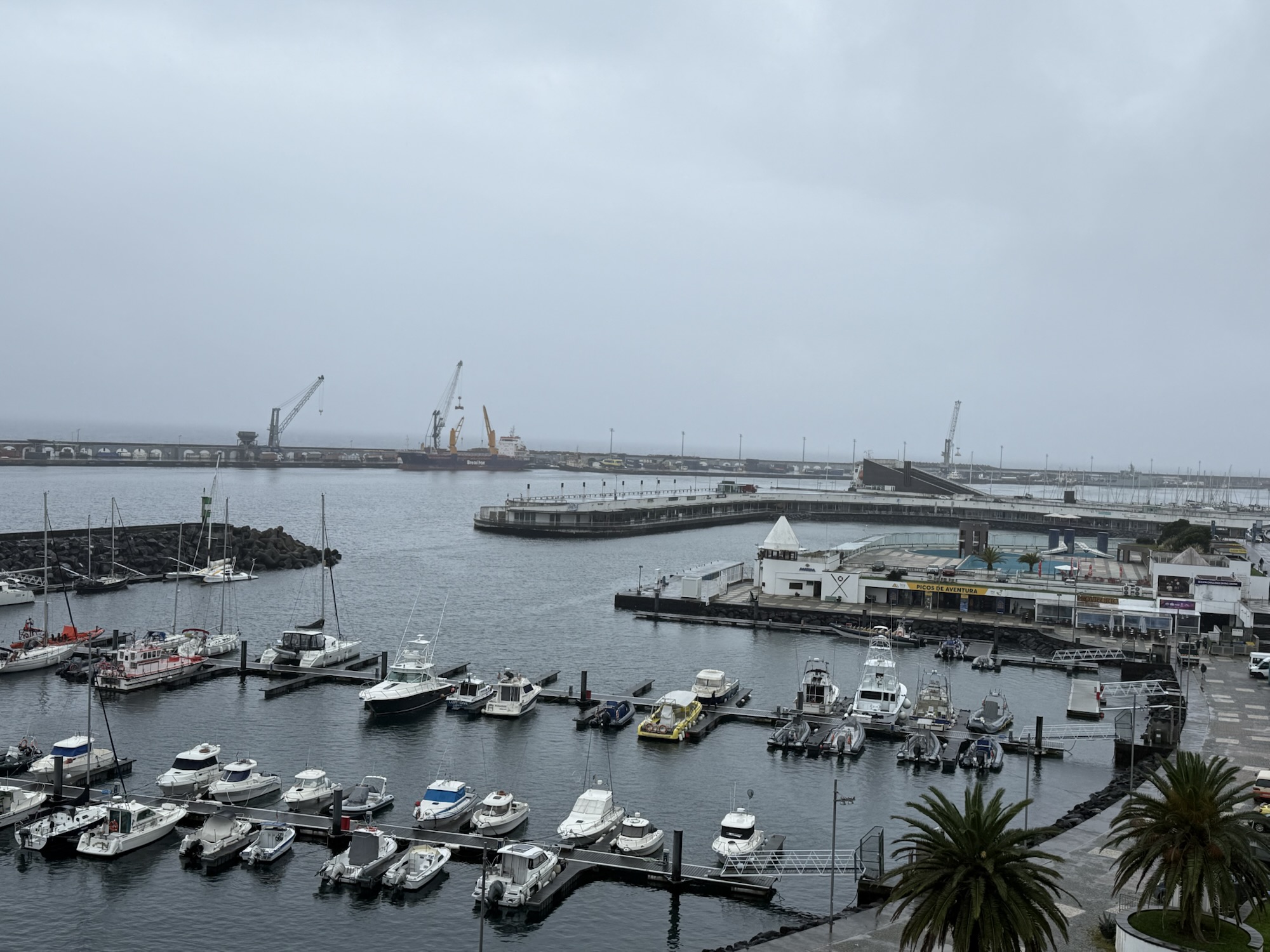
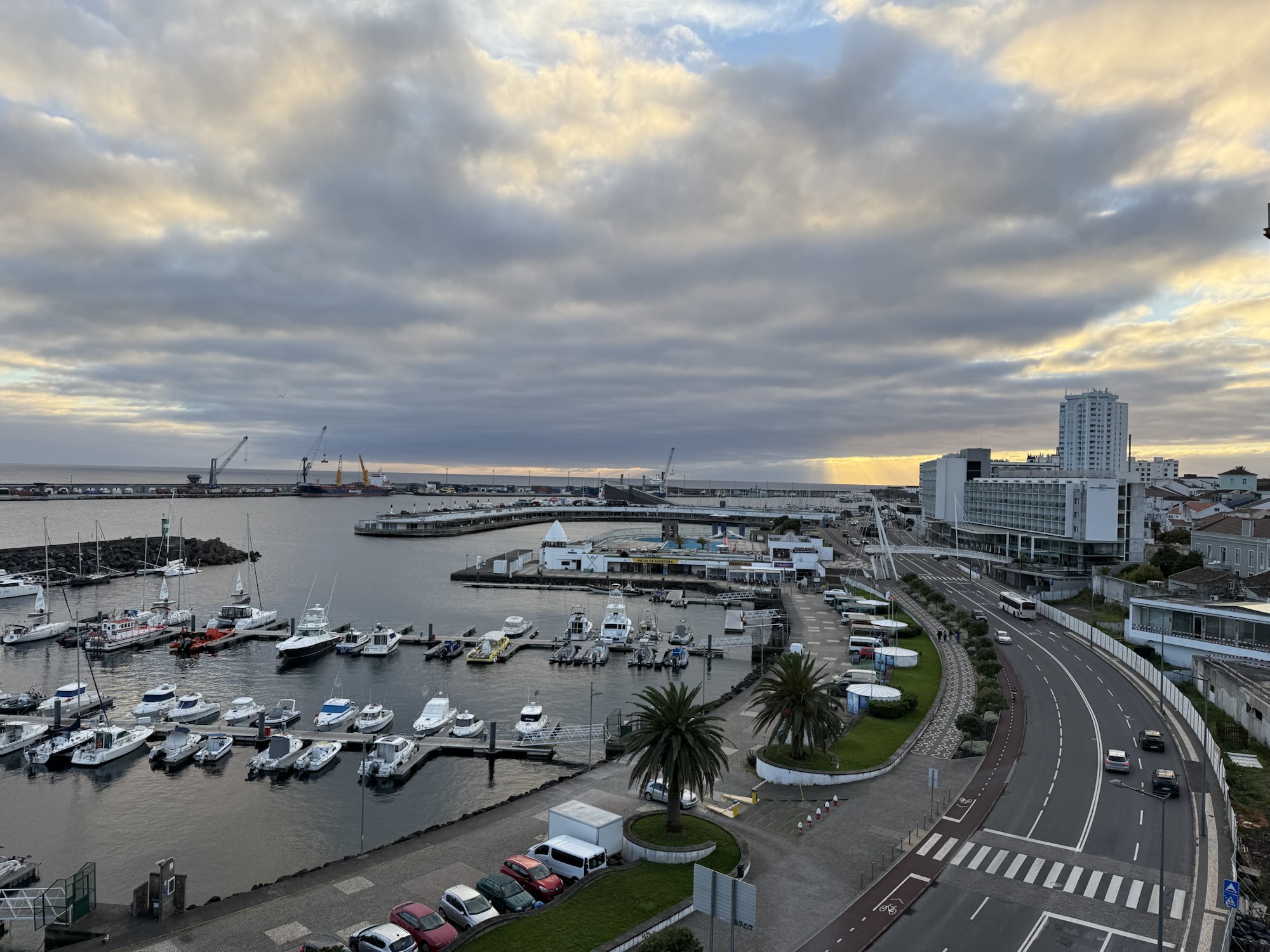
Hotel balcony view

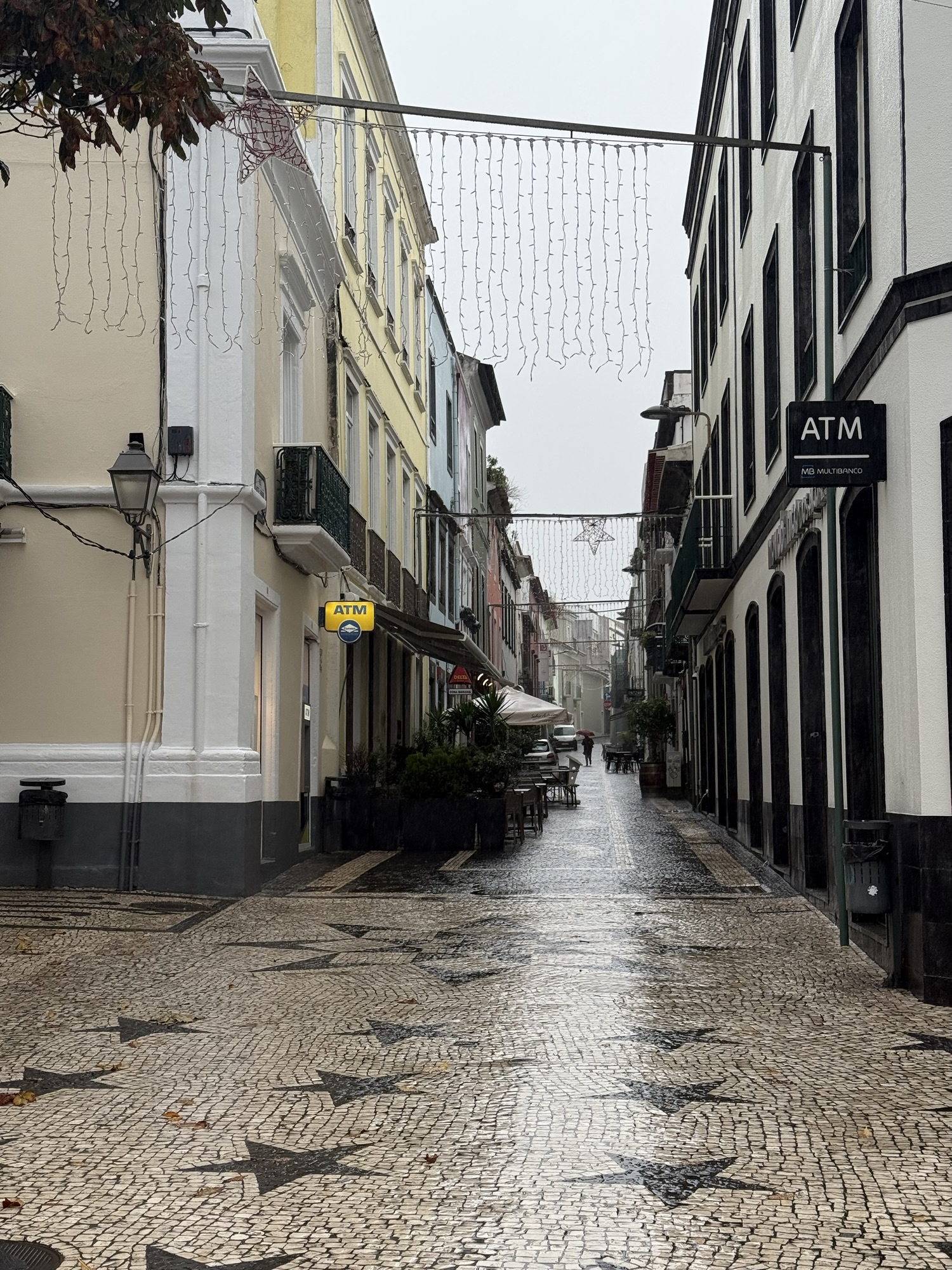
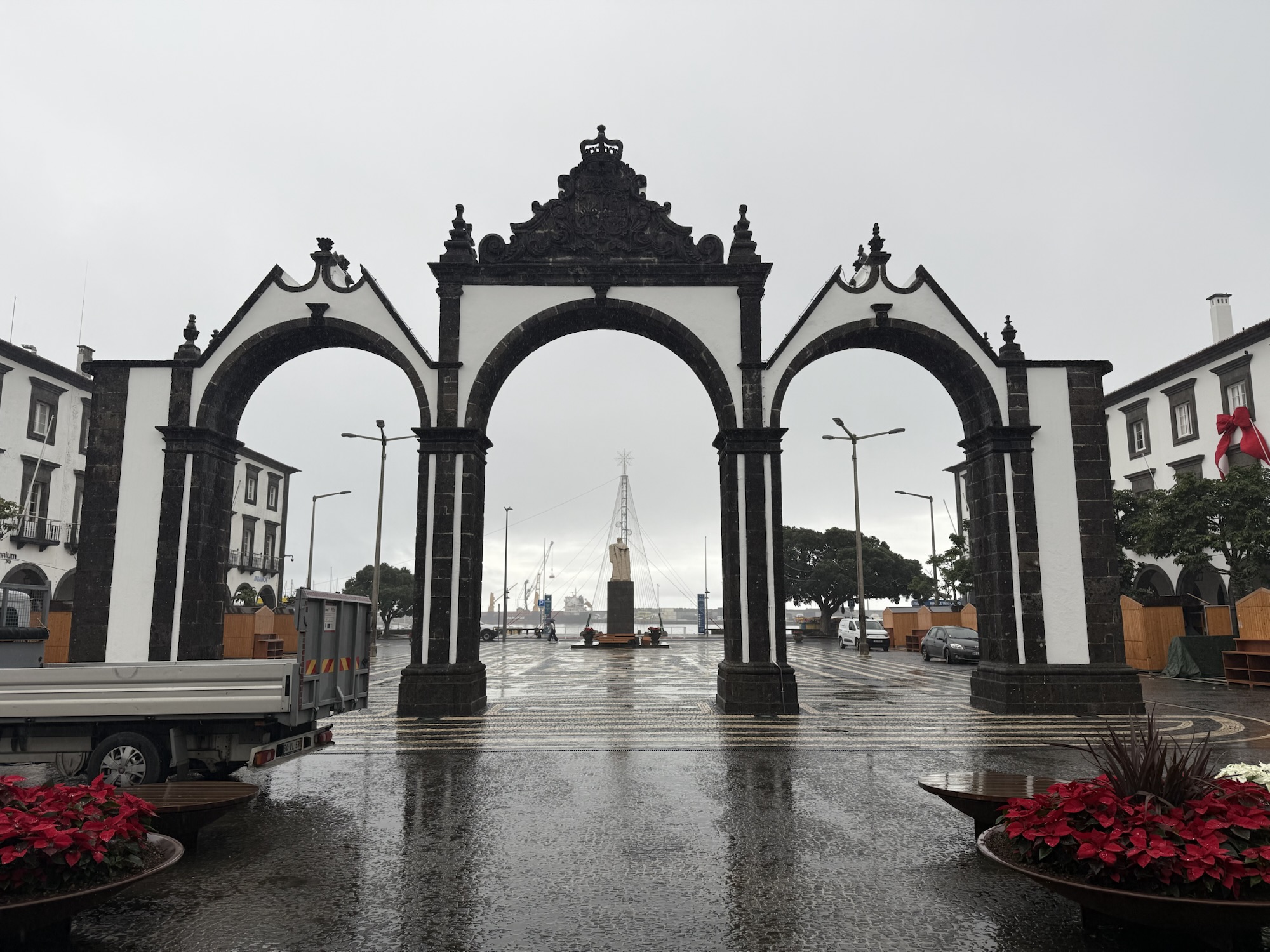
Once we woke up, we hit the streets to see what Ponta Delgada had to offer. Sadly, it was a rainy day, and even with new umbrellas, the weather got worse. A quick lunch of wine and cheese and fresh tuna, a short walk around the city center, and then we were back at the hotel.

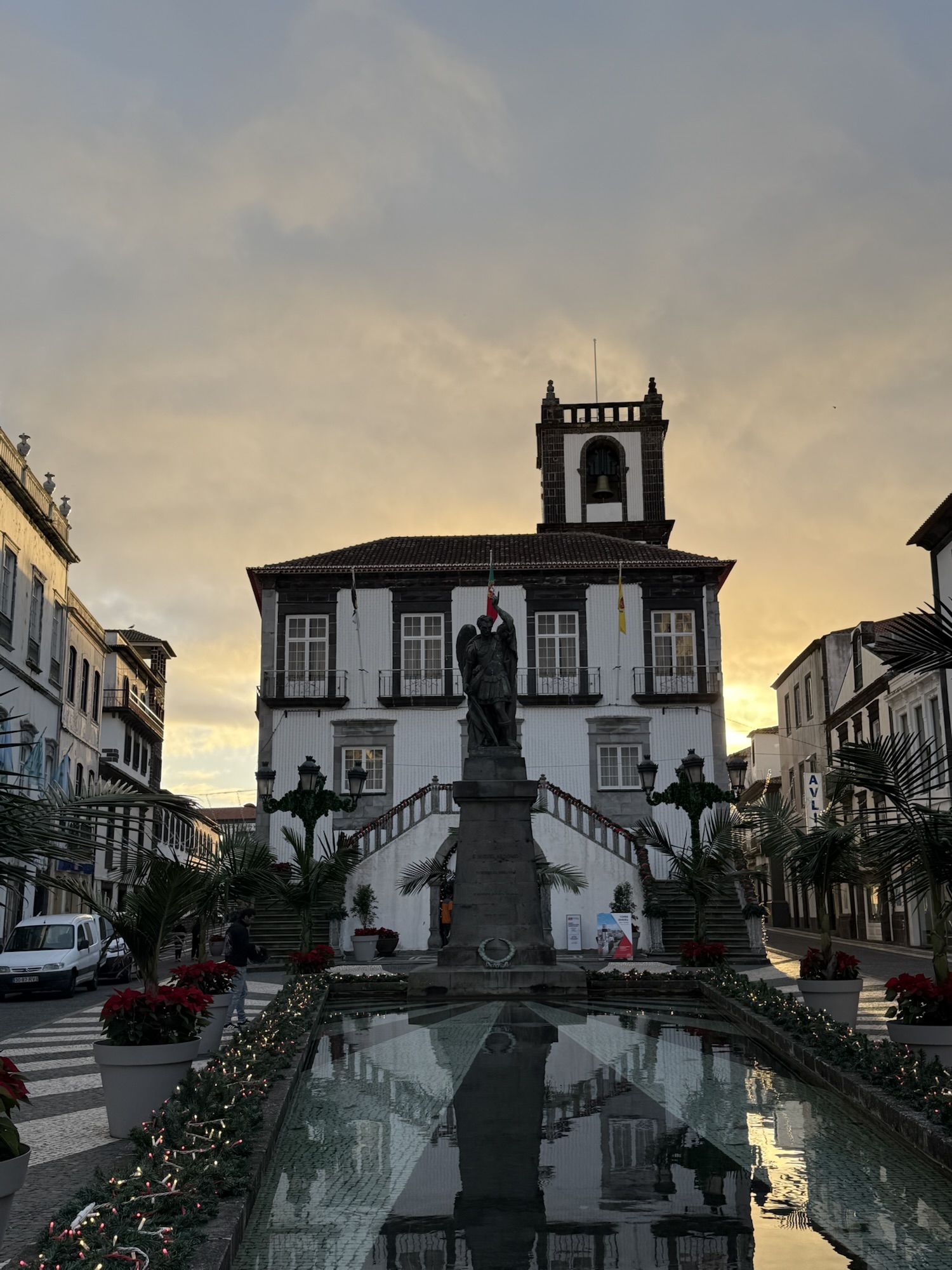
City center
City gate
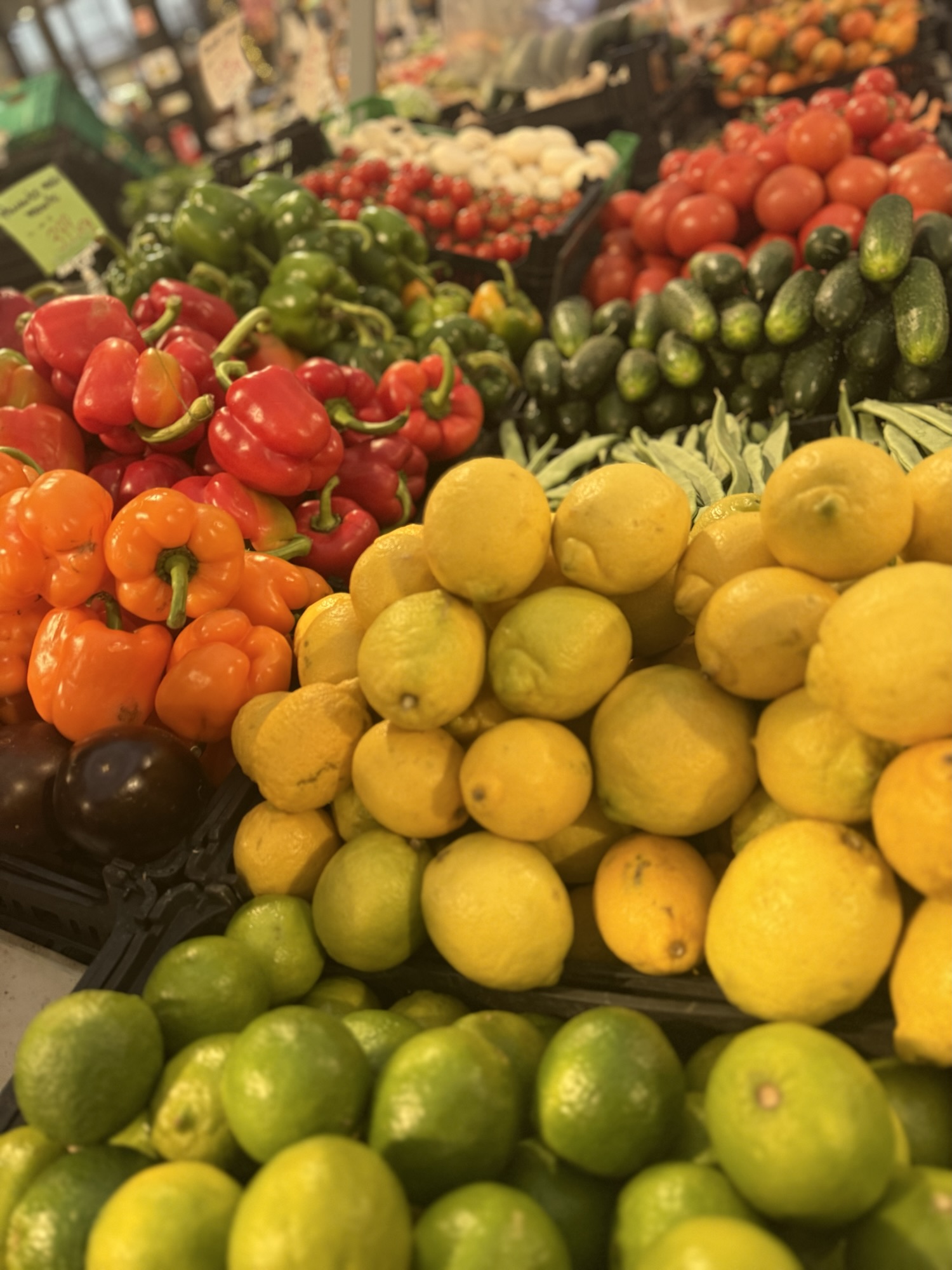
City market

One reason I booked the hotel that I did is that it apparently has a hot spring fed pool. I’m not sure about that, but it does have a warm pool, a Turkish steam bath, and a sauna, and I like all 3 of those things.

Hot pool

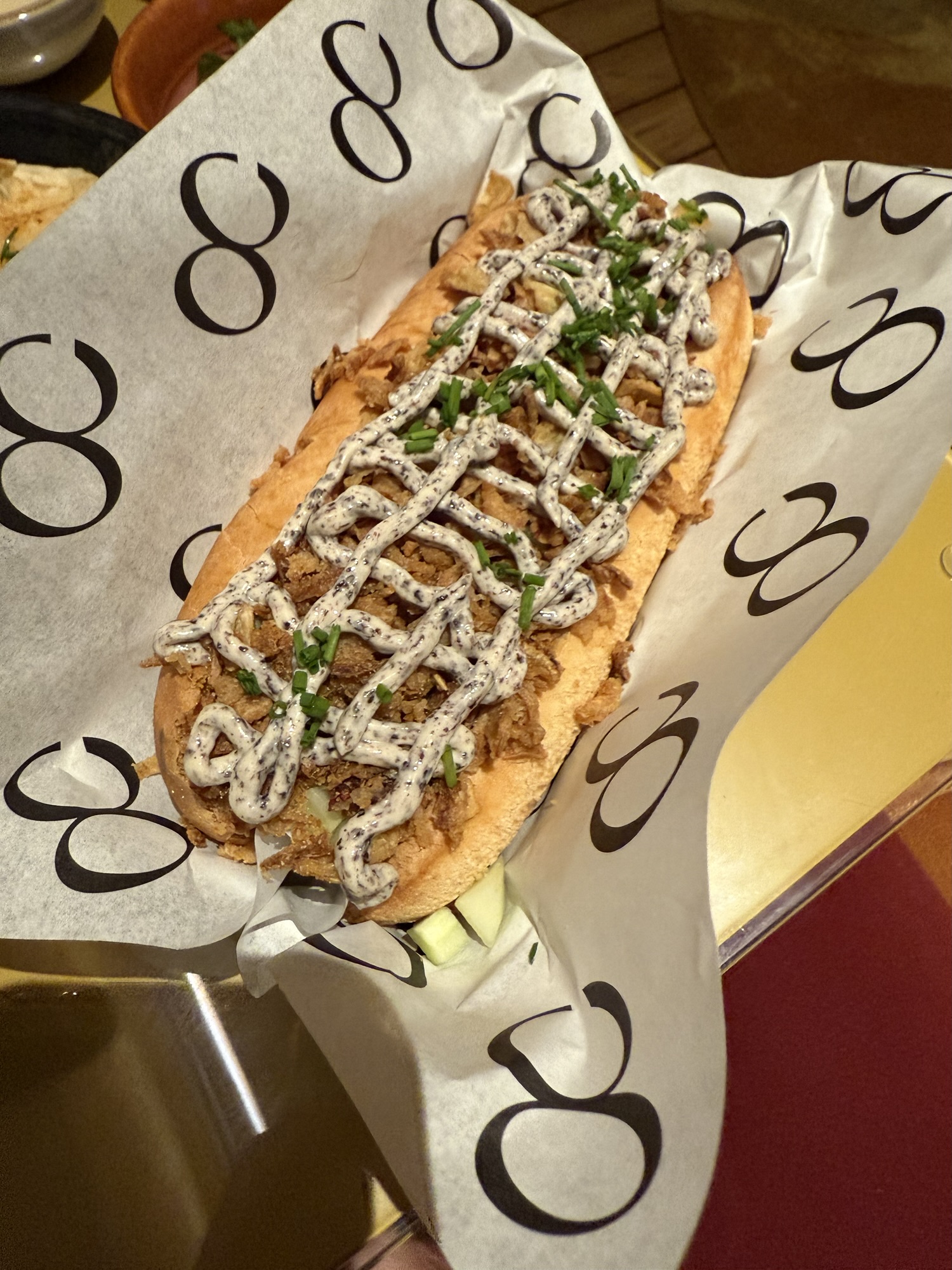
After a delightful hour of roasting in hot liquid/steam, we got dinner in the hotel bar. I was wary of the “tuna hot dog” but must report that it was DELICIOUS!! It’s a seared spear of fresh tuna covered in crispy fried onions and garlic mayo served in a hot dog bun. Luke had tuna ceviche, which he said was also delicious, but it couldn’t have been as good as my tuna hot dog.

Tuna hot dog: strip of seared tuna with crispy fried onions and garlic mayo

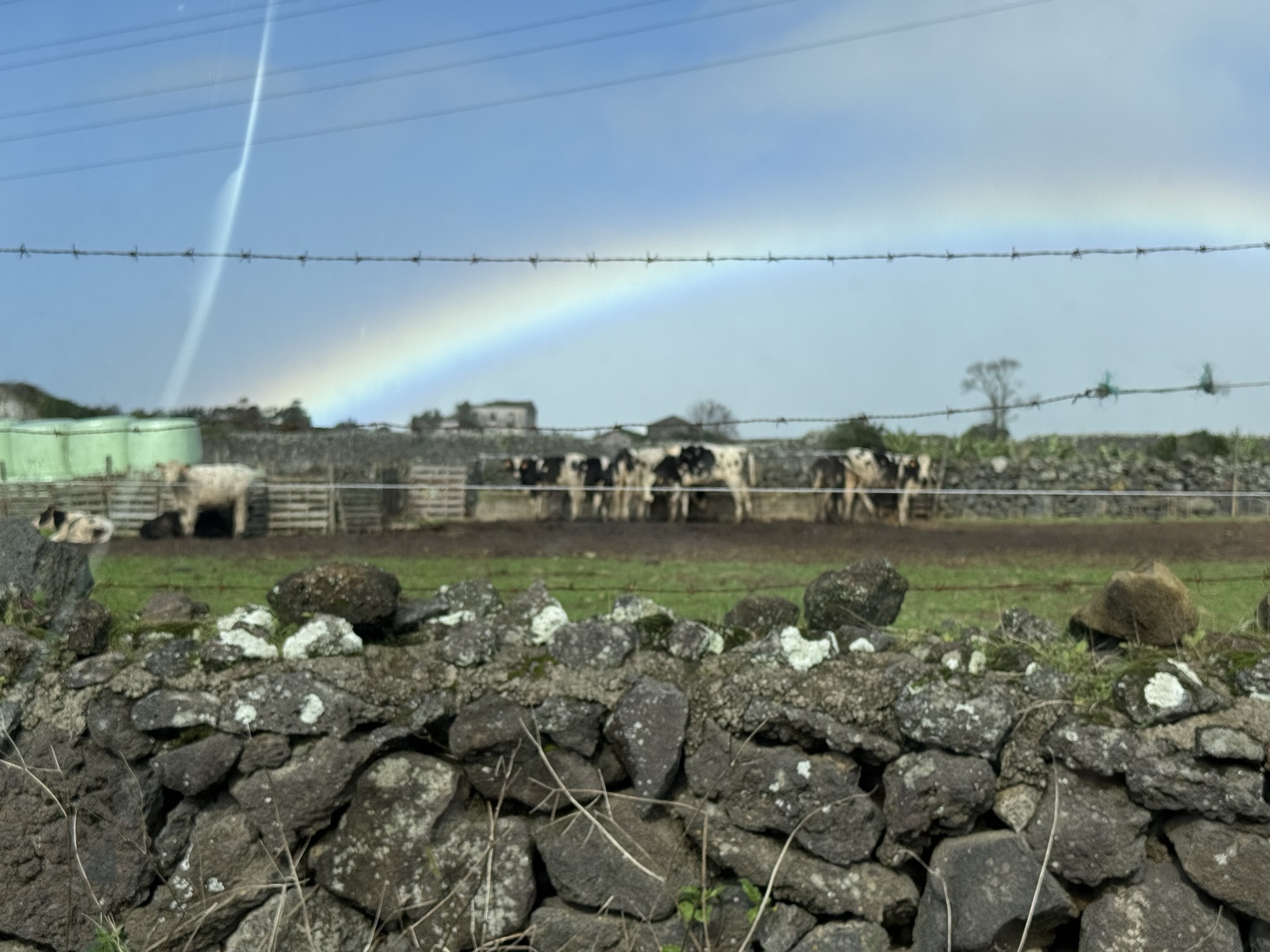
After the best night of sleep and a hearty breakfast, we went out toward the Sete Cidades area to see the volcanic lakes. This island is filthy with rainbows from the ever-present misty clouds.

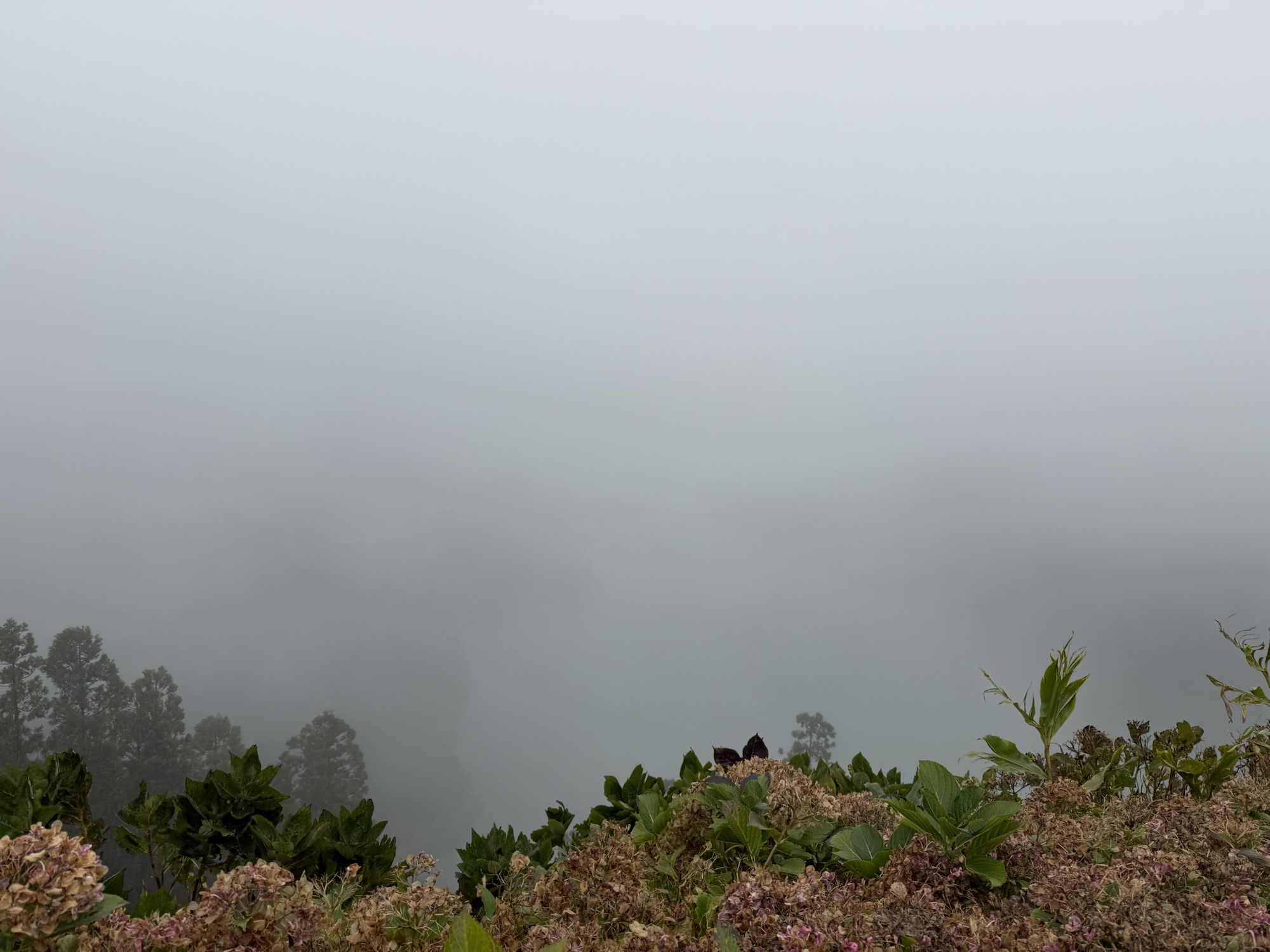
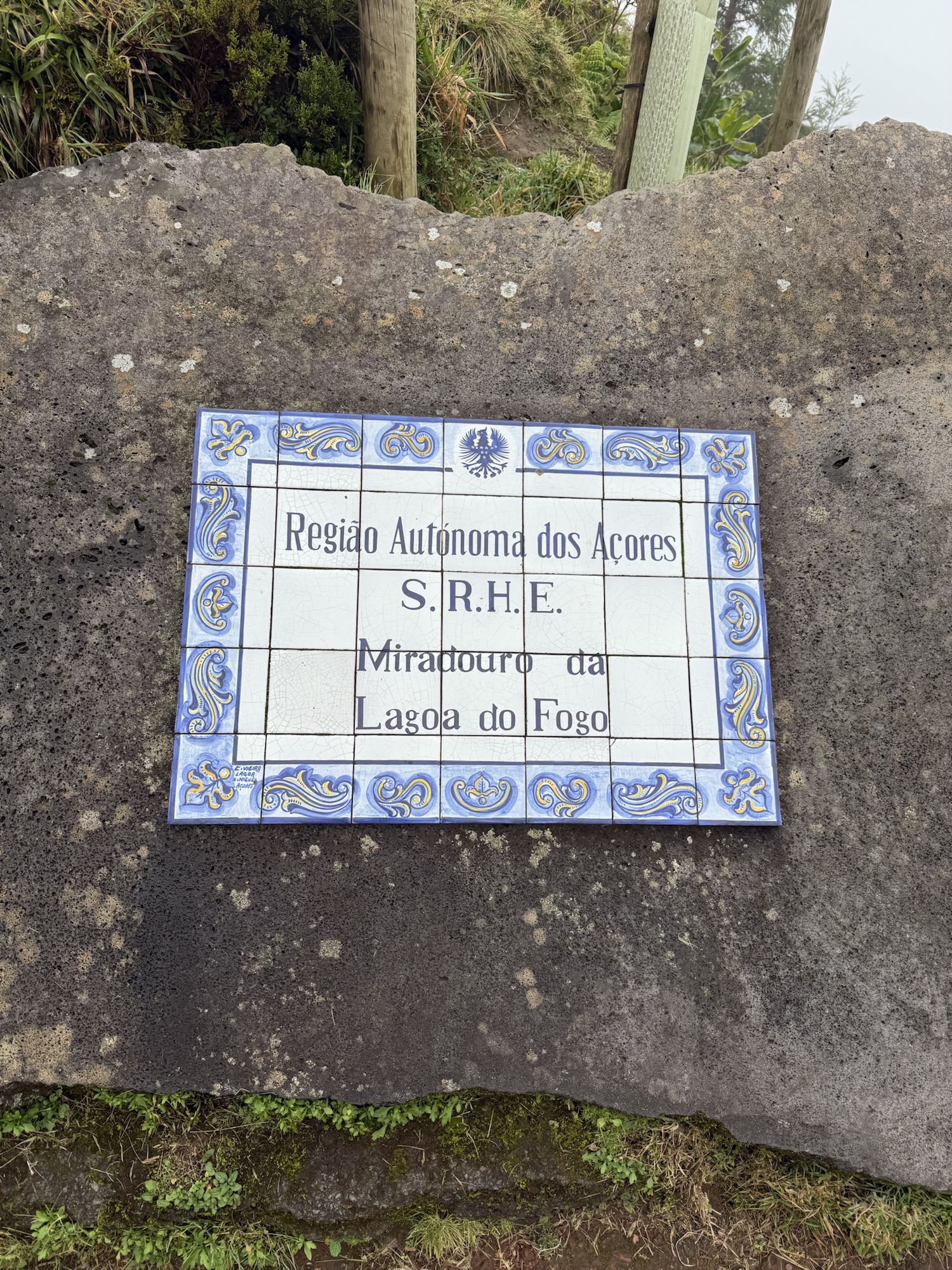
After 20 minutes of driving, we got to the lakes This was a real Taj Majal moment:

Other foggy lake

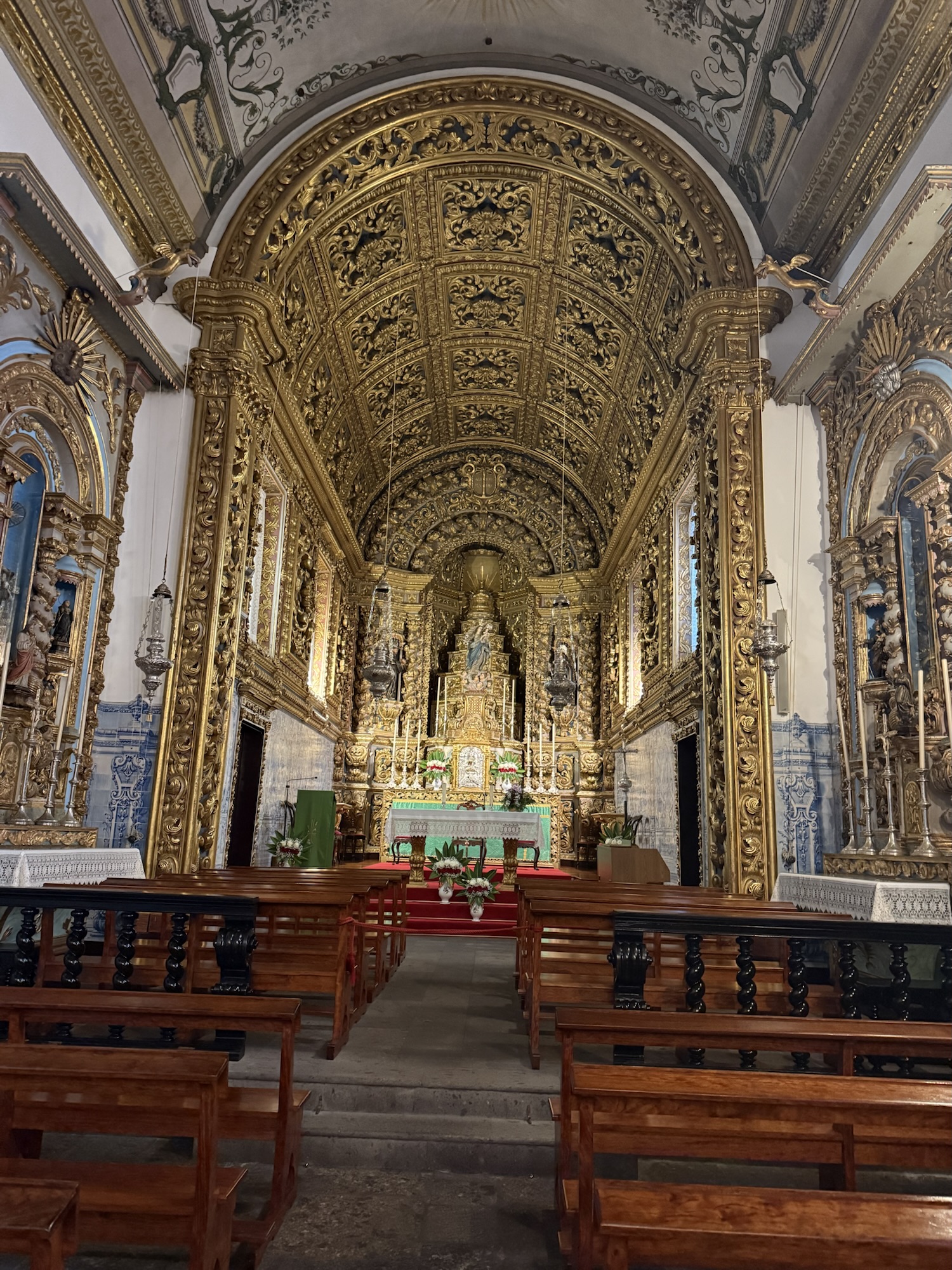
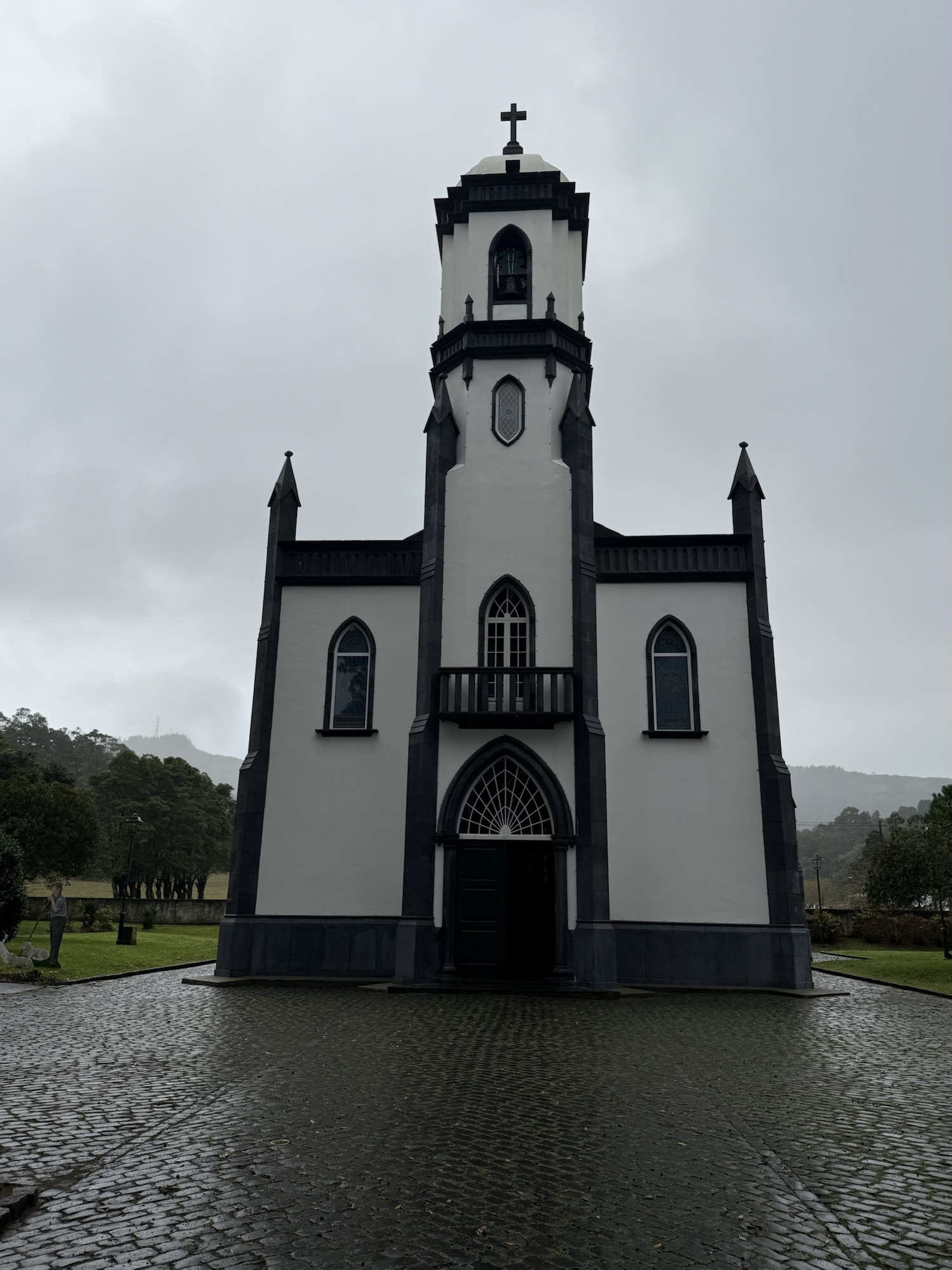
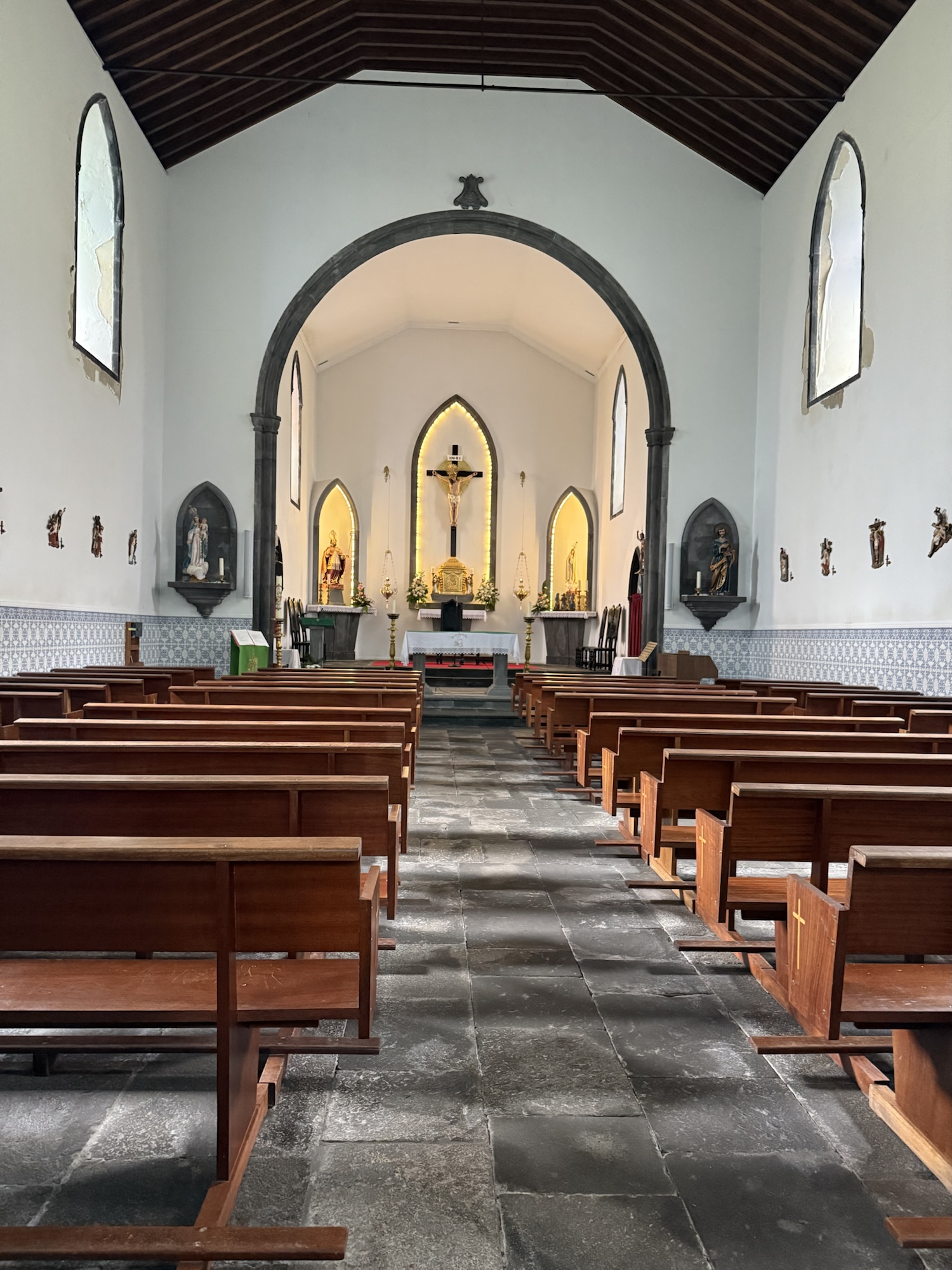
We drove around the region for about an hour, stopping at various pull-out vistas. The town proper had a delightful church, which was striking on the outside in its white and black, and austere on the inside.

St Nicholas church: outside
Church inside

We explored the northwest coast for a bit since there were some modestly clear skies there. Luke teased me relentlessly over my love of the cows. Just because I find adorable cows novel doesn’t warrant endless teasing! Bob Ross would approve.

As we continued along the way, the skies intermittently cleared. We got photos when we could, and didn’t worry about it when we couldn’t. After all, there’s not much to be done about fog and clouds.

The front lake is greener in color than the rear lake. Legend says two lovers were unable to marry because of different social classes and she shed tears of green into one lake while he shed tears of blue in the other. That probably feels more poignant when you can see the colors of the lakes.

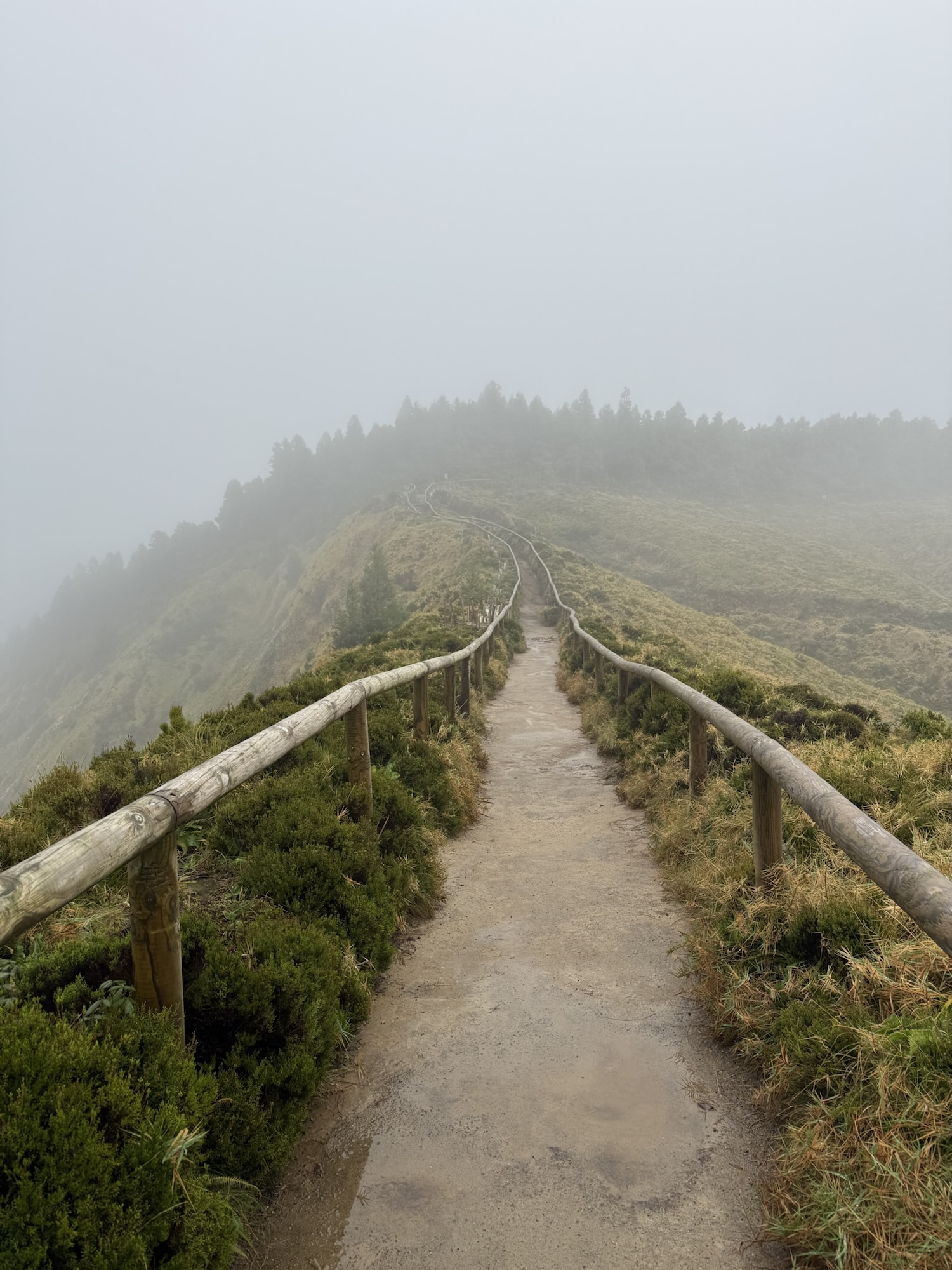
We drove around to a lookout point. Again, only fog and clouds and mist. I remember when Melissa and I were at the Taj Majal and out poor guide thought we would be upset about the fog. I mean, what are you going to do? Fog is fog. Embrace the moment, use your imagination, and move on!

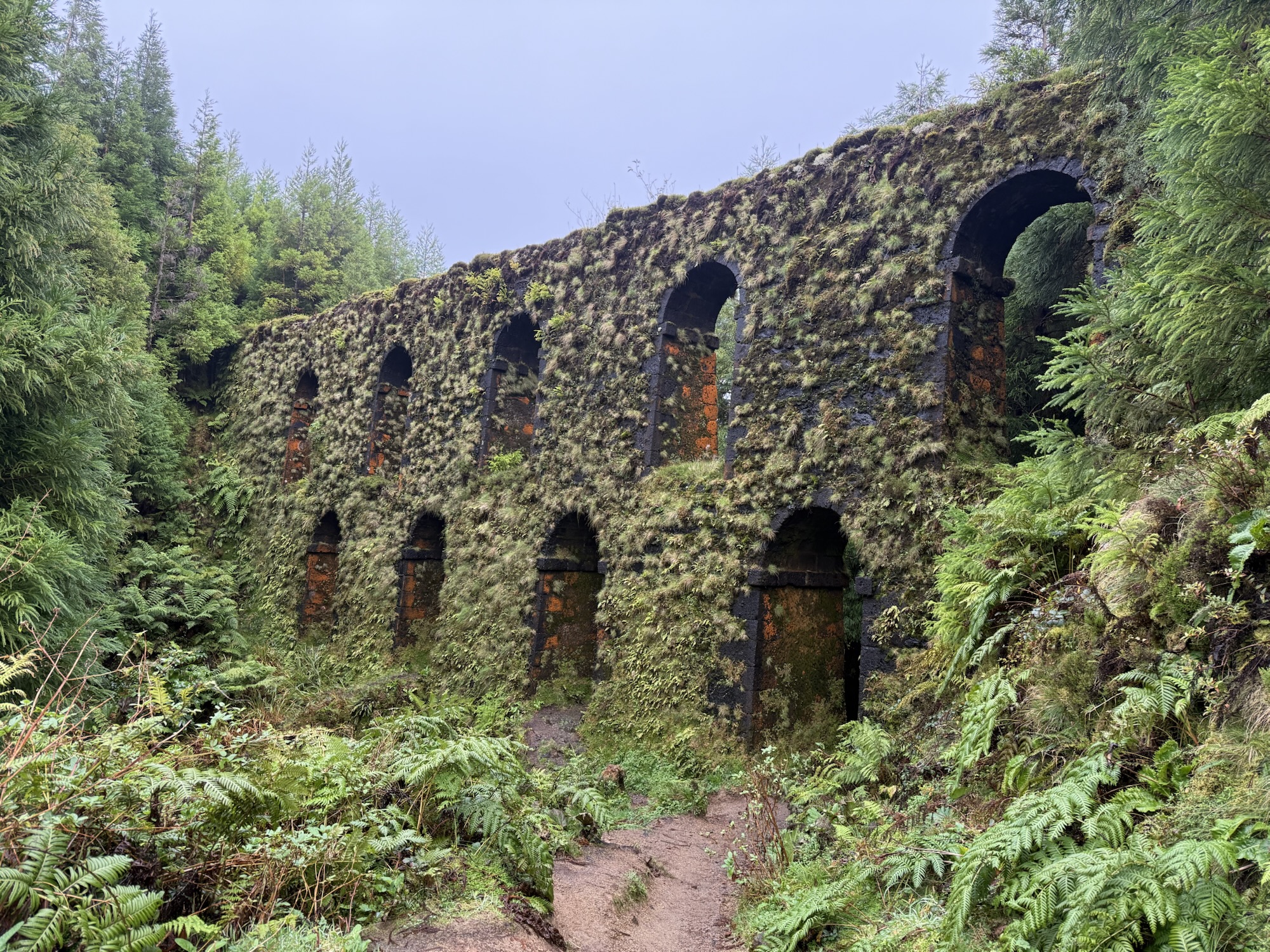
Azorean leaders built aqueducts back in the 1500s to provide fresh water to residents. It’s a little hard to imagine a lack of fresh water bedding a problem here given the perpetual rain, but I suppose in the coastal areas it could be. It’s cool that the islands have worked to preserve the aqueducts over the past 600 years, despite the fact that they haven’t been used for centuries.

9 windows aqueduct, circa 1520s

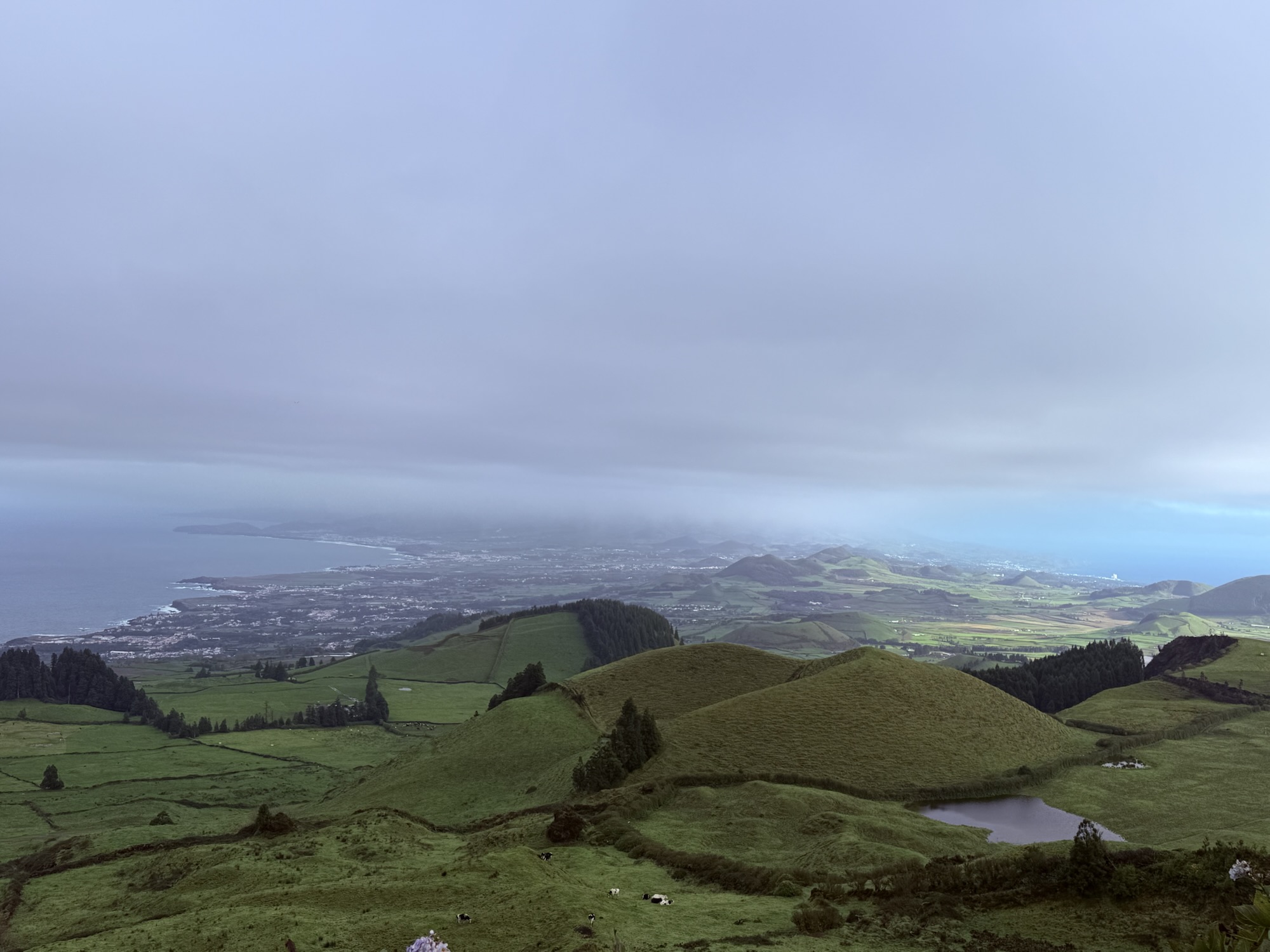
Of all the vistas, I liked the last one best – from here, we could see both the northern (left) and southern (right) coasts. The island of São Miguel feels big when driving up in the mountains, but also feels tiny when perched atop a hillside where both coasts are visible at the same time.

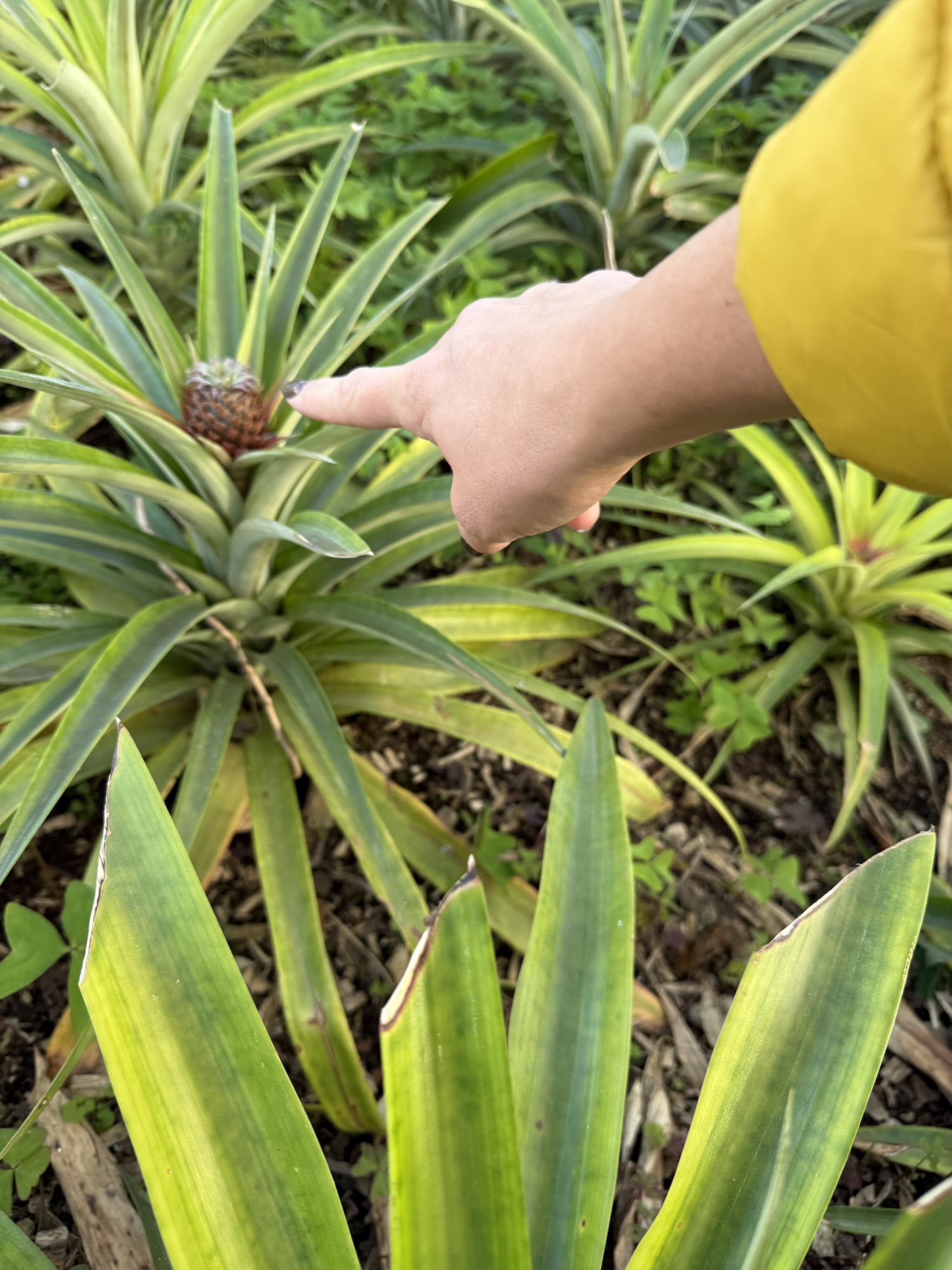
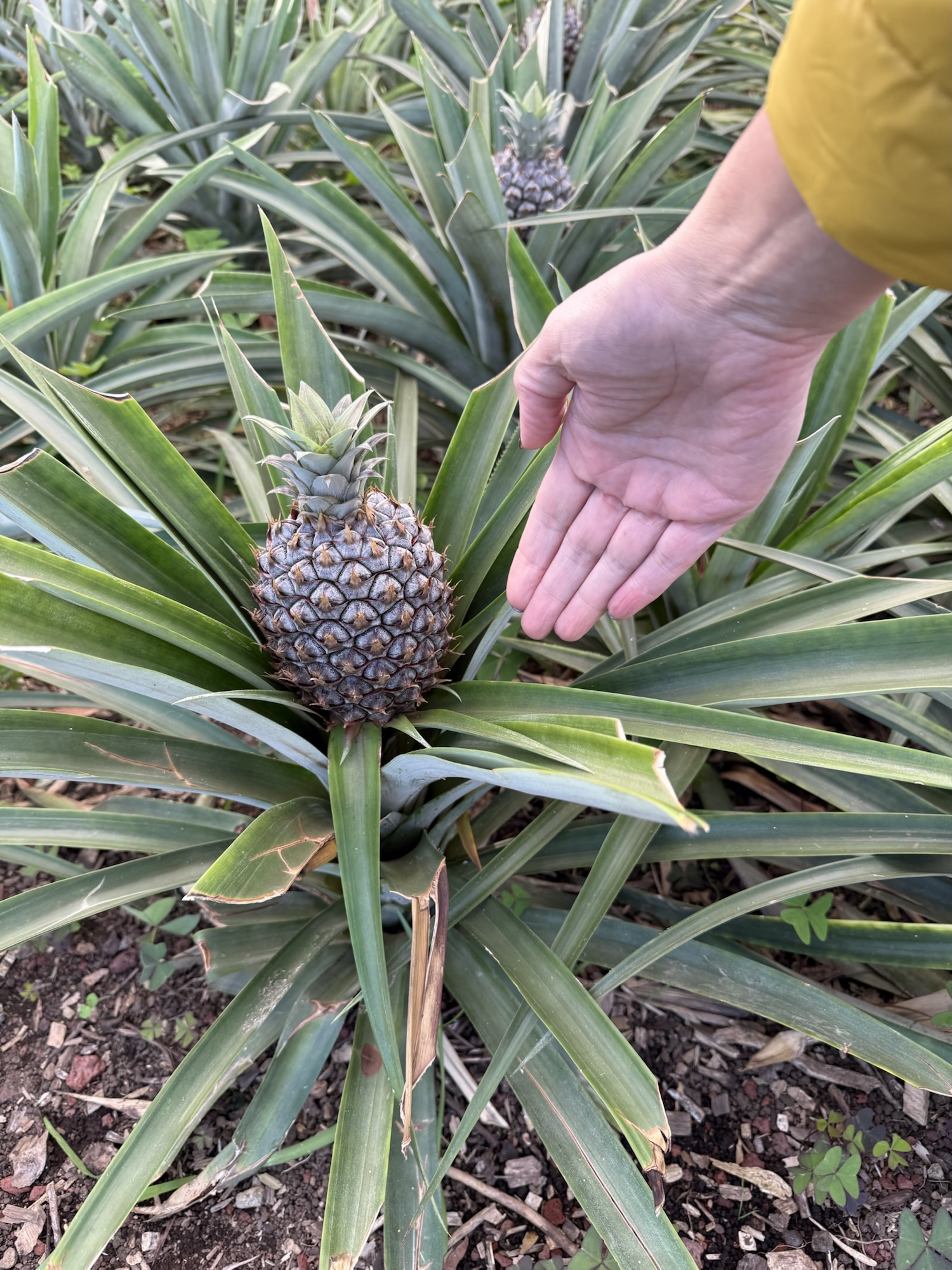
Last stop for the day was the pineapple plantation. Nearly all pineapples in the US are from the Dole mega-farms, and they taste like corporate pineapples. Azorean pineapples are delightfully delicate, tender, and sweet, without the aggressive tang of US pineapples.

Tiny pineapple!

These pineapples take 18 months to grow to maturity, and even full-grown, they are smaller than what we are used to in the US. They are sweeter, less aggressive on the tongue, and have a smoother texture, all of which results in a more delightful culinary experience.

After returning to the hotel, we enjoyed another hour in the hot water circuit of our hotel. A lovely sunset on the balcony, a delicious dinner at a local fish restaurant, and a game on the balcony wraps up the day.