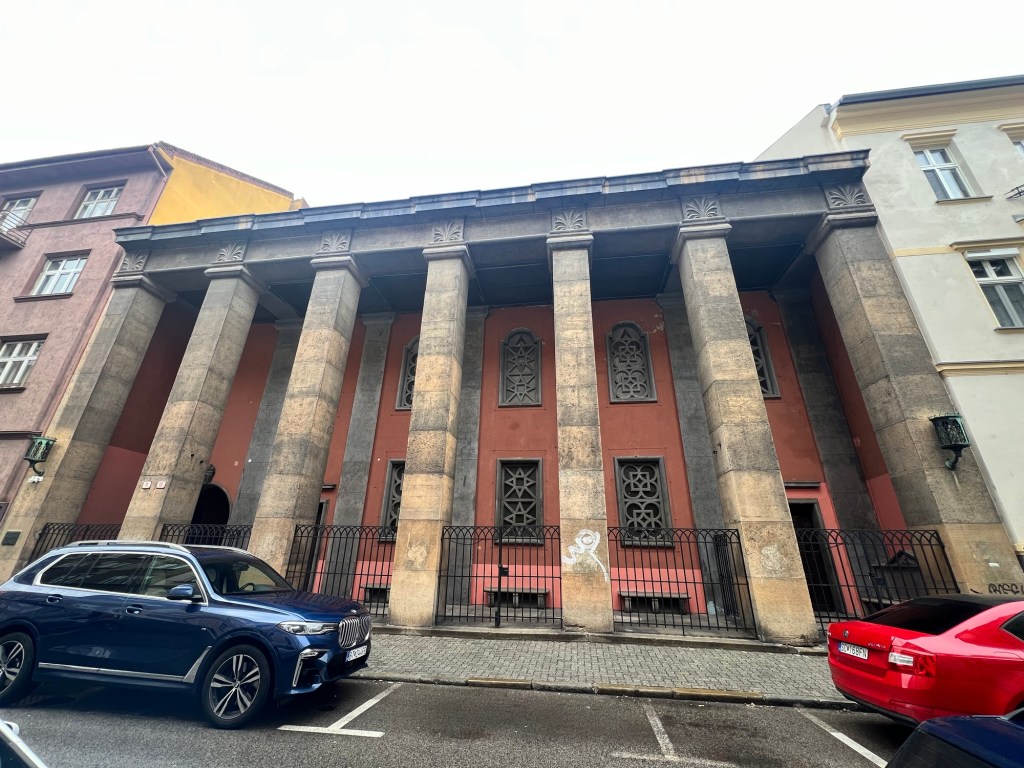
While not intentional, I planned a real whopper of a day. First up, the Great Synagogue. This is the largest synagogue in Europe, and the 2nd largest in the world after NYC. It’s truly a miracle that it survived WWII and life behind the Iron Curtain.
In the courtyard, over 2200 victims of WWII are buried in 24 mass graves. All of these victims were given proper Jewish funerals, many of whom had originally been hastily buried and then later exhumed.

Sadly, 2200 is a tiny fraction of those who died. The greater Budapest area saw over 400,000 people murdered, sent to labor/concentration camps, or dead from starvation, disease, or lack of clean drinking water. A tasteful Tree of Life memorial honors many of the other victims whose bodies were never identified.

On the synagogue grounds, there was also a really informative gallery about the Budapest ghetto. After a depressing tour, we went inside the temple. What a sight! I can see why this is sometimes called the Jewish Cathedral.


Other uplifting sights in the Jewish quarter included a monument to Carl Lutz, a Swiss official who helped countless Jews get false papers and who prevented the destruction of the ghetto, and street markers signaling the edge of the former Budapest ghetto.


We stopped for a quick lunch (excellent semi-fast food falafel), and then meandered our way over to the House of Terror museum. This building was used by fascists in WWII and the Arrow Cross and other communist officials for detaining, torturing, and executing opposition members.

It was an interesting multi-media museum, although it jumped from the 1950s to 1991 in a somewhat jarring manner. There’s apparently some controversy around its portrayal of Hungary as a helpless pawn in the games played by Nazi fascists and Soviet-backed communists that I wasn’t aware of before (I can see their point, based off the tone of the material in the museum). Still, it was informative and did a good job of making visitors feel uncomfortable, which war crime themed museums should certainly do.

With heavy hearts, we turned our sights on more uplifting evening activities, starting with a walk along Andrássy út, a gorgeous boulevard on the UNESCO world heritage list. Each building had a different architectural style, and it was a beautiful walk.


At the end of the boulevard, visitors enter Heroes’ Square. This marks the start of City Park, a vast green space with all manner of interesting buildings (including a castle!), an ice skating rink, and a massive hot bath facility.


The Széchenyi baths have over a dozen tubs. Most are in the ideal 38 degree Celsius range. The water was truly lovely, but the clientele here runs a lot younger and so the vibe wasn’t quite our scene (on weekend nights, they bring in DJs and turn the place into a water-based club for events called sparties).


After much debate, we ended up at a Lebanese restaurant for dinner. A very nice Lebanese restaurant. It was absolutely delicious, and still under $100 including a bottle of very nice Hungarian wine.
Tomorrow’s docket is substantially less morbid, thankfully. Nevertheless, we had a really wonderful day on what’s been a consistently wonderful trip!








 Vacation Days