After arriving in Lyon truly exhausted, I did my best to sleep before meeting up with my travel companions for the 2-hour ride out to our first hotel.
Château De Saulon is a 17th century “castle” turned hotel, complete with its own small forest. It’s nestled between fields and tiny (and I mean tiny!) villages for an exceptionally quaint setting.
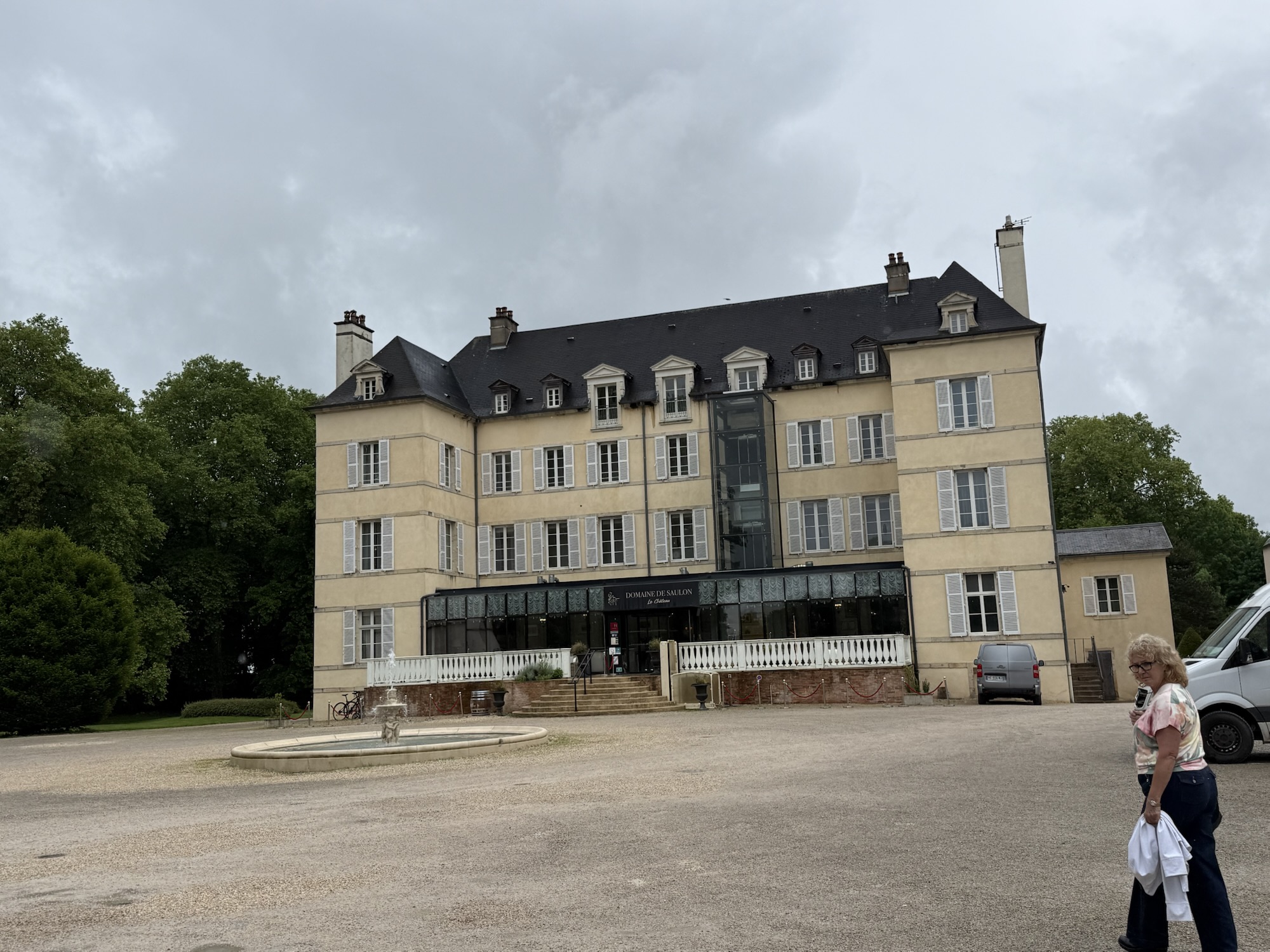
Château De Saulon
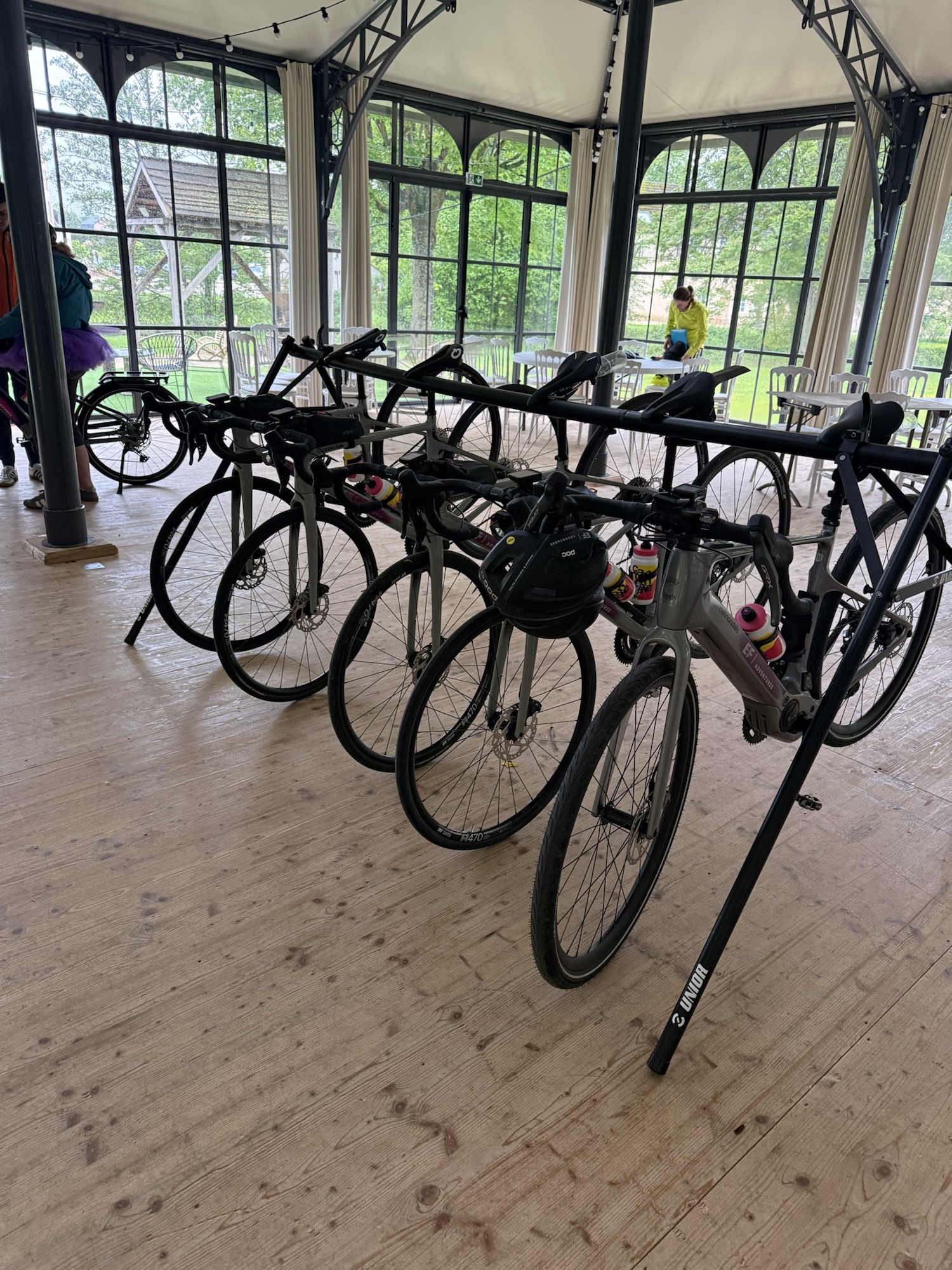
Before dinner, we got set up with our gear. I wasn’t sure about this whole organized tour thing, but boy, it’s super nice not having to do anything at all to plan. The company provided nice bikes which were already set up according to our reported specs. They gave us helmets and water bottles, they tune the bikes up each day, and they transport the bikes (and us, if needed), so there’s never pressure to do something we do not want to do.
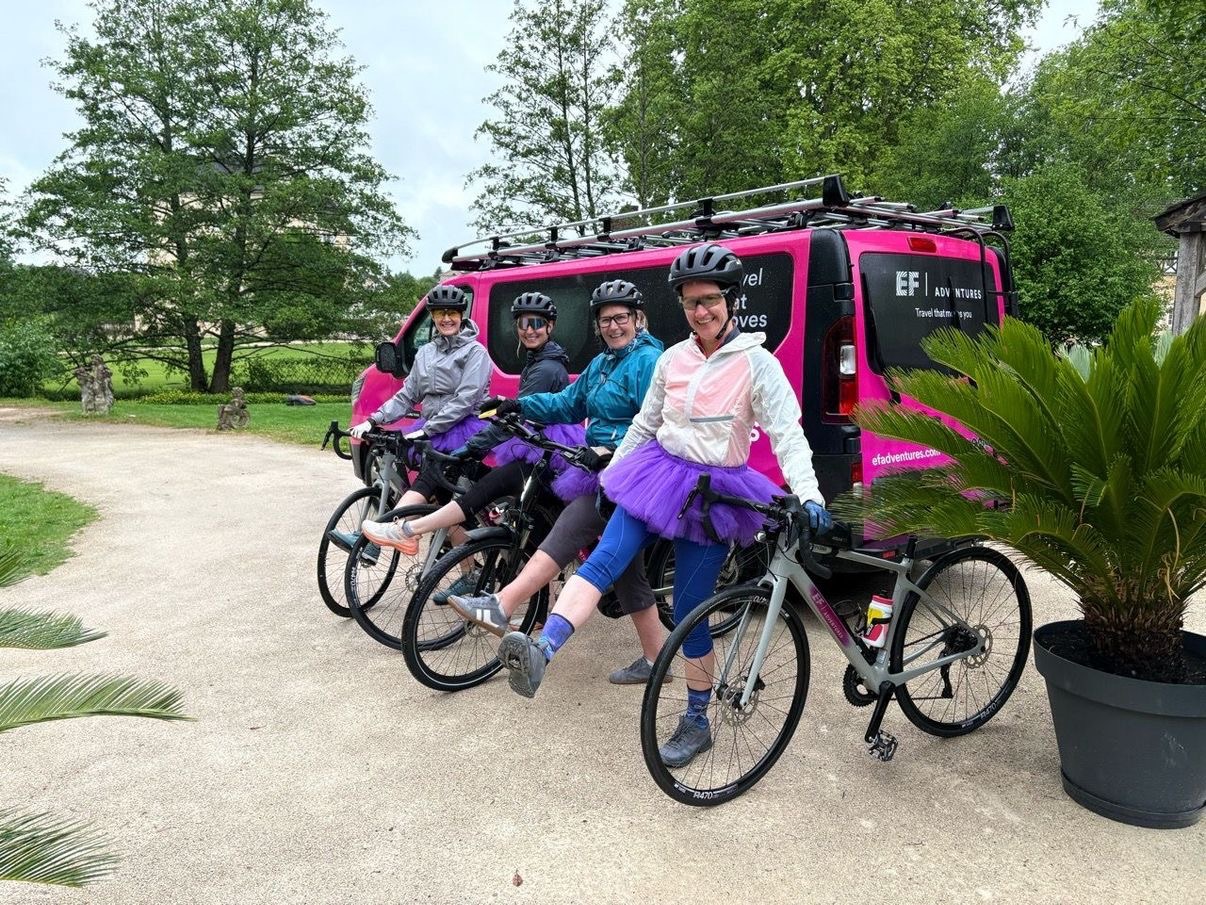
This morning we had breakfast, put on our purple tutus (gotta have swag!) and set off for ~20 miles of riding. Weather wasn’t totally on our side, so we did our best to time the ride during the break in the rain. We mostly (but not completely) succeeded.
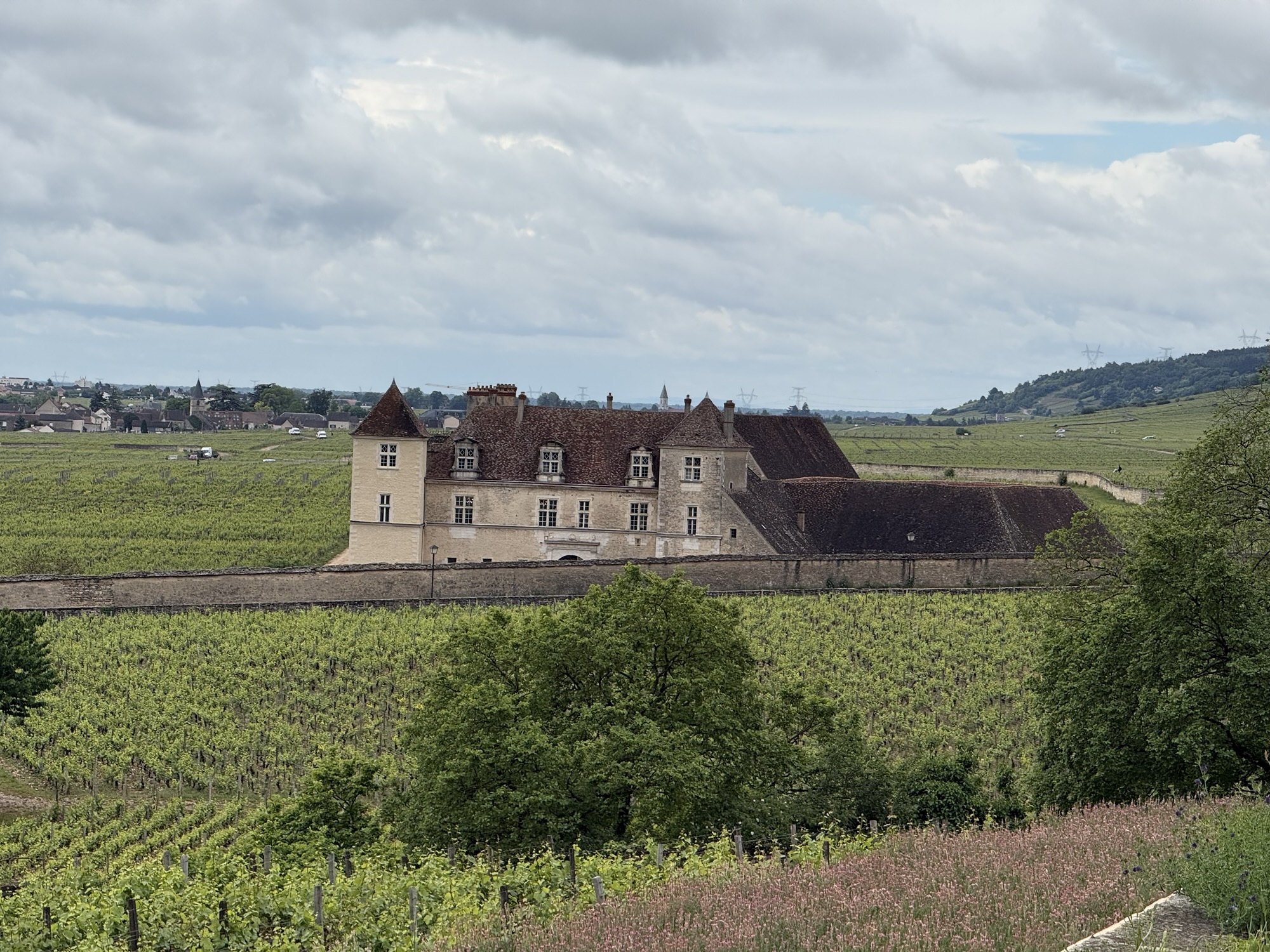
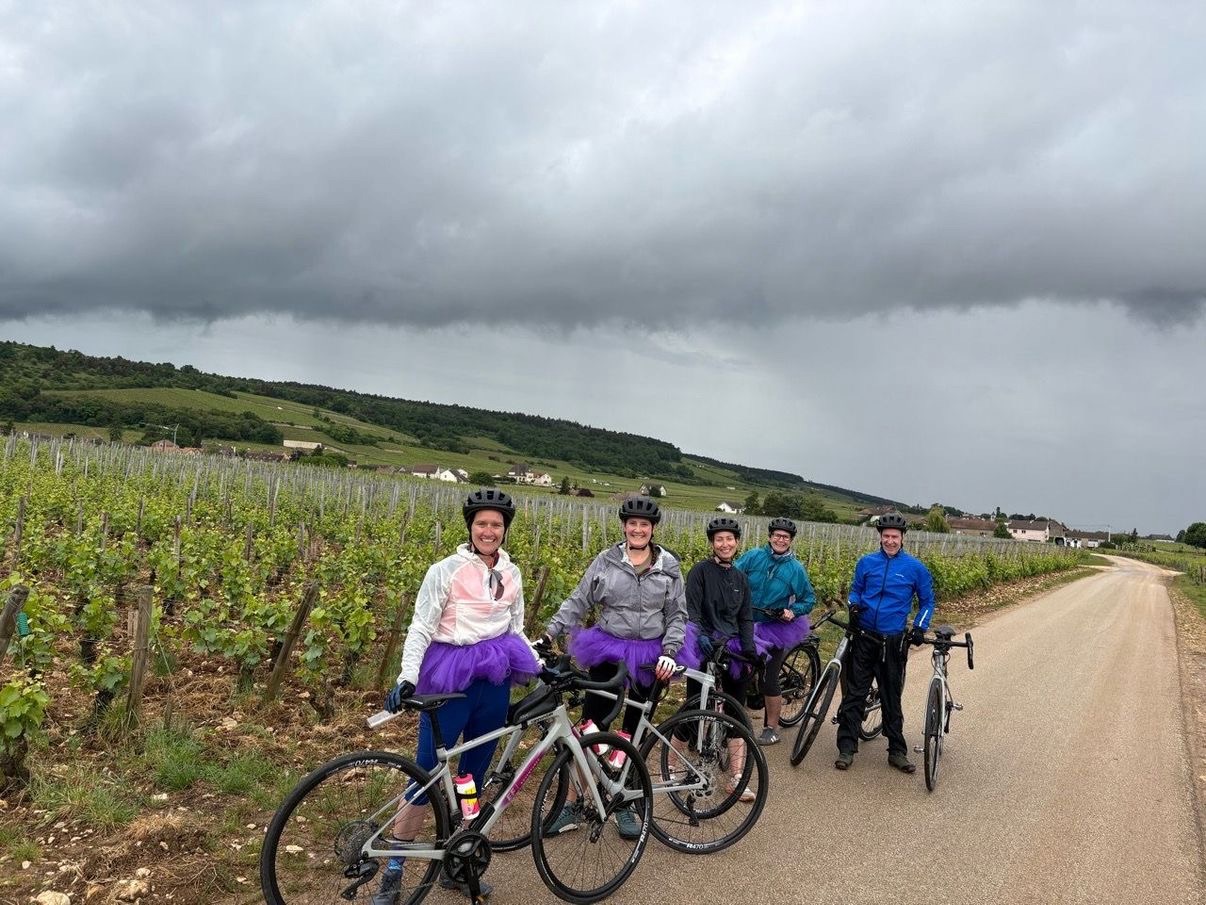
The Burgundy valley is really gorgeous. Vineyards are truly everywhere, and the villages we did pass through were very small and looked as if the last 3 centuries haven’t happened.
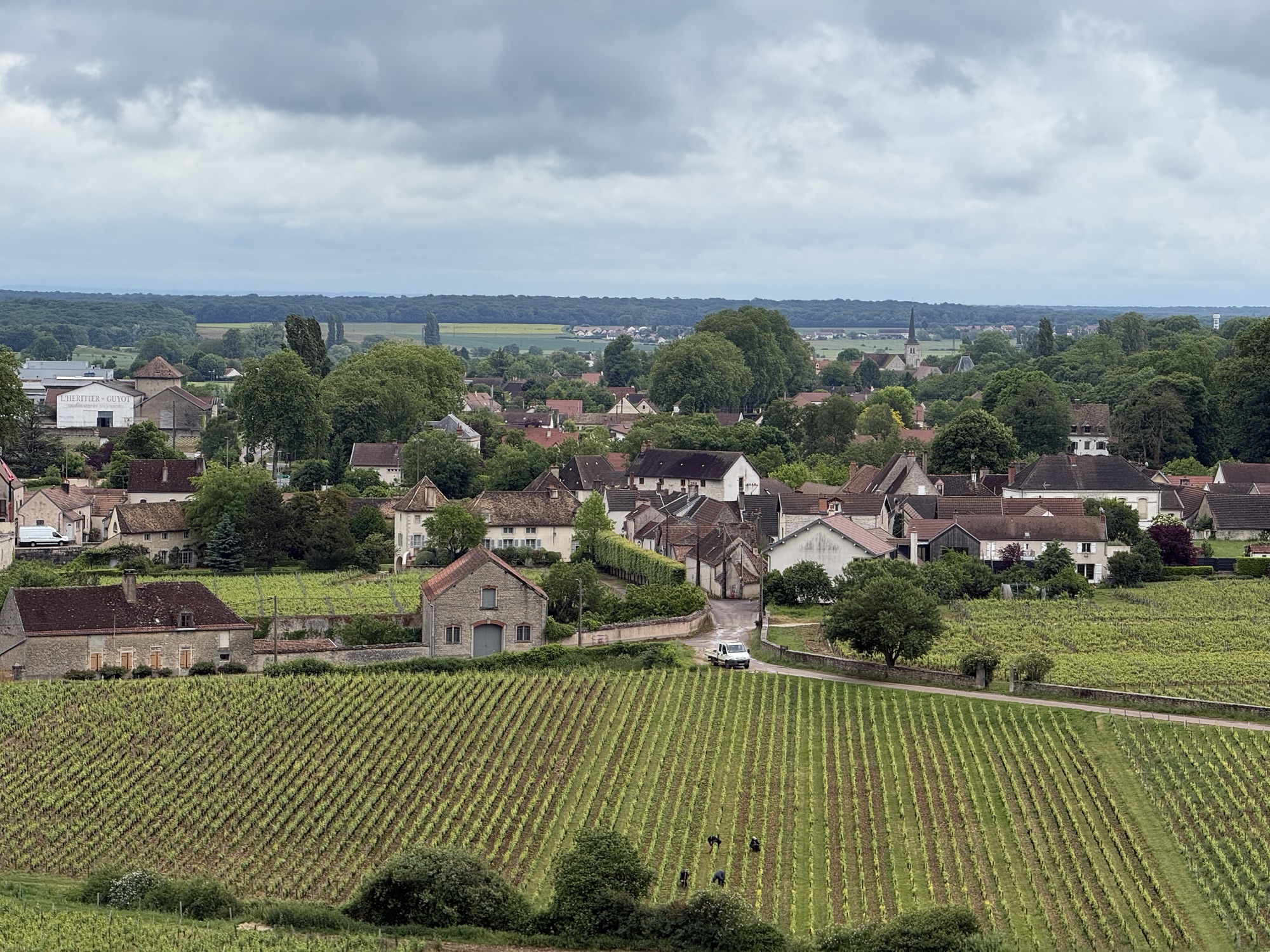
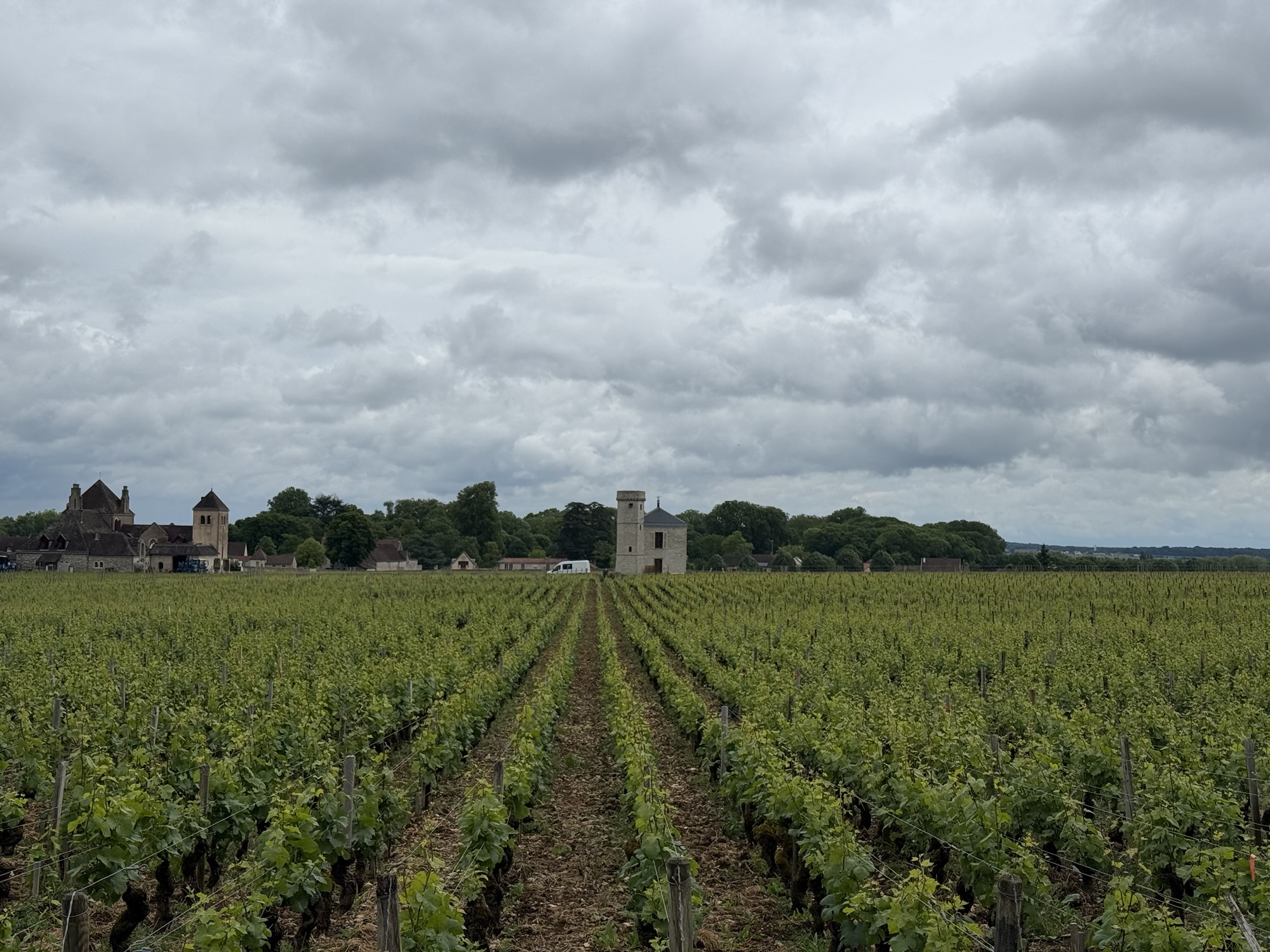
We stopped at an 11th century abbey that used to make wine, then headed off to lunch. I’m making it my goal to have cheese at every meal because the cheese here is simply unlike anything I can get in the US. Same with the wine – it’s amazing.
I’ll learn more tomorrow when we visit a winery, but I know that Burgundy wine only comes in 3 kinds: Pinot noir for red, Chardonnay for white, and Crémant for sparkling. That’s it. The idea is that if the grapes are all the same type, it’s easier to determine the quality variations from soil, elevation, etc.
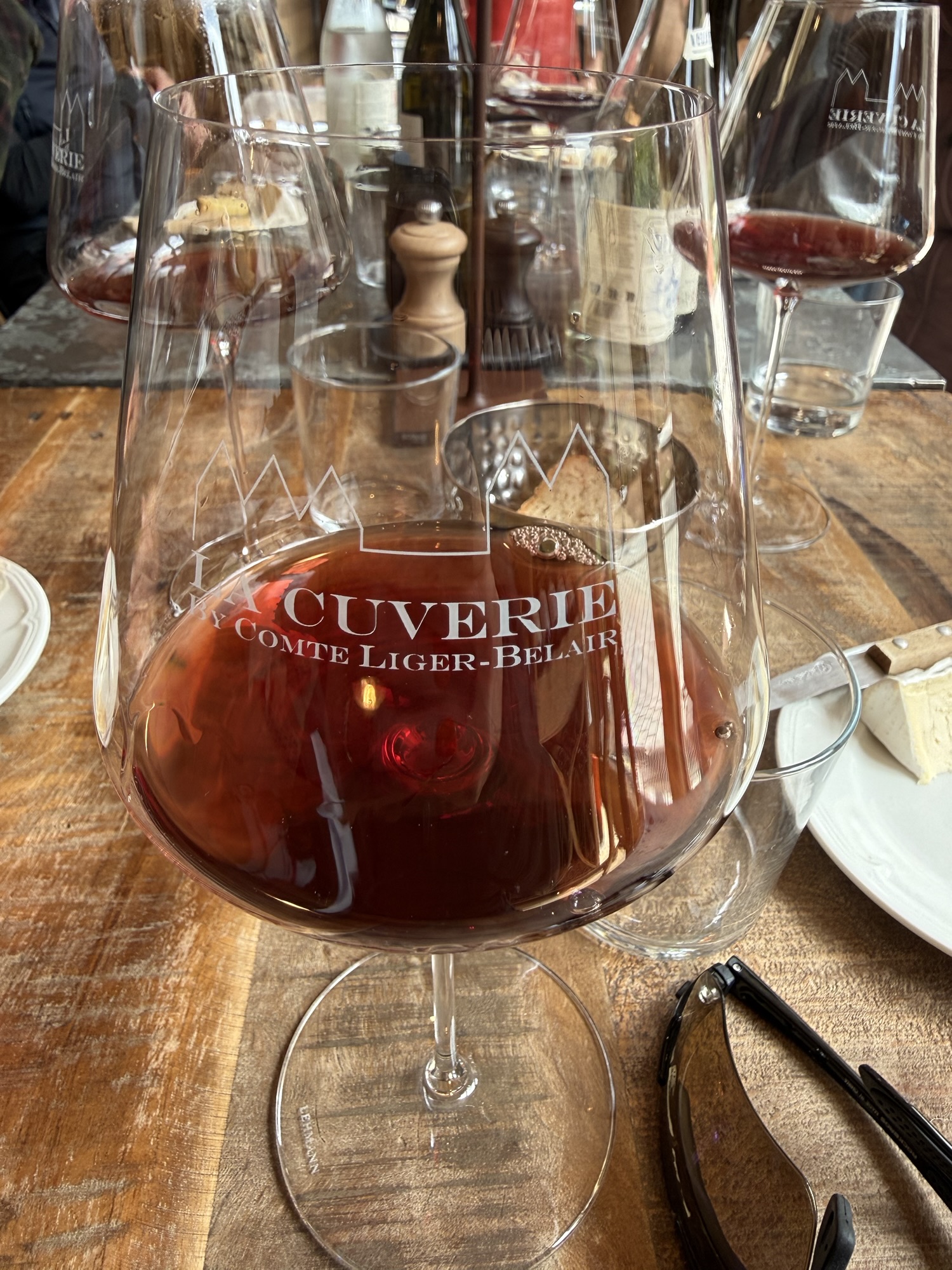
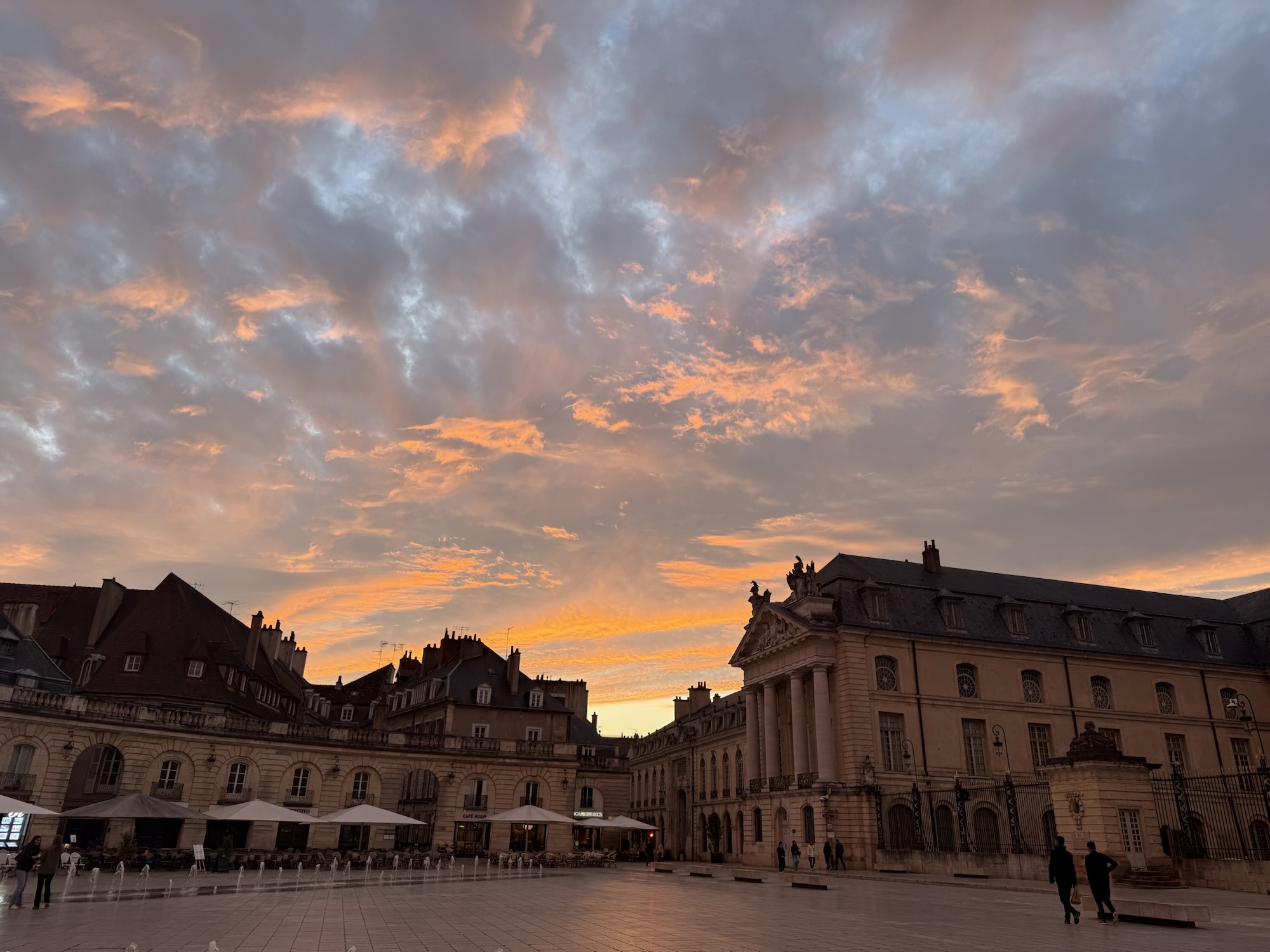
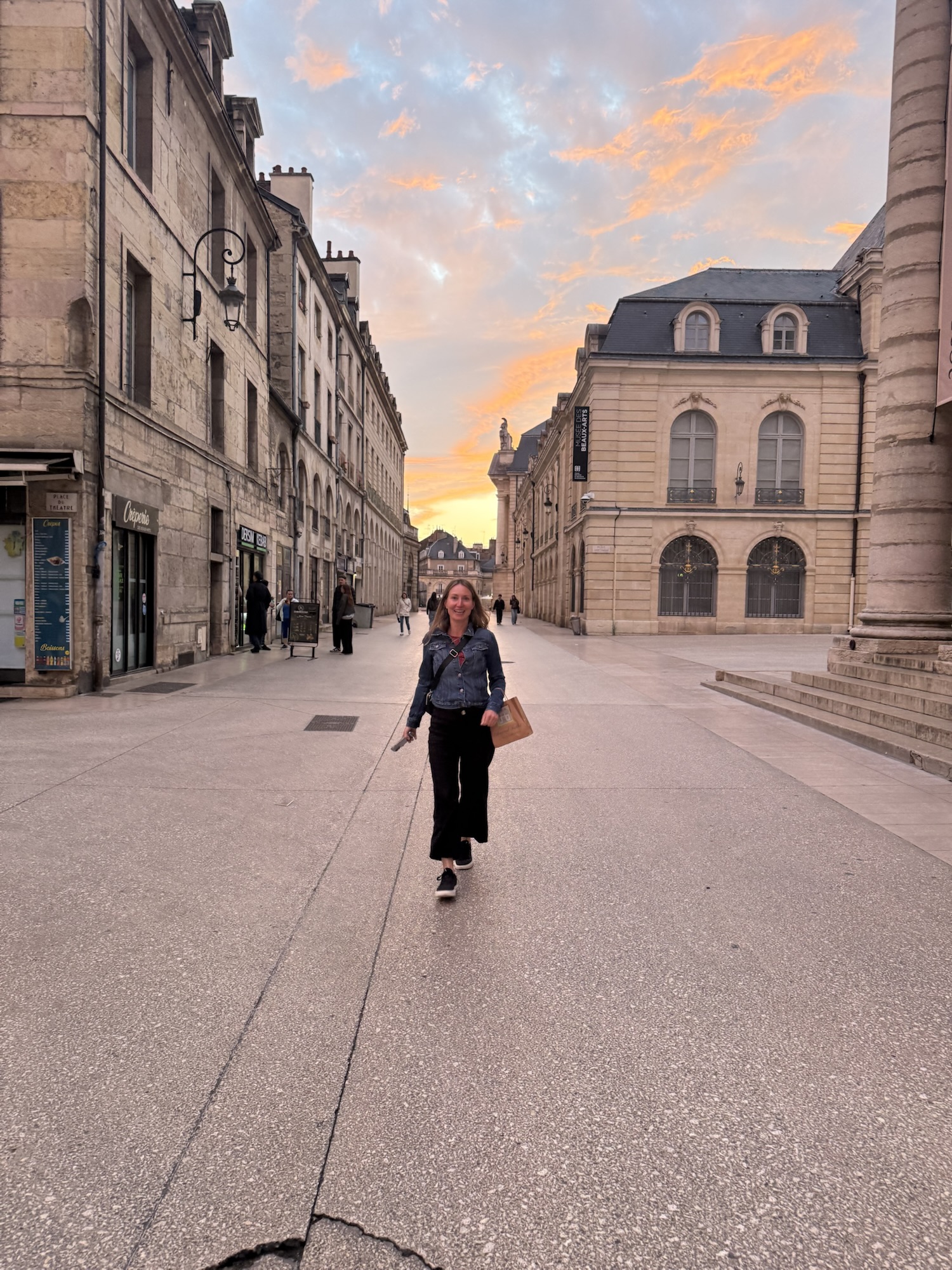
After a hearty lunch (all French meals are hearty), we went back to the hotel to shower and rest before our trip to Dijon. I wasn’t sure that I wanted to go on this optional tour because I’m not super into French history, but I’m glad I went. Dijon, it seems, has a history all its own that’s almost divorced from French history. It had Dukes and wasn’t typically under the rule of the French king, it was closely tied with (and often ruled) Belgium and the Netherlands, and it doesn’t have a medieval history.
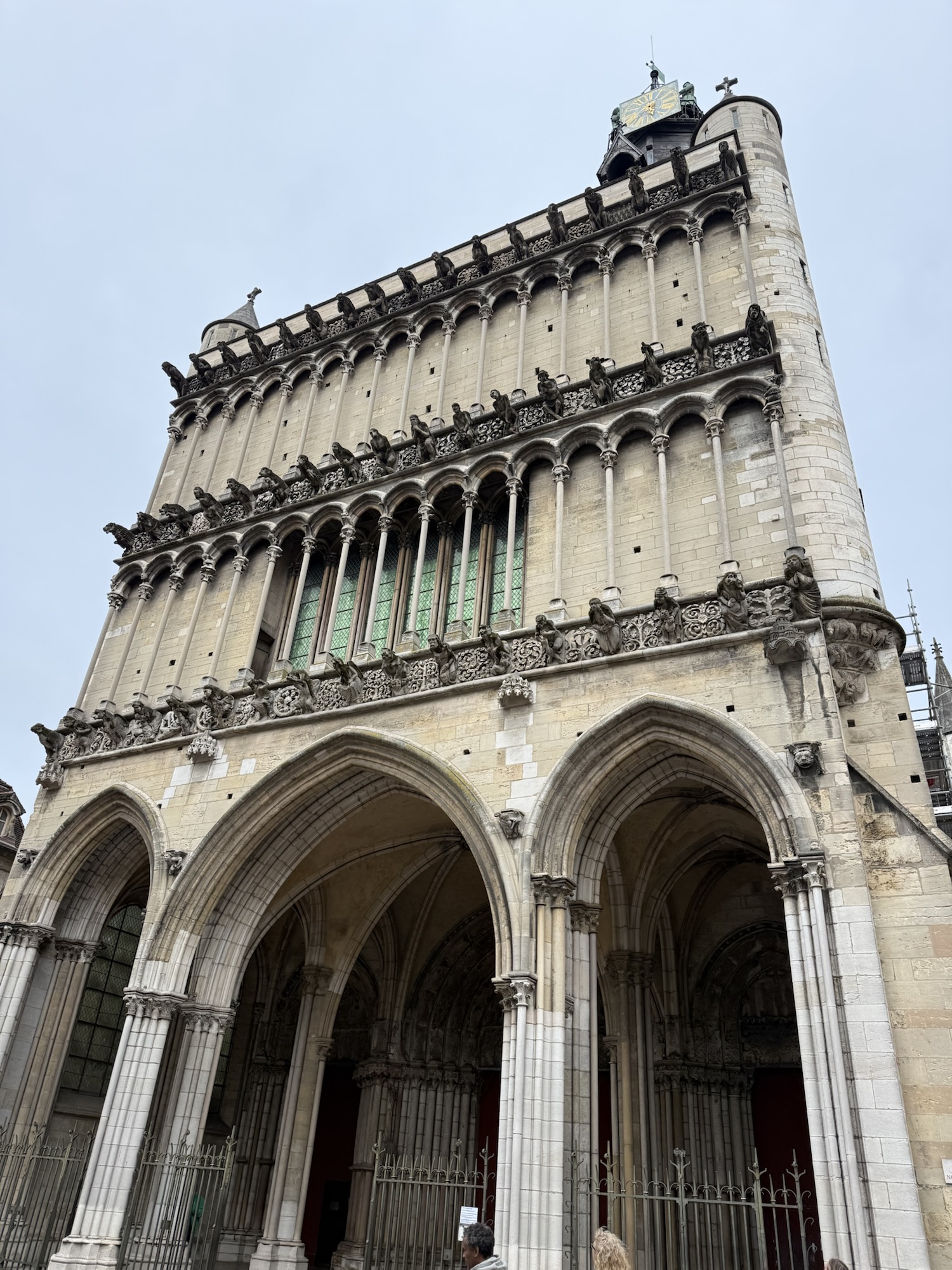
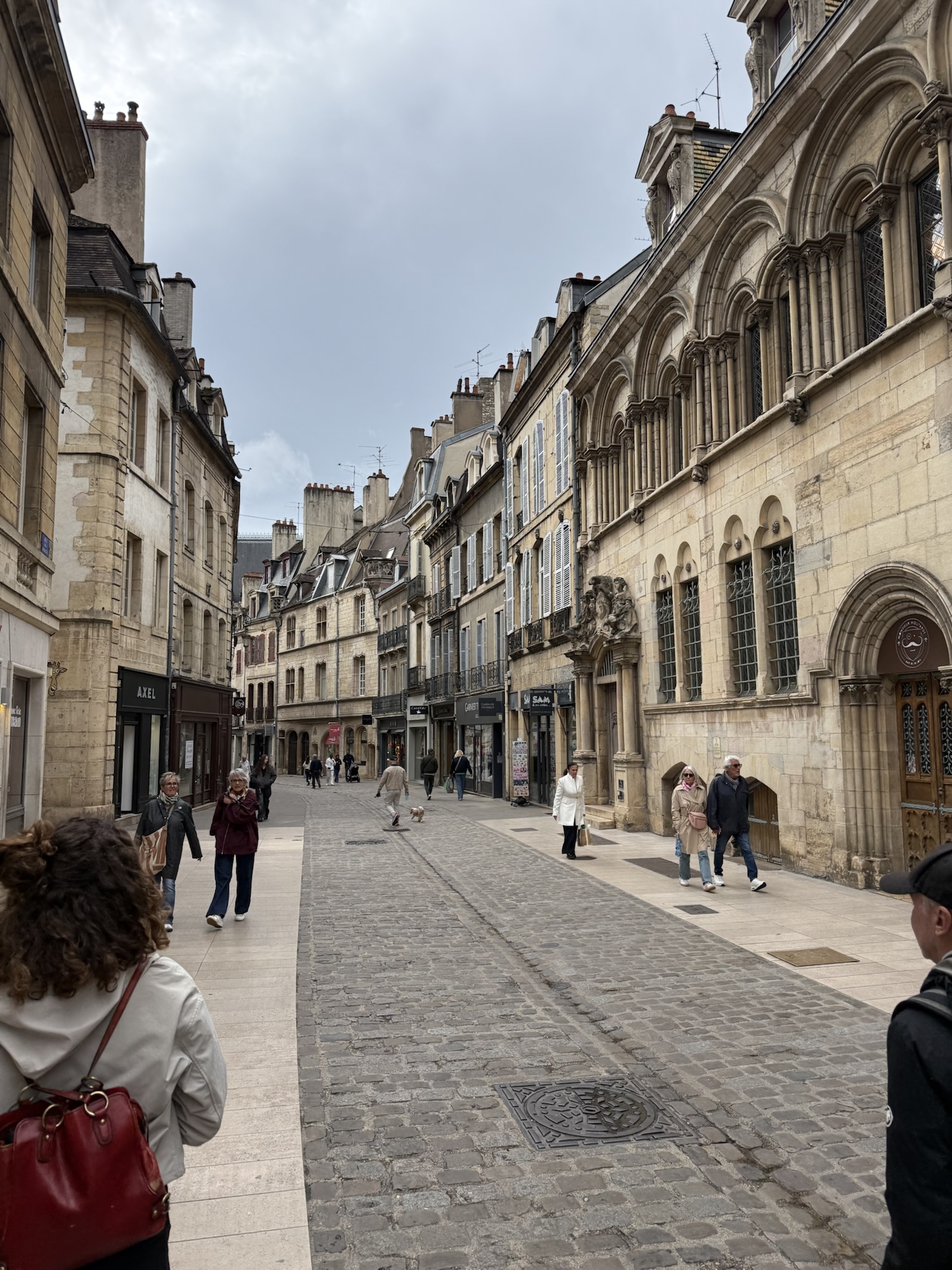
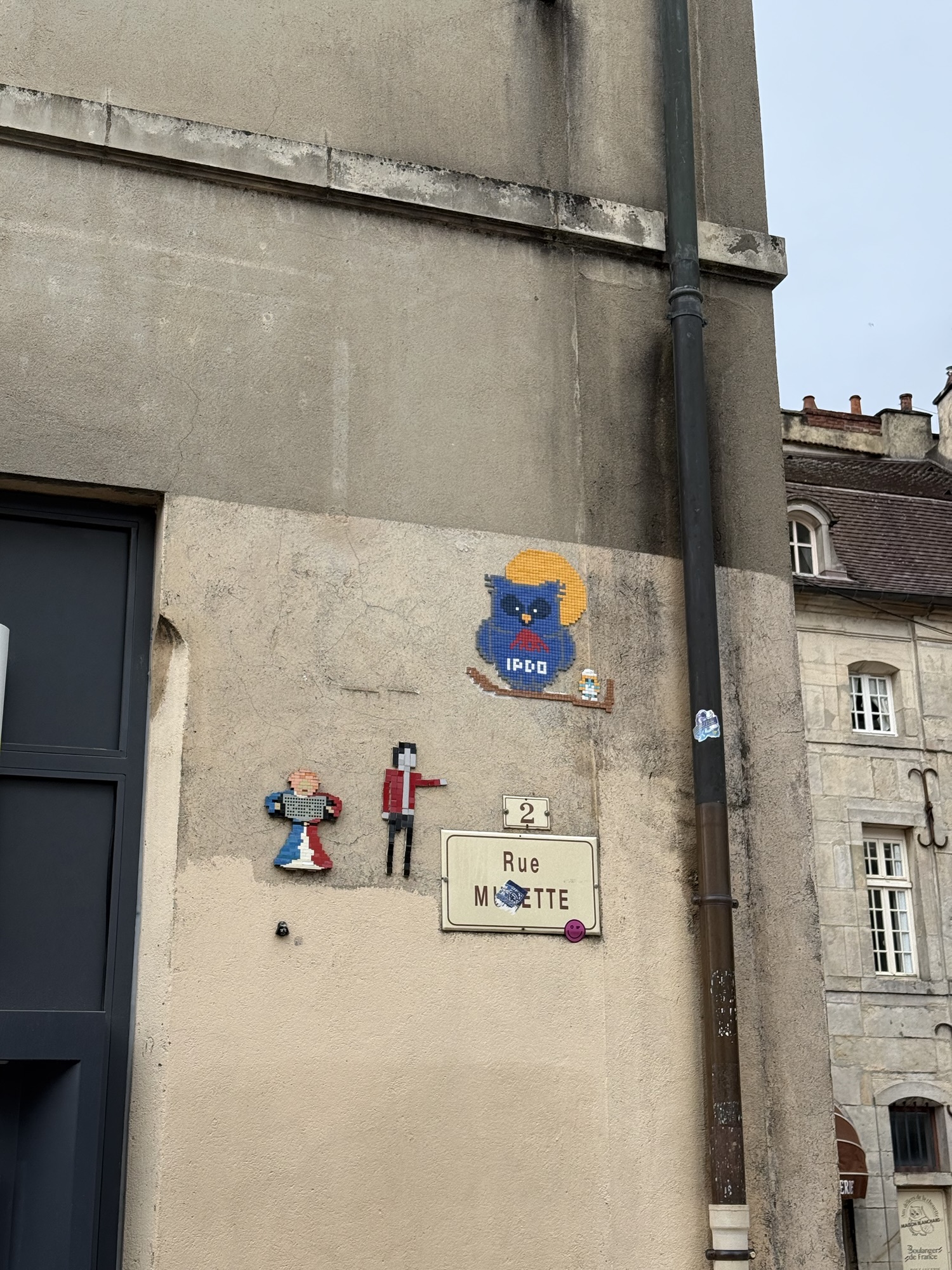
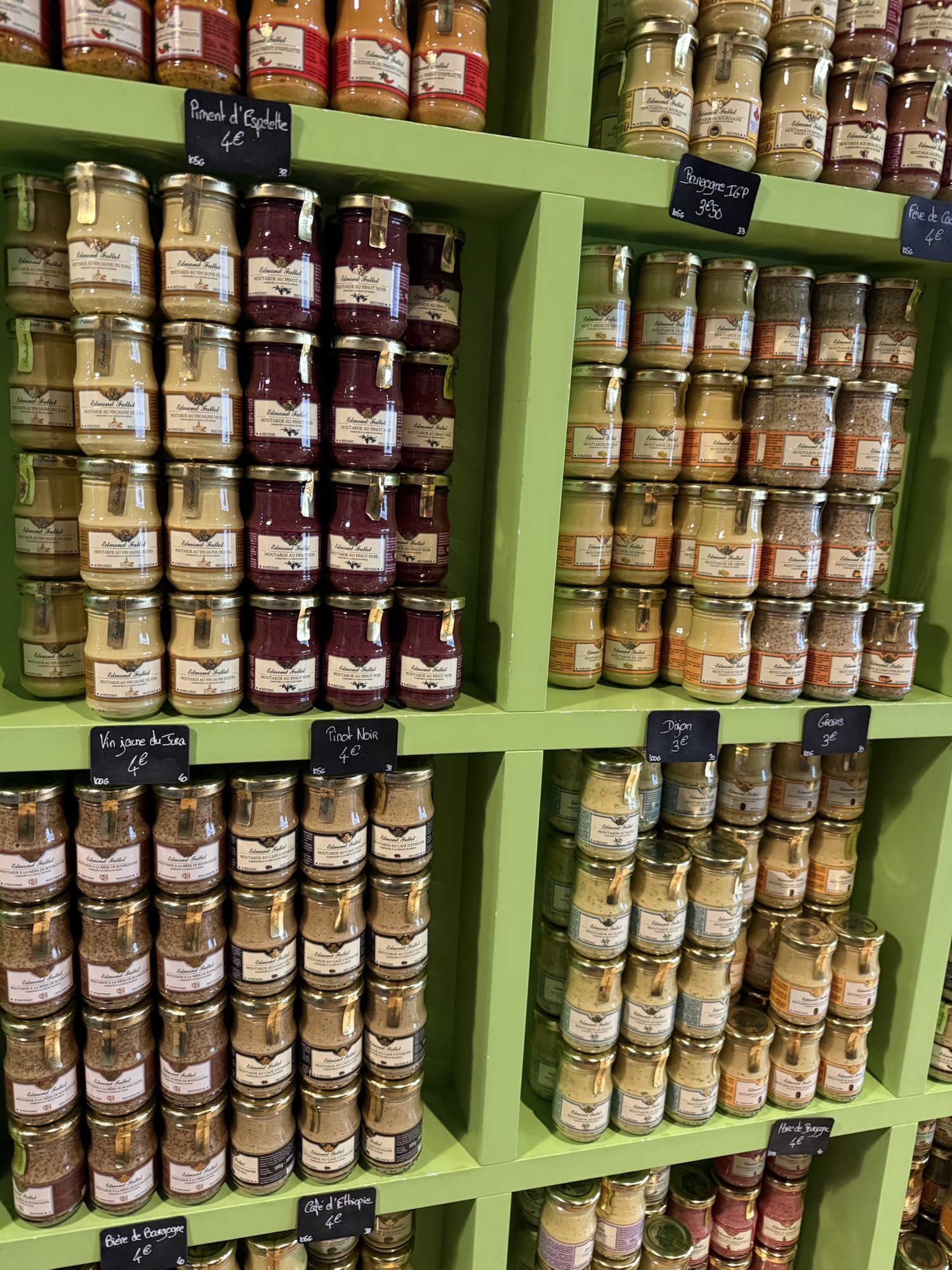
We tried Dijon mustard and learned that, unlike Champagne or Parmesan cheese, it’s not a protected product. If you have the recipe, you can make Dijon mustard and market it as such, although I have to say, the stuff here has a much stronger kick to it, similar to horseradish.
It was freeeeezing out, so after finishing our tour, we piled into the first restaurant we saw and had dinner. I had sea bream in a light cheese sauce and a side of cauliflower gratin with emmentaler. It was very good, and very affordable!
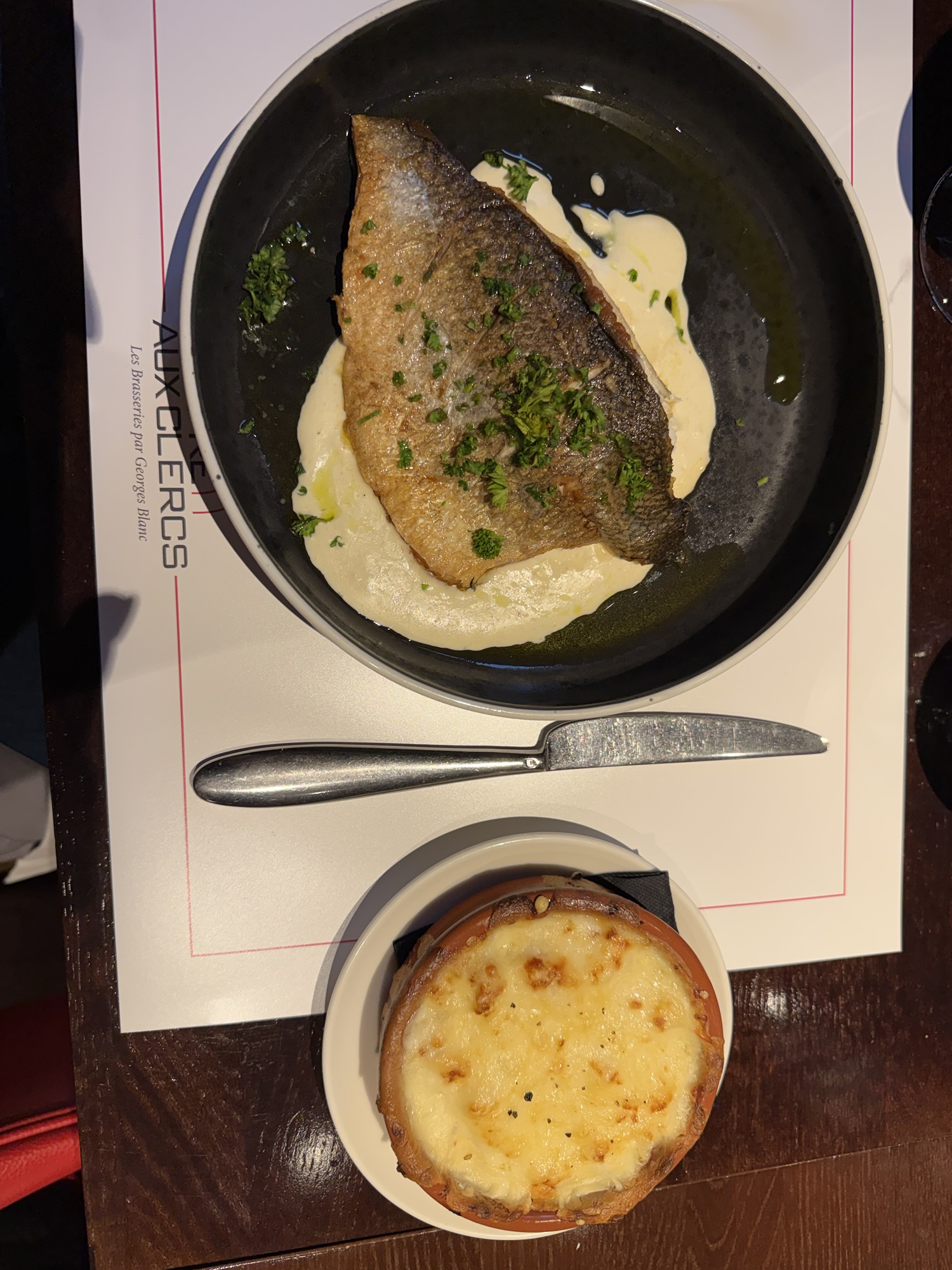
Food here has been consistently wonderful. Portions aren’t too big, but every ingredient tastes fresh and important for the meal, and you feel satisfied. I am absolutely certain that they are not conservative with the amount of butter that they add to everything! And there’s a surprising amount of fish given that this region isn’t coastal in any way, but it’s always tasted fresh!

 Vacation Days